Top 20 Natural Monuments around Eibelstadt
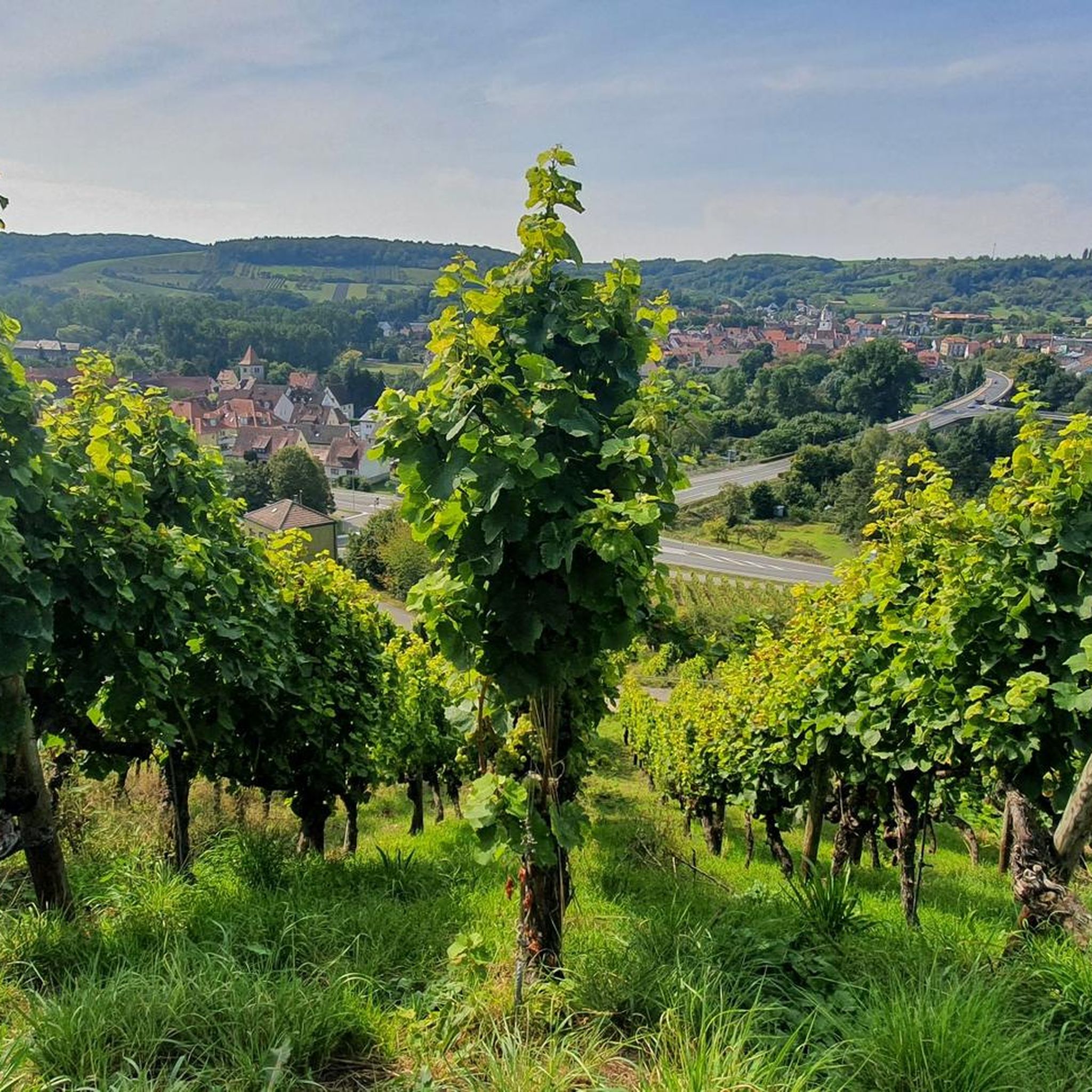
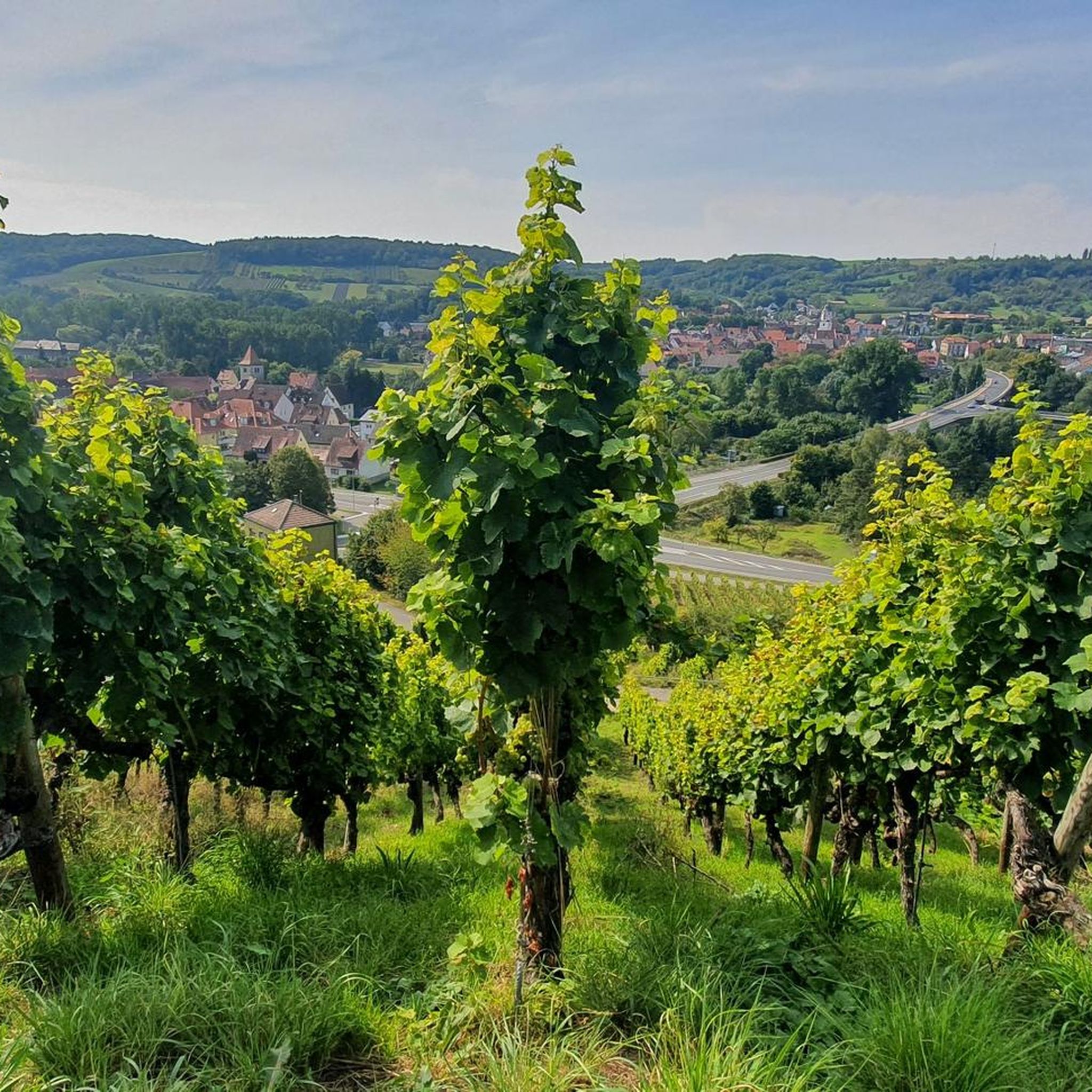
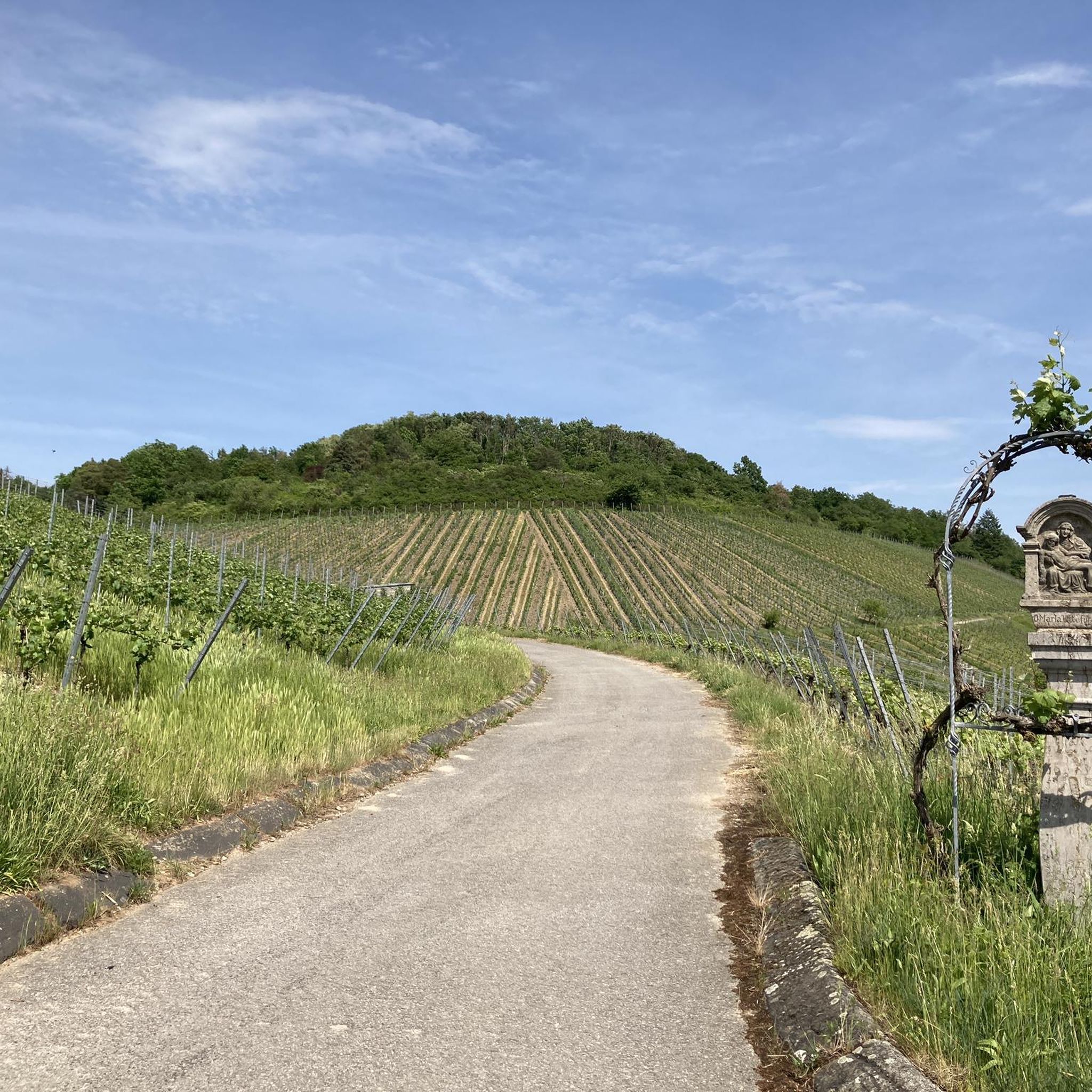
Natural monuments around Eibelstadt are characterized by the Main River and extensive vineyards, defining the landscape of Franconia's wine country. The region offers a blend of natural beauty, geological interest, and recreational activities. Eibelstadt is situated at a central point of the Main River, which provides a tranquil environment with lush greenery and vineyards along its banks. The area's vineyards, such as "Eibelstadter Mönchsleite" and "Eibelstadter Kapellenberg," showcase unique geological features and traditional viticulture.
Best natural monuments around Eibelstadt
- The…
Last updated: June 24, 2026
Court Garden at the Würzburg Residence
Highlight • Natural Monument
More information: residenz-wuerzburg.de/deutsch/garten/geschichte.htm
Translated by Google •
Tip by

Anna Gorge
Highlight (Segment) • Gorge
Translated by Google •
Tip by

Sign up now to discover places like this
Get recommendations on the best single tracks, peaks, & plenty of other exciting outdoor places.
Sign up for free
Laichsee in the Steinbach Valley
Highlight • Lake
Translated by Google •
Tip by

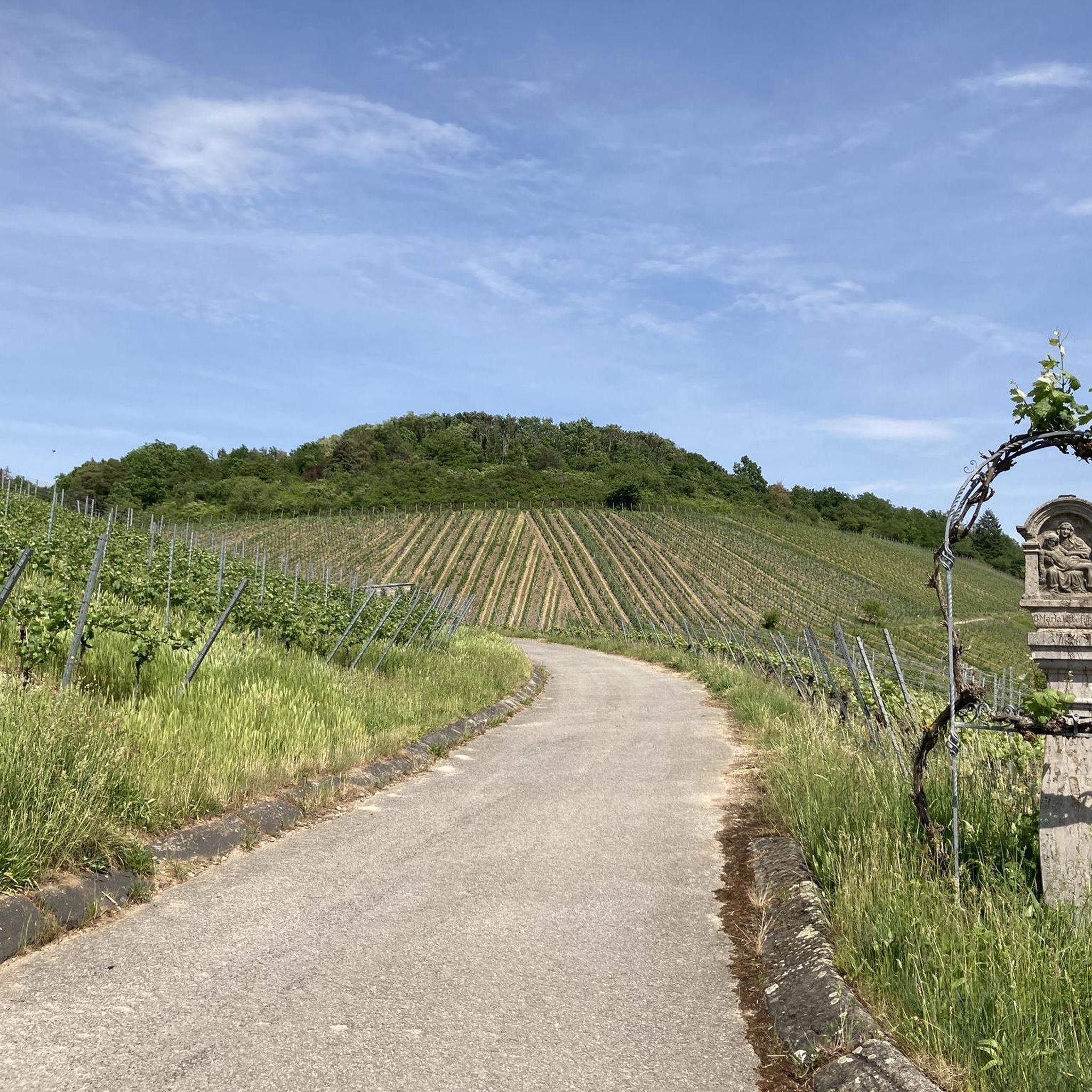
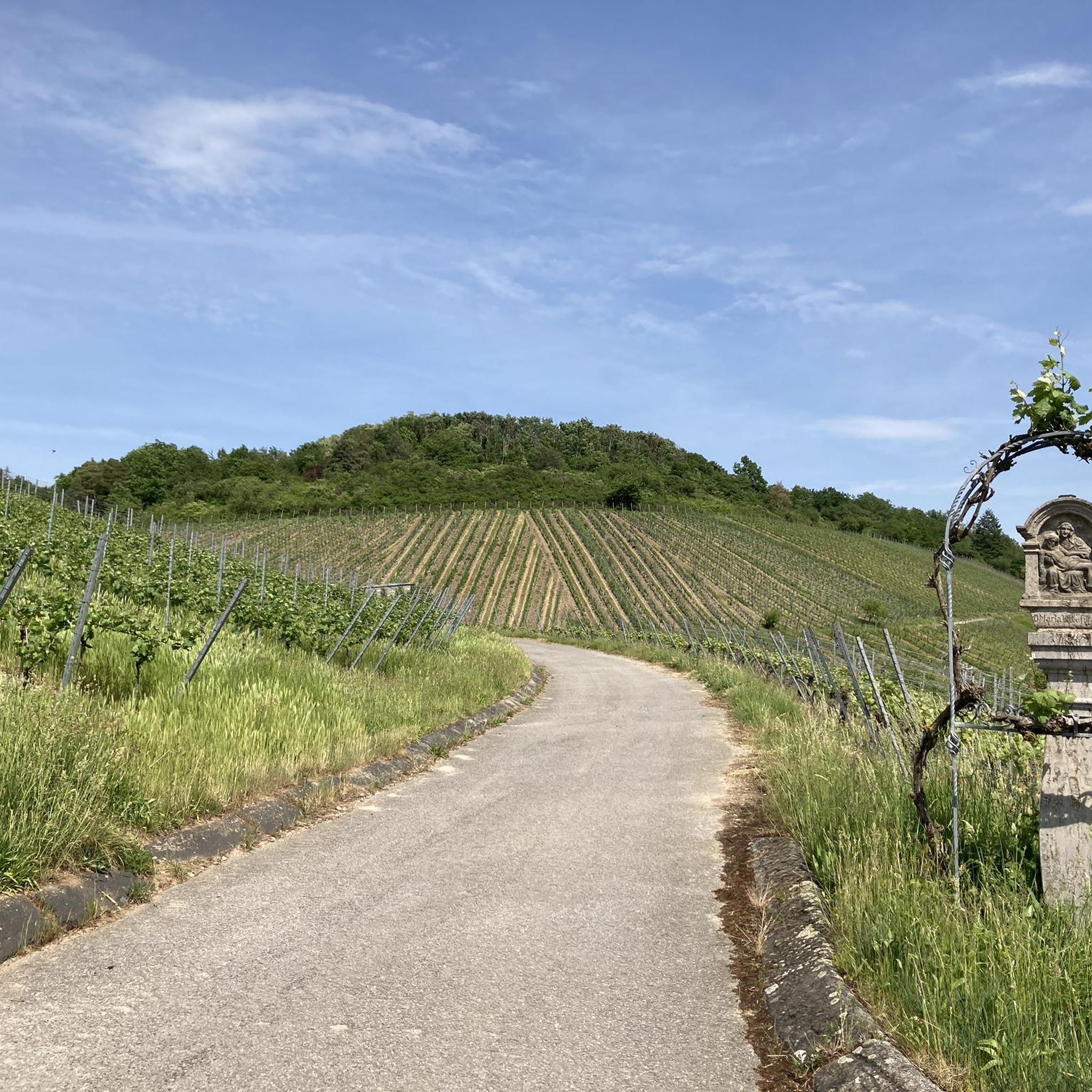
Stein Wine Trail (Würzburger Stein)
Highlight (Segment) • Trail
Translated by Google •
Tip by
Bismarck Tower, Würzburg
Highlight • Monument
Translated by Google •
Tip by

Sign up for free to discover even more natural monuments around Eibelstadt.
Sign up for free
Already have an account?
Start today with a free account
Your next adventure awaits.
Login or Signup

Tips from the Community

An average gradient of 20% speaks for itself. Unfortunately, the path is repeatedly interrupted by stairs.
1
0


Fine gorge, well secured… However, it would be nicer left natural and without an asphalt road
12
2


The Bismarck Tower (or Bismarck Tower) was built in the Bismarckwäldchen, which was created around 1900. The idea came from Würzburg anatomy professor Oskar Schultze. Alternative names are Bismarck Column or Bismarck Fire Column. The tower is owned by the city of Würzburg and is a listed building. The tower is located above the Würzburger Stein vineyard in the natural monument "Steinbergsanlagen am Bismarckturm" (Bismarckwäldchen). This area between Reußenweg and Mittlerer Schalksbergweg is part of the Grombühl recreation area. The tower can be reached on foot via the Rotkreuzsteige or the Stein-Wein-Pfad. By car, you can reach the Bismarckwäldchen via the Oberer Schalksbergweg or Oberdürrbacher Straße. Source: https://wuerzburgwiki.de/wiki/Bismarckturm
1
0


The wines from the world-famous “Würzburger Stein” vineyard are excellent and the view over Würzburg is unique. The “Würzburger Stein” vineyard is the largest single vineyard in Germany and is an inseparable part of Würzburg’s history. https://www.wuerzburger-steinweinpfad.de/steinweinpfad/index.html
1
0
The Bismarck Tower (or Bismarck Tower) was built in the Bismarck Grove, which was created around 1900. The idea came from Würzburg anatomy professor Oskar Schultze [1]. Alternative names are Bismarck Column or Bismarck Fire Column. The tower is owned by the city of Würzburg and is a listed building. Professor Oskar Schultze, who headed the Anatomical Institute of the University of Würzburg from 1912 to 1920, founded an association or committee to erect a Bismarck Fire Column. The student body also founded a committee, but it was dissolved due to a lack of interest. In general, fundraising for the Fire Column was slow, as the financing of other monuments (e.g. the Prince Regent Monument) had a higher priority in Würzburg up to that point. Nonetheless, a considerable sum had been raised by the end of 1904 - the city itself contributed the 500 marks that were usual for such projects at the time. Ultimately, the city of Würzburg and the Bismarck Tower Committee announced a competition and the award-winning design "Götterdämmerung" by the architect Wilhelm Kreis (*17 March 1873 in Eltville; † 13 August 1955 in Bad Honnef) was implemented. This design was implemented 47 times in Germany and was the winner of the competition announced by the German Student Union in April 1899. A total of 240 Bismarck Towers in various designs were built at this time, although around 400 Bismarck Towers were planned. [2] Pillars of fire were even erected overseas (e.g. Chile).
1
0
Frequently Asked Questions
What unique natural features define the landscape around Eibelstadt?
The landscape around Eibelstadt is primarily defined by the picturesque Main River and its extensive vineyards. The Main River offers a tranquil environment with lush greenery, while the vineyards, such as the "Eibelstadter Mönchsleite" and "Eibelstadter Kapellenberg," showcase unique geological features like shell limestone from the Triassic era.
Are there family-friendly natural monuments to visit near Eibelstadt?
Yes, several natural monuments are suitable for families. The Court Garden at the Würzburg Residence is a beautifully landscaped garden that is barrier-free and free to access. The Anna Gorge offers a natural setting for a hike, and Laichsee in the Steinbach Valley is an artificial lake that serves as a spawning ground for toads, teeming with tadpoles in late spring, which can be interesting for children.
What kind of geological features can be observed in the Eibelstadt vineyards?
The vineyards around Eibelstadt, particularly sites like the "Eibelstadter Mönchsleite," are characterized by mineral-rich soils shaped by massive shell limestone from the Triassic era. Fossilized seashells, remnants of a primeval sea from around 220 million years ago, can still be found here, offering a glimpse into the region's ancient geological history.
What outdoor activities can I do near the natural monuments around Eibelstadt?
The region offers a variety of outdoor activities. You can enjoy cycling along the Main River, with routes like the easy "Sommerhausen Old Town – Eibelstadt Vineyards loop from Eibelstadt." For hiking, there are options such as the moderate "Lindelbach Quarry – Kere Tower (Kere-Turm) loop from Eibelstadt." Running trails are also available, including the "Skatepark Eibelstadt – Eibelstadt Beach loop from Eibelstadt." Find more routes on the Cycling around Eibelstadt, Hiking around Eibelstadt, and Running Trails around Eibelstadt guide pages.
Are there any historical sites combined with natural beauty in the area?
Yes, the Court Garden at the Würzburg Residence is a natural monument and a historical site, offering a beautifully landscaped garden that includes an orangery and an English garden. Additionally, the Stein Wine Trail (Würzburger Stein) is a trail through one of Germany's most famous vineyards, providing insights into viticulture and historical context.
When is the best time to visit the vineyards and participate in wine-related activities?
The vineyards are stunning during the growing season and harvest. For wine tastings and festivals, the months of June and July are particularly recommended, as many local winemakers host events during this period.
What views can I expect to see from viewpoints around Eibelstadt?
From various viewpoints, you can expect panoramic vistas of the Franconian wine country. The Stein Wine Trail (Würzburger Stein) offers wonderful views of Würzburg and its church towers. Another notable spot is the View of the Main River and Ochsenfurt, providing fantastic perspectives over the vineyards and the Main River.
What do visitors appreciate most about the natural monuments around Eibelstadt?
Visitors frequently highlight the blend of natural beauty, geological interest, and recreational opportunities. The serene atmosphere of the Main River, the stunning scenic views from the vineyards, and the well-maintained trails for hiking and cycling are often praised. The Anna Gorge is noted for its natural setting for hiking, while the Court Garden at the Würzburg Residence is appreciated as a relaxing break from everyday life.
Are there any natural monuments that are particularly good for spotting wildlife?
The Laichsee in the Steinbach Valley is an artificial lake that serves as a spawning ground for toads. In late May, the shady waters are teeming with tadpoles, and newts return in early spring, making it an interesting spot for observing amphibians.
Can I find information about viticulture while exploring the natural monuments?
Yes, the Stein Wine Trail (Würzburger Stein) is specifically designed for this. Along this panoramic circular route, you'll find information boards that delve into the subject of viticulture, including details about the region's winemaking history and the unique characteristics of the vineyards.
What is the significance of the Main River to Eibelstadt's natural environment?
The Main River is central to Eibelstadt's natural environment, flowing alongside the town and providing a picturesque setting. It offers a tranquil environment with its banks often lined by lush greenery and vineyards. The river is also a major waterway that supports recreational activities like cycling and hiking along its well-developed paths.
Most popular routes around Eibelstadt
Most popular attractions around Eibelstadt

Get inspired with the komoot mobile app


Explore more
Extend your search for the best caves by checking out these guides of the top ones around Eibelstadt:
