Top 20 Natural Monuments around Guttenberger Wald
Best natural monuments around Guttenberger Wald include a diverse range of protected natural areas and unique geological features. The Guttenberger Wald is designated as an FFH-area and Bannwald, recognized for its extensive deciduous forest, rare moorland sites, and significant bat populations. This region offers opportunities to explore ecologically important habitats and natural formations.
Best natural monuments around Guttenberger Wald
- The most popular natural monuments is Blutsee Moor, a natural monument and lake known for its swinging lawns. This protected…
Last updated: July 8, 2026
Blutsee-Moor Nature Reserve
Highlight • Natural
Translated by Google •
Tip by

Blutsee Moor
Highlight • Natural Monument
Translated by Google •
Tip by

Sign up now to discover places like this
Get recommendations on the best single tracks, peaks, & plenty of other exciting outdoor places.
Sign up for free
Keltenschanze Archaeological Site
Highlight • Historical Site
Translated by Google •
Tip by

Haselbrunn Spring
Highlight • Natural Monument
Translated by Google •
Tip by
Forest nature conservation in the urban forest
Highlight • Forest
The city forest extends southwest of the Steinbachtal …
Translated by Google •
Tip by

Sign up for free to discover even more natural monuments around Guttenberger Wald.
Sign up for free
Already have an account?
Start today with a free account
Your next adventure awaits.
Login or Signup
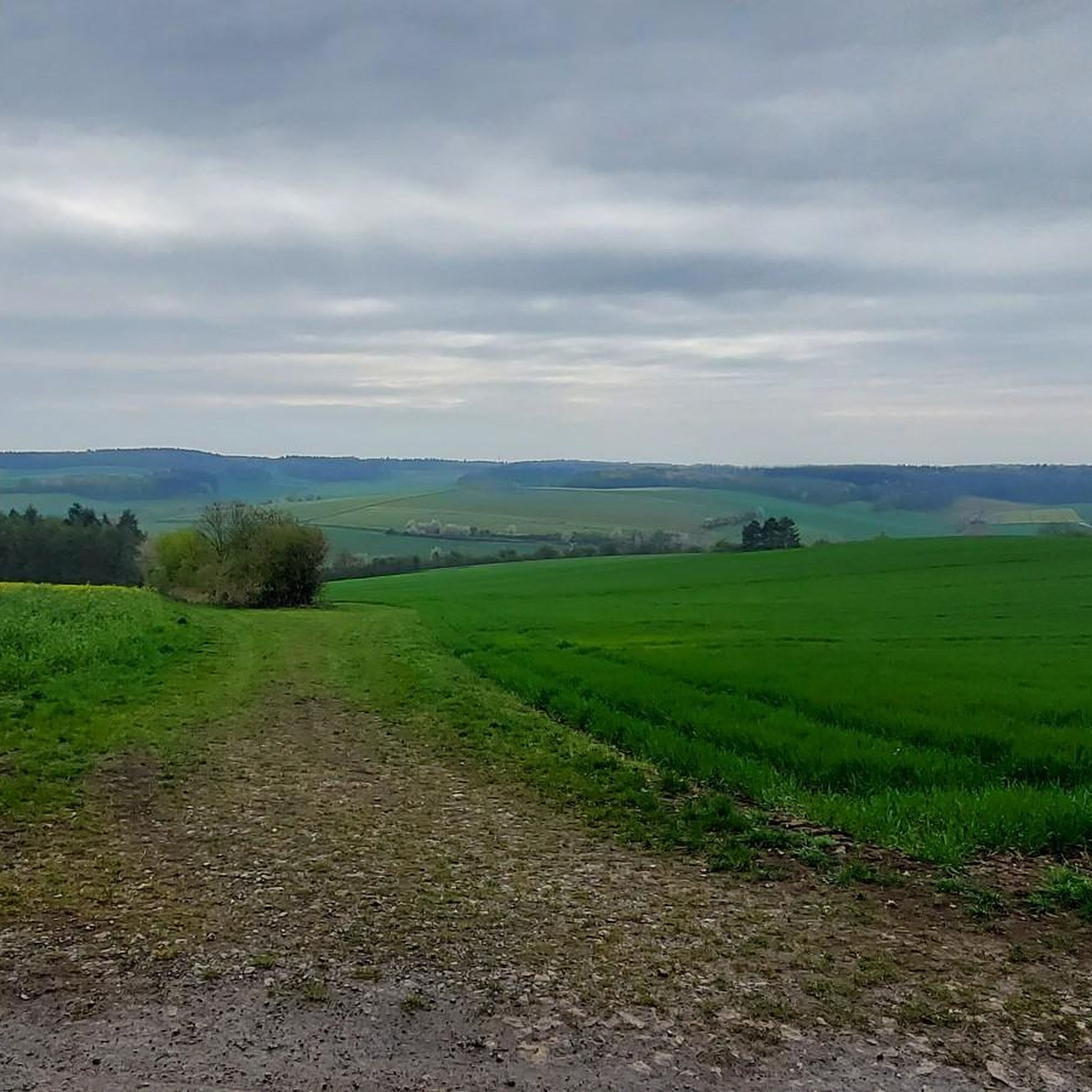
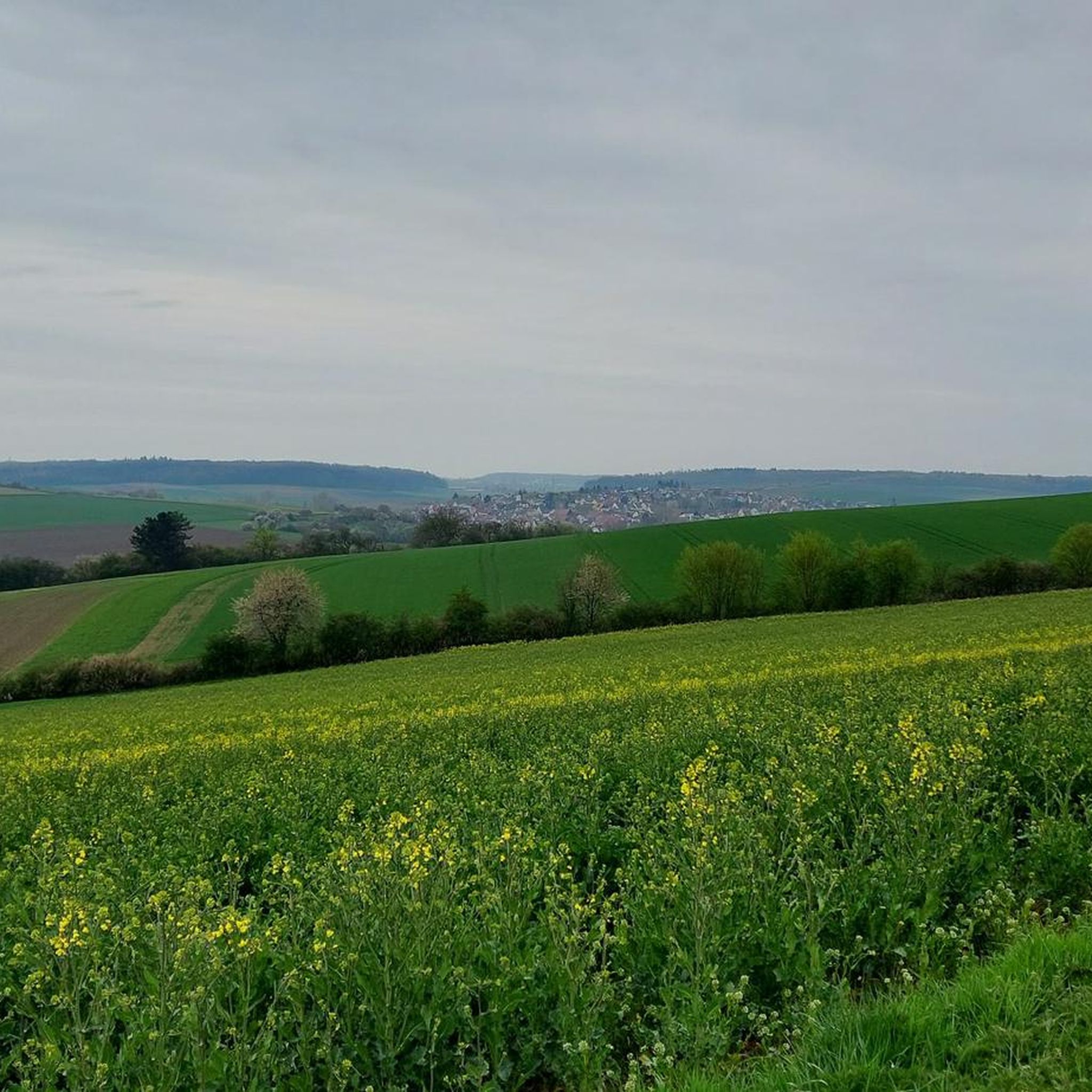
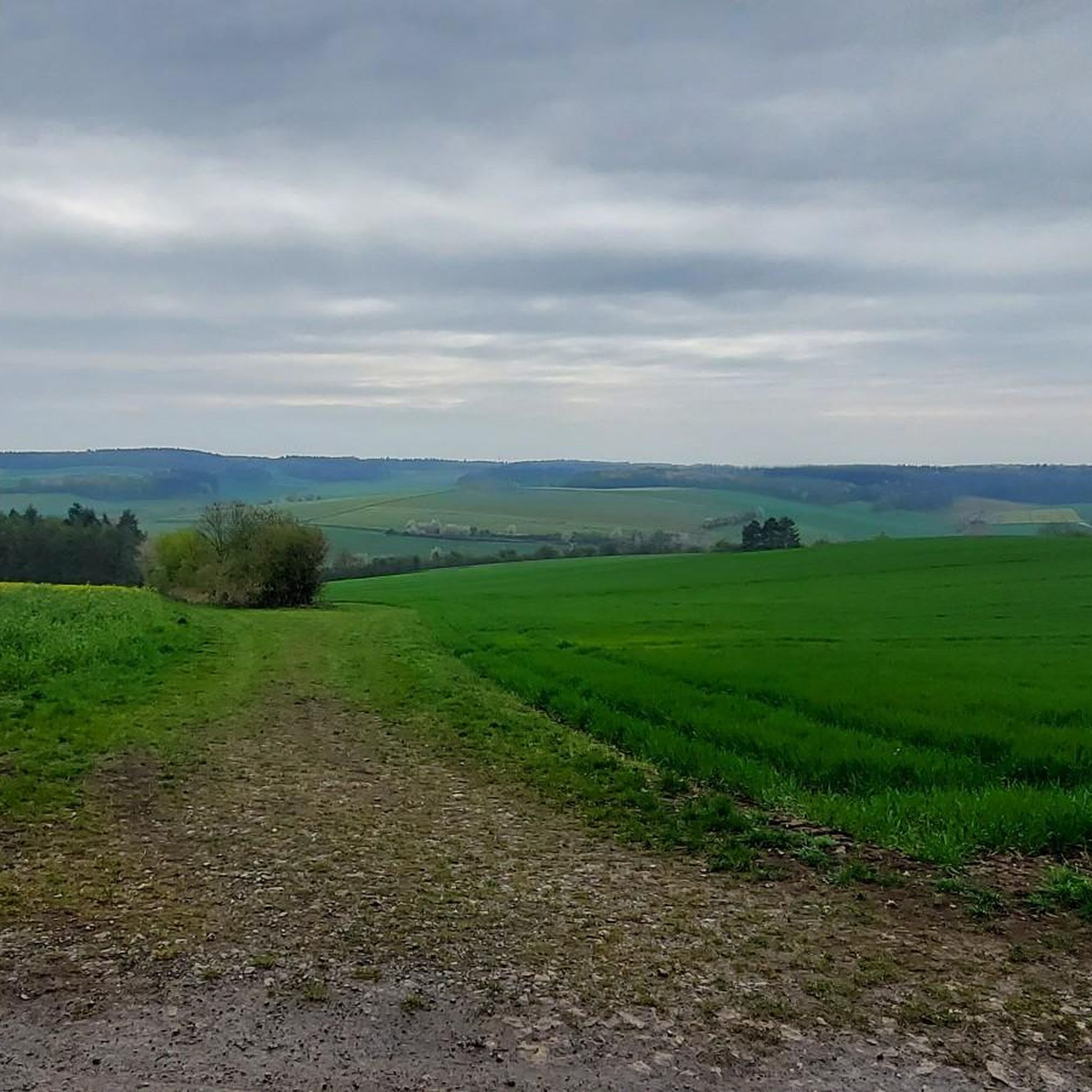
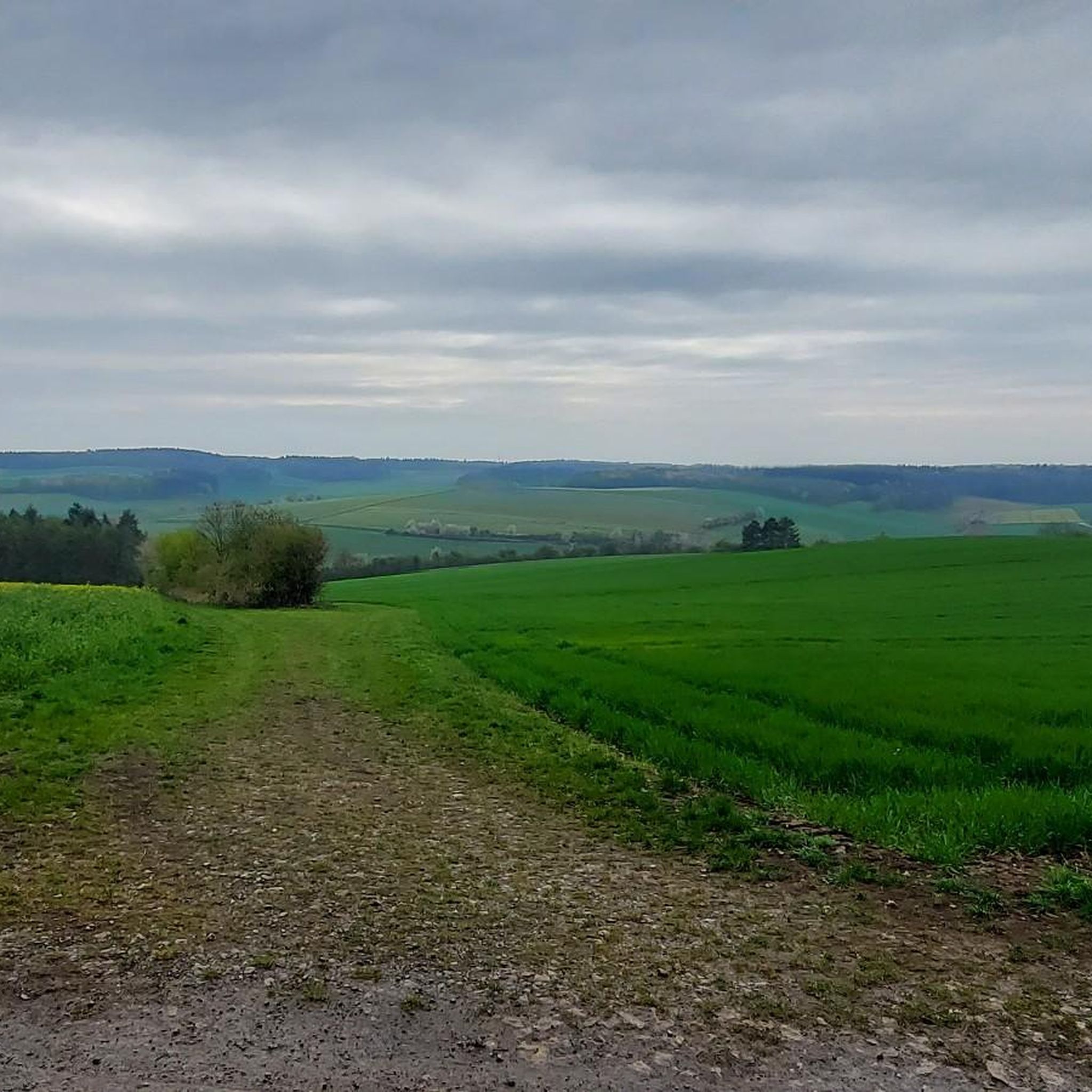
Tips from the Community

The little spring hidden in the forest is also very important for the insect world. When we visited the spring, many bees were buzzing around it. In the moss-covered water basin, hundreds of bees were nibbling away the cool water. A sight you don't see very often.
0
0

The trail leads through the Irtenberger Forest FFH area, past numerous interesting natural areas, such as the so-called "Blutsee," a lowland moor. A very beautiful and idyllic setting. On foot, please avoid the Blutsee in the crescent shape. Not suitable for bicycles; only possible on foot. Mosquito repellent recommended; there are tree trunks along the trail that you have to climb. Most of them are relatively deep.
0
0

Information board - Forest conservation in the Würzburg city forest - The stag beetle - a specialist on the oak tree 🌳 The city forest extends southwest of the Steinbachtal or west of Heidingsfeld to State Road 511 and the city limits, where it merges into the Guttenberger Forest (unincorporated) and the Juliusspitalwald (Reichenberg). The city forest is cut through by the federal highway 3. The Würzburg city forest covers a total area of 952 hectares. The area is divided into 103 hectares of park forest, 815 hectares of woodland and 34 hectares of non-woodland (paths, wild meadows, etc.). Of the woodland, 23.5 hectares have been taken out of management and designated as natural forest, leaving an area of 791.5 hectares as commercial forest. The forest areas are mainly located in the Heidingsfeld district. The Würzburg city forest is part of the protected forest in the Würzburg region.
0
0

The Blutseemoor near Kist is a nature reserve in the Irtenberger Forest, which is part of the fauna-flora-habitat areas (FFH). It is known for its swinging lawn, which is the largest in Lower Franconia and floats on an underground body of water. The name Blutsee comes from a type of algae that sometimes turns the water red. The moor is not allowed to be entered as it is life-threatening.
11
0
The Keltenschanze is an Iron Age archaeological monument located near Kist. It is a circular rampart with a diameter of about 100 meters, which probably served as a fortification or place of worship. The Keltenschanze is a popular hiking destination as it offers a beautiful view of the landscape and provides an insight into the history of the Celts.
6
0
a bit hidden in the forest but a trip is always worth it
9
0

Beautiful, quiet place in the middle of the forest. A bench invites you to linger. You should take the path around the moor on foot and be considerate of nature.
1
0

Parking right near the highway
1
0
Frequently Asked Questions
What unique natural features can I explore in Guttenberger Wald?
The Guttenberger Wald is designated as an FFH-area and Bannwald, highlighting its ecological importance. You can explore rare moorland sites, extensive deciduous forests, and observe diverse flora, especially in spring with white wood anemones and purple violets. A notable feature is the Blutsee-Moor Nature Reserve, known for its large swinging lawn, and the Blutsee Moor, where specific single-celled organisms can turn the water reddish.
Are there any historical sites among the natural monuments in Guttenberger Wald?
Yes, the Keltenschanze Archaeological Site is a significant historical monument. This Iron Age circular rampart, also known as the 'Celtic Lair,' was once a fortification or place of worship. Excavations have revealed pottery shards, metal objects, and foundations of a longhouse, offering a glimpse into life more than 2,000 years ago.
What are some family-friendly natural attractions in the Guttenberger Wald area?
For families, the Haselbrunn Spring is a popular and accessible spot known for its clear water. Additionally, the Walderlebnispfad (Forest Adventure Trail) near Forsthaus Guttenberg offers a 2-kilometer circular trail with interactive stations, perfect for children to learn about the forest. The Eichenturm (Oak Tower) on this trail provides panoramic views and is also family-friendly.
What is the best time of year to visit the natural monuments in Guttenberger Wald?
Spring is an excellent time to visit, as the forest floor comes alive with diverse flora, including white wood anemones, purple violets, and yellow lesser celandine. The changing leaves in autumn also offer a beautiful experience. The Blutsee-Moor Nature Reserve can be particularly atmospheric in foggy conditions, as noted by visitors.
Are there any accessible trails or natural monuments for strollers or wheelchairs?
The Walderlebnispfad (Forest Adventure Trail) near Forsthaus Guttenberg is continuously graveled and designed without steep inclines, making it suitable for strollers and wheelchairs. This path leads to the Eichenturm, offering an accessible way to experience the forest canopy.
What kind of wildlife can be observed in Guttenberger Wald?
The Guttenberger Wald is crucial for the highest population densities of the Bechstein's bat in Lower Franconia, indicating a rich and healthy forest ecosystem. While specific wildlife sightings can vary, the protected status of the area supports a diverse range of forest inhabitants.
What outdoor activities can I do near these natural monuments?
The Guttenberger Wald area offers various outdoor activities. You can find numerous routes for road cycling, gravel biking, and general cycling. For detailed routes and inspiration, explore the Road Cycling Routes around Guttenberger Wald, Gravel biking around Guttenberger Wald, and Cycling around Guttenberger Wald guides.
What do visitors enjoy most about the natural monuments in Guttenberger Wald?
Visitors appreciate the serene and idyllic settings, especially around the moorlands. The unique natural phenomena, such as the swinging lawns of the Blutsee Moor and the clear waters of the Haselbrunn Spring, are highly valued. The historical insights offered by sites like the Keltenschanze Archaeological Site also add to the experience.
Are dogs allowed on trails around the natural monuments?
While specific regulations for each natural monument may vary, many forest trails in the Guttenberger Wald area are generally dog-friendly. However, for sensitive areas like the Blutsee Moor, it's advisable to keep dogs on a leash and stick to designated paths to protect the delicate ecosystem.
How long does it typically take to explore the natural monuments?
The time required varies depending on the monument. For instance, a visit to the Haselbrunn Spring might be a shorter stop, while exploring the trails around the Blutsee Moor or the Walderlebnispfad could take a few hours. The Keltenschanze Archaeological Site can be combined with a hike for a longer outing.
What is the significance of the 'Bannwald' status for Guttenberger Wald?
The 'Bannwald' status designates Guttenberger Wald as a protected forest area. This protection, along with its FFH-area status, emphasizes its importance for biodiversity, particularly for its extensive deciduous forest, rare moorland locations, and as a crucial habitat for the Bechstein's bat. It ensures the long-term preservation of its natural state.
Most popular attractions around Guttenberger Wald

Get inspired with the komoot mobile app


Explore more
Extend your search for the best caves by checking out these guides of the top ones around Guttenberger Wald:
