Top 20 Natural Monuments around Leinach
Best natural monuments around Leinach offer a diverse landscape shaped by its historical use as vineyard land and its ecological significance. The region features valuable biotopes, forests, and river valleys, providing varied natural settings. Visitors can explore areas with both natural beauty and cultural historical elements, such as old vineyard walls and historical structures. The area is characterized by its blend of natural ecosystems and human influence, creating a unique environment for exploration.
Best natural monuments around Leinach
- The most…
Last updated: June 24, 2026
Court Garden at the Würzburg Residence
Highlight • Natural Monument
More information: residenz-wuerzburg.de/deutsch/garten/geschichte.htm
Translated by Google •
Tip by

Veitshöchheim Palace and Rococo Garden
Highlight • Castle
Translated by Google •
Tip by

Sign up now to discover places like this
Get recommendations on the best single tracks, peaks, & plenty of other exciting outdoor places.
Sign up for free
Anna Gorge
Highlight (Segment) • Gorge
Translated by Google •
Tip by

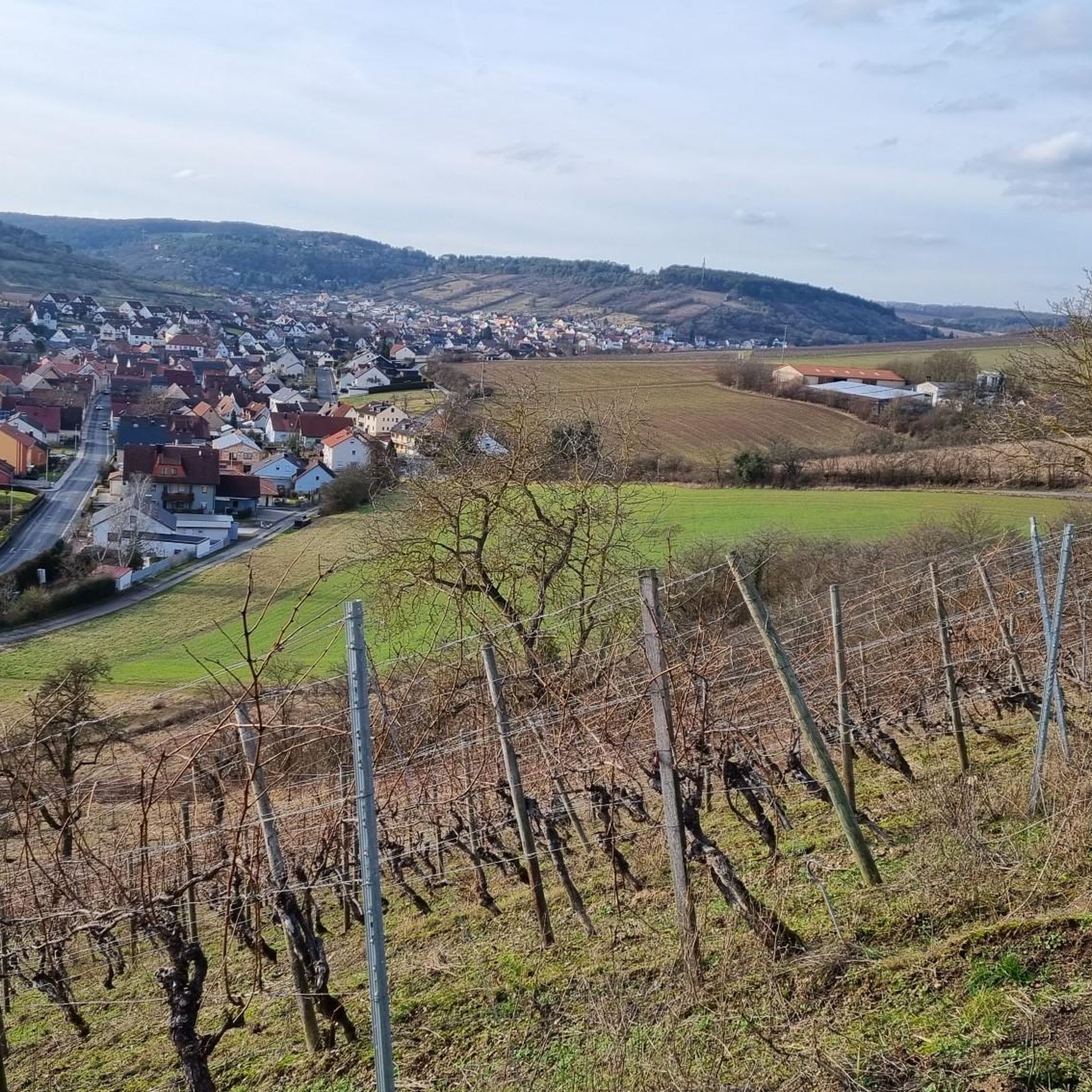
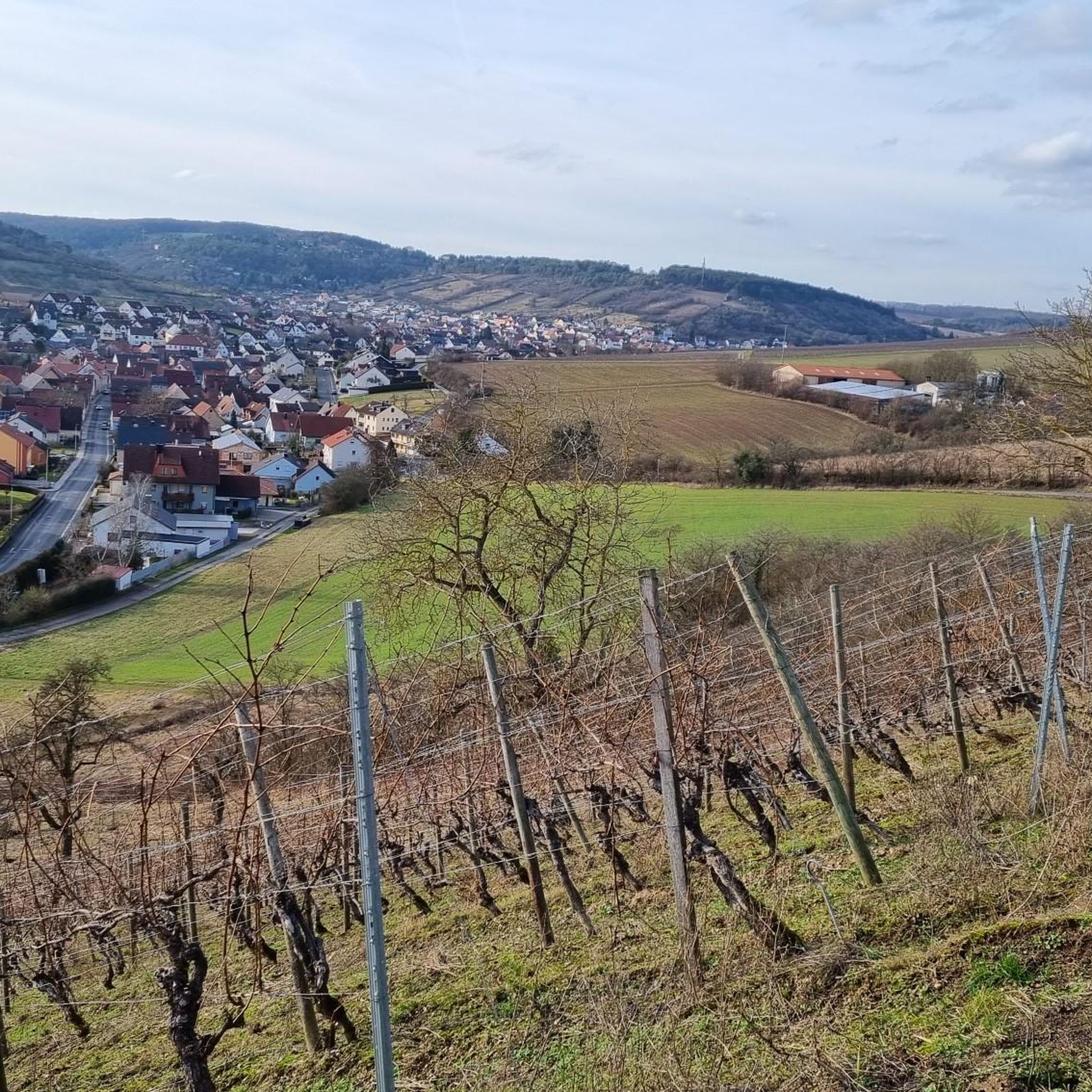
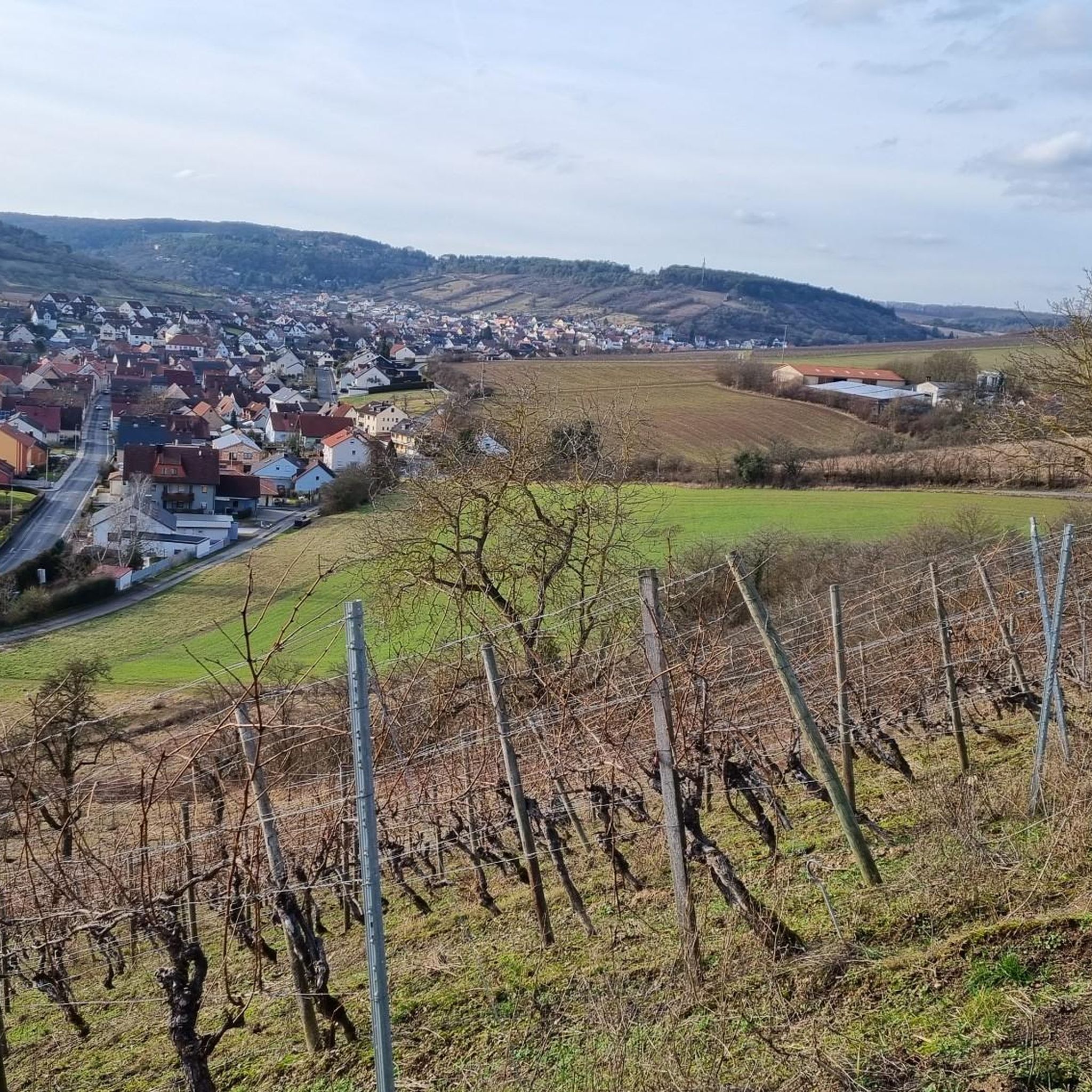
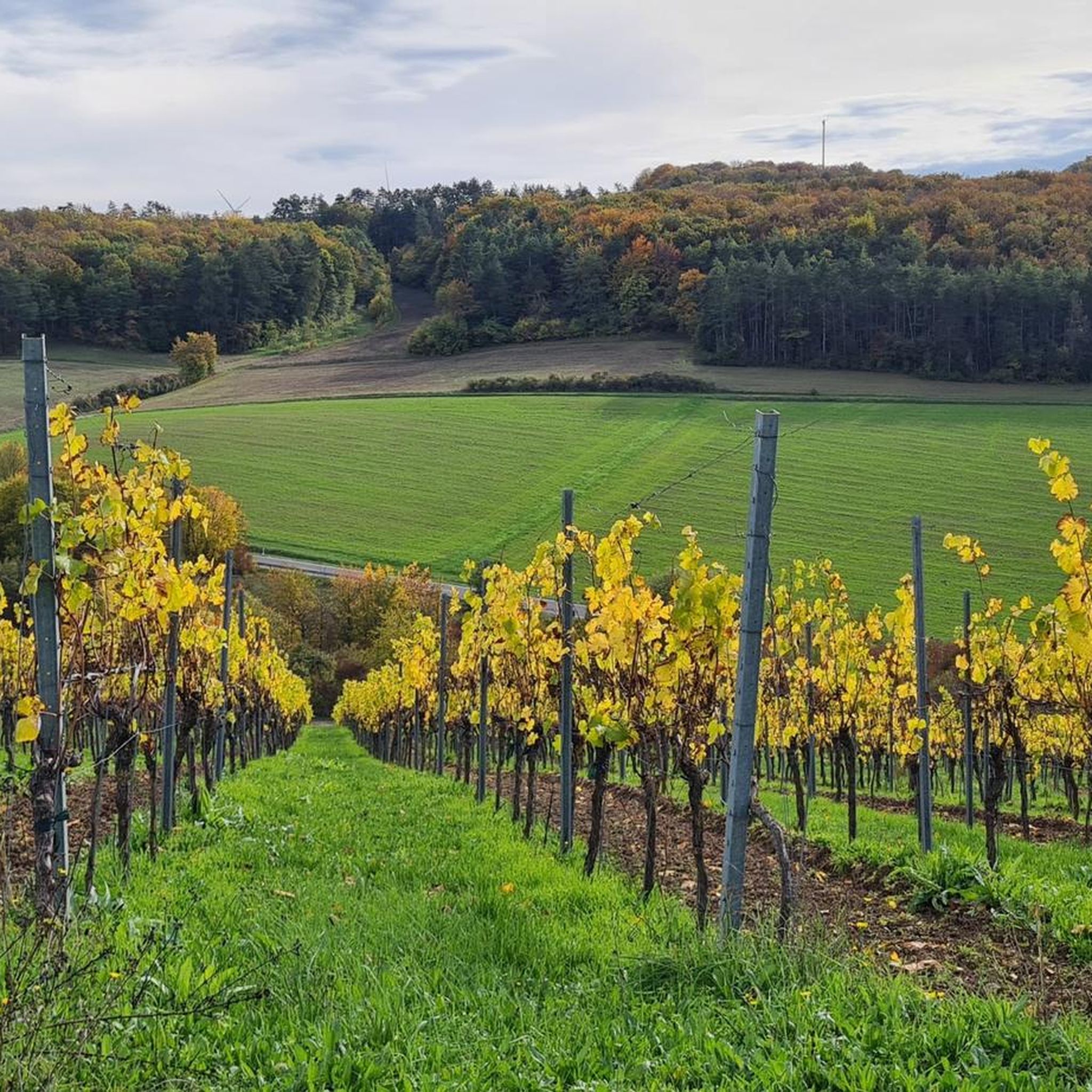
View of the Retzbach Vineyards from Zellingen
Highlight • Viewpoint
Translated by Google •
Tip by

Laichsee in the Steinbach Valley
Highlight • Lake
Translated by Google •
Tip by

Sign up for free to discover even more natural monuments around Leinach.
Sign up for free
Already have an account?
Start today with a free account
Your next adventure awaits.
Login or Signup
Tips from the Community


Also ideal for gravel bikers! More tips for gravel bike adventures in the area at https://graveldeluxe.com or in my Komoot profile https://www.komoot.de/user/graveldeluxe
0
0

Fine gorge, well secured… However, it would be nicer left natural and without an asphalt road
12
2

Veitshöchheim is very beautiful, you have to visit it
2
0
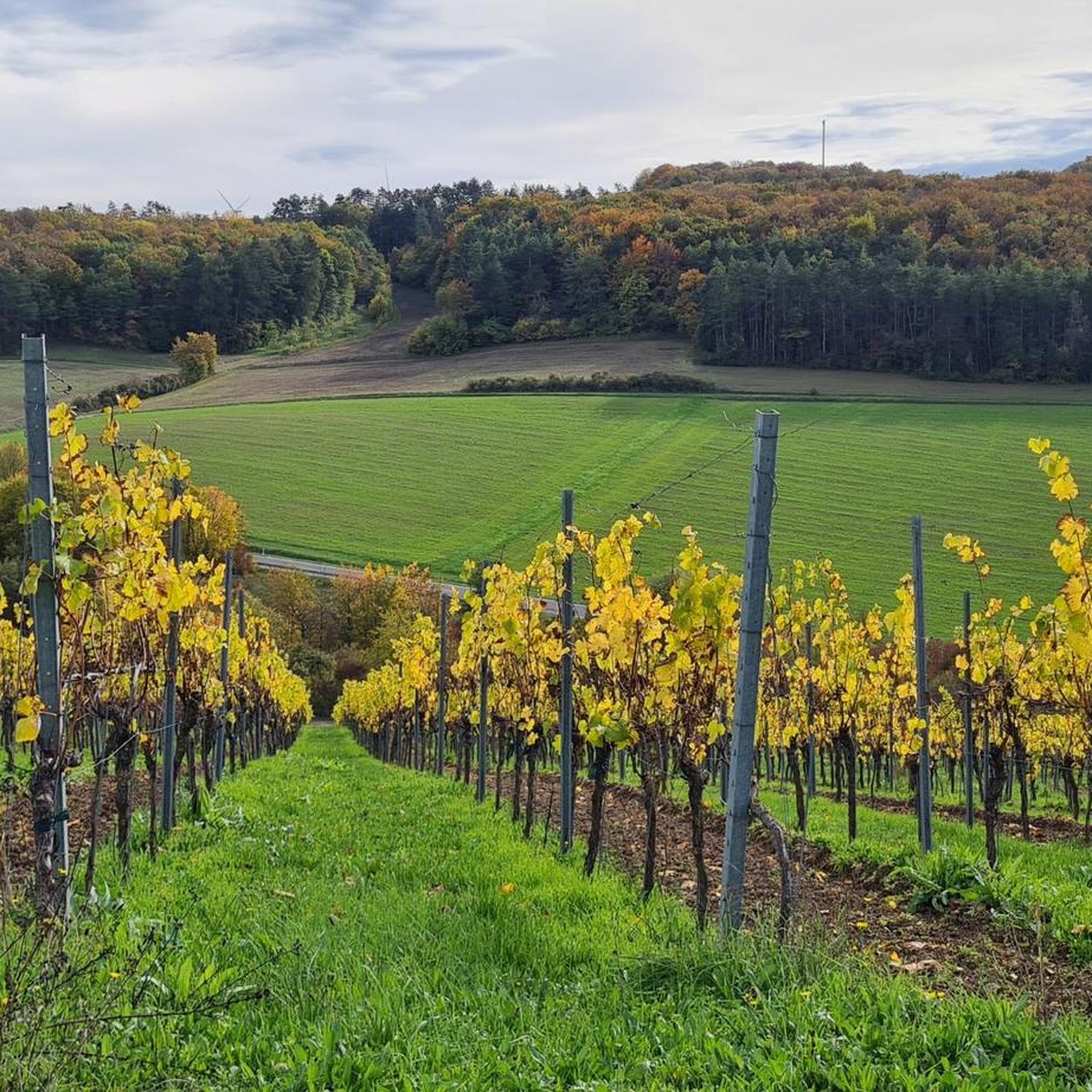
Beautiful view of the vineyards
2
1

Veitshöchheim is a municipality in the Lower Franconian district of Würzburg and is located on the Main. The town is a former summer residence of the Prince-Bishops of Würzburg, later of the Kings of Bavaria. The palace complex with its Rococo garden is well-known. Veitshöchheim was first mentioned in 779. The parish of Veitshöchheim was donated to the monastery of St. Stephan in 1097 by the Würzburg bishop Emehard. Veitshöchheim Palace was built between 1680 and 1682 under Prince-Bishop Peter Philipp von Dernbach and expanded between 1749 and 1753 by Balthasar Neumann. The construction of the court garden, which belongs to the palace, began in 1702. The parish church of St. Vitus, which still exists today, was consecrated in 1691, and the Veitshöchheim synagogue was built between 1727 and 1730. In 1814, the town finally fell to the state of Bavaria, after only nine years earlier it had become part of the Grand Duchy of Würzburg. The municipality was formed in its current form in the course of the Bavarian administrative reforms in 1818. Veitshöchheim train station with the royal pavilion was built in 1853 and 1854 under Maximilian II of Bavaria. Source: Wikipedia
4
0


Steep climb in the shade with seating, some descents and a memorial plaque
3
0
Frequently Asked Questions
What types of natural monuments can I explore around Leinach?
The Leinach region offers a diverse range of natural monuments, including gorges like the Anna Gorge, scenic viewpoints such as the View of the Retzbach Vineyards from Zellingen, and unique landscaped gardens like the Court Garden at the Würzburg Residence. You can also find historical sites integrated with nature, like the Veitshöchheim Palace and Rococo Garden, and ecological spots like the Laichsee in the Steinbach Valley.
Are there any family-friendly natural monuments in the Leinach area?
Yes, several natural monuments are suitable for families. The Court Garden at the Würzburg Residence is barrier-free and offers a relaxing environment. The Anna Gorge is well-secured for hiking, and the Laichsee in the Steinbach Valley is an artificial lake that serves as a spawning ground for toads, making it an interesting spot for children to observe nature. The Veitshöchheim Palace and Rococo Garden also offers family-friendly exploration.
What historical or cultural elements can be found among Leinach's natural monuments?
The region beautifully blends natural beauty with historical significance. The "Natur- und Kulturlehrpfad 'Am Berg'" (Nature and Culture Trail "Am Berg") is a prime example, featuring old vineyard walls and a 15th-century Wartturm (watchtower) at its summit, offering historical insights and panoramic views. The Court Garden at the Würzburg Residence and the Veitshöchheim Palace and Rococo Garden are also significant historical sites with beautifully maintained natural settings.
Are there hiking opportunities near the natural monuments in Leinach?
Absolutely. The Anna Gorge is a popular spot for hiking, known for its natural setting and well-secured paths. The "Natur- und Kulturlehrpfad 'Am Berg'" offers a relatively easy route with gentle inclines, passing through diverse landscapes including pine forests, vineyards, and orchards. For more hiking options, you can explore various running trails around Leinach, such as the 'Wartturm Ruins (Leinach) – Volkenberg Black Pine Forest loop' or the 'Sternberg loop', which are detailed in the Running Trails around Leinach guide.
What kind of views can I expect from the natural monuments around Leinach?
Leinach offers several excellent viewpoints. From the Wartturm on the "Natur- und Kulturlehrpfad 'Am Berg'", you can enjoy expansive views over the forests and the Leinach valley. The View of the Retzbach Vineyards from Zellingen provides picturesque sights of vineyards and interesting rock formations. The Court Garden at the Würzburg Residence also offers changing lines of sight, with views of the fortress and vineyards.
What is the best time of year to visit the natural monuments in Leinach?
The region's natural monuments can be enjoyed throughout the year, but spring and autumn are particularly beautiful. Spring brings blooming orchards and vineyards, while autumn offers vibrant foliage. The Court Garden at the Würzburg Residence is noted for being beautiful in all four seasons. For the Laichsee in the Steinbach Valley, late May is ideal to see tadpoles, and newts return around mid-March when the lake is refilled.
Are there cycling routes available near the natural monuments?
Yes, there are several cycling routes in the vicinity. You can find easy cycling tours like the 'Old Town of Veitshöchheim – View of Retzbach loop from Erlabrunn' or the 'Zellingen–Leinach Cycle Route loop from Leinach'. These routes often pass by scenic areas and offer a different perspective of the landscape. More details can be found in the Cycling around Leinach guide.
What should I wear or bring when visiting the natural monuments?
For trails like the "Natur- und Kulturlehrpfad 'Am Berg'", sturdy footwear is recommended due to varied terrain. Layered clothing is always a good idea to adapt to changing weather conditions. If you plan to visit the Laichsee in the Steinbach Valley, binoculars might enhance your wildlife viewing experience.
What do visitors enjoy most about the natural monuments in Leinach?
Visitors frequently appreciate the unique combination of natural beauty and historical context. The well-maintained paths, diverse landscapes ranging from forests to vineyards, and the panoramic views from spots like the Wartturm are often highlighted. The peaceful atmosphere of places like the Court Garden at the Würzburg Residence and the ecological interest of the Laichsee in the Steinbach Valley also receive positive feedback.
Are there any mountain biking trails near Leinach's natural monuments?
Yes, mountain biking enthusiasts can find several trails. Options include the 'Wartturm Ruins (Leinach) – Volkenberg Flow Trail loop from Erlabrunn' and the 'Huber Trail – Volkenberg Flow Trail loop from Leinach'. These trails offer moderate difficulty and allow you to explore the natural surroundings on two wheels. For more information, refer to the MTB Trails around Leinach guide.
Is public transport available to reach natural monuments in Leinach?
While specific public transport details for each natural monument are not provided, the Court Garden at the Würzburg Residence is almost adjacent to the city center, suggesting good accessibility. For other locations, it's advisable to check local transport options to plan your visit effectively.
Are there any officially designated nature reserves or protected areas?
Yes, large parts of the "Berg" (mountain) area, which is traversed by the "Natur- und Kulturlehrpfad 'Am Berg'", are designated as a nature reserve due to their valuable biotopes. This highlights the region's commitment to preserving its ecological significance.
Most popular routes around Leinach
Most popular attractions around Leinach

Get inspired with the komoot mobile app


Explore more
Extend your search for the best caves by checking out these guides of the top ones around Leinach:
