Top 20 Natural Monuments around Gramschatzer Wald
Best natural monuments around Gramschatzer Wald are found in this large forest area northeast of Würzburg, Germany. The region is characterized by its predominantly deciduous forest landscape and unique geological features. Visitors can explore ancient trees and notable geological formations like dolinas, which are depressions formed in the limestone bedrock. The Gramschatzer Wald serves as a local recreation area, offering routes to experience its natural heritage.
Best natural monuments around Gramschatzer Wald
- The most popular natural monuments is Volkenberg Black…
Last updated: August 31, 2026
Veitshöchheim Palace and Rococo Garden
Highlight • Castle
Translated by Google •
Tip by

View of the Retzbach Vineyards from Zellingen
Highlight • Viewpoint
Translated by Google •
Tip by

Sign up now to discover places like this
Get recommendations on the best single tracks, peaks, & plenty of other exciting outdoor places.
Sign up for free
Volkenberg Black Pine Forest
Highlight • Forest
Translated by Google •
Tip by

Stein Wine Trail (Würzburger Stein)
Highlight (Segment) • Trail
Translated by Google •
Tip by

Höhfeldplatte and Scharlachberg Nature Reserve
Highlight • Natural Monument
Translated by Google •
Tip by

Sign up for free to discover even more natural monuments around Gramschatzer Wald.
Sign up for free
Already have an account?
Start today with a free account
Your next adventure awaits.
Login or Signup
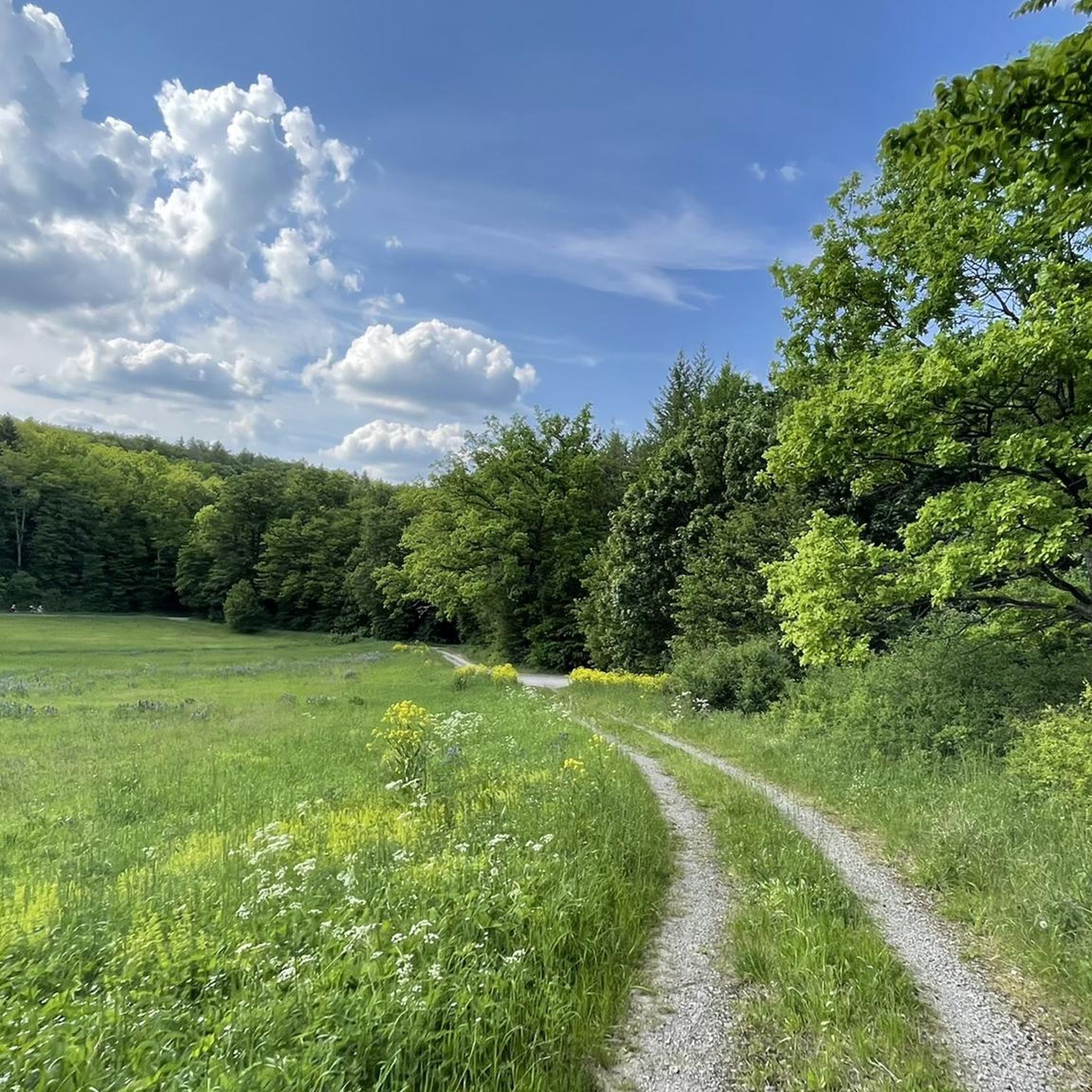
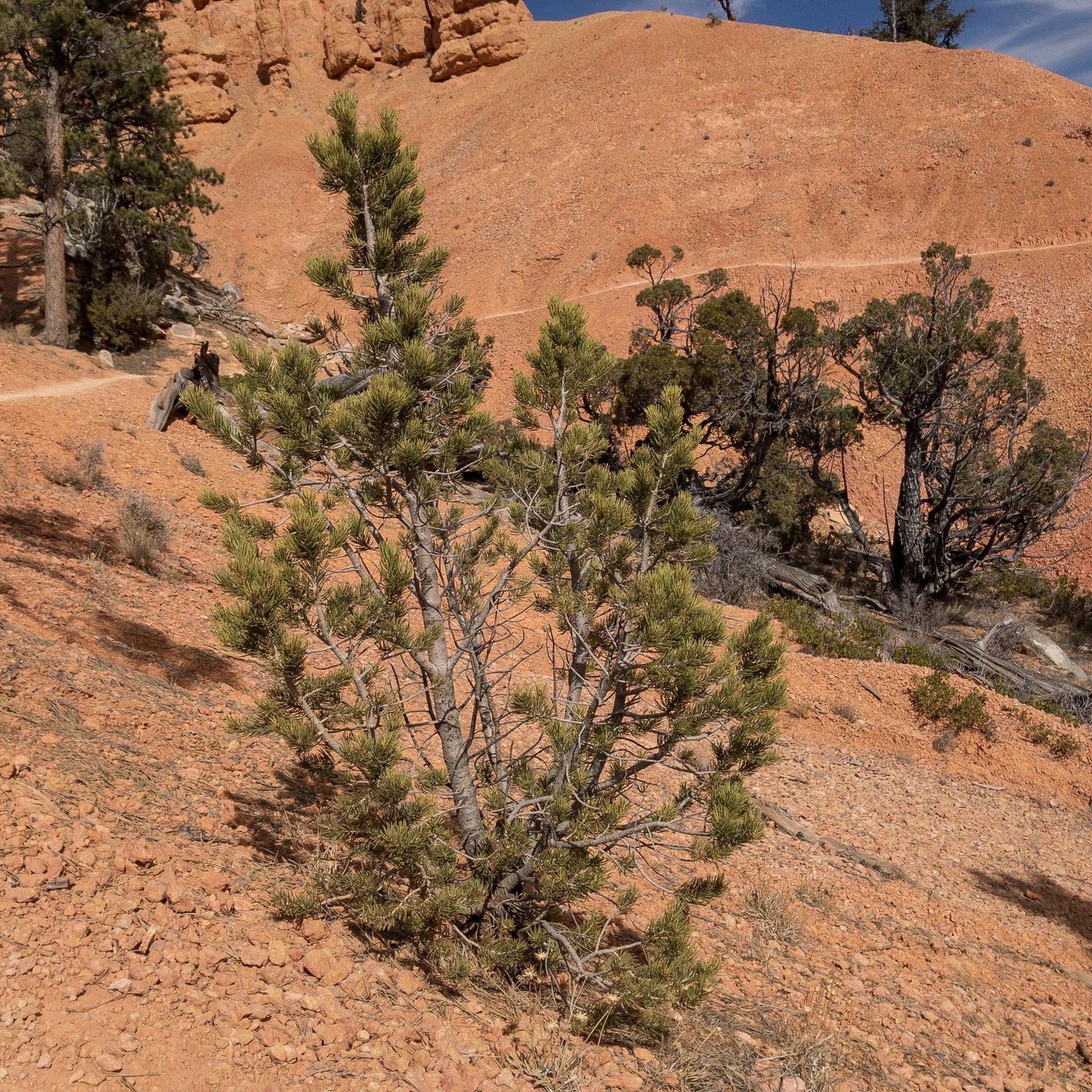
Tips from the Community

An average gradient of 20% speaks for itself. Unfortunately, the path is repeatedly interrupted by stairs.
1
0

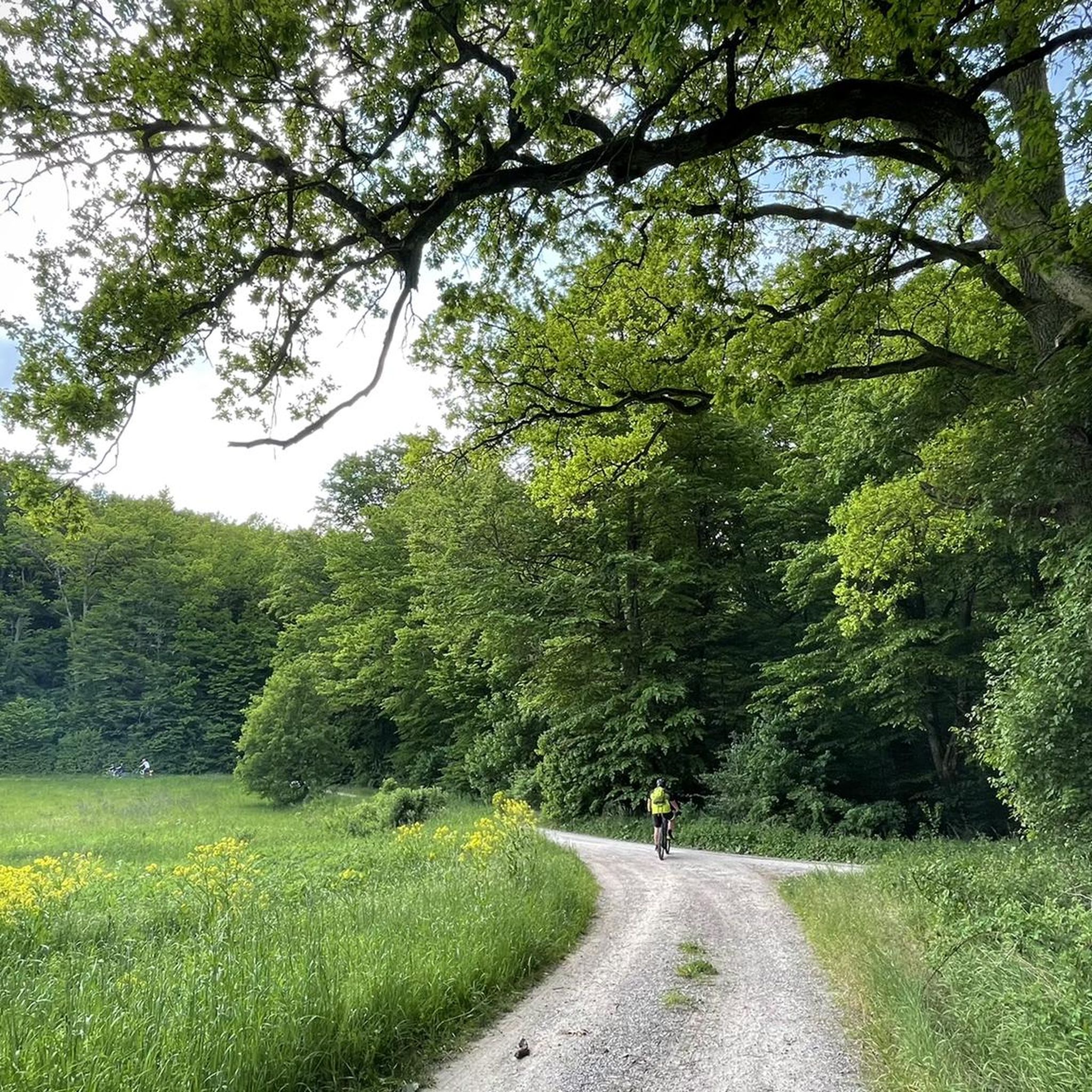
Also ideal for gravel bikers! More tips for gravel bike adventures in the area at https://graveldeluxe.com or in my Komoot profile https://www.komoot.de/user/graveldeluxe
0
0

Veitshöchheim is very beautiful, you have to visit it
3
0
Beautiful view of the vineyards
2
1

Veitshöchheim is a municipality in the Lower Franconian district of Würzburg and is located on the Main. The town is a former summer residence of the Prince-Bishops of Würzburg, later of the Kings of Bavaria. The palace complex with its Rococo garden is well-known. Veitshöchheim was first mentioned in 779. The parish of Veitshöchheim was donated to the monastery of St. Stephan in 1097 by the Würzburg bishop Emehard. Veitshöchheim Palace was built between 1680 and 1682 under Prince-Bishop Peter Philipp von Dernbach and expanded between 1749 and 1753 by Balthasar Neumann. The construction of the court garden, which belongs to the palace, began in 1702. The parish church of St. Vitus, which still exists today, was consecrated in 1691, and the Veitshöchheim synagogue was built between 1727 and 1730. In 1814, the town finally fell to the state of Bavaria, after only nine years earlier it had become part of the Grand Duchy of Würzburg. The municipality was formed in its current form in the course of the Bavarian administrative reforms in 1818. Veitshöchheim train station with the royal pavilion was built in 1853 and 1854 under Maximilian II of Bavaria. Source: Wikipedia
5
0

The wines from the world-famous “Würzburger Stein” vineyard are excellent and the view over Würzburg is unique. The “Würzburger Stein” vineyard is the largest single vineyard in Germany and is an inseparable part of Würzburg’s history. https://www.wuerzburger-steinweinpfad.de/steinweinpfad/index.html
1
0

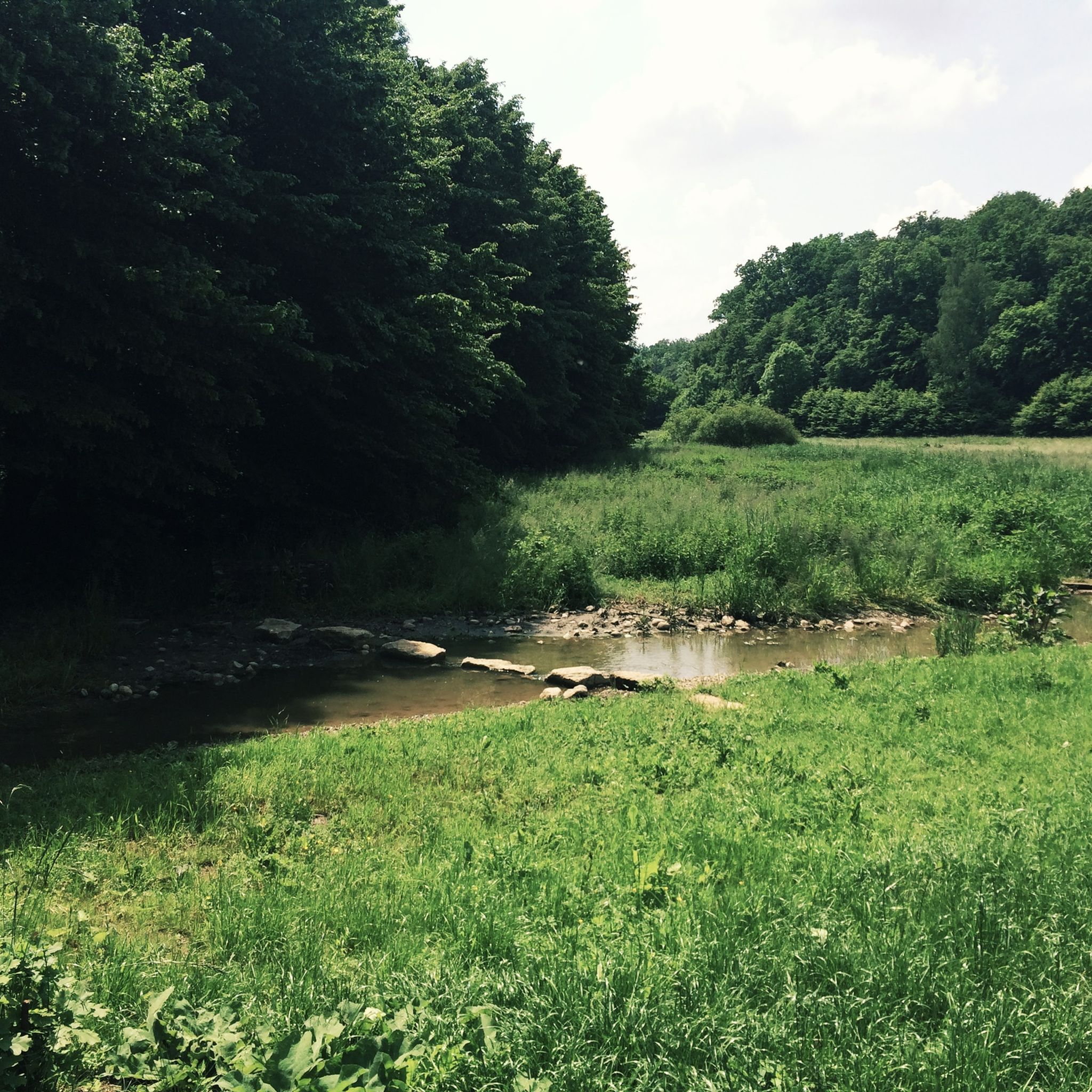
A wonderful nature reserve with information boards about the area and the flora and fauna there.
1
0
A wonderful, light forest that gives you a holiday feeling. It smells of pine needles, especially when the sun is shining, and is even more beautiful then.
2
0
Frequently Asked Questions
What unique geological features can I find in Gramschatzer Wald?
The Gramschatzer Wald is notable for its dolina formations, which are geological depressions formed by the dissolution of limestone bedrock. These features offer a fascinating insight into the region's geological history. You can also find interesting rock formations, such as those visible from the View of the Retzbach Vineyards from Zellingen.
Are there any ancient or historically significant trees to visit in the Gramschatzer Wald?
Yes, the Gramschatzer Wald is home to several ancient trees designated as natural monuments. The Laueiche (Lau Oak) is an impressive 300-year-old pedunculate oak that historically served as a border tree. The Spitaleiche (Hospital Oak) is another significant old oak tree in the forest, recognized for its natural value.
What is special about the Volkenberg Black Pine Forest?
The Volkenberg Black Pine Forest features the largest contiguous stock of black pine in Germany. It is described as a park-like area with many small paths, making it ideal for exploration and enjoying the unique forest environment.
Are there family-friendly natural monuments or activities in the Gramschatzer Wald area?
Yes, several natural monuments are suitable for families. The Volkenberg Black Pine Forest is described as family-friendly with many paths. The Höhfeldplatte and Scharlachberg Nature Reserve also offers family-friendly trails. Additionally, the Veitshöchheim Palace and Rococo Garden is a family-friendly historical site nearby.
What kind of vegetation and wildlife can I expect to see?
The Gramschatzer Wald is predominantly a deciduous forest with a rich diversity of tree species. In areas like the Höhfeldplatte and Scharlachberg Nature Reserve, you can find dry grasslands and a unique steppe heath forest. This habitat supports numerous orchid species, which can be admired in large numbers from May to July. The Stein Wine Trail also features rare vegetation, including blooming roses, almond, and peach trees.
Can I learn about viticulture near the natural monuments?
Yes, the Stein Wine Trail (Würzburger Stein) is a famous vineyard path that offers information boards about viticulture. This trail provides insights into the region's wine-making history and traditions while offering views of Würzburg.
What outdoor activities can I do near the natural monuments in Gramschatzer Wald?
The Gramschatzer Wald is a popular recreation area with numerous options for outdoor activities. You can enjoy hiking on trails like the 'Boundary Oak – Forest Gazebo loop' or 'Hohenroth Forest Chapel – Small Pond loop'. For running, there are routes such as the 'Running loop from Binsenberg'. Gravel biking is also popular, with routes like the 'Hohenroth Forest Chapel – Einsiedel Beer Garden loop'. Find more details on these activities in the Hiking around Gramschatzer Wald, Running Trails around Gramschatzer Wald, and Gravel biking around Gramschatzer Wald guides.
Are there viewpoints to enjoy scenic vistas?
Yes, the region offers several viewpoints. The View of the Retzbach Vineyards from Zellingen provides sights of rugged cliffs and vineyards. The Stein Wine Trail also offers wonderful views of Würzburg. Additionally, the Höhfeldplatte and Scharlachberg Nature Reserve is known for its scenic views.
What do visitors enjoy most about the natural monuments around Gramschatzer Wald?
Visitors appreciate the diverse natural beauty, from the ancient trees like the Laueiche to the unique geological dolina formations. The extensive network of paths through the predominantly deciduous forest is highly valued for hiking and exploration. The scenic views, especially over vineyards and towards Würzburg, are also a highlight for many.
When is the best time of year to visit the natural monuments in Gramschatzer Wald?
The Gramschatzer Wald can be enjoyed year-round. For those interested in unique flora, the period from May to July is ideal to see numerous orchid species thriving in areas like the Höhfeldplatte and Scharlachberg Nature Reserve. The autumn months offer beautiful fall foliage in the deciduous forest, while spring brings fresh greenery. Winter can also be picturesque for quiet walks, though some paths might be more challenging.
Are there any historical sites near the natural monuments?
Yes, the Veitshöchheim Palace and Rococo Garden is a significant historical site nearby. This former summer residence of the Prince-Bishops of Würzburg, later of the Kings of Bavaria, features a well-known palace complex and Rococo garden. The Laueiche itself also holds historical significance as a former border marker.
Most popular routes around Gramschatzer Wald
Most popular attractions around Gramschatzer Wald

Get inspired with the komoot mobile app


Explore more
Extend your search for the best caves by checking out these guides of the top ones around Gramschatzer Wald:
