Top 20 Natural Monuments around Tespe
Best natural monuments around Tespe are characterized by a landscape shaped by the Ice Age, featuring high river banks and unique geological formations. The region is located in the district of Harburg, Germany, offering diverse natural attractions. It encompasses areas recognized as nature reserves and is part of the UNESCO-recognized Biosphere Reserve. This environment provides a blend of geological significance, varied ecosystems, and opportunities for outdoor exploration.
Best natural monuments around Tespe
- The most popular natural monuments is High Elbe…
Last updated: June 24, 2026
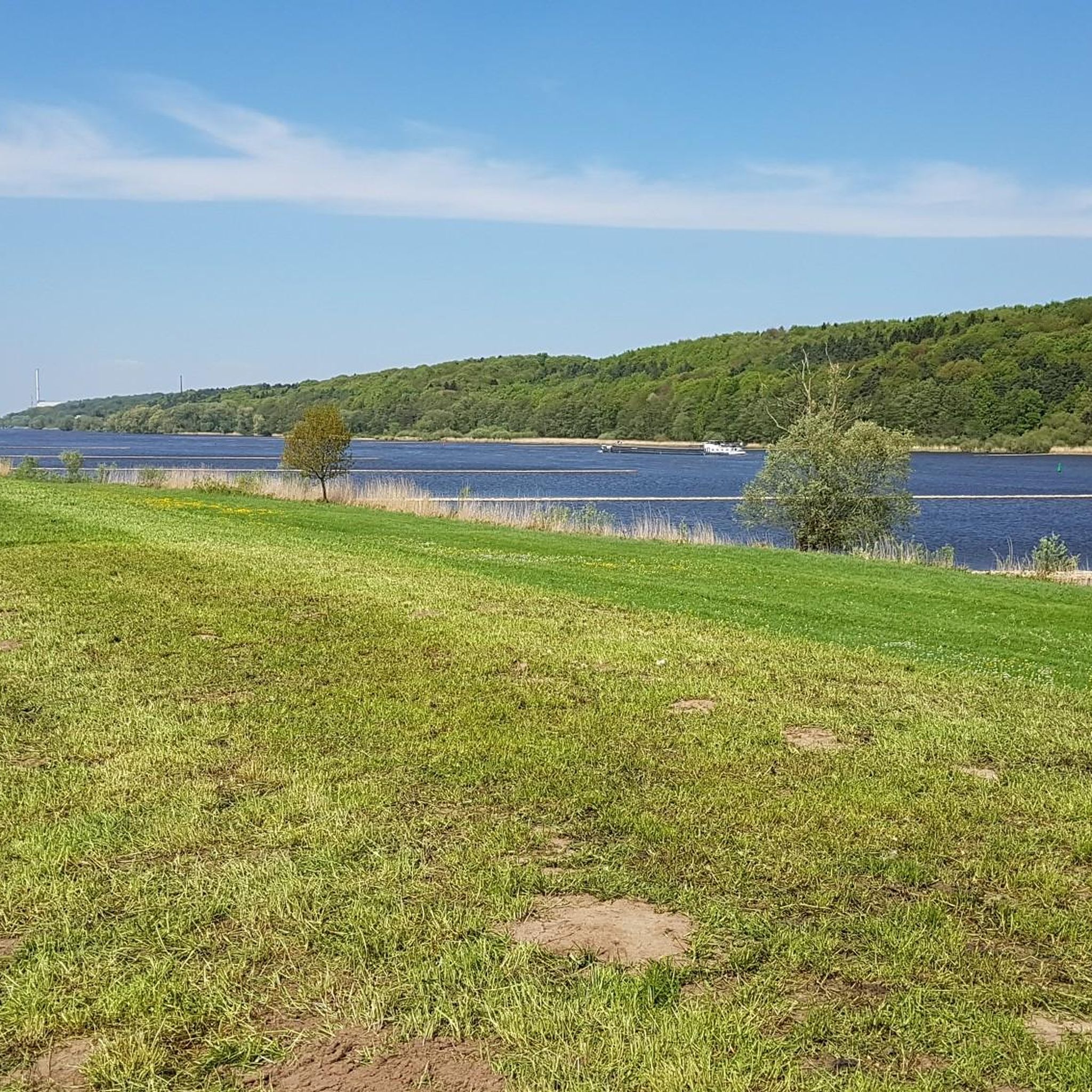
High Elbe Bank between Tesperhude and Lauenburg
Highlight (Segment) • Forest
Translated by Google •
Tip by

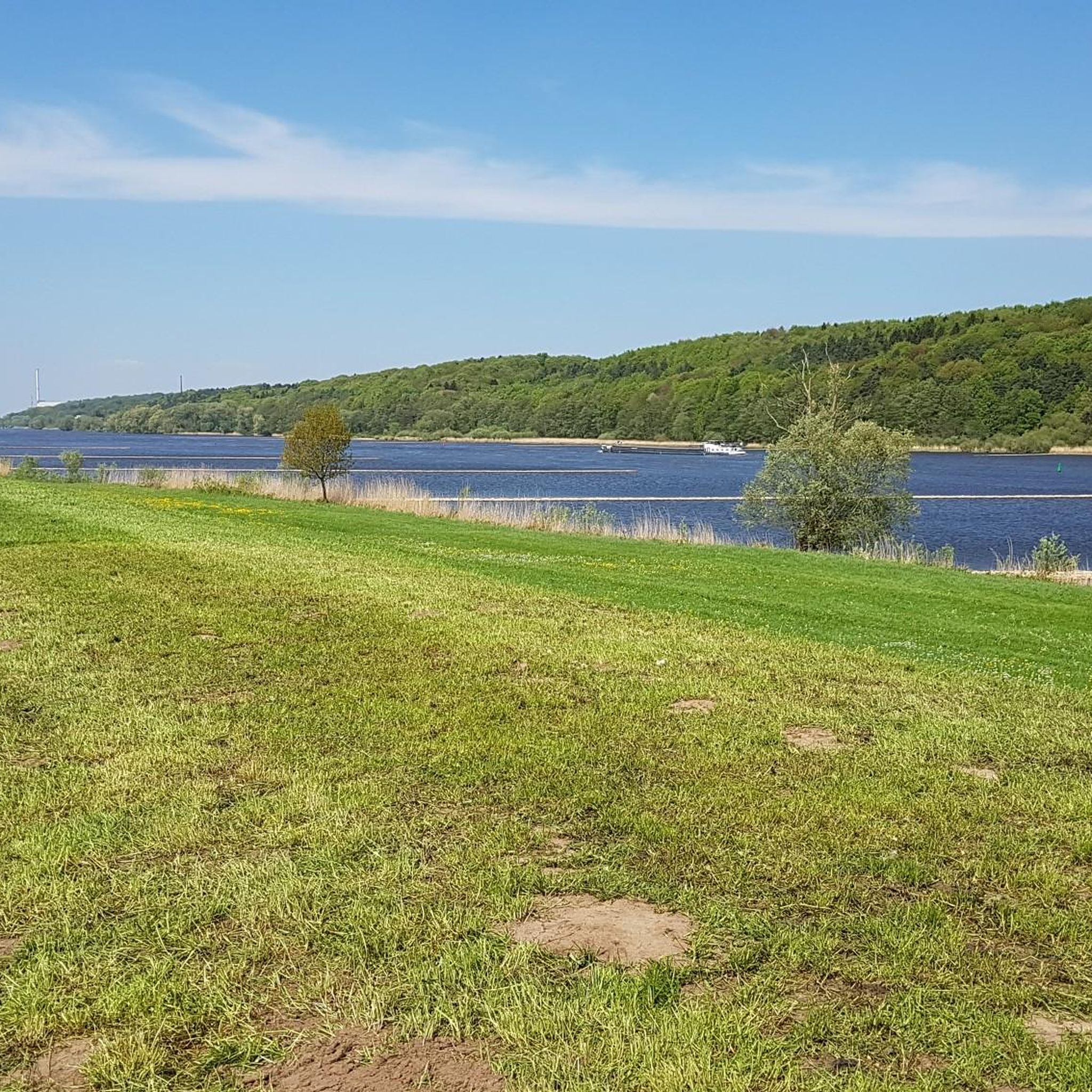
Beaver Activity Area on the Elbe
Highlight • Natural
Translated by Google •
Tip by

Sign up now to discover places like this
Get recommendations on the best single tracks, peaks, & plenty of other exciting outdoor places.
Sign up for free
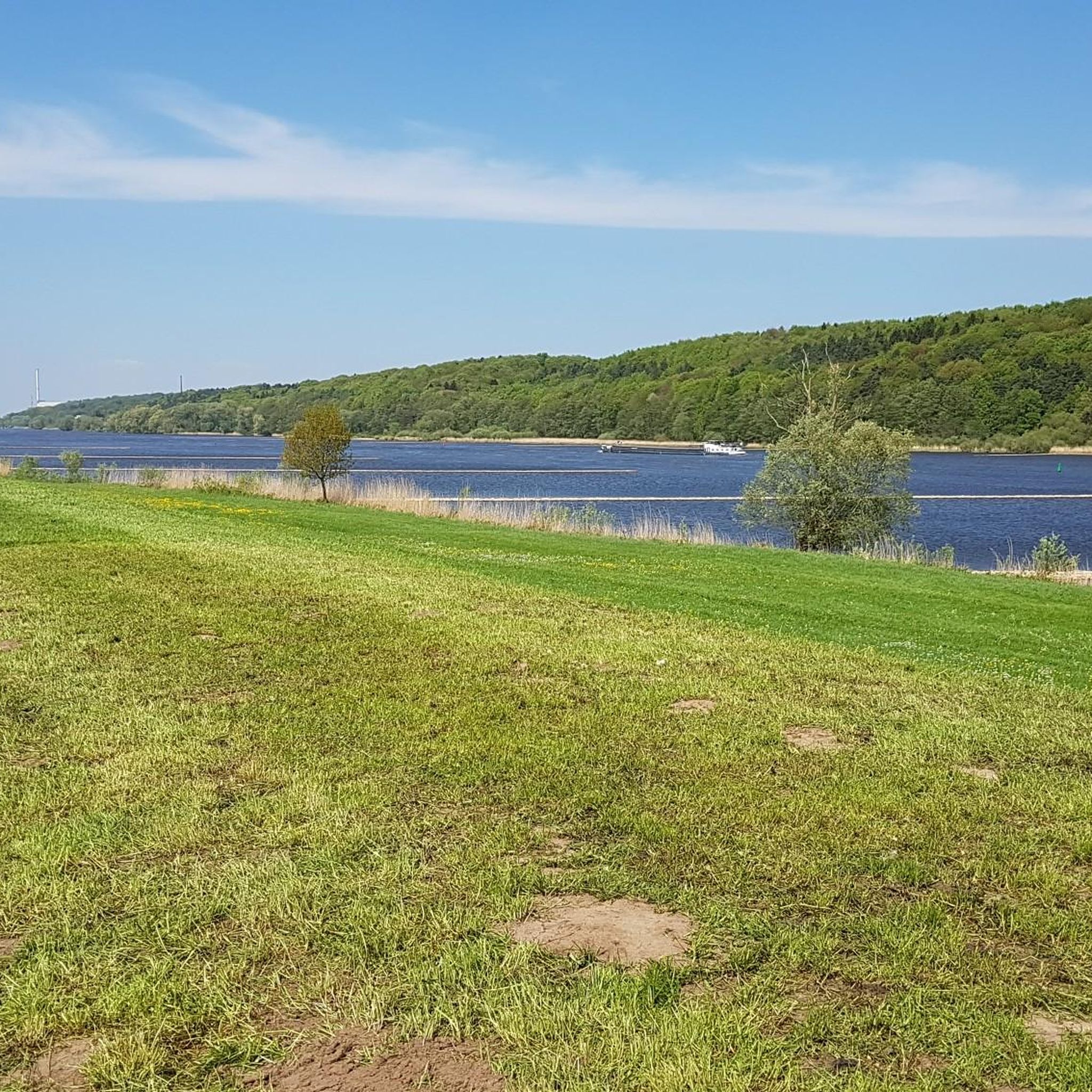
Borghorster Elbe Dyke
Highlight • River
Translated by Google •
Tip by

Besenhorster Sandberge Sand Dunes
Highlight • Natural Monument
Translated by Google •
Tip by

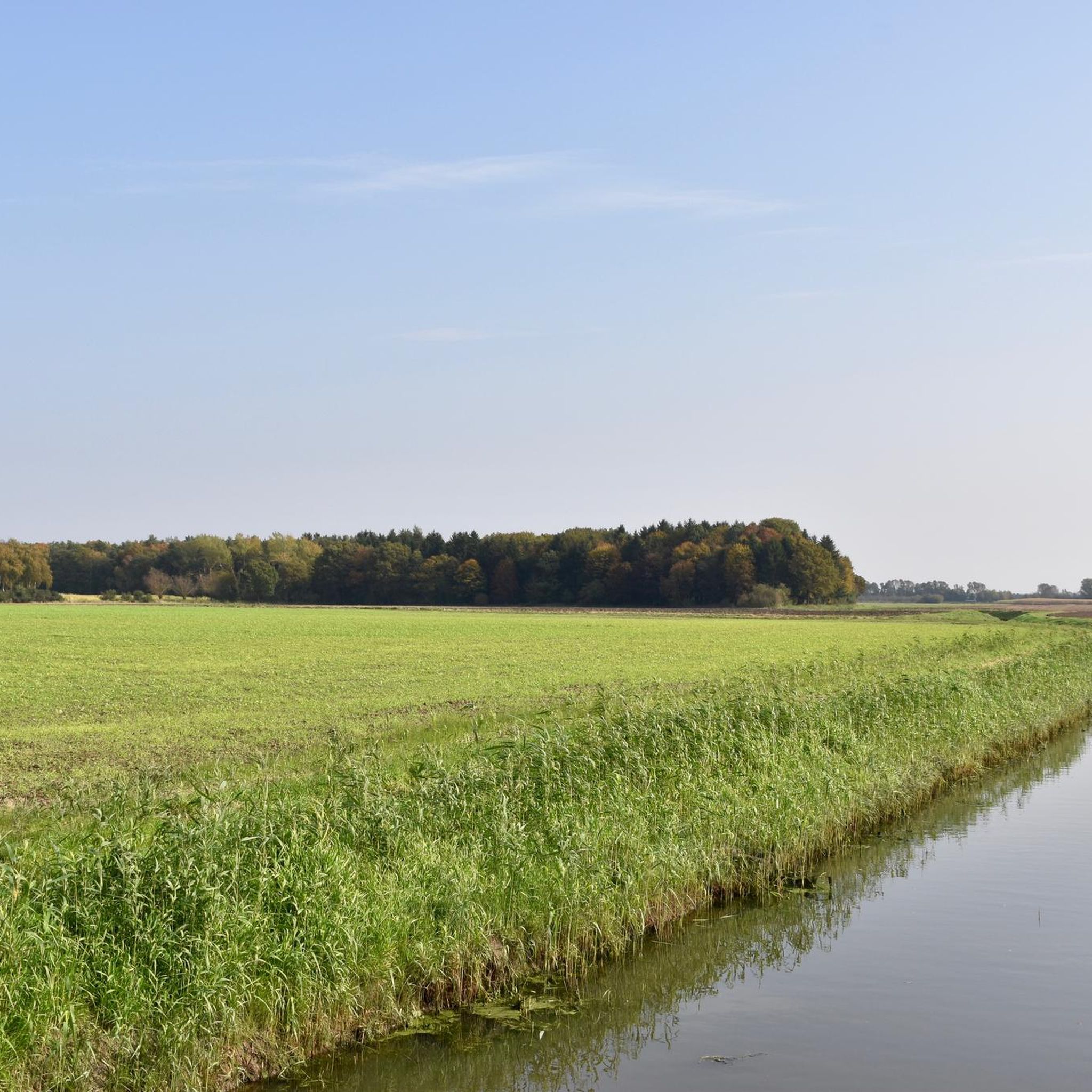
Dümpel at the Landwehr
Highlight (Segment) • Historical Site
Translated by Google •
Tip by

Sign up for free to discover even more natural monuments around Tespe.
Sign up for free
Already have an account?
Start today with a free account
Your next adventure awaits.
Login or Signup
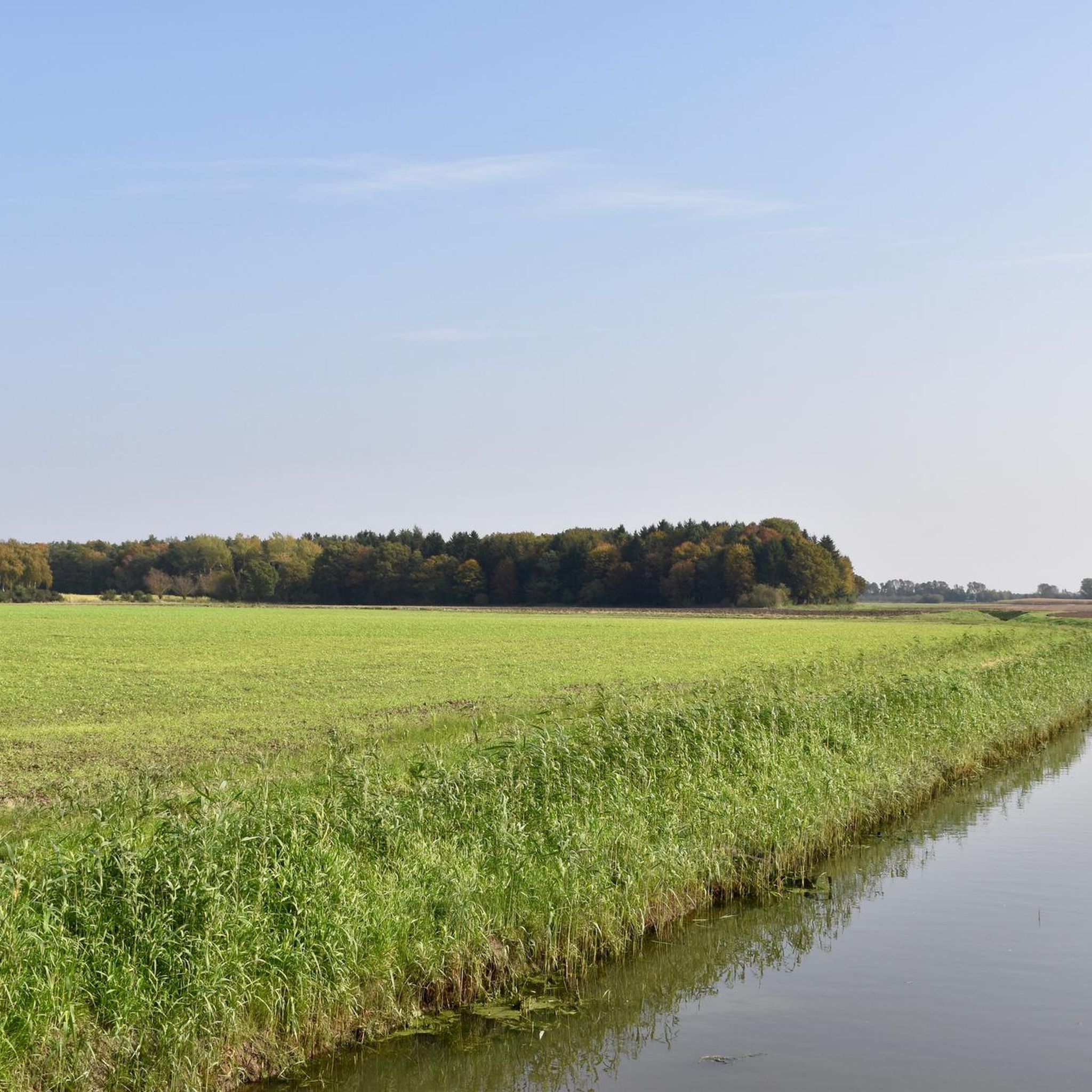
Tips from the Community

A truly quiet location. It's worth a stay.
1
0

The Elbe cycle path leads along here with a few meters of altitude. It is unpaved and very winding, so you might have to push it at times.
4
0


Delicious, there was bridge! Beaver tracks in many places. Nature is right!
5
0
Great that you can find the tracks of the beavers in many places.
4
0
A remarkable nature reserve with many trails.
6
0


Unexpectedly, there is the opportunity to experience an inland sand dune "live"!
4
0
Frequently Asked Questions
What are the most popular natural monuments to visit around Tespe?
The region around Tespe is known for its unique natural monuments, largely shaped by the Ice Age. Highly recommended are the High Elbe Bank between Tesperhude and Lauenburg, offering impressive views over the Elbe River, and the Besenhorster Sandberge Sand Dunes, a unique landscape of dunes formed after the last ice age.
Are there family-friendly natural monuments in the Tespe area?
Yes, several natural monuments around Tespe are suitable for families. The Beaver Activity Area on the Elbe is a great spot to observe traces of beavers and learn about wildlife. The Besenhorster Sandberge Sand Dunes also offer easy hiking trails through a unique dune landscape, which can be fun for children.
What kind of geological features can I expect to see at the natural monuments near Tespe?
The natural monuments around Tespe are profoundly shaped by the Ice Age. You can observe the 'Hohe Geest,' a sand ridge exceeding 80 meters in height, which steeply descends into the Elbe glacial valley, particularly at the High Elbe Bank between Tesperhude and Lauenburg. The Besenhorster Sandberge Sand Dunes are another example, showcasing unique dune formations created by glacial runoff and wind.
Can I spot wildlife at the natural monuments in Tespe?
Yes, the region is rich in biodiversity. The Beaver Activity Area on the Elbe is specifically known for the return of beavers, where you can find their traces. The entire area, including the Hohes Elbufer Nature Reserve at Kuhgrund, Lauenburg, is part of the UNESCO-recognized Biosphere Reserve, providing habitat for various plant and animal species.
Are there hiking trails near the natural monuments around Tespe?
Absolutely. The natural monuments are well-integrated with hiking opportunities. For instance, the Hohes Elbufer Nature Reserve at Kuhgrund, Lauenburg offers fantastic hiking trails along the Elbe. You can find more detailed hiking routes in the region by visiting the Hiking around Tespe guide.
What kind of views can I expect from the natural monuments?
Many natural monuments in the Tespe area offer impressive panoramic views. From various points along the 'Hohe Geest' ridge, especially at the High Elbe Bank between Tesperhude and Lauenburg, you can enjoy sweeping vistas over the Elbe River and its surrounding marshlands.
Are there cycling routes that pass through or near these natural monuments?
Yes, the area is popular for cycling. The Elbe Cycle Path runs through the region, offering beautiful routes through forests above the Elbe, sometimes with short, steep uphill sections due to erosion valleys. You can explore various cycling options in the Road Cycling Routes around Tespe guide.
What is the significance of the Hohes Elbufer area?
The Hohes Elbufer area, including the Hohes Elbufer Nature Reserve at Kuhgrund, Lauenburg, is significant for its geological history, shaped by the Saale Glacial Period. It features a high sand ridge descending steeply to the Elbe, unique vegetation due to its southern exposure, and is part of the UNESCO-recognized Biosphere Reserve since 1997, highlighting its ecological importance.
Are there any historical elements to discover within the natural monuments?
While primarily natural, some areas offer glimpses into history. For example, when exploring the Besenhorster Sandberge Sand Dunes, you can observe the remains of a former powder factory, adding a historical layer to the natural landscape.
What do visitors enjoy most about the natural monuments around Tespe?
Visitors frequently praise the stunning natural beauty and the diverse outdoor activities. Many appreciate the impressive views over the Elbe, the unique Ice Age-shaped landscapes, and the peaceful atmosphere for hiking and cycling. The opportunity to observe wildlife, like beavers, also adds to the appeal.
Are there running trails available near the natural monuments?
Yes, the natural surroundings of Tespe are also suitable for running. You can find various running trails that allow you to experience the landscape. For specific routes and their difficulty, refer to the Running Trails around Tespe guide.
Is the Borghorster Elbe Dyke a natural monument?
Yes, the Borghorster Elbe Dyke is recognized as a natural monument. It's part of a larger nature reserve and offers expansive Elbe meadows and banks popular for walks and enjoying the river scenery, including boat traffic.
Most popular routes around Tespe
Most popular attractions around Tespe

Get inspired with the komoot mobile app


Explore more
Extend your search for the best caves by checking out these guides of the top ones around Tespe:
