Top 20 Natural Monuments around Werneck
Best natural monuments around Werneck are characterized by diverse natural features, including riverine areas, forests, and geological sites. The municipality is situated on the River Wern, a tributary of the Main, offering picturesque views and tranquil settings. Extensive woodlands cover approximately 9 square kilometers, providing green spaces for outdoor activities. The region's varied topography, with rolling hills and a plateau above the Wern river, contributes to its scenic landscape.
Best natural monuments around Werneck
- The most popular natural monuments is…
Last updated: May 11, 2026
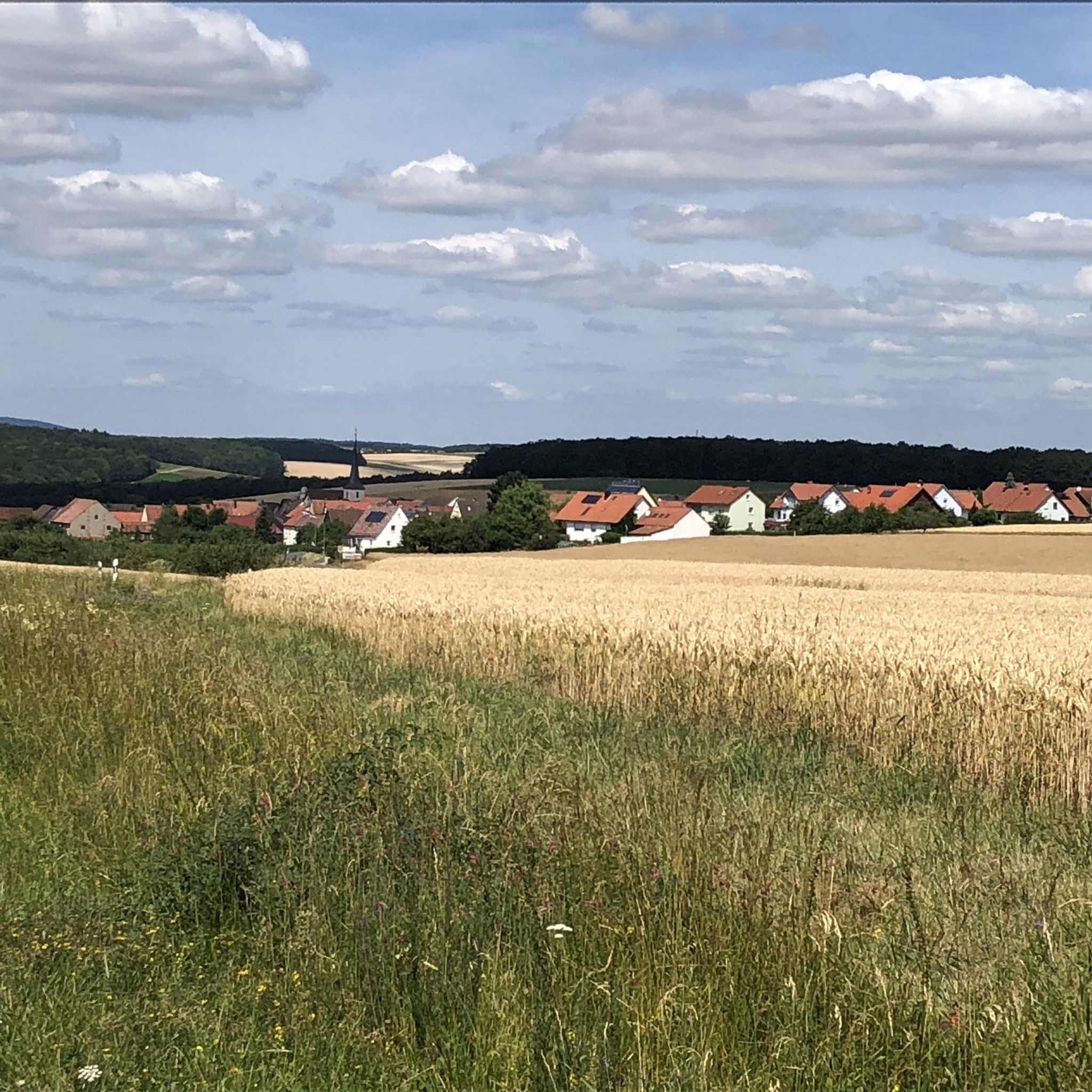
View of the Mainschleife from Terroir f in Volkach
Highlight • Viewpoint
Translated by Google •
Tip by

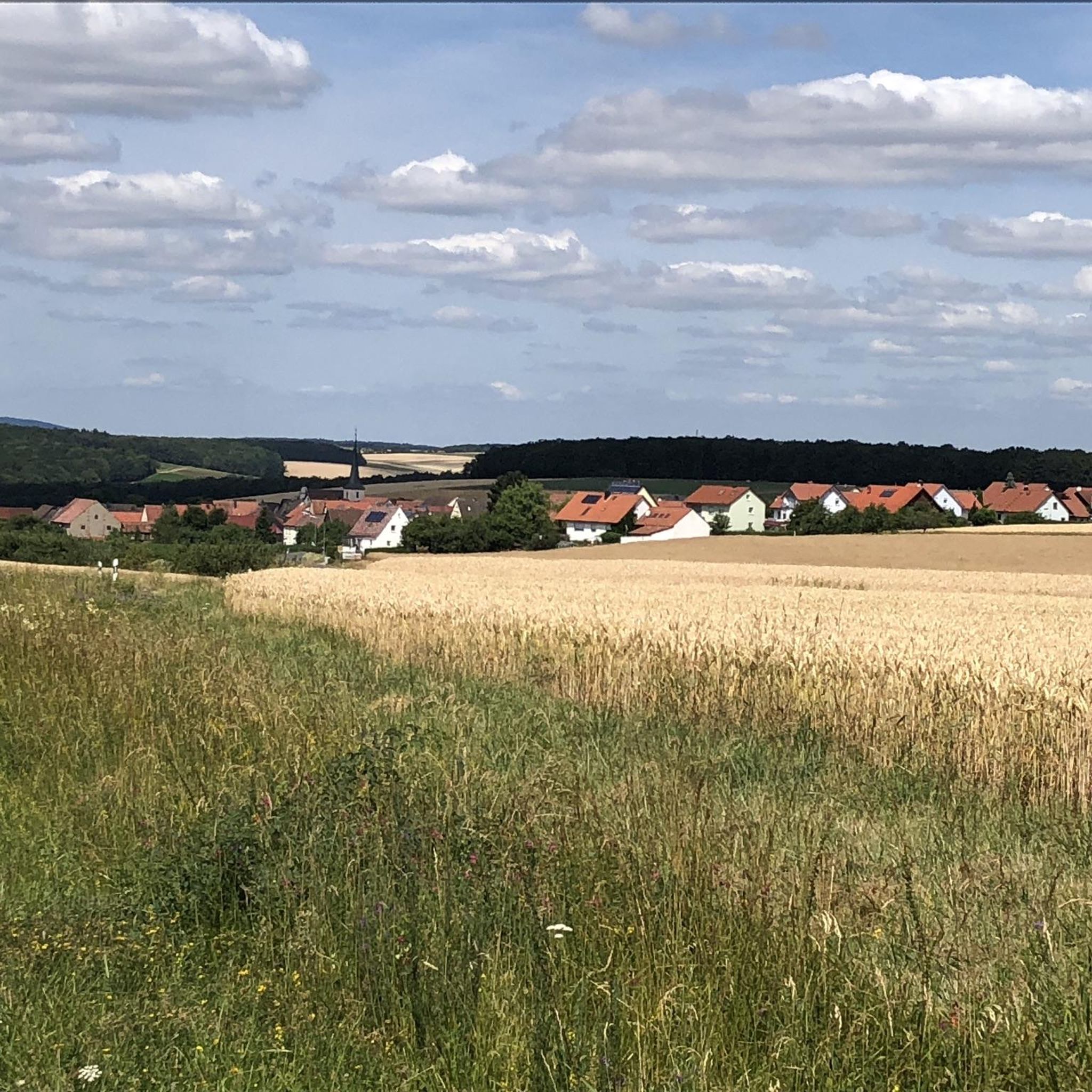
View of the Volkacher Mainschleife and Nordheim am Main
Highlight • Viewpoint
1) Myloop
2) Vineyards 🍇
3) Nordheim am Main and
4) Escherndorf with the respective ⛪⛪, which are districts of Volkach and are in the Kitzingen district.
Translated by Google •
Tip by

Sign up now to discover places like this
Get recommendations on the best single tracks, peaks, & plenty of other exciting outdoor places.
Sign up for free
Tännig Sand Dune
Highlight • Natural Monument
Translated by Google •
Tip by

Birdwatching tower in the Garstadt bird sanctuary
Highlight • Viewpoint
It's best to drive via Heidenfeld. …
Translated by Google •
Tip by

View of the Mainschleife (Main Loop) from Vogelsburg
Highlight • Viewpoint
Translated by Google •
Tip by

Sign up for free to discover even more natural monuments around Werneck.
Sign up for free
Already have an account?
Start today with a free account
Your next adventure awaits.
Login or Signup

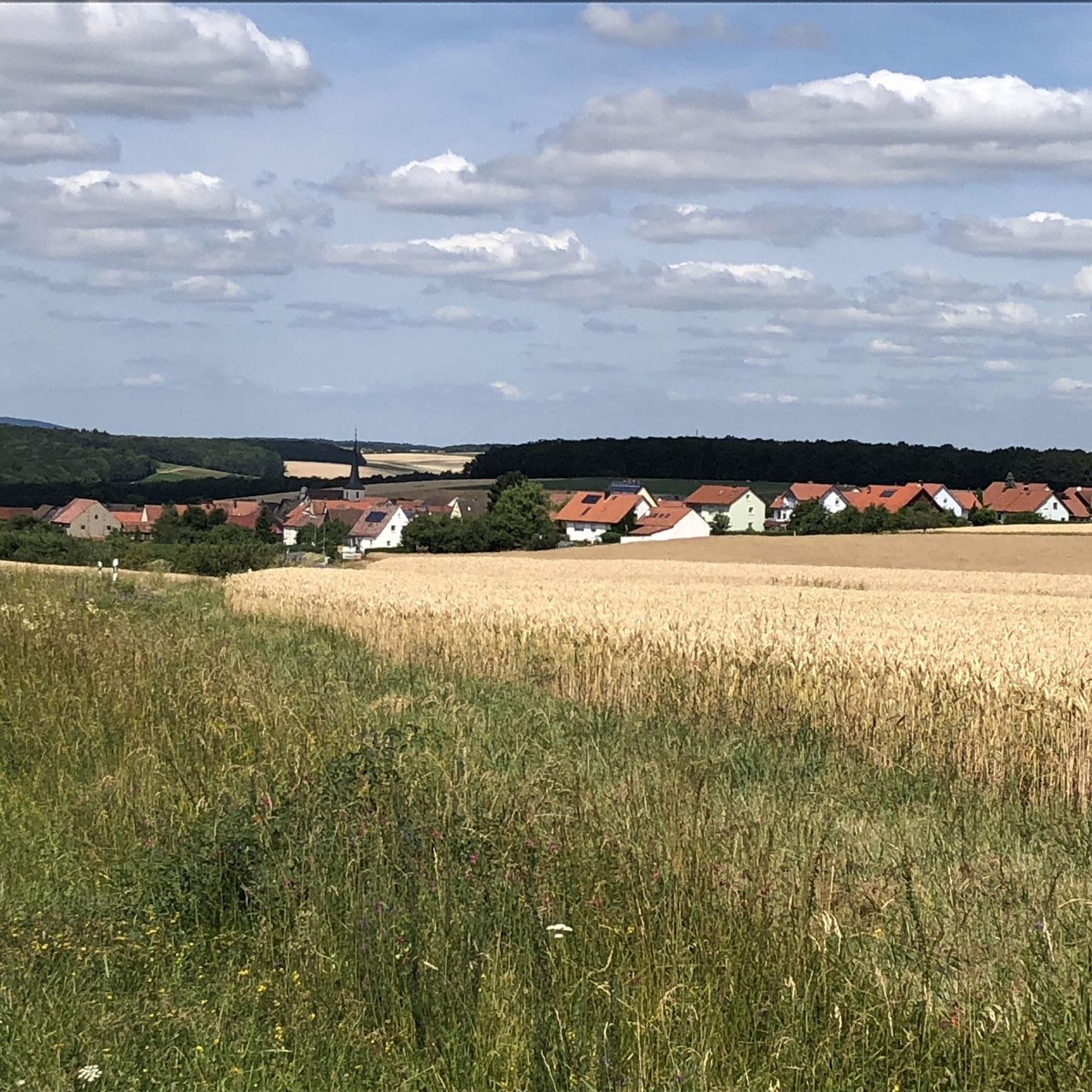
Tips from the Community

In the Tännig valley, east of Grafenrheinfeld, a small dune field is located in an extensive former mining area of Pleistocene drifting sand. Westerly winds deposited the sand in sheltered areas during the cold periods of the last 2.6 million years. The most striking dune is accessible via a hiking trail (Auenwaldweg) that runs directly past it. Two larger sand outcrops exist. The dune and its surroundings are under special protection as a protected landscape feature.
0
0
In the Tännig valley, east of Grafenrheinfeld, a small dune field is located in an extensive former mining area of Pleistocene drifting sand. Westerly winds deposited the sand in sheltered areas during the cold periods of the last 2.6 million years. The most striking dune is accessible via a hiking trail (Auenwaldweg) that runs directly past it. There are two larger sand outcrops. The dune and its surroundings are under special protection as a protected landscape feature.
0
0

Volkach and its Main loop are always worth a visit.👍 Info at: volkach.de/magazin/die-region/expedition-mainschleife
5
0

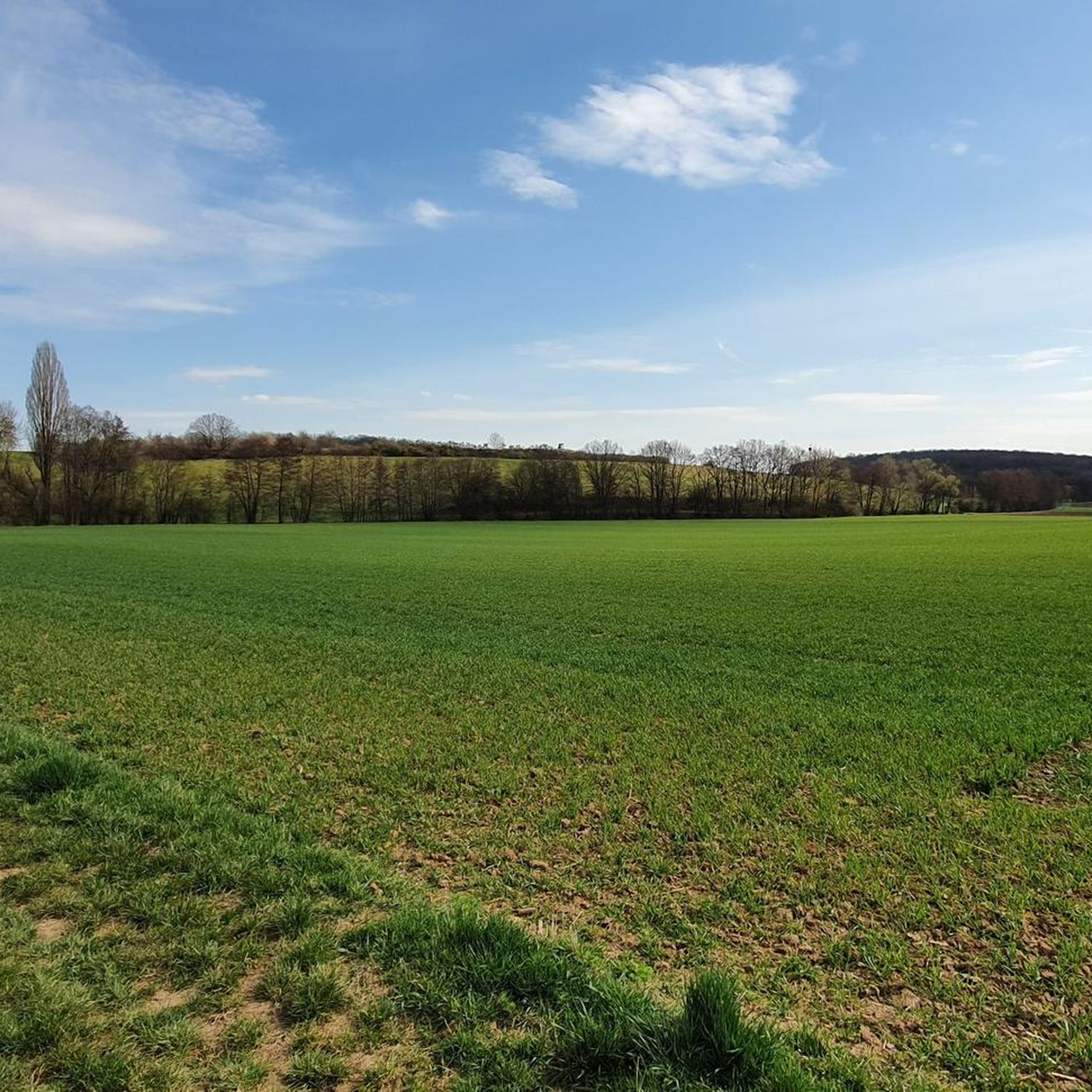
The Garstadt nature reserve / bird sanctuary is worth a visit at any time of year.
0
0

Great view, but one of the longest terroirs in the district
3
1

Very fine sand - and a lot of it! It's a bit surprising when you're walking through the forest and suddenly you're standing on a dune. The mystical-looking roots make for some great photo opportunities.
2
0

There is a ban on cycling there. From the barrier it is about 100 meters on foot
1
0

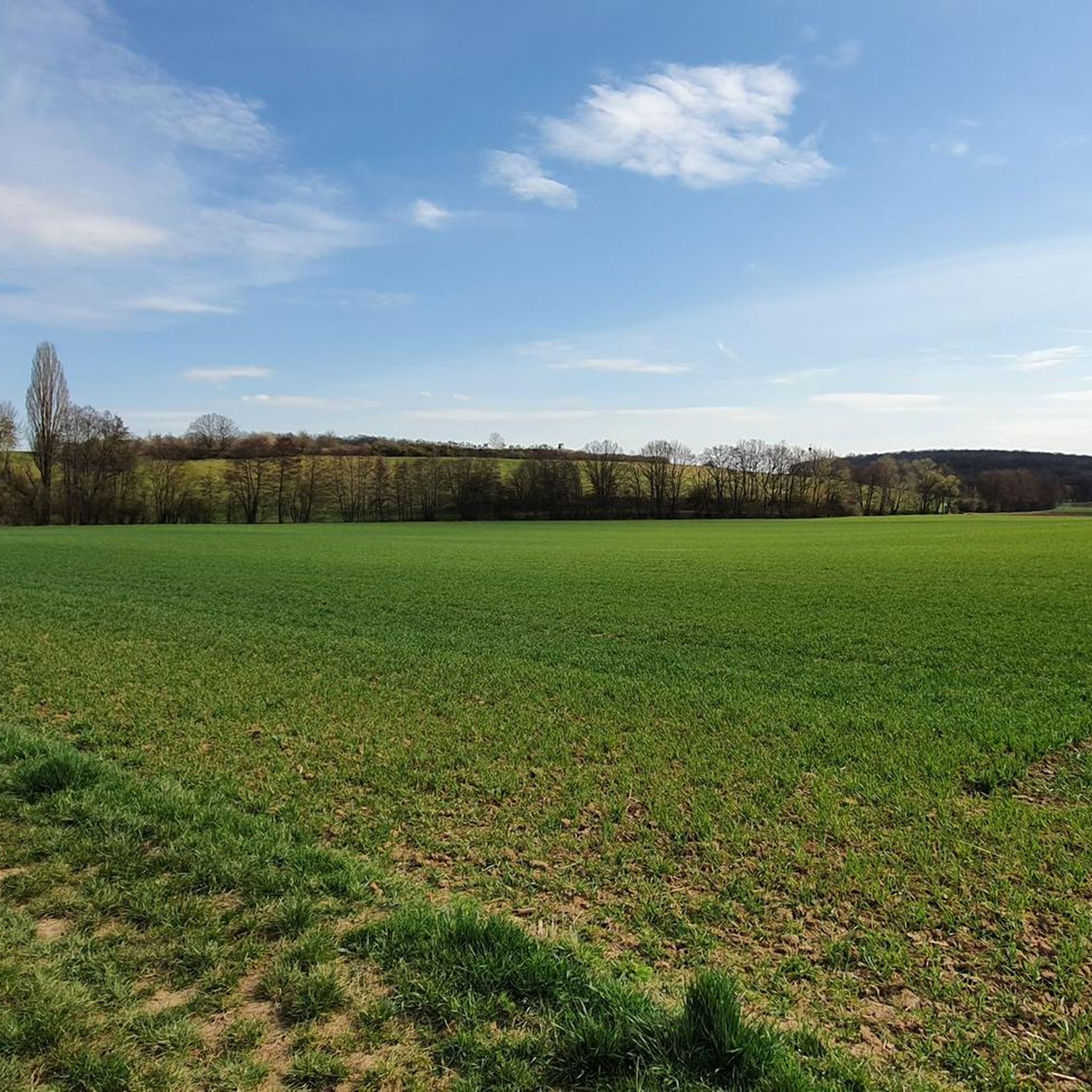
Here you can leave the stress behind and breathe in some fresh air.
2
0
Frequently Asked Questions
What unique geological features can I explore among Werneck's natural monuments?
Werneck is home to significant geological sites. The Werksandsteinbruch WNW von Schleerieth is a notable geotope, offering insights into the region's Triassic past with exceptional paleontological finds, including ancient plant and insect fossils. You can also discover the Tännig Sand Dune, a unique natural monument representing a former mining area of Pleistocene drifting sand, appearing as a golden beige dune within the forest.
Are there family-friendly natural monuments around Werneck?
Yes, several natural monuments around Werneck are suitable for families. The View of the Mainschleife from Terroir f in Volkach and the View of the Mainschleife (Main Loop) from Vogelsburg both offer stunning views that can be enjoyed by all ages. The Tännig Sand Dune provides a fascinating natural discovery, and the Birdwatching tower in the Garstadt bird sanctuary is great for observing local wildlife. The Hexenbrünnle Spring also offers a pleasant, accessible natural spot.
What kind of views can I expect from the natural monuments in Werneck?
Werneck's natural monuments offer spectacular panoramic views, particularly of the Main river. The View of the Mainschleife from Terroir f in Volkach provides expansive vistas of the Main loop and surrounding vineyards, complete with information on viticulture. Similarly, the View of the Mainschleife (Main Loop) from Vogelsburg is a popular spot for photography, offering another excellent perspective of the river's iconic bend.
Are there opportunities for birdwatching near Werneck's natural monuments?
Yes, the Birdwatching tower in the Garstadt bird sanctuary is an excellent location for observing local birdlife. This covered viewing platform allows for extensive bird watching, and you can even use a QR code to view documented bird sightings from recent days. It's best accessed via Heidenfeld.
What outdoor activities can I do near these natural monuments?
The Werneck region offers various outdoor activities. You can find numerous cycling routes, including touring and road cycling, such as the 'St. George's Church, Essleben – Werneck Palace loop from Eßleben' or the 'Schraudenbach Outdoor Pool – Werneck Palace loop from Werneck'. There are also running trails like the 'Hergolshausen Chapel loop from Werneck'. For more details on routes and their difficulty, you can explore the Cycling around Werneck, Road Cycling Routes around Werneck, and Running Trails around Werneck guides.
Can I learn about local history or legends at any of the natural monuments?
Yes, the Hexenbrünnle Spring, first mentioned in 1621, is steeped in local legend. It's said to be a stopping point for witches on Walpurgis Night. While no witches remain, the legend adds a unique historical and cultural layer to this natural spot in the lower Höllental.
What is the best time to visit the natural monuments around Werneck?
The natural monuments around Werneck can be enjoyed throughout the year. Spring and autumn offer pleasant temperatures for hiking and cycling, with vibrant foliage or blooming landscapes. Summer is ideal for longer days and outdoor activities, while winter can provide a serene, unique experience, especially at viewpoints like the Mainschleife, though some trails might be more challenging.
Are there any natural monuments that are also active sites?
The Werksandsteinbruch WNW von Schleerieth is unique in its dual function. While recognized as an important geotope and natural monument, it also continues to be actively used for the extraction of 'Schleeriether Grün' sandstone. This local material is prized for restoration and reconstruction work on historical buildings, showcasing an interesting interplay between natural heritage and human activity.
What kind of terrain can I expect on trails near Werneck's natural monuments?
The terrain around Werneck's natural monuments is diverse. You can expect paths through forests, such as around the Tännig Sand Dune, and trails alongside rivers and vineyards, particularly near the Main loop viewpoints like Terroir f and Vogelsburg. The region features varied landscapes, from riverine areas to ancient sand deposits, offering a mix of flat and gently rolling paths suitable for different activity levels.
How long should I plan for a visit to a natural monument in Werneck?
The duration of your visit depends on the specific natural monument and your interests. For viewpoints like the Mainschleife from Terroir f or Vogelsburg, a quick stop might be 30 minutes, but you could easily spend an hour or more enjoying the view and surrounding trails. Exploring the Tännig Sand Dune or the Werksandsteinbruch WNW von Schleerieth might take 1-2 hours, especially if you combine it with a short walk. For birdwatching at the Garstadt bird sanctuary, allow at least an hour to observe the wildlife.
Are there any natural monuments that offer insights into viticulture?
Yes, the View of the Mainschleife from Terroir f in Volkach is not only a stunning viewpoint but also provides information on climate and its impact on viticulture. This location, part of the 'terroir f' project, highlights the importance of the region's climate for winegrowing, making it an interesting stop for those interested in local wine culture.
What makes the Werneck region's natural environment unique?
The Werneck region's natural environment is characterized by its diverse landscapes, including the distinctive Main river loop, ancient sand deposits, and significant geological sites. It offers a blend of riverine areas, forests, and unique geological formations like the Werksandsteinbruch WNW von Schleerieth, which provides a window into the Earth's Triassic past. This combination creates a rich ecological and geological tapestry.
Most popular routes around Werneck
Most popular attractions around Werneck

Get inspired with the komoot mobile app


Explore more
Extend your search for the best caves by checking out these guides of the top ones around Werneck:
