Top 20 Natural Monuments around Ribnitz-Damgarten
Best natural monuments around Ribnitz-Damgarten showcase the region's diverse natural landscape, from ancient moors to coastal formations. Ribnitz-Damgarten, known as the "Amber Town," is situated on the southern shore of the Saaler Bodden, offering a unique blend of land and water features. The area serves as a gateway to significant protected areas, including parts of the Nationalpark Vorpommersche Boddenlandschaft. These natural attractions provide opportunities to explore unique ecological features and geological formations.
Best natural monuments around Ribnitz-Damgarten
- The most popular…
Last updated: July 8, 2026
Cliffs near Ahrenshoop
Highlight • Natural Monument
Translated by Google •
Tip by

Wustrow Cliffs
Highlight • Natural Monument
Translated by Google •
Tip by

Sign up now to discover places like this
Get recommendations on the best single tracks, peaks, & plenty of other exciting outdoor places.
Sign up for free
Ahrenshoop High Shore
Highlight • Viewpoint
Translated by Google •
Tip by

Hohes Ufer Cliffs
Highlight • Gorge
Translated by Google •
Tip by

Ribnitzer Großes Moor Nature Reserve
Highlight • Natural
Translated by Google •
Tip by

Sign up for free to discover even more natural monuments around Ribnitz-Damgarten.
Sign up for free
Already have an account?
Start today with a free account
Your next adventure awaits.
Login or Signup
Popular around Ribnitz-Damgarten
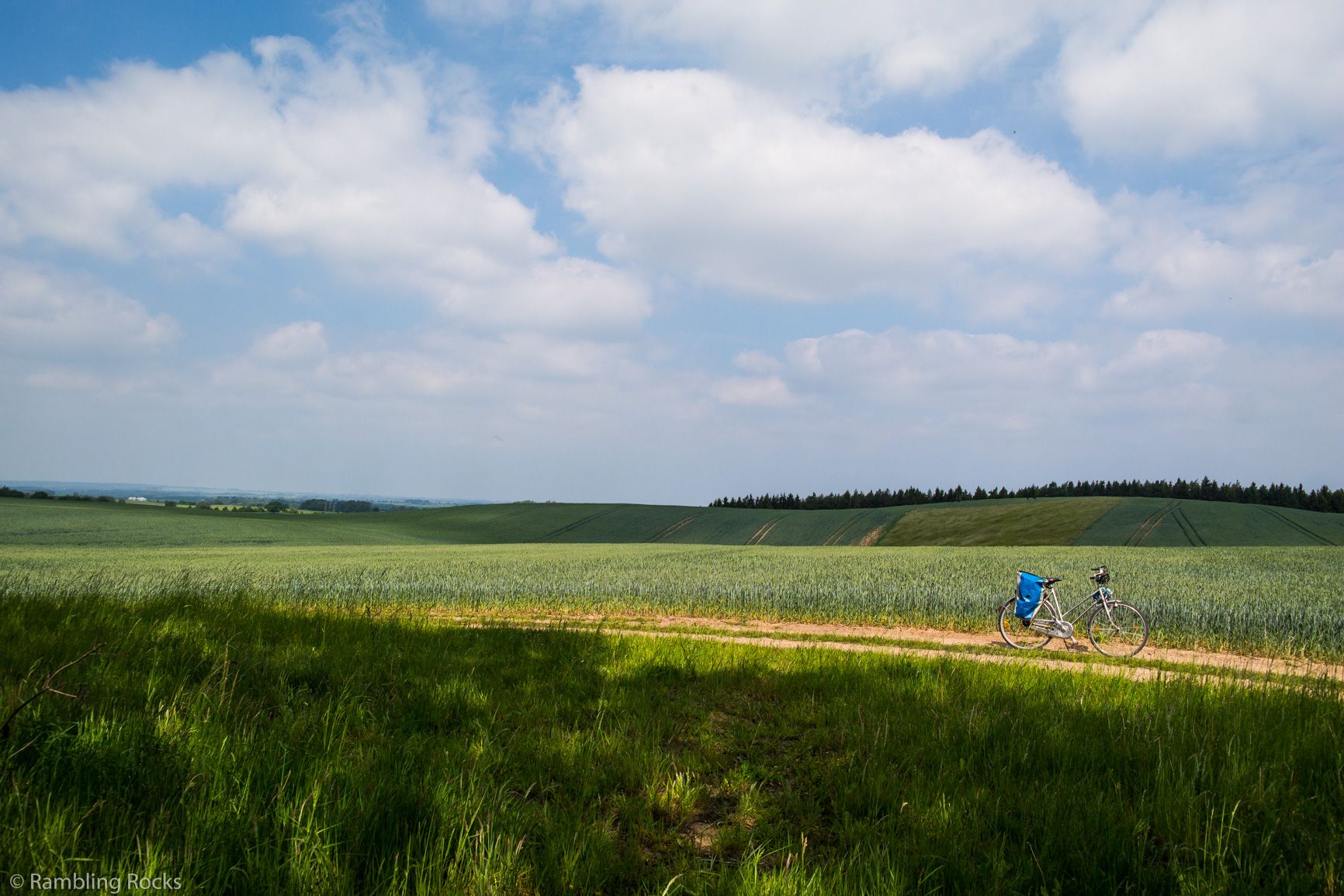
The Hanseatic Way – Cycling across North Germany to Poland, follow the cog!
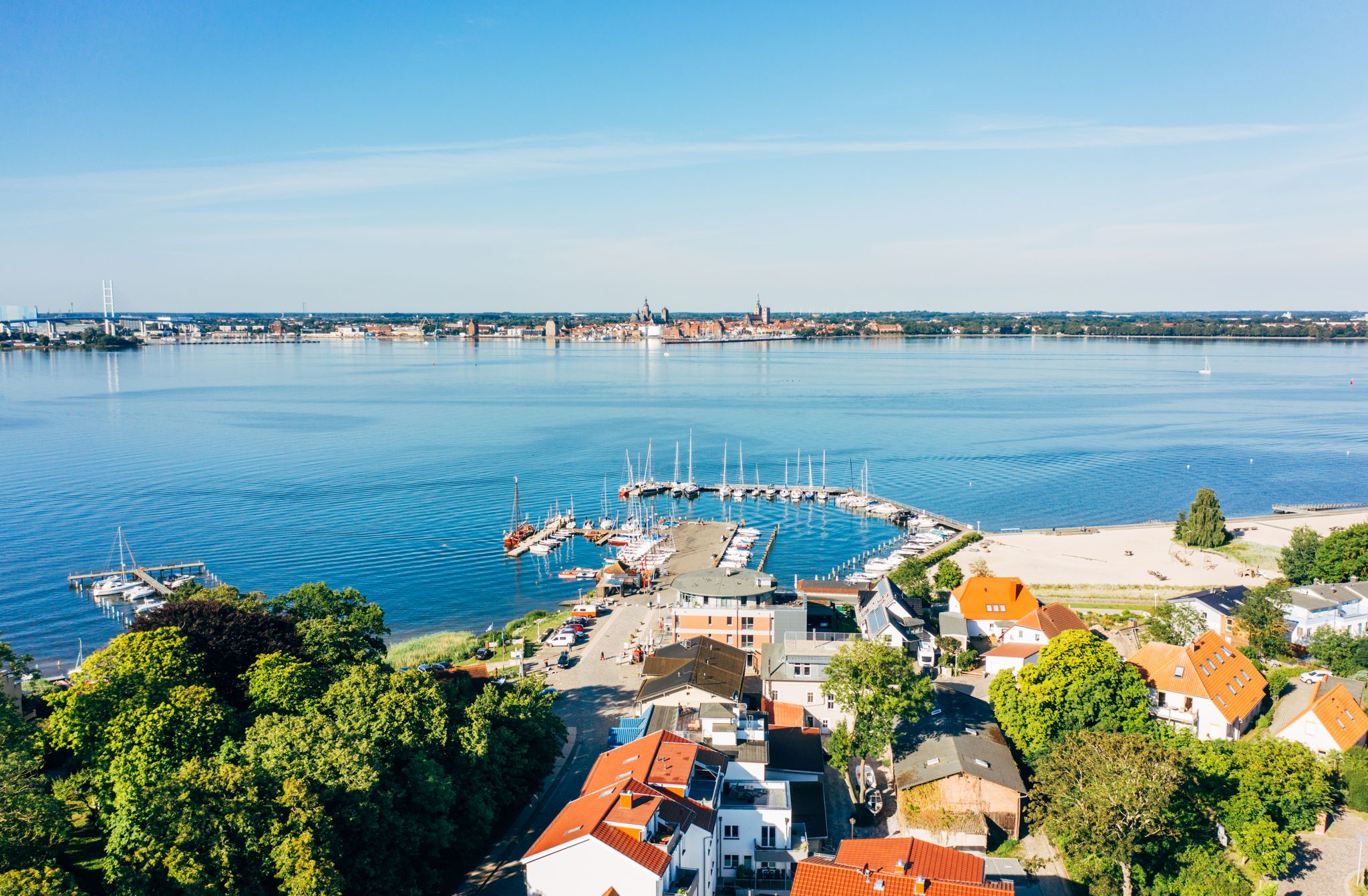
Spectacular nature in the cycle country Mecklenburg-Western Pomerania
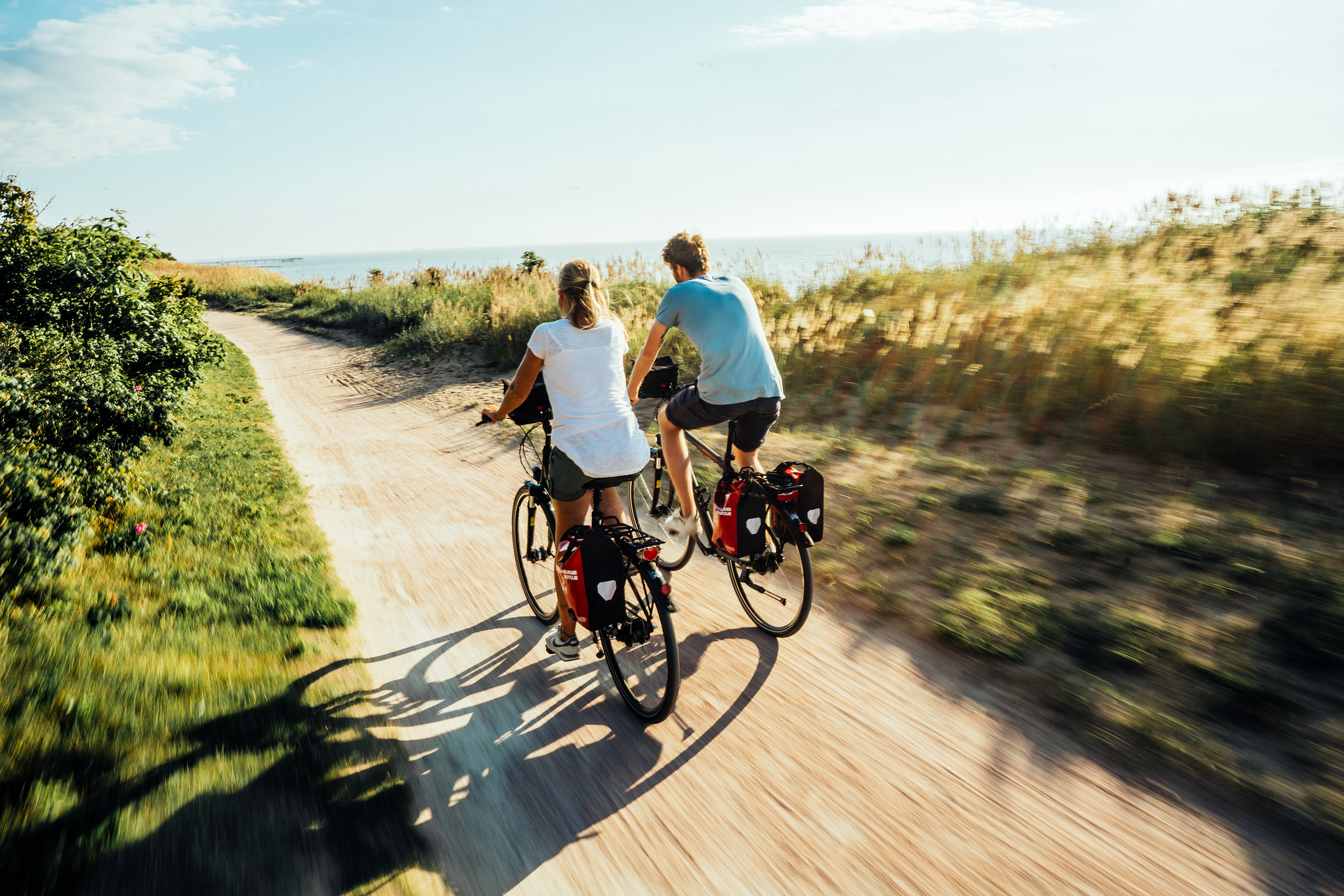
Zwischen Ostsee, Bodden und Entschleunigung - Die schönsten Radtouren auf Fischland-Darß-Zingst
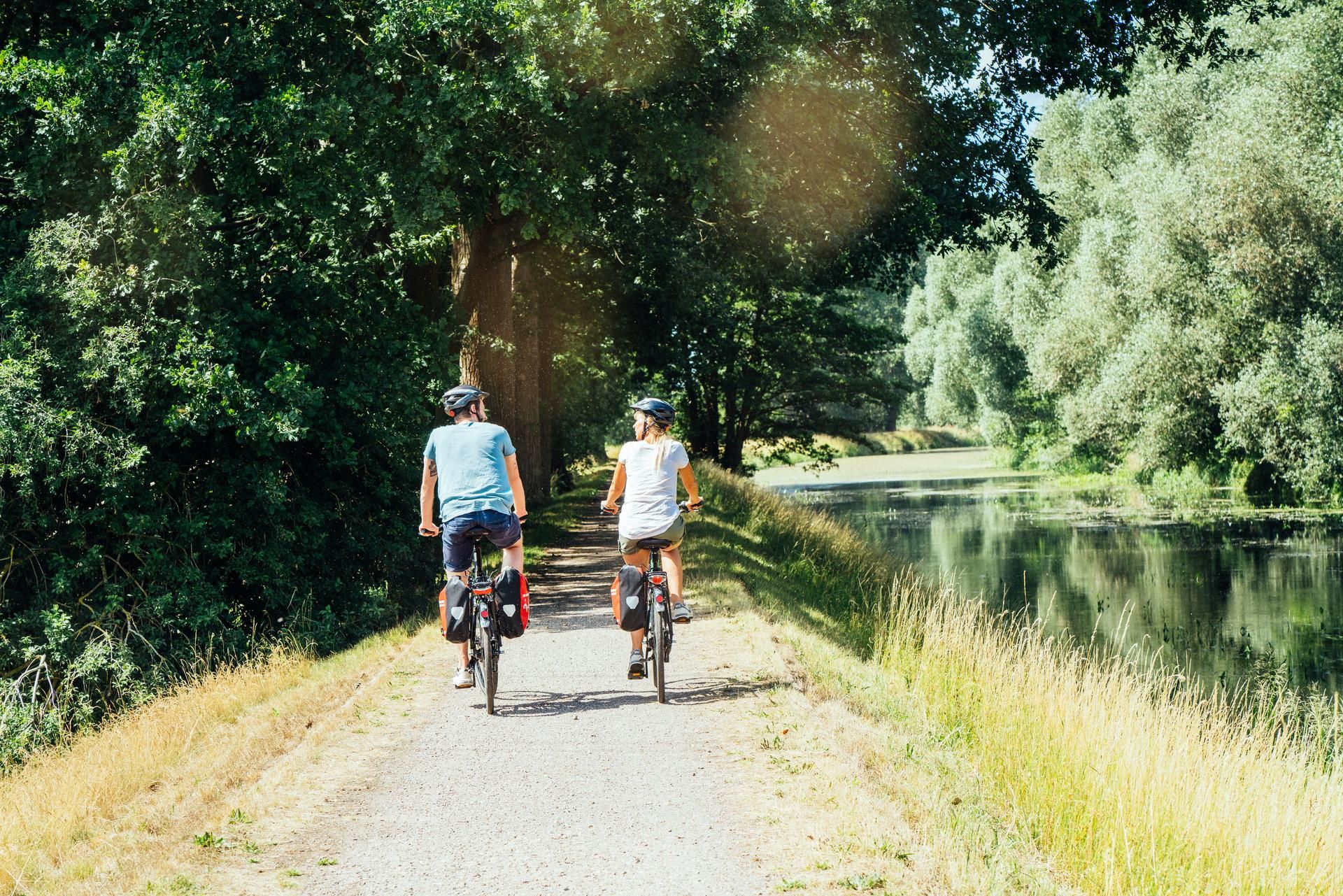
Recknitztal-Rundweg – Radeln im Grünen
Östlicher Backstein-Rundweg
Fischland-Darß-Zingst-Rundweg
Cycling around Ribnitz-Damgarten
Hiking around Ribnitz-Damgarten
Running Trails around Ribnitz-Damgarten
Road Cycling Routes around Ribnitz-Damgarten
Other adventures around Ribnitz-Damgarten


Tips from the Community

The view is magnificent, and cycling is fantastic. And if you lie here and relax, you can enjoy the view and forget everything around you.
20
0
The High Shore stretches over 3.2 km from the Wustrow pier to the Ahrenshoop border path on the Fischland-Darß-Zingst peninsula. The High Shore is a terminal moraine, formed by the Scandinavian ice sheet more than 10,000 years ago and shaped by the ocean surf. This continues to cause constant change in what is known as the active cliff. The annual coastal erosion can reach up to five meters. Nesting sand martins can be observed below the cliff in the high, steep escarpment. The High Shore is ideal for hiking on foot or by bike, and on a clear day, you can even see the Danish mainland from here. The narrow footpath directly along the cliff offers a wide variety of scenery. It leads through small wooded areas, past sea buckthorn bushes and dog roses, the typical vegetation of the area. Source: https://www.fischland-darss-zingst.de/service/provider/details/stamm/show/hohes-ufer-zwischen-wustrow-und-ahrenshoop/
21
0
The High Bank stretches over 3.2 km from the Wustrow pier to the Ahrenshoop border path on the Fischland-Darß-Zingst peninsula. The High Bank is a terminal moraine, formed by the Scandinavian ice sheet more than 10,000 years ago and shaped by the ocean surf. This continues to cause constant change in what is known as the active cliff. The annual coastal erosion can reach up to five meters. Nesting sand martins can be observed below the cliff in the high, steep escarpment. The high bank is ideal for hiking on foot or by bike, and on a clear day, you can even see the Danish mainland from here. The narrow footpath directly along the cliff offers a wide variety of scenery. It leads through small wooded areas, past sea buckthorn bushes and dog roses, the typical vegetation of the area. Source: https://www.auf-nach-mv.de/reiseziel/a-hohes-ufer-zwischen-wustrow-und-ahrenshoop
25
0

A great landscape and a beautiful photo opportunity.
17
0
A great section and you can take great pictures here.
13
0
The cycle and hiking trail runs along here and you have good views of the Baltic Sea from the cliffs.
7
0
A beautiful viewpoint, sit down and enjoy.
16
0
Here you can experience coastal dynamics.
11
0
Frequently Asked Questions
What are some of the most popular natural monuments to visit around Ribnitz-Damgarten?
Visitors frequently enjoy the impressive coastal formations. The Cliffs near Ahrenshoop, formed by the Scandinavian ice sheet, are highly popular for their breathtaking views and nesting sand martins. Another favorite is the Wustrow Cliffs, offering scenic views along a 3 km stretch, ideal for hiking or cycling. The Ahrenshoop High Shore also provides expansive views over the Baltic Sea with direct beach access.
Are there natural monuments suitable for families with children?
Yes, several natural monuments are family-friendly. The Cliffs near Ahrenshoop are categorized as family-friendly, offering easy walks and opportunities to observe nature. The Ribnitzer Großes Moor features an information center, 'Wald und Moor,' with an exhibition and a nature trail, making it an educational and engaging experience for all ages. The tranquil Bernsteinsee (Amber Lake) is also perfect for family walks and bike rides.
What kind of natural features can I expect to see around Ribnitz-Damgarten?
The region boasts a diverse range of natural features. You can explore dramatic coastal cliffs like the Hohes Ufer Cliffs, expansive moors such as the Ribnitzer Großes Moor with its unique flora and fauna, and tranquil lagoons like the Saaler Bodden. The area also serves as a gateway to the Nationalpark Vorpommersche Boddenlandschaft, characterized by its unique lagoon landscape, sandy beaches, dunes, and coastal forests.
What is the best time of year to visit the natural monuments?
The natural monuments around Ribnitz-Damgarten can be enjoyed year-round, but each season offers unique experiences. Spring and autumn are ideal for birdwatching, especially for migrating cranes in the Nationalpark Vorpommersche Boddenlandschaft. Summer is perfect for coastal walks and enjoying the beaches. The Ribnitzer Großes Moor offers guided tours, such as those focusing on blue moor frogs, during specific seasons, making it worth checking local schedules.
Are there opportunities for hiking or cycling near these natural monuments?
Absolutely. Many natural monuments offer excellent paths for hiking and cycling. The Cliffs near Ahrenshoop and Wustrow Cliffs are ideal for both. The Ribnitzer Großes Moor has well-marked hiking and cycling paths. A scenic gravel path runs along the Saaler Bodden, perfect for leisurely walks or bike rides. For more extensive routes, you can explore various road cycling, touring bicycle, and gravel biking routes around Ribnitz-Damgarten.
Can I spot wildlife at the natural monuments?
Yes, the region is rich in wildlife. The Ribnitzer Großes Moor is a vital habitat for specialized plants and rare animal species, including moor frogs, adders, and the red darter dragonfly. The Nationalpark Vorpommersche Boddenlandschaft is renowned for its diverse ecosystems and migrating bird populations. The steep cliffs, such as those near Ahrenshoop, are known nesting grounds for colonies of sand martins.
What are the terrain and difficulty levels for trails around the natural monuments?
The terrain varies significantly. Coastal paths along the cliffs, like the Cliffs near Ahrenshoop, can be narrow and offer varied scenery, leading through wooded areas and past sea buckthorn. Moorland paths in Ribnitzer Großes Moor are generally flat but can be damp. The Saaler Bodden offers a scenic gravel path. Many routes are considered easy to moderate, suitable for a wide range of fitness levels, with some longer cycling routes being more challenging.
Are there any historical elements or ruins to see at these natural sites?
While primarily natural, some sites incorporate historical aspects. The Wustrow Cliffs and Bunker Ruins offer a unique combination of natural beauty and historical remnants, where you can observe the impact of coastal erosion on former structures. The cliffs themselves, formed during the Ice Age, also represent a significant geological history.
What do visitors enjoy most about the natural monuments around Ribnitz-Damgarten?
Visitors particularly appreciate the stunning views, especially from the high shores and cliffs overlooking the Baltic Sea. The opportunity for peaceful walks and bike rides through diverse landscapes, from coastal paths to ancient moors, is also highly valued. Many enjoy the chance to relax and immerse themselves in nature, often finding the scenery magnificent and perfect for photography.
Is it possible to access the natural monuments using public transport?
While specific public transport details for each monument vary, Ribnitz-Damgarten itself is a hub. Many natural areas, especially those closer to towns or along popular routes, can be reached or are accessible via local bus services or by cycling from public transport stops. It's advisable to check local transport schedules for specific destinations like the Ribnitzer Großes Moor or coastal towns near the cliffs.
Are there any natural monuments that are particularly good for birdwatching?
Yes, the region is excellent for birdwatching. The Nationalpark Vorpommersche Boddenlandschaft is a prime location, especially during spring and autumn, when it becomes a crucial stopover for migrating birds, including large numbers of cranes. The Ribnitzer Großes Moor also hosts diverse fauna, including various bird species adapted to moorland environments. The cliffs near Ahrenshoop are known for their colonies of nesting sand martins.
How long should I plan to explore the natural monuments?
The time needed varies depending on the monument and your activity. A leisurely walk along the Saaler Bodden or around the Bernsteinsee might take an hour or two. Exploring the Ribnitzer Großes Moor with its nature trail and information center could take half a day. For the coastal cliffs, you could spend several hours hiking or cycling along the high shore. If you plan to visit multiple sites or delve deeper into the Nationalpark Vorpommersche Boddenlandschaft, a full day or even multiple days would be beneficial.
Most popular routes around Ribnitz-Damgarten
Most popular attractions around Ribnitz-Damgarten

Get inspired with the komoot mobile app


Explore more
Extend your search for the best caves by checking out these guides of the top ones around Ribnitz-Damgarten:
