Top 20 Natural Monuments around Pörnbach
Natural monuments around Pörnbach showcase the region's diverse natural landscape, characterized by notable tree formations and wooded areas. This municipality in the district of Pfaffenhofen an der Ilm offers peaceful natural settings for exploration. These natural treasures are recognized for their inherent beauty, rarity, or ecological and historical significance. Visitors can explore a variety of protected natural elements, offering opportunities for quiet contemplation and nature observation.
Best natural monuments around Pörnbach
- The most popular natural monument is St. Ulrich Collegiate…
Last updated: October 11, 2026
St. Ulrich Collegiate Church, Ainau
Highlight • Religious Site
Translated by Google •
Tip by

P. Jules Chevalier Spring
Highlight • Natural Monument
Here at the source you can play a game for two in the shade.
Translated by Google •
Tip by
Sign up now to discover places like this
Get recommendations on the best single tracks, peaks, & plenty of other exciting outdoor places.
Windsberg Nature Reserve
Highlight • Natural Monument
More details:
landkreis-pfaffenhofen.de/media/8131/informationsbroschuere_paartaler-sandduenen.pdf
Translated by Google •
Tip by

Winter Linden Tree and Schweitenkirchen Chapel
Highlight • Natural Monument
Translated by Google •
Tip by

Mitterbachel Forest Pond and Nature Trail
Highlight • Lake
In the vicinity of the rest area, the trees are signposted in a small educational trail and provide information about the species and the peculiarities
Translated by Google •
Tip by

Sign up for free to discover even more natural monuments around Pörnbach.
Already have an account?
Start today with a free account
Your next adventure awaits.

Tips from the Community

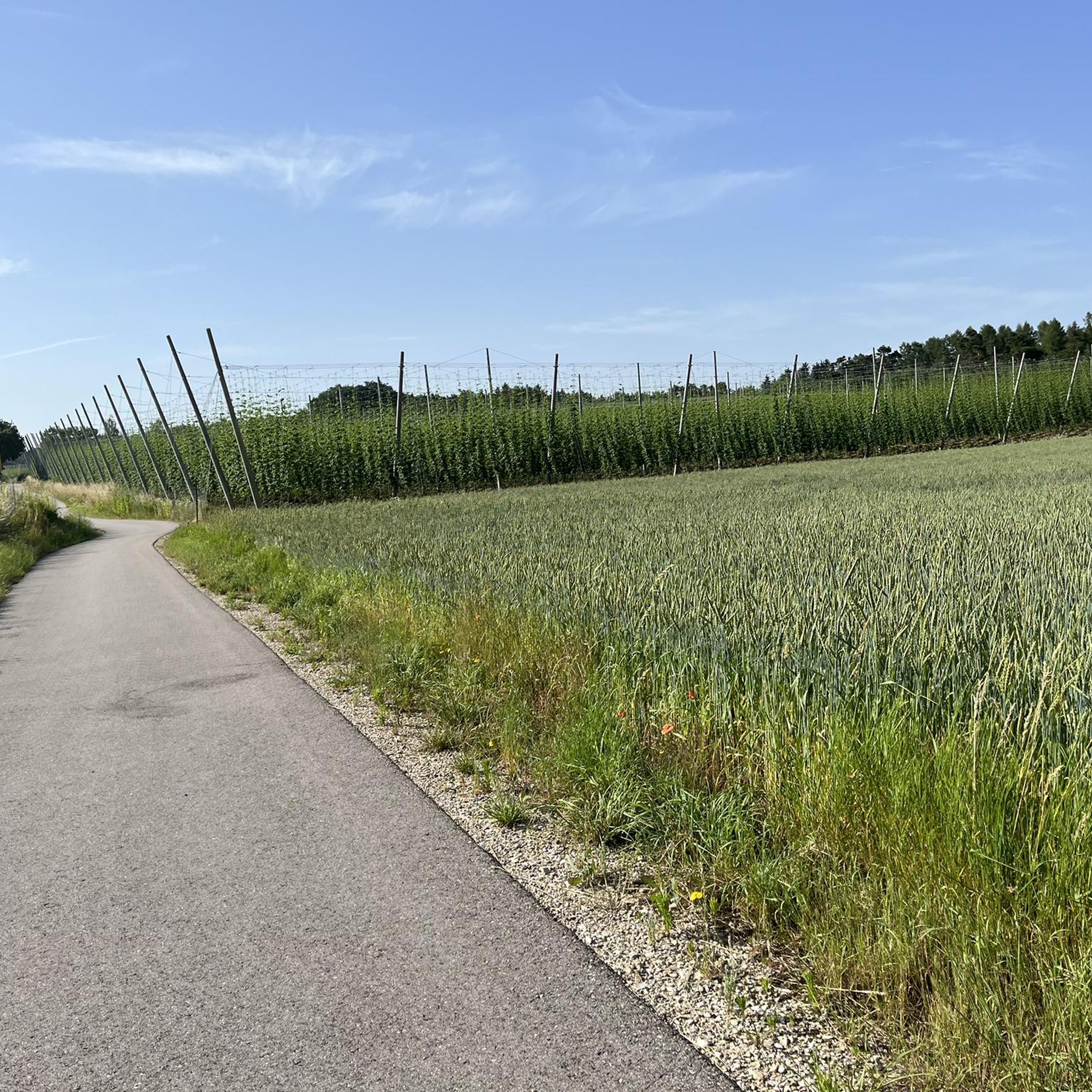
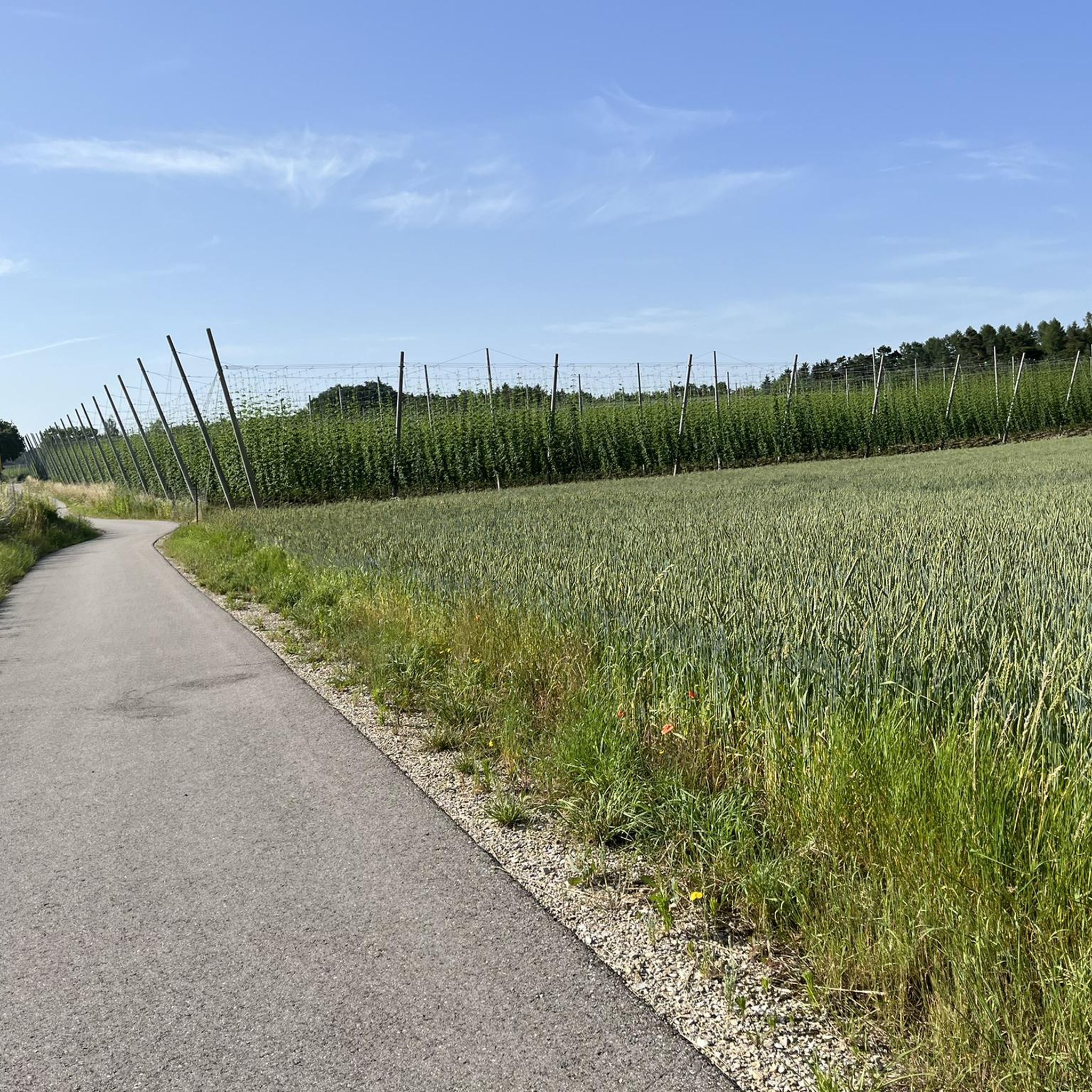
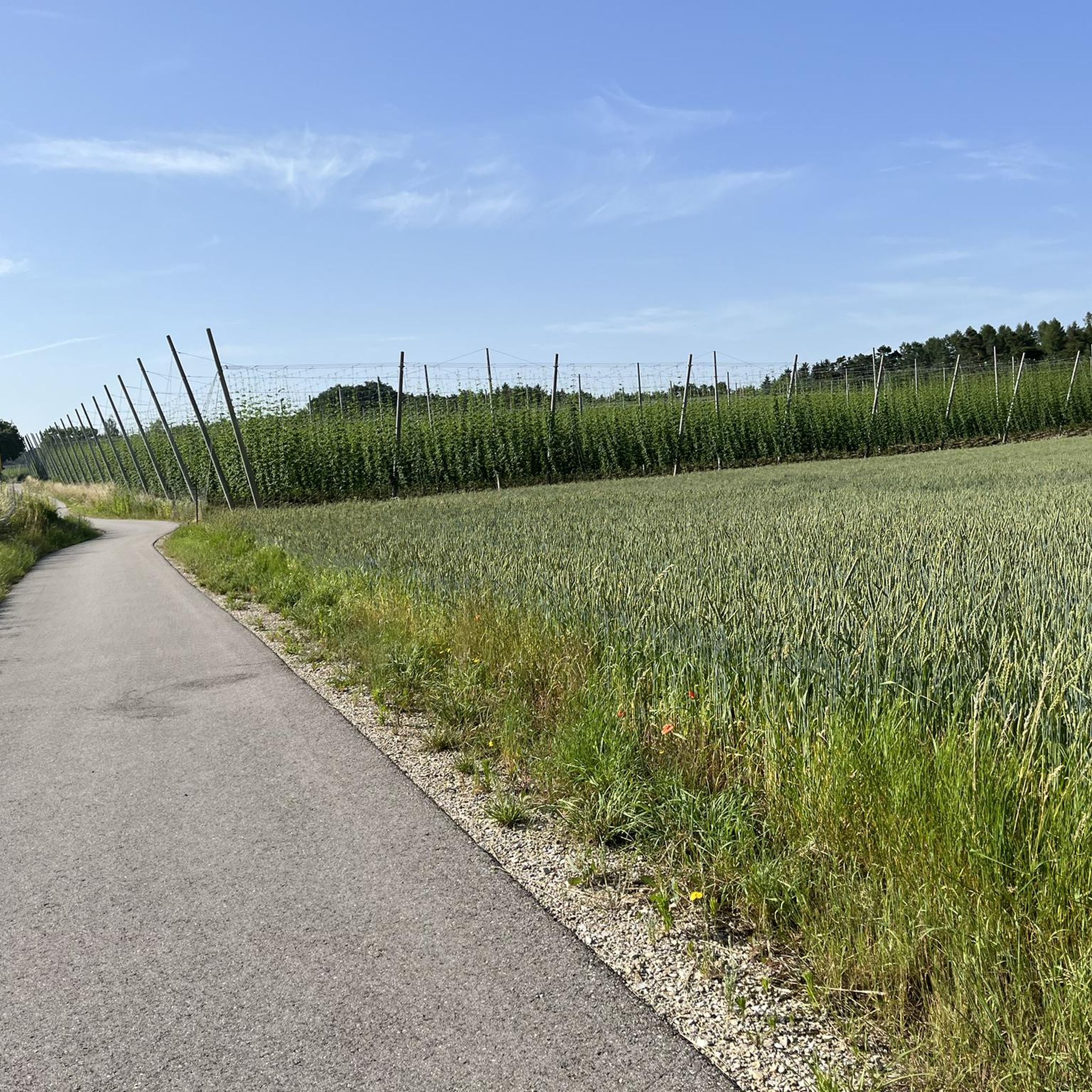
beautiful road and great alternative to the path along the state road
1
0

Beautiful church
1
0

Perhaps one could say that this is a place of power. This mighty old linden tree is simply a miracle. Sitting on the chapel bench and admiring the linden tree is always worth a little detour.
3
0

A beautiful and idyllic place to pause.
1
0

The approx. 8 hectare nature reserve with its sandy and lean lime lawn offers various plant and animal species an (exclusive) habitat, e.g. gentian, broom heather, chessboard and various wild bee species. More details: https://www.landkreis-pfaffenhofen.de/media/8131/informationsbroschuere_paartaler-sandduenen.pdf
2
0

A great place for a quick break!
2
0

The Ulrichskirche, located on an artificially created hill, was built around 1220/30, presumably as the castle chapel of a moated castle, which is no longer preserved today. During the first redesign in the 15th century, the windows were enlarged and the apse was raised, the original half-dome of which was broken when the Gothic ribbed vault was installed. The apse probably had a secular upper floor that was accessible from the outside. A tower was placed on the apse, which was initially covered with a gable roof and was only given its current pyramid roof in the 19th century. The construction of the tower later led to cracks in the walls, as the building did not have a sufficiently strong foundation in this area. The next renovation, which took place in 1702, relocated the entrance to the west facade and bricked up the Romanesque south portal. As a third construction measure, the south portal was exposed again in the years 1858 to 1861 and the originally 7.60 meter long and 5.90 meter wide nave was extended by 5.30 meters to the west.
1
1

Close to the Steinertskirchen oasis of calm
1
0
Frequently Asked Questions
What types of natural monuments can I expect to see around Pörnbach?
The natural monuments around Pörnbach primarily feature notable tree formations and wooded areas. You'll find ancient individual trees like the Winter Linden Tree and Schweitenkirchen Chapel, groups of trees such as the Thirty Lindens and Two Maples in Pörnbach, and small wooded areas like the Oak Grove. There are also unique spots like the Mitterbachel Forest Pond and Nature Trail, offering diverse natural settings.
Are there any natural monuments in Pörnbach that are suitable for families?
Yes, several natural monuments around Pörnbach are family-friendly. The Mitterbachel Forest Pond and Nature Trail is ideal, featuring a shady spot with a table and bench, and an educational trail with information about local tree species. The Winter Linden Tree and Schweitenkirchen Chapel also offers a pleasant spot for a quick break, appreciated by visitors for its serene atmosphere.
What historical or cultural sites are integrated with the natural monuments?
Many natural monuments in Pörnbach have historical or cultural significance. For example, the St. Ulrich Collegiate Church, Ainau, is a Romanesque apse from the 13th century, recognized as an architectural monument, and is considered a large natural monument due to its surrounding grove. The Winter Linden Tree and Schweitenkirchen Chapel combines a mighty old linden tree with a chapel, creating a place of quiet contemplation.
What outdoor activities can I do near the natural monuments in Pörnbach?
The Pörnbach region offers various outdoor activities. You can explore cycling routes like the 'View of the Paar Valley – Oberstimmer Pond loop' or the 'Beaver Trail Pfaffenhofen – Ilm River near Parleiten loop'. For gravel biking, consider routes such as the 'Forest Path in Upper Bavaria – St. Kastulus Pilgrimage Church loop'. Road cycling enthusiasts can enjoy paths like the 'Paved cycle path at Bratzmühle – Raitbach Country Road loop'. You can find more details on these activities in the Cycling around Pörnbach, Gravel biking around Pörnbach, and Road Cycling Routes around Pörnbach guides.
Are there any easy walking or hiking trails associated with these natural monuments?
Yes, the natural monuments often provide opportunities for gentle walks and nature observation. The Mitterbachel Forest Pond and Nature Trail features a small educational trail, perfect for an easy stroll to learn about local tree species. Many of the tree groupings, like the Oak Grove or the Linden Group in Puch, are ideal for quiet contemplation and short, easy walks.
What do visitors enjoy most about the natural monuments in Pörnbach?
Visitors particularly appreciate the serene and peaceful natural settings. Many find the ancient trees, such as the Winter Linden Tree, to be 'a miracle' and a 'place of power'. The combination of natural beauty with historical elements, like the St. Ulrich Collegiate Church with its shady grove, is also highly valued for providing pleasant spots for breaks and quiet reflection.
Can I find unique natural features like springs or ponds among the monuments?
Yes, beyond the prominent tree formations, you can discover other unique natural features. The P. Jules Chevalier Spring is a notable natural monument, offering a tranquil spot. Additionally, the Mitterbachel Forest Pond and Nature Trail provides a lovely lake environment within a shady forest setting.
What is the significance of these natural monuments to the Pörnbach region?
These natural monuments are designated as 'Naturdenkmäler' by the Landkreis Pfaffenhofen a.d.Ilm, underscoring their importance for their outstanding beauty, rarity, or unique character. They also hold ecological, scientific, historical, folkloric, or local historical significance, contributing significantly to the regional landscape and biodiversity.
Are there any specific tree groupings worth visiting in Pörnbach?
Absolutely. Pörnbach is known for its significant tree formations. You can visit the Thirty Lindens and Two Maples within the main town, or explore the Oak Grove in Pörnbach. In the district of Puch, there's a beautiful Linden Group (four trees) and an interesting Alder and Willow Group, each offering a unique natural experience.
Is there a natural monument that combines natural beauty with a viewpoint?
While not explicitly a panoramic viewpoint, the P. Jules Chevalier Spring is listed as a natural monument and a viewpoint, offering a peaceful spot to observe the surroundings. The Chapel Hill in Puch, also a natural monument, likely provides elevated views due to its nature as a hill, combining natural elevation with potential historical significance.
What is the best time of year to visit the natural monuments around Pörnbach?
The natural monuments, primarily consisting of trees and wooded areas, offer beauty throughout the year. Spring brings fresh greenery, summer provides shady retreats, and autumn showcases vibrant foliage. Even in winter, the bare trees and quiet landscapes can offer a unique, serene experience for contemplation and gentle walks.
Are the natural monuments easily accessible by public transport?
While specific public transport routes directly to each individual natural monument may vary, Pörnbach is a municipality within the district of Pfaffenhofen an der Ilm. It's advisable to check local bus schedules or regional transport options to Pörnbach and then plan for shorter walks or cycling trips to reach the specific sites, as many are located in peaceful, natural settings outside the immediate town center.
Most popular routes around Pörnbach
Most popular attractions around Pörnbach

Get inspired with the komoot mobile app


Explore more
Extend your search for the best caves by checking out these guides of the top ones around Pörnbach:
