Top 20 Natural Monuments around Bornhöved
Best natural monuments around Bornhöved are found in a municipality located in the Segeberg district of Schleswig-Holstein, Germany. Situated at the western edge of Holstein Switzerland, the region features a landscape shaped by the last ice age, offering diverse natural attractions. These include significant lakes, river sources, and designated natural monuments. The area provides opportunities for nature observation and outdoor recreation.
Best natural monuments around Bornhöved
- The most popular natural monuments is Kattholz Oak, a natural monument that is…
Last updated: August 18, 2026
Lake Ihl
Highlight • Lake
Showing Translation
Tip by

Kattholz Oak
Highlight • Natural Monument
Showing Translation
Tip by

Sign up now to discover places like this
Get recommendations on the best single tracks, peaks, & plenty of other exciting outdoor places.
Sign up for free
Ihlwald Nature Reserve
Highlight • Forest
Translated by Google •
Tip by

Tarbeker Moor
Highlight • Natural
Translated by Google •
Tip by

Stocksee Nature Reserve
Highlight • Lake
Translated by Google •
Tip by

Sign up for free to discover even more natural monuments around Bornhöved.
Sign up for free
Already have an account?
Start today with a free account
Your next adventure awaits.
Login or Signup
Tips from the Community

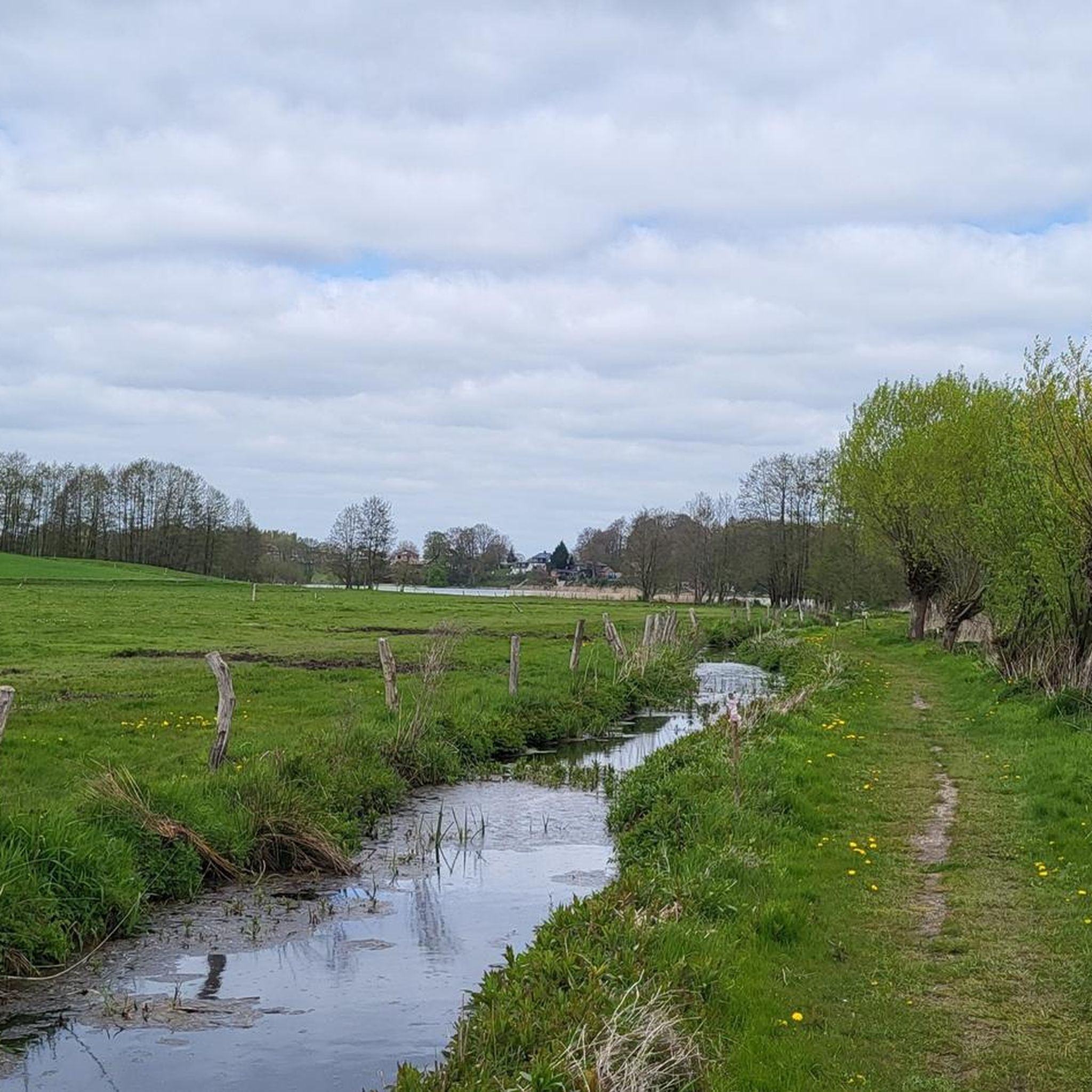
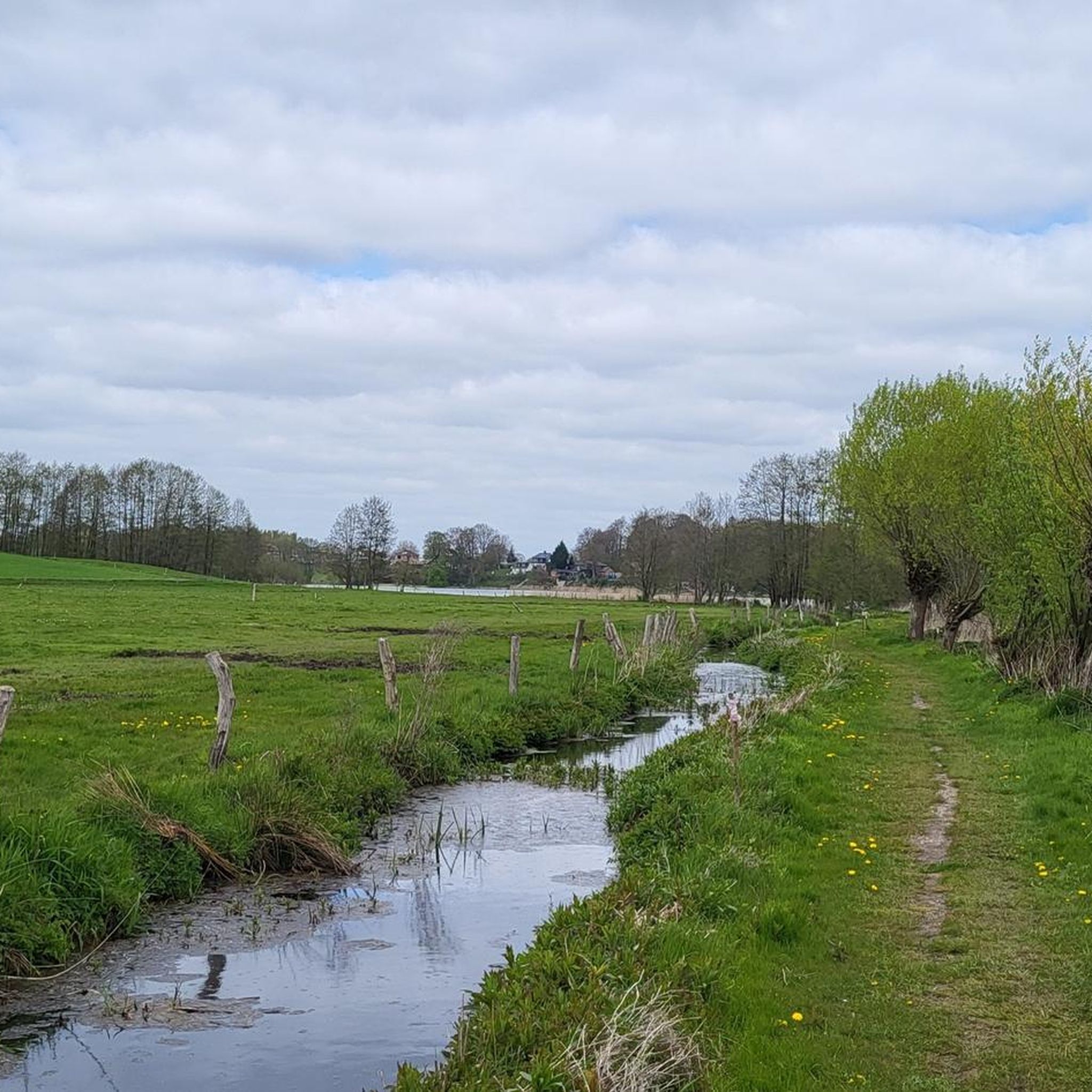
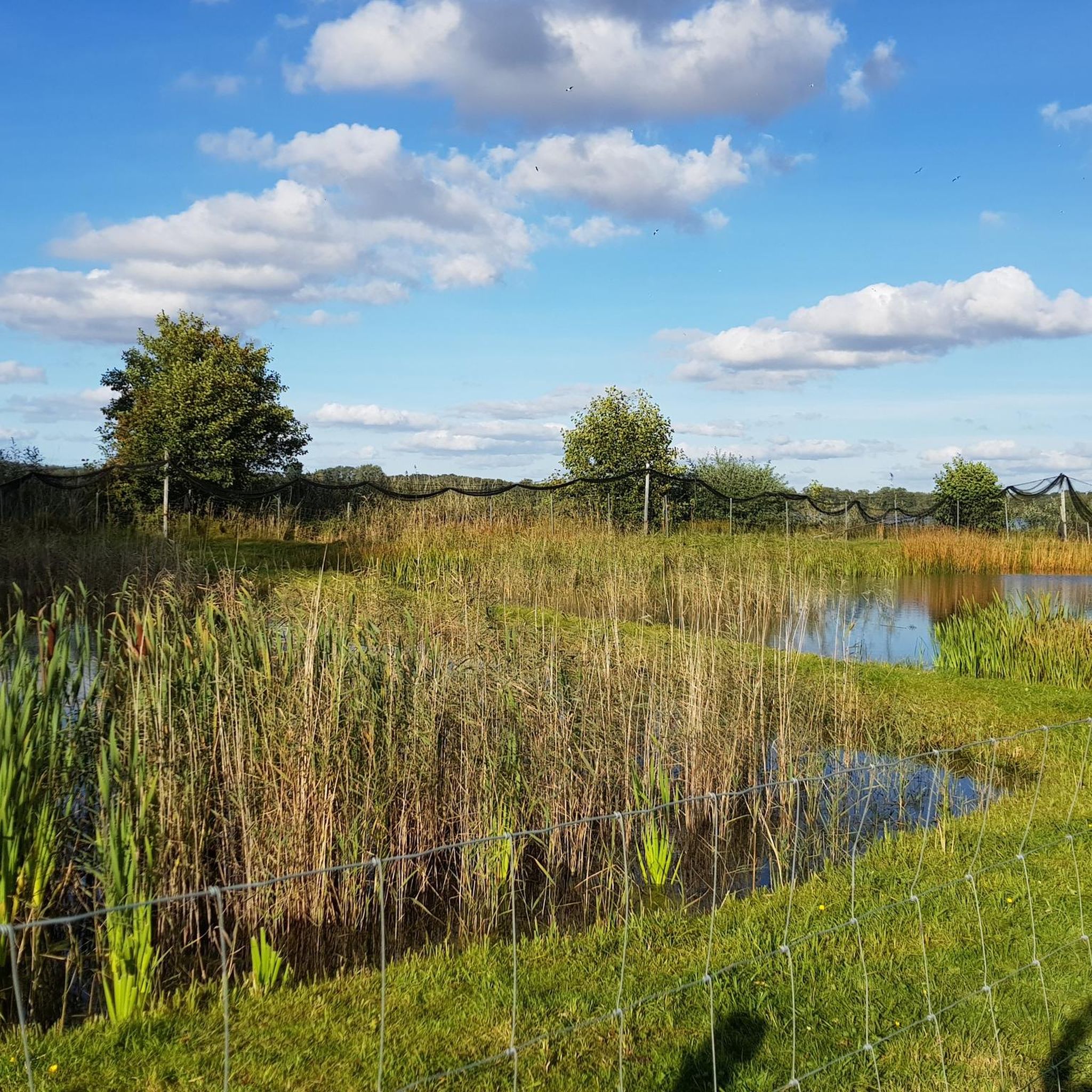
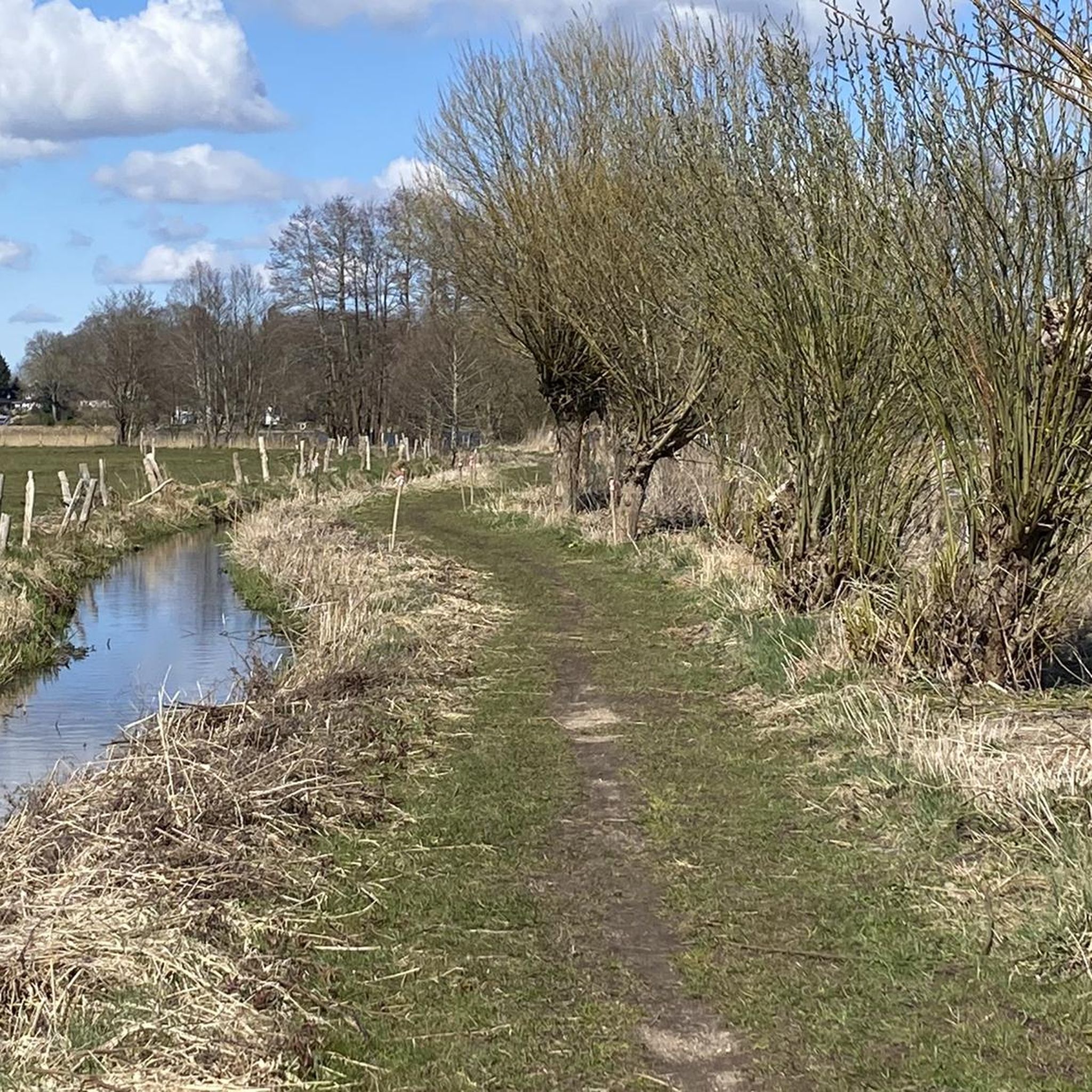
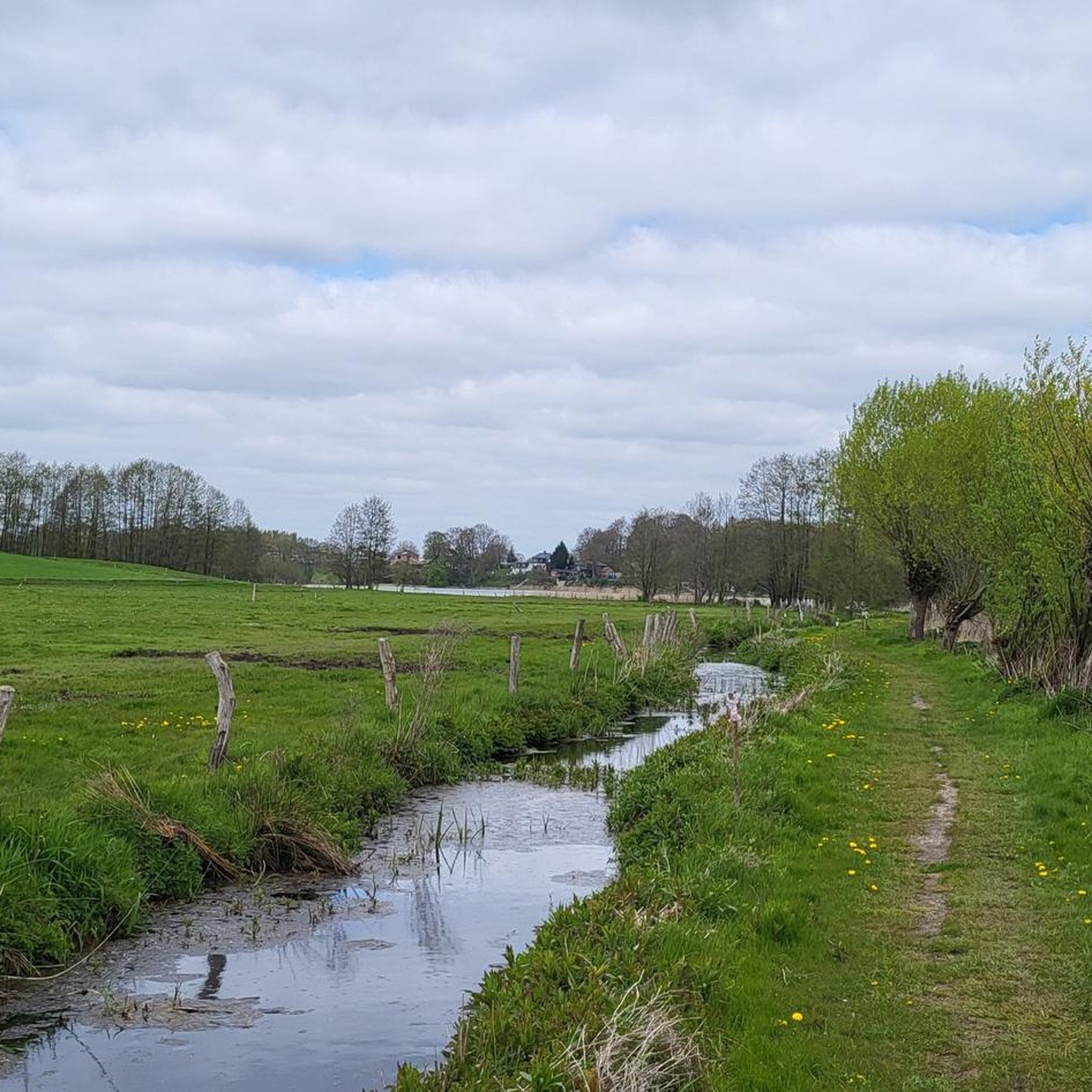
A tranquil nature reserve with pristine nature, home to rare bird species and diverse plant life. The paths mostly follow the edge, allowing you to enjoy the untouched landscape in all its tranquility. An ideal place for nature lovers who appreciate peace and quiet and unique flora and fauna.
3
0

The list of cultural monuments in Stocksee includes the cultural monuments registered in the list of monuments of the state of Schleswig-Holstein. The lake, the Stockseehof and the annual music festival as part of the Schleswig-Holstein Music Festival are particularly well-known. There is a campsite on the lake. Motorboats and water sports equipment are not allowed on the lake. Fishing licenses are available for fishing. An (unguarded) bathing area with a playground and changing rooms is located in the middle of the village on Seestrasse. Since October 2010, village community rooms have been available for use by local clubs and groups in the old school, the former home of the honorary mayor Dietrich Wiebe, who died in 2009.
11
0
In terms of settlement geography, the municipality consists of a number of districts, also called residential areas in the jargon of settlement statistics. The municipality of Stocksee includes the settlement areas of the eponymous village, the Moorkate group of houses, the Stockseehof estate settlement, the Lehmkuhl farm settlement and the Tannenkate and Voßberg house settlements.
11
1
The area of the municipality of Stocksee extends along the water of the same name[2] in the northwestern part of the main natural area of the East Holstein Hills and Lakes Region (No. 702),[3] one of the Schleswig-Holstein hill countries.
11
1
Stocksee is a municipality in the district of Segeberg in Schleswig-Holstein. The municipality is known throughout Schleswig-Holstein for the summer camp that takes place every year during the summer holidays for up to 170 children and young people from schools in Neumünster, Husum and Itzehoe.
11
0

As part of the Holstein Switzerland Nature Park, the Tarbek Moor with its special charm is a popular excursion destination that gives you a variety of impressions. With its diverse composition of ponds and vegetation-free peat banks, it offers undisturbed insights into a mysterious-looking habitat. A moor birch forest borders dark ponds surrounded by snakeroot, dead birch trees in water-filled peat pits rise picturesquely into the sky and fields of waving cotton grass are reminiscent of images from Nordic legends. In the 131-hectare area, which was previously used as a peat extraction area, remnants of this use can still be seen today and carefree cycling and hiking from the Tarbek Moor to the Ihlsee in Bad Segeberg is possible both along former routes that have been preserved to this day and along the railway embankment that connected Bad Segeberg, Bornhöved and Kiel until 1960. https://www.blunkerbach-sh.de/tarbeker-moor
3
0
The 28 hectare Ihlsee is located on the northern outskirts of Bad Segeberg and is a very special body of water: Unlike most lakes in Schleswig-Holstein, the Ihlsee is low in nutrients and lime and is therefore the habitat of extremely rare plant species in this country. Typical are the lawns of European sea larkspur, which grows from temporarily dry shore areas to a depth of around 2 m. In addition, sea quillwort and water lobelia grow in the shallow water zones, pushing their pale blue or white flowers above the water surface in summer. The Ihlsee is the last body of water in Schleswig-Holstein where the water lobelia and the shimmering luminous algae, which occur at greater water depths, occur. In total, at least 11 species of submerged leaf plants live in the Ihlsee, some of which are highly endangered. Aquatic plants can be found here as deep as 9 m. The clear water of the lake makes this possible, as sunlight can penetrate to these depths. Due to the comparatively low nitrogen and phosphorus content of the lake water, plant and animal plankton, which cloud the water in many other lakes, develop only sparsely. The Ihlwald forest, which borders the southern shore of the lake, is also part of the 42-hectare nature reserve, which is managed voluntarily by NABU Bad Segeberg. The wild Ihlwald forest can be admired from a hiking trail. The shore is quite overgrown, so unfortunately you can't see much of the lake, but it is still a beautiful path through the nature reserve. Due to the damp site conditions, a large part of the area consists of black alder swamp forests with downy birch and peat mosses, as well as ash wet forests in which stately pedunculate oaks grow. https://www.naturpark-holsteinische-schweiz.de/naturschutzgebiet-ihlsee-und-ihlwald
2
0
The Ihlsee is located in the northwestern part of the town of Bad Segeberg, on the northern edge of the Kleinniendorf district, and is part of the designated Ihlsee and Ihlwald nature reserve. The formation of the lake has not been fully investigated. Either the depression formed after the Ice Age due to dead ice, or it originated as a sinkhole through the collapse of a cave in the Segeberg salt dome. Today, the lake has an area of approximately 29 hectares and extends 450 m in a north-south direction and approximately 850 m in a west-east direction; the shoreline length is 2.25 km. Along with the Bültsee and the Garrensee, the lake is one of the few nutrient-poor lakes in Schleswig-Holstein. The lake lies in a depression and has no inflow. It is fed only by groundwater and inflowing surface water (precipitation). North of the bathing area is the outflow, which connects the lake with the Großer Segeberger See. The lake can be circumnavigated, but there is no path directly along the shore. On the eastern shore, there is a bathing area that has existed for decades; the bathing water quality is regularly monitored and has been rated very good to good in recent years. A residential area is located on the northern shore. On the western and southern sides, the Ihlwald, a swamp forest, determines the shoreline strip. From 1911 to 1961, there was a train station at the Ihlsee for the Kiel–Segeberg narrow-gauge railway, the tracks of which were removed as early as 1962. The Ihlsee was designated a nature reserve in 1950 due to its special characteristics. The lake is a particularly nutrient-poor body of water, which results in a rare flora. Today, the lake is part of the Ihlsee and Ihlwald nature reserve and, since 2006, part of the Natura 2000 protected area network. https://de.wikipedia.org/wiki/Ihlsee
3
0
Frequently Asked Questions
What are some of the most popular natural monuments to visit around Bornhöved?
Visitors frequently enjoy the Kattholz Oak, known as one of Germany's thickest oaks due to its enormous trunk. Another favorite is the Stocksee Nature Reserve, which protects a section of Lake Stocksee and its surrounding wooded areas. The Tarbeker Moor is also highly regarded for its walking opportunities and wildlife observation, including cranes and sea eagles.
Are there family-friendly natural monuments in the Bornhöved area?
Yes, several natural monuments around Bornhöved are suitable for families. The Kattholz Oak offers an impressive natural sight. The Stocksee Nature Reserve and Tarbeker Moor provide gentle paths for walks and opportunities to observe nature. Additionally, Lake Ihl, part of a nature reserve, has a bathing area on its eastern shore that families can enjoy.
What kind of unique flora and fauna can be observed near Bornhöved's natural monuments?
The region is rich in biodiversity. At the source area of the Alte Schwentine, you might spot kingfishers, eagles, herons, cormorants, and various fish, frog, and dragonfly species. The Tarbeker Moor is home to cranes, otters, and sea eagles. The clear waters of Stocksee Nature Reserve support numerous mollusks, which in turn feed diving ducks and rails. The forest areas, some with primeval characteristics, provide habitats for woodpeckers, owls, and various songbirds.
Are there hiking or cycling routes near the natural monuments around Bornhöved?
Absolutely. The area offers various routes for outdoor enthusiasts. For hiking, you can explore trails like the 'Bornhöved Chapel and Cemetery – Schwentine source area loop' or the 'Source of the Alte Schwentine loop'. Cyclists can enjoy routes such as the 'Bornhöveder See – Rest Area at Bornhöveder See loop'. You can find more details on these and other routes in the Hiking around Bornhöved and Cycling around Bornhöved guides.
What historical significance do some of the natural features in Bornhöved hold?
Beyond their natural beauty, some sites have historical importance. The 'Doppeleiche' (Double Oak) in Bornhöved, formally designated as a natural monument, was planted in 1898 to commemorate the Schleswig-Holstein uprising of 1848. While not a natural monument itself, the Viert Assembly Stone Bornhöved is a significant historical site where the city assembly for all of Holstein took place until 1480.
What are the main natural features that define the landscape around Bornhöved?
Bornhöved is situated at the western edge of Holstein Switzerland, a landscape shaped by the last ice age. Key features include the source area of the Alte Schwentine river, characterized by rich flora and fauna. The region is also known for its lakes, such as Bornhöveder See, Schmalensee, and Lake Ihl, which are part of a chain of six lakes and offer opportunities for recreation and nature observation.
Can I find circular walks around the natural monuments in Bornhöved?
Yes, there are several circular routes available. For instance, a circular cycling and hiking trail, approximately 8 km long, connects the Bornhöveder See and Schmalensee. You can also find specific hiking loops like the 'Bornhöved Chapel and Cemetery – Schwentine source area loop' which is about 4.6 km. More options are detailed in the Hiking around Bornhöved guide.
What do visitors enjoy most about the natural monuments in Bornhöved?
Visitors appreciate the diverse natural settings, from ancient oaks like the Kattholz Oak to protected lake areas and moors. The tranquility of places like the Tarbeker Moor and the opportunity for wildlife observation are frequently highlighted. The scenic landscapes, shaped by the last ice age, also provide a peaceful environment for outdoor activities and connecting with nature.
Is there a specific natural monument that is particularly unique or a 'hidden gem'?
While popular spots are well-known, the source area of the Alte Schwentine river, located in the meadows at the foot of the Grimmelsberg, offers a unique insight into the region's ecology. It's a peaceful spot with a rich diversity of flora and fauna, providing a habitat for various species, and is marked by a signpost for the 'Schwentinequelle'.
What are the best times of year to visit the natural monuments around Bornhöved?
The natural monuments around Bornhöved can be enjoyed throughout the year. Spring and summer are ideal for hiking, cycling, and wildlife observation, especially for birdwatching around the lakes and moors. Autumn offers beautiful foliage, while winter can provide a serene, quiet experience, particularly around the frozen lakes and wooded areas, though some paths might be less accessible.
Are there any natural monuments around Bornhöved that are particularly good for birdwatching?
Yes, the region is excellent for birdwatching. The source area of the Alte Schwentine is known for kingfishers, eagles, silver and gray herons, cormorants, and great crested grebes. The Tarbeker Moor is a habitat for cranes and sea eagles. The lakes, including Stocksee Nature Reserve and Lake Ihl, attract various diving ducks, rails, and other water birds.
What should I wear when visiting the natural monuments and trails in Bornhöved?
For comfortable exploration, it's advisable to wear sturdy, comfortable walking shoes or hiking boots, especially if you plan to venture onto trails in moors or wooded areas. Layered clothing is recommended to adapt to changing weather conditions, and a waterproof jacket can be useful. During warmer months, consider insect repellent, and in winter, dress warmly with appropriate cold-weather gear.
Most popular routes around Bornhöved
Most popular attractions around Bornhöved

Get inspired with the komoot mobile app


Explore more
Extend your search for the best caves by checking out these guides of the top ones around Bornhöved:
