Top 20 Natural Monuments around Schönheide
Best natural monuments around Schönheide are found in the western Ore Mountains of Saxony, Germany. This region is characterized by its diverse natural landscape, including mountain meadows, bogs, and significant water bodies. The area offers insights into both its ecological importance and its cultural history, with several sites reflecting the town's heritage.
Best natural monuments around Schönheide
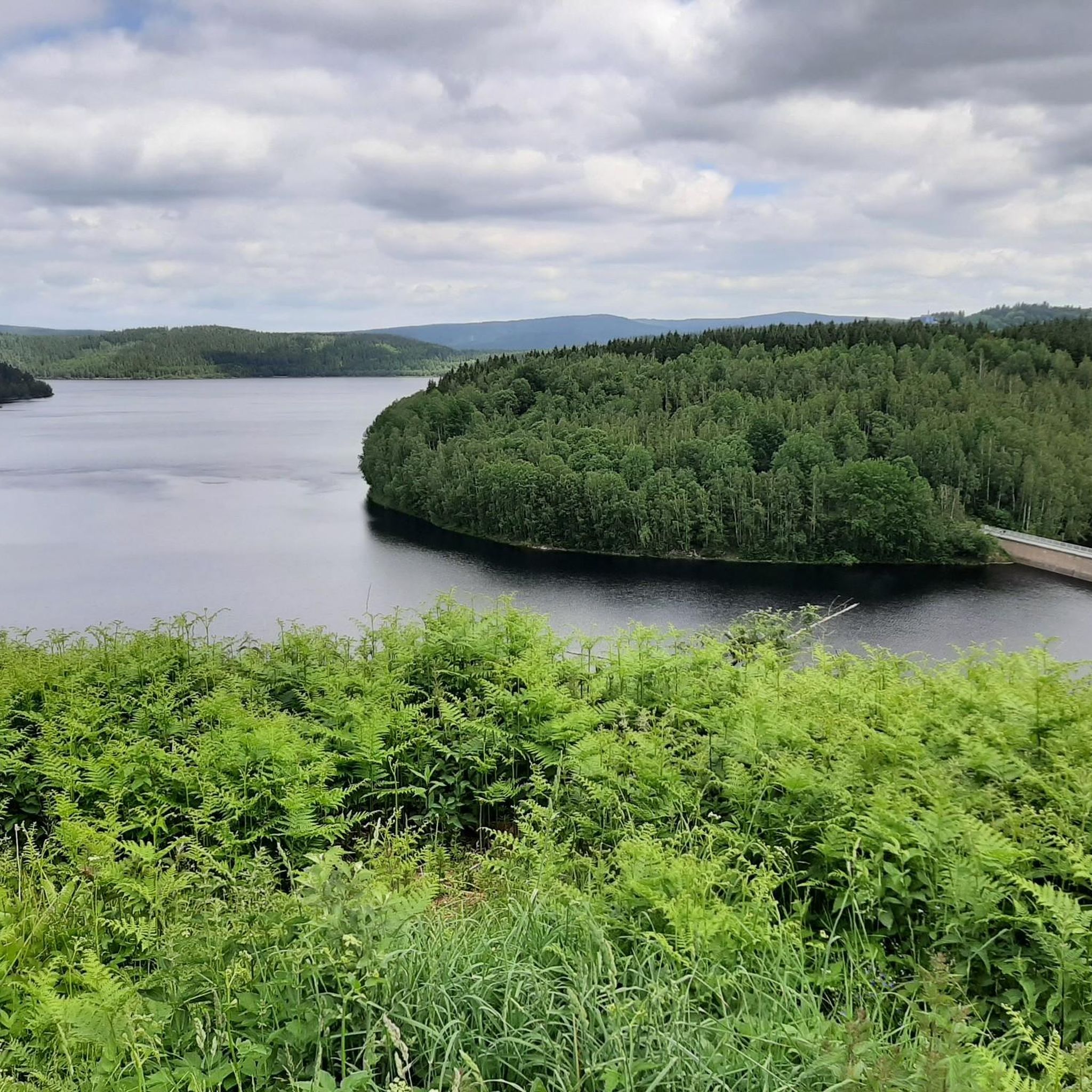
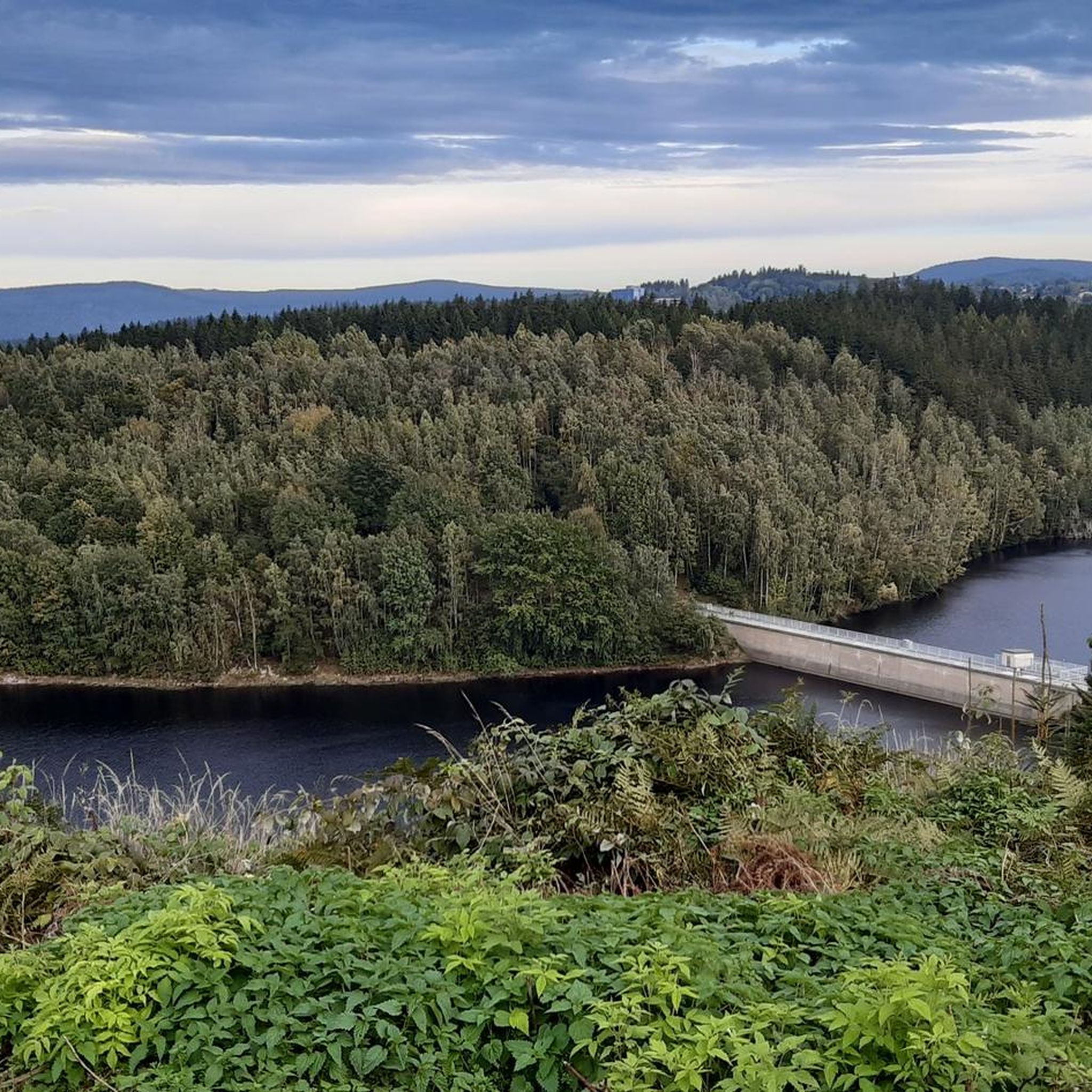
- The most popular natural monuments is Falkenstein Reservoir, a lake that features a small island and a small ferry. This dam invites…
Last updated: July 8, 2026
Blauenthal Waterfall
Highlight • Waterfall
"After the First World War, the owner of the Toellische paper factory had a new …
Translated by Google •
Tip by

Falkenstein Reservoir
Highlight • Lake
Translated by Google •
Tip by

Sign up now to discover places like this
Get recommendations on the best single tracks, peaks, & plenty of other exciting outdoor places.
Sign up for free
South shore of Lake Vogtland
Highlight • Lake
Translated by Google •
Tip by

Carlsfeld Reservoir (Wilzsch Reservoir)
Highlight • Lake
Translated by Google •
Tip by

Rißfälle Waterfalls
Highlight • Waterfall
Translated by Google •
Tip by

Sign up for free to discover even more natural monuments around Schönheide.
Sign up for free
Already have an account?
Start today with a free account
Your next adventure awaits.
Login or Signup
Other adventures around Schönheide

Tips from the Community

Originally, the "Riß", the gorge, was carved into the rock by human hands to allow timber to easily overcome the difference in altitude. Over the centuries, the water has worked its way deeper and deeper into the rocky soil of the Göltzsch Valley. This last section, the Riß Falls, fits charmingly into the surrounding forest landscape. The Riß Falls no longer carry as much water year-round today. However, after heavy rainfall and after the snowmelt, they are particularly beautiful to behold.
7
0

☆ The construction time is remarkable... 👍
4
0
☆ With a small island and a small ferry to pull you to the other shore.
3
1

One of the most beautiful waterfalls I know 😍. If you continue the hike to the right, you can see the waterfall from above 😊.
14
2

The largest waterfall in Saxony and one of the highest German waterfalls outside the Alps is located in the immediate vicinity of Blauenthal. This former site of a flour and board mill was bought by Andreas Blau around 1530 and converted into a hammer mill. After the First World War, the owner of the paper factory had a new ditch dug above a steep rock face in order to use the water to drive his turbines. On Sundays and public holidays, the machines stood still and the water rushed down into the valley.
10
1

In, on, and around the dam. There's something for everyone. The kiosk/bistro is highly recommended.
2
0

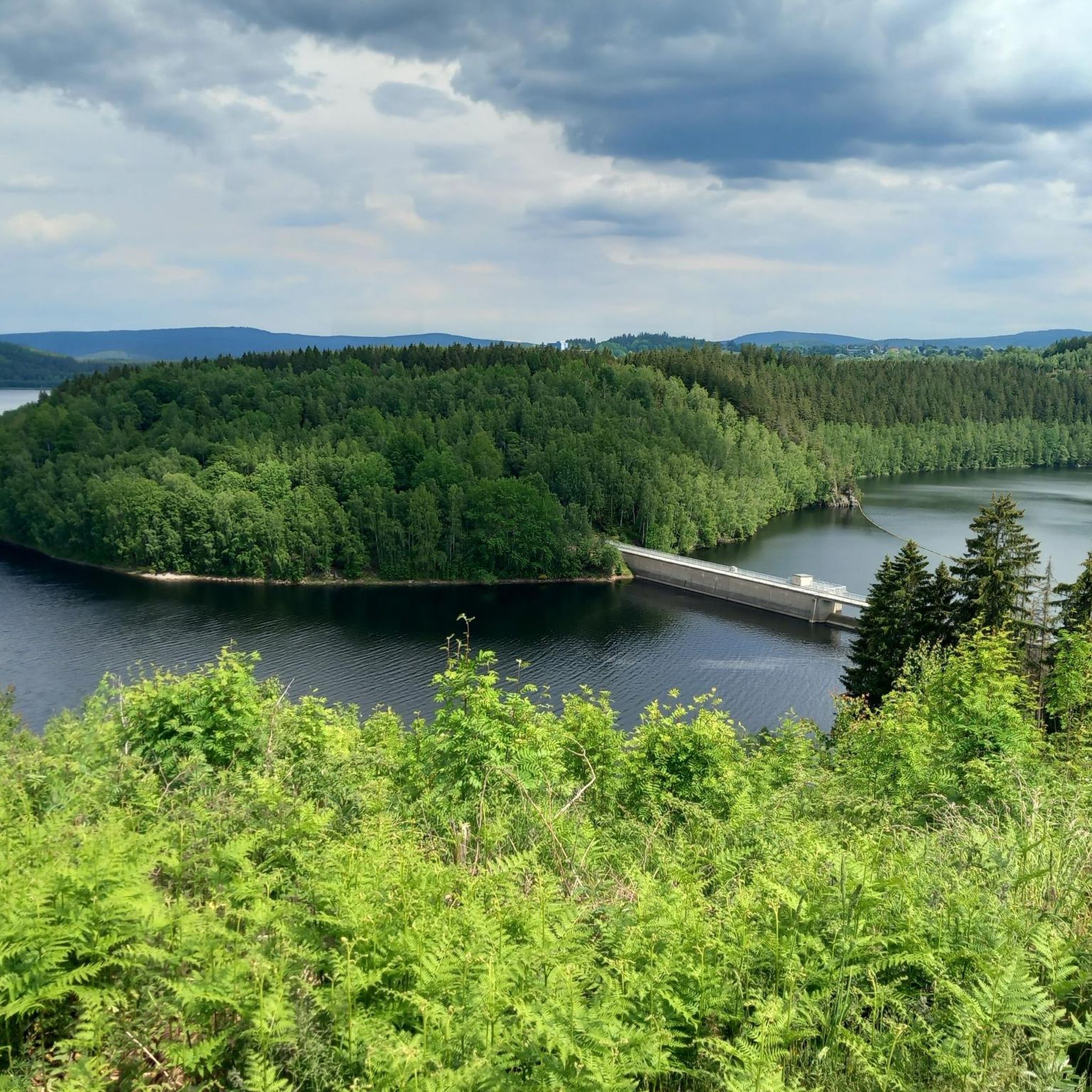
The dam wall of the Carlsfeld dam is a listed building. The curved gravity dam wall made of rubble stone is 195 meters long and up to 20 meters wide at the base. Its height above the foundation base is almost 32 meters. The dam axis has a radius of 160 meters. Source: https://www.wasserwirtschaft.sachsen.de/TS_Carlsfeld.html?_cp=%7B%22accordion-content-13266%22%3A%7B%222%22%3Atrue%2C%223%22%3Atrue%7D%2C%22previousOpen%22%3A%7B%22group%22%3A%22accordion-content-13266%22%2C%22idx%22%3A3%7D%7D
4
0

The Carlsfeld Dam is located on the ridge of the Ore Mountains at a height of around 905 meters above sea level. This makes it the highest drinking water dam in Germany. Its catchment area extends into the Vogtland and the Czech Republic. The Carlsfeld Dam is sometimes also called the "Wilzsch Dam" or "Weiterwiese Dam". The first name refers to the Wilzsch River, whose water it dams. Weiterswiese was the name of a small forest settlement that had to make way for the dam to be built.
4
0
Frequently Asked Questions
What unique natural monuments can I find in Schönheide beyond the main reservoirs and waterfalls?
Beyond the popular reservoirs and waterfalls, Schönheide offers unique natural monuments like the Schönheider Wappeneiche (Schönheide Coat of Arms Oak). This ancient oak, planted around 1750, stands in the market square and is deeply connected to the town's history and coat of arms. Another significant site is the Flächennaturdenkmal Heinzwinkel, an area natural monument important for its biodiversity as part of a Natura 2000 site, showcasing the unique flora of mountain meadows.
Are there family-friendly natural monuments around Schönheide?
Yes, many natural monuments in Schönheide are suitable for families. The Falkenstein Reservoir is a great spot with a small island and a ferry. The South shore of Lake Vogtland offers a 3 km circular route and many resting places. Both Blauenthal Waterfall and Rißfälle Waterfalls are also considered family-friendly destinations.
What outdoor activities can I do near the natural monuments in Schönheide?
The area around Schönheide's natural monuments is excellent for various outdoor activities. You can find numerous options for hiking, running, and road cycling. For example, there are easy hiking routes like the 'View of the Vorsperre Lake – Schönheiderhammer Forebay loop' or moderate running trails such as the 'Lenkwald loop from Schönheide'.
Are there any natural monuments with historical significance in Schönheide?
Absolutely. The Schönheider Wappeneiche (Schönheide Coat of Arms Oak) is a prime example, symbolizing the town's heritage since 1750. The Carlsfeld Reservoir (Wilzsch Reservoir), built between 1926 and 1929, features an open-air exhibition detailing its history. Additionally, the Rißfälle Waterfalls have historical ties to rafting and local industry.
What kind of natural features can I expect to see around Schönheide?
Schönheide's natural monuments showcase a diverse landscape. You'll encounter beautiful lakes and reservoirs like the Falkenstein Reservoir and Carlsfeld Reservoir, impressive waterfalls such as Blauenthal Waterfall and Rißfälle Waterfalls, and significant mountain meadows and former bogs like the Heinzwinkel Area Natural Monument and the Schönheider Hochmoor.
What do visitors enjoy most about the natural monuments in Schönheide?
Visitors particularly appreciate the serene beauty and recreational opportunities. Many enjoy the tranquil atmosphere of the reservoirs, with the Falkenstein Reservoir being noted for its small island and ferry. The South shore of Lake Vogtland is loved for its many resting places and circular route. The impressive Blauenthal Waterfall is also a highlight, often described as very pretty and worth a visit.
Are there any specific natural monuments that are good for a leisurely walk?
For a leisurely walk, the South shore of Lake Vogtland is ideal, offering a pleasant 3 km circular route. The area around the Carlsfeld Reservoir also provides a great setting for a relaxed stroll, with an open-air exhibition to explore. The Schönheider Wappeneiche in the market square is easily accessible for a short, reflective visit.
Can I find any natural monuments that are part of a larger protected area?
Yes, the Flächennaturdenkmal Heinzwinkel (Heinzwinkel Area Natural Monument) is a significant example. It largely corresponds to a part of the Natura 2000 area 'Bergwiesen um Schönheide und Stützengrün' (Mountain Meadows around Schönheide and Stützengrün), highlighting its importance for European biodiversity and natural habitats.
What is the highest waterfall in Saxony located near Schönheide?
The highest waterfall in Saxony is the Blauenthal Waterfall. Although man-made, it's a very pretty and impressive sight, created after the First World War to power a paper factory, with water diverted over a steep rock face on Sundays and public holidays.
Are there opportunities for winter walks near Schönheide's natural monuments?
Yes, the region around Schönheide is known for being snow-sure in winter, especially areas like the Carlsfeld Reservoir, which offers well-groomed trails. The Rißfälle Waterfalls area is also a popular hiking and skiing destination, making it suitable for winter walks, especially after heavy snowfall.
What is the history behind the Schönheider Wappeneiche?
The Schönheider Wappeneiche (Schönheide Coat of Arms Oak) was planted around 1750 and has been a protected natural monument since 1958. It is deeply symbolic for Schönheide, representing the town's coat of arms which dates back to 1643. The coat of arms depicts an oak tree alongside mining and agricultural symbols, reflecting the town's historical foundations and its connection to nature.
Are there any natural monuments that were formerly bogs or wetlands?
Yes, the Schönheider Hochmoor (Schönheide Raised Bog), also known as 'Baumgärtels Kiefern,' was formerly a nature reserve. Although its protected status was lost due to human interventions, extensive renaturation efforts have been underway for over two decades to restore this unique wetland habitat.
Most popular routes around Schönheide
Most popular attractions around Schönheide

Get inspired with the komoot mobile app


Explore more
Extend your search for the best caves by checking out these guides of the top ones around Schönheide:
