Top 20 Natural Monuments around Wakendorf II
Best natural monuments around Wakendorf II include protected natural landscapes in the Segeberg district of Schleswig-Holstein, Germany. The region features significant natural areas such as the Wittmoor Nature Reserve and the Brenner Moor Nature Reserve. These sites offer diverse ecosystems, from raised bogs to unique inland saltwater marshlands. Visitors can explore these areas to observe specialized flora and fauna in their natural habitats.
Best natural monuments around Wakendorf II
- The most popular natural monuments is Wittmoor Lake, a lake…
Last updated: October 11, 2026
Wittmoor Lake
Highlight • Lake
Translated by Google •
Tip by

Rodenbeker Pond
Highlight • Lake
Translated by Google •
Tip by

Sign up now to discover places like this
Get recommendations on the best single tracks, peaks, & plenty of other exciting outdoor places.
Alster Spring
Highlight • River
Translated by Google •
Tip by

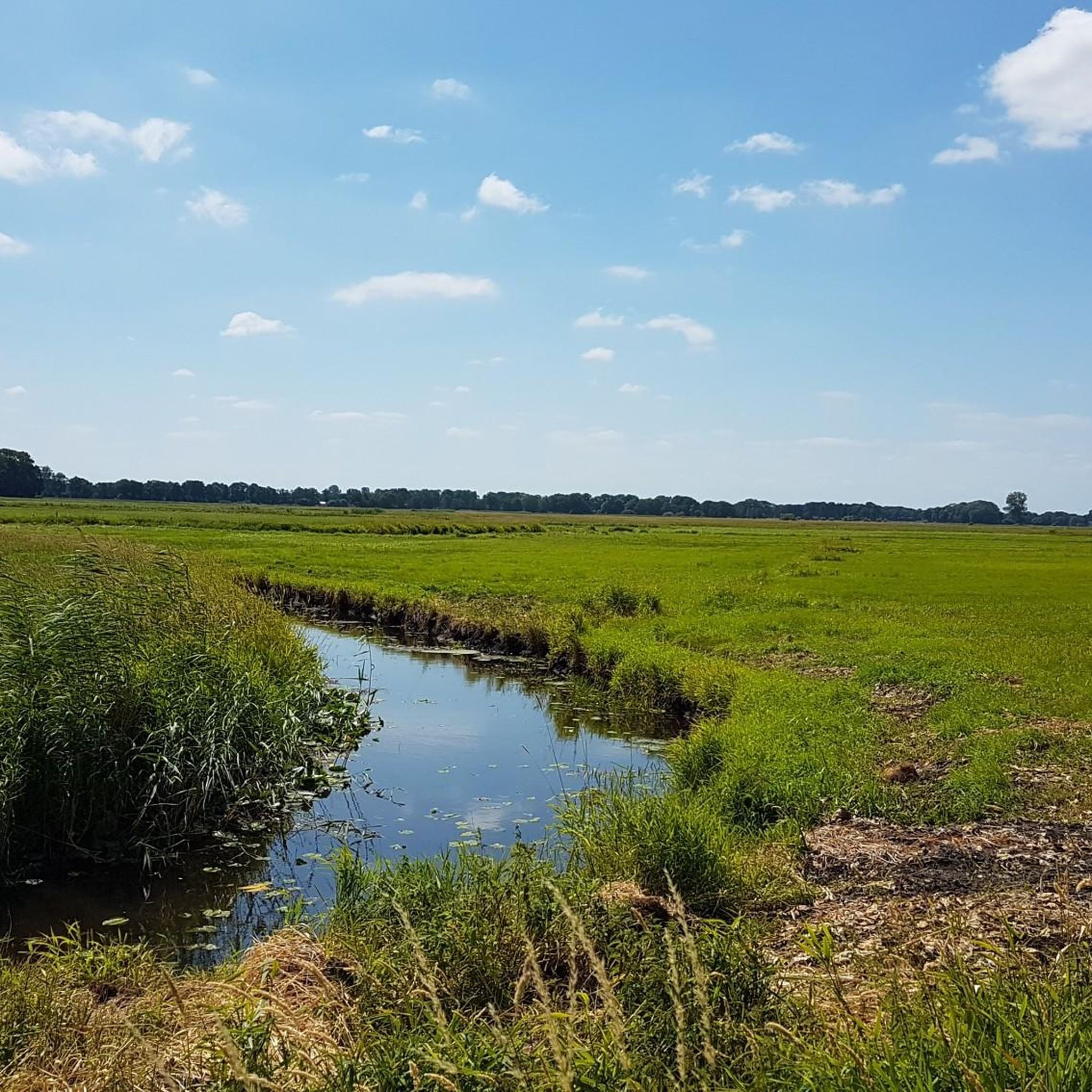
Lily Pond in the Henstedter Moor
Highlight • Lake
Translated by Google •
Tip by
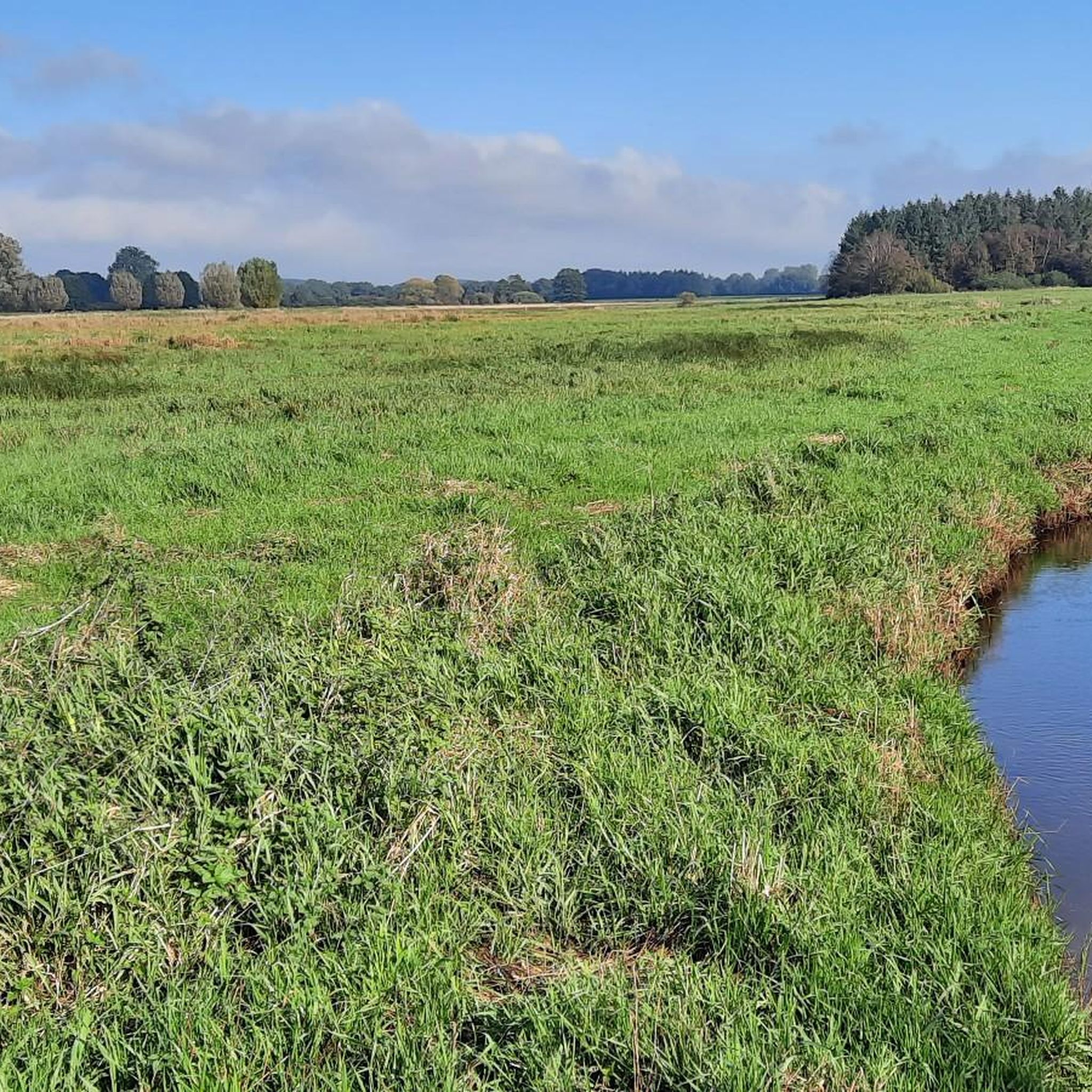
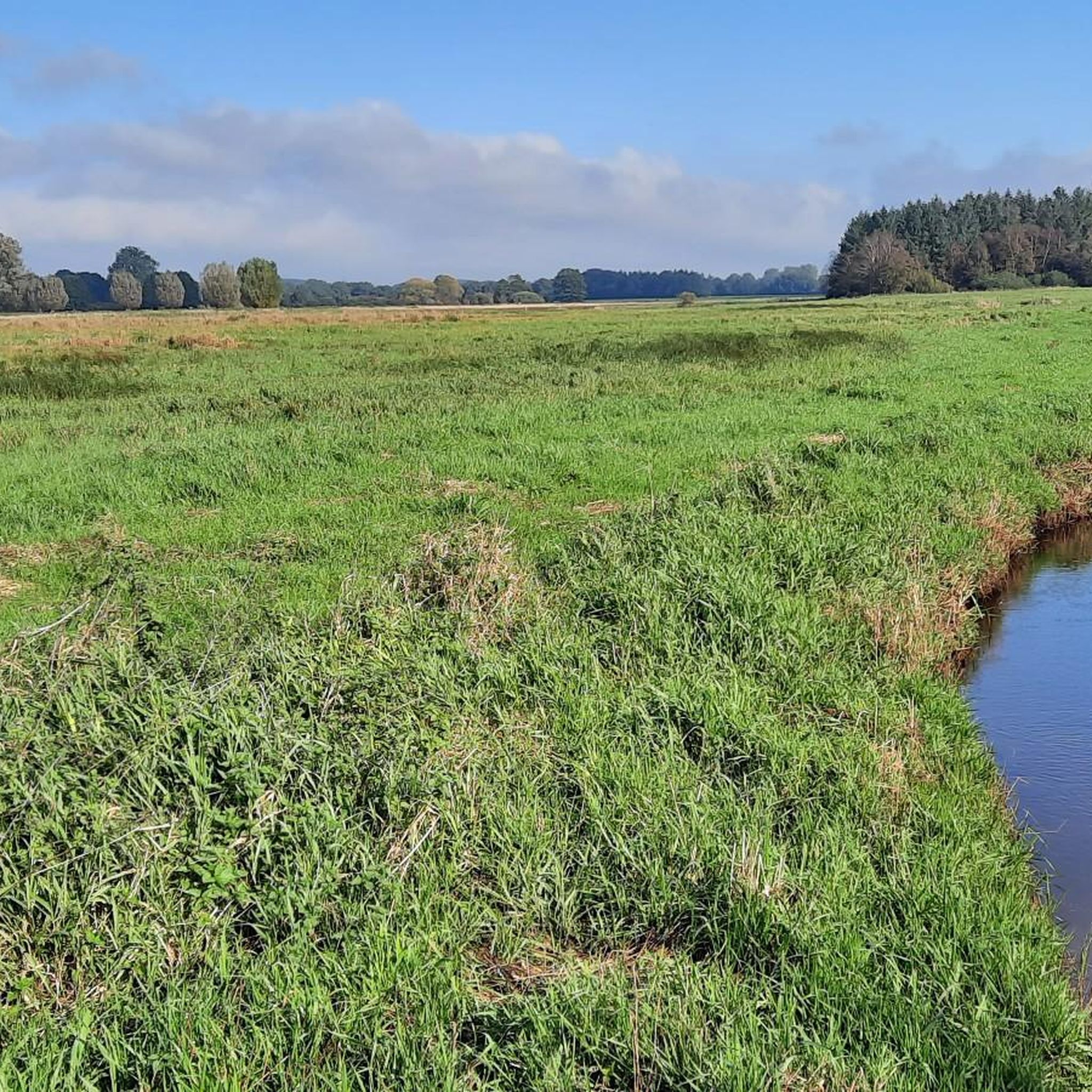
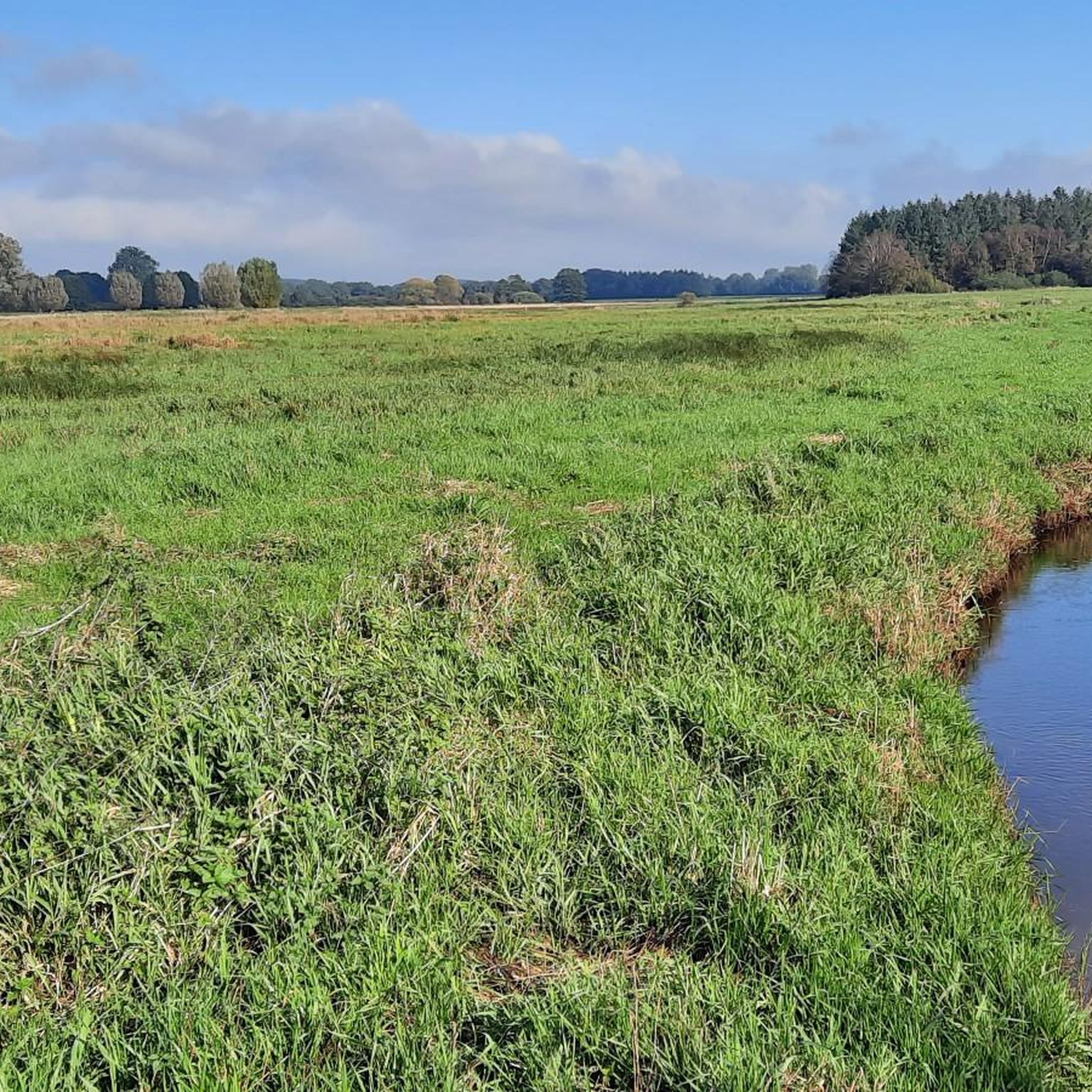
Oberalster Lowlands Nature Reserve
Highlight (Segment) • Natural Monument
Translated by Google •
Tip by
Sign up for free to discover even more natural monuments around Wakendorf II.
Already have an account?
Start today with a free account
Your next adventure awaits.

Tips from the Community

Rodenbeker Quellentag - Gasthaus Quellhof, great place to stop for refreshments with beer garden
1
0

The Rodenbek is a river that flows into the Alster in the Rodenbeker Quellental nature reserve. The idyllic Rodenbeker pond along its course is managed by the Rahlstedt sports fishing association from 1934 e.V. and is the habitat of numerous fish species, such as carp, eel and perch. kulturlotse.de/ort/rodenbeker-teich-3806401676914271620
2
0

Cheerful birdsong accompanies you through the beautiful deciduous forest. The frogs are croaking in the pond.
0
0

The Rodenbeker Quellental nature reserve is an 84-hectare glacial meltwater river system in northeast Hamburg. It lies in the former edge area of the Vistula glaciation. Locally there are elevations in the form of ground moraines. The site elevation is between 15 and 20 meters above mean sea level. The site was granted protected status on January 25, 1977, originally measuring 47 hectares. On July 26, 2011, the Hamburg Senate announced an expansion by 37 hectares to 84 hectares. In the Quellental there are extensive deposits from an ice reservoir, which are now cut through by various smaller basins, small rivers. These are the Rodenbek, the Bredenbek, the Lottbek, the Mühlenbek and other small streams. All flow in an east-west direction to the Alster, a northern tributary of the Elbe. The formation of the Rodenbeker Quellental began in the Weichselian Ice Age, when the Bredenbek Glacier slowly retreated and the meltwater at the base of the glacier found its way to the Alster. The current appearance of the spring valley is also due to spring erosion. (Source: Wikipedia)
1
0

Deer, rabbits and birds can be seen in the evening.
7
0


The Rodenbeker pond is managed by the Rahlstedt sport fishing club. It is embedded in beautiful nature.
2
0

Frequently Asked Questions
What are some of the most popular natural monuments to visit around Wakendorf II?
Visitors frequently enjoy the unique landscapes of the region. Highly recommended spots include Wittmoor Lake, known for its photogenic views within the renatured Wittmoor nature reserve, and the tranquil Lily Pond in the Henstedter Moor, set in a beautiful moor landscape. Another favorite is Rodenbeker Pond, an idyllic spot within the Rodenbeker Quellental nature reserve.
Are there family-friendly natural monuments near Wakendorf II?
Yes, several natural monuments are suitable for families. Wittmoor Lake, Rodenbeker Pond, Alster Spring, and Lily Pond in the Henstedter Moor are all categorized as family-friendly, offering accessible environments for all ages to enjoy nature.
What unique natural features can I expect to see in the natural areas around Wakendorf II?
The region boasts diverse and unique natural features. The Wittmoor Nature Reserve, accessible from Wakendorf II, is one of the last remaining raised bogs in Hamburg, featuring moor lakes, pastures, woodlands, and heathland. The Brenner Moor Nature Reserve, near Bad Oldesloe, is notable as the largest inland saltwater marshland in Schleswig-Holstein, supporting rare salt-tolerant plants typically found only near coastlines.
What kind of wildlife can be spotted in the natural monuments around Wakendorf II?
The natural areas are rich in wildlife. In Wittmoor, you might observe male moor frogs turning blue for mating in spring, cranes during their autumn migration, dragonflies, lizards, and various rare plant species. Brenner Moor is an excellent spot for birdwatching, with species like Bluethroat, Whinchat, European Stonechat, Western Marsh Harrier, and various warblers. The Henstedter Moor is home to amphibians, reptiles like grass snakes, and diverse meadow birds.
Are there hiking trails near these natural monuments?
Absolutely. The natural monuments around Wakendorf II are surrounded by numerous trails. For dedicated walking and running routes, you can explore options in the Running Trails around Wakendorf II guide, which includes routes like the 'Running loop from Wakendorf II' and 'Gentle Ascent to Götzberg loop from Wakendorf II'.
What other outdoor activities are available near Wakendorf II's natural monuments?
Beyond hiking, the area offers excellent opportunities for cycling. You can find various routes for road cycling in the Road Cycling Routes around Wakendorf II guide, and for mountain biking, check out the MTB Trails around Wakendorf II guide. These guides provide routes that often pass through or near the natural areas.
What is the best time to visit the natural monuments around Wakendorf II?
Spring and autumn are particularly rewarding. In spring, you can witness the unique phenomenon of blue moor frogs in Wittmoor. Autumn offers the chance to see cranes resting during their migration. However, the natural reserves are beautiful year-round for hiking and nature observation, with each season offering its own charm and specific wildlife sightings.
Is the Brenner Moor Nature Reserve accessible, and what makes it unique?
The Brenner Moor Nature Reserve features a path, including a boardwalk, that leads through its diverse terrain, making it accessible for exploration. Its uniqueness stems from being the largest inland saltwater marshland in Schleswig-Holstein, with some areas having a salt content comparable to the North Sea. This allows for the growth of rare salt-tolerant plants like sea arrow grass and glasswort.
Can I find facilities like parking or cafes near the natural monuments?
While specific details for every natural monument vary, larger nature reserves like Wittmoor and Brenner Moor typically have designated parking areas nearby. For cafes, you might find options in the surrounding towns and villages. For example, the tips for Rodenbeker Pond mention 'nice places to stop', suggesting nearby amenities.
What is special about the Alster Spring?
The Alster Spring marks the origin of the Alster river, which eventually flows through Hamburg. It's a fascinating spot to see where this significant waterway begins as a small trickle, nestled in an idyllic, forested setting. It's considered a 'mandatory program' for locals to visit and observe the river's humble beginnings.
Are there any natural monuments that are particularly good for nature photography?
Yes, Wittmoor Lake is specifically highlighted for its 'most beautiful photogenic view' of the newly created bog lake within the renatured Wittmoor nature reserve. The diverse landscapes of Wittmoor and Brenner Moor, with their unique flora and fauna, also offer excellent opportunities for nature photography.
What is the Oberalster Lowlands Nature Reserve like?
The Oberalster Lowlands Nature Reserve is characterized by its extensive natural beauty, particularly along the Alster river. It's known for its varied terrain, which can be a bit soggy when wet, and offers great sections for pedestrians and cyclists. It's a place to experience untouched nature and enjoy tranquil surroundings.
Most popular routes around Wakendorf II
Most popular attractions around Wakendorf II

Get inspired with the komoot mobile app


Explore more
Extend your search for the best caves by checking out these guides of the top ones around Wakendorf II:
