Top 20 Natural Monuments around Stuvenborn
Best natural monuments around Stuvenborn are found within the district of Segeberg, Schleswig-Holstein, Germany. This region offers a landscape characterized by forests, moorland, and heath areas. While specific natural monuments directly within Stuvenborn are not widely documented, the surrounding area provides diverse natural attractions for exploration. The guide focuses on natural features and protected areas that contribute to the region's natural beauty.
Best natural monuments around Stuvenborn
- The most popular natural monuments is Hasenmoor Observation Tower, a viewpoint that…
Last updated: September 27, 2026
Nienwohlder Moor Nature Reserve
Highlight • Natural Monument
Translated by Google •
Tip by

Wittenborn Heath Nature Reserve
Highlight • Natural Monument
Translated by Google •
Tip by

Sign up now to discover places like this
Get recommendations on the best single tracks, peaks, & plenty of other exciting outdoor places.
Hasenmoor Observation Tower
Highlight • Viewpoint
Translated by Google •
Tip by

Alster
Highlight • River
Translated by Google •
Tip by

Ludener Lake
Highlight • Lake
Translated by Google •
Tip by

Sign up for free to discover even more natural monuments around Stuvenborn.
Already have an account?
Start today with a free account
Your next adventure awaits.
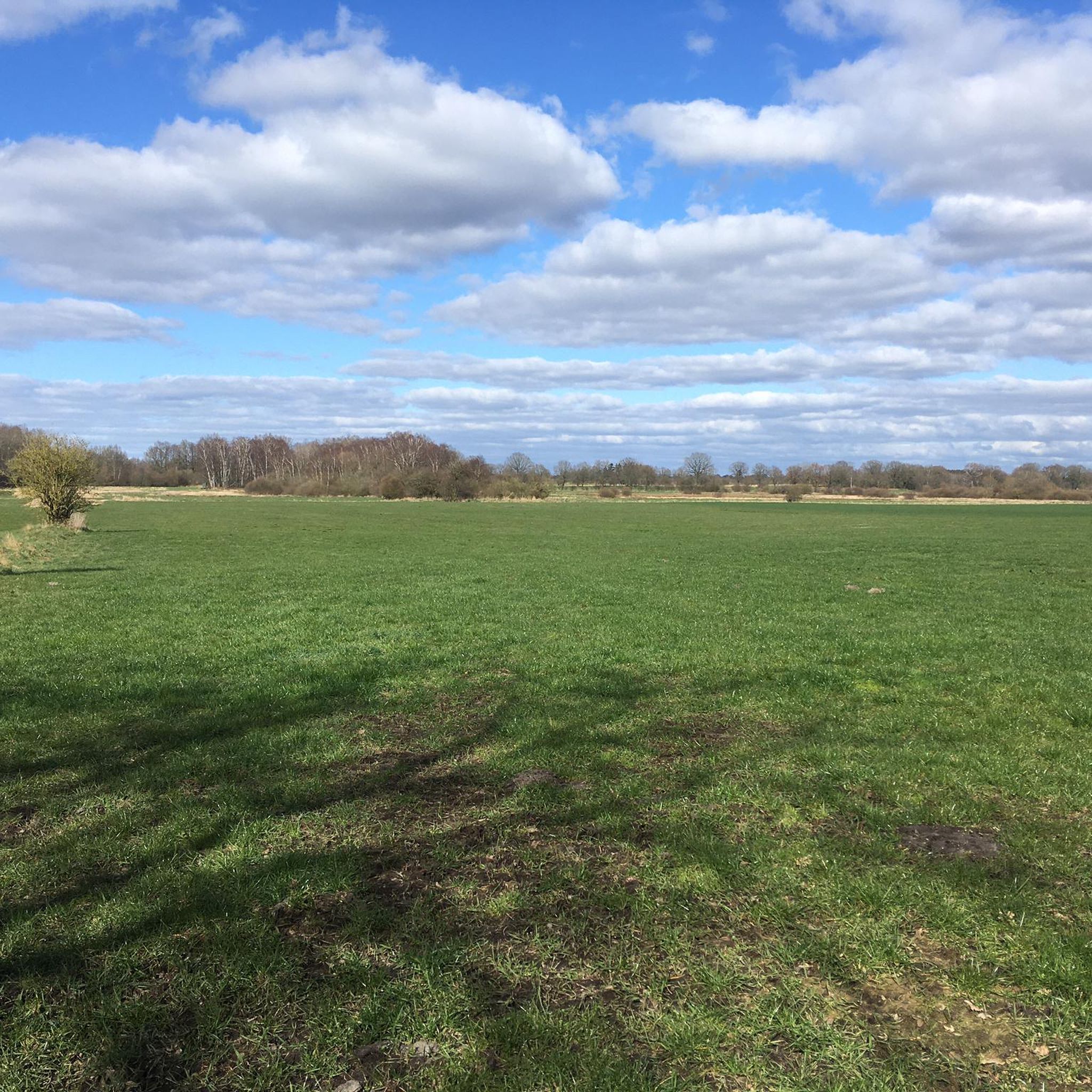
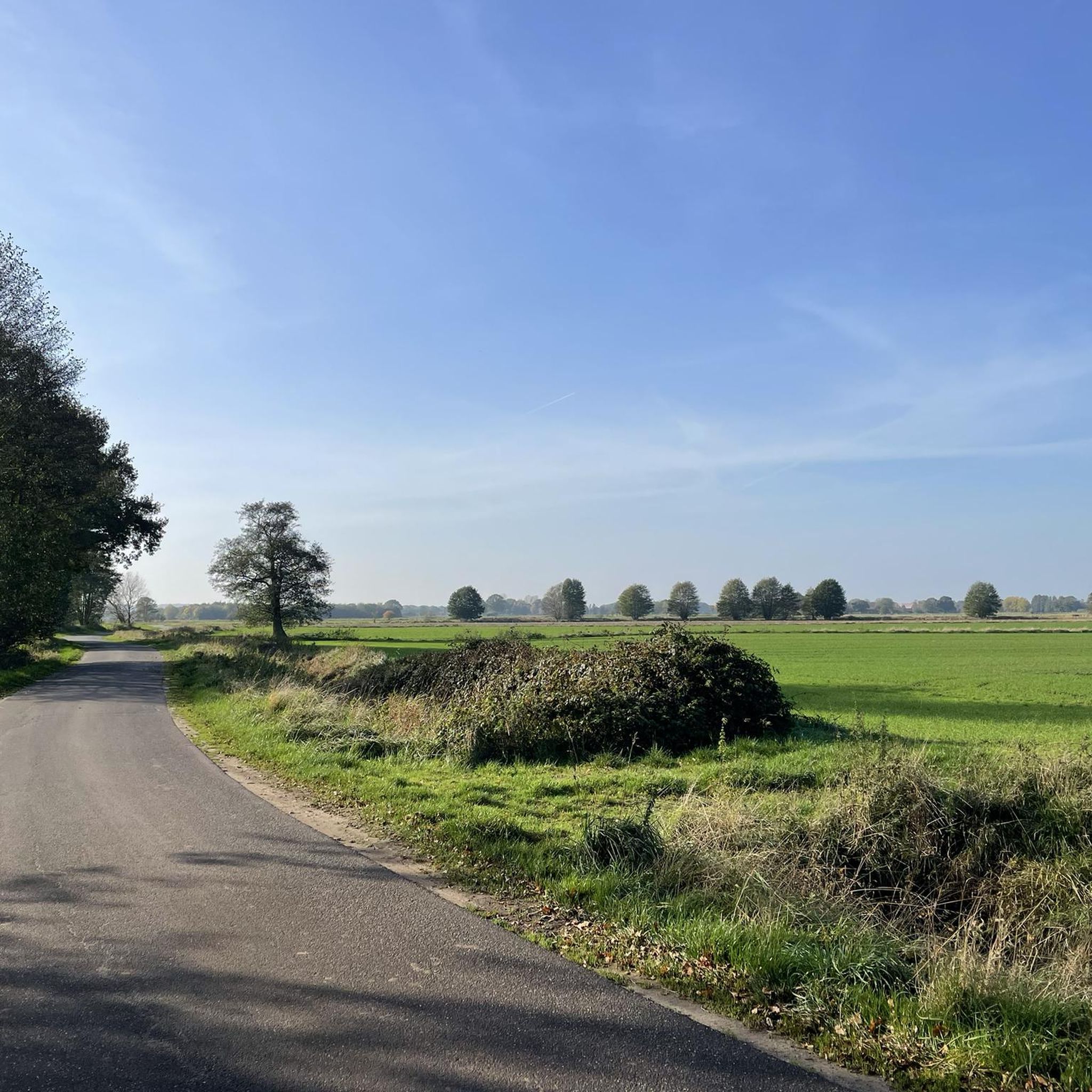
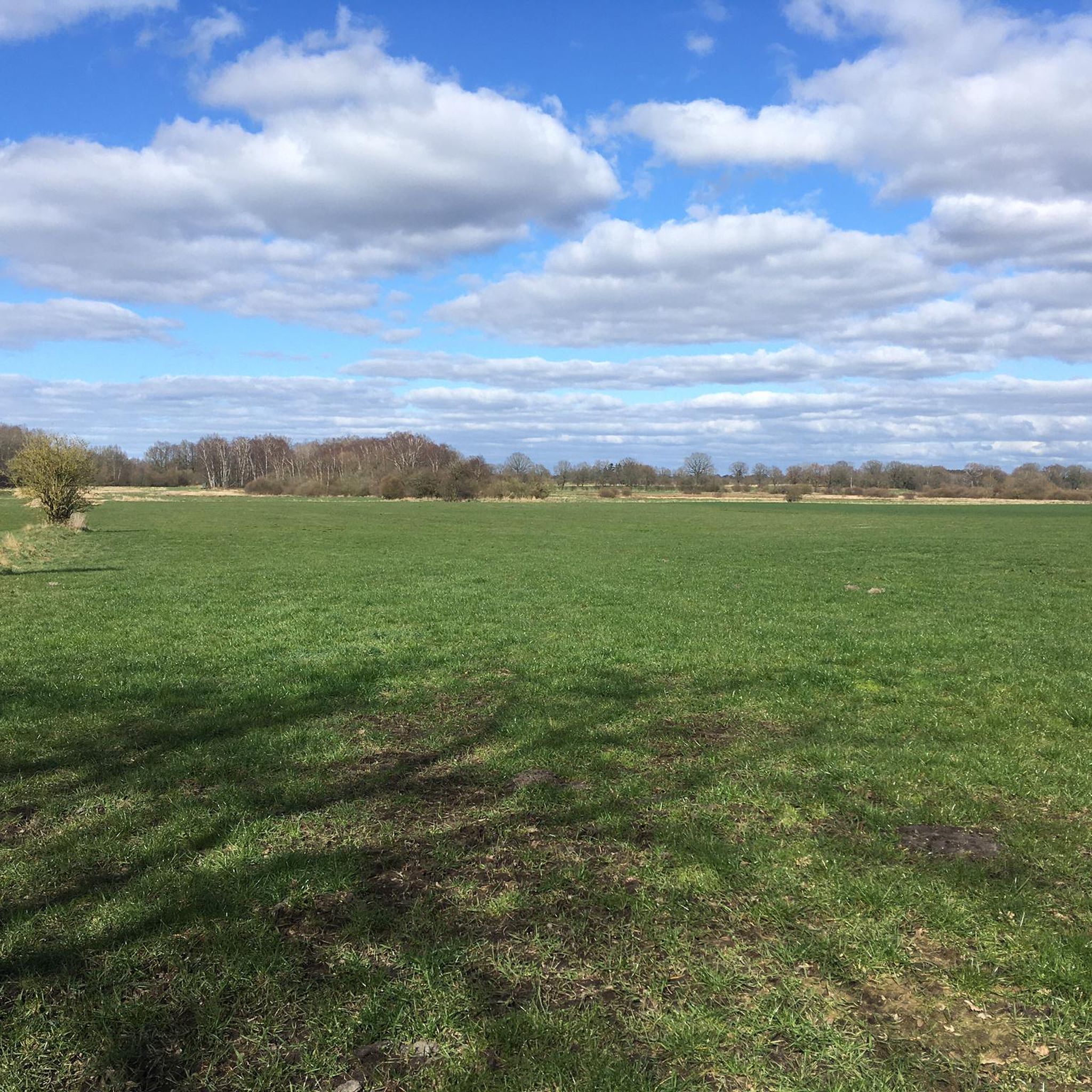
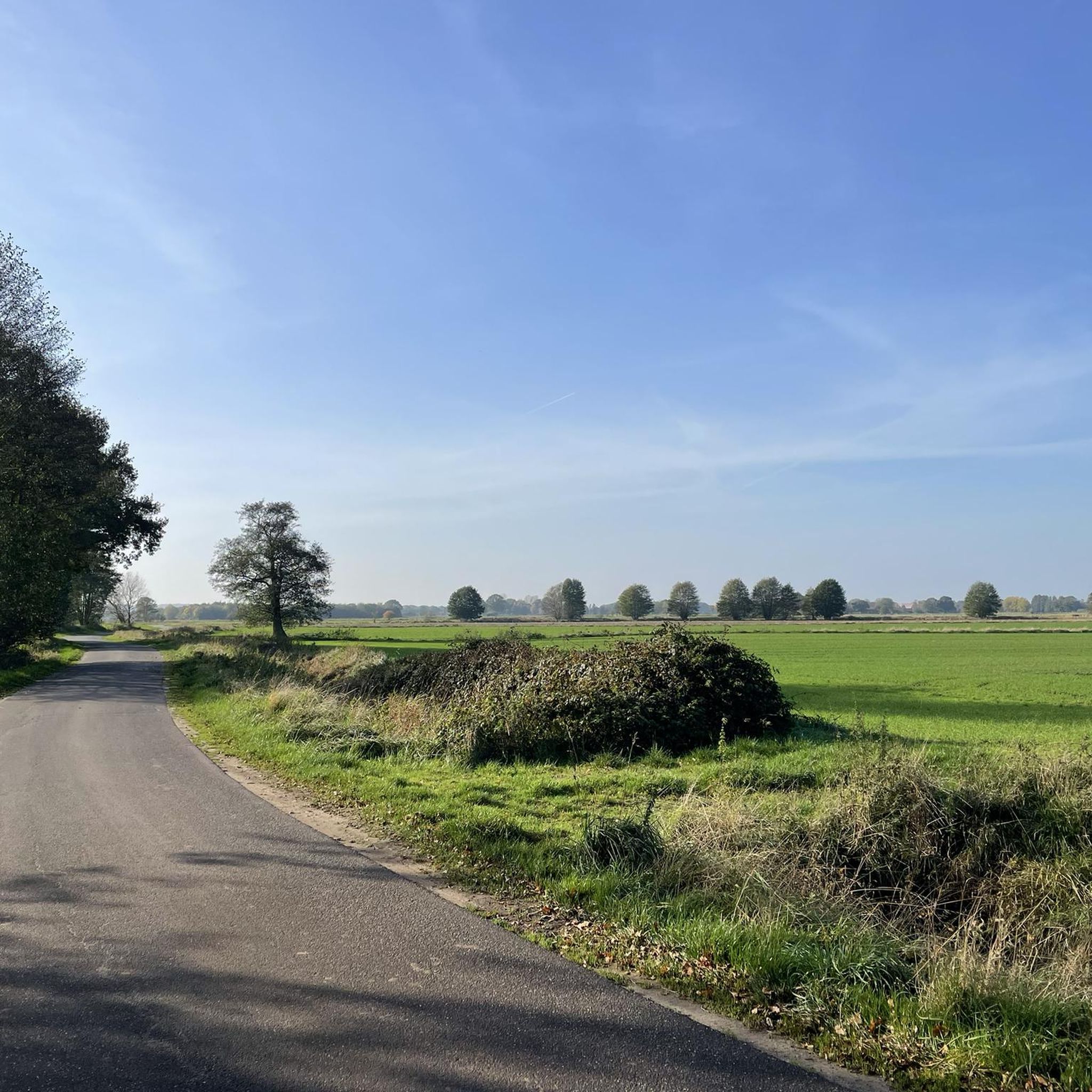

Tips from the Community

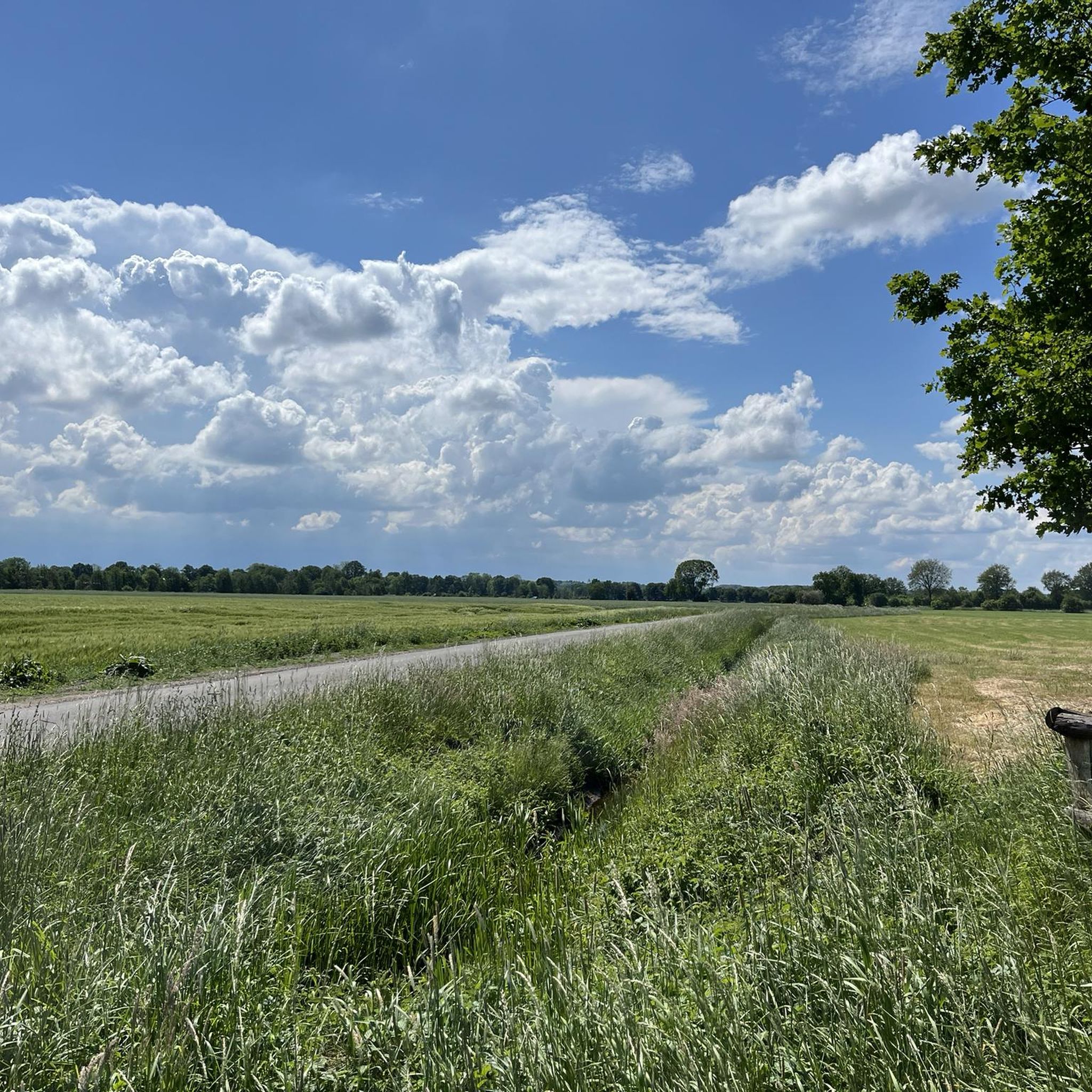
A beautiful, naturally preserved area.
0
0

The Nienwohlder Moor lies on the watershed between the North Sea and the Baltic Sea.[2] It drains to the west into the Lankau, to the south into the Alte Alster, and to the north into the Norderbeste. The nature reserve, which is managed by the Schleswig-Holstein State Hunting Association with the exception of the areas owned by the State Forestry Administration[5],[6] can be almost completely circumnavigated on hiking trails, along which information boards are posted at several locations. In the west, a hiking trail runs through the protected area in the area of the Lunden, a towering moraine ridge.
0
0
Today, typical raised moor vegetation can once again be found in the nature reserve, including round-leaved sundew, narrow-leaved cottongrass, bladderwort, white beak sedge, sedge cottongrass, cranberry, as well as cross-leaved heather, rosemary, and common heather. The nature reserve also represents an important habitat for birds. Various wading birds such as the curlew and the common snipe, as well as ducks such as the shoveler, teal, tufted duck, and garganey, as well as meadow pipits, whinchats, and stonechats, are native here. Marsh harriers and short-eared owls can also be found here. The undisturbed moorland is a refuge for cranes, which are now breeding here again. Various woodpecker species, red-backed shrikes, and songbirds are native to the wooded moorland areas. The nature reserve also provides a habitat for various amphibians and reptiles, as well as insects such as dragonflies and butterflies.
0
0
The moor was renaturalized in the 1980s through rewetting measures.[2][3] Today, in the area of former industrial use, it is an open raised bog with numerous water-filled peat pits, surrounded by a bog forest. The farmer's hand-cut peat pits at the edge of the moor are often water-filled. Sphagnum moss quaking grassland grows here, and the peat pits are slowly silting up. Further areas are occupied by grassland and forest. Some of the grassland is extensively grazed by robust cattle.[4] Some areas are still intensively used for agriculture, including one arable area.
0
0
Peat extraction, first documented in 1804, was initially carried out by peat-cutting by peat-farmers, and the peat was used as fuel. During the Napoleonic Wars of 1806–1813, peat was also shipped to Hamburg via the Alster. In the 20th century, peat extraction became an industrial operation. From 1951 to 1976, the white peat was extracted from an area of 84 hectares, initially by hand and later by machine.[2] East of Nahe, there was a peat loading point on the Elmshorn-Barmstedt-Oldesloe railway.
0
0
The nature reserve is located northeast of Hamburg between the towns of Nienwohld, Nahe, Itzstedt, and Sülfeld. It protects a drained and largely peat-extracted raised bog area, which is the largest and best-preserved raised bog remnant in Schleswig-Holstein.[2] To the north, it borders the former Elmshorn-Barmstedt-Oldesloe Railway line.
0
0
The approximately 398-hectare nature reserve is registered under number 100 in the register of nature reserves of the Ministry of Agriculture, Environment and Rural Areas. It was designated in 1982 (date of the regulation: March 25, 1982). The nature reserve replaces the nature reserve of the same name designated in 1980.[1] It is part of the FFH area "Alster system to Itzstedter See and Nienwohlder Moor" and the EU bird sanctuary "Alsterniederung". To the south, it borders the "Nienwohld" landscape protection area. The responsible lower nature conservation authorities are the districts of Stormarn and Segeberg.
0
0

The Wittenborner Heide nature reserve remained nutrient-poor and unfertilized due to its previous use as a military training area. This resulted in a diverse landscape of heathland, moors and sparse forests that provide a habitat for many species. You can hike through a very beautiful landscape that is always worth a visit.
3
0
Frequently Asked Questions
What types of natural features can I expect to see around Stuvenborn?
The area around Stuvenborn, particularly within the district of Segeberg, is characterized by diverse natural landscapes. You can explore extensive moorland, such as the protected Nienwohlder Moor Nature Reserve, which is the largest and best-preserved raised bog remnant in Schleswig-Holstein. There are also beautiful heath and forest areas, exemplified by the Wittenborn Heath Nature Reserve, as well as tranquil lakes like Ludener Lake, and the source of the Alster river.
Are there any viewpoints to get a good overview of the natural landscapes?
Yes, for panoramic views of the natural surroundings, you can visit the Hasenmoor Observation Tower. It offers a magnificent and quiet perspective of the abgetorften moor. Additionally, from the railway cycle path bordering the Nienwohlder Moor Nature Reserve, you can get good views of the moorland.
Which natural monuments are suitable for a relaxing walk?
The Wittenborn Heath Nature Reserve is highly recommended for a relaxing walk, featuring beautiful forest and heather areas. Ludener Lake also offers a very quiet and relaxed atmosphere, perfect for a peaceful stroll along its shores.
Are there family-friendly natural monuments around Stuvenborn?
Yes, several natural monuments are suitable for families. Both the Wittenborn Heath Nature Reserve and the Nienwohlder Moor Nature Reserve are considered family-friendly, offering accessible environments for exploration. The Alster river area and Ludener Lake are also great for family outings.
What outdoor activities can I do near these natural monuments?
The region around Stuvenborn offers a variety of outdoor activities. You can find numerous routes for mountain biking, gravel biking, and road cycling. For example, there are MTB trails like the 'Wittenborner Heath – Barker Heide Nature Reserve loop' and gravel biking routes such as the 'Nienwohlder Moor – EBOE Trail Gravel Path loop'. You can explore more options on the MTB Trails around Stuvenborn guide, the Gravel biking around Stuvenborn guide, and the Road Cycling Routes around Stuvenborn guide.
What do visitors enjoy most about the natural monuments in this area?
Visitors particularly appreciate the tranquility and natural beauty of the area. Many enjoy the panoramic views from the Hasenmoor Observation Tower and the relaxing walks through the diverse landscapes of the Wittenborn Heath Nature Reserve. The serene atmosphere and reflections at Ludener Lake are also frequently praised.
Can I spot wildlife in the natural monuments around Stuvenborn?
While specific wildlife spotting tips are not detailed for every monument, nature reserves like the Nienwohlder Moor Nature Reserve and Wittenborn Heath Nature Reserve, being protected areas, naturally support local flora and fauna. The Nienwohlder Moor is part of the EU bird sanctuary "Alsterniederung," suggesting opportunities for birdwatching, especially from viewpoints along the railway cycle path.
What is the best time of year to visit the natural monuments?
The natural monuments around Stuvenborn can be enjoyed throughout the year, but each season offers a different experience. Spring and summer are ideal for lush greenery and longer daylight hours, while autumn brings vibrant colors to the forest and heath areas. The heathlands, in particular, are stunning when in bloom. Winter can offer a quiet, serene experience, especially in the moorland landscapes.
Are there any hidden natural gems worth exploring near Stuvenborn?
While the main natural monuments are well-regarded, the source of the Alster river is often described as a 'hidden' gem. It's virtually unsigned and difficult to find, located on Hein-Timm-way in the district of Rhen. Discovering this modest beginning of a river that later forms the Outer Alster in Hamburg can be a unique experience.
What kind of terrain can I expect on trails around these natural monuments?
The terrain varies depending on the specific natural monument. In areas like the Nienwohlder Moor Nature Reserve, you'll find paths along drained bog areas, often with a railway cycle path providing views. The Wittenborn Heath Nature Reserve features paths through forest and heather. Generally, you can expect a mix of natural trails, some potentially soft or uneven in moorland areas, and well-maintained paths in nature reserves.
Are there any specific regulations or permits needed to visit these natural monuments?
As these are nature reserves and protected areas, it's important to respect local regulations. This typically includes staying on marked paths, not disturbing wildlife, and refraining from littering. While specific permits for general access are usually not required for visitors, it's always good practice to check for any temporary restrictions or special rules, especially for larger groups or specific activities. Information about the protected status of areas like Nienwohlder Moor and Wittenborn Heath can often be found on local signage.
Most popular routes around Stuvenborn
Most popular attractions around Stuvenborn

Get inspired with the komoot mobile app


Explore more
Extend your search for the best caves by checking out these guides of the top ones around Stuvenborn:
