Top 16 Natural Monuments around Balje
Best natural monuments around Balje are found in a region defined by its location between the Elbe and Oste rivers, near the North Sea. This area in Lower Saxony, Germany, features a unique blend of estuarine and coastal environments. The landscape is characterized by its maritime influence, offering significant natural surroundings for exploration. It provides opportunities to experience diverse ecosystems where rivers meet the sea.
Best natural monuments around Balje
- The most popular natural monuments is Silberberg Summit (Wingst),…
Last updated: August 31, 2026
Observation Tower at the Deutscher Olymp
Highlight • Viewpoint
Translated by Google •
Tip by

St. Margarethen Outer Dike Nature Reserve
Highlight • Natural Monument
Translated by Google •
Tip by

Sign up now to discover places like this
Get recommendations on the best single tracks, peaks, & plenty of other exciting outdoor places.
Sign up for free
Silberberg Summit (Wingst)
Highlight • Summit
Translated by Google •
Tip by

Wadden Sea National Park
Highlight • Natural Monument
Translated by Google •
Tip by
New King Fir
Highlight • Natural Monument
Translated by Google •
Tip by
Sign up for free to discover even more natural monuments around Balje.
Sign up for free
Already have an account?
Start today with a free account
Your next adventure awaits.
Login or Signup
Tips from the Community

The "new" King's Fir is a silver fir, officially designated as the successor to the original King's Fir in 2006. It is about 80 years younger than its predecessor. The original King's Fir, a symbol of the municipality of Wingst and even part of its coat of arms, was planted in 1777 and fell victim to a storm in 1949. The new King's Fir is located about 600 meters south of the site of the original tree. With a height of around 38 meters and a trunk circumference of 3.9 meters, it is an impressive sight.
0
0

At approximately 74 meters above sea level, the Silberberg is the highest natural elevation in the Wingst region and the entire Elbe-Weser triangle. At the summit, you'll find a memorial plaque commemorating the legend of the giant family "Wingis," a historic Gauss stone, a bench, a summit cross, and a summit book. The area around the Silberberg is part of the Wingst Forest, which includes nature reserves such as the Balksee lake, the Quellental valley, and moors. Many signposted circular trails lead around the Silberberg.
3
0

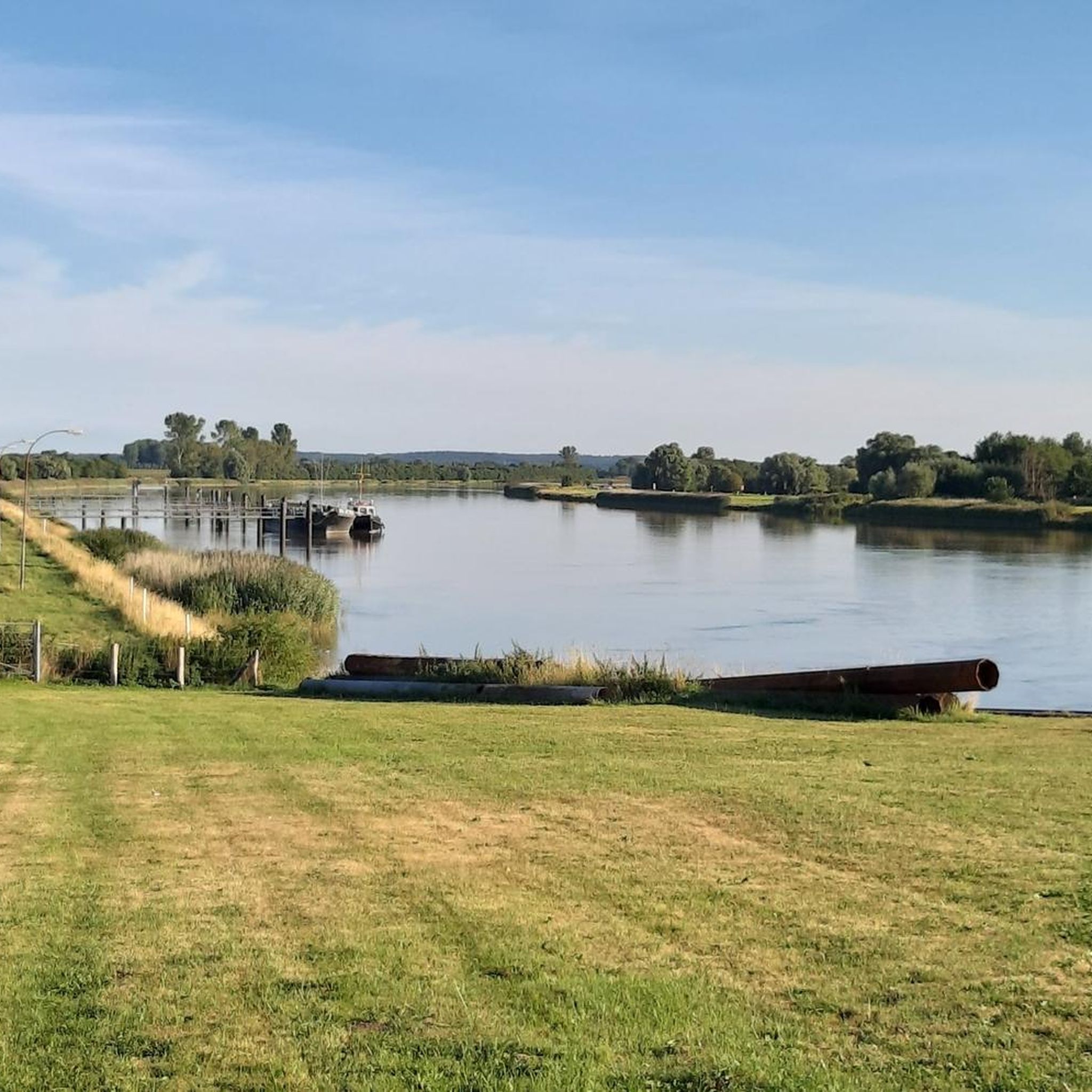
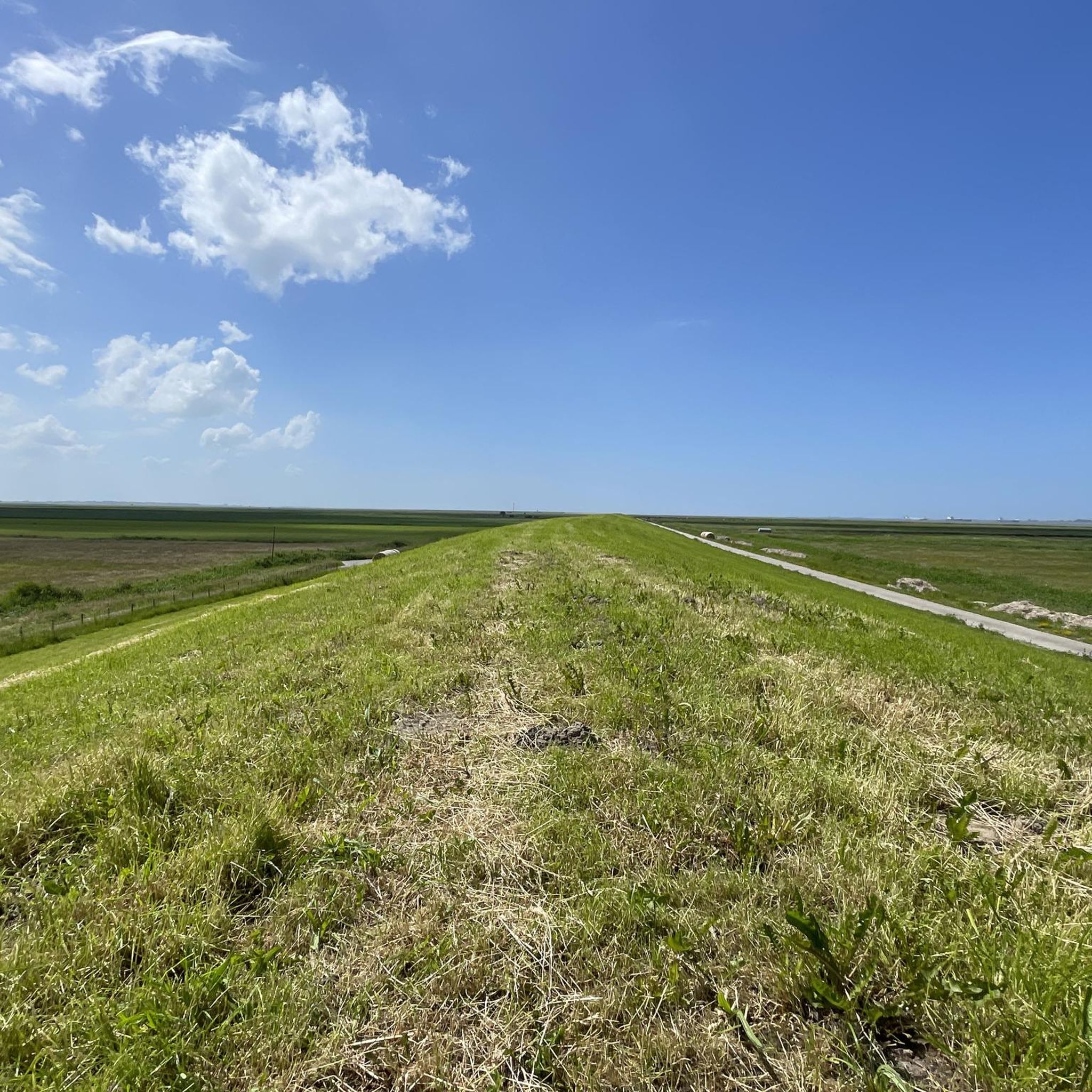
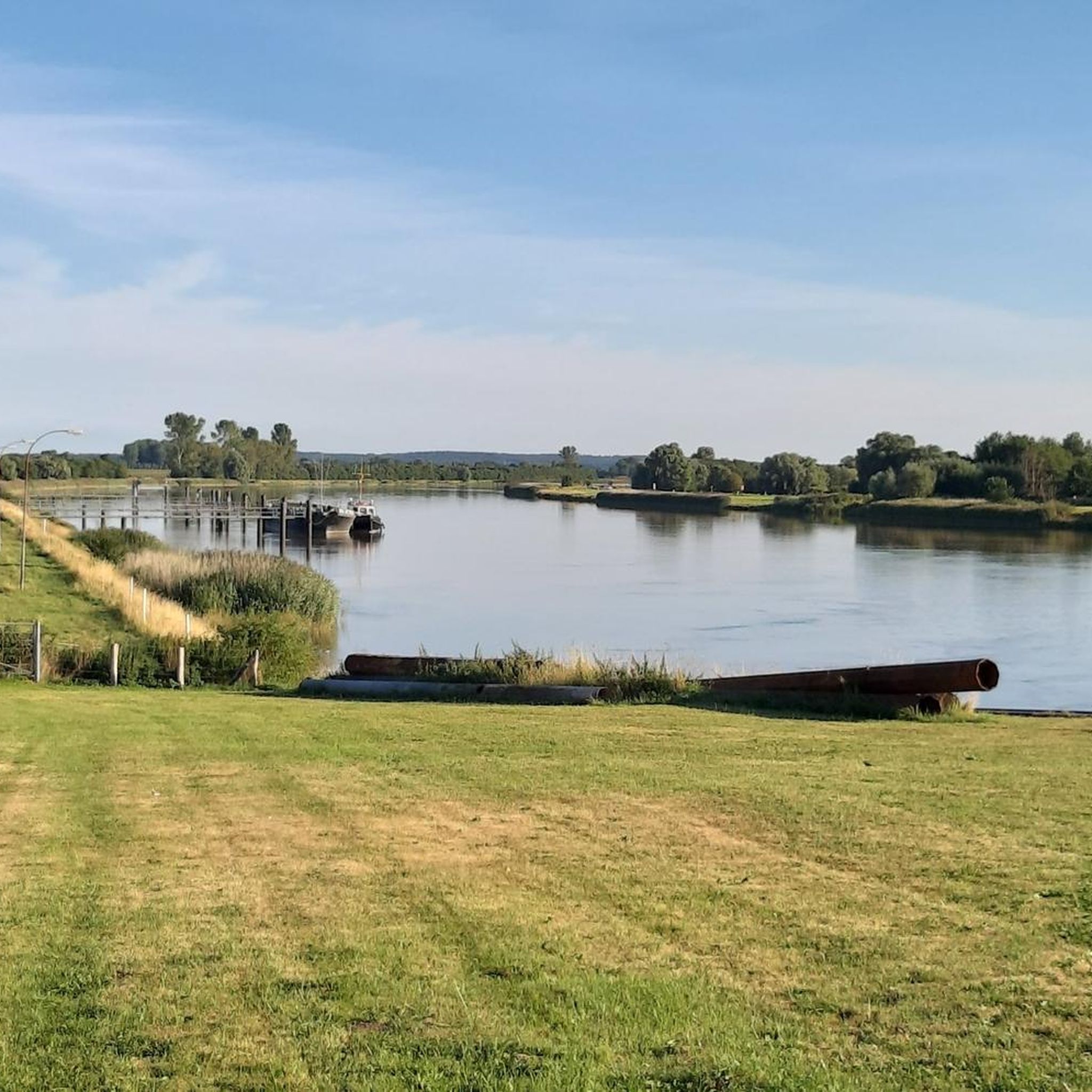
The outer dike of St. Margarethen is located near the Elbe and is now an important bird sanctuary. Originally, this area was part of a dike system that protected the hinterland from flooding. Over time, the harbor creek became increasingly silted up and port operations were discontinued. Today, the outer dike provides an important habitat for numerous bird species and is a popular destination for nature observation and cycling tours. The outer dike and the surrounding area are ideal for hikes and bike rides along the Elbe, with wonderful views of the passing ships. Historically, the area was also the site of a pilot station, but this was not rebuilt after a fire in 1902.
2
0

The tides at the mouth of the Elbe are very impressive.
0
1

The Wadden Sea is a unique ecosystem that has been a UNESCO World Heritage Site since 2009. A habitat worth protecting, at whose gates lies the North Sea resort of Otterndorf. But it is not only beautiful to look at and observe. If you want to delve deeper into the Wadden Sea, the best thing to do is to go on a short, fascinating journey with experienced mudflat guides and hike a section of the mudflats.
5
0

The Wadden Sea is worth a visit.
0
1

Imposing tree, but I probably wouldn't have noticed it without the plaque. Nice to see how history is maintained here.
1
0
You can't see far from the highest point in the district of Cuxhaven. But it's still worth a visit. There are a few benches for resting at the summit.
1
0
Frequently Asked Questions
What are the most popular natural monuments around Balje?
Visitors frequently enjoy the Silberberg Summit (Wingst), known for its pleasant, hilly terrain and as a great spot for a snack. Another highly regarded site is the Wadden Sea National Park, a UNESCO World Heritage Site offering a unique tidal ecosystem.
Are there family-friendly natural monuments around Balje?
Yes, several natural monuments are suitable for families. The Silberberg Summit (Wingst) is considered family-friendly with its gentle hills. The Wadden Sea National Park offers educational experiences about its unique ecosystem, and the St. Margarethen Outer Dike Nature Reserve is great for walks and observing nature with children.
What kind of natural features and viewpoints can I find?
The region around Balje is characterized by its estuarine and coastal environments. You can find diverse natural features such as the unique tidal ecosystem of the Wadden Sea National Park, the Elbe Estuary landscape with its mudflats and salt marshes, and the dykes along the Elbe. Viewpoints like the Silberberg Summit (Wingst) and the St. Margarethen Outer Dike Nature Reserve offer expansive views of the surrounding nature and passing ships.
Are there historical sites integrated with the natural monuments?
Yes, the region combines natural beauty with historical significance. The Ketelbarg Hill and archaeological site is a small hill with historical roots, offering insights into the region's past. Additionally, the Deichbau Monument at the Pumping Station commemorates the historical work of dyke construction, providing a fantastic view of the Elbe estuary.
What outdoor activities can I do near these natural monuments?
The area around Balje is excellent for various outdoor activities. You can explore numerous cycling routes, such as those found in the Cycling around Balje guide, or embark on mountain biking adventures detailed in the MTB Trails around Balje guide. For those who prefer walking, the Hiking around Balje guide offers routes like the 'Oste Barrage – View of the Oste Estuary loop' and the 'Natureum Niederelbe loop'.
Are there hiking trails near the natural monuments around Balje?
Absolutely. The Hiking around Balje guide features several trails. For example, you can enjoy an easy 2.4 km 'Natureum Niederelbe loop from Ostesee' or a moderate 12.6 km 'Old Balje Lighthouse – Balje Lighthouse (1904) loop from Ostesee'. The St. Margarethen Outer Dike Nature Reserve also offers excellent trails along the Elbe.
What kind of wildlife can I observe in the natural monuments?
The natural monuments around Balje, particularly the Elbe Estuary and the St. Margarethen Outer Dike Nature Reserve, are crucial habitats for diverse wildlife. These areas are especially important for migratory birds, making them excellent spots for birdwatching. The unique tidal ecosystem of the Wadden Sea National Park supports a rich variety of marine life and coastal flora and fauna.
When is the best time to visit the natural monuments around Balje?
The best time to visit largely depends on your interests. Spring and autumn are ideal for birdwatching, especially in areas like the St. Margarethen Outer Dike Nature Reserve, due to migratory bird seasons. Summer offers pleasant weather for hiking and cycling along the Elbe and exploring the coastal features. The Wadden Sea National Park can be experienced year-round, with mudflat walks being popular in warmer months.
How can I get to the natural monuments around Balje?
Access to the natural monuments typically involves a combination of car and local transport. While specific public transport details for each monument are not provided, the region is generally accessible by car, with parking often available near popular sites. Many areas, like the dykes and nature reserves, are best explored on foot or by bicycle once you arrive.
What do visitors enjoy most about the natural monuments around Balje?
Visitors particularly appreciate the unique natural environment where the Elbe River meets the North Sea. The pleasant, hilly terrain of places like Silberberg Summit (Wingst) is often highlighted. The opportunity to experience the UNESCO World Heritage Wadden Sea National Park and its tidal ecosystem, as well as the scenic biking and hiking trails along the Elbe, are also frequently praised.
Are the natural monuments around Balje suitable for dogs?
Many natural areas and trails around Balje are generally dog-friendly, especially those along the dykes and in nature reserves like the St. Margarethen Outer Dike Nature Reserve. However, it's always advisable to keep dogs on a leash, especially in bird protection areas and during breeding seasons, to protect local wildlife. Specific rules may apply in certain protected zones or indoor facilities.
Are there easy-to-access natural monuments for a relaxed visit?
For a relaxed visit, the St. Margarethen Outer Dike Nature Reserve offers easy walking and biking trails along the Elbe. The Silberberg Summit (Wingst), while a summit, is described as having pleasant, hilly terrain suitable for a leisurely visit and a snack. The 'Natureum Niederelbe loop' from the Hiking around Balje guide is also an easy option.
Most popular attractions around Balje

Get inspired with the komoot mobile app


Explore more
Extend your search for the best caves by checking out these guides of the top ones around Balje:
