Top 17 Natural Monuments around Dreiheide
Best natural monuments around Dreiheide are situated in the Nordsachsen district of Saxony, Germany, benefiting from its location within the Dübener Heide Nature Park and the Dahlener Heide. This region features extensive mixed forests, wide moorlands, and numerous lakes and rivers. The landscape offers diverse opportunities for outdoor activities such as hiking and cycling. Visitors can explore tranquil landscapes, unique flora and fauna, and significant natural features.
Best natural monuments around Dreiheide
- The most popular natural monuments is Presseler Heath…
Last updated: July 8, 2026
Presseler Heath Forest and Moorland
Highlight • Natural
Translated by Google •
Tip by

Benkenteich
Highlight • Lake
Translated by Google •
Tip by

Sign up now to discover places like this
Get recommendations on the best single tracks, peaks, & plenty of other exciting outdoor places.
Sign up for free
Crane Observation Tower Wildenhainer Bruch
Highlight • Viewpoint
Translated by Google •
Tip by

Dahlenberg Reservoir
Highlight • Lake
Translated by Google •
Tip by

Battle of Torgau Monument on the Süptitzer Heights
Highlight • Monument
Monument unveiled. It is reminiscent of the battle of Torgau with the main scene on the …
Translated by Google •
Tip by
Sign up for free to discover even more natural monuments around Dreiheide.
Sign up for free
Already have an account?
Start today with a free account
Your next adventure awaits.
Login or Signup
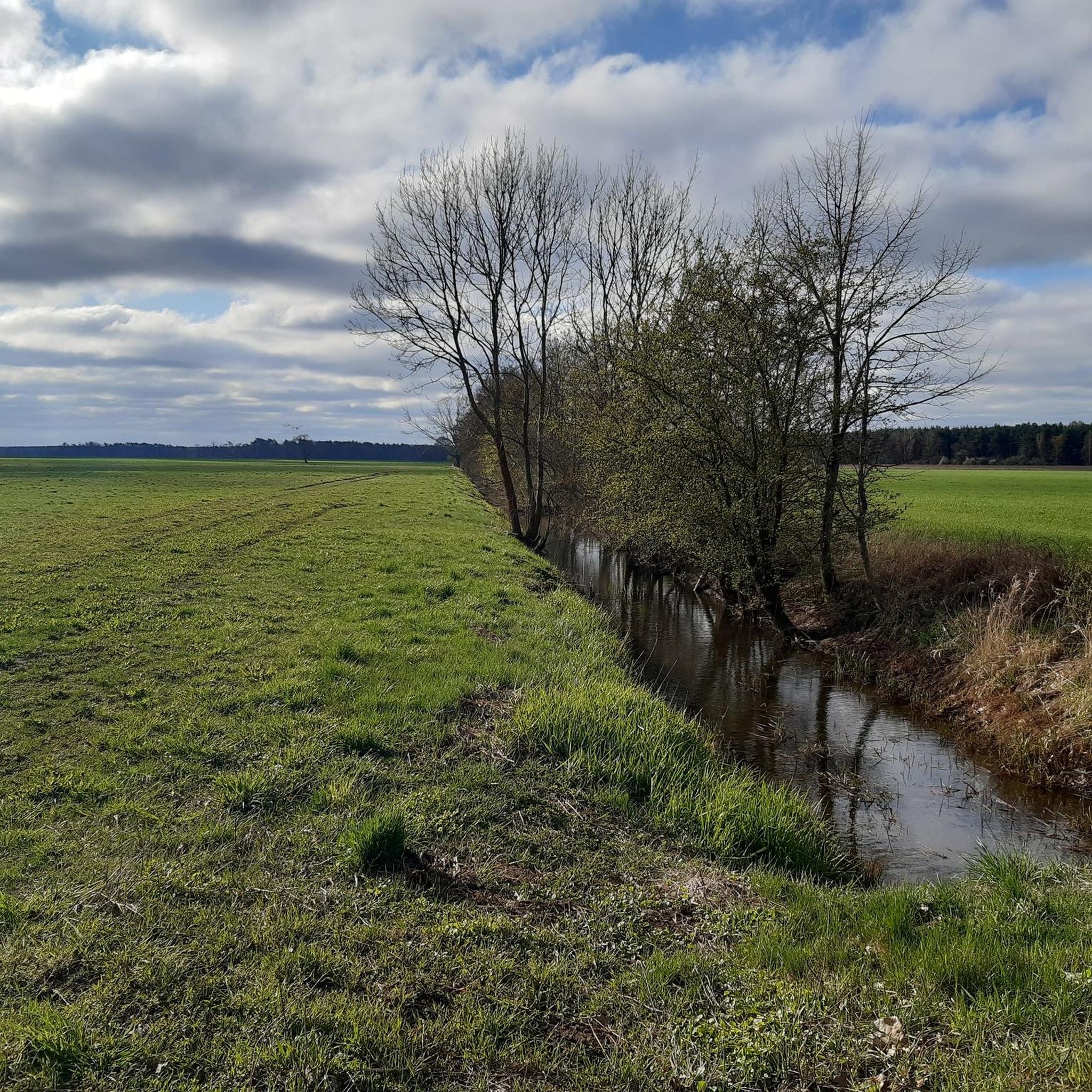
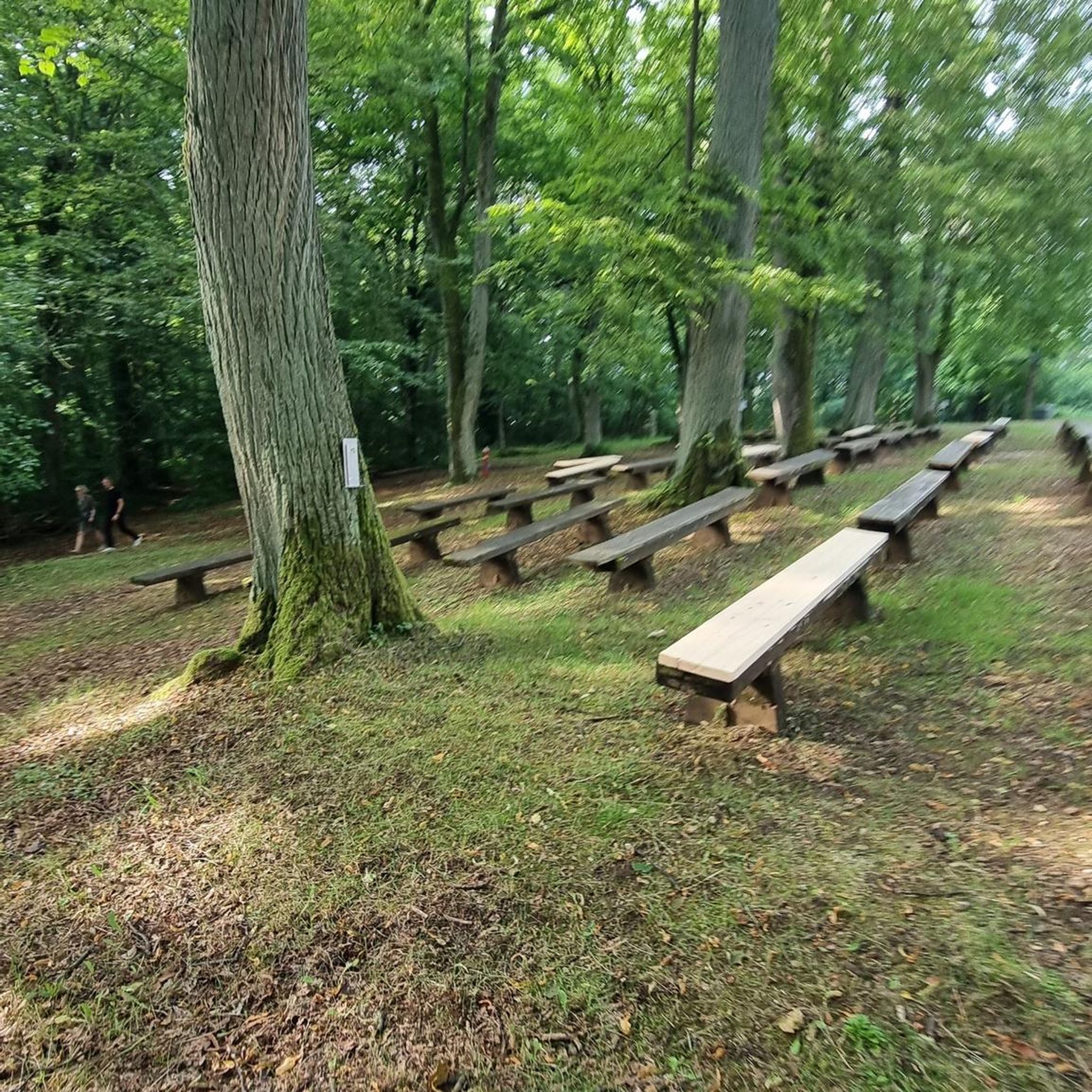
Tips from the Community

Definitely worth seeing
3
0
Definitely worth seeing
3
0
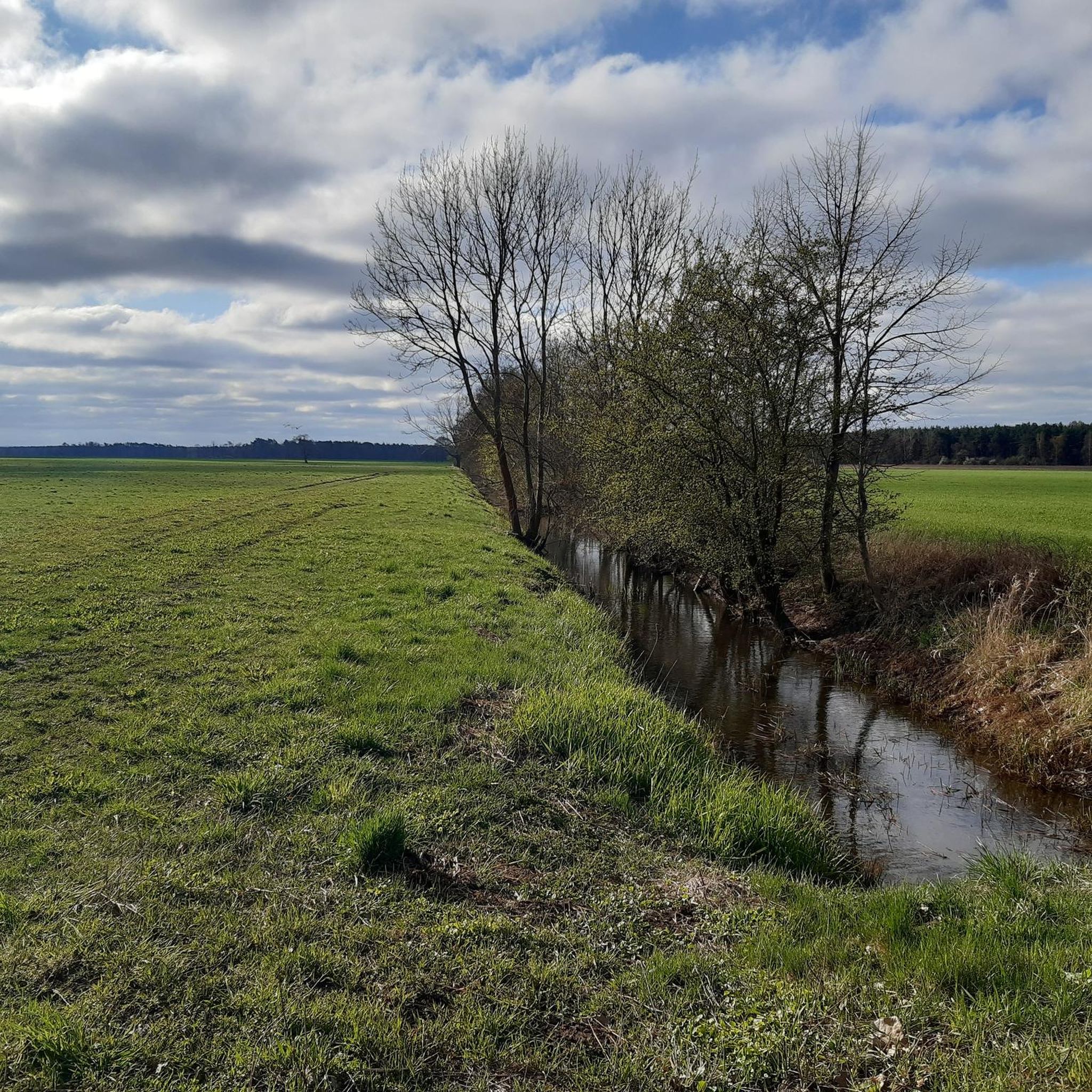
Super nice with great single trail on one side
5
0

Here you have to take your time
0
0

Unobstructed view of the open landscape – with a bit of luck you will see large flocks of cranes landing or flying in formation
2
0
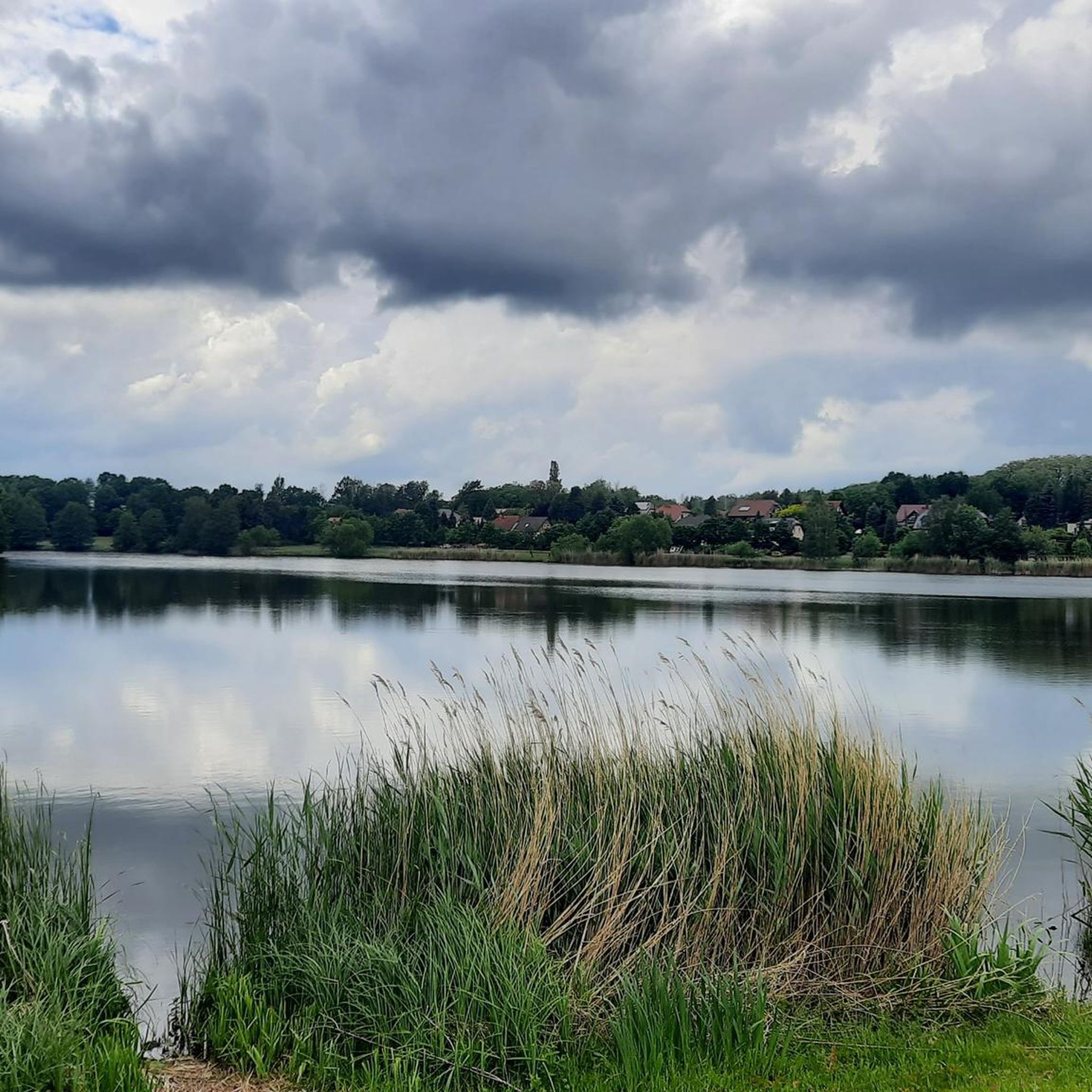
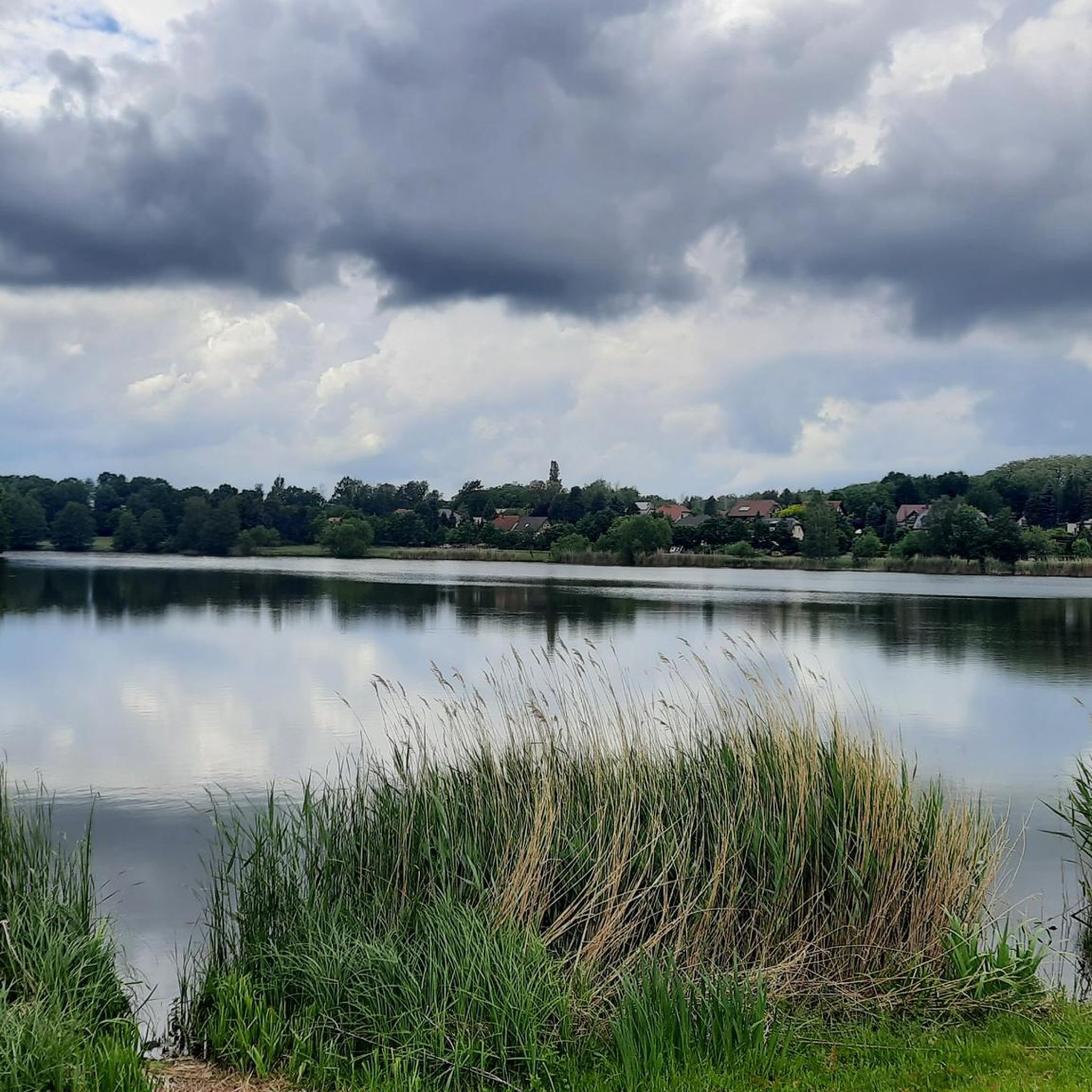
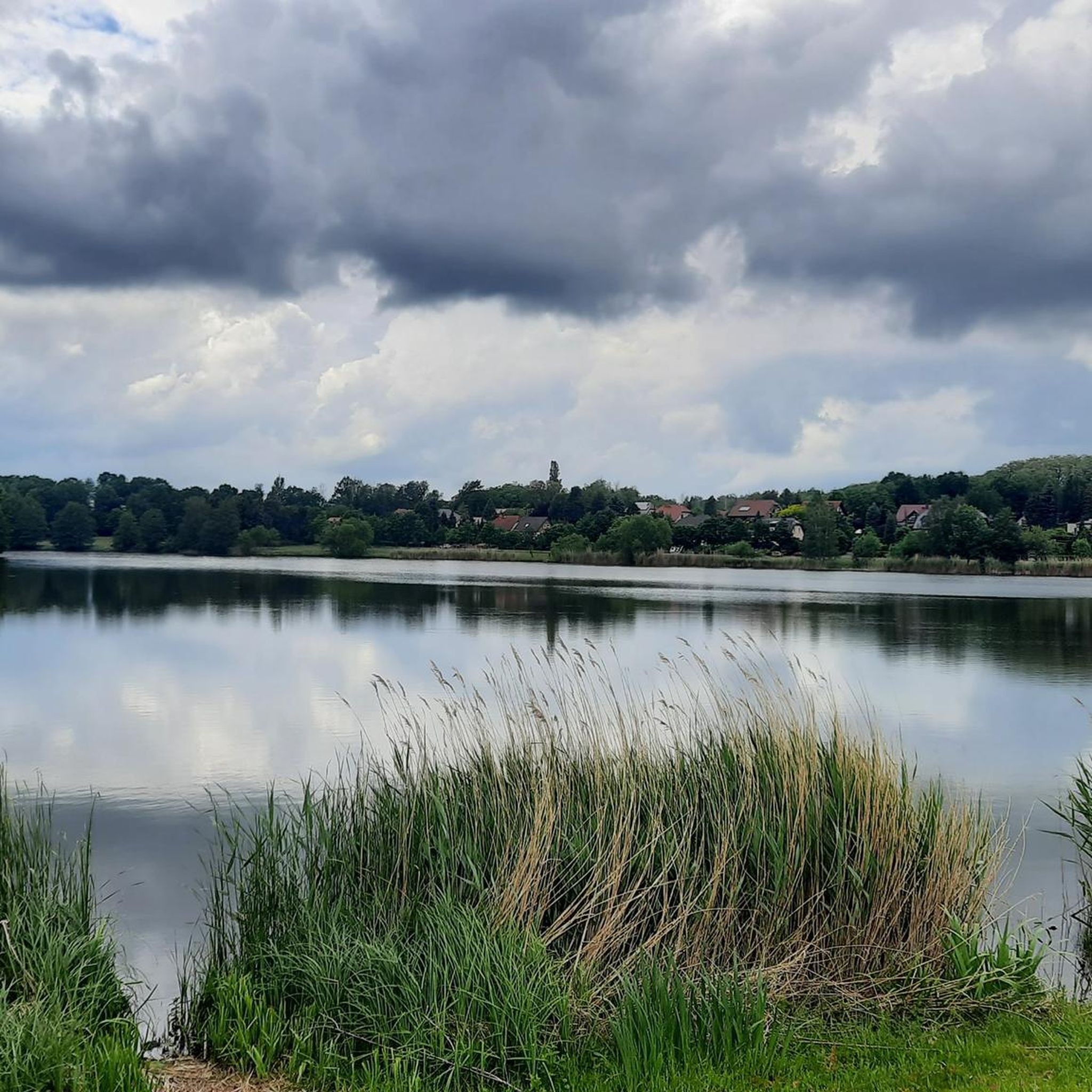
The Trossin Dam (also known as the Dahlenberg Reservoir) is a small dam in Dahlenberg near Trossin, west of Dommitzsch in the Nordsachsen district of Saxony. It was built between 1973 and 1978 to supply domestic water. Its current purpose is local recreation and fishing. The dam is a homogeneous earth dam. The impounded body of water is the Dommitzsch Grenzbach stream. Source: https://de.wikipedia.org/wiki/Talsperre_Trossin
5
0
The Trossin Dam is better known as the Dahlenberg Reservoir.
5
0

In the south of the Düben Heath lies one of its most beautiful areas: the Presseler Heath Forest and Moorland. In order to preserve the moorland in all its size and diversity, and with all its beauty, the then districts of Delitzsch and Torgau-Oschatz, as well as the Nature and Biodiversity Conservation Union (NABU) Saxony, founded the "Pressel Heath Forest and Moorland" association in 1995, with significant support from the NABU Federal Association. This association was established on an area of 6,700 hectares. The Presseler Heath Forest and Moorland is home to numerous animal and plant species that are already rare or extinct elsewhere, and is the southwesternmost breeding, staging, and resting site of the crane in Germany.
1
0
Frequently Asked Questions
What kind of natural features can I expect to see around Dreiheide?
Dreiheide is situated within a region rich in natural landscapes, including parts of the Dübener Heide Nature Park and the Dahlener Heide. You can expect to find extensive mixed forests, wide moorlands, and numerous lakes and rivers. Notable natural features include the tranquil Benkenteich, the diverse Presseler Heath Forest and Moorland, and the picturesque Pressel Peat Bog in Dübener Heide.
Are there family-friendly natural monuments or activities around Dreiheide?
Yes, several natural monuments around Dreiheide are suitable for families. Benkenteich is a great spot for rest and relaxation, where families can observe kingfishers and other waterfowl. The Hunger Stones in the Elbe River offer an interesting historical and natural sight, especially when water levels are low. The broader Dübener Heide and Dahlener Heide regions also provide numerous easy trails and opportunities for nature observation suitable for all ages.
What outdoor activities can I do near these natural monuments?
The region around Dreiheide offers diverse opportunities for outdoor activities. You can explore extensive networks of hiking and cycling paths within the Dübener Heide Nature Park and the Dahlener Heide. For specific activities, you can find various MTB Trails around Dreiheide, Running Trails around Dreiheide, and Gravel biking around Dreiheide.
What historical sites are considered natural monuments in the area?
Beyond purely natural formations, the region also features sites with historical significance that are categorized as natural monuments. The Hunger Stones in the Elbe River are a notable example, appearing during low water levels and carrying historical inscriptions. Additionally, the Battle of Torgau Monument on the Süptitzer Heights, while man-made, is recognized within the natural monument context due to its location and historical importance in the landscape.
What kind of wildlife can be observed in the natural monuments around Dreiheide?
The natural areas around Dreiheide, particularly the Dübener Heide Nature Park and the Dahlener Heide, are known for their biodiversity. In the Presseler Heath Forest and Moorland, you might spot the crane, as it's a significant breeding, staging, and resting site. At Benkenteich, kingfishers and other waterfowl are often seen. The broader region is home to a variety of plant and animal species, offering opportunities for wildlife observation in its forests, moorlands, and by its waters.
What is the best time to visit the natural monuments around Dreiheide?
The natural monuments around Dreiheide can be enjoyed throughout the year, with each season offering a unique experience. Spring and autumn are ideal for hiking and cycling due to pleasant temperatures and vibrant foliage. Summer allows for water activities and longer daylight hours. Even in winter, the tranquil, snow-covered landscapes of the Dübener Heide and Dahlener Heide offer a peaceful retreat, though some paths might be less accessible.
Are there specific trails or paths to explore the Presseler Heath Forest and Moorland?
Yes, the Presseler Heath Forest and Moorland features a nature trail that allows visitors to explore its diverse landscape. This area is particularly known for its conservation efforts and is marked with specific routes to guide visitors through its unique ecosystems. The nearby Pressel Peat Bog in Dübener Heide also offers a picturesque path through the moorland.
How long should I plan for a visit to the natural monuments in the Dreiheide region?
The duration of your visit depends on what you wish to explore. For a focused visit to one or two specific natural monuments like Benkenteich or the Pressel Peat Bog, a few hours might suffice. To fully experience the extensive forests, moorlands, and trails of the Dübener Heide Nature Park or the Dahlener Heide, consider dedicating a full day or even a weekend to explore multiple sites and engage in activities like hiking or cycling.
Are the natural monuments around Dreiheide accessible by public transport?
While specific public transport options directly to every natural monument might be limited, the broader region around Dreiheide is generally accessible. It's advisable to check local bus schedules or regional train connections to nearby towns within the Nordsachsen district. From these towns, you may need to rely on shorter walks, cycling, or local taxi services to reach the more secluded natural sites within the Dübener Heide and Dahlener Heide.
What makes the Pressel Peat Bog in Dübener Heide unique?
The Pressel Peat Bog in Dübener Heide is unique for its picturesque path that allows visitors to walk directly through a moor. A particularly striking feature, especially in late spring, is the abundance of cotton grass, which makes large areas of the moor appear white, creating a beautiful and distinctive landscape.
Can I find accommodation or dining options near the natural monuments?
While direct accommodation or dining at the natural monuments themselves is unlikely, the towns and villages surrounding the Dübener Heide Nature Park and the Dahlener Heide offer various options. You can find cafes, pubs, and guesthouses in nearby communities, providing convenient bases for exploring the natural beauty of the Dreiheide region.
What are the main differences between the Dübener Heide Nature Park and the Dahlener Heide?
Both the Dübener Heide Nature Park and the Dahlener Heide contribute to the natural beauty around Dreiheide, but they have distinct characteristics. The Dübener Heide is known for its vast mixed forests, wide moorlands, and numerous lakes and rivers, offering diverse opportunities for outdoor activities and unique flora and fauna. The Dahlener Heide, located between Dahlen and Belgern, is notable for its dense forests, over 50 small, idyllic ponds, and gentle altitudinal differences, making it a popular destination for hiking enthusiasts with specific 'natural highlights' like 'Brehms Ruhe' and 'Jägereiche'.
Most popular routes around Dreiheide
Most popular attractions around Dreiheide

Get inspired with the komoot mobile app


Explore more
Extend your search for the best caves by checking out these guides of the top ones around Dreiheide:
