Top 20 Natural Monuments around Friedrichsgabekoog
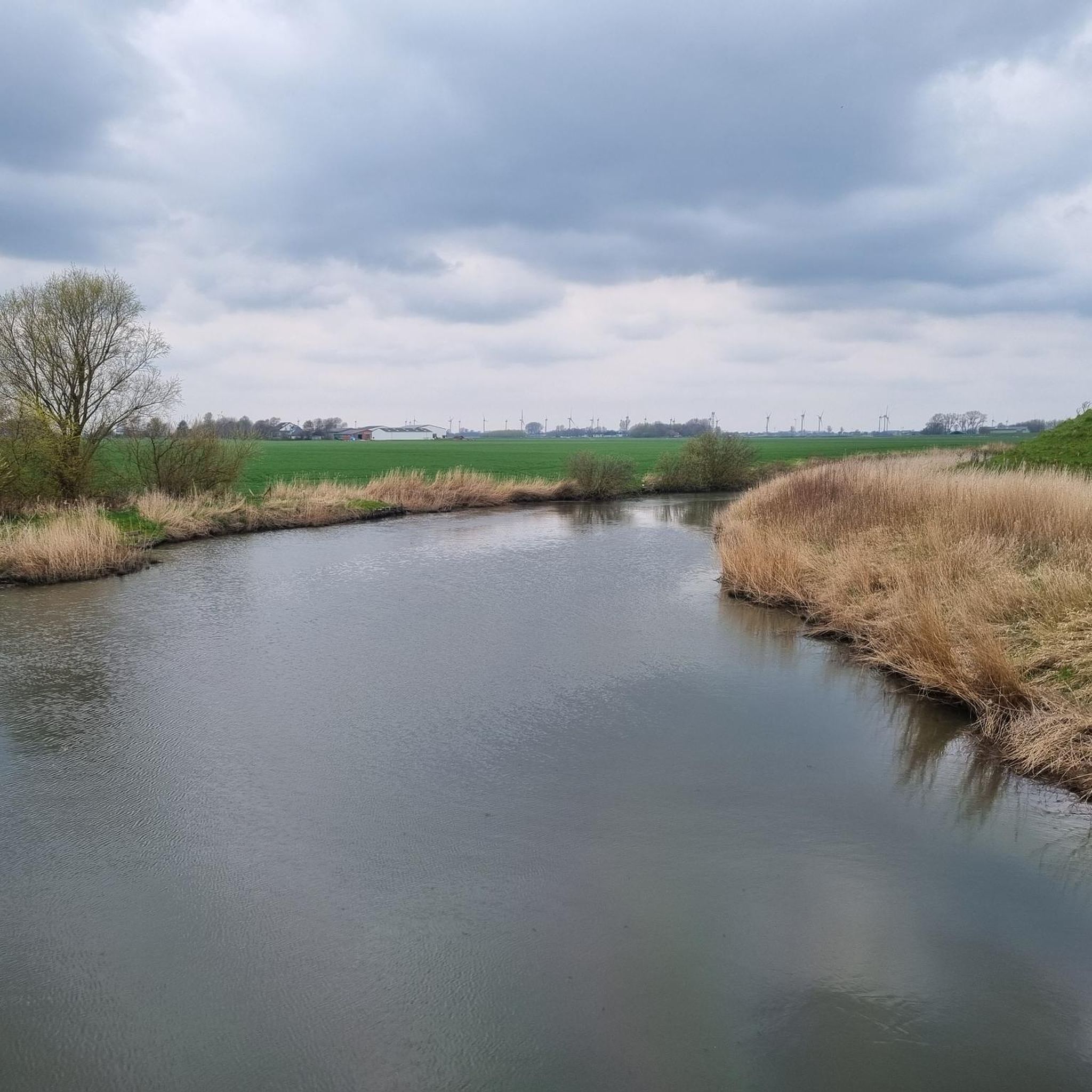
Best natural monuments around Friedrichsgabekoog are situated within the Dithmarschen region, an area defined by its coastal landscape and proximity to the North Sea. This environment offers significant natural beauty and ecological importance, particularly due to its connection to the Wadden Sea UNESCO World Heritage site. The region features expansive dikes, unique wetlands, and diverse habitats shaped by tidal influences. Visitors can explore a variety of natural features, from freshwater biotopes to saltwater reserves.
Best natural monuments around Friedrichsgabekoog
- The…
Last updated: July 8, 2026
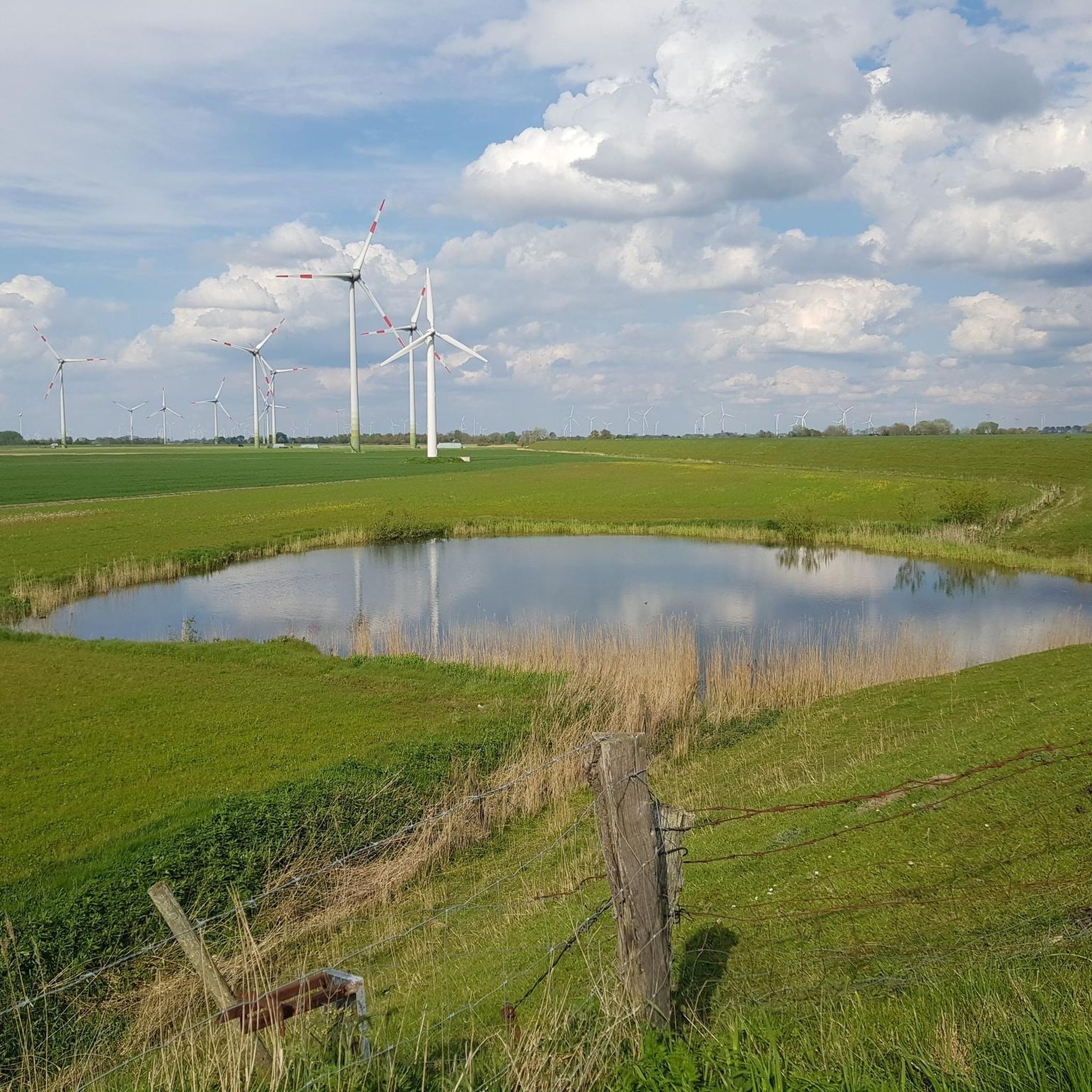
Wöhrdener Loch Nature Reserve
Highlight • Natural
Translated by Google •
Tip by

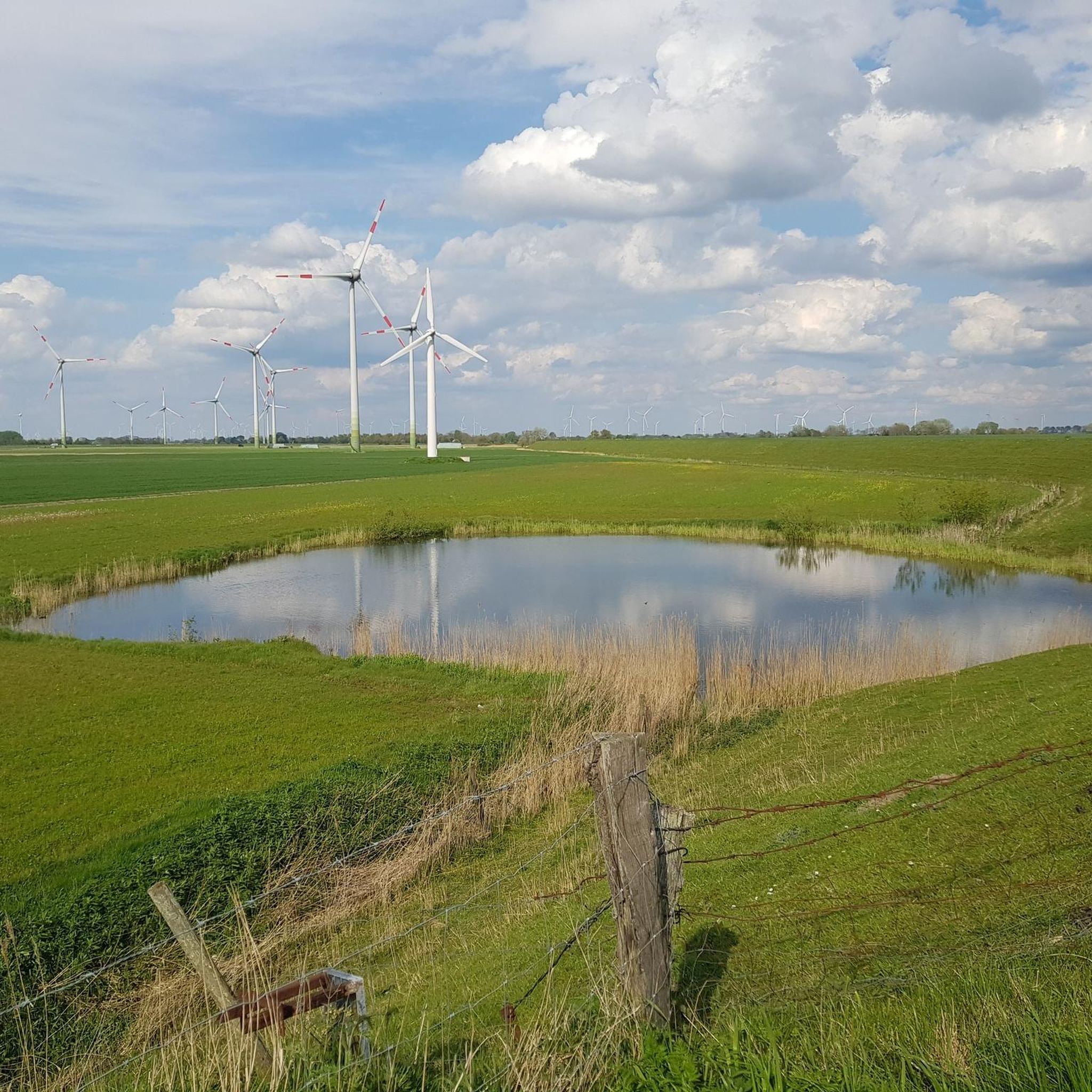
Kronenloch Nature Reserve
Highlight • Natural Monument
Translated by Google •
Tip by

Sign up now to discover places like this
Get recommendations on the best single tracks, peaks, & plenty of other exciting outdoor places.
Sign up for free
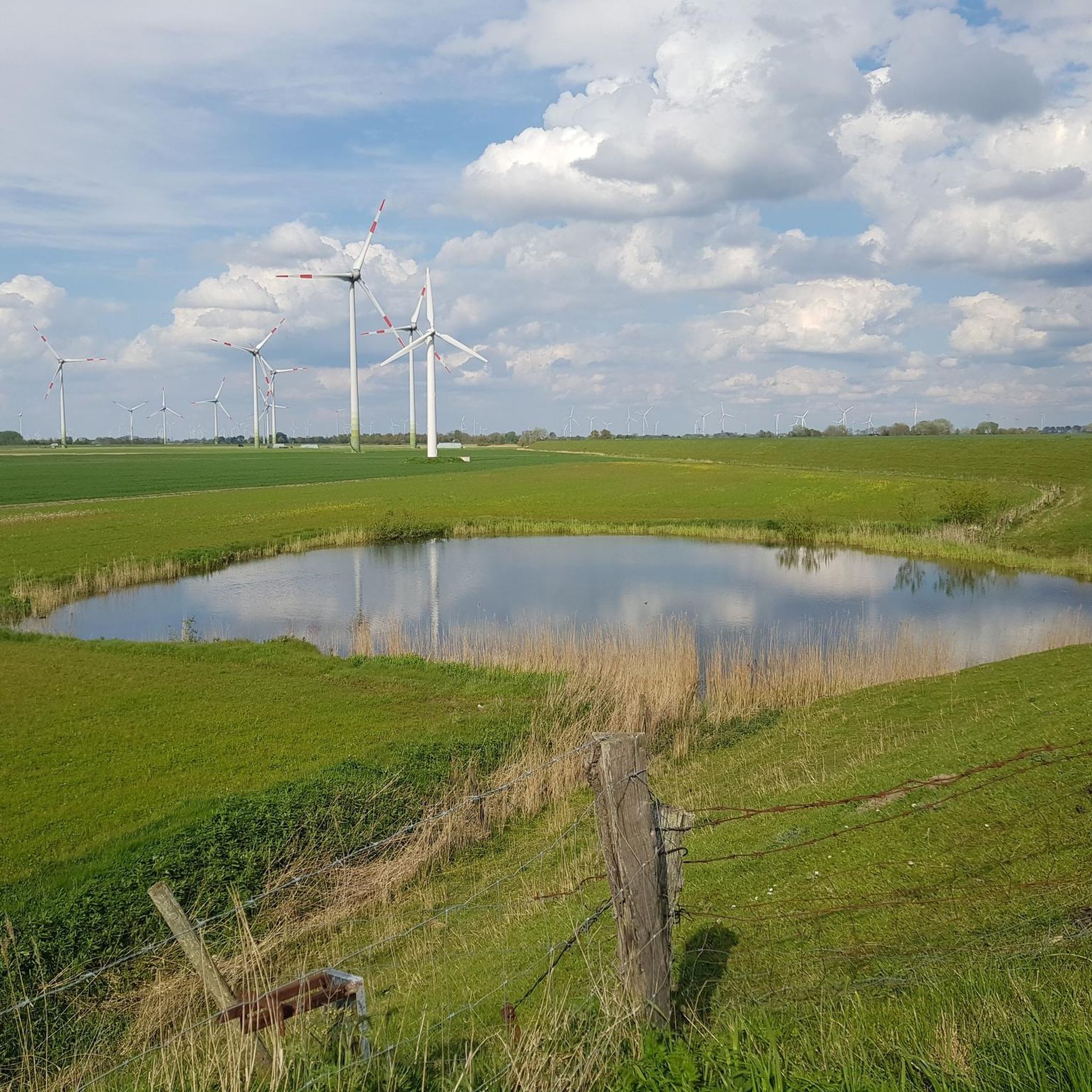
Büsum Mudflats (Wadden Sea)
Highlight • Natural
Translated by Google •
Tip by

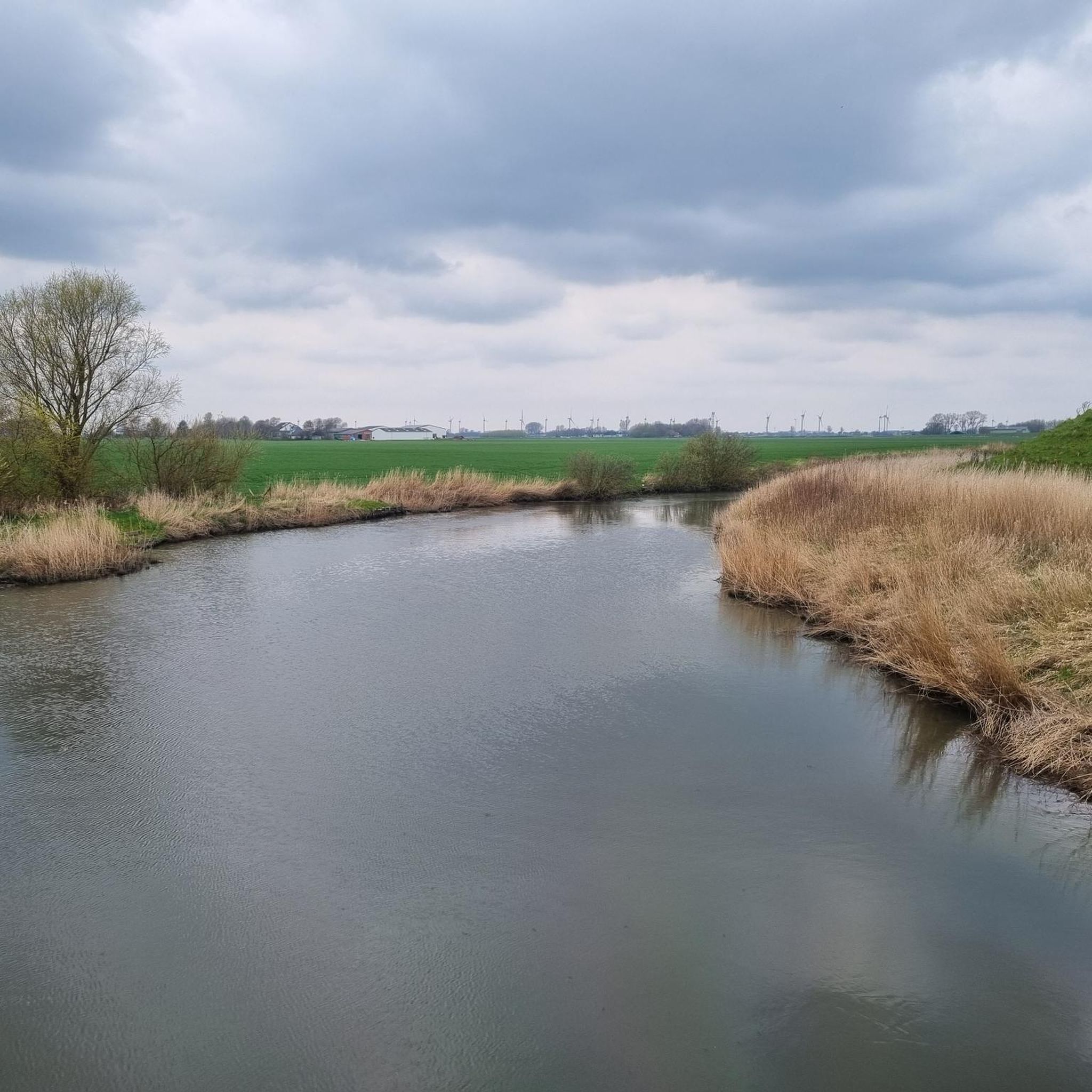
Battlefield of Hemmingstedt
Highlight • Historical Site
Translated by Google •
Tip by
National Park Station Wattwurm
Highlight • Rest Area
Translated by Google •
Tip by

Sign up for free to discover even more natural monuments around Friedrichsgabekoog.
Sign up for free
Already have an account?
Start today with a free account
Your next adventure awaits.
Login or Signup
Tips from the Community

was unfortunately closed today
0
0

If you have the time, you should check it out!
0
0

A newly revised exhibition since 2023. It features bird migration, some information about the national park, and a focus on the two nature reserves Kronenloch and Wöhrdener Loch. Open from Easter to October, Friday to Sunday, 11 a.m. to 5 p.m. Admission is free. Outside of regular opening hours, the exhibition is open when the "Exhibition Open" sign is displayed. The exhibition has been managed by the Wattenmeer Conservation Station since 2023 and is a National Park Station.
0
0

In Dithmarschen between Büsum and Friedrichskoog lies the Meldorfer Speicherkoog, which was embanked at the end of the 1970s and includes the unique nature reserves “Wöhrdener Loch” and “Kronenloch”. In the small exhibition at Meldorfer Hafen, the Wattwurm National Park Station, all questions about the Speicherkoog are answered. To the left of the building there is also a rustic adventure trail.
3
0

The North Sea is probably a spectacular spectacle everywhere. However, Büsum offers many highlights. Be it the endless hiking trail right on the water, the pretty harbor with a lighthouse or the nice shopping street with numerous shops, restaurants and cafés
6
0

The Speicherkoog stretches over 5,000 hectares along the Dithmarscher North Sea coast. The land was gained by diking in 1978. A good fifth of this is distributed between the Kronenloch nature reserves in the south and Wöhrdener Loch in the northwest. Nature and landscape protection is organized here in cooperation between the national park administration, the tourism association, sheep farms and NABU. Source and further information about the NABU house “Wattwurm”: https://www.nabu.de/natur-und-landschaft/natur-erleben/nabu-zentren/schleswig-holstein/12596.html
2
0
That's a great job they're doing there
3
0
Ebb and flow, always powerful
6
0
Frequently Asked Questions
What are the most significant natural areas to explore near Friedrichsgabekoog?
The region around Friedrichsgabekoog is rich in natural beauty, primarily due to its proximity to the North Sea and the Wadden Sea. Key natural areas include the Wöhrdener Loch Nature Reserve, a vital freshwater biotope, and the Kronenloch Nature Reserve, a unique saltwater biotope with tidal influence. Additionally, the Büsum Mudflats (Wadden Sea), part of the UNESCO World Heritage site, offer a dynamic coastal landscape.
Are there any freshwater nature reserves in the area for birdwatching?
Yes, the Wöhrdener Loch Nature Reserve is a 495-hectare freshwater biotope, specifically designed as a breeding, feeding, and resting ground for endangered bird species. From autumn to spring, thousands of migratory birds and winter guests can be observed here, including various meadow breeders, ducks, and waders.
Where can I experience a saltwater biotope with tidal influence near Friedrichsgabekoog?
The Kronenloch Nature Reserve, located south of the new Meldorf harbor, is a unique 532-hectare saltwater biotope. Seawater from the North Sea is guided into a ring channel system, creating a habitat with tidal fluctuations. It's an important feeding ground for resting birds and supports diverse flora and fauna, with an observation hut available for birdwatching.
What makes the Wadden Sea near Friedrichsgabekoog special for visitors?
The Wadden Sea, including the Büsum Mudflats, is a UNESCO World Heritage site and the largest unbroken system of intertidal sand and mud flats globally. It's a critical area for over 10 million migratory birds annually and boasts high biological diversity. Visitors can explore this unique ecosystem through guided mudflat walks, observe seals, and enjoy the vast natural seascape.
What kind of outdoor activities can I do near these natural monuments?
The flat coastal landscape is ideal for various outdoor activities. You can find numerous routes for cycling, mountain biking, and running. For example, there are easy to moderate cycling routes like the 'Wöhrdener Loch Nature Reserve – Wadden Sea at Wöhrdener Loch loop'. MTB trails and running trails are also available, often offering views of the dikes and nature reserves.
Are there family-friendly natural monuments or activities in the area?
Yes, many natural areas are suitable for families. The Wöhrdener Loch Nature Reserve and Kronenloch Nature Reserve offer easy paths for walking and cycling, perfect for all ages. The Büsum Mudflats (Wadden Sea) provide an engaging experience for children to discover marine life during guided walks. The National Park Station Wattwurm also offers interactive exhibits about the Wadden Sea, which can be very educational for families.
What is the best time of year to visit the natural monuments around Friedrichsgabekoog?
The best time to visit largely depends on your interests. Spring and autumn are excellent for birdwatching, as thousands of migratory birds use the Wöhrdener Loch and Kronenloch nature reserves as resting and feeding grounds. Summer offers pleasant weather for cycling and exploring the coastal areas and mudflats. Even winter can be beautiful for quiet walks and observing wintering bird species.
Are there any historical sites related to the natural landscape in the vicinity?
While primarily known for its natural features, the region also holds historical significance. The Battlefield of Hemmingstedt is a national monument commemorating a historic battle. Although not a natural monument in the ecological sense, its location is tied to the local terrain and offers a glimpse into the region's past.
Where can I learn more about the Wadden Sea and its wildlife?
The National Park Station Wattwurm is an excellent resource. It features interactive exhibits on the Wadden Sea National Park, local birdlife, and the history of the Meldorfer Speicherkoog. It also serves as a meeting point for various guided tours, providing detailed information about the flora and fauna.
What kind of wildlife can I expect to see in the nature reserves?
The nature reserves are teeming with wildlife, especially birds. In Wöhrdener Loch, you can spot meadow breeders like lapwings and redshanks, as well as migratory birds such as barnacle geese and various duck species. Kronenloch attracts wading birds, herons, swans, and typical reed bed inhabitants like bearded tits. The Wadden Sea is home to millions of migratory birds and also provides opportunities to see seals on sandbanks.
Are there accessible natural monuments for visitors with mobility challenges?
The Kronenloch Nature Reserve features a beautifully landscaped bike path that allows for easy access to enjoy nature. Additionally, the National Park Station Wattwurm is wheelchair accessible and offers a barrier-free nature trail, making it a good option for visitors with mobility challenges to learn about the Wadden Sea.
What do visitors enjoy most about the natural monuments around Friedrichsgabekoog?
Visitors frequently praise the beautiful views of the sea and the expansive nature. Many enjoy the opportunities for peaceful hikes and bike tours, picnics, and watching sunsets. The rich birdlife and the unique experience of the Wadden Sea mudflats are also highly appreciated, with many finding it a relaxing and educational experience to discover the small animals in the watt.
Most popular routes around Friedrichsgabekoog
Most popular attractions around Friedrichsgabekoog

Get inspired with the komoot mobile app


Explore more
Extend your search for the best caves by checking out these guides of the top ones around Friedrichsgabekoog:
