Top 20 Natural Monuments around Ecklak
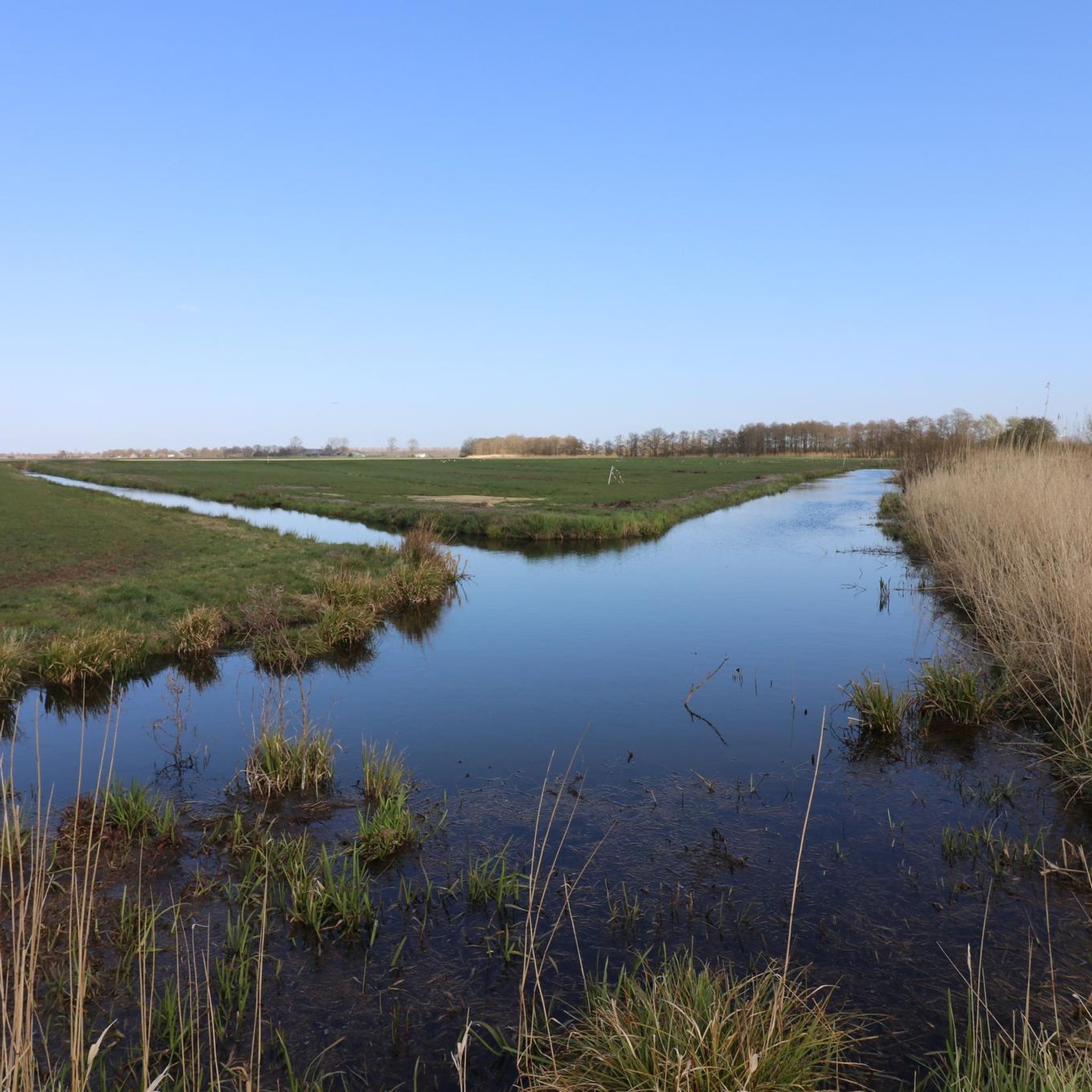
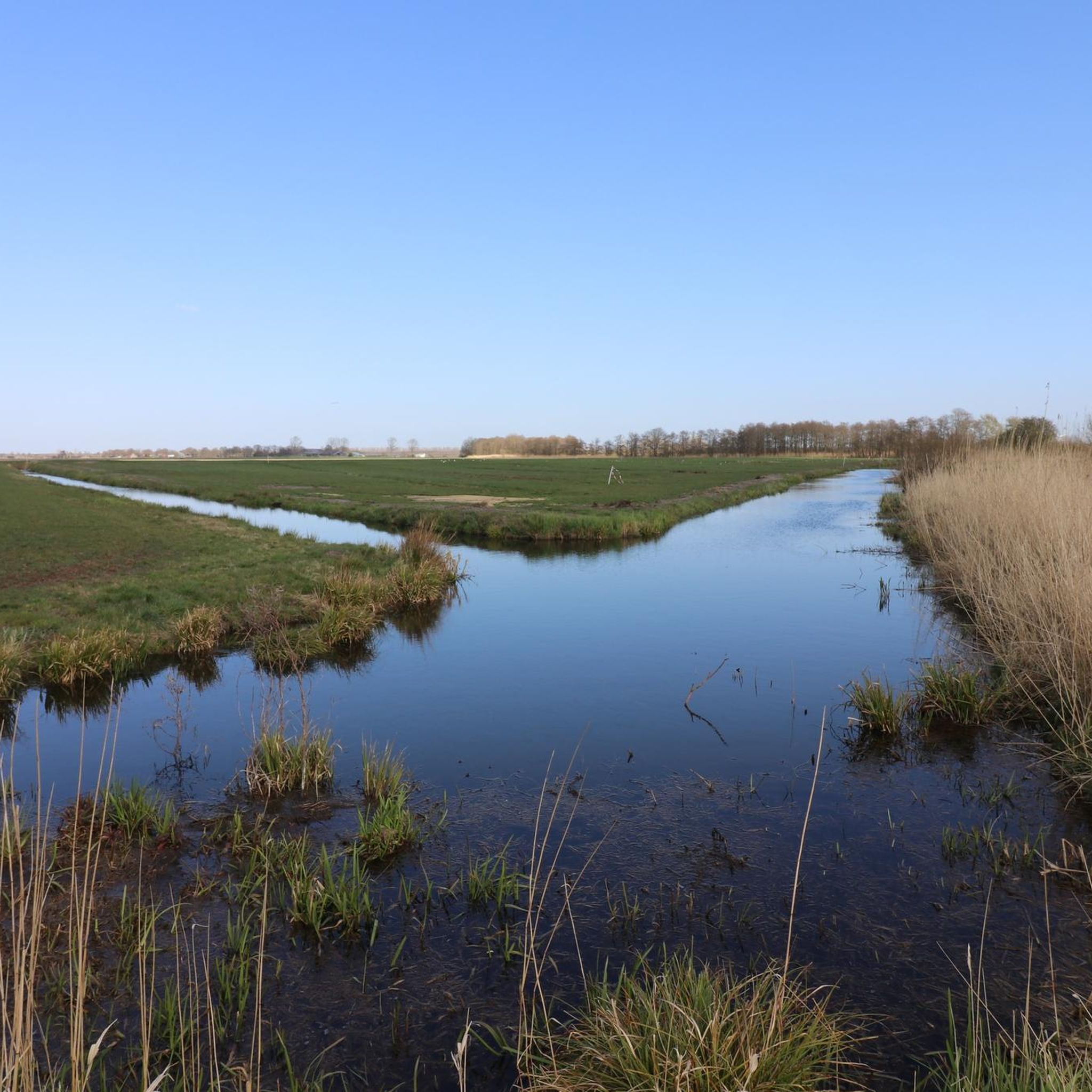
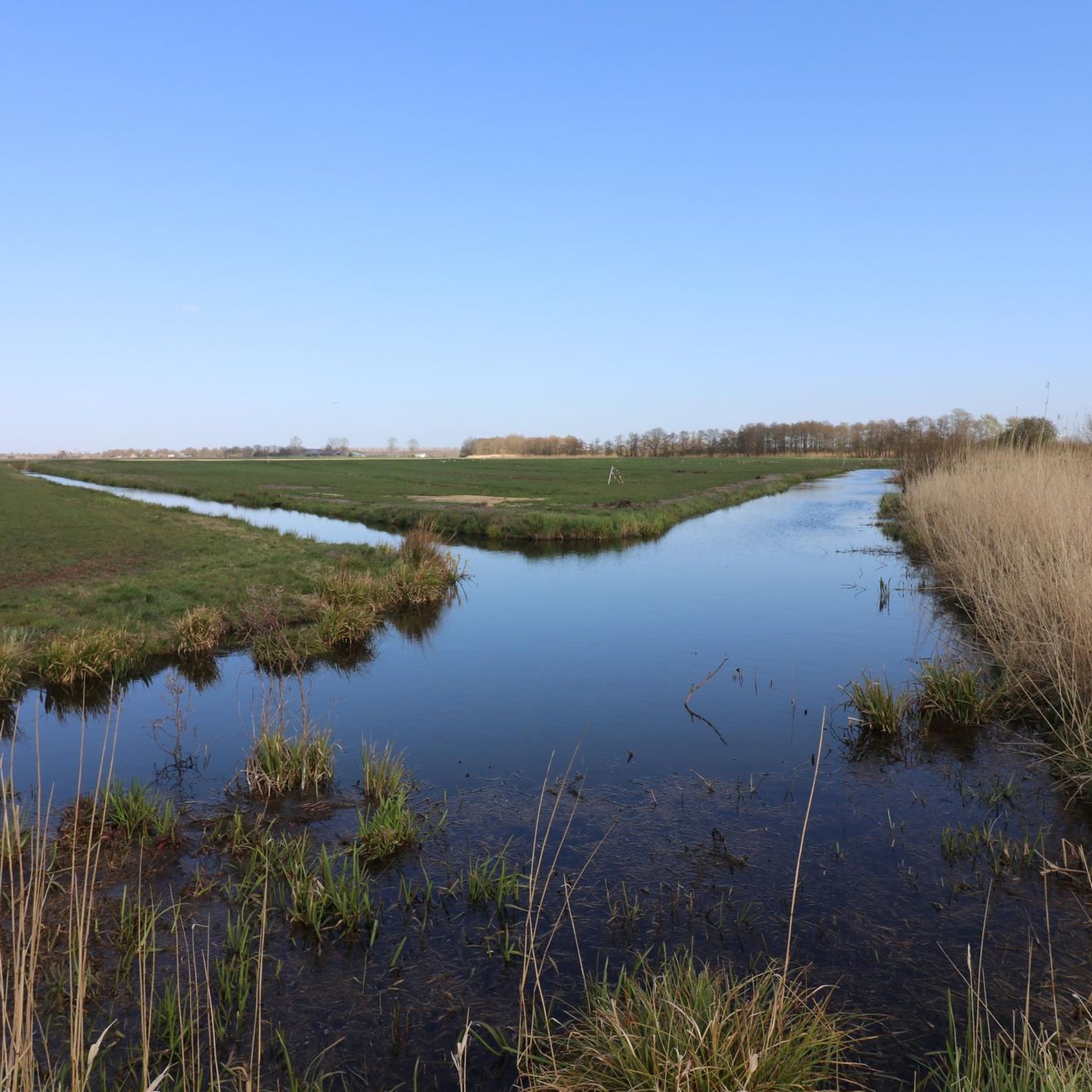
Best natural monuments around Ecklak are found within the Wilstermarsch, a region characterized by its flat, lush marsh meadows and a landscape predominantly below sea level. This area is protected by dikes and crisscrossed by a system of ditches and waterways for drainage. Visitors can gain an understanding of the region's unique geography and the critical role of dikes in safeguarding the land. The natural features here offer insights into living below sea level and the historical challenges of settlement…
Last updated: October 11, 2026
Lowest Point in Germany
Highlight • Natural Monument
Translated by Google •
Tip by

St. Margarethen Outer Dike Nature Reserve
Highlight • Natural Monument
Translated by Google •
Tip by

Sign up now to discover places like this
Get recommendations on the best single tracks, peaks, & plenty of other exciting outdoor places.
Muldsberg Clay Pit Lake
Highlight • Lake
The mining in the …
Translated by Google •
Tip by

Bismarck Rock at Hoper Klev
Highlight • Monument
Translated by Google •
Tip by

Herrenmoor Nature Reserve near Kleve
Highlight • Natural Monument
Translated by Google •
Tip by

Sign up for free to discover even more natural monuments around Ecklak.
Already have an account?
Start today with a free account
Your next adventure awaits.
Tips from the Community

This remarkable boulder presumably reached the Dithmarscher Geest during the penultimate ice age 200,000 years ago. In the course of the preparations for the Kiel Canal from 1907 to 1914, the stone, with a length of 3.50 meters, a diameter of 2.00 meters, and a weight of 25 tons, came to light.
0
0

As children, we used to jump and slide down a narrow sandy path directly from the Bismarck Stone to the Käthnersvierth.
0
0

The outer dike of St. Margarethen is located near the Elbe and is now an important bird sanctuary. Originally, this area was part of a dike system that protected the hinterland from flooding. Over time, the harbor creek became increasingly silted up and port operations were discontinued. Today, the outer dike provides an important habitat for numerous bird species and is a popular destination for nature observation and cycling tours. The outer dike and the surrounding area are ideal for hikes and bike rides along the Elbe, with wonderful views of the passing ships. Historically, the area was also the site of a pilot station, but this was not rebuilt after a fire in 1902.
2
0

Very clean place with shelter and guest book
3
0

Very nice view, with a bad route
0
0

Who can claim that they were once below sea level? Great highlight!
2
0

The “Herrenmoor near Kleve” can be circumnavigated on foot from Nuttelner Vierth on municipal paths. Some of the paths are also accessible by bike. Unfortunately, the railway bridge from Kleve "Achtern Barg" to Nuttelner Vierth/Nuttelner Heide Hügel was dismantled and no replacement was made for cost reasons. This slowly beginning moor development can now be experienced by the visitor on the Nutteln moor side, where a small oak plank path leads into the moor grassland areas. https://www.steinburg.de/kreisverwaltung/information-der-fachaemter/amt-fuer-umweltschutz/naturschutz/schutzgebiete-u-schuetzte-objects/nreservate/herrenmoor-bei-kleve.html
5
1

There are benches on the Bismarckstein and invite you to linger.
2
0
Frequently Asked Questions
What unique natural features can I explore around Ecklak?
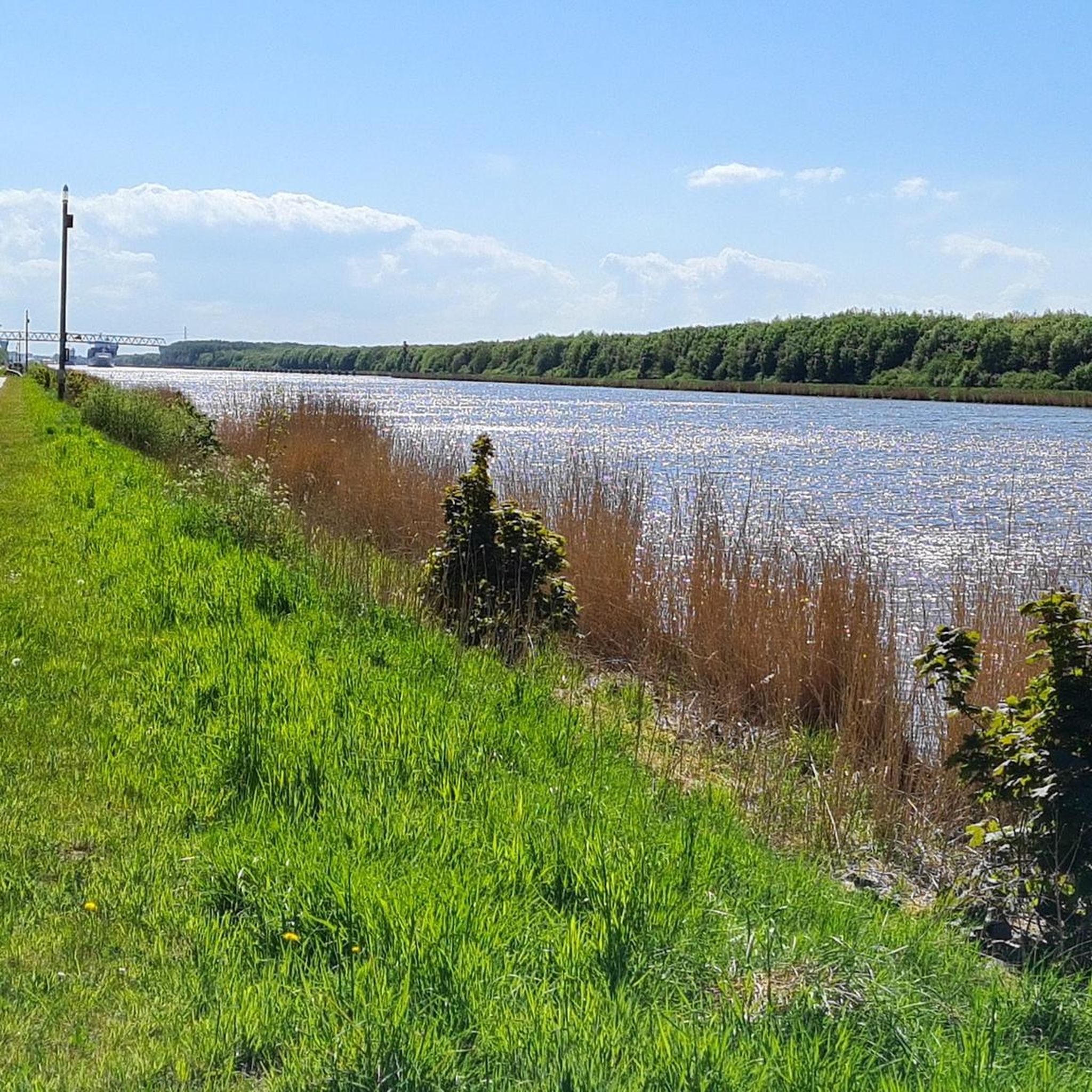
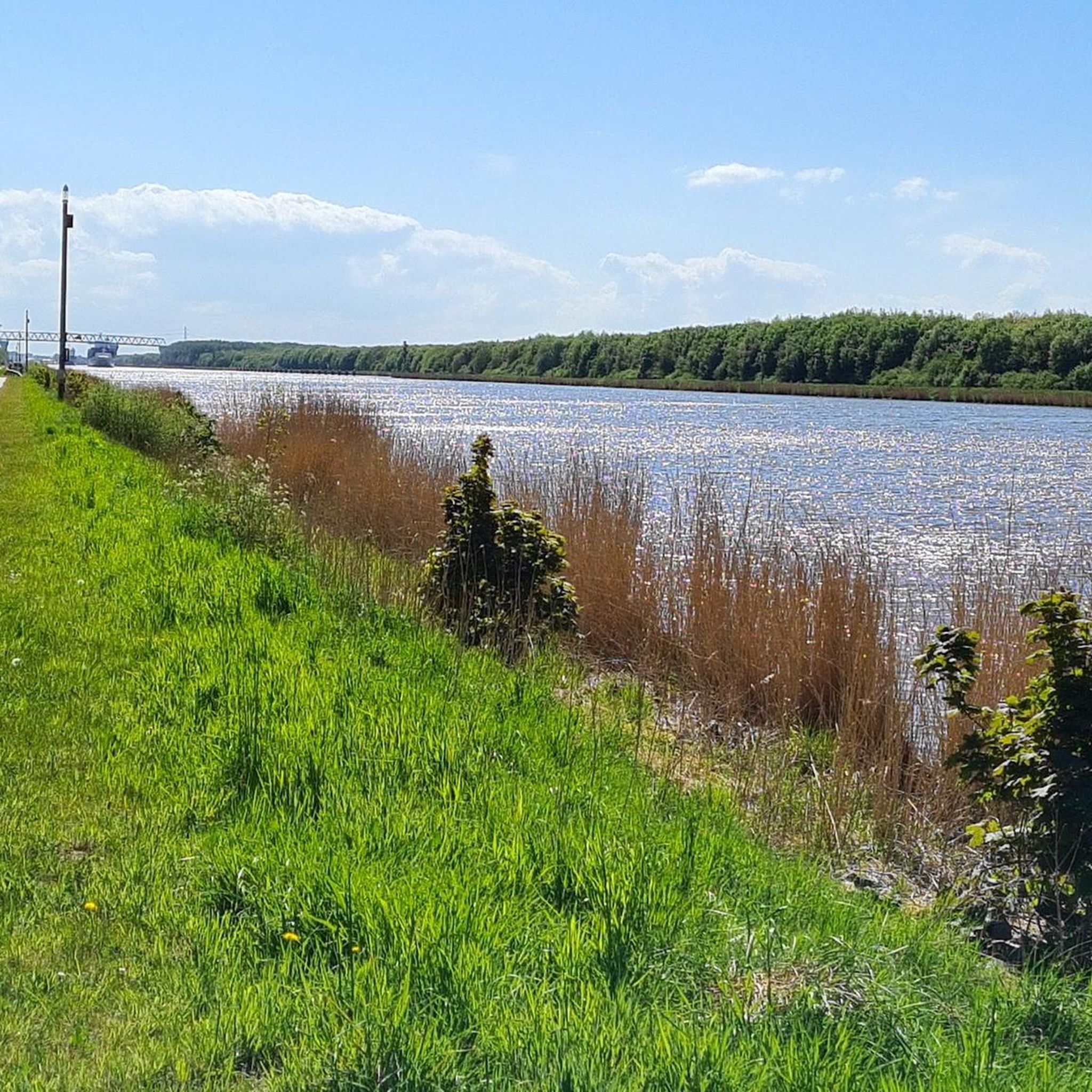
The region around Ecklak is characterized by its unique marshlands, dikes, and areas predominantly below sea level. A prime example is the Lowest Point in Germany, situated 3.54 meters below sea level, offering a profound insight into the region's geography and the vital role of dikes. You can also discover renatured areas like the Muldsberg Clay Pit Lake, which has transformed from a former mining site into a thriving biotope with a circular route.
Are there family-friendly natural monuments to visit near Ecklak?
Yes, several natural monuments around Ecklak are suitable for families. The Lowest Point in Germany is easily accessible and offers an educational experience about living below sea level. The St. Margarethen Outer Dike Nature Reserve provides gentle paths for walks and bike rides along the Elbe, perfect for all ages. Additionally, the Muldsberg Clay Pit Lake features a five-kilometer circular route that families can enjoy.
What kind of wildlife can be observed in the natural monuments around Ecklak?
The renatured areas and nature reserves around Ecklak provide habitats for diverse wildlife. At the Herrenmoor Nature Reserve near Kleve, you can observe many species that thrive in the slowly developing moorland. The St. Margarethen Outer Dike Nature Reserve is an important bird sanctuary, making it an excellent spot for birdwatching. The Muldsberg Clay Pit Lake is also home to a small cormorant population.
What outdoor activities can I do near the natural monuments in the Ecklak area?
The flat marshlands and dikes around Ecklak are ideal for various outdoor activities. You can enjoy extensive hiking and gravel biking tours, especially along the Elbe at the St. Margarethen Outer Dike Nature Reserve. The Muldsberg Clay Pit Lake offers a pleasant five-kilometer circular route for walking. For those interested in more challenging rides, there are also MTB trails in the wider region.
Is the Lowest Point in Germany accessible for everyone?
The Lowest Point in Germany is generally accessible. It is listed as wheelchair-friendly, and parking and bicycle racks are available on-site. The area is flat, making it easy to navigate for most visitors.
What is the historical significance of the natural monuments around Ecklak?
The natural monuments around Ecklak offer insights into both geological and human history. The Lowest Point in Germany highlights the historical challenges of settlement in a region below sea level, with a pole demonstrating past storm surge heights. The St. Margarethen Outer Dike Nature Reserve is part of an old dike system that protected the hinterland from flooding. Even the Bismarck Rock at Hoper Klev has a unique story, being a massive Ice Age boulder found during the construction of the Kiel Canal.
Are there any viewpoints to enjoy panoramic scenery near Ecklak?
Yes, several natural monuments offer scenic viewpoints. The Lowest Point in Germany provides a unique perspective on the 'land under sea level.' The St. Margarethen Outer Dike Nature Reserve offers wonderful views of the passing ships on the Elbe. While the viewpoint at Bismarck Rock at Hoper Klev is now somewhat overgrown, it remains a pleasant resting spot.
Can I bring my dog to the natural monuments in the Ecklak area?
While specific dog rules can vary, many natural areas in Schleswig-Holstein welcome dogs on a leash, especially on designated trails. For example, the trails along the Elbe at the St. Margarethen Outer Dike Nature Reserve are popular for walks with dogs. Always ensure to keep your dog on a leash and clean up after them to protect the local wildlife and environment.
What is the best time of year to visit the natural monuments around Ecklak?
The natural monuments around Ecklak can be visited year-round, each season offering a different experience. Spring and summer are ideal for cycling and hiking, with lush green landscapes and active wildlife. Autumn brings beautiful colors to the surrounding areas. Even in winter, the flat, open landscapes can offer a stark beauty, though some paths might be muddy. Always check local weather conditions before your visit.
Where can I find more information about the Wilstermarsch region?
The Wilstermarsch, where many of these natural monuments are located, is a fascinating region. You can learn more about this 'land under sea level' and its unique characteristics by visiting the official tourism website for the area: holstein-tourismus.de.
Are there any hidden natural gems or less-known spots worth exploring?
Beyond the well-known sites, the entire Wilstermarsch region offers a sense of discovery with its extensive network of ditches, waterways, and flat marsh meadows. While not a 'hidden gem' in the traditional sense, the Herrenmoor Nature Reserve near Kleve provides a tranquil experience of slowly developing moorland, with a small oak plank path leading into unique grassland areas, offering a peaceful escape.
Most popular attractions around Ecklak

Get inspired with the komoot mobile app


Explore more
Extend your search for the best caves by checking out these guides of the top ones around Ecklak:
