Top 20 Natural Monuments around Vaalermoor
Best natural monuments around Vaalermoor are characterized by unique wetland ecosystems and significant geological features. The region, located in Schleswig-Holstein, Germany, is notable for its expansive moorland areas, including parts of Germany's lowest point. Visitors can explore diverse landscapes, from revitalized bogs to former clay pits now transformed into lakes. These natural areas offer opportunities to experience important habitats and observe ongoing conservation efforts.
Best natural monuments around Vaalermoor
- The most popular natural monuments is Lowest Point in Germany,…
Last updated: July 8, 2026
Lowest Point in Germany
Highlight • Natural Monument
Translated by Google •
Tip by

Muldsberg Clay Pit Lake
Highlight • Lake
The mining in the …
Translated by Google •
Tip by

Sign up now to discover places like this
Get recommendations on the best single tracks, peaks, & plenty of other exciting outdoor places.
Sign up for free
Herrenmoor Nature Reserve near Kleve
Highlight • Natural Monument
Translated by Google •
Tip by

Edendorf Clay Pit
Highlight • Lake
Translated by Google •
Tip by
Kudensee Nature Reserve
Highlight • Lake
Translated by Google •
Tip by

Sign up for free to discover even more natural monuments around Vaalermoor.
Sign up for free
Already have an account?
Start today with a free account
Your next adventure awaits.
Login or Signup
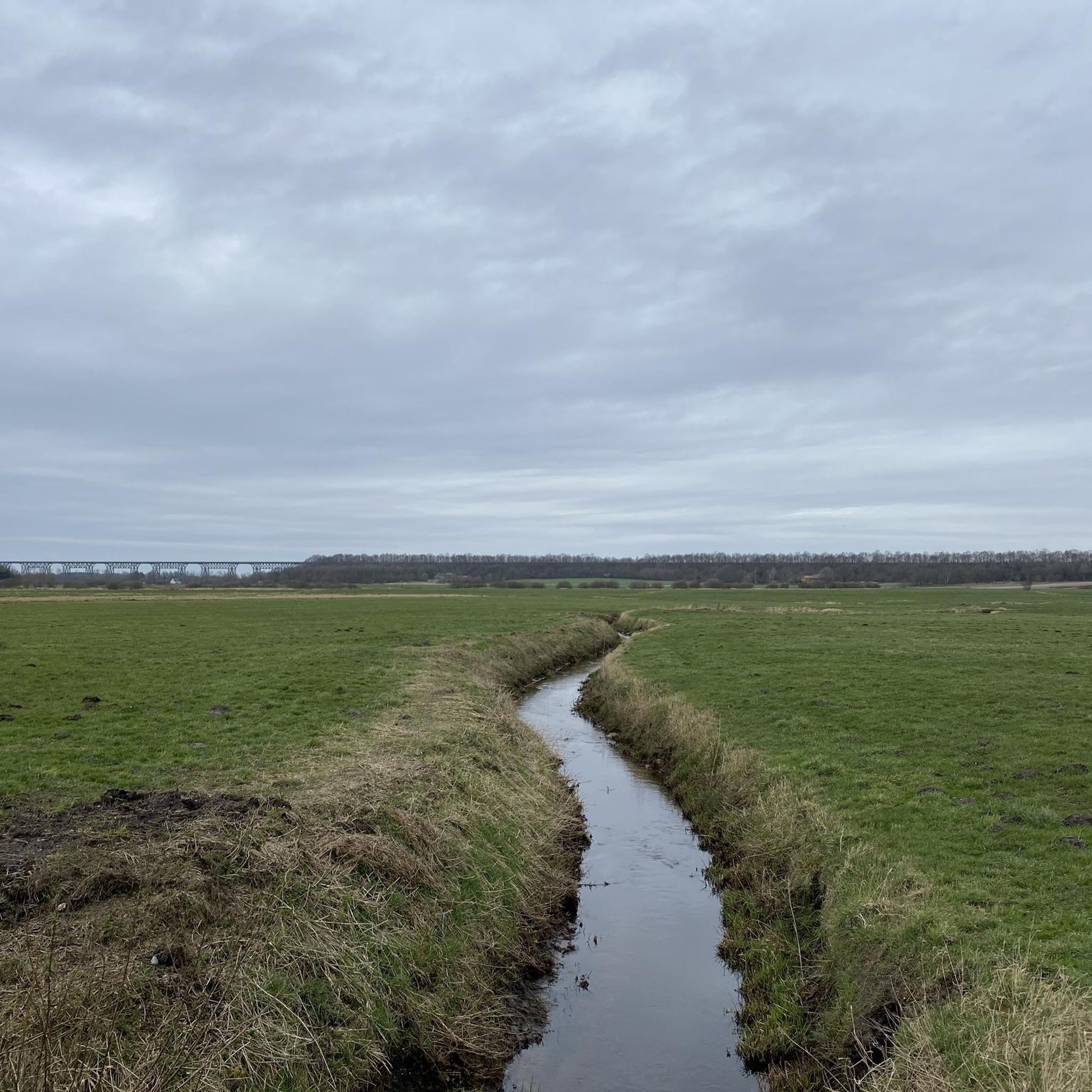
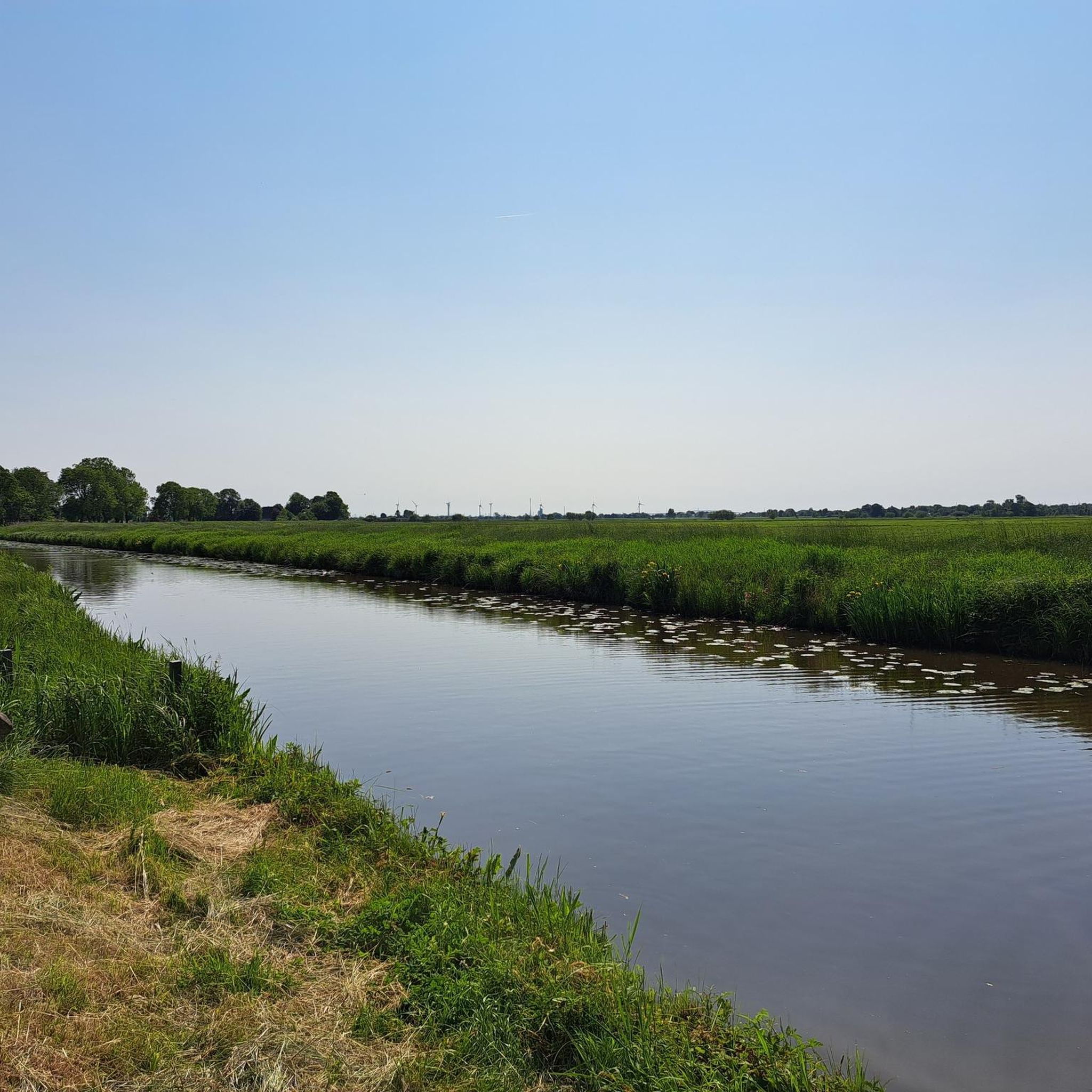
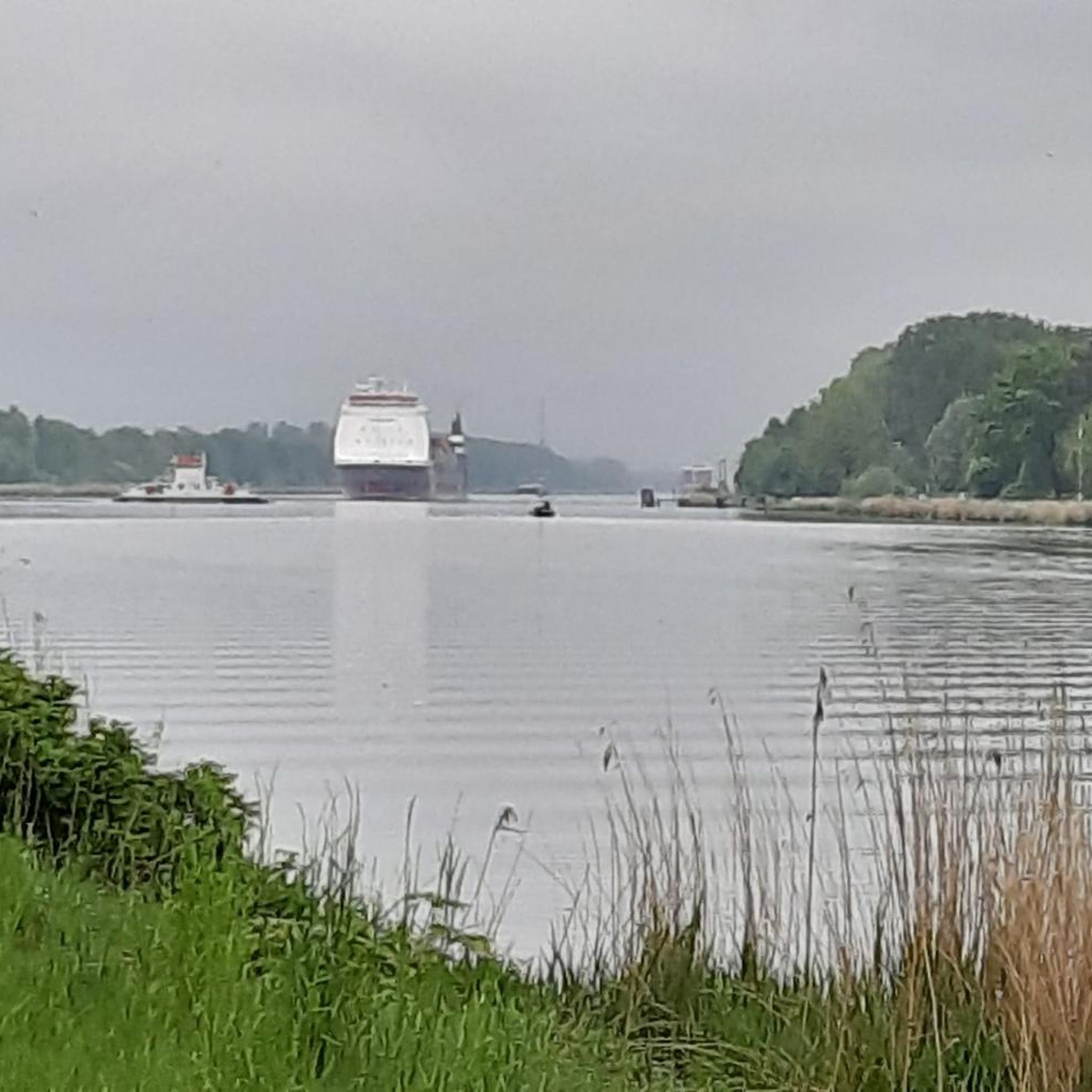
Tips from the Community

Kudensee is a municipality in the Steinburg district in Schleswig-Holstein, and also the name of the largest lake in the Dithmarschen district. The Kudensee, with an area of 38.9 hectares, has been a nature reserve since 1935 and has been expanded to 172 hectares since 1992. The lake is the last shallow-water lake in the Elbe marshes and an important European bird sanctuary. It provides a habitat for numerous bird species, including the rare bittern, and serves as a resting place for many migratory birds. The Kudensee is characterized by its extensive reed beds, remnants of marsh forest and willow bushes. The bottom of the lake consists of both soft mud and hard sand. Due to its shallow depth of a maximum of 1.2 meters, the lake has an almost uniform temperature and oxygen distribution, except when the ice is closed, which can be unfavorable for the fish. The fish species living in the lake include bream, white bream, roach, perch, ruffe, eel, pike and zander.
0
0

Very clean place with shelter and guest book
3
0

Very nice view, with a bad route
0
0

Who can claim that they were once below sea level? Great highlight!
2
0

The Kudensee is the last surviving Dithmarscher See, which was once formed from sea bays. Today the Kudensee has a water area of around 40 hectares and is home to a large number of different marsh and water birds.
3
0

The “Herrenmoor near Kleve” can be circumnavigated on foot from Nuttelner Vierth on municipal paths. Some of the paths are also accessible by bike. Unfortunately, the railway bridge from Kleve "Achtern Barg" to Nuttelner Vierth/Nuttelner Heide Hügel was dismantled and no replacement was made for cost reasons. This slowly beginning moor development can now be experienced by the visitor on the Nutteln moor side, where a small oak plank path leads into the moor grassland areas. https://www.steinburg.de/kreisverwaltung/information-der-fachaemter/amt-fuer-umweltschutz/naturschutz/schutzgebiete-u-schuetzte-objects/nreservate/herrenmoor-bei-kleve.html
5
1

Beautiful lake with benches and fishing spots
0
0

By the way, swimming is not allowed here. There are too many undercurrents and therefore swimming here is dangerous...
2
0
Frequently Asked Questions
What unique natural features can I explore around Vaalermoor?
Vaalermoor is known for its expansive moorland areas, including the Herrenmoor Nature Reserve near Kleve, which is a revitalized moor landscape. You can also visit the Lowest Point in Germany, a significant geological feature lying 3.54 meters below sea level. Additionally, former clay pits like Muldsberg Clay Pit Lake have been reclaimed by nature, forming new biotopes.
Are there family-friendly natural monuments around Vaalermoor?
Yes, several natural monuments are suitable for families. The Lowest Point in Germany and the Lowest Point in Schleswig-Holstein are both marked as family-friendly. The Muldsberg Clay Pit Lake and Edendorf Clay Pit also offer circular routes and green areas that are enjoyable for families.
What kind of wildlife can I expect to see in the natural monuments?
The moorland areas, particularly the Vaaler Moor Und Herrenmoor, are vital habitats for diverse flora and fauna. You might spot high-moor-typical species like bog-myrtle, sundew, and cotton grass. Protected animal species include the moor frog, adder, and grass snake, as well as various birds such as snipe, black woodpecker, crane, and red-backed shrike. The Muldsberg Clay Pit Lake is also home to a small cormorant population.
Are there hiking trails available at the natural monuments?
Yes, you can explore the Herrenmoor Nature Reserve near Kleve on foot via communal paths, with some sections also accessible by bike. The Muldsberg Clay Pit Lake features a five-kilometer circular route with resting places, and a beautiful path leads around the Edendorf Clay Pit.
What outdoor activities can I do near these natural monuments?
Beyond hiking, the region offers excellent opportunities for cycling. You can find various routes for gravel biking, road cycling, and general cycling around Vaalermoor. These routes often pass by or near the natural monuments, allowing you to combine sightseeing with active exploration.
What is the significance of the 'Lowest Point in Germany'?
The Lowest Point in Germany is a natural monument located 3.54 meters below sea level. It's considered Germany's deepest land office and offers a unique insight into the region's geography. While not visually spectacular, it's an impressive place that highlights the elemental forces associated with the Elbe River, with displays showing historical storm surge levels.
Are there any historical or cultural natural features nearby?
While not formally designated natural monuments in the immediate vicinity of Vaalermoor, the region research highlights the impressive seven hundred-year-old beech trees surrounding the smallest church in Northern Germany, located in Mönkloh. These ancient trees offer a serene and historic natural setting, popular with pilgrims and cyclists seeking quiet reflection.
What is the best time to visit the natural monuments around Vaalermoor?
The moorland areas, such as the Vaaler Moor Und Herrenmoor, are particularly beautiful when the heather is in bloom, which typically occurs in late summer. However, the circular routes around the clay pit lakes and the general cycling paths are enjoyable in every season, offering different natural beauty throughout the year.
What are the Nordoe Inland Dunes Nature Reserve and why is it significant?
The Nordoe Inland Dunes Nature Reserve, though not directly in Vaalermoor, is a significant natural area nearby. It's characterized by ancient inland dunes formed by wind thousands of years ago, featuring open sand areas, pine forests, and heather-covered dunes. It's a special protected area due to its unique dry habitats and serves as a refuge for many rare and endangered plant and animal species in Schleswig-Holstein.
What do visitors enjoy most about the natural monuments in Vaalermoor?
Visitors appreciate the unique ecological insights offered by the revitalized moor landscapes and the tranquility found amidst diverse ecosystems. The opportunity to experience Germany's lowest point is also a popular draw. Many enjoy the well-maintained circular routes around the clay pit lakes, which provide opportunities for hiking, nature observation, and peaceful reflection.
Is it possible to visit the natural monuments by bike?
Yes, some natural monuments and surrounding areas are accessible by bike. The Herrenmoor Nature Reserve near Kleve has communal paths, some of which are suitable for cycling. Additionally, the region offers numerous dedicated cycling routes that allow you to explore the natural beauty of Vaalermoor and its surroundings.
Are there any viewpoints to observe the natural landscapes?
Yes, observation points are available, particularly in the Vaaler Moor Und Herrenmoor area, offering beautiful views, especially of the blooming heather from Nuttelner Berg. The Herrenmoor Nature Reserve near Kleve, Edendorf Clay Pit, and Lowest Point in Schleswig-Holstein are also noted as viewpoints.
Most popular attractions around Vaalermoor

Get inspired with the komoot mobile app


Explore more
Extend your search for the best caves by checking out these guides of the top ones around Vaalermoor:
