Top 20 Natural Monuments around Holstenniendorf
Best natural monuments around Holstenniendorf are found in a region characterized by its unique geographical features, including its proximity to sea level. Located in Schleswig-Holstein, Germany, the area showcases a polder landscape shaped by elemental forces and human engineering. Visitors can observe the interplay between land and water, particularly at sites demonstrating the impact of the Elbe River. The natural landscape provides insights into both geological formations and historical land reclamation efforts.
Best natural monuments around Holstenniendorf
- The most popular…
Last updated: July 8, 2026
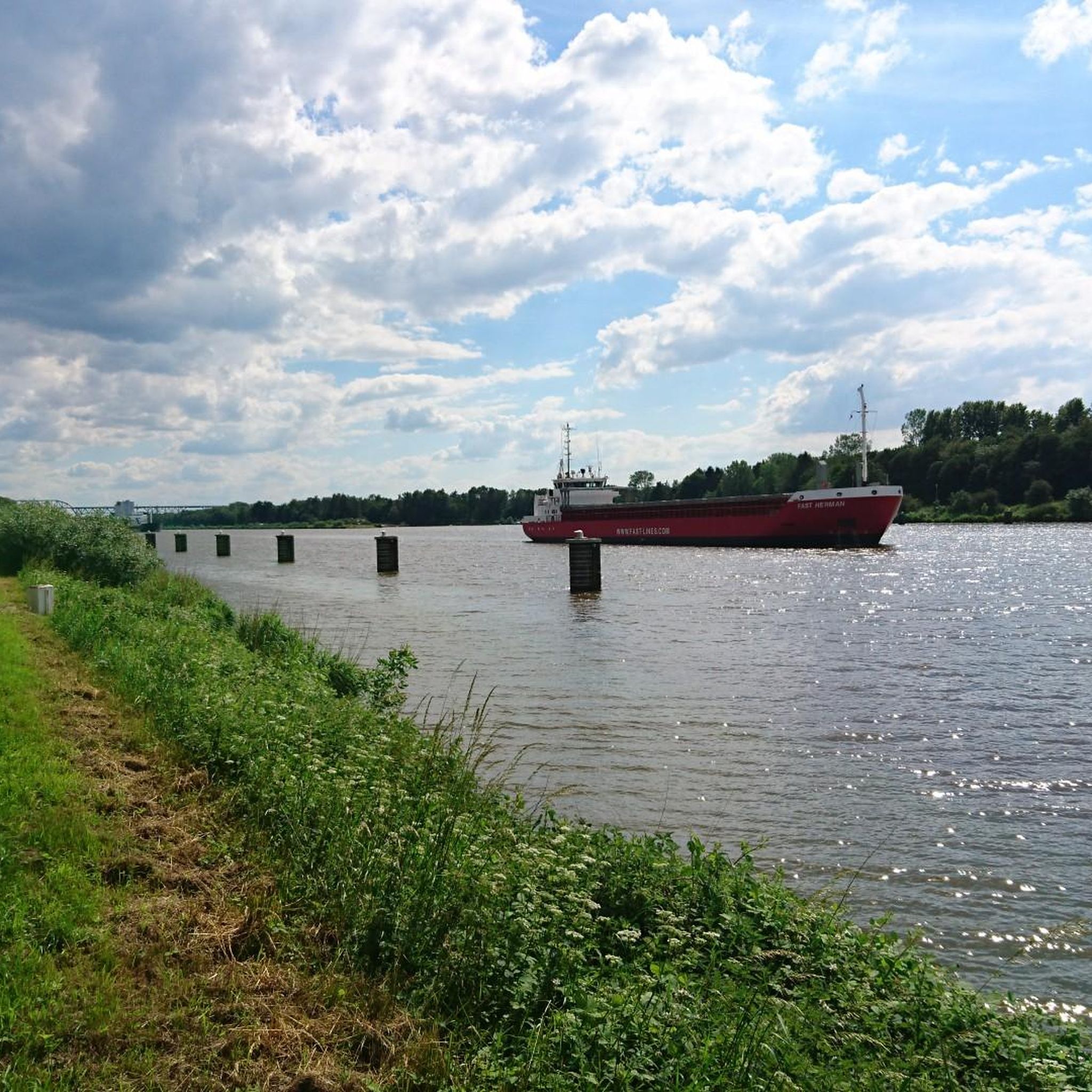
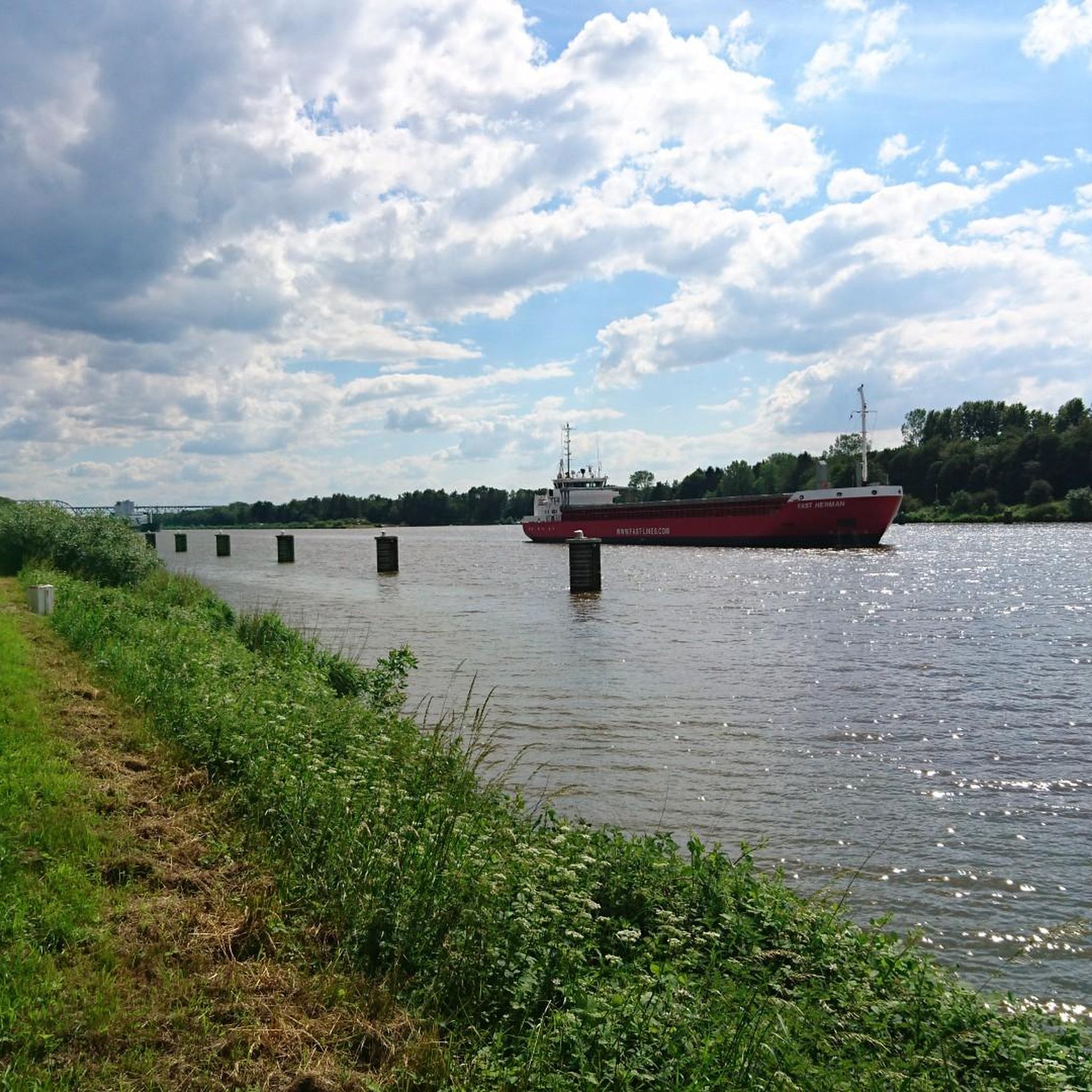
Lowest Point in Germany
Highlight • Natural Monument
Translated by Google •
Tip by

Exposed roots of the ancient beech in the Gieselau Valley
Highlight • Natural Monument
Translated by Google •
Tip by

Sign up now to discover places like this
Get recommendations on the best single tracks, peaks, & plenty of other exciting outdoor places.
Sign up for free
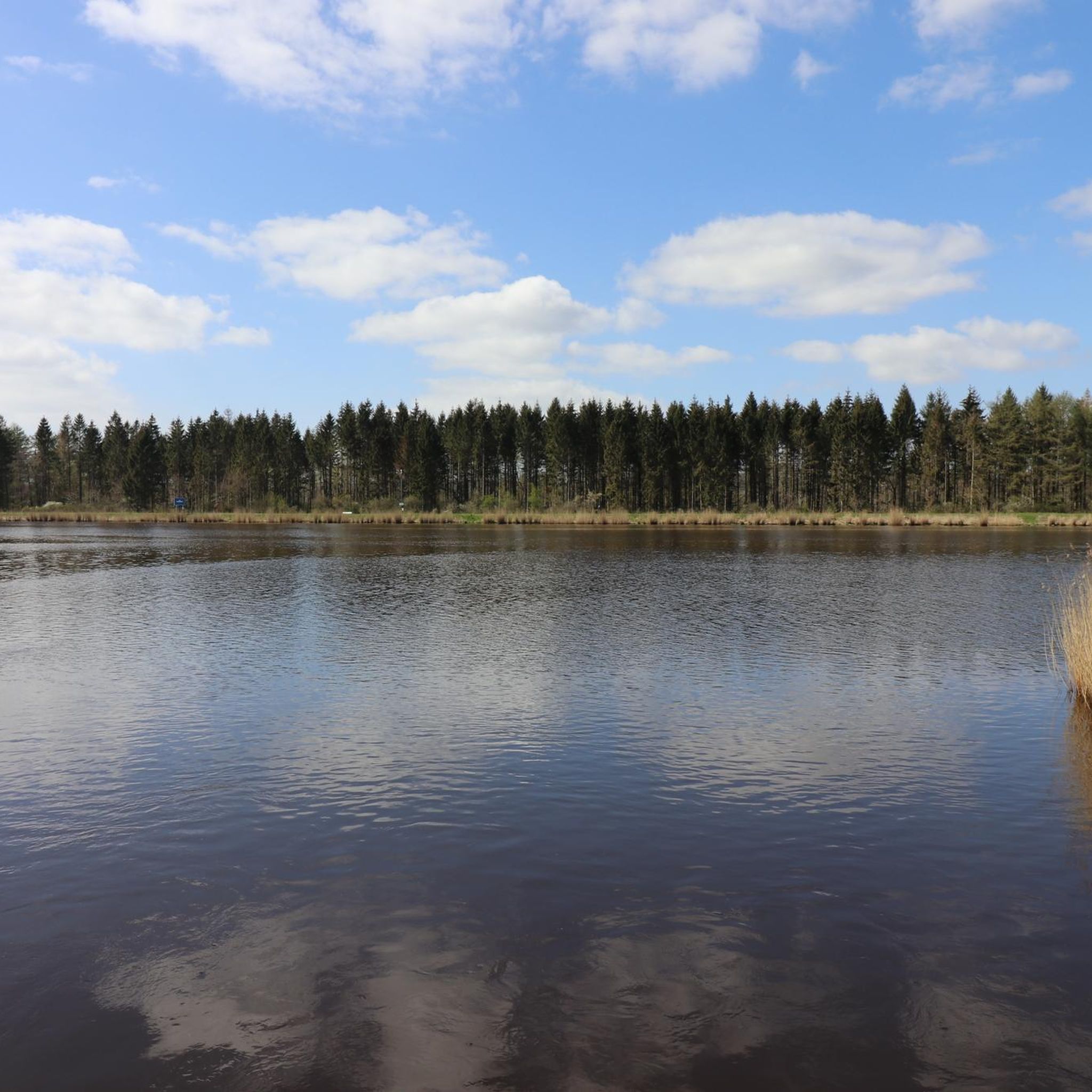
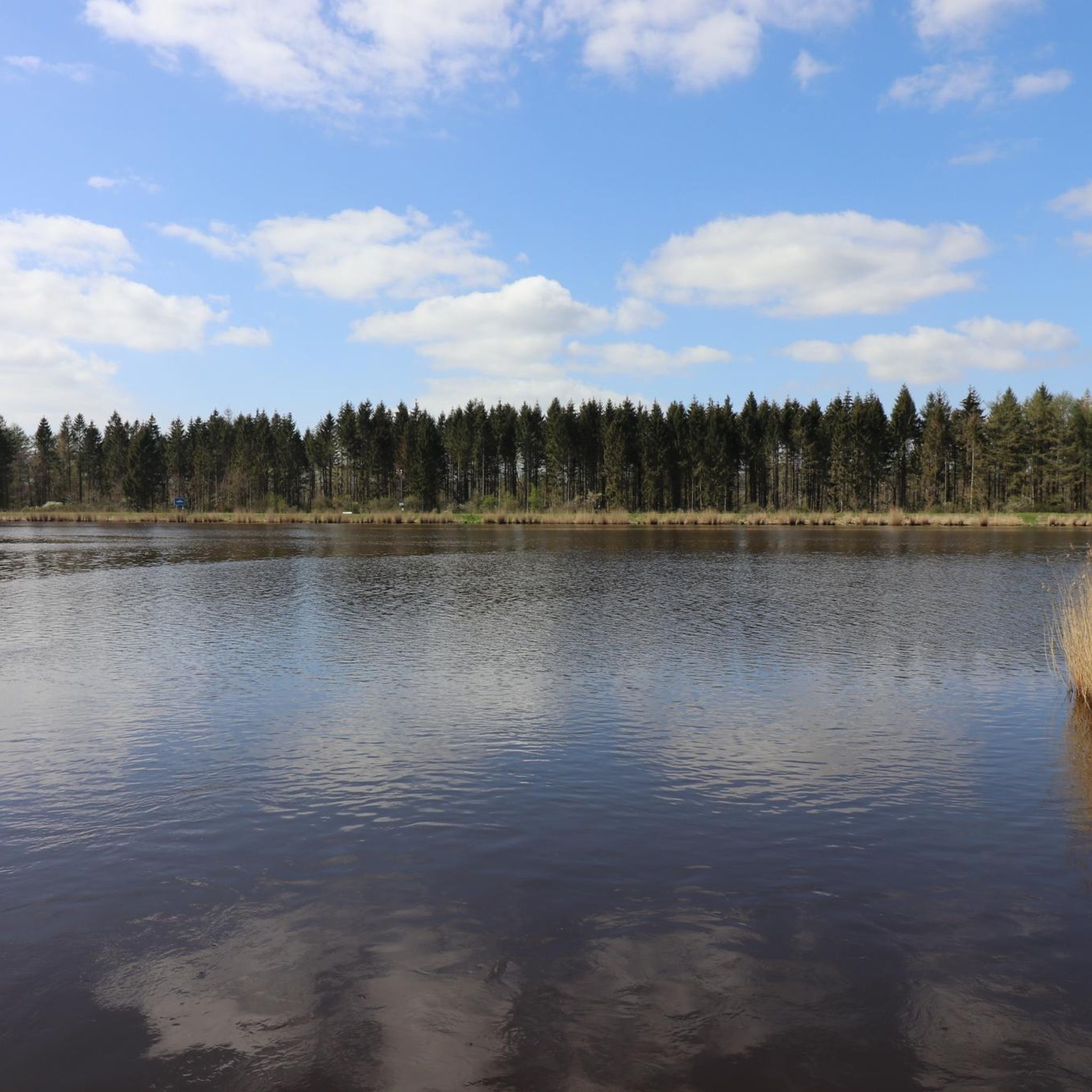
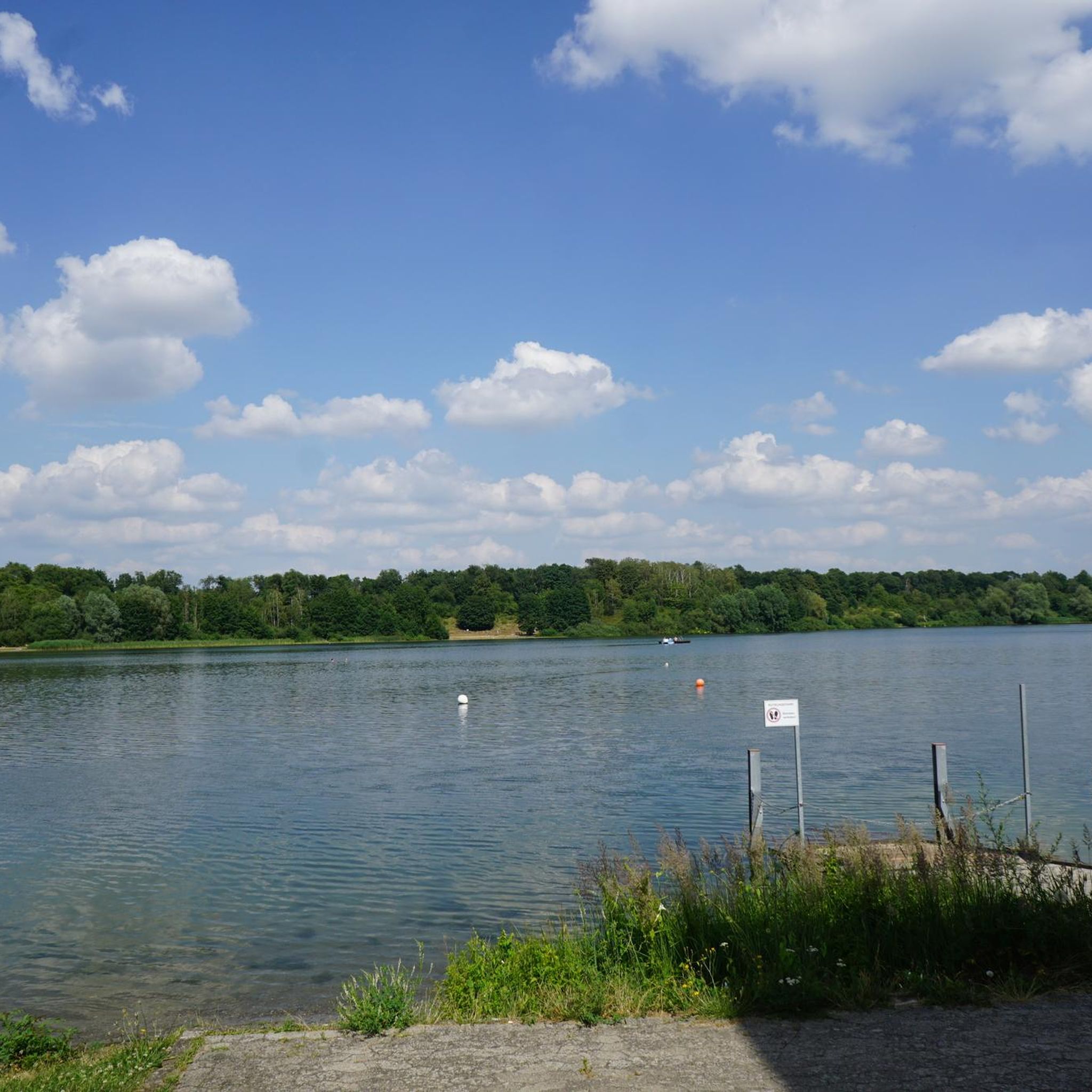
Muldsberg Clay Pit Lake
Highlight • Lake
The mining in the …
Translated by Google •
Tip by

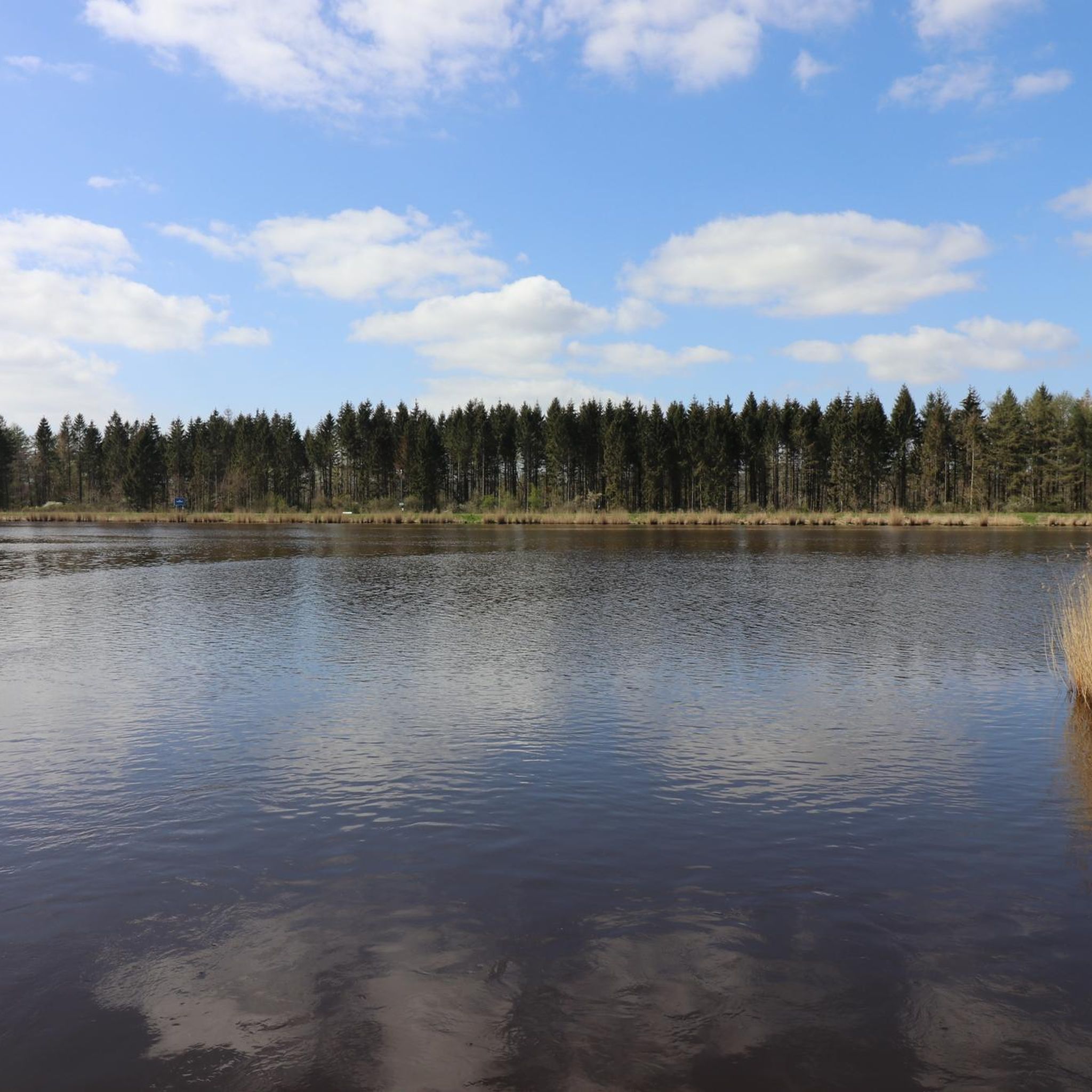
Herrenmoor Nature Reserve near Kleve
Highlight • Natural Monument
Translated by Google •
Tip by

Brutkamp Megalithic Tomb
Highlight • Historical Site
Legends and legends loom around the Burtkamp - just because of the size of the capstone. …
Translated by Google •
Tip by

Sign up for free to discover even more natural monuments around Holstenniendorf.
Sign up for free
Already have an account?
Start today with a free account
Your next adventure awaits.
Login or Signup
Tips from the Community

Very clean place with shelter and guest book
3
0

Really a very interesting root system
1
0

Very nice view, with a bad route
0
0

Who can claim that they were once below sea level? Great highlight!
2
0

It's always impressive how the trees with such fascinating root systems can hold their own above ground in wind and weather 🌳...
1
0

The “Herrenmoor near Kleve” can be circumnavigated on foot from Nuttelner Vierth on municipal paths. Some of the paths are also accessible by bike. Unfortunately, the railway bridge from Kleve "Achtern Barg" to Nuttelner Vierth/Nuttelner Heide Hügel was dismantled and no replacement was made for cost reasons. This slowly beginning moor development can now be experienced by the visitor on the Nutteln moor side, where a small oak plank path leads into the moor grassland areas. https://www.steinburg.de/kreisverwaltung/information-der-fachaemter/amt-fuer-umweltschutz/naturschutz/schutzgebiete-u-schuetzte-objects/nreservate/herrenmoor-bei-kleve.html
5
1

This stone grave is the one shown in the coat of arms of Albersdorf.
2
0

Neolithic megalithic tomb This megalithic tomb from the Neolithic period (from 3400 BC) was examined in detail in 1908. It was completely preserved, ceramics and flint tools were found as grave goods. What is special about this grave are the different representations in one of the three large capstones, most of which look like small bowls - hence the name. But there are also hands (in pairs), a foot, a circle around one of the bowls and shallow grooves.
1
0
Frequently Asked Questions
What are some of the most unique natural monuments around Holstenniendorf?
Holstenniendorf is known for its distinctive natural features. One of the most unique is the Lowest Point in Germany, located 3.54 meters below sea level, showcasing the region's polder landscape and human engineering. Another fascinating spot is the Exposed roots of the ancient beech in the Gieselau Valley, where a more than 200-year-old beech tree reveals its intricate root system.
Are there family-friendly natural monuments to visit in the Holstenniendorf area?
Yes, several natural monuments around Holstenniendorf are suitable for families. The Exposed roots of the ancient beech in the Gieselau Valley is a popular discovery spot for children. The Dellbrücker Chamber Megalithic Tomb, while historical, is also categorized as family-friendly, offering an engaging glimpse into ancient history. Additionally, the Muldsberg Clay Pit Lake offers a circular route that is great for a family outing.
What kind of historical sites can be found among the natural monuments?
The region offers a blend of natural and historical significance. The Dellbrücker Chamber Megalithic Tomb is a prominent historical site, an almost 5000-year-old large cairn from the Neolithic period, providing insight into ancient human history and construction.
What outdoor activities can I do near the natural monuments in Holstenniendorf?
The area around Holstenniendorf is excellent for various outdoor activities. You can explore numerous cycling routes, such as the 'Lowest Point in Germany – Hohenhörn Canal Ferry loop'. For hiking, consider trails like the 'Enchanted Woodland Gate – View of the Kiel Canal loop'. There are also several running trails available. You can find more details on these activities in the respective guides: Hiking around Holstenniendorf, Cycling around Holstenniendorf, and Running Trails around Holstenniendorf.
Is the Lowest Point in Germany accessible for visitors with mobility challenges?
Yes, the Lowest Point in Germany is categorized as wheelchair accessible. While not visually spectacular, it offers a profound experience, highlighting human engineering and the elemental forces of nature in the polder landscape.
What makes the Lowest Point in Germany worth visiting?
The Lowest Point in Germany, at 3.54 meters below sea level, is impressive for its demonstration of human engineering against natural forces. Displays illustrate storm surge levels, showing how the Elbe River impacts the area and the necessity of dikes. It offers a unique perspective on the interplay between land and water in this polder landscape.
Are there any nature reserves or areas for wildlife observation?
Yes, the Herrenmoor Nature Reserve near Kleve is a significant habitat for many species. This huge nature reserve has been undergoing renaturation since the 1990s, with drainage reversed to back up water, creating a rich environment for wildlife. The Muldsberg Clay Pit Lake is also developing into a biotope, with a small cormorant population often observed there.
Can I bring my dog on walks around Holstenniendorf's natural monuments?
While specific regulations can vary, many natural areas and trails around Holstenniendorf are generally dog-friendly. For instance, the circular route around Muldsberg Clay Pit Lake is a pleasant option for walks with your dog. Always ensure your dog is on a leash and that you clean up after them to respect the local environment and other visitors.
What is the best time to visit the natural monuments in Holstenniendorf?
The natural monuments around Holstenniendorf can be enjoyed throughout the year, each season offering a different perspective. Spring and summer are ideal for lush greenery and longer daylight hours, perfect for hiking and cycling. Autumn brings beautiful colors, especially around forested areas like the Gieselau Valley. Even winter can offer unique, tranquil experiences, particularly around the Muldsberg Clay Pit Lake, which is wonderful for hiking in every season.
Where can I find refreshments or accommodation near the natural monuments?
Holstenniendorf and its surrounding villages offer various options for refreshments and accommodation. While specific establishments are not listed here, you will find local cafes, pubs, and guesthouses in the nearby communities. It's advisable to check local listings or online resources for current options when planning your visit.
How can I get to the natural monuments using public transport?
Public transport options to Holstenniendorf and its natural monuments are available, though they may require some planning. Regional bus services connect Holstenniendorf with larger towns. For specific routes and schedules to individual natural monuments like the Lowest Point in Germany, it's best to consult local public transport websites or apps for the most up-to-date information.
Are there any circular walks available around the natural monuments?
Yes, for example, the Muldsberg Clay Pit Lake features a five-kilometer circular route with resting places, perfect for a leisurely walk. The Exposed roots of the ancient beech in the Gieselau Valley is also part of a beautiful circular hiking trail.
Most popular routes around Holstenniendorf
Most popular attractions around Holstenniendorf

Get inspired with the komoot mobile app


Explore more
Extend your search for the best caves by checking out these guides of the top ones around Holstenniendorf:
