Top 20 Natural Monuments around Bokelrehm
Best natural monuments around Bokelrehm are defined by the unique geography of the Wilstermarsch region, which features the lowest accessible natural point in Germany. This area is characterized by its reclaimed marshland, a testament to extensive human intervention with dikes and sophisticated drainage systems. The landscape offers a blend of geographical significance, ecological interest, and insights into human adaptation to nature.
Best natural monuments around Bokelrehm
- The most popular natural monuments is Lowest Point in Germany, a natural monument…
Last updated: July 8, 2026
Lowest Point in Germany
Highlight • Natural Monument
Translated by Google •
Tip by

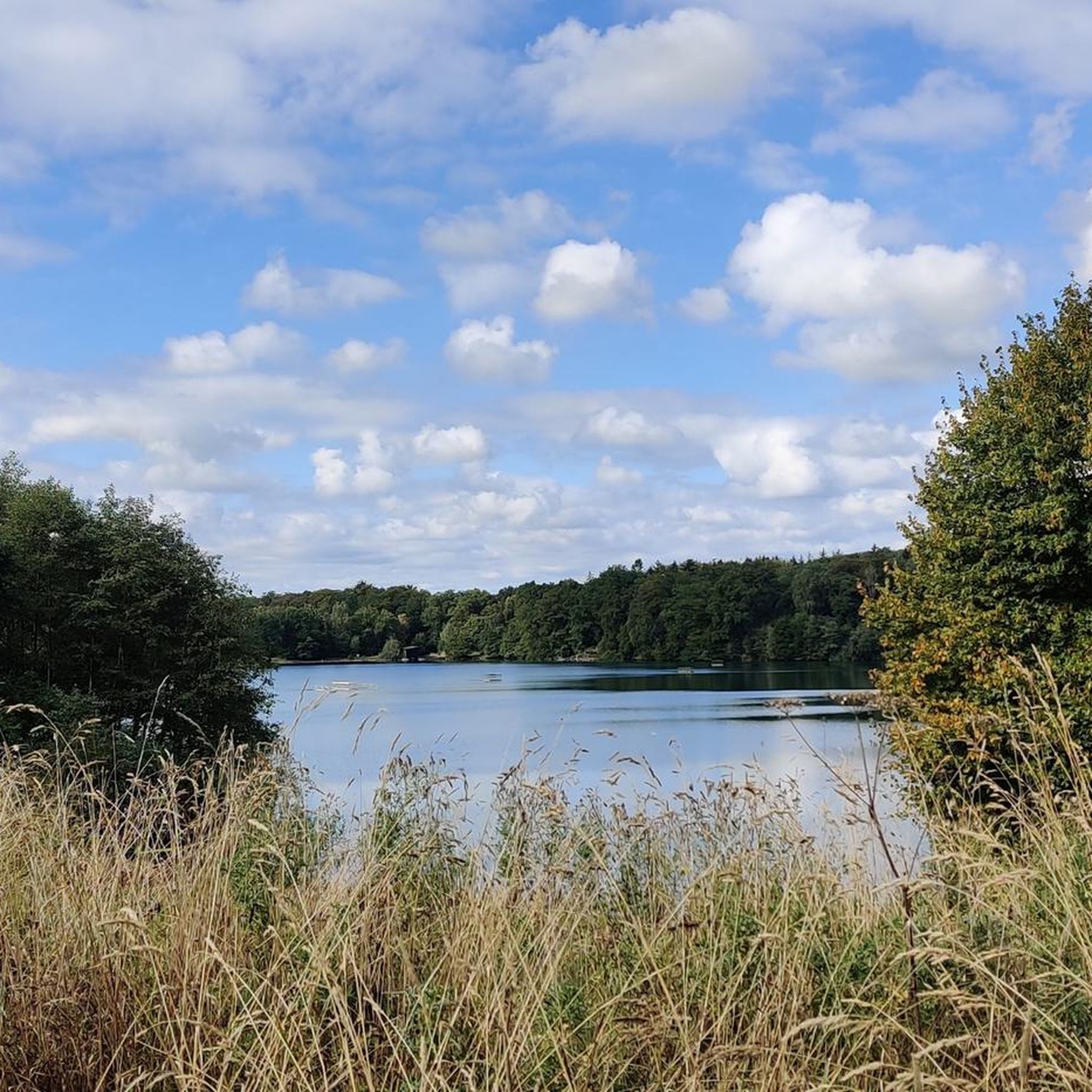
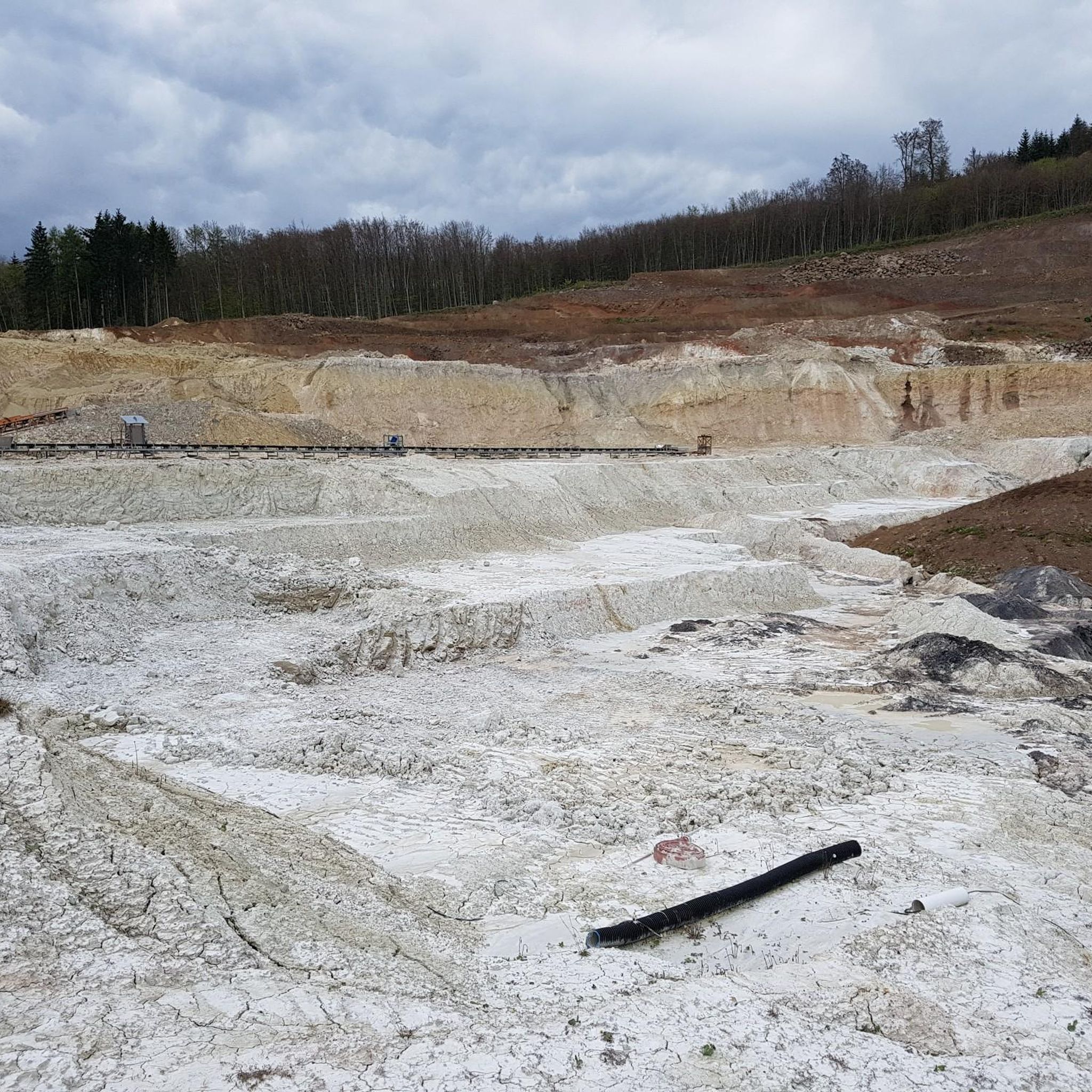
Muldsberg Clay Pit Lake
Highlight • Lake
The mining in the …
Translated by Google •
Tip by

Sign up now to discover places like this
Get recommendations on the best single tracks, peaks, & plenty of other exciting outdoor places.
Sign up for free
Herrenmoor Nature Reserve near Kleve
Highlight • Natural Monument
Translated by Google •
Tip by

Herthateich
Highlight • Lake
Translated by Google •
Tip by

Old Oak of Schafstedt
Highlight • Natural Monument
Translated by Google •
Tip by

Sign up for free to discover even more natural monuments around Bokelrehm.
Sign up for free
Already have an account?
Start today with a free account
Your next adventure awaits.
Login or Signup
Tips from the Community

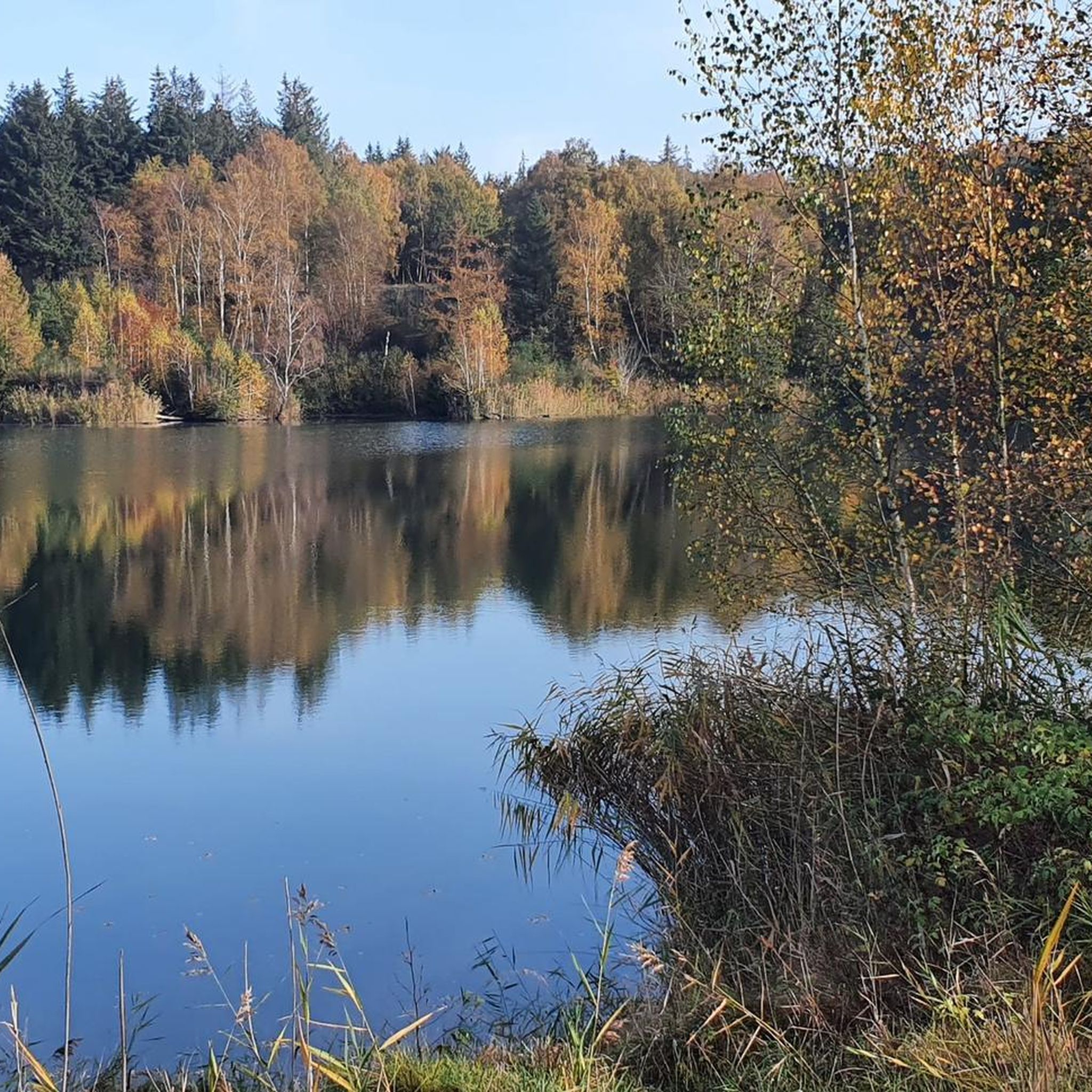
The Herthateich pond is the ideal place to experience Burg's unusual topography (forest and hills in the heart of Dithmarschen). It combines nature (orchard), culture (open-air stage), and history (Bökelnburg Castle) in a very small area. The Herthateich is located in the center of the health resort of Burg. The area is characterized by a strong contrast to the otherwise rather flat marsh landscape of Dithmarschen. Because Burg lies on the geest (a ridge), the area around the pond is hilly and wooded, giving it an almost fairytale-like, sheltered atmosphere.
0
0

Very clean place with shelter and guest book
3
0

Very nice view, with a bad route
0
0

Who can claim that they were once below sea level? Great highlight!
2
0

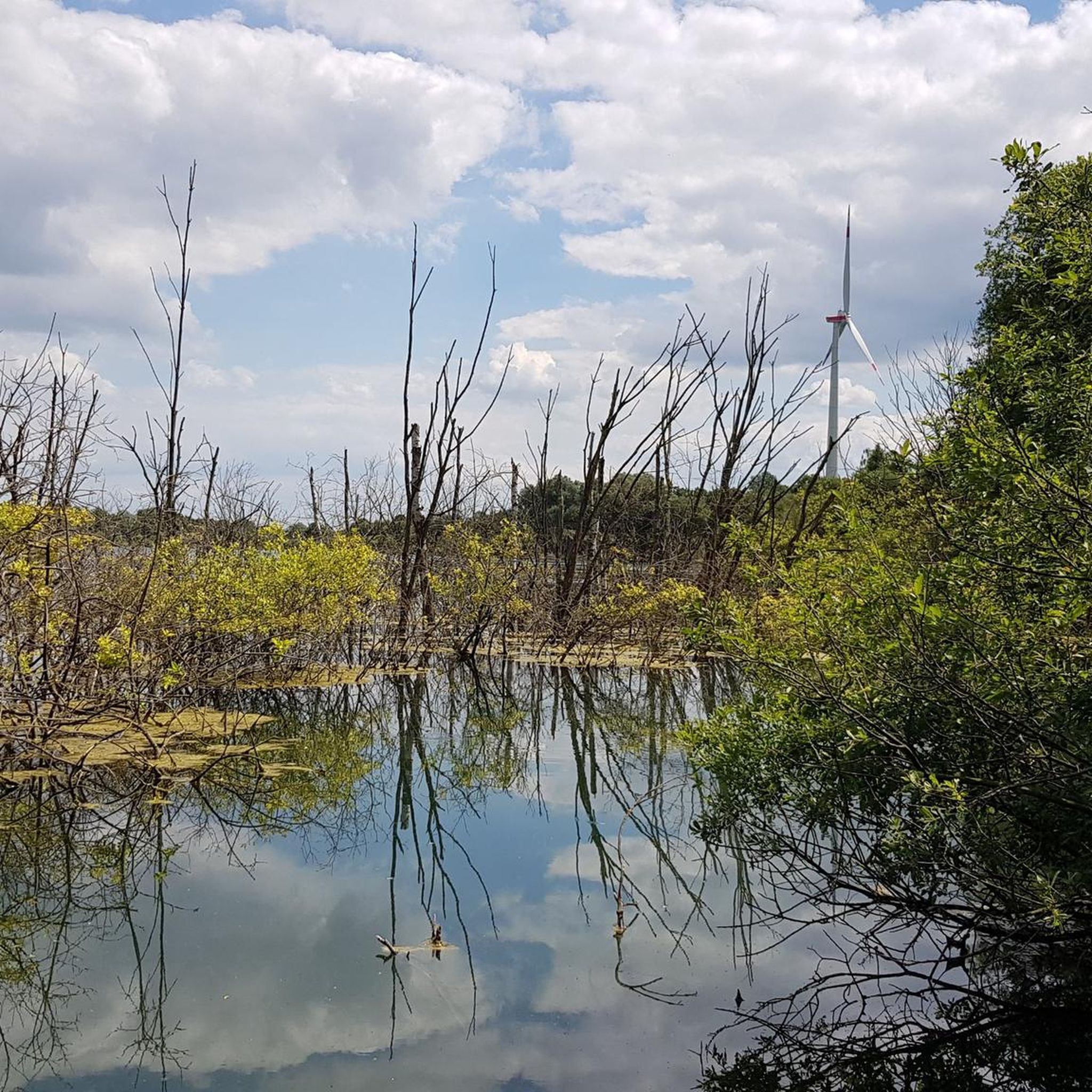
The “Herrenmoor near Kleve” can be circumnavigated on foot from Nuttelner Vierth on municipal paths. Some of the paths are also accessible by bike. Unfortunately, the railway bridge from Kleve "Achtern Barg" to Nuttelner Vierth/Nuttelner Heide Hügel was dismantled and no replacement was made for cost reasons. This slowly beginning moor development can now be experienced by the visitor on the Nutteln moor side, where a small oak plank path leads into the moor grassland areas. https://www.steinburg.de/kreisverwaltung/information-der-fachaemter/amt-fuer-umweltschutz/naturschutz/schutzgebiete-u-schuetzte-objects/nreservate/herrenmoor-bei-kleve.html
5
1

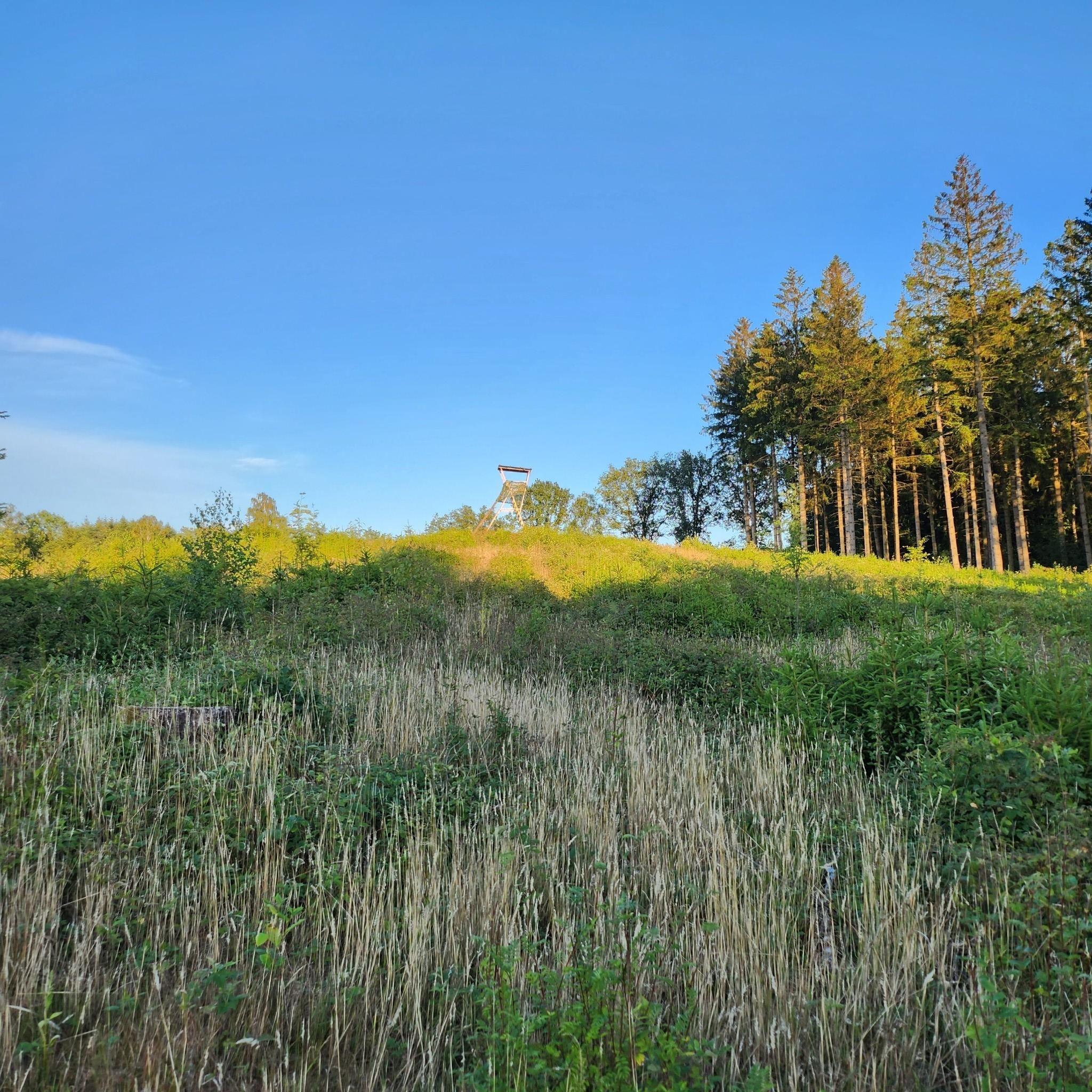
short break and the view over the Herrenmoor, which is being renatured.
3
0

Three stone tables were found at the Hertha pond, which are boulders completely smoothed by glaciers. One of the stones was stolen in the 1950s. The other two are still at their original place of discovery directly at the Hertha pond, where they were placed in pre-Christian times. Hertha was the goddess of fertility and investigations have shown that this place may have served as a place of things where justice was administered.
1
0

Yin and Yang, where there was on the Zugspitze, should also have a look. Nicely done and not as crowded as on the Zugspitze.
5
1
Frequently Asked Questions
What makes the natural monuments around Bokelrehm unique?
The natural monuments around Bokelrehm are primarily defined by the unique geography of the Wilstermarsch region. This area features the lowest accessible natural point in Germany, which is 3.54 meters below sea level. The landscape is characterized by reclaimed marshland, showcasing extensive human intervention with dikes and sophisticated drainage systems, offering a blend of geographical significance, ecological interest, and insights into human adaptation to nature.
What is the most significant natural monument to visit near Bokelrehm?
The most significant natural monument is undoubtedly the Lowest Point in Germany, also known as the Lowest Point in Schleswig-Holstein. This unique location is 3.54 meters below sea level, making it the lowest accessible natural point in the entire country. It offers a tangible connection to Germany's unique geography and highlights the impressive engineering efforts required to inhabit and cultivate land below sea level. A mast at the site displays historical storm surge heights, providing a powerful visual representation of the elemental forces at play.
Are there any nature reserves worth exploring near Bokelrehm?
Yes, the Herrenmoor Nature Reserve near Kleve is a must-see. This high moor provides insight into how the landscape originally appeared before human regulation of water. It is one of the last preserved high moors in Schleswig-Holstein and serves as a refuge for rare plants, such as peat mosses and sundew, as well as animals like cranes, dragonflies, and amphibians. It's a great habitat for many species and offers paths for exploration.
What kind of natural features can I expect to see besides the lowest point and moors?
You can also visit the Muldsberg Clay Pit Lake. This former clay pit has been redeveloped as a biotope and recreational area. Since artificial dewatering was discontinued, it has filled with groundwater, creating a natural oasis that is constantly changing. It features a five-kilometer circular route and diverse wildlife, including a small cormorant population, making it ideal for nature lovers.
Are there any historical sites among the natural monuments?
Yes, the Krinkberg Bronze Age Burial Mounds are an interesting historical site. These are two archaeological monuments from the Bronze Age, offering a glimpse into the region's ancient past amidst the natural landscape.
What outdoor activities can I do near these natural monuments?
The region around Bokelrehm offers various outdoor activities. You can enjoy cycling on routes like the 'Wacken Sign – Wacken Sign loop' or 'Bokelrehm – Am Vieh Theater loop'. For gravel biking, explore routes such as 'Historic Drage Manor – Hungriger Wolf Airfield loop'. Mountain biking enthusiasts can find trails like 'Hohenhörn High Bridge – Grünental High Bridge loop'. You can find more details on these activities in the Cycling around Bokelrehm, Gravel biking around Bokelrehm, and MTB Trails around Bokelrehm guides.
Are the natural monuments around Bokelrehm family-friendly?
Many of the natural monuments are considered family-friendly. The Lowest Point in Germany, Muldsberg Clay Pit Lake, and Krinkberg Bronze Age Burial Mounds are all suitable for families, offering educational experiences and gentle exploration opportunities.
Is the Lowest Point in Germany accessible for wheelchairs?
Yes, the Lowest Point in Germany is listed as wheelchair accessible, making it possible for a wider range of visitors to experience this unique geographical landmark.
What do visitors enjoy most about the natural monuments in this region?
Visitors frequently highlight the unique geographical significance of the Lowest Point in Germany, finding it impressive and educational, especially with the storm surge level displays. The tranquil and expansive marshlands, along with the opportunity to observe rare plants and animals in places like Herrenmoor Nature Reserve, are also highly appreciated. The redeveloped Muldsberg Clay Pit Lake is loved for its circular route and diverse wildlife.
What is the best time to visit the natural monuments around Bokelrehm?
While specific data on the best time to visit isn't provided, the region's natural beauty, especially the marshlands and nature reserves, can be enjoyed throughout the warmer months, from spring to early autumn. These seasons offer pleasant weather for outdoor activities like cycling and exploring the natural landscapes. The educational aspects of the Lowest Point in Germany are accessible year-round.
Are there hiking opportunities around the natural monuments?
Yes, there are opportunities for walking and hiking. For instance, the Muldsberg Clay Pit Lake features a five-kilometer circular route perfect for a leisurely hike. The Herrenmoor Nature Reserve near Kleve can also be circumnavigated on foot, with some paths accessible for bikes as well, offering a chance to experience the unique moorland environment.
Most popular routes around Bokelrehm
Most popular attractions around Bokelrehm

Get inspired with the komoot mobile app


Explore more
Extend your search for the best caves by checking out these guides of the top ones around Bokelrehm:
