Top 20 Natural Monuments around Reichelsheim
Best natural monuments around Reichelsheim are situated within the Geo-Nature Park Bergstraße-Odenwald, offering access to diverse geological and historical features. The region provides a landscape characterized by natural formations and historical sites. Visitors can explore various natural monuments that showcase the area's unique environment. Reichelsheim serves as a central point for discovering the natural surroundings of the upper Gersprenztal.
Best natural monuments around Reichelsheim
- The most popular natural monuments is Celtic World at the Glauberg, a historical site that…
Last updated: July 8, 2026
Celtic World at the Glauberg
Highlight • Historical Site
Translated by Google •
Tip by

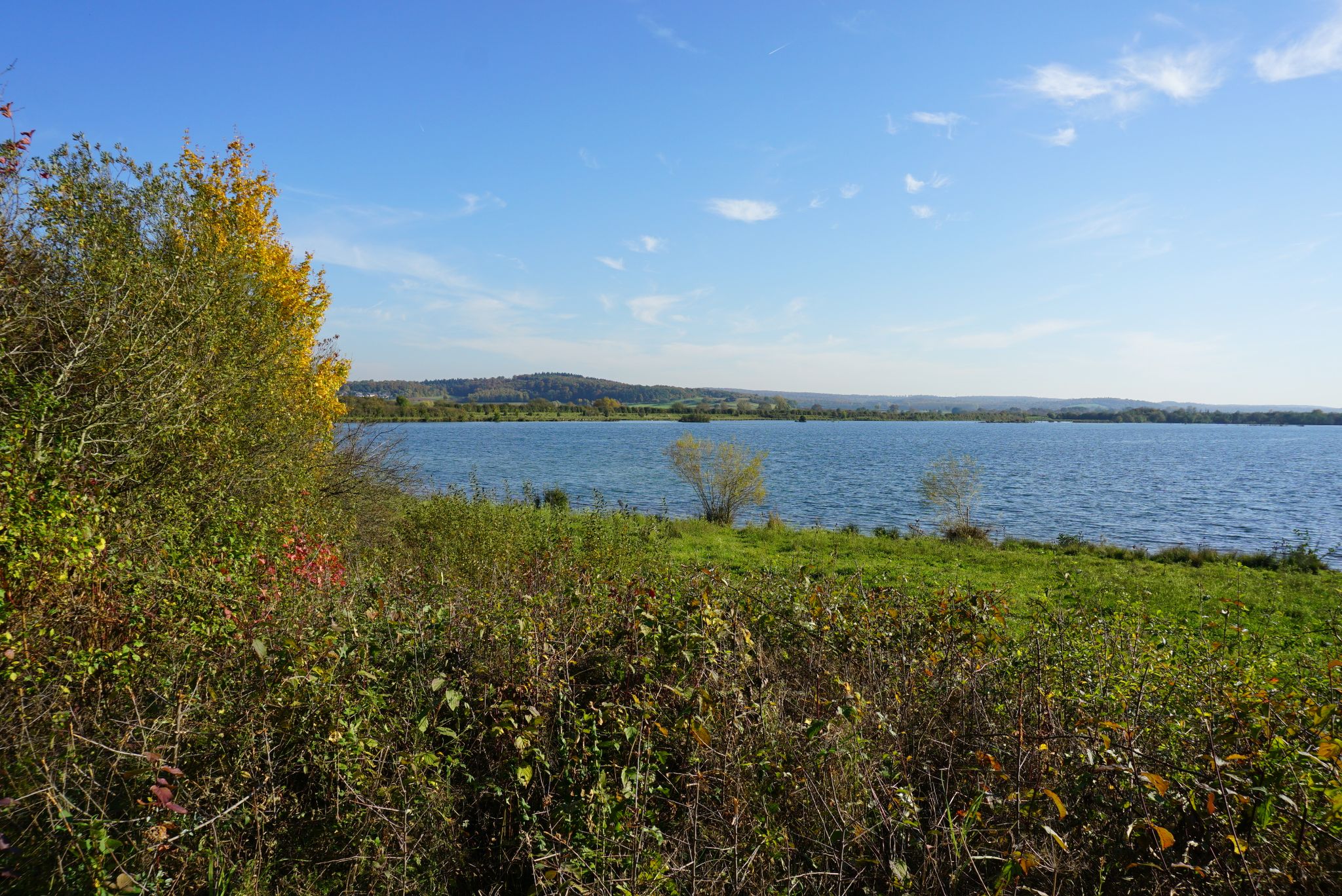
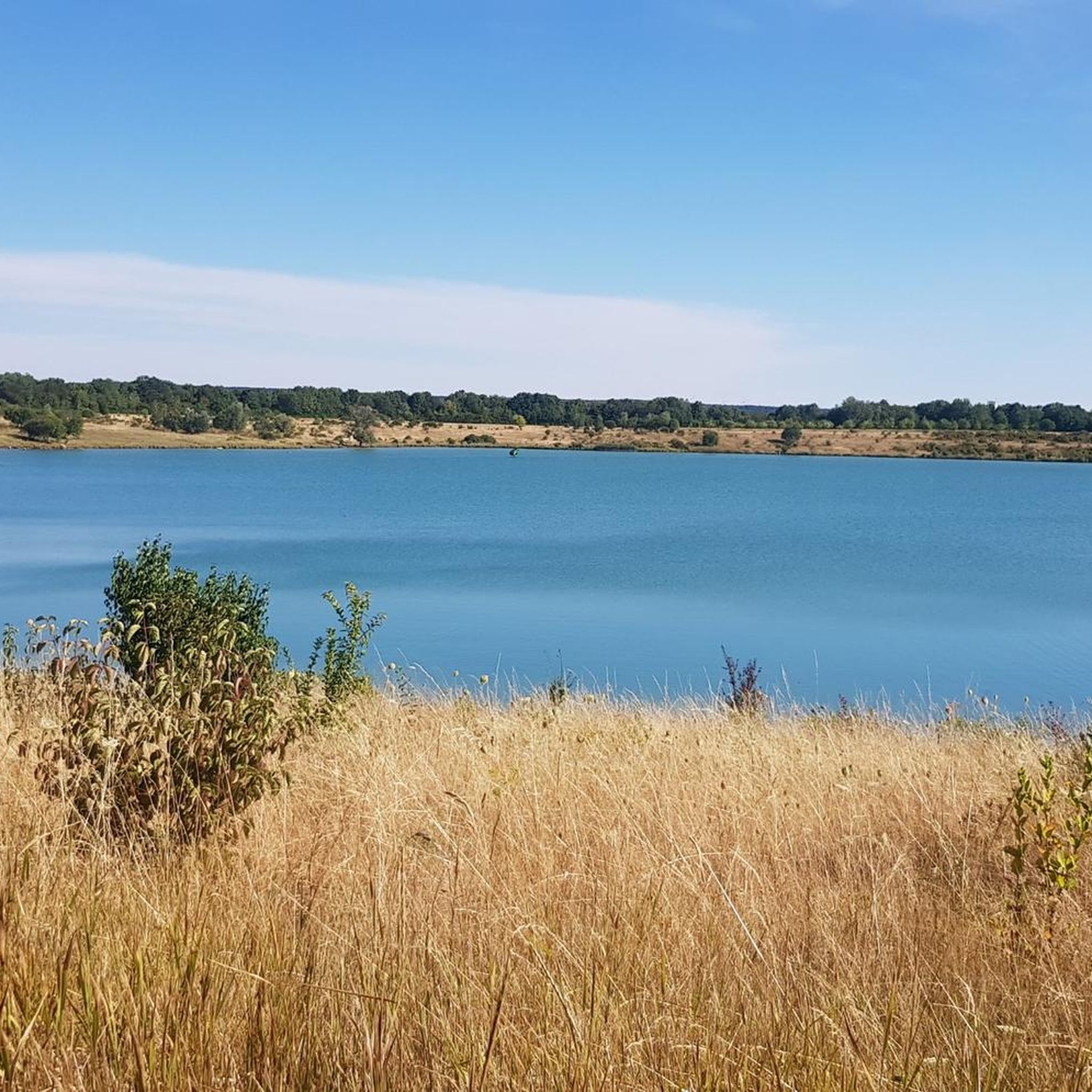
Wölfersheimer See
Highlight • Lake
It lies at the center of the two cycling routes (north and south) of the Wetterau Lake District. Further information:
wetterauer-seenplatte.de/pages/radfahren.php
Translated by Google •
Tip by

Sign up now to discover places like this
Get recommendations on the best single tracks, peaks, & plenty of other exciting outdoor places.
Sign up for free
Staden Carbonated Spring
Highlight • Natural Monument
Translated by Google •
Tip by

Celtic burial mound and post alignments at Glauberg
Highlight • Historical Site
The landscape around the museum is characterized by fields and wooded areas.
A visit to the museum …
Translated by Google •
Tip by

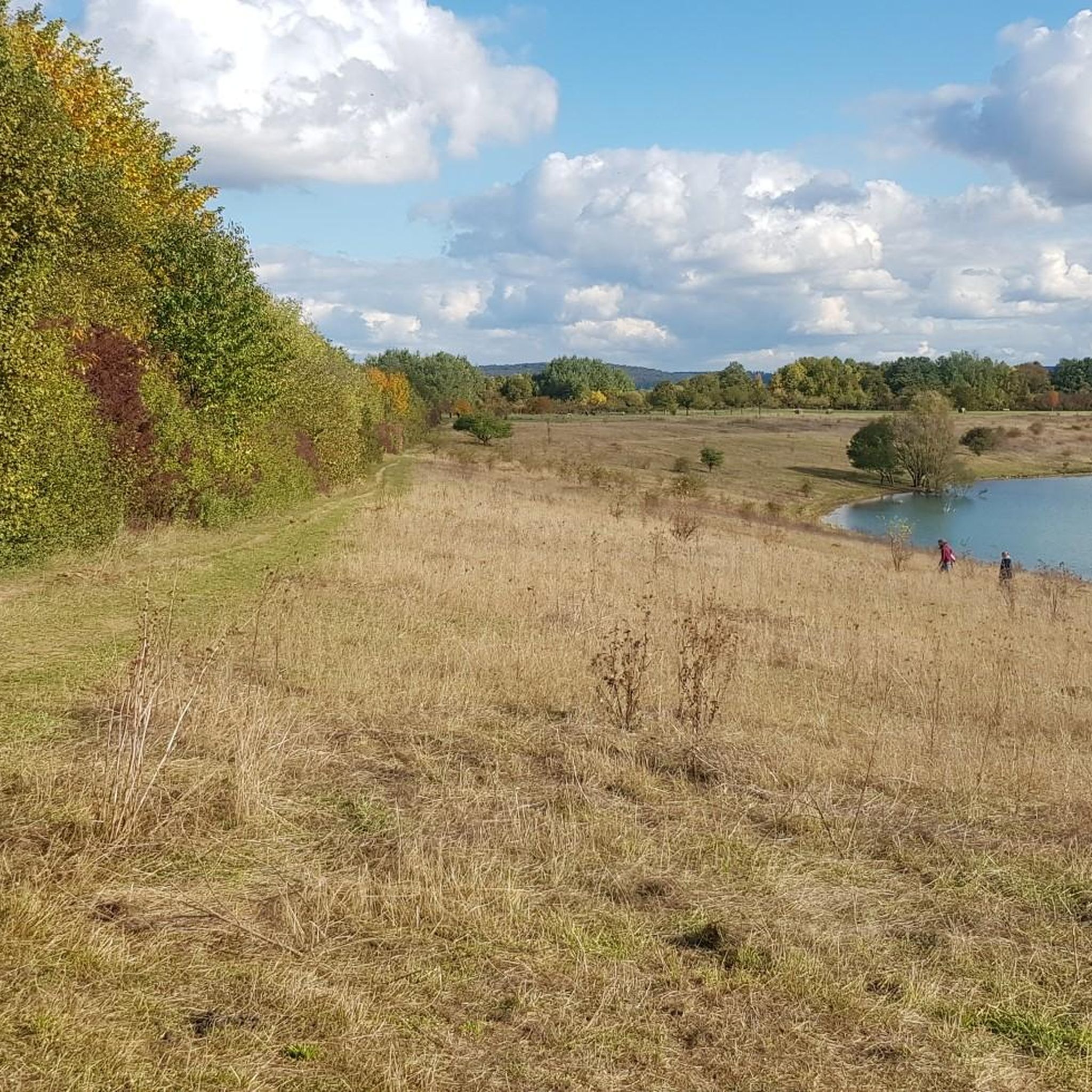
Nidderauen von Stockheim Nature Reserve
Highlight • Natural Monument
Showing Translation
Tip by

Sign up for free to discover even more natural monuments around Reichelsheim.
Sign up for free
Already have an account?
Start today with a free account
Your next adventure awaits.
Login or Signup
Other adventures around Reichelsheim

Tips from the Community

In the Nidderauen nature reserve near Stockheim, your gaze quickly wanders upwards. The white stork breeds in the crowns of the deadwood. Numerous stork families find their home here. Their impressive nests can be easily observed from the roadside. But lapwings, snipes, and tree frogs also share this species-rich area, which was placed under special protection as early as 1981. The course of the Nidder was partially renatured in 2005, and in the process, a wide network of still waters was created, serving as a retreat for resting birds.
1
0

Very interesting
3
1

Origin from the Wölfersheim opencast mine From 1937, the Braunkohlen-Schwel-Kraftwerk Hessen-Frankfurt AG (HEFRAG), a subsidiary of the Preußische Elektrizitäts AG (PREAG), operated several brown coal opencast mines in the Wetterau lignite mining area to supply the Wölfersheim opencast power plant. One of the first of these was the Wölfersheim opencast mine, right next to the power plant. After the fields there had been mined out in 1943, they were partially filled with waste and the area was recultivated. This left several remaining holes, which filled with groundwater over time. In addition to the largest, the Wölfersheimer See with 37 hectares, there are two smaller lakes a few hundred meters further east (Schwelteich in the Schwelteich nature reserve of Echzell) and to the north (Heldteich). Overall, the water areas take up less than half of the former open-cast mine.
7
0
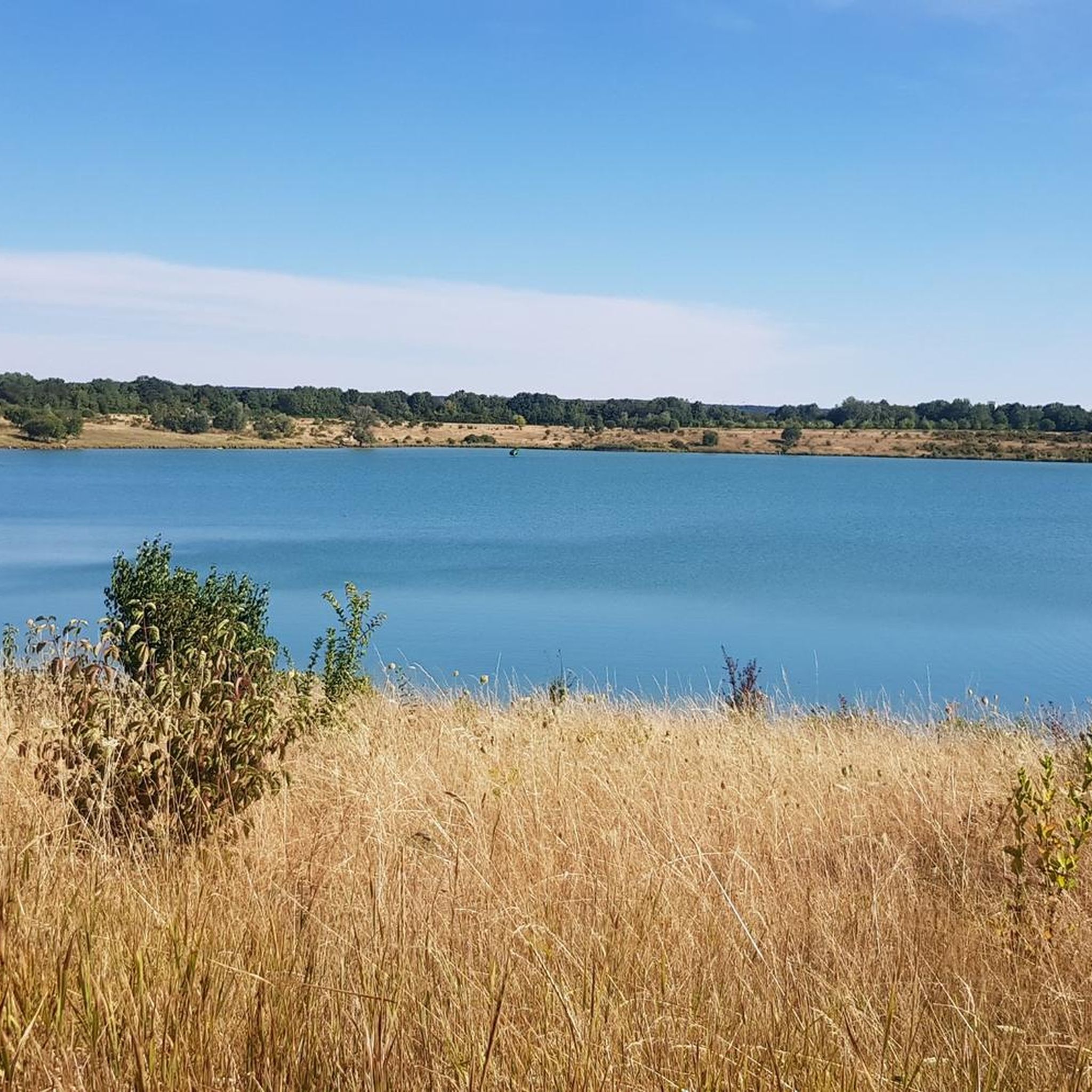
The Wölfersheimer See is a lake east of the Hesse town of Wölfersheim. At almost 40 hectares, the lake is the largest in the Wetterau. It was created as an opencast mine residue lake after the closure of the Wölfersheim lignite opencast mine. It was later used as a cooling pond for the Wölfersheim power plant. Today it serves as a natural area, as a sailing area, as a fishing area and for local recreation. Swimming is prohibited. The lake (2023) no longer contains oxygen from a depth of two and a half meters; According to the State Office for Nature Conservation, Environment and Geology, the phosphate content is 15 to 20 times higher than is acceptable for inland water.
7
0

The fountain is in a beautifully designed, well-kept park with many benches for resting and picnicking
7
0
On the way to the Nidda cycle path we pass this small, fine park every now and then and enjoy the refreshment that the cool water of the fountain offers...
12
0

We have never seen so many storks on a bike tour
5
0

Many storks can be seen along the way
8
1
Frequently Asked Questions
What are some of the most unique natural monuments to visit near Reichelsheim?
One of the most unique natural monuments is the Felsenmeer (Sea of Rocks) near Lautertal, characterized by a vast collection of large, rounded quartz diorite rock blocks and its historical connection to Roman quarrying. Another notable site is the Wölfersheimer See, a lake formed by lignite mining, offering a peaceful natural escape.
Are there any natural monuments with historical significance in the area?
Yes, the Felsenmeer is highly significant due to the presence of the Roman Giant Column, an ancient artifact suggesting Roman quarrying activities. Additionally, the Celtic World at the Glauberg and the Celtic burial mound and post alignments at Glauberg are historical sites that are also considered natural monuments, offering insights into ancient cultures.
What kind of natural features can I expect to see at these monuments?
You can expect to see diverse natural features. The Felsenmeer showcases unique geological rock formations. The Wölfersheimer See is a large lake, while the Staden Carbonated Spring features a mineral fountain within a historic landscape park. The Rimdidim Rock, though its panoramic views are now obscured, still offers impressive rock formations and a smaller 'sea of rocks' on its slopes.
Are there family-friendly natural monuments around Reichelsheim?
Many natural monuments are family-friendly. The Felsenmeer is an engaging environment for families, allowing exploration by climbing over rock formations or following trails. The Celtic World at the Glauberg and its associated burial mound are also designed to be interesting for children, with interactive elements in the museum. The Wölfersheimer See provides a relaxing natural setting for families.
What outdoor activities can I do near these natural monuments?
The region around Reichelsheim offers numerous outdoor activities. You can find various cycling routes, such as the 'Nidda River – Staden Carbonated Spring loop' or the 'Wölfersheimer Lake – Wölfersheimer See loop'. For mountain biking, trails like the 'Nidda Reservoir – Nidda Reservoir Dam loop' are available. Running enthusiasts can explore routes like the 'Mine Lake loop'. You can find more details on these activities in the Cycling around Reichelsheim, MTB Trails around Reichelsheim, and Running Trails around Reichelsheim guides.
Are there hiking trails that incorporate these natural monuments?
Yes, many natural monuments are integrated into hiking routes. The Felsenmeer has well-marked hiking trails around the area. The Rimdidim Rock is accessible via narrow forest paths and is part of several hiking routes, including portions of the Ökumenischer Pilgerweg. Reichelsheim itself is a hub for exploring the upper Gersprenztal with numerous marked hiking trails and Geopark educational paths.
What do visitors enjoy most about the natural monuments around Reichelsheim?
Visitors particularly enjoy the blend of natural beauty and historical intrigue. The geological formations of the Felsenmeer and its Roman history are highly appreciated. The peaceful atmosphere of places like Wölfersheimer See and the refreshing water of the Staden Carbonated Spring are also popular. The panoramic views from sites like the Celtic World at the Glauberg are frequently highlighted.
Is the Rimdidim Rock worth visiting despite its obscured views?
Yes, the Rimdidim Rock offers a valuable natural experience within a tranquil forest environment. While the panoramic views are largely obscured by forest, the rock formation itself remains impressive. A smaller 'Felsenmeer' of Flasergranitoidzone on its western slope provides additional geological interest, and it's integrated into several hiking routes for those seeking a peaceful forest walk.
Can I visit the Rosenpark Dräger as a natural monument?
While primarily a cultivated garden, Rosenpark Dräger is recognized as a natural monument for its extensive collection and display of roses. It offers a beautiful natural experience, especially for rose lovers, with nicely laid out niches to relax in and comprehensive information about the flowers.
Are there any natural springs or unique water features in the area?
Yes, the Staden Carbonated Spring is a notable natural monument. Known since at least 1435, this mineral fountain gushes easily digestible, cool water. It's located within a historic landscape park, making it a refreshing stop during a visit.
What is the best time of year to visit the natural monuments around Reichelsheim?
The natural monuments around Reichelsheim can be enjoyed throughout the year, depending on your preferences. Spring and autumn offer pleasant temperatures for hiking and exploring the geological sites like the Felsenmeer. Summer is ideal for enjoying lakes like Wölfersheimer See. The forested areas, including around Rimdidim Rock, are beautiful in all seasons, with autumn foliage being particularly scenic.
Most popular routes around Reichelsheim
Most popular attractions around Reichelsheim

Get inspired with the komoot mobile app


Explore more
Extend your search for the best caves by checking out these guides of the top ones around Reichelsheim:
