Top 20 Natural Monuments around Wolfhagen
Natural monuments around Wolfhagen, a town in the Kassel district of Hesse, Germany, offer insights into the region's geology, ecology, and cultural history. The area is characterized by diverse landscapes, including wetlands, volcanic formations, and ancient trees. These sites provide varied experiences for nature enthusiasts and those interested in local heritage. The region's natural features contribute to its appeal as a destination for outdoor exploration.
Best natural monuments around Wolfhagen
- The most popular natural monuments is Helfensteine, a natural…
Last updated: August 18, 2026
Hercules Monument, Wilhelmshöhe Mountain Park
Highlight • Monument
Translated by Google •
Tip by

Neptune Basin and the Cascades, Bergpark Wilhelmshöhe
Highlight • Monument
Translated by Google •
Tip by

Sign up now to discover places like this
Get recommendations on the best single tracks, peaks, & plenty of other exciting outdoor places.
Sign up for free
Helfensteine
Highlight • Natural Monument
Translated by Google •
Tip by

Hoher Dörnberg
Highlight • Summit
Translated by Google •
Tip by

Höllenteich
Highlight • Lake
Translated by Google •
Tip by

Sign up for free to discover even more natural monuments around Wolfhagen.
Sign up for free
Already have an account?
Start today with a free account
Your next adventure awaits.
Login or Signup
Other adventures around Wolfhagen

Tips from the Community

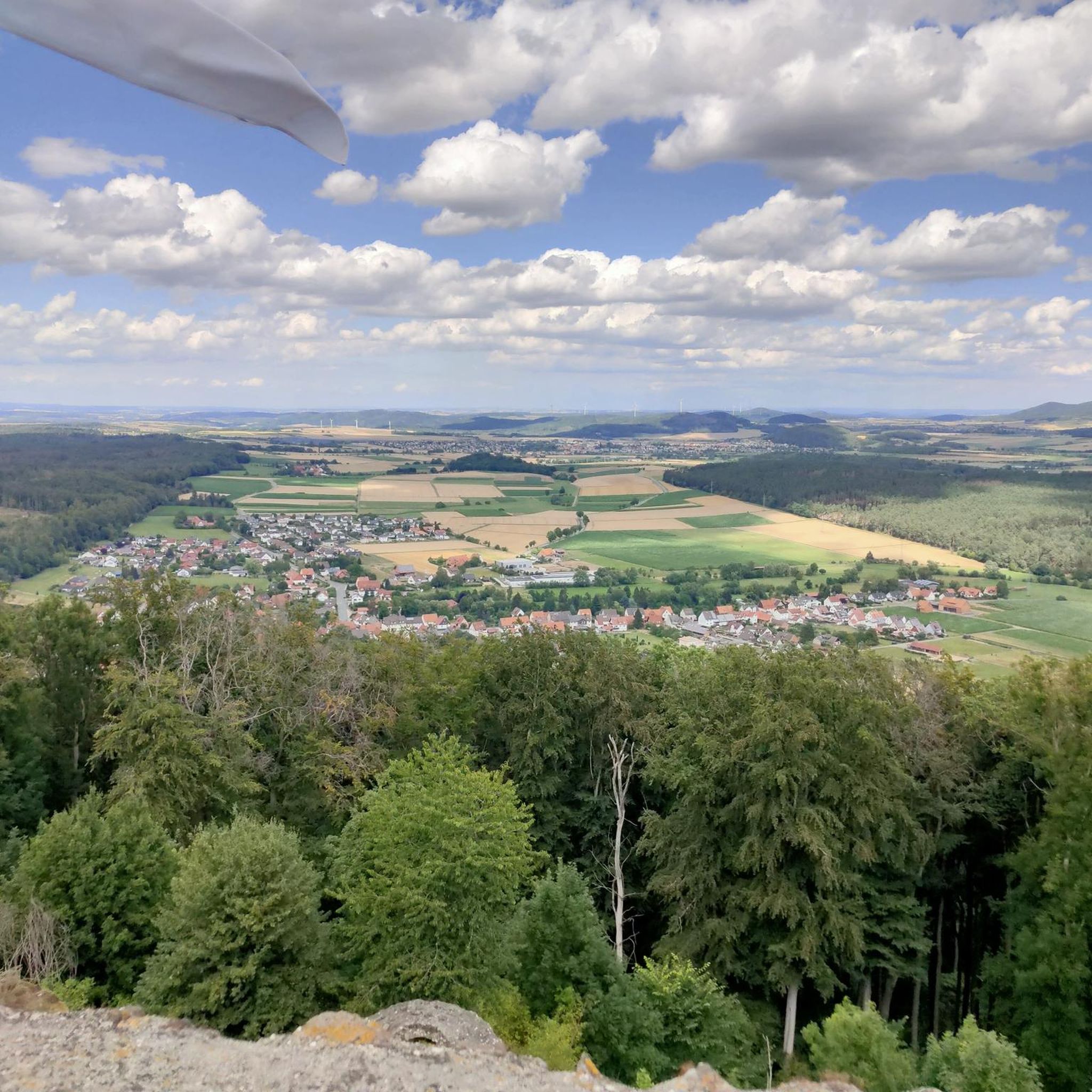
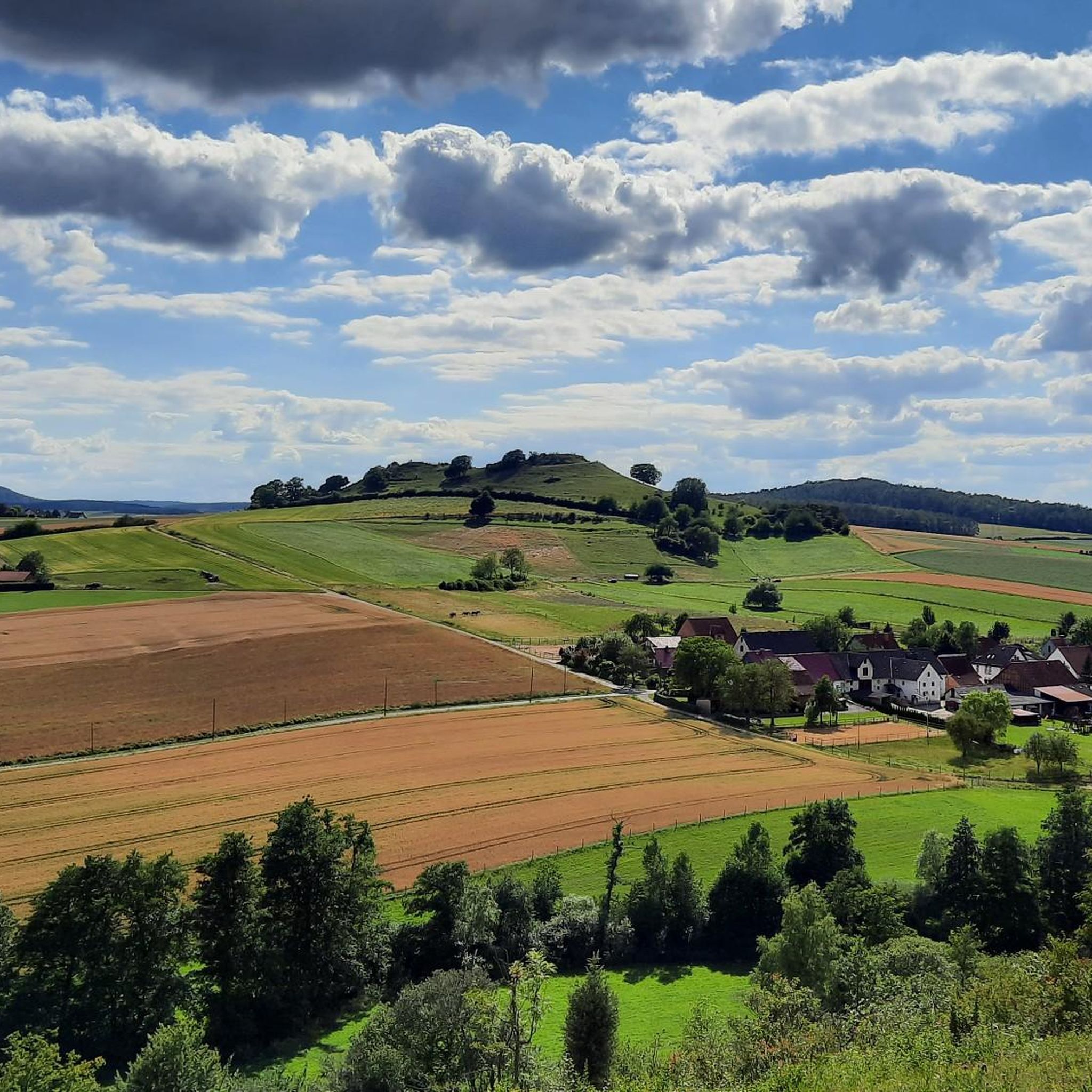
With its striking shape, the Hoher Dörnberg is the landmark of the Habichtswald Nature Park, where archaeological finds confirm settlement during the Ice Age. Its geology and cultural history, as well as its unique flora and fauna, have long attracted many people. Species-rich juniper heaths, the treeless plateau, and the striking Helfensteine rocks offer a diverse range of hiking opportunities.
4
1

The park around the castle is beautifully laid out with flower borders and the café invites you to linger with tables in the countryside and a good offer.
15
4

The Hohe Dörnberg was selected in 2020 by the Presidium for Geosciences and Geotechnologies and certified with the title "National Geotope"! This award has been presented since 2006. There are a total of 77 significant geotopes in Germany, ten of which are in Hesse. – The Hoher Dörnberg is one of them! He is thus in a row with the "Chalk Cliffs on Rügen" or the "Grube Messel". Source: https://www.naturpark-habichtswald.de/media/attractions/doernberggebiet#/article/d63cc544-5258-4cb6-80bd-4bedddd3edbf
13
1

Here you enter a place steeped in history: finds from prehistoric times prove a settlement as early as the Neolithic Age. The oldest pottery sherds found here date from the 6th and 5th centuries BC. The ramparts on the largest rock of the Helfenstein, with an artificial ditch about 100 meters long from the 12th/13th century, indicate a former high medieval castle.
14
1

Easy to hike mountain peak with a great view. The summit tour is to be embedded in a beautiful circular hike. Flyers for the possible path constellations are available in the nature park center at the Helfensteinen. The stamping point for the summiteers of North Hesse is also located near the summit.
9
1

The water bubbles over the cascades, the Steinhöfer waterfall, the Devil's Bridge and falls over the aqueduct and the Peneus cascades down to the castle pond. Here the water pressure causes the "Great Fountain" to shoot up over 50 meters. This spectacle is the conclusion and highlight of the water games. Always on Wednesdays, Sundays and on public holidays at certain times.
26
1

The statue, which is considered a landmark of the city of Kassel, is located at the top of a pyramid that stands on the octagon, the giant castle. Today, the name "Hercules" not only stands for the statue, but for the entire building, which is also the starting point for the summer water games in the mountain park. The octagon and the Hercules go back to different construction phases. Since June 23, 2013, the Hercules - as part of the Bergpark Wilhelmshöhe - has been on the UNESCO World Heritage List as an example of absolutist architecture.
21
1
The Höllenteich, as well as the Steinhöfer waterfalls, the Teufelsbrücke and Herkules, are among the most beautiful excursion sites that I have hiked to. Shady in summer, beautiful in autumn, EVERYONE must have been here.
21
3
Frequently Asked Questions
What kind of wildlife can I observe at the natural monuments around Wolfhagen?
The Glockenborn Nature Reserve near Bründersen is an exceptional wetland habitat, serving as both a breeding ground and resting area for numerous bird species. At least 40 breeding and 163 migratory bird species have been identified here, making it an excellent spot for birdwatching. You might also see Scottish Highland cattle, which graze year-round to maintain the flora.
Are there any unique geological features to explore in Wolfhagen's natural monuments?
Yes, Wolfhagen is rich in geological history. The Schierenkopf Basalt Quarry, located in the Wolfhagen city forest, is a former quarry featuring basalt with unique sandstone and ultramafic mantle xenoliths. The Basaltkegel Bilstein near Istha is another significant basalt cone. Additionally, the Helfensteine are imposing rock formations, and Hoher Dörnberg is recognized as a 'National Geotope' for its geological significance.
What are some examples of ancient or noteworthy trees in the Wolfhagen area?
Wolfhagen features several individual trees designated as natural monuments. These include 'Hutebäume' (pasture trees), which have developed characteristic, gnarled shapes over centuries due to livestock grazing. These trees are valuable habitats for lichens, birds, and insects. A formally recognized example is the Red Beech (Naturdenkmal 6.33.883) southwest of Ippinghausen, noted for its exceptional size, age, or beauty.
Are there hiking trails near the natural monuments in Wolfhagen?
Absolutely! The region offers diverse hiking opportunities. For instance, you can find routes like the 'Stöcketeich Pond – Ancient Giant Oaks loop from Ippinghausen' or the 'Weidelsburg Castle – Cafe Hasenacker loop from Weidelsberg'. You can explore more options in the Hiking around Wolfhagen guide.
What kind of outdoor activities are available around Wolfhagen's natural monuments?
Beyond hiking, you can enjoy mountain biking with routes such as the 'Sky swing – Bildstein Natural Monument loop from Wolfhagen'. There are also mountain hikes, including the 'View from Hoher Dörnberg – Hohlestein Basalt Crag loop from Habichtswald'. For a comprehensive overview, check out the MTB Trails around Wolfhagen and Mountain Hikes around Wolfhagen guides.
Are the natural monuments around Wolfhagen suitable for families with children?
Many natural monuments offer family-friendly experiences. For example, the Höllenteich is listed as family-friendly. The Helfensteine also offer narrow paths between basalt rocks and opportunities for climbing, which can be enjoyable for children, provided they are not prone to vertigo.
What historical insights can I gain from visiting Wolfhagen's natural monuments?
Several sites offer a glimpse into the region's past. The Helfensteine, for instance, were inhabited around 5,000 years ago, with archaeological finds from the Neolithic Age. The ramparts and artificial ditch on the largest rock indicate a former high medieval castle. The concept of Hutebäume also reflects a bygone cultural landscape shaped by traditional grazing practices.
What do visitors enjoy most about the natural monuments around Wolfhagen?
Visitors frequently praise the impressive rock formations and the wonderful views, such as those from the Helfensteine, which offer vistas over the Habichtswald. The unique geological features and the opportunity to observe diverse wildlife, especially at the Glockenborn Nature Reserve, are also highly appreciated. The historical significance of many sites adds another layer of enjoyment for explorers.
Are there any natural monuments near Wolfhagen that are part of the Bergpark Wilhelmshöhe?
While the Bergpark Wilhelmshöhe is located in Kassel, some of its impressive features are often associated with the broader region. The Neptune Basin and the Cascades, as well as the Höllenteich and Devil's Bridge, are notable historical and natural sites within the Bergpark, offering spectacular water features and scenic beauty. The Hercules Monument also crowns the park with panoramic views.
When is the best time to visit the natural monuments around Wolfhagen?
The natural monuments offer beauty throughout the year. Spring and autumn are ideal for hiking and wildlife observation, especially for migratory birds at Glockenborn. Summer provides pleasant conditions for exploring, while winter can offer unique, serene landscapes, particularly for those interested in winter hikes. Always check local weather conditions before your visit.
Can I bring my dog to the natural monuments in Wolfhagen?
Generally, many natural areas and hiking trails around Wolfhagen are dog-friendly. However, specific rules may apply in nature reserves like Glockenborn to protect wildlife, so it's advisable to keep dogs on a leash. Always respect local signage and regulations regarding pets in protected areas.
Are there any hidden natural gems or less-known spots worth discovering?
Beyond the well-known sites, the region's individual natural monuments, such as the specific Hutebäume or the Red Beech southwest of Ippinghausen, offer quieter, more intimate experiences. These ancient trees, with their unique forms and ecological value, represent living testaments to the region's natural heritage and are often less frequented than larger attractions.
Most popular routes around Wolfhagen
Most popular attractions around Wolfhagen

Get inspired with the komoot mobile app


Explore more
Extend your search for the best caves by checking out these guides of the top ones around Wolfhagen:
