Top 20 Natural Monuments around Sandhausen
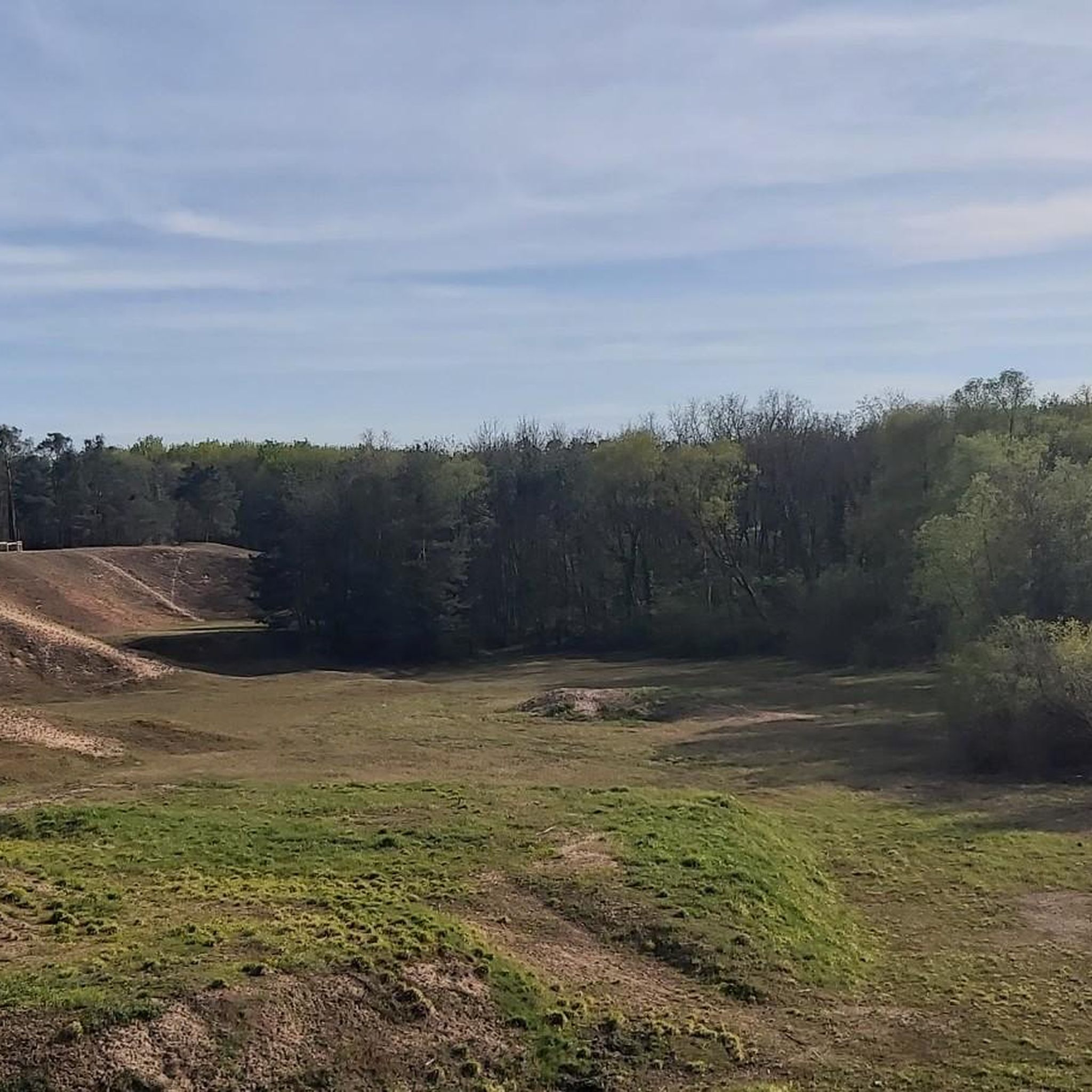
Natural monuments around Sandhausen are characterized by unique inland sand dunes, which host rare and specially adapted ecosystems. These dunes, formed approximately 11,000 years ago from Rhine River sands, represent significant geological features. The area includes protected zones like the Sandhäuser Dünen, offering diverse natural landscapes. Visitors can explore these sites to observe specialized flora and fauna adapted to extreme conditions.
Best natural monuments around Sandhausen
- The most popular natural monuments is Heidelberg Castle, a castle and natural monument…
Last updated: July 8, 2026
Heidelberg Castle
Highlight • Castle
Translated by Google •
Tip by

Felsenmeer in the Heidelberg City Forest
Highlight • Natural Monument
Translated by Google •
Tip by

Sign up now to discover places like this
Get recommendations on the best single tracks, peaks, & plenty of other exciting outdoor places.
Sign up for free
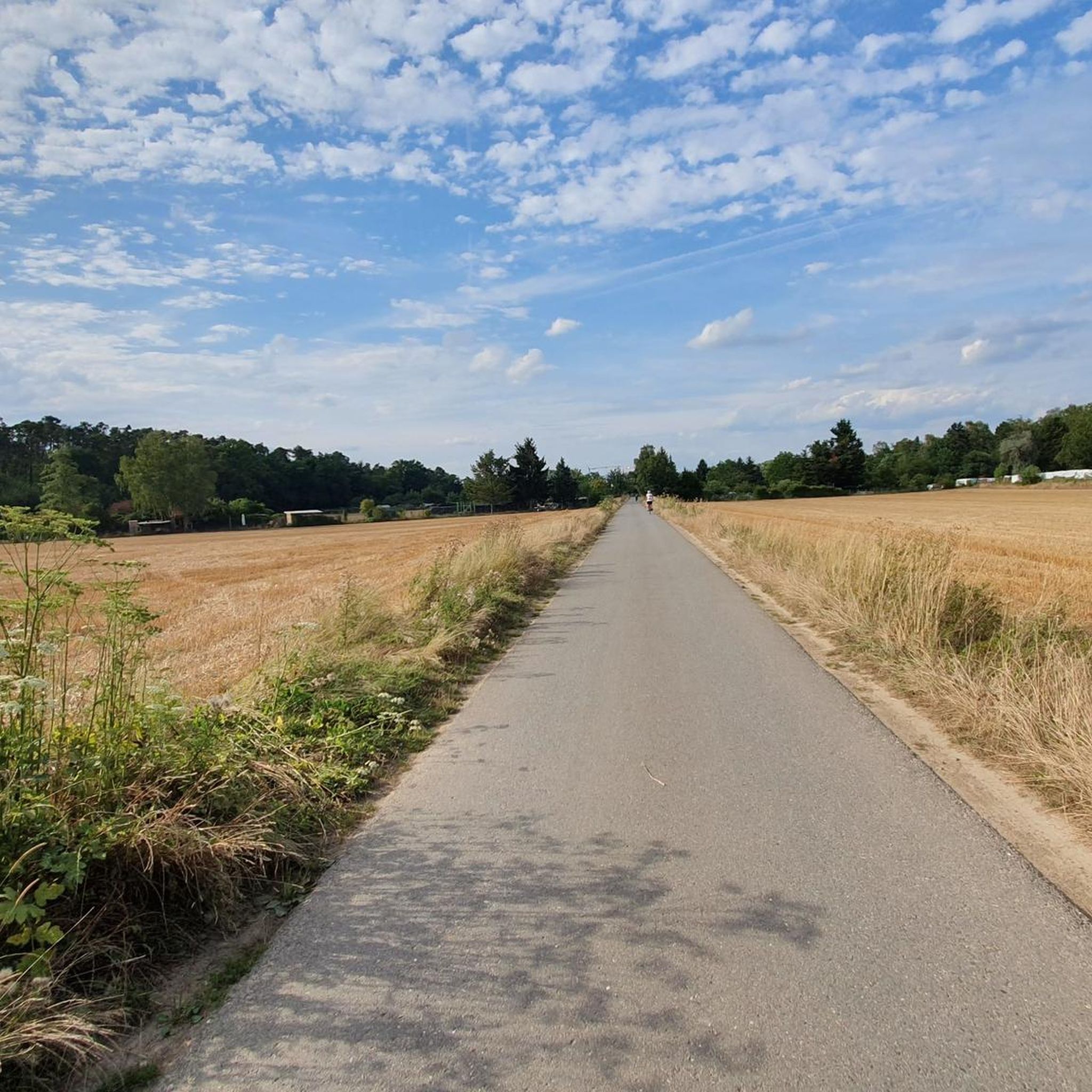
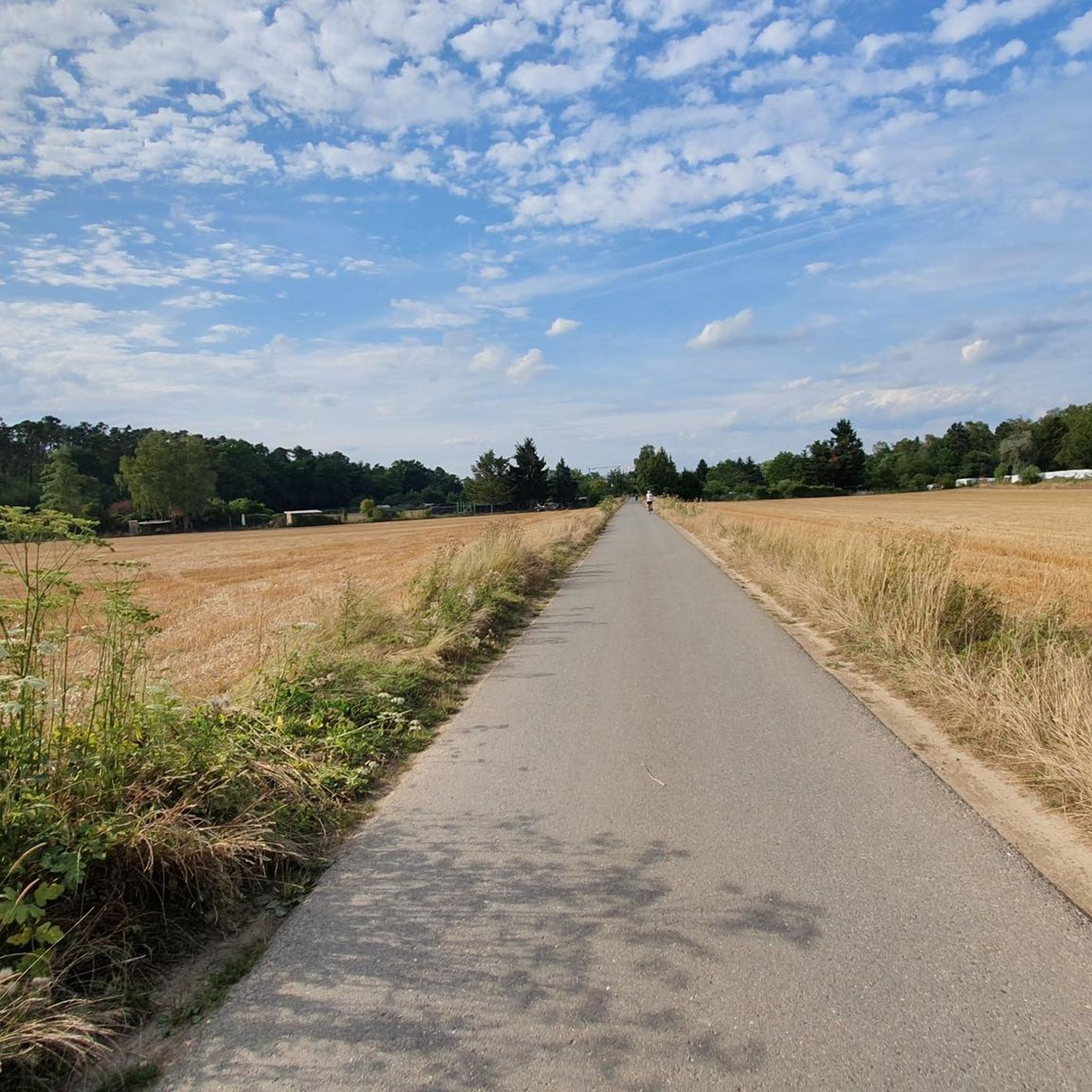
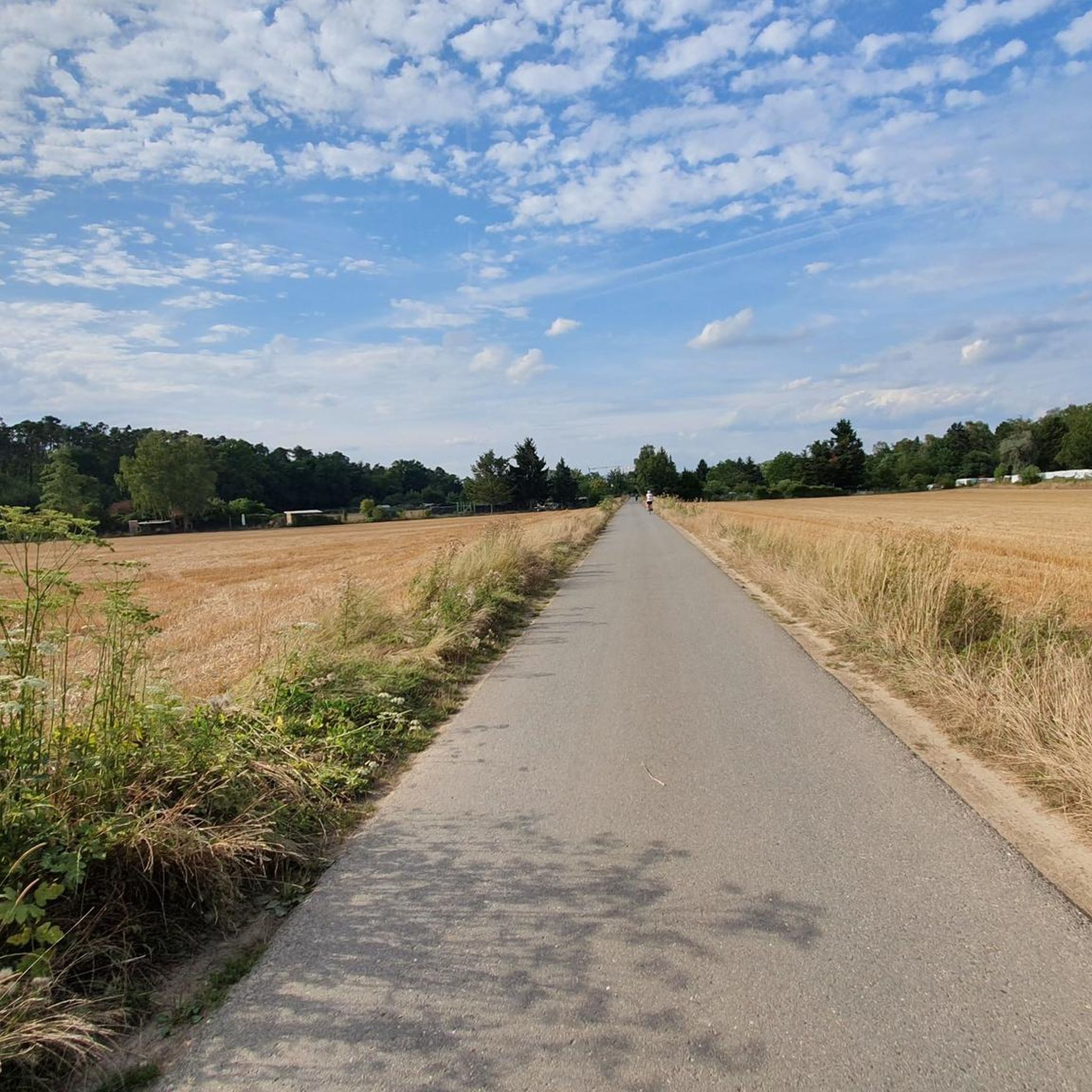
Cycle path along the Wagbachniederung Nature Reserve
Highlight (Segment) • Cycleway
Translated by Google •
Tip by

Arboretum I in the Heidelberg city forest (Sequoias)
Highlight • Forest
Translated by Google •
Tip by

Old Rhine Bridge to Ketsch Rhine Island
Highlight • Bridge
Translated by Google •
Tip by

Sign up for free to discover even more natural monuments around Sandhausen.
Sign up for free
Already have an account?
Start today with a free account
Your next adventure awaits.
Login or Signup


Tips from the Community

The 64 kilometer long Kraich cycle path, which winds through the land of 1000 hills, starts or ends here.
3
0

The Felsenmeer is a nature reserve. On both sides of the path there are many sandstone rocks covered with mosses and lichens. Among other things, black pines, oaks, birches and horsetails grow.
10
0

there are a lot of stones lying around
13
1

The Felsenmeer is located in the Heidelberg city forest, south of Schlierbach. The ice-age heap of rock from the weathering products of the Buntsandstein on the north-east slope of the Königstuhl is home to vegetation of oaks, birches, rowan berries and sweet chestnuts and is rich in mosses and lichens.
12
0

"Alte B36" with a view of a wetland / nature reserve. In spring, the fruit trees on the road are particularly beautiful.
9
0

Pure nature, great views, mystical path through the mossy rocks! Deserted, the alternative to the overcrowded steps and mountain railway !!!
12
0

Be careful, agricultural vehicles also drive here from time to time! But still: almost car-free through nature - there should be more racing bike routes like this.
9
0

The former road is now used by cyclists as a welcome racing or fair-weather route.
11
0
Frequently Asked Questions
What makes the natural monuments around Sandhausen unique?
The natural monuments around Sandhausen are primarily known for their unique inland sand dunes, such as the Sandhäuser Dünen. These dunes, formed approximately 11,000 years ago from Rhine River sands, host a rare and specially adapted ecosystem with unique flora and fauna, making them a significant geological and biodiversity hotspot.
What kind of flora and fauna can I expect to see in the Sandhausen Dunes?
The Sandhausen Dunes are home to a rare and protected array of animal and plant species, including endangered ones like the Silberscharte (Jurinea cyanoides). You can observe specialized flora and fauna adapted to extreme conditions, such as unique wild bees, sand wasps, and antlions, thriving in the nutrient-poor sandy soil and high summer temperatures.
Are there family-friendly natural monuments to visit near Sandhausen?
Yes, several natural monuments are suitable for families. The Heidelberg Castle is family-friendly, offering a historical experience. The Old Rhine Bridge to Ketsch Rhine Island provides an easy walk with river views. Additionally, the Cycle path along the Wagbachniederung Nature Reserve and the Arboretum I in the Heidelberg city forest (Sequoias) are also great options for families.
What outdoor activities can I do near the natural monuments in Sandhausen?
You can enjoy various outdoor activities near Sandhausen's natural monuments. For hiking, explore routes like the 'Sandhausen Dunes Pferdstrieb – Zugmantel-Bandholz Viewpoint loop' or the 'Landscape Conservation Dunes – View of Königstuhl loop'. Cyclists can find options for road cycling and gravel biking, including routes that pass through the Hardtwald. Find more details on routes in the Hiking around Sandhausen, Road Cycling Routes around Sandhausen, and Gravel biking around Sandhausen guides.
Are there any historical or cultural sites among the natural monuments?
Yes, the Heidelberg Castle is a prominent example, combining natural monument status with significant historical and cultural importance. This castle, rising 80 meters above the Neckar valley, has a history of almost 900 years and houses a medieval museum and the German Pharmacy Museum.
Where can I find viewpoints with scenic vistas of the natural landscape?
For scenic views, the Heidelberg Castle offers panoramic vistas over the Neckar valley. The Felsenmeer in the Heidelberg City Forest also provides beautiful views of the Neckar valley from its rocky slopes. Additionally, the Old Rhine Bridge to Ketsch Rhine Island offers interesting views of the Altrhein.
Can I bring my dog to the natural monuments?
Many natural areas around Sandhausen are dog-friendly, especially trails and paths. For instance, the Cycle path along the Wagbachniederung Nature Reserve is explicitly listed as dog-friendly. Always ensure dogs are kept on a leash, especially in nature reserves, to protect wildlife and other visitors.
What is the best time of year to visit the natural monuments in Sandhausen?
The Sandhausen Dunes are particularly interesting in warmer months when the unique flora and fauna are most active. However, the extreme conditions can lead to sand temperatures up to 70 degrees Celsius in summer, so early mornings or late afternoons are preferable. Spring and autumn offer milder temperatures for exploring the dunes and other natural areas like the Heidelberg City Forest.
Are there educational opportunities at the Sandhausen Dunes?
Yes, the Sandhäuser Dünen, particularly areas like Pflege Schönau-Galgenbuckel, feature information boards. These provide detailed insights into the geological origins of the dunes and the unique adaptations of the plant and animal species that inhabit this special ecosystem.
What are some less crowded natural monuments or areas to explore?
While the Sandhäuser Dünen are popular, exploring specific protected areas like NSG Sandhäuser Dünen Pferdstrieb or Zugmantel/Bandholz might offer a quieter experience. These areas are part of the broader dune landscape and provide opportunities to observe the unique ecosystem away from larger crowds. The Felsenmeer in the Heidelberg City Forest is also a more specialized spot for nature lovers.
How can I learn more about the geological history of the Sandhausen Dunes?
The Sandhausen Dunes were formed approximately 11,000 years ago from sands transported by the Rhine River during the last ice age. This geological significance is often highlighted on information boards within the protected areas, offering visitors a glimpse into the region's ancient past and the dynamic forces that shaped its landscape.
Most popular routes around Sandhausen
Most popular attractions around Sandhausen

Get inspired with the komoot mobile app


Explore more
Extend your search for the best caves by checking out these guides of the top ones around Sandhausen:
