Top 20 Natural Monuments around Großhansdorf
Best natural monuments around Großhansdorf include a variety of natural areas and protected landscapes. Großhansdorf is situated on the northern edge of the Hahnheide nature park and is surrounded by forest areas. The region features diverse habitats, including lakes, forests, and nature reserves, which contribute to its natural appeal. These areas offer opportunities to experience the local environment.
Best natural monuments around Großhansdorf
- The most popular natural monuments is Lottbek Reservoir, a lake where the Lottbek is dammed to…
Last updated: October 11, 2026
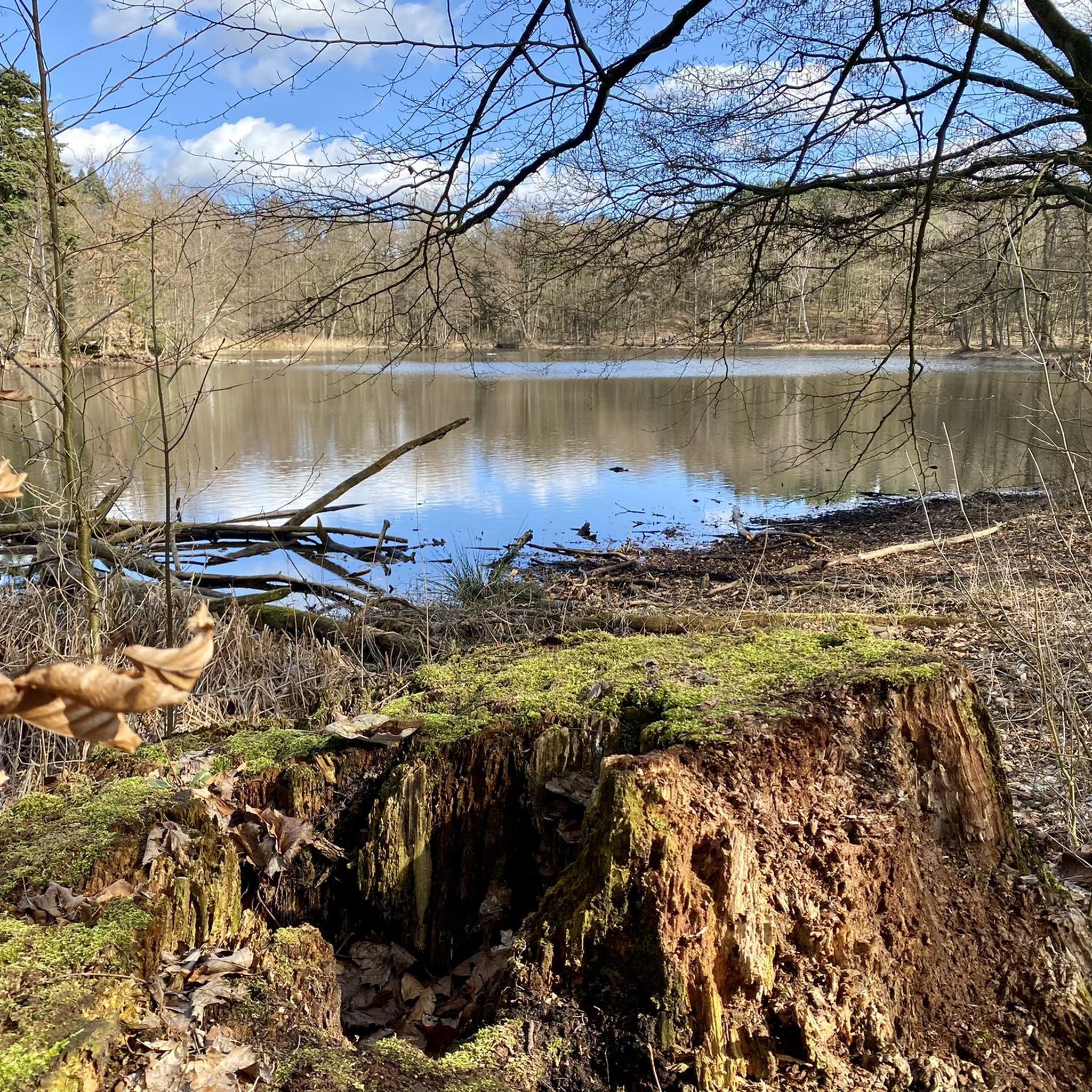
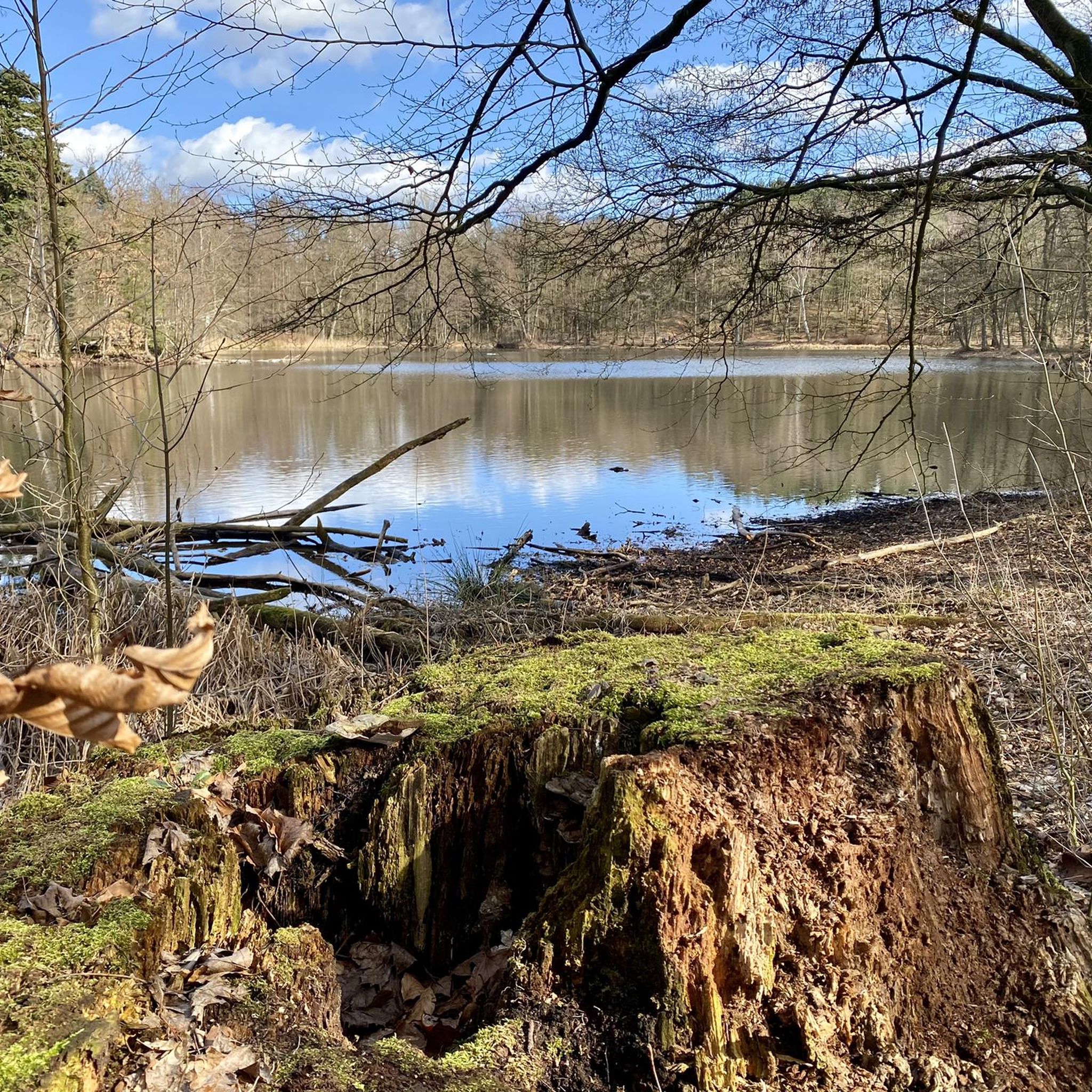
Bredenbeker Pond
Highlight • Lake
Translated by Google •
Tip by

Lottbek Reservoir
Highlight • Lake
Translated by Google •
Tip by

Sign up now to discover places like this
Get recommendations on the best single tracks, peaks, & plenty of other exciting outdoor places.
Rodenbeker Pond
Highlight • Lake
Translated by Google •
Tip by

Höltigbaum Nature Reserve
Highlight • Natural Monument
Translated by Google •
Tip by

Stellmoorer Tunneltal Nature Reserve
Highlight • Natural Monument
Translated by Google •
Tip by
Sign up for free to discover even more natural monuments around Großhansdorf.
Already have an account?
Start today with a free account
Your next adventure awaits.
Tips from the Community

Tunneltal, it's worth a walk here at any time of the year.
0
0

The Stellmoorer Tunneltal, a 217 hectare nature reserve, is located in the Hamburg district of Rahlstedt. The landscape with wet meadows, heaths and old streams was created during the Ice Age. Rare animals such as moor frogs and kingfishers live here. The area is also archaeologically significant - traces of reindeer hunters have been found here. Many natural habitats have been preserved through renaturation.
1
0

Rodenbeker Quellentag - Gasthaus Quellhof, great place to stop for refreshments with beer garden
1
0

The Rodenbek is a river that flows into the Alster in the Rodenbeker Quellental nature reserve. The idyllic Rodenbeker pond along its course is managed by the Rahlstedt sports fishing association from 1934 e.V. and is the habitat of numerous fish species, such as carp, eel and perch. kulturlotse.de/ort/rodenbeker-teich-3806401676914271620
2
0

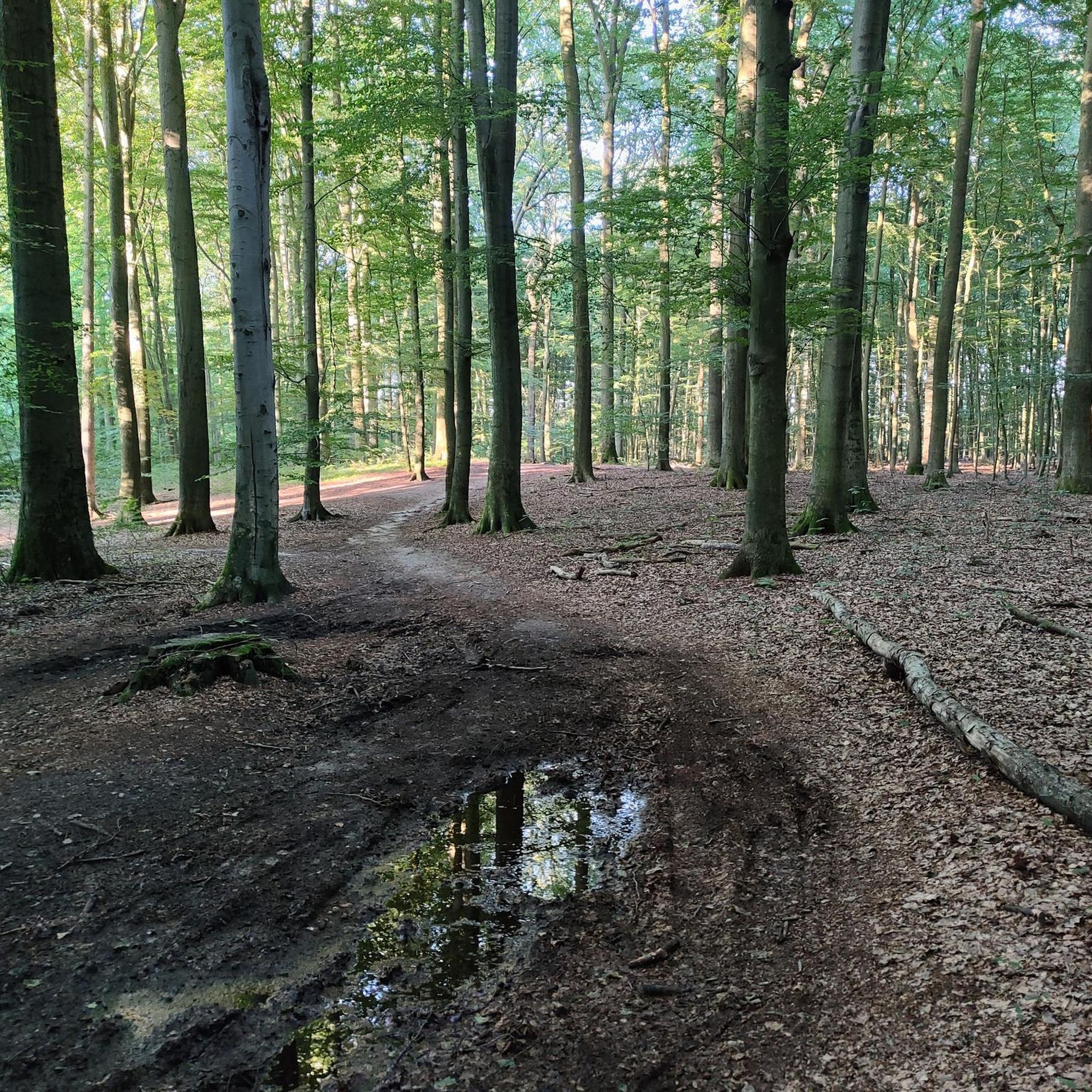
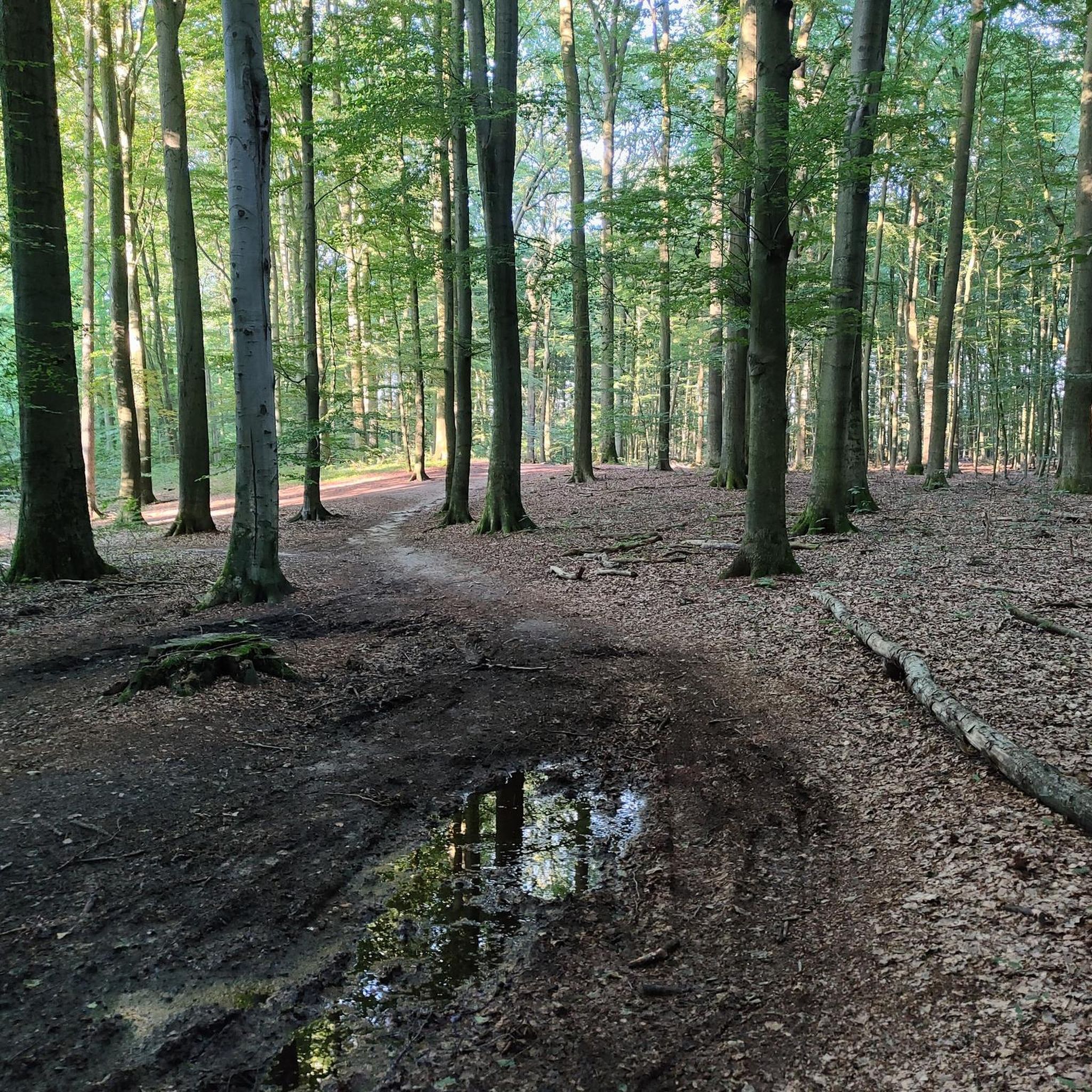
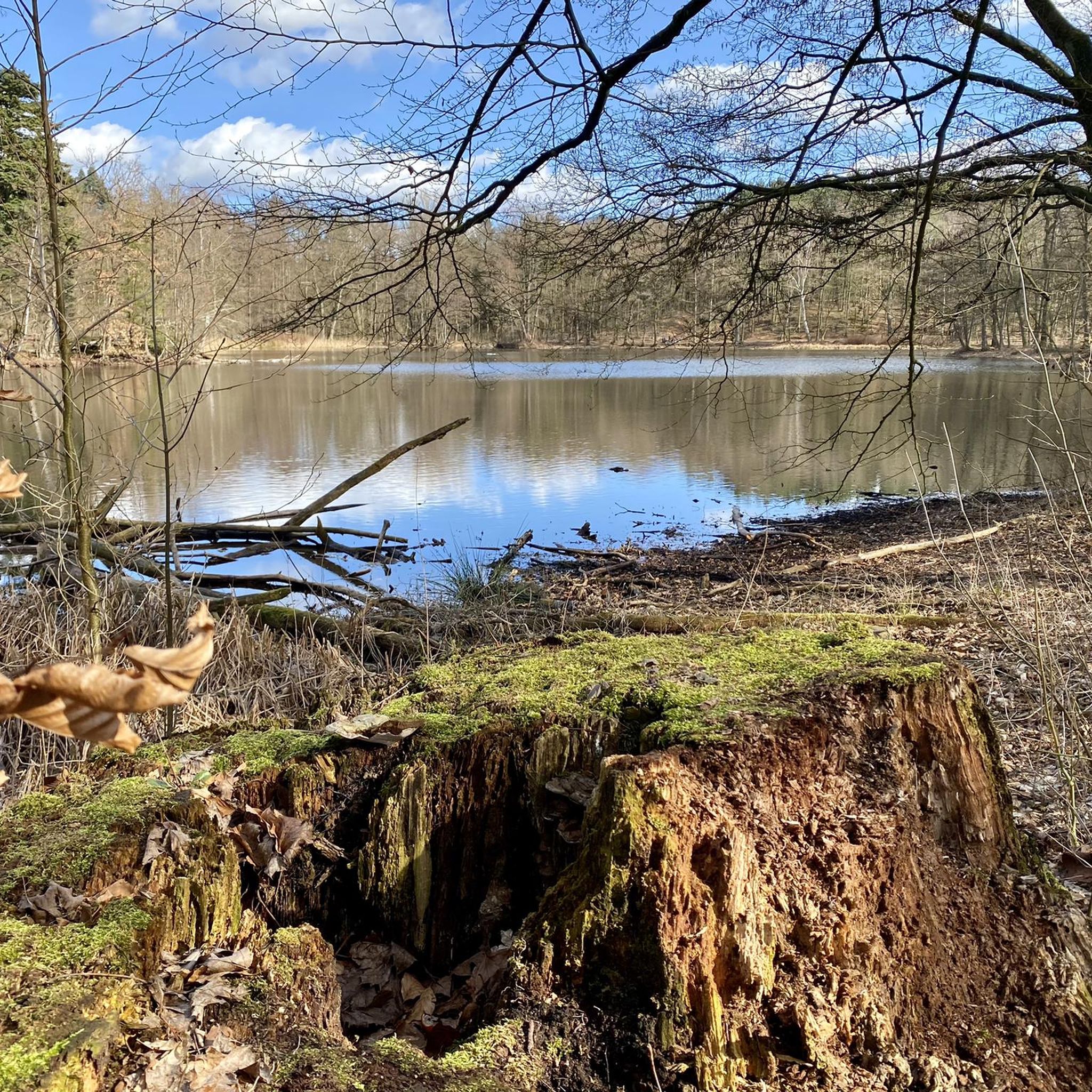
Cheerful birdsong accompanies you through the beautiful deciduous forest. The frogs are croaking in the pond.
0
0

A beautiful (forest) area where you can spend a lot of time and observe nature in all its rich facets
1
0

The Rodenbeker Quellental nature reserve is an 84-hectare glacial meltwater river system in northeast Hamburg. It lies in the former edge area of the Vistula glaciation. Locally there are elevations in the form of ground moraines. The site elevation is between 15 and 20 meters above mean sea level. The site was granted protected status on January 25, 1977, originally measuring 47 hectares. On July 26, 2011, the Hamburg Senate announced an expansion by 37 hectares to 84 hectares. In the Quellental there are extensive deposits from an ice reservoir, which are now cut through by various smaller basins, small rivers. These are the Rodenbek, the Bredenbek, the Lottbek, the Mühlenbek and other small streams. All flow in an east-west direction to the Alster, a northern tributary of the Elbe. The formation of the Rodenbeker Quellental began in the Weichselian Ice Age, when the Bredenbek Glacier slowly retreated and the meltwater at the base of the glacier found its way to the Alster. The current appearance of the spring valley is also due to spring erosion. (Source: Wikipedia)
1
0

The Höltigbaum nature reserve consists of the Höltigbaum, Stellmoorer Tunneltal and Ahrensburger Tunneltal areas. The so-called Hamburger Ring natural area has a total area of 1000 hectares, making it one of the largest nature reserves in the Hanseatic city. The ice masses that covered the area some 15,000 years ago have done their utmost to leave behind a beautiful landscape. In addition to the wide, semi-open pastures, you hike over drumlins - long stretched hills left behind by the ice age - and through tunnel valleys that have formed under the ice masses as a result of the condensation water running off. Over time, humans also influenced the area through agricultural use. Extensive cultivation lasted for many decades. However, because fertilizers and pesticides were not used in the process, today there is a largely unaffected natural area in which rare species have survived. For example, the red-backed shrike feels very comfortable in the Höltigbaum. The brute name belongs to a medium-sized songbird that impales its prey - insects, lizards or even a mouse - on the thorns of a tree. In addition, there are woodlarks and yellowhammers, various amphibian species such as sand lizards or crested newts and two endangered species, polecats and pygmy shrews. On a hike through the nature reserve, you will also come across Galloway cattle, sheep or goats grazing in the wild meadows. The flora was heavily influenced by the military use of the area in the mid-20th century. Again and again, the heavy vehicles destroyed the vegetation cover, so that many pioneer plants settled, which were more resistant to the difficult conditions. The Kratt forests with their many-stemmed oaks and the wild apple and wild pear trees are also striking.
9
0
Frequently Asked Questions
What kind of natural features can I explore around Großhansdorf?
Großhansdorf is rich in diverse natural landscapes. You can find several beautiful lakes, such as Bredenbeker Pond, Lottbek Reservoir, and Rodenbeker Pond. The region also features extensive forest areas and significant nature reserves like the Stellmoorer Tunneltal Nature Reserve and the larger Höltigbaum Nature Reserve, which offer varied habitats from wet meadows to heaths.
Are there any nature reserves worth visiting near Großhansdorf?
Absolutely. The Stellmoorer Tunneltal Nature Reserve is a significant area covering 217 hectares, known for its Ice Age-shaped landscape with wet meadows, heaths, and old streams. Another extensive option is the Höltigbaum Nature Reserve, which is part of a larger natural area and features varied terrain, rare plants, insects, and birds, as well as grazing animals.
What are some popular lakes or ponds to visit in the Großhansdorf area?
Visitors frequently enjoy the peaceful atmosphere at Bredenbeker Pond, which offers quiet views throughout the year. The Lottbek Reservoir is another popular spot, known for angling. Additionally, Rodenbeker Pond, nestled within the Rodenbeker Quellenental nature reserve, provides a beautiful natural setting.
Are there family-friendly natural monuments around Großhansdorf?
Yes, several natural monuments are suitable for families. Lakes like Bredenbeker Pond, Lottbek Reservoir, and Rodenbeker Pond are all categorized as family-friendly. The Höltigbaum Nature Reserve also offers extensive areas for exploration, with many information boards and opportunities to observe grazing animals, making it an engaging experience for all ages.
Can I spot wildlife at the natural monuments near Großhansdorf?
Yes, wildlife spotting is possible, especially in the nature reserves. The Stellmoorer Tunneltal Nature Reserve is home to rare animals such as moor frogs and kingfishers. In the Höltigbaum Nature Reserve, you might encounter rare bird species like the red-backed shrike, woodlarks, and yellowhammers, as well as various amphibians, sand lizards, crested newts, and even polecats and pygmy shrews. Galloway cattle, sheep, or goats also graze in the wild meadows there.
What outdoor activities can I do near these natural monuments?
The natural monuments around Großhansdorf are excellent starting points for various outdoor activities. You can find numerous routes for road cycling, running, and mountain biking. For instance, there are easy to moderate road cycling routes, running trails around ponds like Groten Diek, and MTB trails through forests, such as those leading to Ahrensburg Castle.
Are there hiking trails near the natural monuments in Großhansdorf?
Yes, the natural monuments are well-integrated into the local trail network. For example, the Höltigbaum Nature Reserve offers extensive and varied paths for hiking. You can also enjoy walks around the various ponds like Bredenbeker Pond. For specific running and walking routes, you can explore the running guides for the area.
What is the Himmelshorst Environmental Education Reserve and can I visit it?
The Himmelshorst Environmental Education Reserve is a 2-hectare natural area in Großhansdorf, established for environmental education and conservation. It features a diverse landscape with forest, a gravel pit, a steep slope, and a flower meadow, along with interactive elements like a barefoot path and ant observation stones. While primarily dedicated to school classes and kindergarten groups for educational purposes, its diverse habitats make it a valuable natural asset within Großhansdorf.
What historical or archaeological significance do the natural monuments hold?
The Stellmoorer Tunneltal Nature Reserve is archaeologically significant, with traces of reindeer hunters having been found there. The broader Höltigbaum Nature Reserve also has a history of military use, which influenced its flora, and its landscape was shaped by the Ice Age, leaving behind drumlins and tunnel valleys.
What do visitors enjoy most about the natural monuments around Großhansdorf?
Visitors particularly appreciate the tranquility and scenic beauty of the area. Many enjoy the quiet spots to pause and take in the beautiful views, especially around ponds like Bredenbeker Pond. The varied landscapes of the nature reserves, with their opportunities for observing wildlife and exploring Ice Age formations, are also highly valued for their natural charm and educational insights.
Are there any places to eat or stay near the natural monuments?
While specific cafes or accommodations are not directly part of the natural monuments themselves, the area around Rodenbeker Pond is known for the Rodenbeker Quellenental and the Quellenhof, which may offer options for a break. Großhansdorf and nearby towns provide various amenities for visitors.
Is the region around Großhansdorf suitable for cycling?
Yes, the region is very suitable for cycling. Großhansdorf is surrounded by scenic landscapes and offers a variety of cycling routes. You can find numerous road cycling routes and mountain biking trails that take you through forests and past natural monuments, catering to different difficulty levels from easy to moderate.
Most popular routes around Großhansdorf
Most popular attractions around Großhansdorf

Get inspired with the komoot mobile app


Explore more
Extend your search for the best caves by checking out these guides of the top ones around Großhansdorf:
