Top 20 Natural Monuments around Ovelgönne
Best natural monuments around Ovelgönne are found in a rural environment in Lower Saxony, Germany. The region is characterized by marshlands, sandy hills, and its location directly on the Weser River. It offers several notable natural features and protected zones for nature enthusiasts. The area provides opportunities to experience local culture and history alongside its unique scenery.
Best natural monuments around Ovelgönne
- The most popular natural monuments is Ellern Pond, a lake that offers walking options and a play…
Last updated: October 11, 2026
Moorhauser Polder Nature Reserve
Highlight • Natural Monument
Translated by Google •
Tip by

Ellernteich Fountain, Rastede Castle Park
Highlight • Lake
Translated by Google •
Tip by

Sign up now to discover places like this
Get recommendations on the best single tracks, peaks, & plenty of other exciting outdoor places.
Ellern Pond
Highlight • Lake
Translated by Google •
Tip by
Sehestedt Salt Marsh Trail – Floating Bog
Highlight • Natural Monument
Translated by Google •
Tip by

Lune estuary into the Weser
Highlight • River
Translated by Google •
Tip by

Sign up for free to discover even more natural monuments around Ovelgönne.
Already have an account?
Start today with a free account
Your next adventure awaits.

Other adventures around Ovelgönne

Tips from the Community

Northern side shortly after the exit of the Hankhauser Bäke
1
0

Stop and take a look at the confluence. From up here, you have a good view.
1
0

The Ellernteich is a real curiosity - because this pond was created twice. The Grand Duke of Oldenburg, Peter Friedrich Ludwig, had a park built here in Rastede next to his summer residence. His son and successor, Paul Friedrich August, expanded the park in the style of an English landscape park. In the course of this, the local lowland, which was covered with alders, known in Low German as Ellern, was converted into a fish pond in 1842. How complex the undertaking was can be seen from the fact that the pond was only completed 9 years later, in 1848. When it was completed, a new line of sight was created from the castle across the Ellern and Mühlenteich ponds to the water mill.
5
0

The salt marsh adventure trail in Sehestedt leads from the dike entrance at the "Floating Moor" through the salt marshes to the Wadden Sea of the Jade Bay via Sehestedt back. On the 5km long circular trail, which can be walked in about 1.5 to 2 hours, over 30 information boards provide detailed information about the natural history of the Jade Bay. The range of topics ranges from the formation of the Jade Bay to the importance of the salt marshes as a breeding and resting area for birds to the special adaptations of plants and animals to this habitat characterized by extremes. Of course, there is also detailed information about the Wadden Sea and its inhabitants. Interesting facts are also reported about the cultural and historical aspects of land reclamation and dike construction. (Source: https://jade-touristik.de/jade-entdecken-erleben/natur/salzwiesen-erlebnispfad/)
7
0
In 1938, the "Floating Moor" was finally placed under nature conservation for geological, botanical, zoological and local history reasons, after some parts of the area had already been protected in previous years. This area has been part of the "Lower Saxony Wadden Sea" National Park since 1986 and has therefore been a UNESCO World Heritage Site since 2010. In 2007, an international youth group and the "Meyershof" youth workshops in the Wesermarsch district laid out a boardwalk that leads to an observation and information hut. (Source: https://www.nationalpark-wattenmeer.de/wp-content/uploads/2020/03/Das-Schwimmende-Moor-in-Sehestedt.pdf)
6
0
When can you see the moor floating? Floating up is a rare occurrence. The prerequisite is a heavy storm or hurricane flood from the northwest, where the water rises more than 1.70 m above mean high tide (MTHw) and there is heavy seas. In Sehestedt the MTHw is + 1.79 above sea level. Adding 1.70 m gives 3.49 m. The water is then at least 1.15 m high on the salt marsh in front. The moor rises when the salt water has almost reached the moor surface. The buoyancy is so strong that everything that is on the moor is lifted with it, in the past also the houses and wells. When floating up, the break-off point between the high and low moor is about 3.10 m below the surface of the moor and thus more than 1 m deeper than the salt marshes in front of it. If the moors break off and are washed away, deep moor holes remain that fill with water. (Source: https://www.nationalpark-wattenmeer.de/wp-content/uploads/2020/03/Das-Schwimmende-Moor-in-Sehestedt.pdf)
4
0

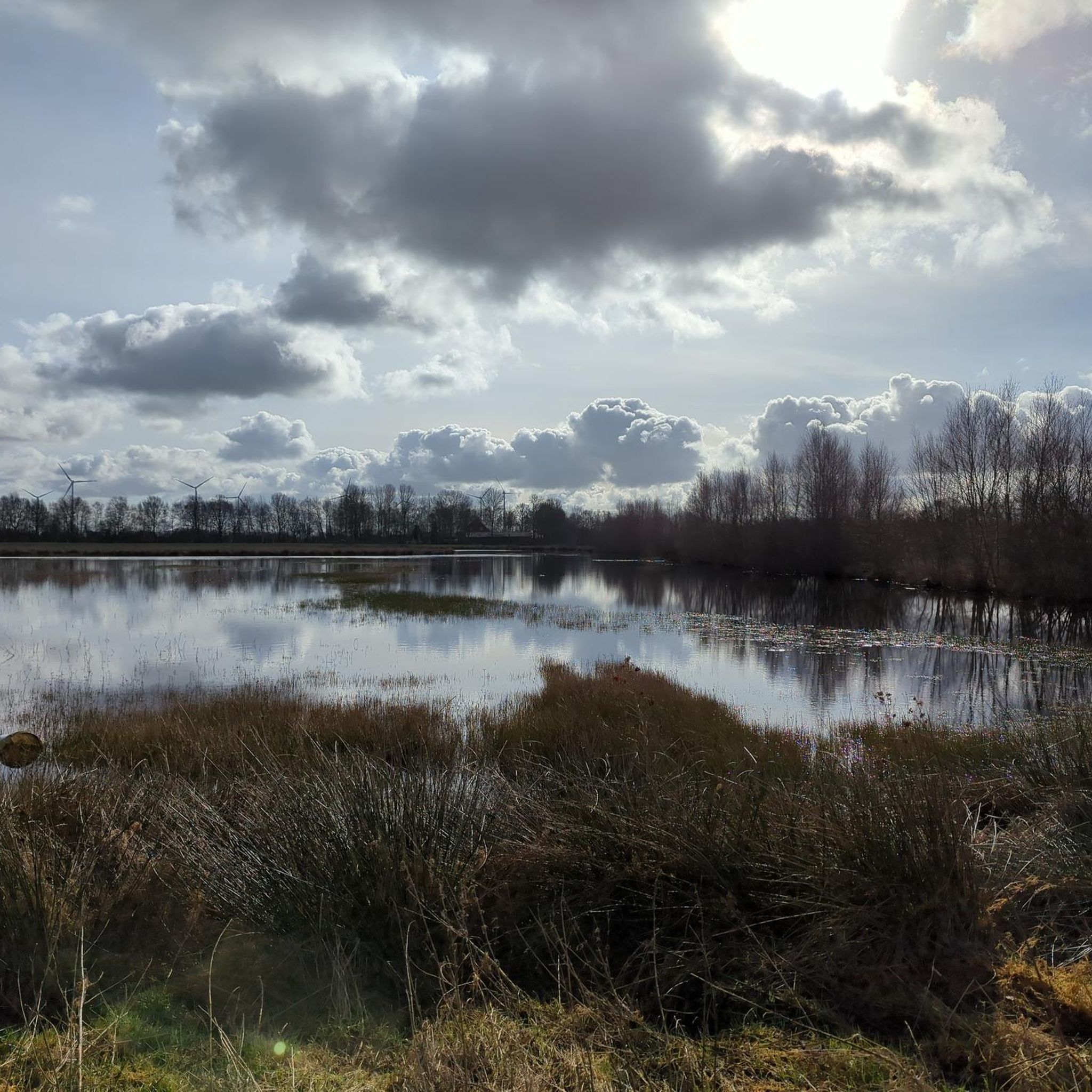
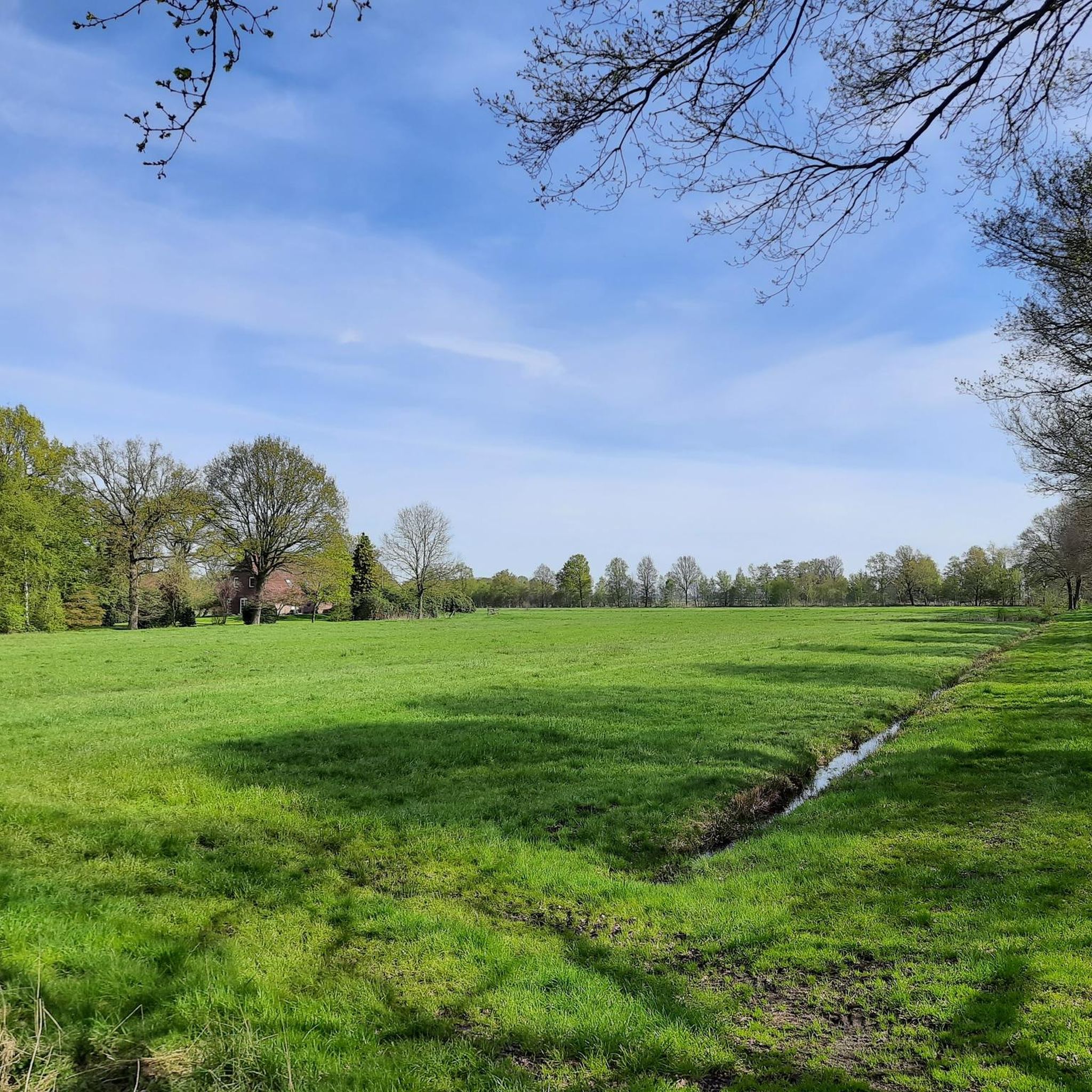
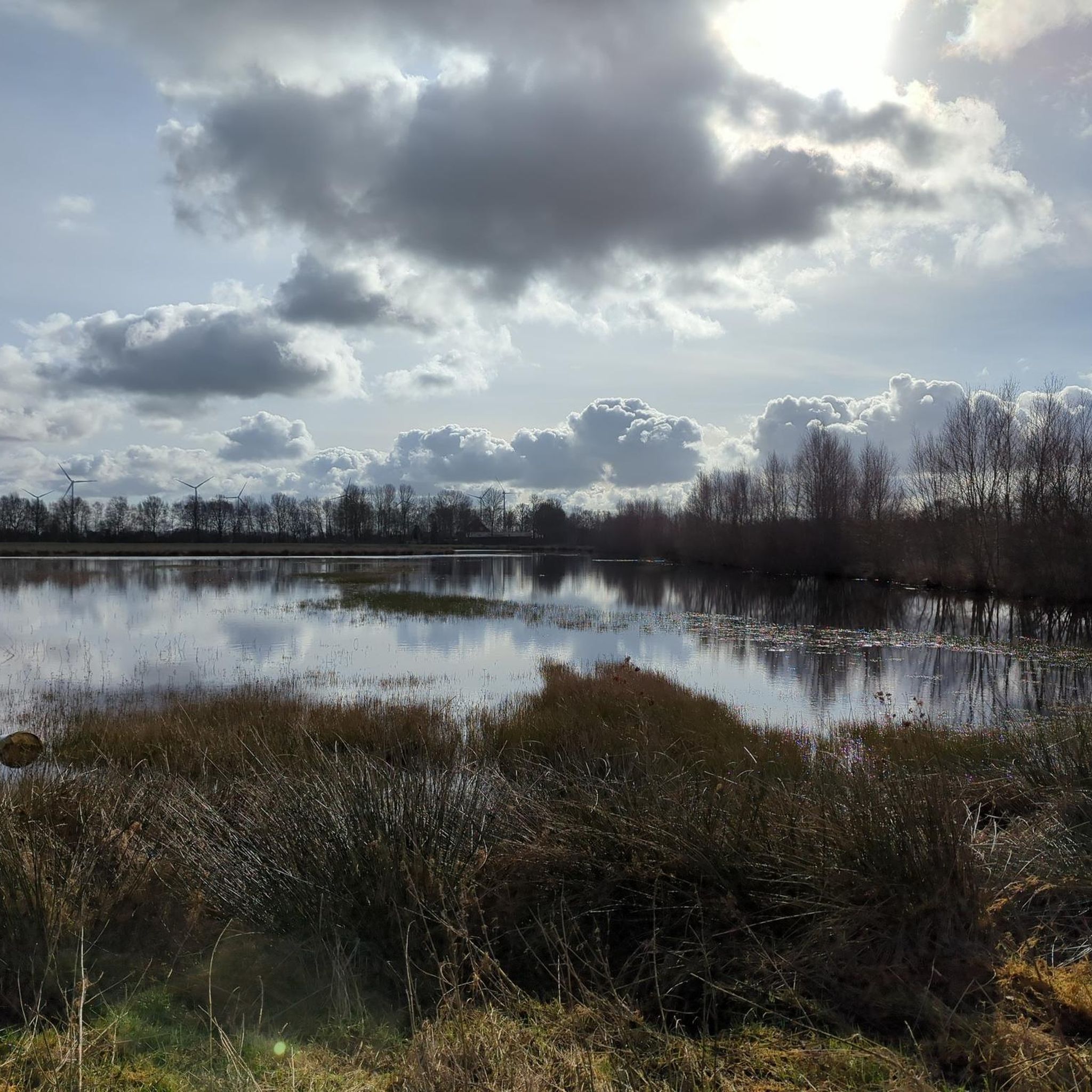
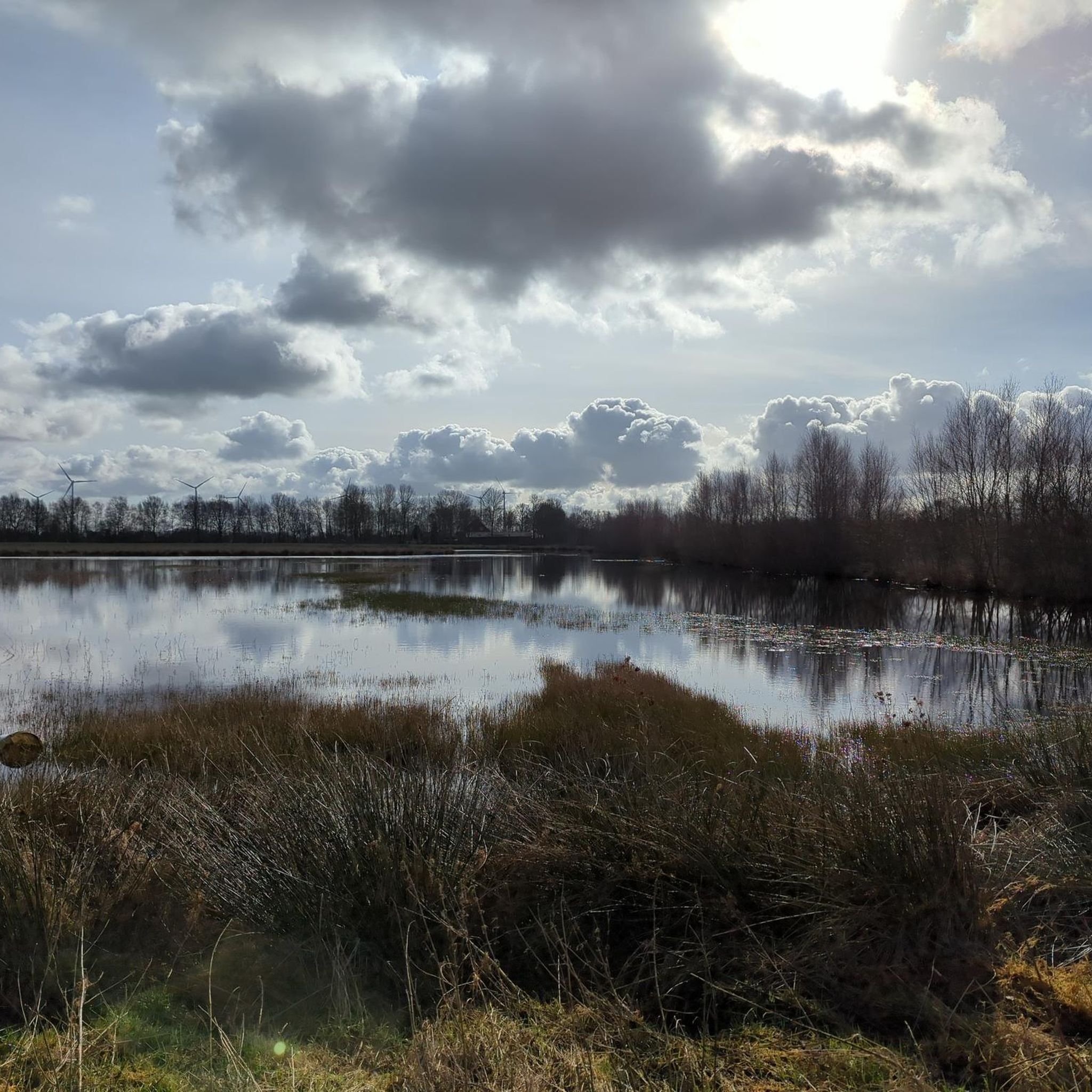
The Moorhauser Polder is a flood polder that stores the flood waters of the Hunte. This year the water is particularly high due to the rainfall of the last few months. You could tell from the drift on the grass that it wasn't a meter higher. The Moorhauser Polder is an El Dorado for water birds. This year 15,000 barnacle geese and 10,000 white-fronted geese rest here. It is a spectacle when they fly in in the evening with loud cries and then fly off again in the morning to look for food.
4
0
Frequently Asked Questions
What unique natural features can I explore around Ovelgönne?
Ovelgönne is known for its diverse natural landscape. A truly unique feature is the Sehestedt Salt Marsh Trail – Floating Bog, which is a rare floating raised bog visible from the dyke. The region also features extensive marshlands, sandy hills, and its location directly on the Weser River, offering scenic coastal walks.
Are there any natural monuments suitable for families with children?
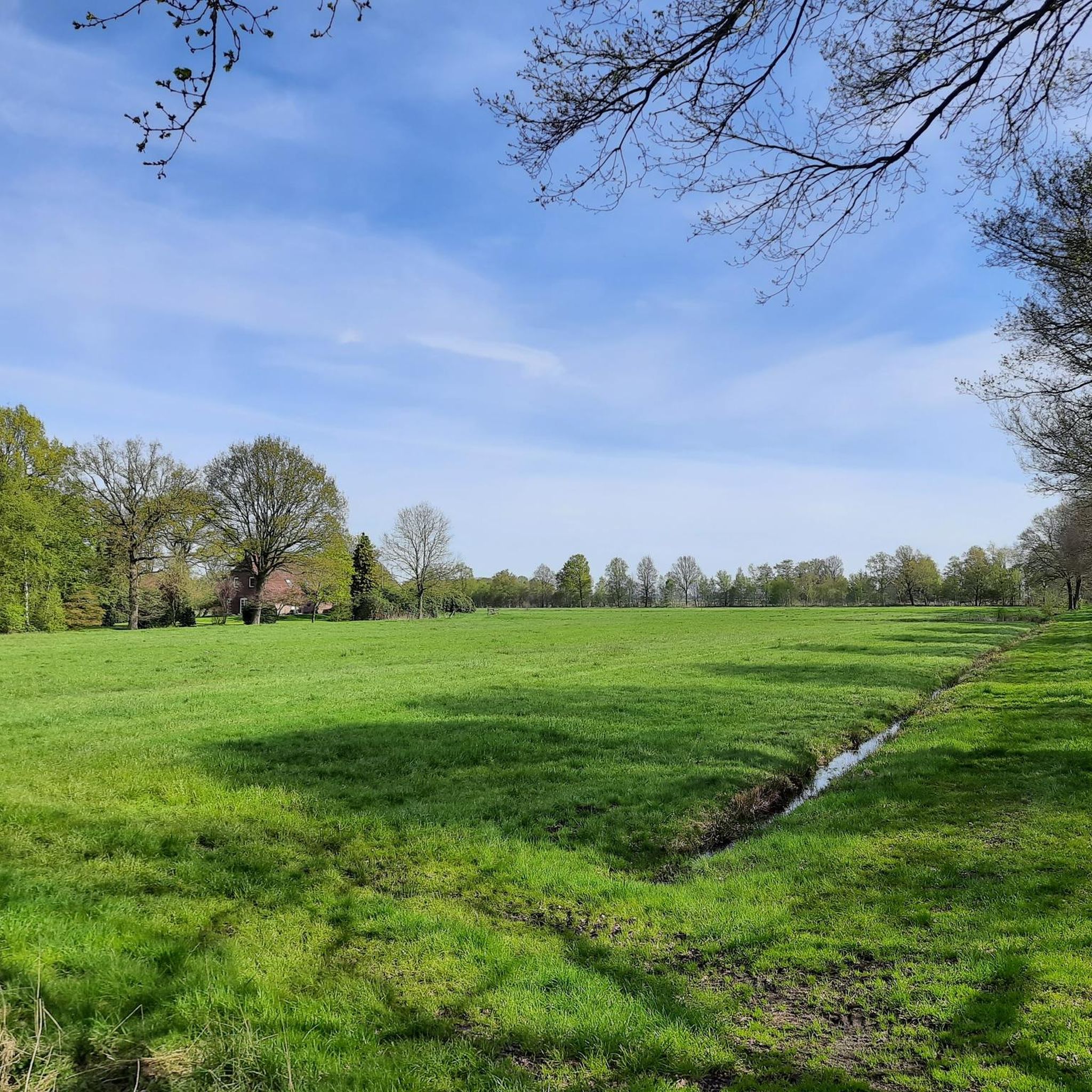
Yes, several natural monuments around Ovelgönne are great for families. The Ellern Pond, located within a castle park, offers walking options and a play area for children. Similarly, the Ellernteich Fountain, Rastede Castle Park is beautifully embedded by trees and bushes, providing a pleasant walk for all ages. The Moorhauser Polder Nature Reserve is also considered family-friendly.
What kind of wildlife can I expect to see at the natural monuments?
The natural monuments around Ovelgönne, particularly in areas like the Moorhauser Polder Nature Reserve, are excellent for wildlife observation. You can expect to see many species of birds in the wet meadows, as well as enjoy frog concerts. The larger Angelkuhle, part of the Natur-Erlebnis-Tour Ovelgönne, is a haven for various bird species, frogs, and toads.
What are the best times of year to visit the natural monuments in Ovelgönne?
The natural monuments around Ovelgönne are enjoyable throughout the year. Spring and summer are ideal for experiencing lush greenery, medicinal plant trails, and active wildlife. Autumn offers beautiful colors, while winter can provide a serene, unique landscape for those who enjoy colder weather hiking, especially along the Weser River for fresh air.
Are there opportunities for hiking or walking near these natural monuments?
Absolutely. The region is well-suited for walking and hiking. The Natur-Erlebnis-Tour Ovelgönne is an approximately 9.2 km long hiking trail featuring a medicinal plant trail and leading to the 'kleine und Große Angelkuhle.' The Ovelgönne Green Reserve also provides well-maintained walking trails. For more options, you can explore various walking routes around Ovelgönne.
What other outdoor activities can I do near the natural monuments?
Beyond walking, Ovelgönne offers several outdoor activities. You can find various MTB trails, gravel biking routes, and road cycling routes. The scenic coastal walks along the Weser River are also popular for enjoying fresh air and views.
Are there any historical sites or landmarks associated with the natural monuments?
Yes, some natural monuments are intertwined with local history. The Ellernteich Fountain and Ellern Pond are located within the historic Rastede Castle Park, which was expanded in the style of an English landscape park in the 19th century. The historic Ovelgönne Lighthouse along the Weser River also serves as a distinctive landmark.
What are the difficulty levels of trails around the natural monuments?
Many trails around Ovelgönne's natural monuments are generally easy to moderate, making them accessible for a wide range of visitors. For instance, the Natur-Erlebnis-Tour Ovelgönne is a well-defined hiking trail. While the Sehestedt Salt Marsh Trail – Floating Bog can be viewed from the dyke, some paths, especially those directly on the water, might be more suitable for experienced cyclists with robust wheels.
What do visitors enjoy most about the natural monuments in Ovelgönne?
Visitors frequently appreciate the wide views, beautiful clouds, and the vibrant frog concerts in the wet meadows of areas like the Moorhauser Polder Nature Reserve. The peaceful atmosphere and the opportunity to observe many bird species are also highly valued. The unique floating bog at Sehestedt and the beautifully embedded ponds within the castle parks are also popular highlights.
Can I access the natural monuments using public transport?
While specific public transport routes directly to every natural monument might vary, Ovelgönne is a municipality in Lower Saxony, Germany, and generally has public transport connections. It's advisable to check local bus schedules or regional train services to nearby towns and then plan for shorter walks or local connections to reach specific natural sites.
Are there any less crowded natural monuments or hidden gems to discover?
While popular spots like the Ellern Pond and Sehestedt Salt Marsh Trail attract visitors, the broader Ovelgönne Green Reserve and the various coastal walks along the Weser River offer ample space for a quieter experience. Exploring the smaller paths within the marshlands or seeking out less-traveled sections of the Natur-Erlebnis-Tour Ovelgönne can also lead to peaceful discoveries.
What should I bring when visiting the natural monuments?
When visiting the natural monuments, it's recommended to bring comfortable walking shoes, especially if you plan to explore trails or coastal walks. Depending on the weather, layers of clothing, rain gear, and sun protection are advisable. Binoculars can enhance wildlife spotting, and a camera is great for capturing the scenic views. Don't forget water and snacks, especially for longer excursions.
Most popular routes around Ovelgönne
Most popular attractions around Ovelgönne

Get inspired with the komoot mobile app


Explore more
Extend your search for the best caves by checking out these guides of the top ones around Ovelgönne:
