Top 20 Natural Monuments around Huckelheimer Wald
Best natural monuments around Huckelheimer Wald are found within a large, contiguous forested area in the northern Bavarian Spessart. This region, formerly a municipality-free zone, is now administered by the communities of Kleinkahl and Westerngrund. The Huckelheimer Wald offers ecological and scenic value, featuring the Hohe Querberg, its highest elevation at 474 meters, and the Arzborn, a natural spring that is the source of the Querbach stream. The extensive woodland character provides opportunities for hiking and nature observation.
Best natural…
Last updated: July 8, 2026
Kinzig Floodplains
Highlight • River
Translated by Google •
Tip by

Dr. Karl Kihn Square
Highlight • Mountain Hut
Dr. Karl Kihn was a general practitioner who, as a student …
Showing Translation
Tip by

Sign up now to discover places like this
Get recommendations on the best single tracks, peaks, & plenty of other exciting outdoor places.
Sign up for free
Wiesbüttsee
Highlight • Lake
The restaurant is not open every day, for certainty call briefly in advance. Tel. +49 6096-385
Showing Translation
Tip by

Eschenkar Boardwalk Moor Trail
Highlight • Trail
Translated by Google •
Tip by

Gondel Pond, Horbach
Highlight • Lake
Translated by Google •
Tip by

Sign up for free to discover even more natural monuments around Huckelheimer Wald.
Sign up for free
Already have an account?
Start today with a free account
Your next adventure awaits.
Login or Signup
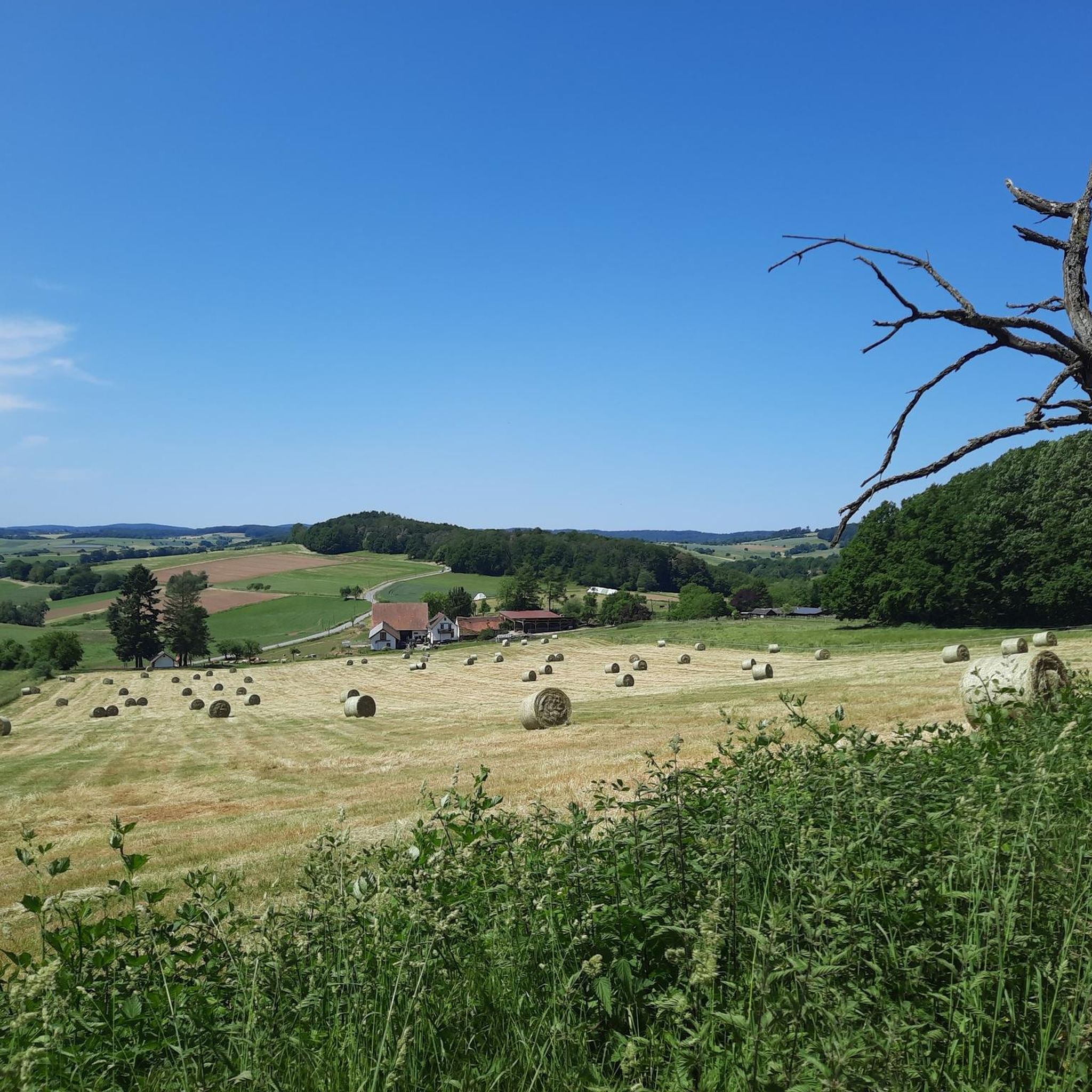
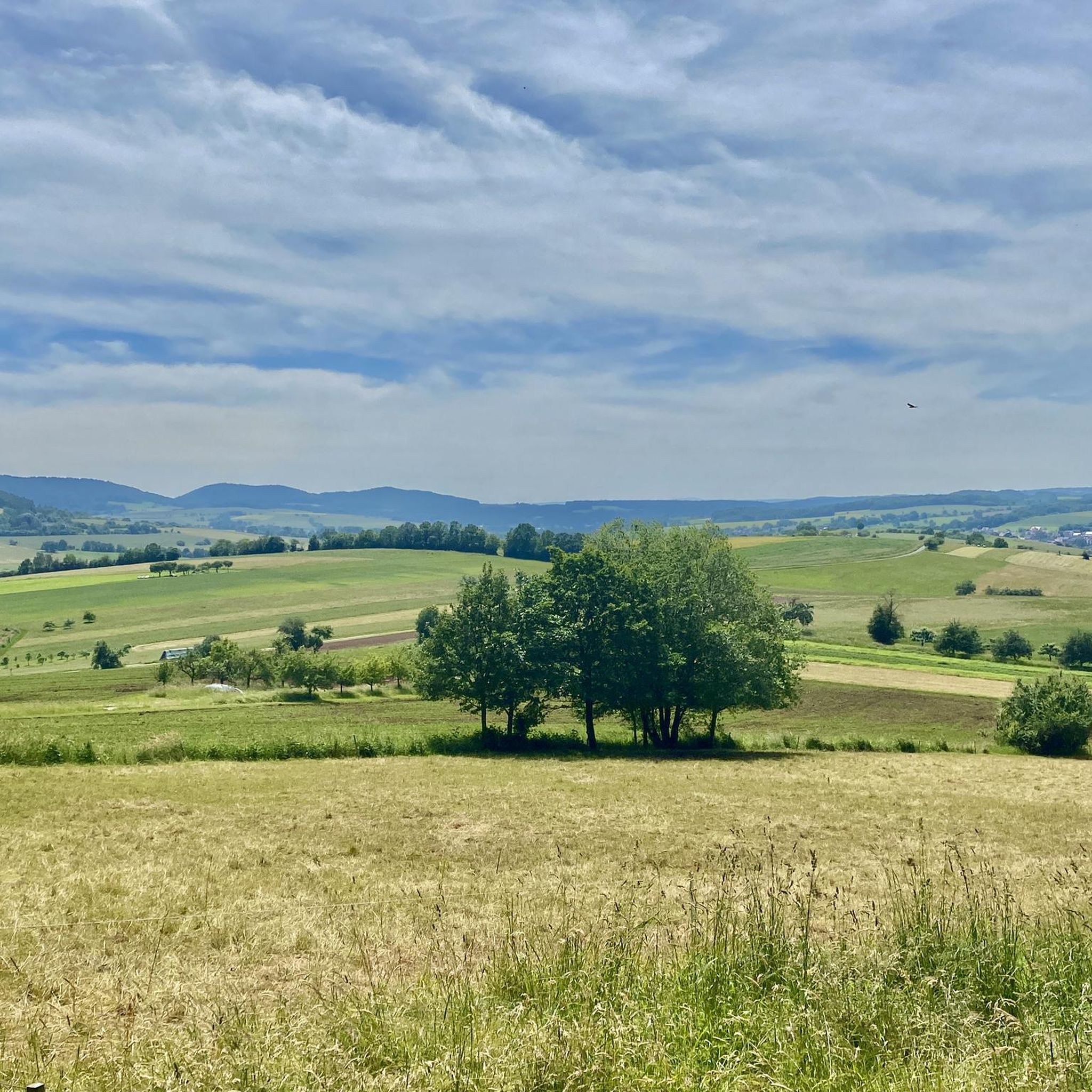
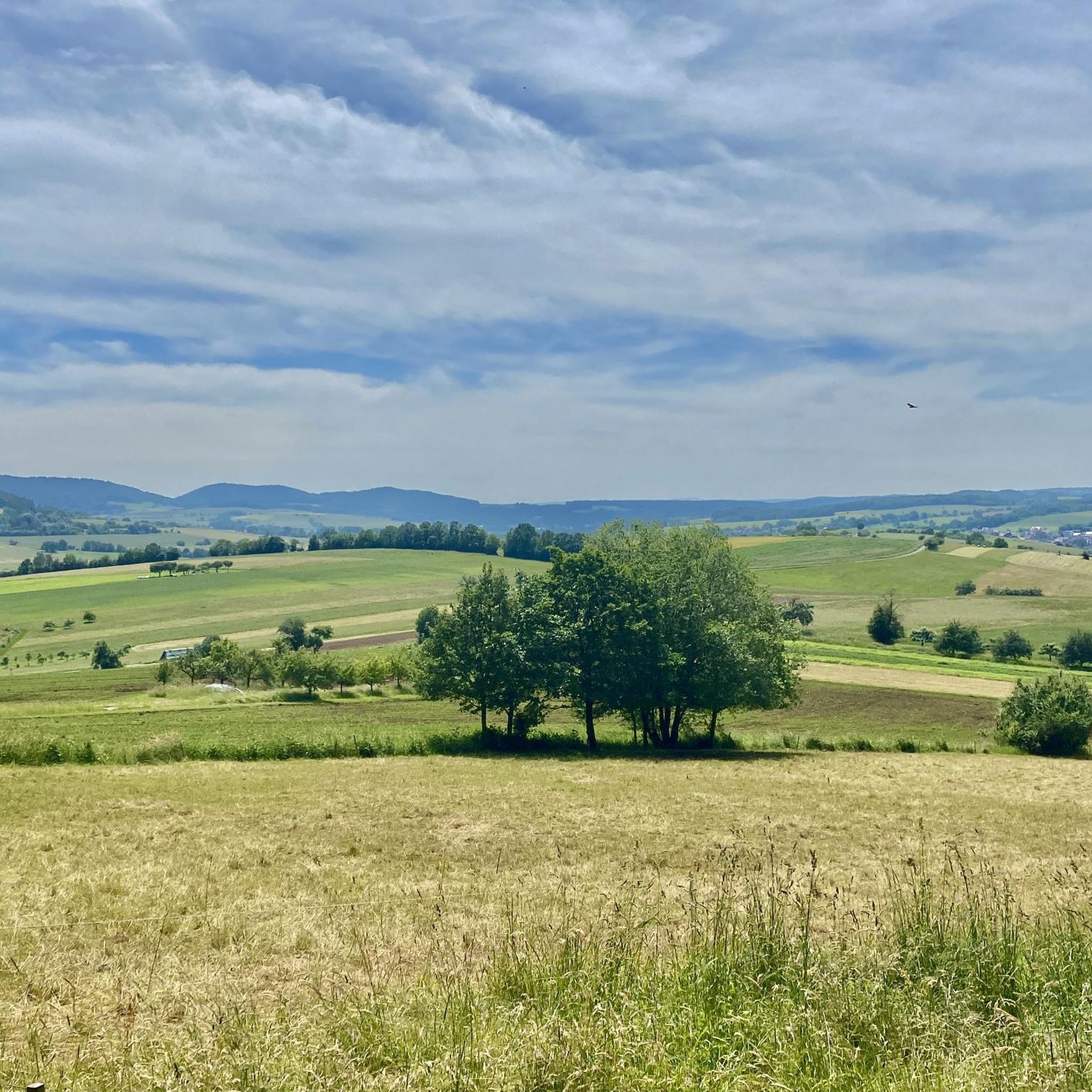
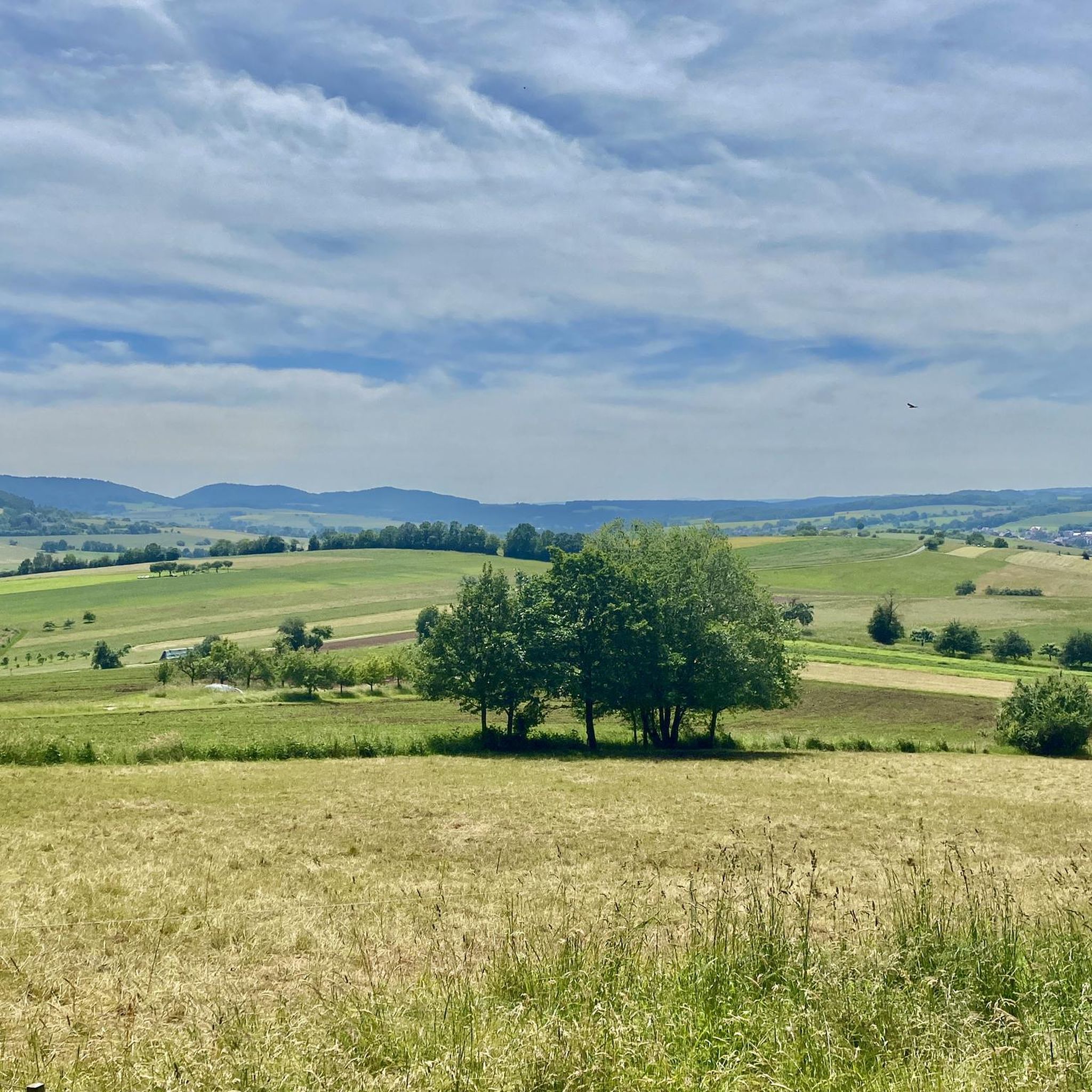
Tips from the Community

Even invites you to swim on hot days ;)
1
0

The Kinzig is a river approximately 86 kilometers long. It rises in Sterbfritz, flows southwest through the Main-Kinzig district of Hesse, and flows into the Main from the right in Hanau. The Kinzig is a second-order river in low mountain ranges. It overcomes an elevation of 301 meters and has a bed gradient of 3.5 per thousand. The Kinzig's catchment area covers 1,058 square kilometers, and the calculated mean discharge (MQ) at the mouth of the Kinzig is 10.97 cubic meters per second. The Kinzig was first documented in 796 as "iuxta fluvium Kincihen." In 815, the name was written as "Chinzicha," around 900 as "Kincicha"/"Kinzicham," in 1364 as "Kinzige," in 1584 as "Kintzig," in 1607 as "Bintz," in 1681 as "Kintz," in 1716 as "Kins," in 1769 as "Kinzing," and in 1802 as "Kinzig." In the river's headwaters, there was the now-defunct village of Kinzig, mentioned in 815 as "Chirizichheimero." The village and river were often confused by monastery scribes at that time with "Chizzicha" (now Bad Kissingen), both of which were described as being located in the Saalegau. The name presumably derives from the ancient Celtic *ku̯anti̯o- meaning "flat hill, valley." The name was therefore derived from the mountainous region from which the Kinzig flows. Source: Wikipedia
2
0

At the Gondola Pond you can observe many birds 🐦 during the day.
4
0


It is a great place to cycle all year round.
3
0

Located not far from a campsite.. border area of Hesse and Bavaria… the local pub is currently being renovated
15
0
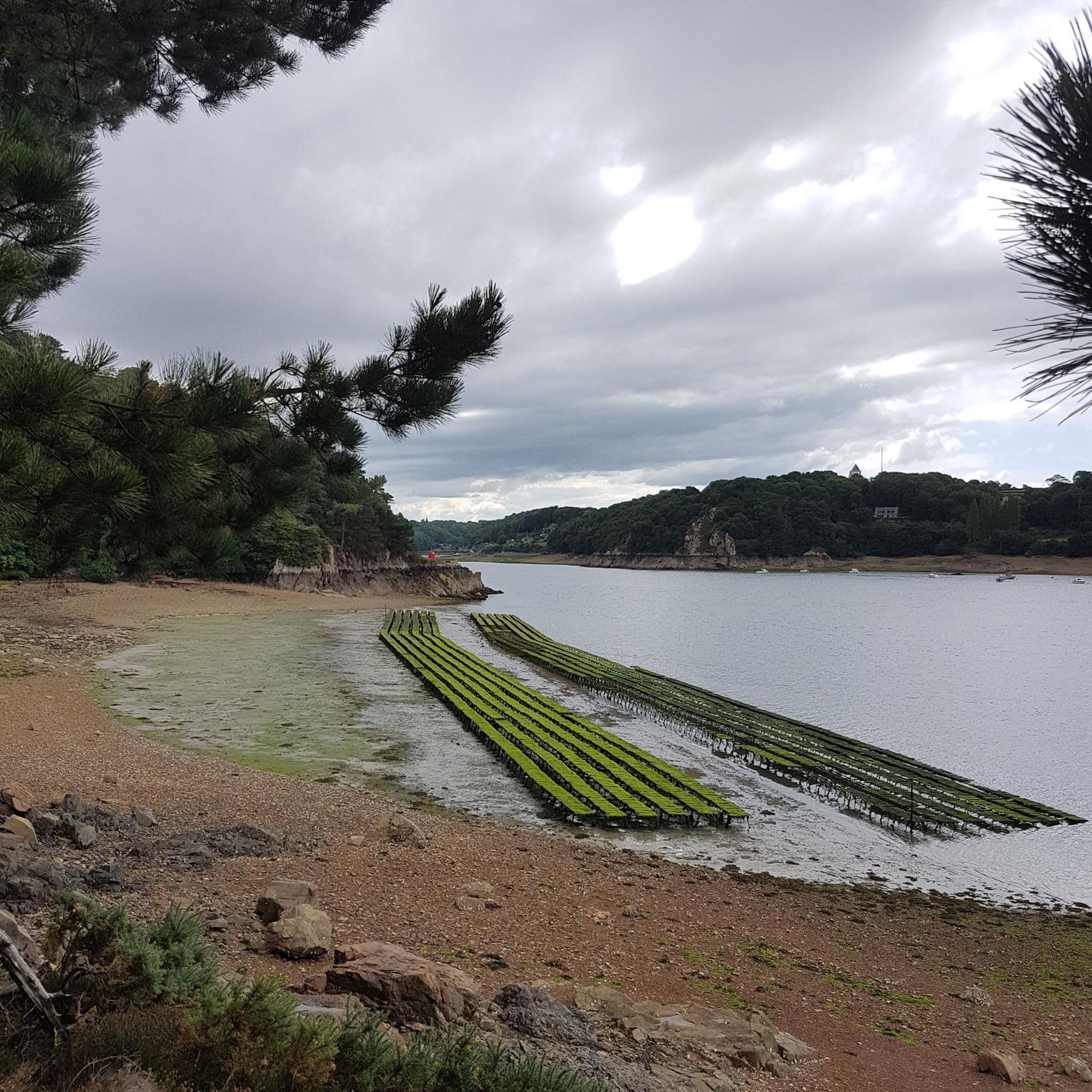
Beautiful to look at… even if it was created by human hands
20
0
Frequently Asked Questions
What are some of the most notable natural features to explore in Huckelheimer Wald?
The Huckelheimer Wald, a large forested area, offers several significant natural features. You can visit the Hohe Querberg, which at 474 meters is the highest elevation, offering potential scenic views. Another point of interest is the Arzborn, a natural spring on the southwestern slope of the Hohe Querberg, marking the source of the Querbach stream. Additionally, the area features unique wetlands like the Eschenkar Boardwalk Moor Trail, known for its impressive variety of plants, especially in summer.
Are there any family-friendly natural monuments or spots in Huckelheimer Wald?
Yes, several spots are suitable for families. The Gondel Pond, Horbach, is a beautifully situated small forest lake ideal for starting hiking tours. The Wiesbüttsee is another idyllic forest lake with a restaurant nearby, perfect for a break. The Kinzig Floodplains also offer very flat terrain with a lot of nature, making it accessible for families.
What kind of historical sites can be found among the natural monuments?
The Dr. Karl Kihn-Platz Rest Area is a significant historical site. This spacious hut and rest area is a historic traffic junction located at the intersection of Eselsweg and Birkenhainer Straße. It honors Dr. Karl Kihn, who founded the oldest hiking club in Spessart and contributed greatly to regional tourism.
What do visitors enjoy most about the natural monuments in Huckelheimer Wald?
Visitors particularly appreciate the diverse natural features and tranquil atmosphere. The Eschenkar Boardwalk Moor Trail is praised for its impressive variety of plants, especially in summer. The Wiesbüttsee is loved for its idyllic setting and as a perfect spot for a break. Many enjoy the extensive woodland character of the Huckelheimer Wald itself, which provides opportunities for nature observation and experiencing the tranquility of the Spessart forest.
Are there hiking trails near these natural monuments?
Yes, the Huckelheimer Wald is excellent for hiking. You can find numerous routes, including those that pass by natural monuments. For example, the Gondel Pond, Horbach, is a great starting point for tours like the SPESSARTFÄHRTEN-Weg. You can explore various running trails around the region, such as the moderate 'St. Luke's Chapel, Schöllkrippen – Kneipp facility Großkahl loop from Kleinkahl'. Find more options on the Running Trails around Huckelheimer Wald guide.
What other outdoor activities can I do near the natural monuments?
Beyond hiking, the area offers great opportunities for cycling and gravel biking. You can find easy to difficult cycling routes like the 'Royal Mining Office Kahl – Upper Kahl Valley loop from Kleinkahl' or the 'Aubach Lakes – View of Frammersbach loop from Kleinkahl'. For gravel biking, consider routes such as the 'Gondel Pond, Horbach – View of Geiselbach loop from Geiselbach'. Discover more details on the Cycling around Huckelheimer Wald and Gravel biking around Huckelheimer Wald guides.
What is the best time to visit the natural monuments in Huckelheimer Wald?
The Huckelheimer Wald is beautiful year-round, but each season offers a different experience. Summer is ideal for seeing the impressive variety of plants at places like the Eschenkar Boardwalk Moor Trail. Spring and autumn offer pleasant temperatures for hiking and enjoying the changing foliage. Be aware that in wet or cold conditions, some trails, especially boardwalks, can be slippery.
Are there any viewpoints to enjoy panoramic vistas?
While not a dramatic rock formation, the Hohe Querberg, as the highest point in the Huckelheimer Wald, offers potential for scenic views across the surrounding forested landscape. Many trails throughout the region also provide glimpses and vistas of the Spessart forest.
Are dogs allowed on trails near the natural monuments?
Generally, dogs are welcome on trails throughout the Huckelheimer Wald. However, it's always advisable to keep them on a leash, especially in areas with wildlife or near sensitive natural habitats like the Eschenkar Boardwalk Moor Trail, to protect both your pet and the environment.
What should I wear when visiting the natural monuments, especially for hiking?
For hiking in the Huckelheimer Wald, comfortable and sturdy footwear is essential, as trails can vary from well-maintained paths to natural forest floors. Layered clothing is recommended to adapt to changing weather conditions. If visiting in wet or cold seasons, waterproof gear and extra caution on potentially slippery surfaces like boardwalks are advised.
Are there any facilities or places to rest near the natural monuments?
Yes, the Dr. Karl Kihn-Platz Rest Area is a spacious hut with an attractive open space, perfect for a break. Additionally, the Wiesbüttsee features a restaurant by the lake, offering an ideal spot for a cappuccino or a meal, though it's recommended to call ahead for opening hours.
Most popular routes around Huckelheimer Wald
Most popular attractions around Huckelheimer Wald

Get inspired with the komoot mobile app


Explore more
Extend your search for the best caves by checking out these guides of the top ones around Huckelheimer Wald:
