Top 20 Natural Monuments around Linsengericht
Natural monuments around Linsengericht offer diverse natural attractions within the Main-Kinzig-Kreis in Hesse. The region is characterized by its location at the edge of the Spessart, featuring extensive forests and significant natural areas. Visitors can explore a variety of landscapes, from protected individual trees to expansive floodplains and forest environments. These sites provide opportunities for recreation and appreciating the area's ecological and geological features.
Best natural monuments around Linsengericht
- The most popular natural monuments is Barbarossa Spring, a natural…
Last updated: May 11, 2026
Ludwig Tower (Hahnenkamm)
Highlight • Viewpoint
Translated by Google •
Tip by

Kinzig Floodplains
Highlight • River
Translated by Google •
Tip by

Sign up now to discover places like this
Get recommendations on the best single tracks, peaks, & plenty of other exciting outdoor places.
Sign up for free
Barbarossa Spring
Highlight • Natural Monument
Translated by Google •
Tip by

Dr. Karl Kihn-Platz Rest Area
Highlight • Mountain Hut
Translated by Google •
Tip by

Wiesbüttsee
Highlight • Lake
The restaurant is not open every day, so call ahead to be sure. Tel. +49 6096-385
Translated by Google •
Tip by

Sign up for free to discover even more natural monuments around Linsengericht.
Sign up for free
Already have an account?
Start today with a free account
Your next adventure awaits.
Login or Signup
Popular around Linsengericht
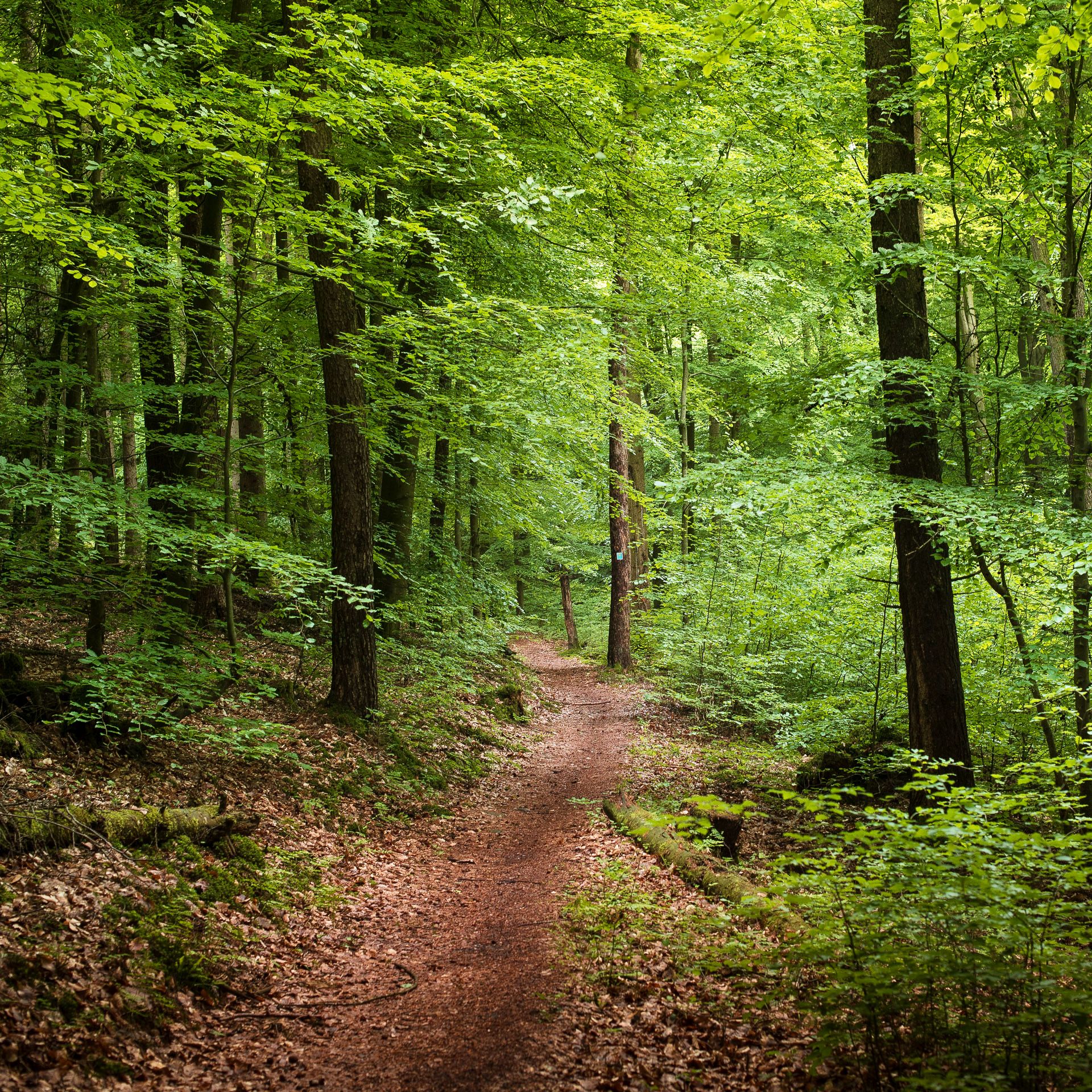
Endless forests, flowing trails – MTB in Germany’s Spessart region
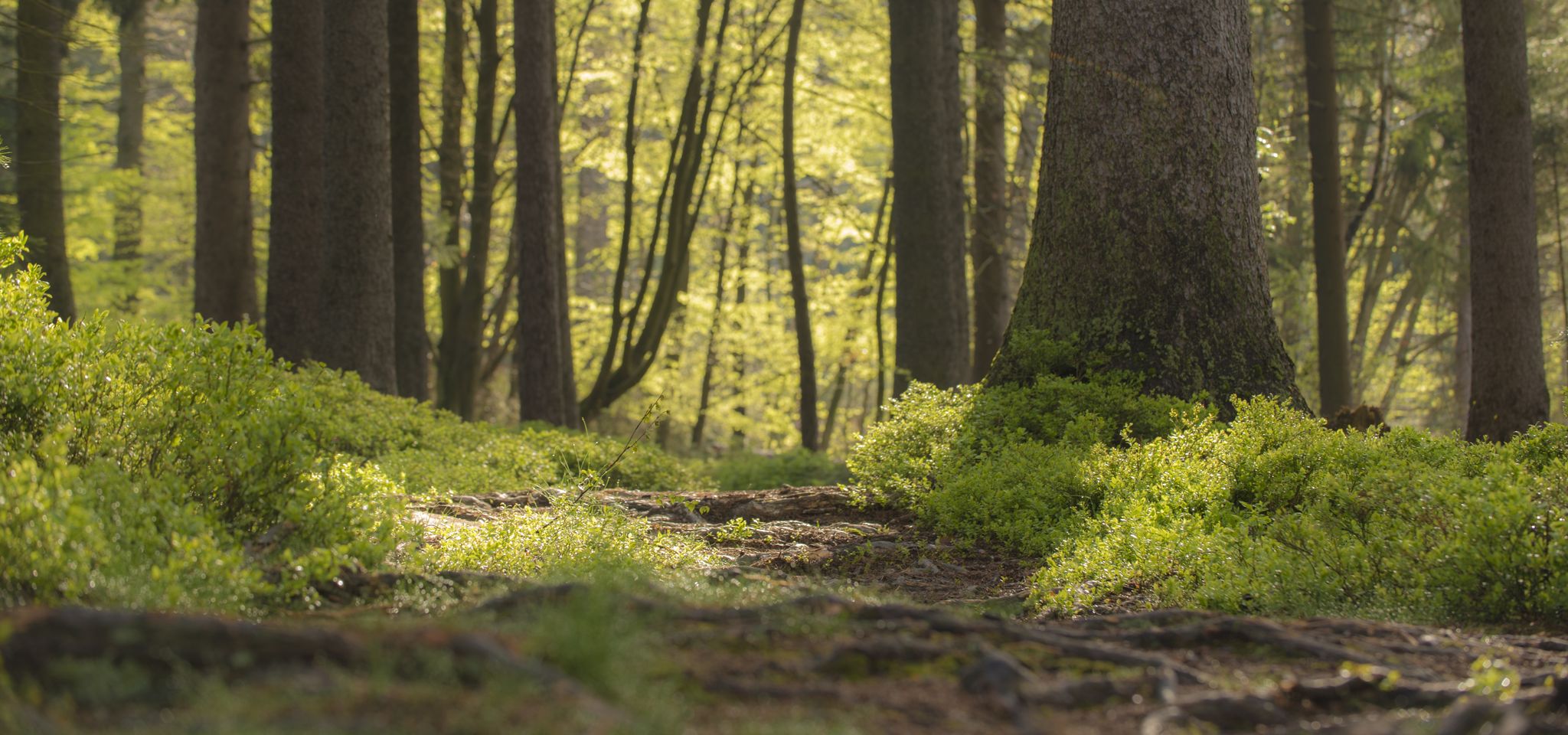
Mountain biking in the Spessart – Awesome trails in Germany
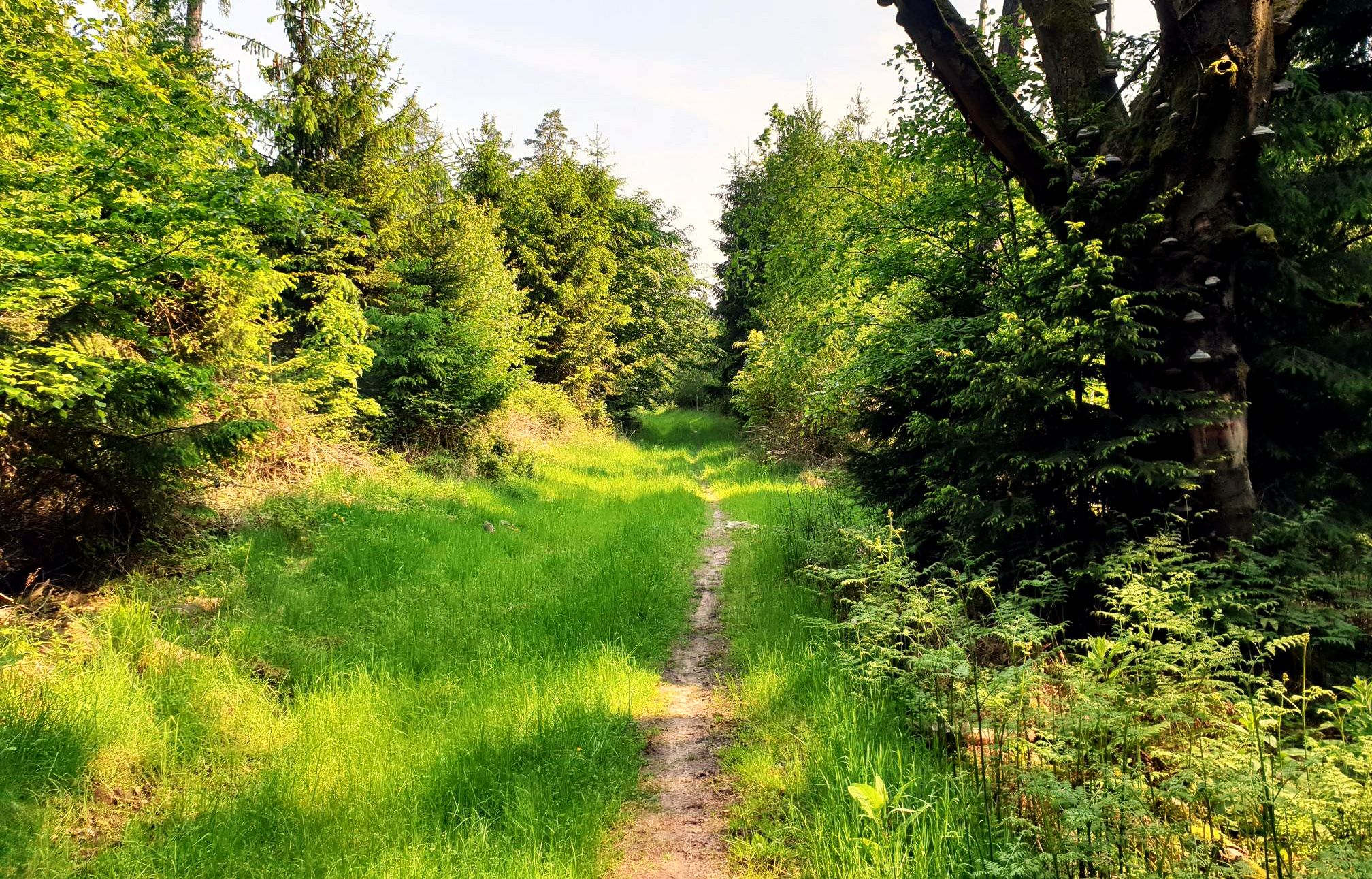
Mountain biking in the Spessart – Awesome trails in Germany
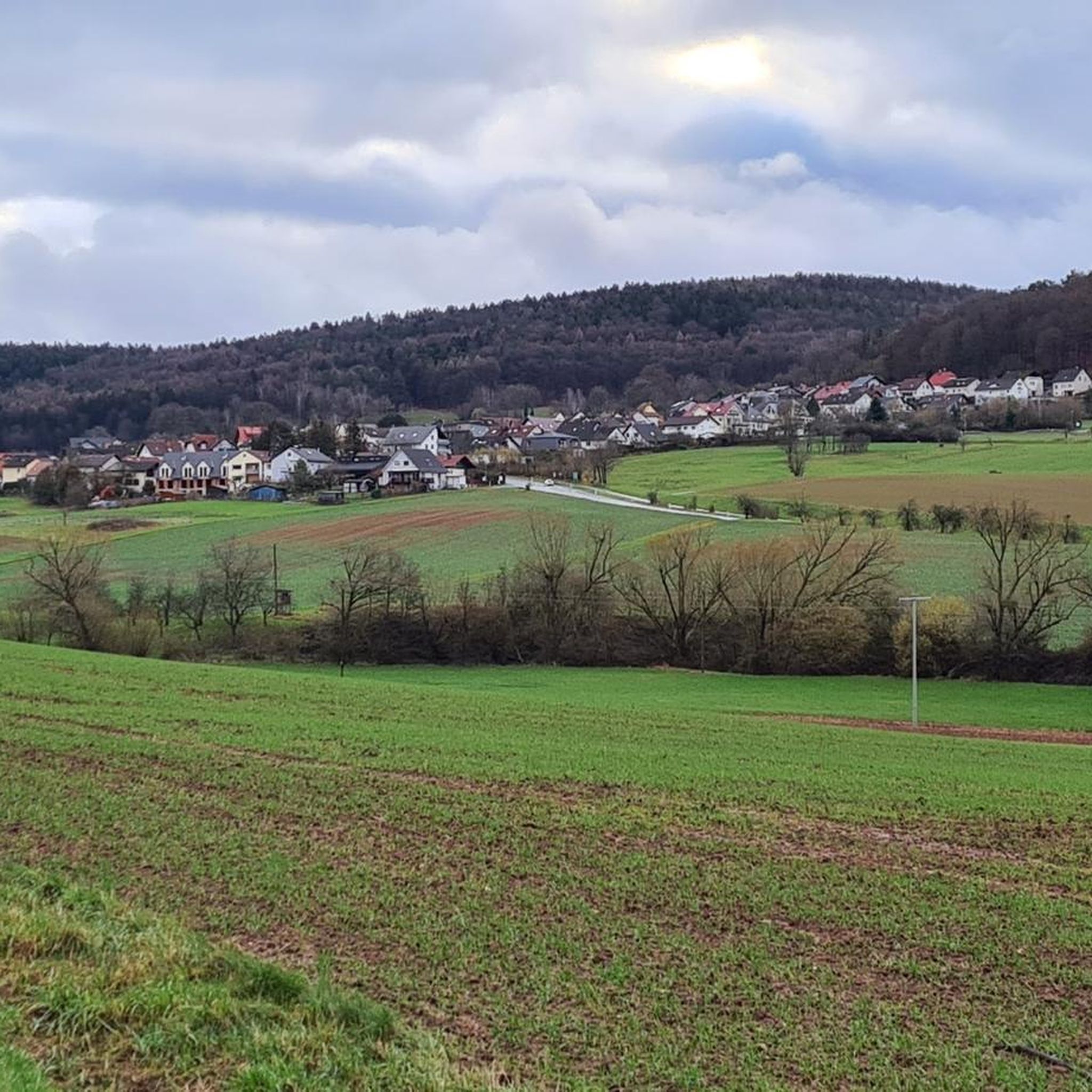
Hiking around Linsengericht
Road Cycling Routes around Linsengericht
Cycling around Linsengericht
Running Trails around Linsengericht
MTB Trails around Linsengericht
Gravel biking around Linsengericht
Other adventures around Linsengericht

Tips from the Community

The Kinzig is a river approximately 86 kilometers long. It rises in Sterbfritz, flows southwest through the Main-Kinzig district of Hesse, and flows into the Main from the right in Hanau. The Kinzig is a second-order river in low mountain ranges. It overcomes an elevation of 301 meters and has a bed gradient of 3.5 per thousand. The Kinzig's catchment area covers 1,058 square kilometers, and the calculated mean discharge (MQ) at the mouth of the Kinzig is 10.97 cubic meters per second. The Kinzig was first documented in 796 as "iuxta fluvium Kincihen." In 815, the name was written as "Chinzicha," around 900 as "Kincicha"/"Kinzicham," in 1364 as "Kinzige," in 1584 as "Kintzig," in 1607 as "Bintz," in 1681 as "Kintz," in 1716 as "Kins," in 1769 as "Kinzing," and in 1802 as "Kinzig." In the river's headwaters, there was the now-defunct village of Kinzig, mentioned in 815 as "Chirizichheimero." The village and river were often confused by monastery scribes at that time with "Chizzicha" (now Bad Kissingen), both of which were described as being located in the Saalegau. The name presumably derives from the ancient Celtic *ku̯anti̯o- meaning "flat hill, valley." The name was therefore derived from the mountainous region from which the Kinzig flows. Source: Wikipedia
1
0

It is a great place to cycle all year round.
2
0

Spacious cabin with attractive open space
14
0
Located not far from a campsite.. border area of Hesse and Bavaria… the local pub is currently being renovated
15
0

The Kinzig is also used by the brave (not just children) to cool down. Very romantic.
3
0

You can take a nice break...
6
0

In the hut there is a guest book waiting for your descriptions.
6
0
Beautiful place to stay, observing the signs is a matter of honor, isn't it!?!
12
0
Frequently Asked Questions
What are some of the most prominent natural monuments to visit in and around Linsengericht?
The region offers a variety of natural monuments. Among the most popular are the Barbarossa Spring, known for its historical ties to Emperor Frederick I, and the expansive Kinzig Floodplains, vital for local recreation and wildlife. The idyllic Wiesbüttsee, a forest lake, is also a favorite. Additionally, the Linsengerichter Gerichtswald is a significant natural area with diverse ecosystems and historical traces.
Are there any historical natural monuments in the Linsengericht area?
Yes, several natural monuments have historical significance. The Barbarossa Spring is named after Emperor Frederick I, Barbarossa, who reportedly rested there during hunting expeditions. The Linsengerichter Gerichtswald, an extensive forest, contains cultural-historical traces dating back to Celtic times. The Dr. Karl Kihn-Platz Rest Area is also a historical traffic junction, honoring a general practitioner who contributed to regional tourism.
What kind of outdoor activities can I do near these natural monuments?
The area around Linsengericht is excellent for various outdoor activities. You can find numerous routes for gravel biking, such as those detailed in the Gravel biking around Linsengericht guide. For mountain biking enthusiasts, the MTB Trails around Linsengericht guide offers challenging trails, including those in the Gerichtswald. There are also many running trails, like those found in the Running Trails around Linsengericht guide, perfect for exploring the natural surroundings.
Are there family-friendly natural monuments suitable for visits with children?
Many natural monuments in the region are suitable for families. The Barbarossa Spring and its surrounding trails are pleasant for a family outing. The Kinzig Floodplains offer flat terrain with plenty of nature, ideal for walks or cycling with children. The idyllic Wiesbüttsee is also a great spot for a break. Additionally, the Ludwig Tower (Hahnenkamm) provides great views and has a restaurant nearby.
What makes the Linsengerichter Gerichtswald a significant natural area?
The Linsengerichter Gerichtswald is an extensive forest covering approximately 1,300 hectares, often referred to as the 'gateway to the Spessart.' It features diverse tree populations, including beech, oak, spruce, and pine, thriving on varied soil compositions. Its 'sporty' terrain with undulating paths makes it ideal for nature lovers and hikers, offering numerous marked circular hiking trails. It also holds cultural-historical traces dating back to Celtic times.
Can I find specific protected trees within Linsengericht?
Yes, Linsengericht is home to several officially designated natural monuments that are individual trees. These include two horse chestnut trees in Eidengesäß and a horse chestnut and a copper beech at Hof Eich in Geislitz. These trees are protected for their ecological or aesthetic value, often notable for their size, age, or specific botanical characteristics.
What kind of geological features can be observed among the natural monuments?
Beyond individual trees, Linsengericht features interesting geological formations. One designated natural monument is a stone slope with tree growth at Hainkeller in Großenhausen. The Linsengerichter Gerichtswald itself is characterized by varied soil compositions of Buntsandstein, Quarzit, and Glimmerschiefer, contributing to its diverse tree population and terrain.
What do visitors enjoy most about the natural monuments around Linsengericht?
Visitors frequently appreciate the serene and natural beauty of the area. The Barbarossa Spring is praised for its tranquil setting and historical context, with great trails around it. The Kinzig Floodplains are valued for their flat terrain and abundant nature, providing idyllic moments. The Wiesbüttsee is often described as an idyllic forest lake, perfect for a break. Many also enjoy the panoramic views from the Ludwig Tower.
Are there any facilities or places to eat near the natural monuments?
Yes, some natural monuments have facilities nearby. The Wiesbüttsee has a restaurant by the lake, ideal for a break. The Ludwig Tower (Hahnenkamm) is right next to a mountain inn offering food and a great panoramic view. The Dr. Karl Kihn-Platz Rest Area features a spacious cabin and attractive open space for resting.
What is the best season to visit the natural monuments in Linsengericht?
While the natural monuments can be enjoyed year-round, spring and autumn are particularly recommended. In spring, the forests, including the Linsengerichter Gerichtswald, burst with new growth and vibrant colors. Autumn offers stunning foliage, especially with the diverse tree species like copper beeches and horse chestnuts, making it ideal for hiking and photography. The Barbarossa Spring flows continuously, and its surrounding area is pleasant in milder weather.
Are there any natural monuments that are part of a larger protected area?
Yes, the Kinzig Floodplains, while extending beyond Linsengericht, are a significant natural landscape in the region. The 'Auenverbund Kinzig' (Kinzig Floodplain Network) is designated as a landscape protection area, highlighting its ecological importance for various plant and animal species. The Linsengerichter Gerichtswald also serves as a crucial natural area at the edge of the Spessart.
Most popular routes around Linsengericht
Most popular attractions around Linsengericht

Get inspired with the komoot mobile app


Explore more
Extend your search for the best caves by checking out these guides of the top ones around Linsengericht:
