Top 20 Natural Monuments around Bornich
Best natural monuments around Bornich are situated in the Rhine Gorge, an area known for its natural scenery. The region features the iconic Loreley rock formation and various panoramic viewpoints. This landscape offers geological formations and views of the UNESCO World Heritage Upper Middle Rhine Valley.
Best natural monuments around Bornich
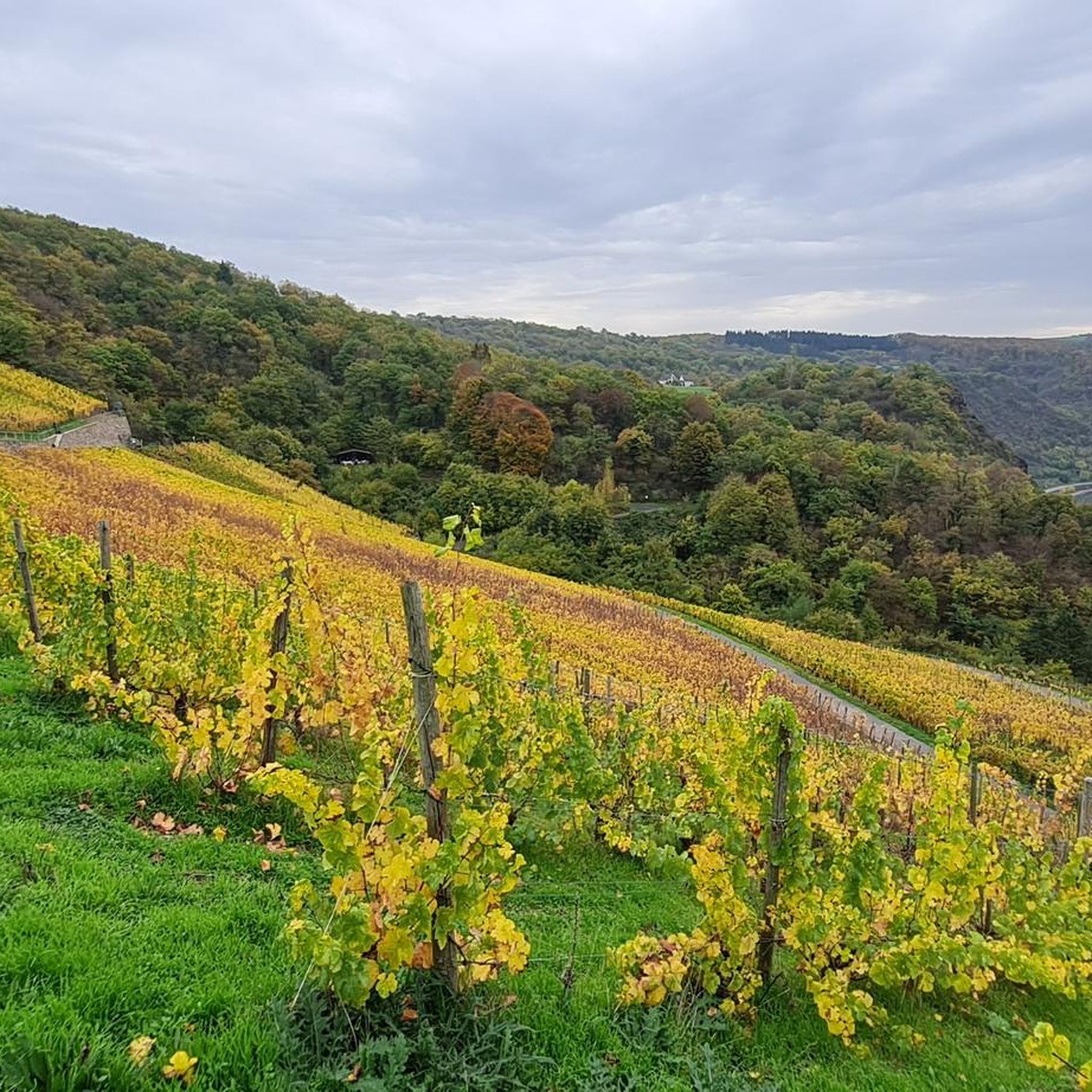
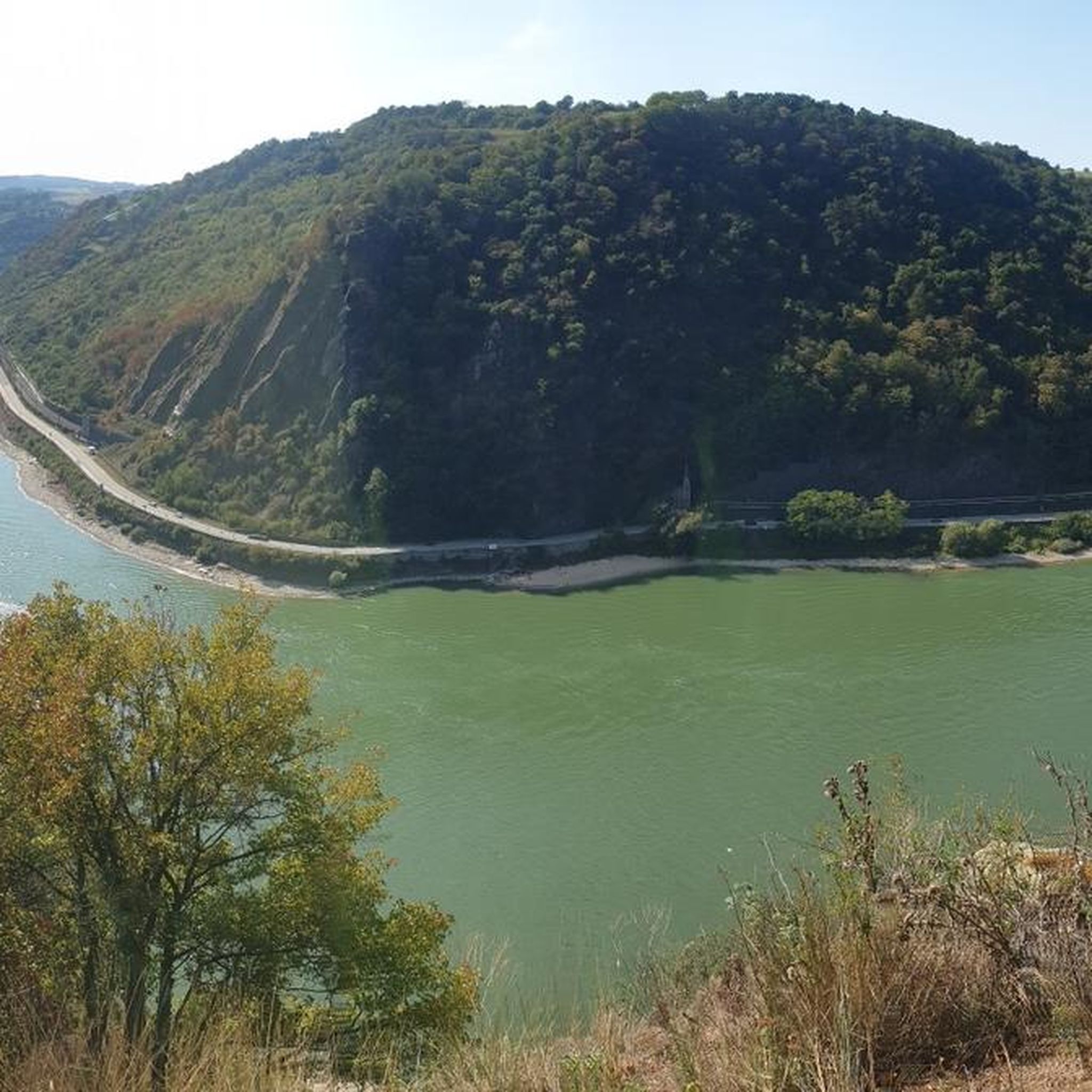
- The most popular natural monuments is View of the Loreley Rock, a viewpoint that is a prominent slate rock rising 132 meters above the water. It offers views…
Last updated: September 28, 2026
View of the Loreley Rock
Highlight • Viewpoint
Translated by Google •
Tip by

View of the Loreley Rock and the Rhine
Highlight • Viewpoint
Translated by Google •
Tip by

Sign up now to discover places like this
Get recommendations on the best single tracks, peaks, & plenty of other exciting outdoor places.
Loreley Statue on the Rhine
Highlight • Monument
Translated by Google •
Tip by

View of the Loreley from Maria Ruh
Highlight • Viewpoint
Translated by Google •
Tip by

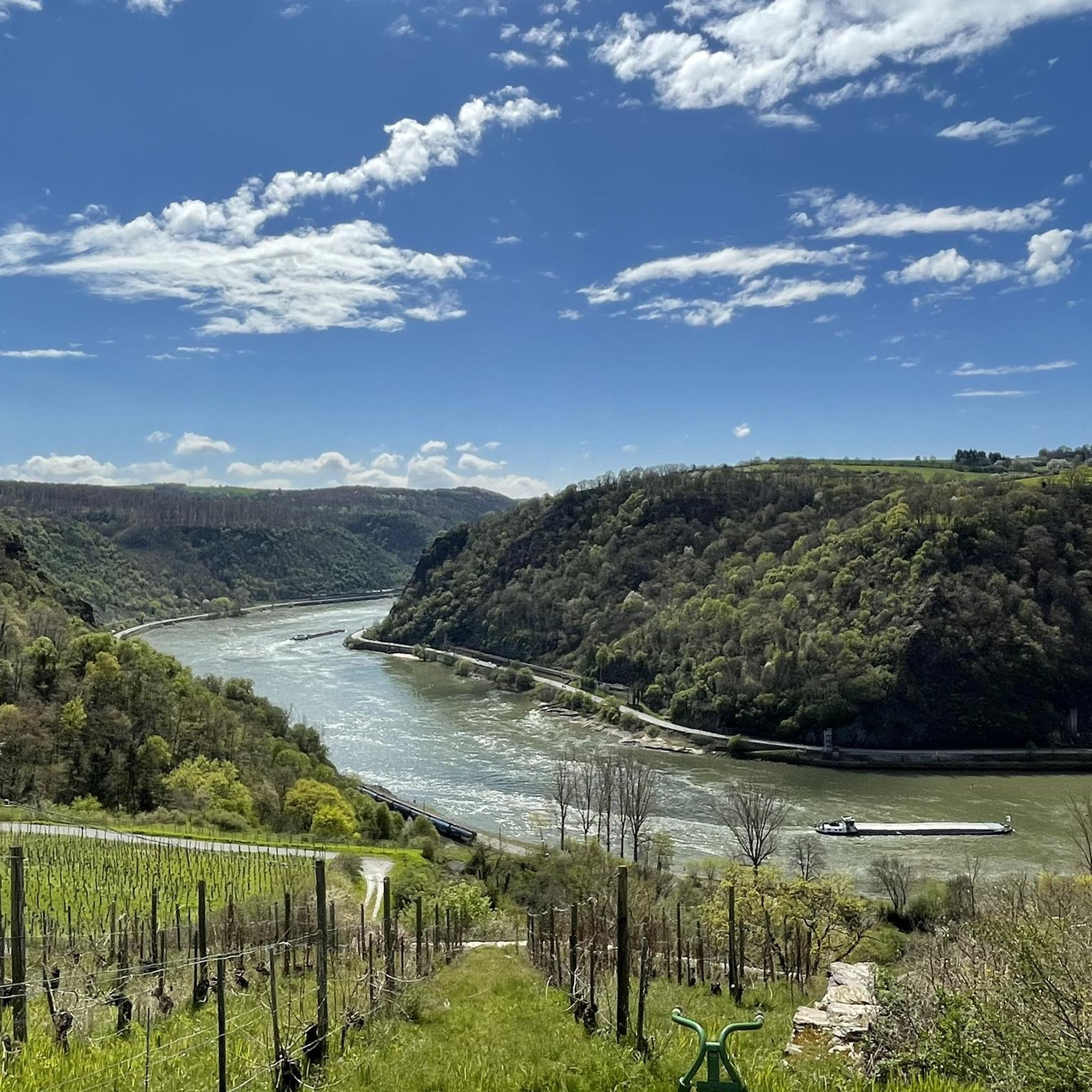
Felsenkanzel Viewpoint Overlooking the Rhine and the Loreley
Highlight • Viewpoint
Translated by Google •
Tip by

Sign up for free to discover even more natural monuments around Bornich.
Already have an account?
Start today with a free account
Your next adventure awaits.
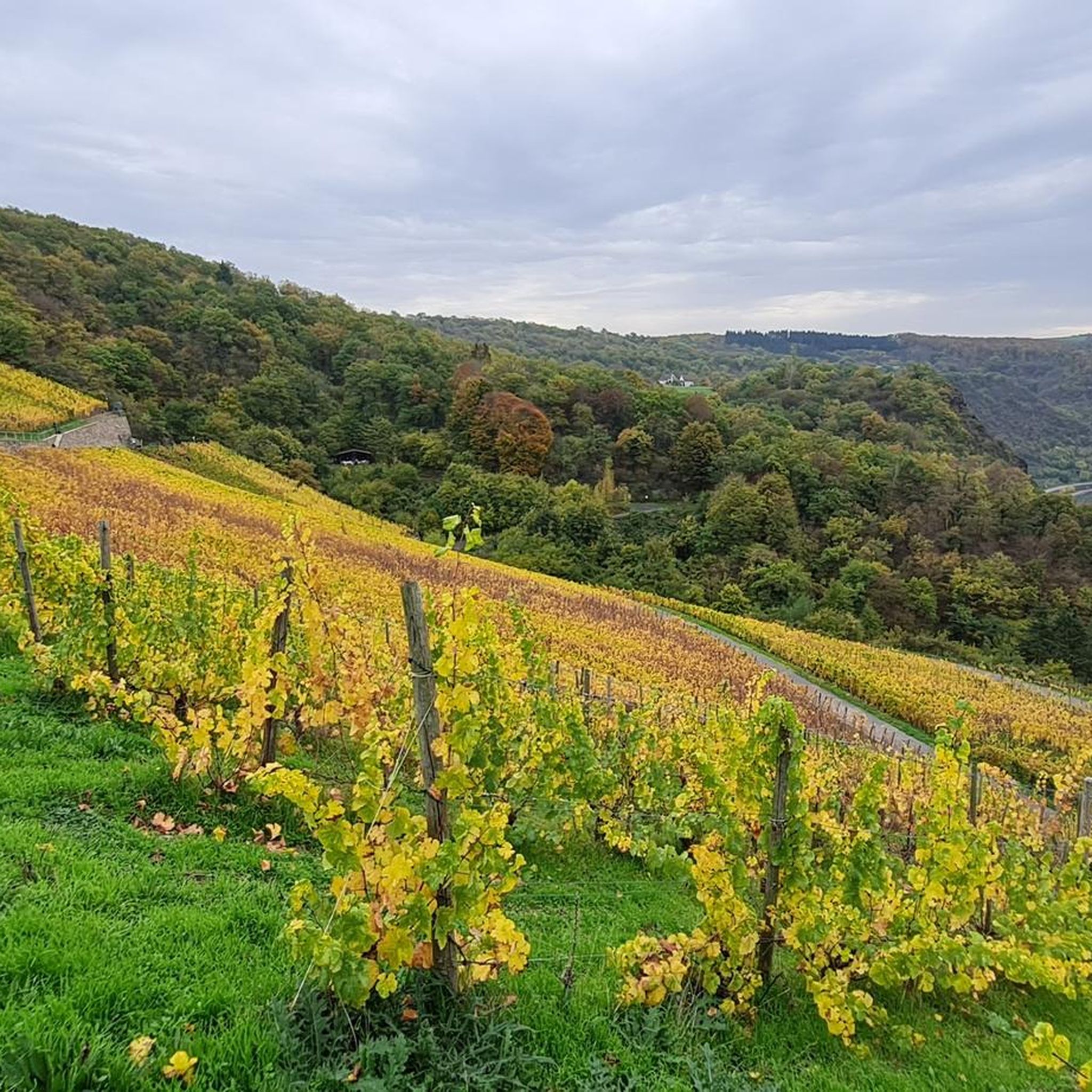
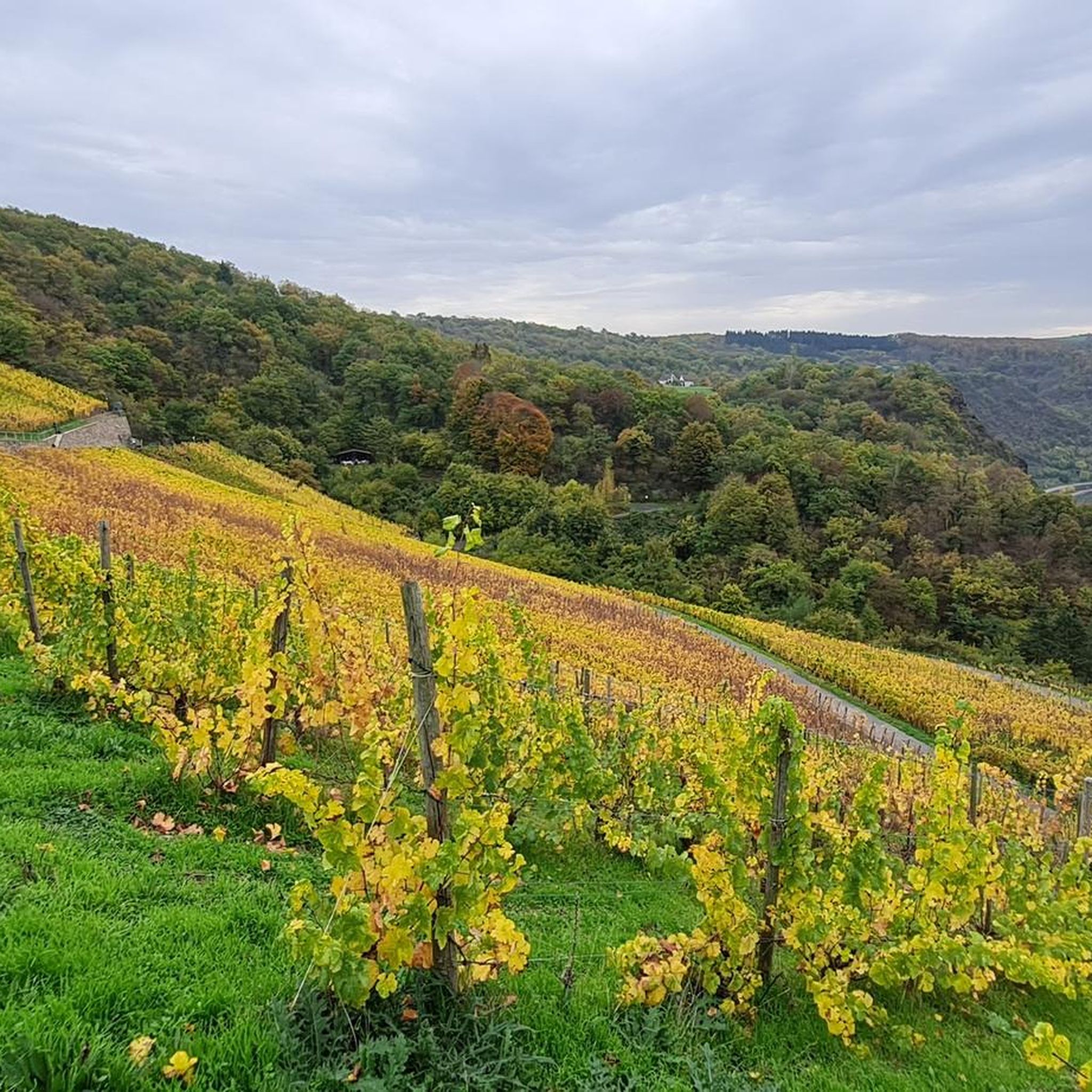
Tips from the Community

Again a beautiful point, with many opportunities for a beautiful photo.
8
0

There is really a great view at every point here, with the most beautiful photo motifs.
9
0
Great view of the Rhine Valley. Please plan some time, it's worth it.
9
0
We continue to work hard here. Certainly already preparatory work for the BUGA 2029. Then it will certainly be great up here. But even so, a visit is definitely a super nice experience.
9
0

Great view of the Rhine Valley.
11
0

The way down the stairs and then along the bank to get to the old town, super chilled. Atmosphere²
8
0

The Loreley open-air stage The Turner Labor Service began work on the Loreley open-air stage in 1932. The stage was originally intended for the RheinMain-Spielring, but this construction project was appropriated by the National Socialists the following year and rededicated as a "NS celebration site" and a "Thing site". The construction work lasted until 1939 and was carried out by members of the Labor Service. The spectators of the open-air stage received 4,300 seats and 10,000 to 14,000 standing places. The inauguration was on June 21, 1939. Only three days later, the first performance of Wilhelm Tell took place. The stage was not only intended for theatrical events, but was also intended to serve as a backdrop for large party events. Rock and pop concerts have also been held on the Loreley open-air stage since 1976. Genesis gave their first rock concert on July 3, 1976. On 6/17/78, Grace Slick refused to perform with Jefferson Starship, leading to riots and vandalism. "This also helped many amateur bands suddenly to have professional equipment in their rehearsal cellars" can still be read in the social networks today. From 1981, the Rockpalast also took place several times on the open-air stage. Many well-known artists performed, including BAP, Barclay James Harvest, Bob Dylan, Joe Cocker, Die Toten Hosen, Böhse Onkelz, Herbert Grönemeyer, Peter Maffay, Marillion, Gary Moore, Metallica, Chris Rea, Frankie Miller, Eric Burdon, Lynyrd Skynyrd, Udo Jürgens, Red Hot Chili Peppers, Carlos Santana, Paul Simon, Simple Minds, Sting, The Police, The Sisters of Mercy, Dus40, R.E.M. The Kelly Family, U2, Journey, Toto and Whitesnake. Source: Text information board / text excerpts from Wikipedia
14
1
In an exposed place The almost flat plateau of the Loreley high above the Rhine has been an ideal place for people to stay and settle since time immemorial. On the edge of the plateau, Paleolithic tools of Homo erectus made of rubble and flakes were found - at that time, about 800,000 years ago, the waves of the Rhine sloshed onto the bank at this point. When the hunters and gatherers settled down around 8000 AD, they also cleared forests on the Loreley plateau for agriculture. The so-called Bandkeramik people who lived at that time settled in large families in long wooden houses, which were divided into residential and commercial areas. Two long houses in the Loreley area from this period have been identified, in which decorated ceramic vessels were found. In the subsequent Bronze Age, the plateau was still inhabited, as can be proven by flat graves with urn burials from the epoch of the urn field culture (9th century BC). At the turn of the Celtic period (around 800 BC), when times became more troubled due to the invasion of Eastern European steppe peoples, the inhabitants fortified their settlement with a palisade wall. In the centuries that followed, this rampart was reinforced by a second ring and a ditch dug into the rock. Iron weapons and tools, bronze jewellery, ceramic vessels, numerous graves with extensive grave goods indicate the importance of the settlement and a certain wealth of the population in Celtic times. The plateau was also used in Roman times. The population, who mixed Roman influence with their Celtic roots, made a good living by supplying the Roman military on the Rhine and the nearby Limes with food and goods. Near the Loreley are the remains of a villa rustica (Roman estate) and an ancient water pipe from the 2nd to 4th centuries AD. The settlement was probably abandoned in the middle of the 5th century. Only as part of the Frankish conquest did the fertile plateau around the Loreley rocks be settled again from the 7th century. Source: text information board
17
2
Frequently Asked Questions
What makes the natural monuments around Bornich unique?
The natural monuments around Bornich are primarily characterized by the dramatic Rhine Gorge landscape, including the iconic Loreley rock formation and numerous panoramic viewpoints. This area is part of the UNESCO World Heritage Upper Middle Rhine Valley, offering stunning geological formations and a rich blend of natural beauty and cultural history.
Which natural monuments offer the best panoramic views of the Rhine Valley?
For breathtaking views, consider visiting the View of the Loreley Rock, which rises 132 meters above the water. Other notable viewpoints include Felsenkanzel Viewpoint Overlooking the Rhine and the Loreley, and the Spitzenstein Observation Tower, which also features a replica of a Napoleonic wink telegraph.
Are there any historical natural monuments in the Bornich area?
Yes, the Loreley Rock itself is steeped in myth and cultural history, explored within the Cultural and Landscape Park Loreley. Additionally, the Nollig Castle Ruins, though privately owned and not accessible inside, stands as a historical landmark high above the city, offering a glimpse into the region's past fortifications.
What is the 'Adolfseiche Aaschebamche' in Bornich?
The 'Adolfseiche Aaschebamche' is a significant ancient oak tree located within Bornich. Planted on August 22, 1864, it stands as a notable natural feature and a local landmark within the municipality.
Are there family-friendly natural monuments to visit around Bornich?
Many of the natural monuments around Bornich are suitable for families. The View of the Loreley Rock and the Loreley Statue on the Rhine are popular choices, offering accessible viewpoints and engaging historical context. The Cultural and Landscape Park Loreley is designed to be accessible and features a Myth Trail for exploration.
What outdoor activities can I do near these natural monuments?
The area around Bornich offers a variety of outdoor activities. You can find numerous running trails, including routes like 'Ochsenturm Oberwesel – View of the Loreley loop' and 'Loreley Statue on the Rhine – View of Katz Castle loop'. For cyclists, there are road cycling routes such as 'View of the Marksburg – Rudi Geil Bridge loop' and gravel biking options like 'Large Donkey Farm Bornich – Our Thick Oak (Endlichhofen) loop'. You can explore more options in the dedicated guides for Running Trails around Bornich, Road Cycling Routes around Bornich, and Gravel biking around Bornich.
What do visitors enjoy most about the natural monuments in Bornich?
Visitors frequently praise the stunning views of the Rhine Valley and the Loreley rock, especially from spots like the Felsenkanzel Viewpoint. The rich history and myths associated with the Loreley are also a major draw, offering a unique blend of natural beauty and cultural storytelling. The komoot community has documented these highlights with over 900 photos and more than 4000 upvotes, reflecting widespread appreciation.
Are there specific hiking trails that lead to these natural monuments?
Yes, the Rheinsteig trail is a prominent route that passes by several significant viewpoints and natural monuments in the area, including the Felsenkanzel Viewpoint and the Nollig Castle Ruins. These trails offer excellent opportunities to experience the unique natural beauty of the region on foot.
What is the best time of year to visit the natural monuments around Bornich?
The natural monuments around Bornich, particularly those along the Rhine Gorge, are beautiful throughout much of the year. Spring and autumn offer pleasant temperatures for hiking and vibrant foliage, while summer provides longer daylight hours for exploration. Even in winter, the landscape can be striking, though some trails might be more challenging.
Is the Loreley Cultural and Landscape Park accessible?
Yes, the Cultural and Landscape Park Loreley is designed to be accessible, featuring multiple viewpoints and a Myth Trail that allows visitors to discover the cultural history and experience the natural monument firsthand. It aims to provide an inclusive experience for all visitors.
Can I find places to eat or stay near the natural monuments in Bornich?
Bornich and the surrounding towns along the Rhine Gorge offer various options for cafes, pubs, and accommodation. While specific establishments are not detailed here, the region is well-equipped to cater to visitors exploring its natural and historical attractions.
Most popular routes around Bornich
Most popular attractions around Bornich

Get inspired with the komoot mobile app


Explore more
Extend your search for the best caves by checking out these guides of the top ones around Bornich:
