Top 20 Natural Monuments around Westerrönfeld
Best natural monuments around Westerrönfeld are found within the green landscape of Schleswig-Holstein, particularly alongside the Kiel Canal. This region offers natural scenery and opportunities for outdoor activities. The area is characterized by its proximity to the Kiel Canal, which, while an artificial waterway, is surrounded by natural landscapes valued for recreation and exploration.
Best natural monuments around Westerrönfeld
- The most popular natural monuments is Observation Platform at Fockbeker Moor, a viewpoint that offers views of the Fockbeker Moor.…
Last updated: June 24, 2026
Rümland Pond
Highlight • Lake
Translated by Google •
Tip by

Sorgwohld Inland Dunes
Highlight • Natural Monument
Translated by Google •
Tip by

Sign up now to discover places like this
Get recommendations on the best single tracks, peaks, & plenty of other exciting outdoor places.
Sign up for free
Wildes Moor Viewpoint
Highlight • Viewpoint
Translated by Google •
Tip by

Methorst Pond
Highlight • Lake
Translated by Google •
Tip by
Observation Platform at Fockbeker Moor
Highlight • Viewpoint
Definitely bring binoculars.
Showing Translation
Tip by
Sign up for free to discover even more natural monuments around Westerrönfeld.
Sign up for free
Already have an account?
Start today with a free account
Your next adventure awaits.
Login or Signup
Tips from the Community

From the "Wildes Moor" viewing hill, a sweeping view opens up over the almost treeless raised moor and green landscape, interspersed with renaturalized bodies of water. The atmosphere is particularly mystical in the morning with ground mist and the rising sun. A circular trail allows you to experience the unique flora and fauna: patches of cotton grass and sphagnum moss, bracken, and moor grass alternate, providing habitat for approximately 50 breeding bird species and various dragonflies and grasshoppers.
3
0

Beautiful hike in August when the heather is in bloom.
0
0

Beautiful in August!
0
0

From the slightly elevated viewing platform, the Fockbek Moor and its inhabitants can be discovered.
0
0
The view from the observation windows onto the Fockbeker Moor is significantly restricted in late summer due to vegetation. Definitely bring binoculars.
5
0

Just enjoy and do nothing
2
0
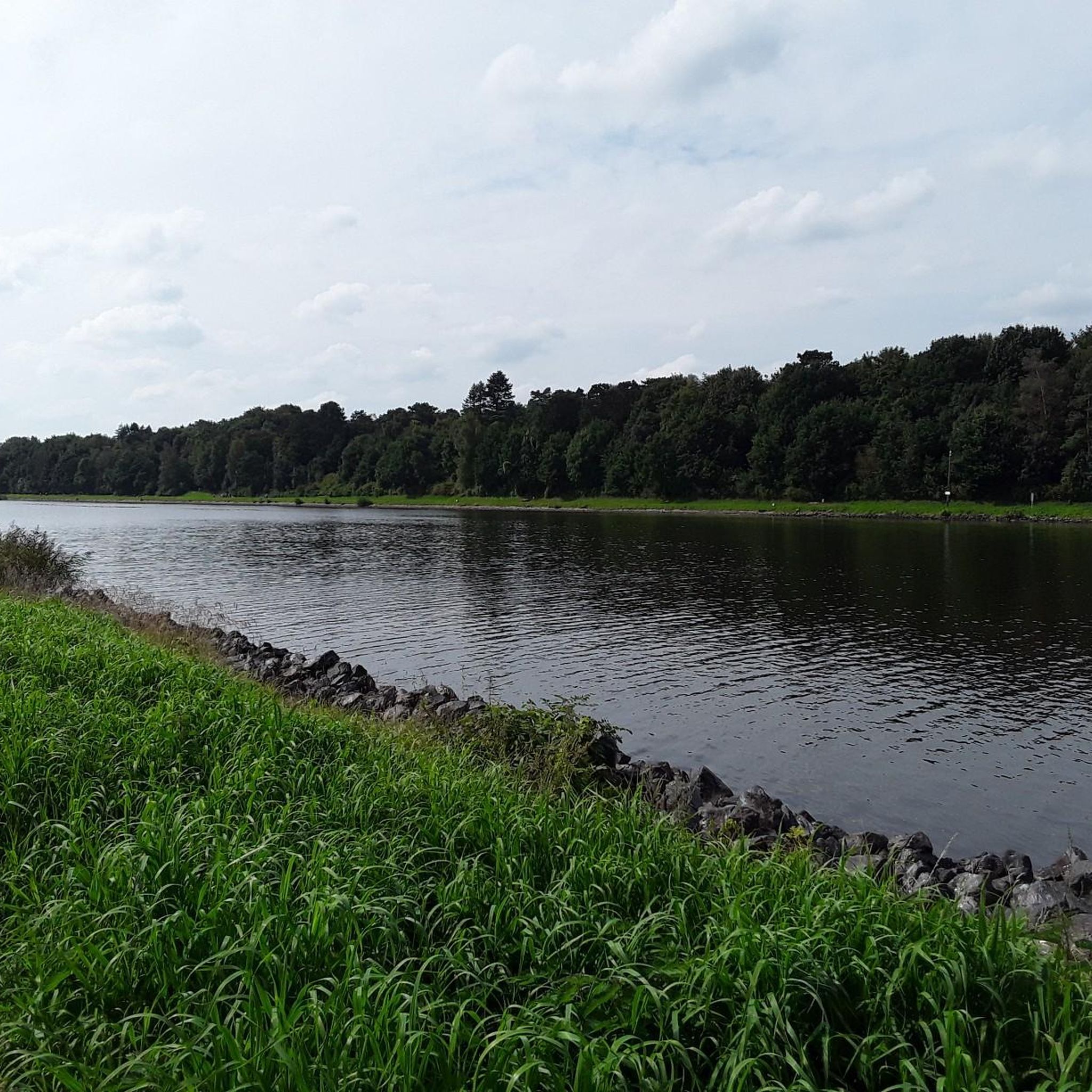
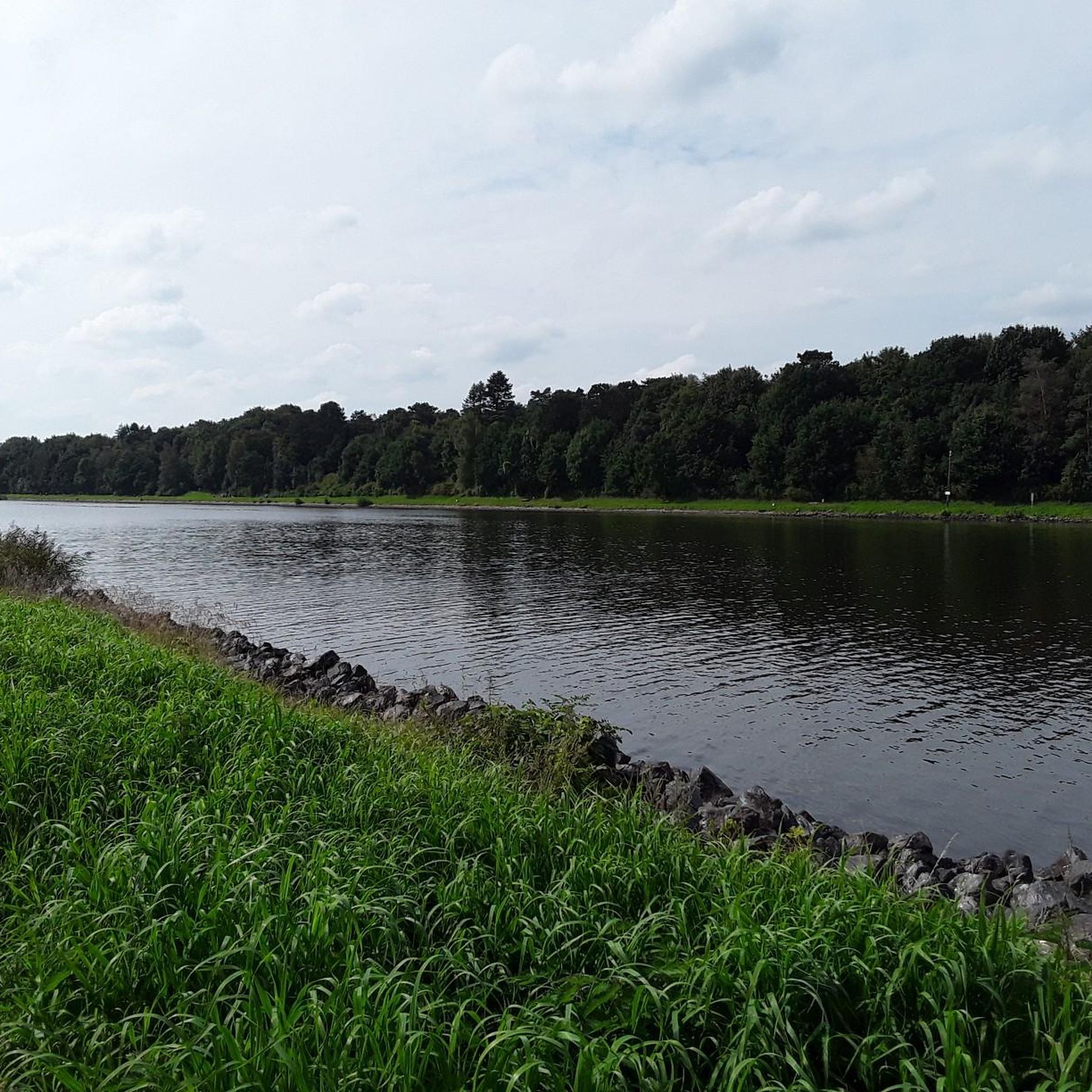
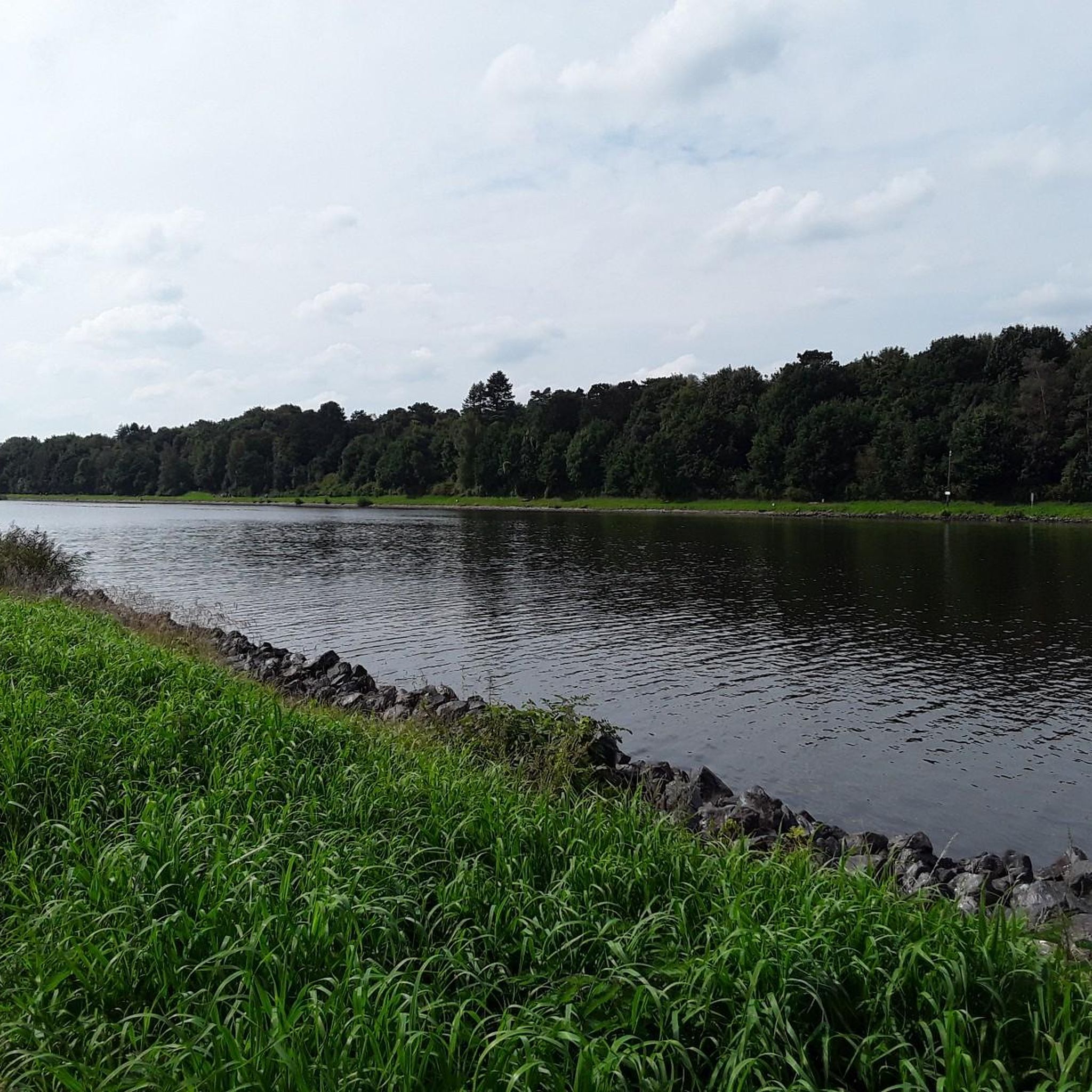
What is striking is the massive occurrence of reeds in the wide bank zone.
5
1

The Sorgwohlder inland dunes near Owschlag have been a nature reserve along the Sorge lowlands since 1936. It extends from Sorgwohld in a northeasterly direction. The dunes were formed in the late and post-glacial periods around 12,000 years ago. A constant ice wind blew the sand from the erosion edges, created by meltwater that had severely eroded the Owschlager Sander in Sorgetal, into mighty dunes. Today it can be assumed that parts of the Sorgwohlde inland dunes have been almost devoid of vegetation since the Ice Age. Humans have cultivated this landscape through grazing and farming since around 1000 AD. fundamentally shaped. The farmers in the sandy areas used the soil removed by pests to litter the stables and then fertilize their one-sidedly cultivated fields. Plowing and removing heather and other ground litter removed nutrients from the soil. This meant that the heather was always able to sprout new crops and germinate its sun-loving seeds better. The Ochsenweg also had an influence on the area. At Sorgwohld he crossed the worry. Large storage areas had to be available at such water points. The cattle kept churning up the ground. The Sorgwohlder inland dunes with their heaths and silver grass and lichen meadows, which are unique to Schleswig-Holstein and are home to a number of insects and spider species that are threatened with extinction. You can find further detailed information about the Sorgwohlder inland dunes here: http://www.owschlag.info/BUND/binnenduenen.htm
3
0
Frequently Asked Questions
What unique natural features can I explore around Westerrönfeld?
The region around Westerrönfeld offers diverse natural features. You can discover the unique landscape of the Sorgwohld Inland Dunes, formed by sand from the Late Ice Age and featuring heather and juniper. There are also several ponds and moorlands, such as the tranquil Rümland Pond surrounded by forest, and the extensive Wildes Moor with its renatured areas.
Are there good viewpoints to observe the natural surroundings?
Yes, there are several excellent viewpoints. The Observation Platform at Fockbeker Moor offers great views of the moor and its birdlife. You can also get a wide perspective over the moor and grassland areas from the Wildes Moor Viewpoint. Additionally, the Sorgwohld Inland Dunes provide elevated spots to take in the unique heather landscape.
What kind of wildlife can I spot in the natural monuments near Westerrönfeld?
The natural areas are home to various wildlife, particularly birds. At Rümland Pond and Methorst Pond, you can observe many water birds. The Wildes Moor is known for its diverse bird species and even smooth snakes. Binoculars are recommended, especially for the Observation Platform at Fockbeker Moor, to enhance your birdwatching experience.
Are there family-friendly natural monuments or trails suitable for children?
Many of the natural monuments around Westerrönfeld are family-friendly. The Rümland Pond, Sorgwohld Inland Dunes, Wildes Moor Viewpoint, Methorst Pond, and the Observation Platform at Fockbeker Moor are all categorized as suitable for families, offering accessible paths and interesting sights for all ages.
What is the best time of year to visit the natural monuments, especially the Sorgwohld Inland Dunes?
While the natural monuments can be enjoyed year-round, the Sorgwohld Inland Dunes are particularly stunning during the heather blossom, which typically occurs from early August to early September. This period transforms the dunes into a vibrant purple landscape. For moorlands like the Wildes Moor, early morning hours can offer a fascinating play of light over the misty landscape.
What outdoor activities can I do near these natural monuments?
The area around Westerrönfeld, especially along the Kiel Canal, is excellent for various outdoor activities. You can find numerous routes for road cycling, general cycling tours, and mountain biking. Many of these routes pass by or near the natural monuments, offering scenic views and opportunities to explore the landscape.
Are there hiking trails available around the natural monuments?
Yes, several natural monuments feature hiking trails. Rümland Pond offers beautiful, varied hiking trails through deciduous forest. A circular route leads through the Wildes Moor, allowing you to experience its unique environment. The Sorgwohld Inland Dunes also have trails for exploration.
What is the significance of the Kiel Canal in relation to the natural monuments?
While the Kiel Canal itself is an artificial waterway, it is a prominent feature of the region and is surrounded by natural landscapes that are highly valued for recreation. Its presence contributes to the scenic views and tranquil atmosphere, and many outdoor activities, such as cycling, take place along its banks, often connecting to or passing near the natural monuments in the broader area.
What do visitors enjoy most about the natural monuments around Westerrönfeld?
Visitors frequently appreciate the tranquility and natural beauty of the area. The varied hiking trails at places like Rümland Pond, the unique heather landscape of the Sorgwohld Inland Dunes, and the wide views from the Wildes Moor Viewpoint are often highlighted. The opportunity to observe diverse birdlife is also a popular draw.
Are there any natural swimming areas near Westerrönfeld?
While not a natural monument itself, the Naturbad Westerrönfeld provides a natural setting for swimming and recreation. It's a popular spot for enjoying the outdoors and cooling off during warmer months, complementing the natural attractions of the region.
Can I visit the natural monuments with my dog?
Generally, many natural areas and trails in Schleswig-Holstein are dog-friendly, but it's important to keep dogs on a leash, especially in nature reserves and near wildlife habitats, to protect the local fauna and flora. Always check local signage for specific rules at each natural monument.
Are there any geological features of interest in the area?
Yes, the Sorgwohld Inland Dunes are a significant geological feature. They were formed at the end of the Late Ice Age, approximately 12,000 years ago, when strong ice winds blew sand from the Owschlager Sanders into mighty dunes. This makes them a unique landscape to explore.
Most popular routes around Westerrönfeld
Most popular attractions around Westerrönfeld

Get inspired with the komoot mobile app


Explore more
Extend your search for the best caves by checking out these guides of the top ones around Westerrönfeld:
