Top 20 Natural Monuments around Hohn
Natural monuments around Hohn are defined by a diverse landscape in Schleswig-Holstein. The region features shallow lakes, extensive moors, and unique geological formations. This area provides habitats for various plant and animal species, including endangered birds. The landscape reflects its historical development, offering insights into the natural environment of the Rendsburg-Eckernförde district.
Best natural monuments around Hohn
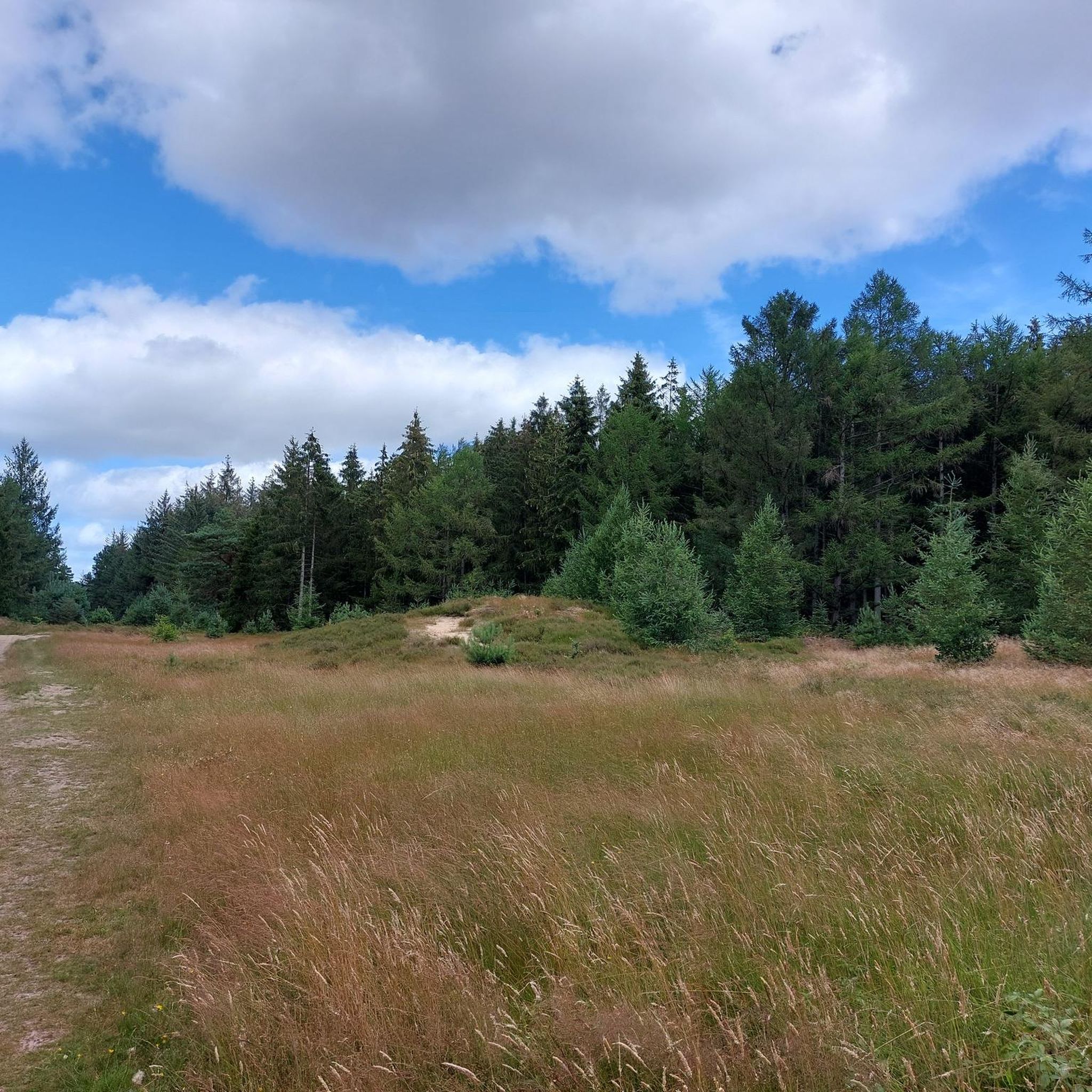
- The most popular natural monument is Sorgwohld Inland Dunes, a natural monument formed by sand blown together at the end of the Late Ice Age. Visitors can observe common heather and juniper growing on these dunes.
- Another must-see spot is Hohner Lake, a lake that is part of a large and diverse nature reserve. This shallow-water geest lake is home to several endangered animal and plant species, including the white-tailed eagle.
- Visitors also love Stork Village Bergenhusen, a settlement known for one of the largest colonies of storks in Europe. Up to 22 pairs breed here, offering opportunities to observe stork parents.
- Hohn is known for its lakes, inland dunes, and wildlife habitats. The region offers a variety of natural monuments to see and explore, from geological formations to significant bird breeding grounds.
- The natural monuments around Hohn are appreciated by the komoot community, with more than 340 upvotes and over 110 photos shared by visitors.
Last updated: September 28, 2026
Stork Village Bergenhusen
Highlight • Natural
Just rest on one of the many benches and watch the hustle and bustle of the stork parents! I come from a stork area, but the impressions from Bergenhusen topped everything I had ever known before! A trip here is definitely worth it!
Translated by Google •
Tip by

Hohner Lake
Highlight • Lake
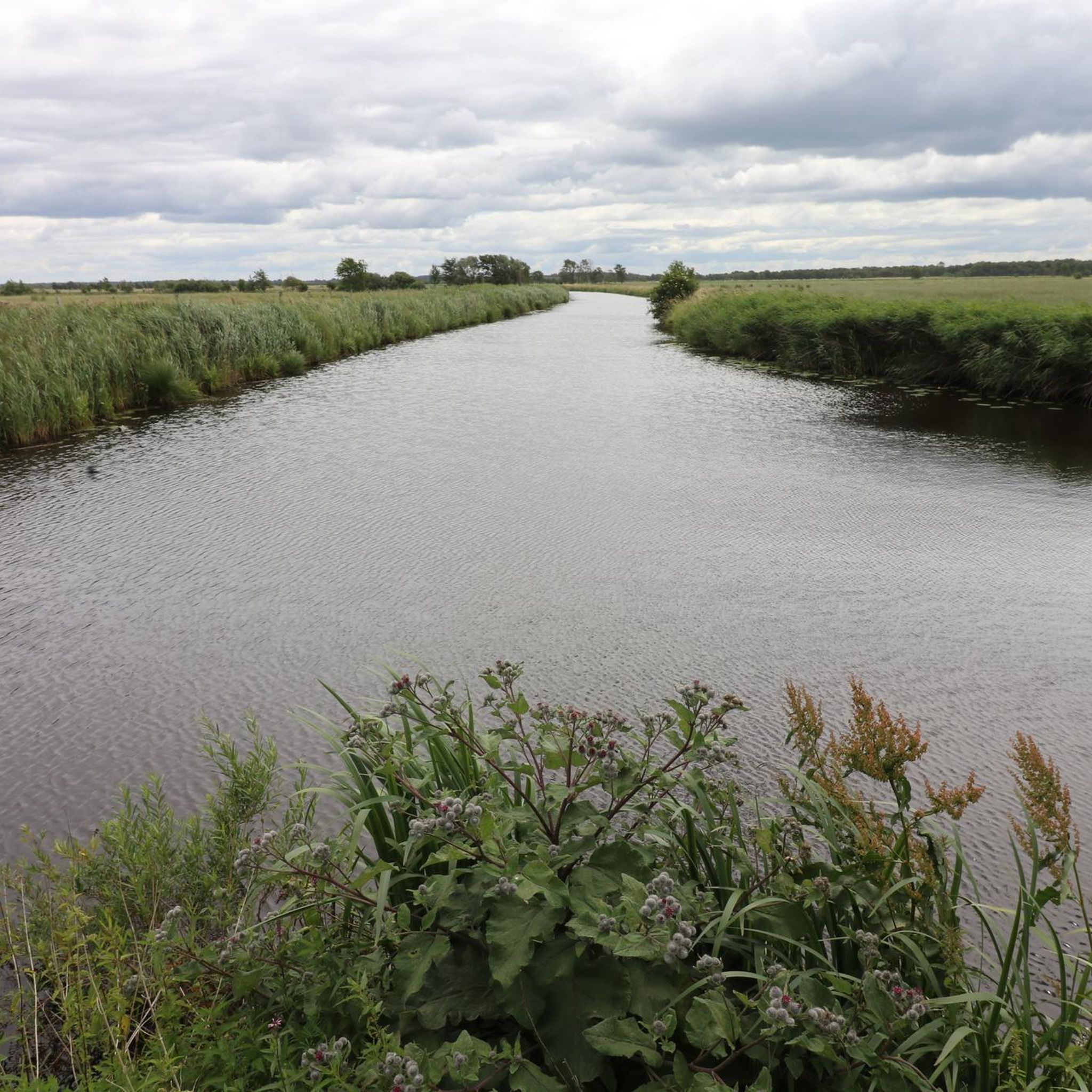
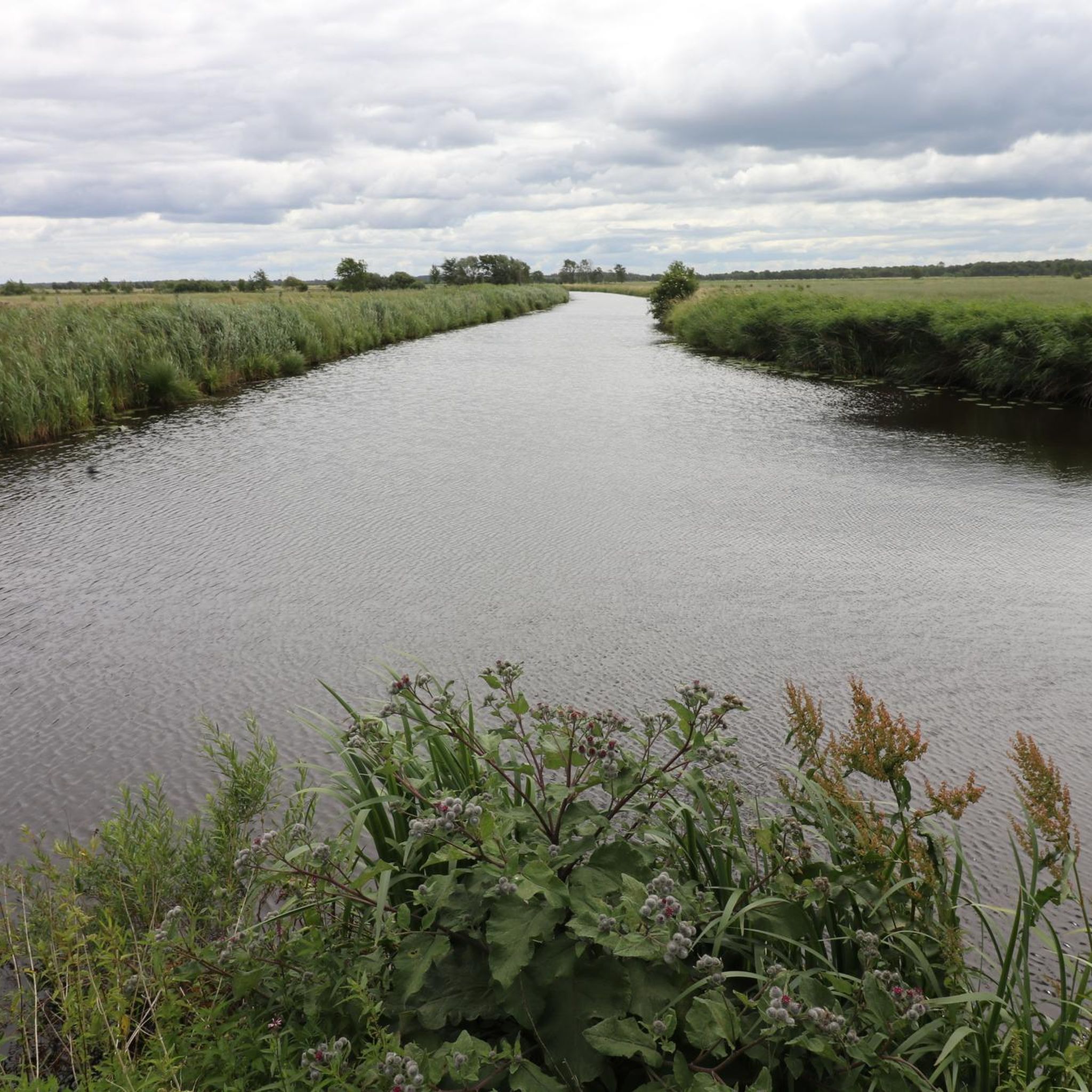
Lake Hohner is considered the last remaining shallow-water geest lake and serves as a floodplain for the Eider-Treene-Sorge region.
It releases its water via a channel into the Sorge and then further into the Eider.
The old train station houses an interesting exhibition about the Lake Hohner biotope.
weites.land/hohner-see.
Translated by Google •
Tip by

Sign up now to discover places like this
Get recommendations on the best single tracks, peaks, & plenty of other exciting outdoor places.
Sorgwohld Inland Dunes
Highlight • Natural Monument
Tip: plan your visit to the heather blossom from 08.08.-09.09.
Translated by Google •
Tip by

Observation Tower and Picnic Area Meggerkoog
Highlight • Viewpoint
Translated by Google •
Tip by

Sorgwohld Inland Dunes Nature Reserve
Highlight • Natural Monument
Tip: heather blossom 08.08.-09.09.
Translated by Google •
Tip by
Sign up for free to discover even more natural monuments around Hohn.
Already have an account?
Start today with a free account
Your next adventure awaits.
Other adventures around Hohn

Tips from the Community


Beautiful hike in August when the heather is in bloom.
0
0

Beautiful in August!
0
0

Nice click
0
0

Take a break, relax and enjoy the beautiful view ... with mustard :-)
0
0

The Sorgwohld dunes near Owschlag have been a nature reserve (identification number 11) along the Sorgeniederung since 1936. The dunes were formed during the late and postglacial periods, approximately 12,000 years ago.
2
0

Beautiful rest area with a small observation tower overlooking the moorland
0
0

Beautiful nature reserve. Today I'm going on a tour towards the west coast and not, as usual, to Angeln or Schwansen. A very nice round trip from/to Hollingstedt. I included Friedrichsstadt as an intermediate destination. The landscape is very varied. Lots of rivers and wetlands. Then a few meters of elevation on the last 20 kilometers.
0
0
Frequently Asked Questions
What unique natural features can I explore around Hohn?
The region around Hohn in Schleswig-Holstein is characterized by its diverse natural landscape. You can discover unique geological formations like the Sorgwohld Inland Dunes, which were formed by sand blown together at the end of the Late Ice Age. Additionally, the area features significant shallow lakes and extensive moors, providing habitats for various plant and animal species.
Are there good spots for birdwatching near Hohn?
Yes, Hohn is an excellent destination for birdwatching. The Hohner Lake, part of a large nature reserve, is home to several endangered species, including the white-tailed eagle. There's a dedicated bird observation hide with observation windows. Another notable spot is the Stork Village Bergenhusen, known for one of Europe's largest stork colonies, where you can observe up to 22 breeding pairs.
What is the best time to visit the natural monuments around Hohn?
To experience the vibrant heather bloom at the Sorgwohld Inland Dunes, plan your visit between August and September. For birdwatching, especially for storks at Stork Village Bergenhusen, spring and summer are ideal when the birds are breeding.
Are there family-friendly natural monuments in the Hohn area?
Absolutely. Many natural monuments around Hohn are family-friendly. The Hohner Lake offers easy access to its bird observation hide, and the Stork Village Bergenhusen provides benches to comfortably watch the storks. The Observation Tower and Picnic Area Meggerkoog is also a great spot for families to enjoy views and birdlife.
Can I go hiking near the natural monuments in Hohn?
Yes, there are several hiking opportunities. For example, you can find routes around the Hohner Lake, which is part of a nature reserve with available hiking and cycling paths. You can explore various trails by checking out the Hiking around Hohn guide.
What cycling routes are available around Hohn's natural monuments?
The region offers diverse cycling experiences. You can find routes that take you through the Sorgwohld Nature Reserve or along the Hohner Lake. For detailed options, explore the Gravel biking around Hohn and Road Cycling Routes around Hohn guides.
What is special about the Hohner Lake?
The Hohner Lake is a 70-hectare shallow-water geest lake, considered the last remaining of its kind in the region. It's an integral part of a larger nature reserve, bordered by the Königsmoor and Hartshoper Moor, and supports a rich ecosystem with many endangered animal and plant species, including the white-tailed eagle. An old train station nearby also houses an exhibition about its unique biotope.
Are there any historical aspects to the natural monuments in Hohn?
While primarily natural, some sites have historical context. The Sorgwohld Inland Dunes were formed at the end of the Late Ice Age, around 12,000 years ago, offering a glimpse into ancient geological processes. The Hohner Lake area also provides insights into Schleswig-Holstein's historical landscape, with an exhibition at the old train station detailing its biotope.
What can I do at Bistensee?
The Bistensee offers a tranquil rural idyll. Formed during the Vistula Ice Age, it's known for its unique watershed where it drains into the North Sea, while the nearby Wittensee flows to the Baltic Sea. Visitors can enjoy swimming, sailing, rowing, surfing, and fishing. It's also an insider tip for canoe and kayak enthusiasts.
What do visitors appreciate most about the natural monuments around Hohn?
Visitors frequently appreciate the opportunities for birdwatching, especially at the Stork Village Bergenhusen and Hohner Lake. The unique geological formations of the Sorgwohld Inland Dunes and the peaceful atmosphere of places like Bistensee are also highly valued. The region's diverse landscapes and rich wildlife make it a popular destination for nature enthusiasts.
Is there an observation tower for panoramic views in the area?
Yes, you can visit the Observation Tower and Picnic Area Meggerkoog. This spot offers a lookout tower with excellent views over the wet meadows of the Sorgkoog and towards Bergenhusen, ideal for bird watching and enjoying the wide-open sky.
Most popular attractions around Hohn

Get inspired with the komoot mobile app


Explore more
Extend your search for the best caves by checking out these guides of the top ones around Hohn:
