Top 19 Natural Monuments around Königshügel
Natural monuments around Königshügel offer diverse natural features for exploration. The region presents a landscape characterized by unique geological formations, significant wetlands, and areas rich in biodiversity. These sites provide opportunities to observe specific ecosystems and natural phenomena. The area is home to a variety of natural monuments, each with distinct characteristics.
Best natural monuments around Königshügel
- The most popular natural monuments is Observation Platform at Fockbeker Moor, a viewpoint that offers views over the Fockbeker Moor. From this…
Last updated: July 8, 2026
Stork Village Bergenhusen
Highlight • Natural
Translated by Google •
Tip by

Hohner Lake
Highlight • Lake
Translated by Google •
Tip by

Sign up now to discover places like this
Get recommendations on the best single tracks, peaks, & plenty of other exciting outdoor places.
Sign up for free
Sorgwohld Inland Dunes
Highlight • Natural Monument
Translated by Google •
Tip by

Observation Tower and Picnic Area Meggerkoog
Highlight • Viewpoint
Translated by Google •
Tip by

Sorgwohld Inland Dunes Nature Reserve
Highlight • Natural Monument
Translated by Google •
Tip by
Sign up for free to discover even more natural monuments around Königshügel.
Sign up for free
Already have an account?
Start today with a free account
Your next adventure awaits.
Login or Signup
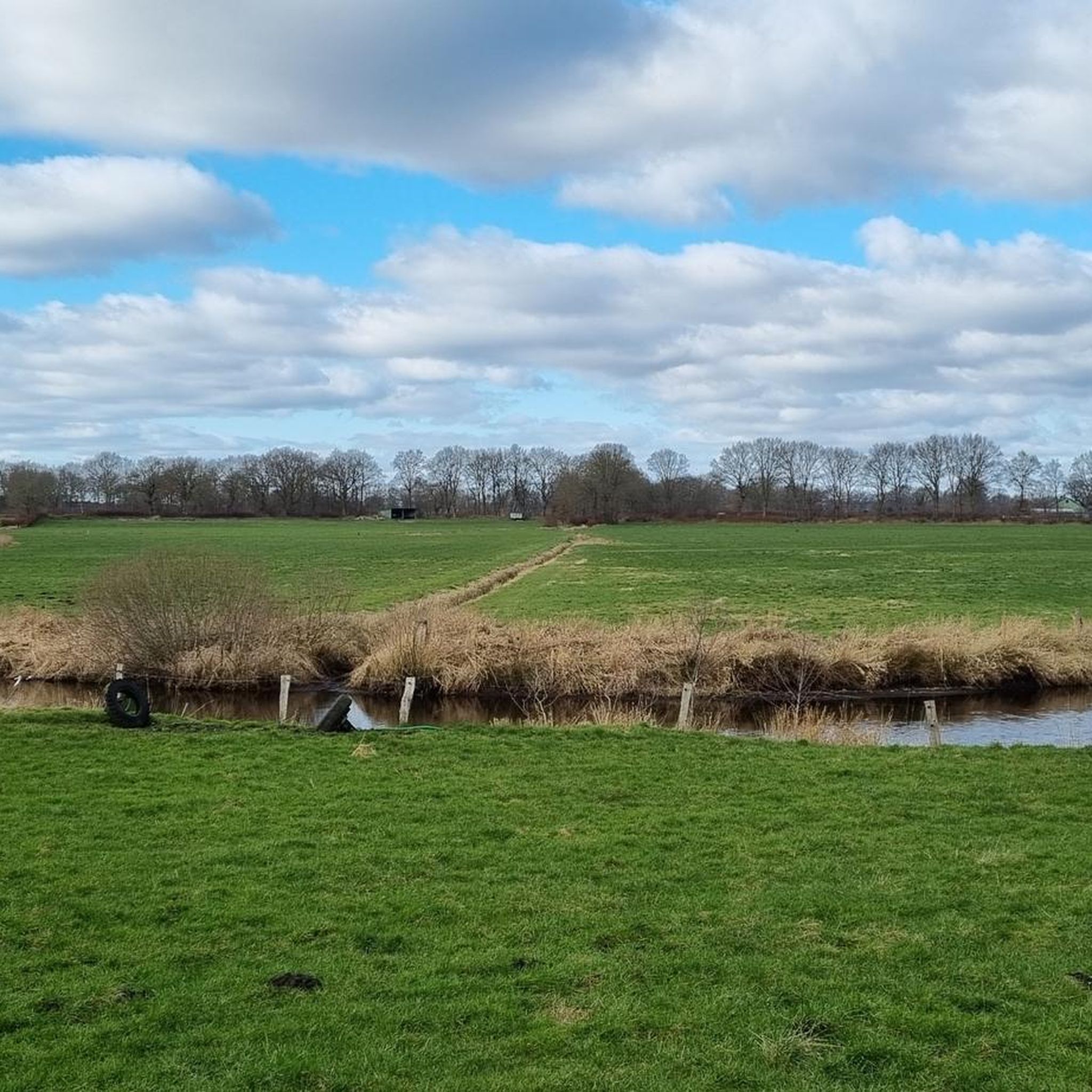
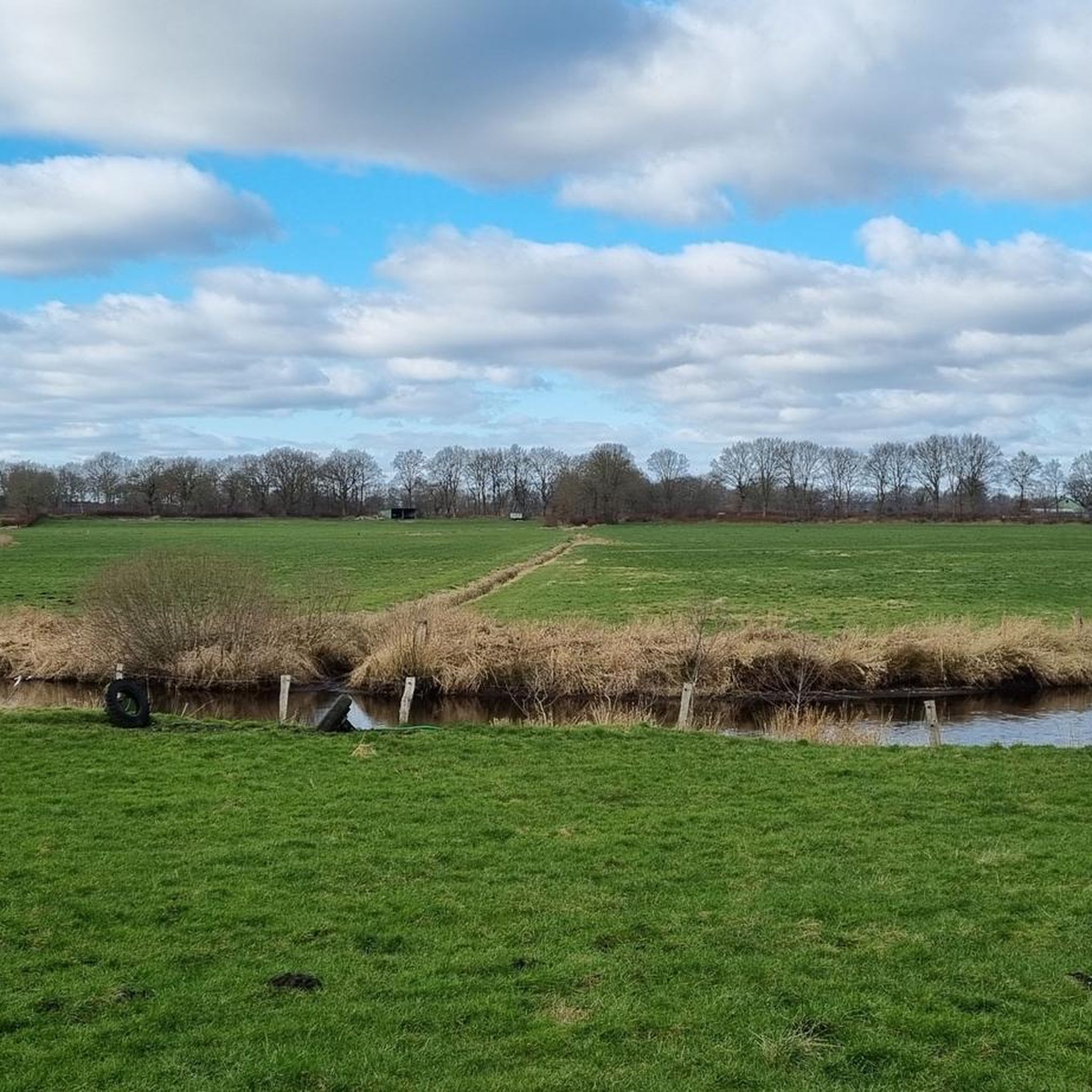
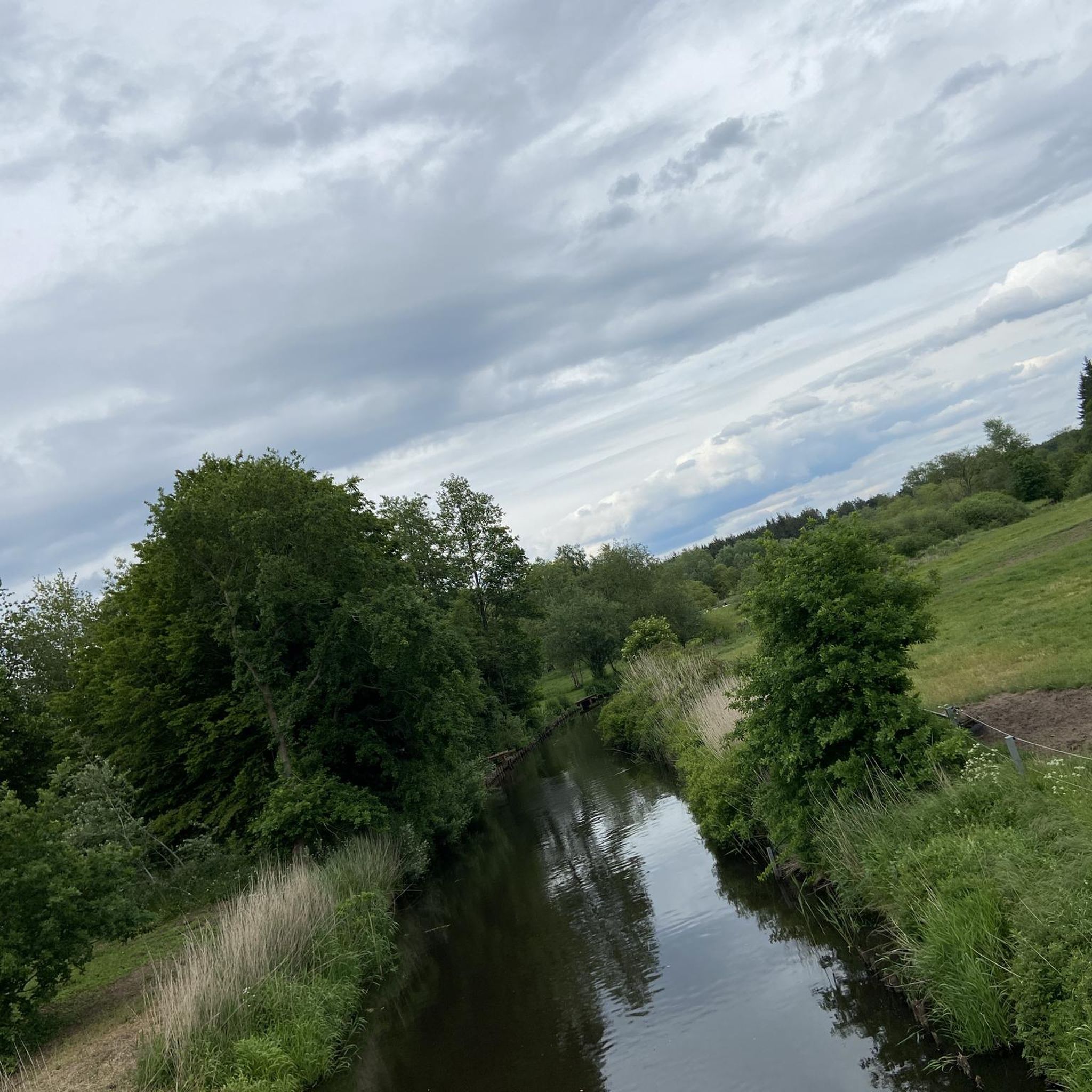
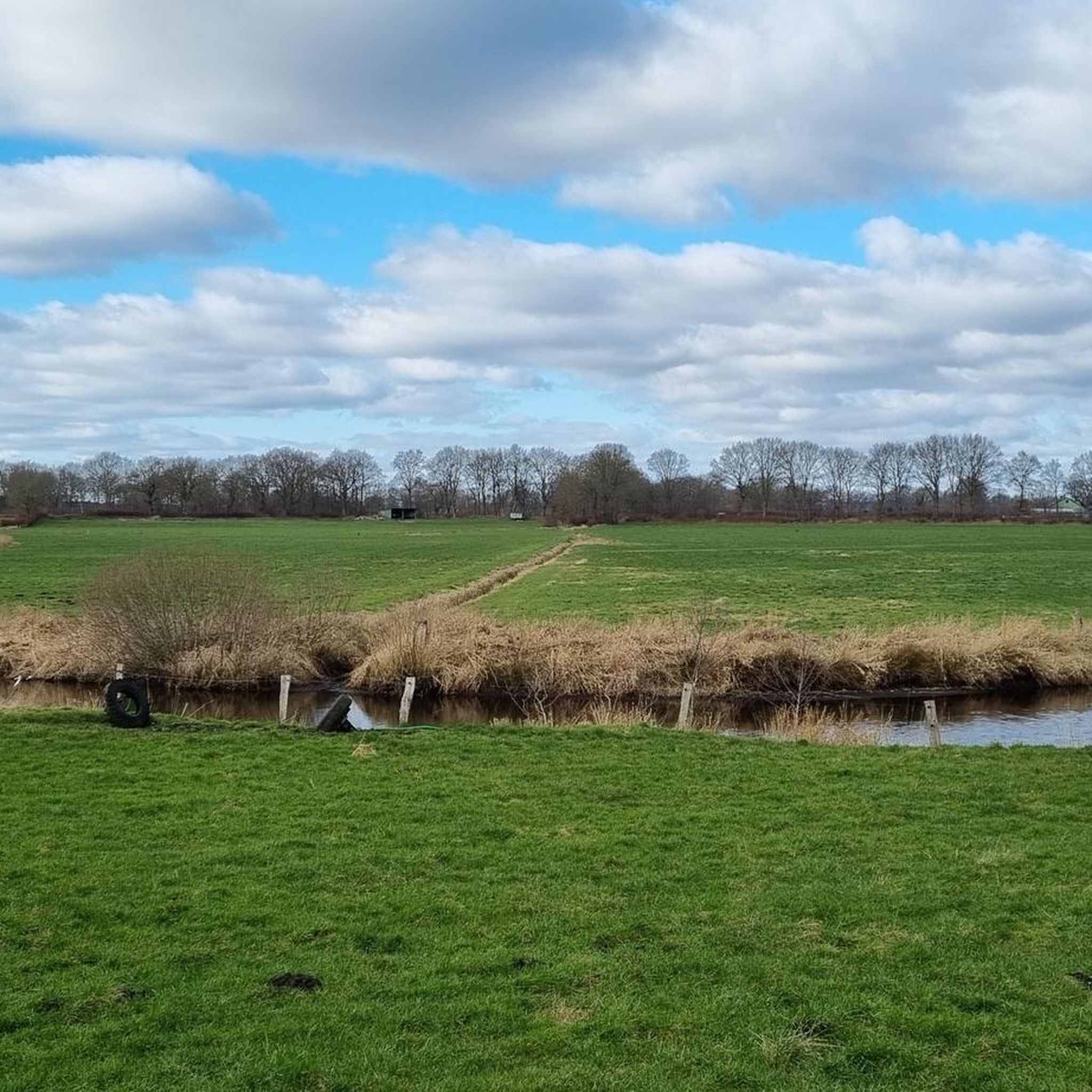
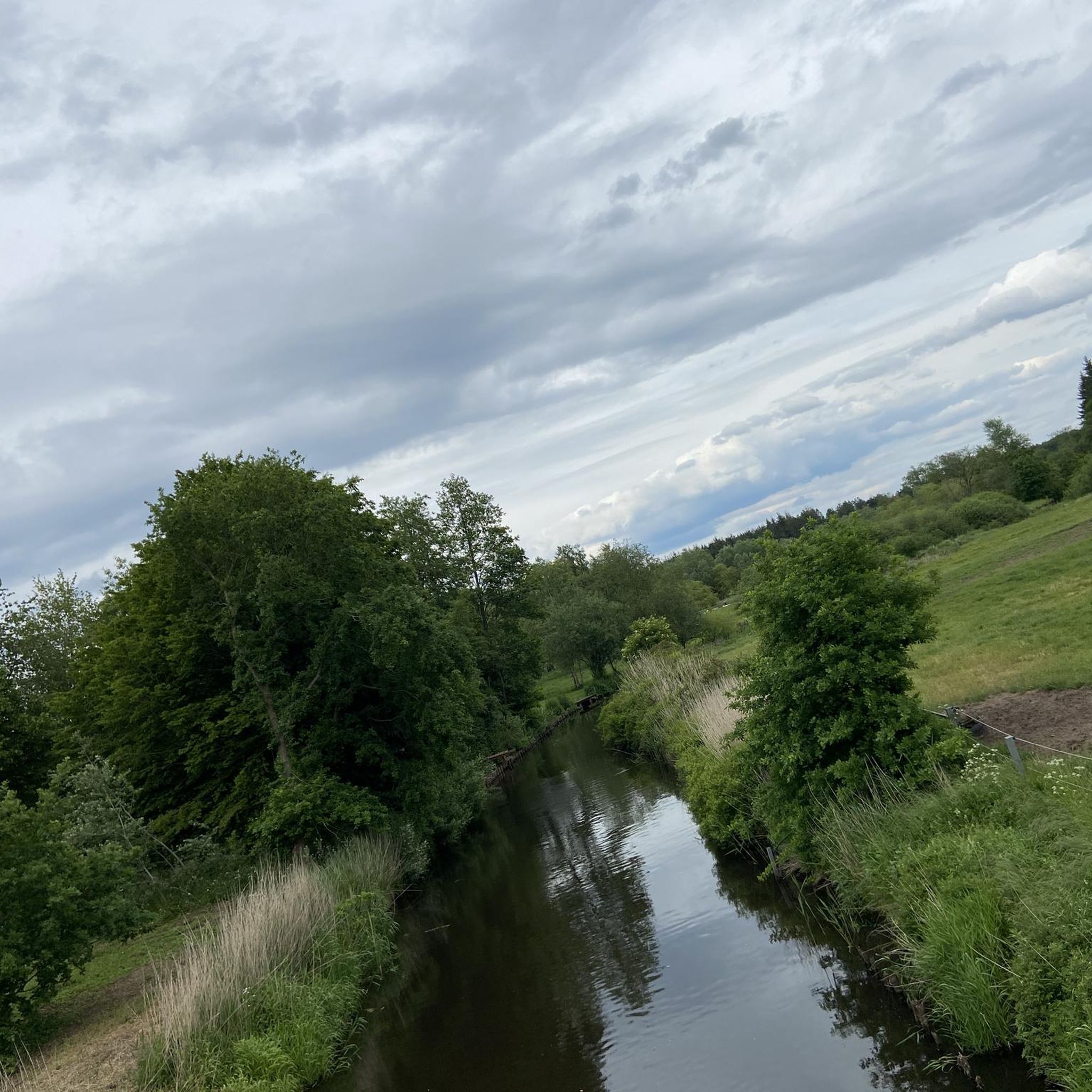
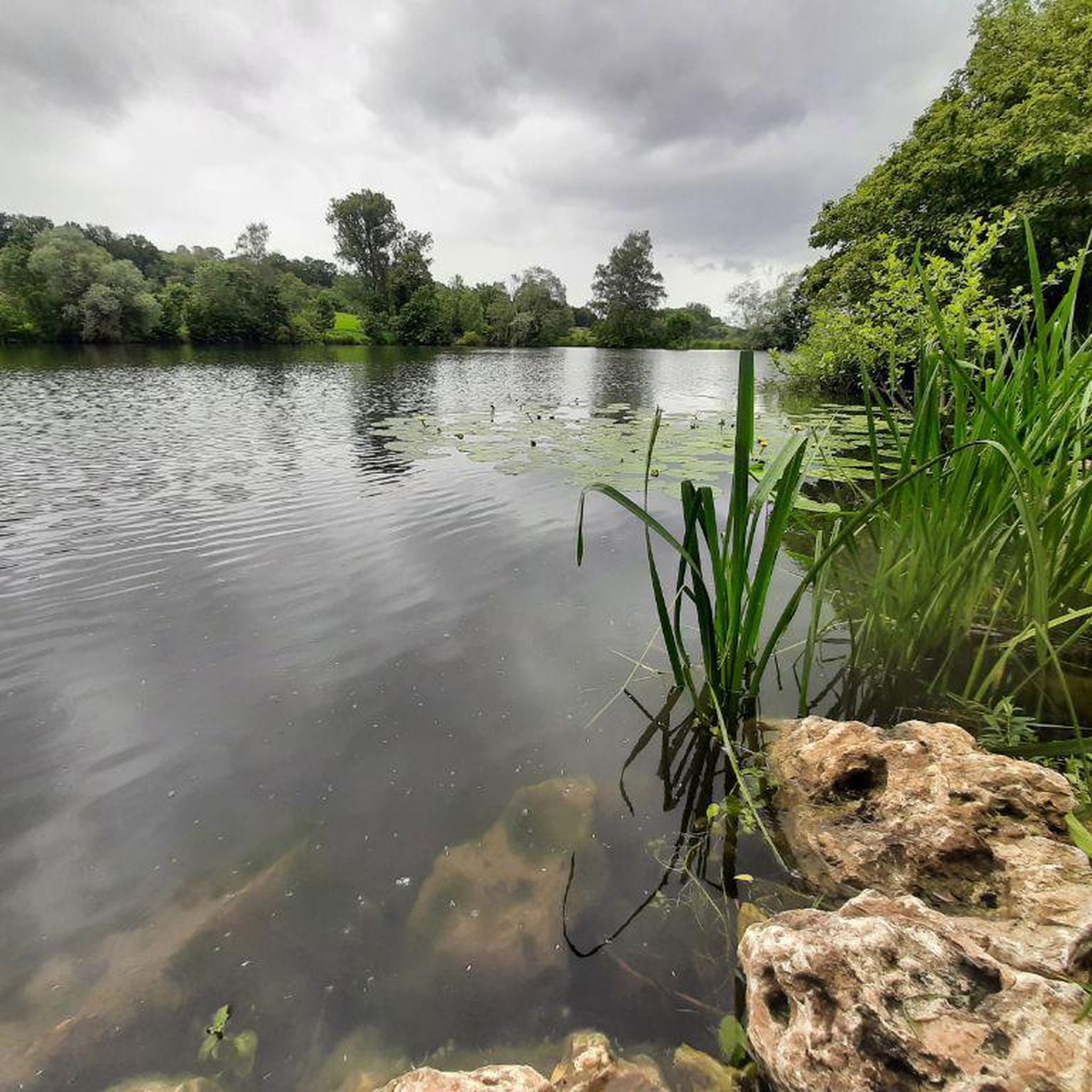
Tips from the Community


Beautiful hike in August when the heather is in bloom.
0
0

Beautiful in August!
0
0

Nice click
0
0

Take a break, relax and enjoy the beautiful view ... with mustard :-)
0
0

The Sorgwohld dunes near Owschlag have been a nature reserve (identification number 11) along the Sorgeniederung since 1936. The dunes were formed during the late and postglacial periods, approximately 12,000 years ago.
2
0

Beautiful rest area with a small observation tower overlooking the moorland
0
0

Beautiful nature reserve. Today I'm going on a tour towards the west coast and not, as usual, to Angeln or Schwansen. A very nice round trip from/to Hollingstedt. I included Friedrichsstadt as an intermediate destination. The landscape is very varied. Lots of rivers and wetlands. Then a few meters of elevation on the last 20 kilometers.
0
0
Frequently Asked Questions
What types of natural monuments can I explore around Königshügel?
The region around Königshügel features a diverse landscape, including unique geological formations like inland dunes, significant wetlands, and areas important for bird observation. You can find sites such as the Sorgwohld Inland Dunes, which were formed during the Late Ice Age, and the Hohner Lake, a shallow-water geest lake known for its biodiversity.
Are there any natural monuments suitable for families with children?
Yes, several natural monuments around Königshügel are family-friendly. The Stork Village Bergenhusen is a great option, offering a chance to observe one of Europe's largest colonies of storks. The Hohner Lake and the Sorgwohld Inland Dunes also welcome families, providing opportunities for nature observation and gentle exploration.
Where can I go for bird watching near Königshügel?
For bird watching, the Stork Village Bergenhusen is exceptional, hosting a large stork colony. Additionally, the Hohner Lake is home to the white-tailed eagle and other endangered species, offering excellent opportunities to observe birds from a refuge. The Observation Tower and Picnic Area Meggerkoog and the Observation Platform at Fockbeker Moor are also ideal spots for bird observation, especially with binoculars.
What are some unique geological features to see?
The Sorgwohld Inland Dunes are a notable geological feature, formed by strong ice winds at the end of the Late Ice Age. These dunes are now characterized by common heather and juniper growth. While not directly in Königshügel, the broader Städteregion Aachen features the unique Vaalserberg and Three-Country Point, where you can stand in three countries simultaneously.
Are there hiking or running trails near these natural monuments?
Yes, the area around Königshügel offers various outdoor activities. You can find numerous running trails, including routes like the 'Transall C-160D 51+06 in Hohn – Hohner Lake loop from Hohn' and 'Running loop from Hohn'. For more options, explore the Running Trails around Königshügel guide.
Can I go cycling or mountain biking near the natural monuments?
Absolutely. There are many cycling and mountain biking opportunities. For mountain biking, routes like 'Forsthaus Trail – Tiroler Sause Trail loop from Kropp' are available. Cyclists can enjoy tours such as the 'Hohner Bicycle Ferry – Hohner Lake loop from Tetenhusen'. Detailed routes can be found in the MTB Trails around Königshügel guide and the Cycling around Königshügel guide.
What is the best time of year to visit the natural monuments?
The best time to visit depends on what you wish to see. For observing the heather blossom at the Sorgwohld Inland Dunes, planning your visit between August 8th and September 9th is ideal. Generally, spring and summer offer pleasant weather for exploring and observing wildlife, especially storks and other birds.
What do visitors appreciate most about the natural monuments in this region?
Visitors frequently highlight the unique opportunity to observe diverse wildlife, such as the large stork colony at Stork Village Bergenhusen and the white-tailed eagles at Hohner Lake. The scenic views from observation points like the Observation Platform at Fockbeker Moor and the tranquil atmosphere of the inland dunes are also highly valued.
Are there any historical or cultural sites among the natural monuments?
While primarily focused on natural features, the Stork Village Bergenhusen, first mentioned in 1304, carries historical significance as a settlement. Its long history is intertwined with its natural role as a habitat for storks, making it a place where nature and local heritage meet.
What kind of wildlife can I expect to see?
The natural monuments around Königshügel are rich in wildlife. At Stork Village Bergenhusen, you can observe one of Europe's largest colonies of storks. Hohner Lake is a habitat for the white-tailed eagle and other endangered animal and plant species. Many observation points, such as the Observation Tower and Picnic Area Meggerkoog, are specifically designed for bird watching.
Are there any viewpoints offering panoramic scenery?
Yes, several natural monuments provide excellent viewpoints. The Observation Platform at Fockbeker Moor offers great views over the moor. The Observation Tower and Picnic Area Meggerkoog provides views over wet meadows and a wide sky. The Sorgwohld Inland Dunes also offer elevated perspectives of the unique dune landscape.
Most popular routes around Königshügel
Most popular attractions around Königshügel

Get inspired with the komoot mobile app


Explore more
Extend your search for the best caves by checking out these guides of the top ones around Königshügel:
