Top 20 Natural Monuments around Philippsburg
Best natural monuments around Philippsburg are found within the Rhine lowlands, showcasing the ecological diversity of the Upper Rhine region. This area features dynamic alluvial landscapes, characterized by forests, open land biotopes, and significant waterways. These natural areas are crucial for maintaining ecological balance and protecting various species. The region offers insights into wetland ecosystems and biodiversity.
Best natural monuments around Philippsburg
- The most popular natural monuments is Bridge over the Michelsbach, a bridge that offers views of the…
Last updated: May 11, 2026
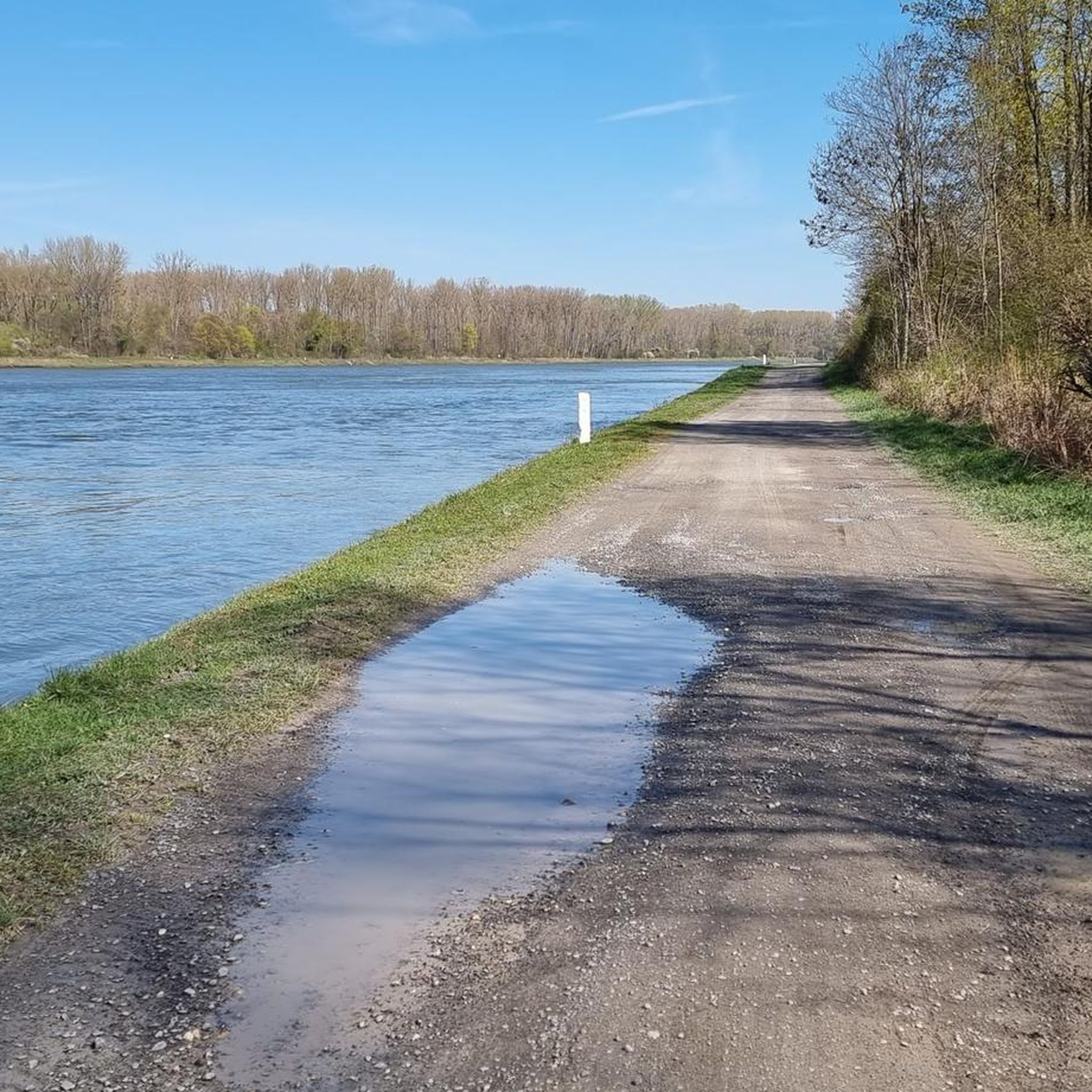
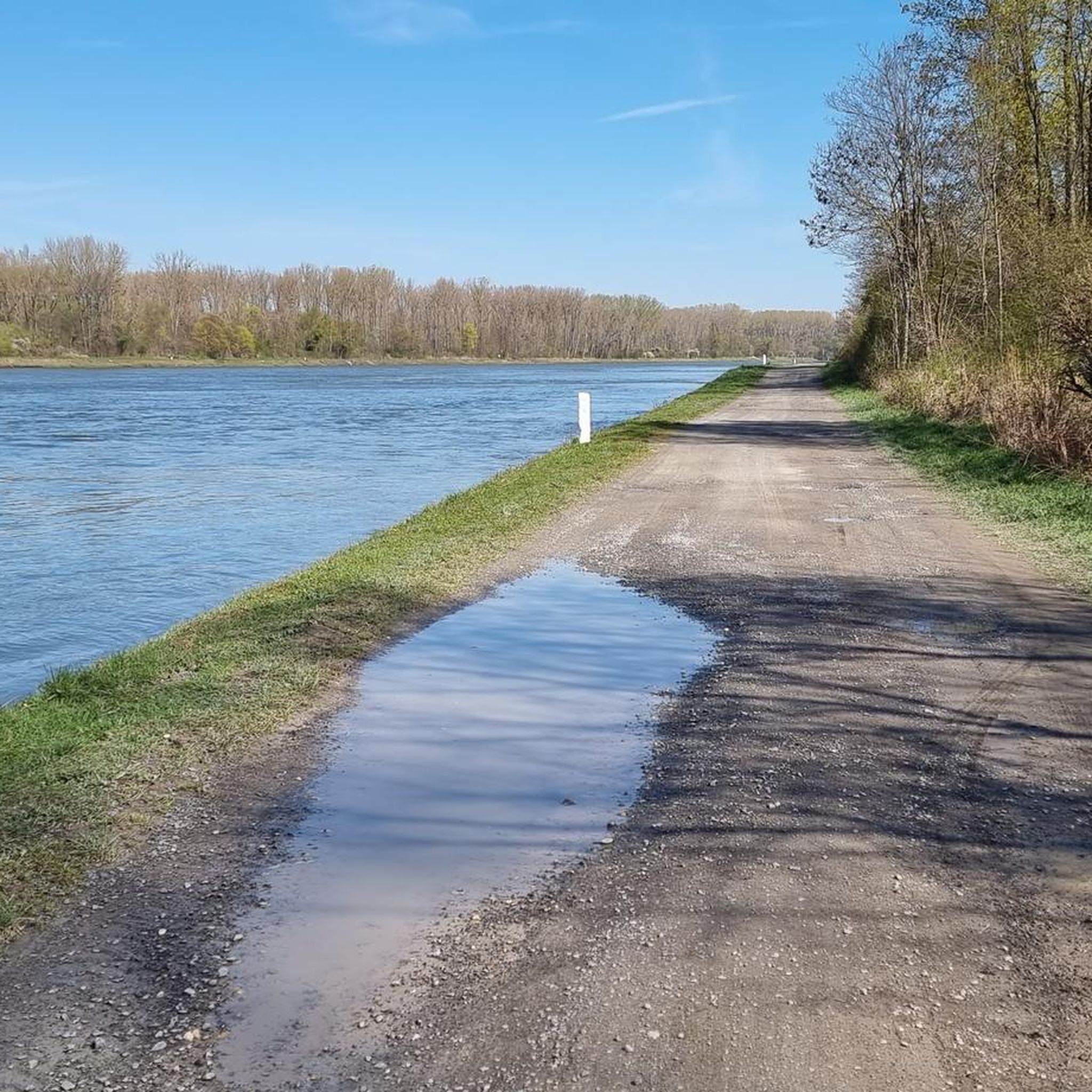
Cycle path along the Wagbachniederung Nature Reserve
Highlight (Segment) • Cycleway
Translated by Google •
Tip by

Stork colony on the Rhine dam
Highlight • Natural Monument
Translated by Google •
Tip by

Sign up now to discover places like this
Get recommendations on the best single tracks, peaks, & plenty of other exciting outdoor places.
Sign up for free
Wagbachniederung nature reserve
Highlight • Natural Monument
Translated by Google •
Tip by

Bridge over the Michelsbach
Highlight • Bridge
Translated by Google •
Tip by

Alte B36 Cycle Route – Wagbachniederung Nature Reserve
Highlight (Segment) • Cycleway
Translated by Google •
Tip by

Sign up for free to discover even more natural monuments around Philippsburg.
Sign up for free
Already have an account?
Start today with a free account
Your next adventure awaits.
Login or Signup
Other adventures around Philippsburg

Tips from the Community

Super asphalt and nice wide way. You can really step on the gas here
0
1

Yes, here you can see one or two storks as well as bird lovers.
3
0

A lot of storks nest here. You can also see their offspring
3
0

Great nature reserve along the Michelsbach. Can only recommend.
9
0
The Wagbachniederung is a beautiful nature reserve with rare animal species. Especially popular when migratory birds gather.
9
1

Impressive in spring, when the entire colony is inhabited by storks.
3
0
Several storks nest here. When the young are born, the clattering is especially beautiful. This is a time worth considering. Breeding season is from early April to early August.
7
0

The Zuckerrübensee is the Wagbachniederung nature reserve
9
1
Frequently Asked Questions
What are the most significant natural monuments to explore in the Philippsburg region?
The Philippsburg region is rich in natural monuments, primarily within the Rhine lowlands. Key areas include the extensive Rheinniederung von Philippsburg bis Mannheim, a vital Fauna-Flora-Habitat site known for its dynamic alluvial landscape and diverse species. Another significant area is the Naturschutzgebiet Rußheimer Altrhein-Elisabethenwört, a typical Rhine alluvial area with soft and hardwood forests, water bodies, and abundant birdlife. Additionally, the Polder Rheinschanzinsel offers unique calcareous grasslands on its dam and serves as a high-water retention area with reforested alluvial forests.
Are there family-friendly natural monuments around Philippsburg?
Yes, several natural monuments in the Philippsburg area are suitable for families. The Cycle path along the Wagbachniederung Nature Reserve and the Alte B36 Cycle Route – Wagbachniederung Nature Reserve are both wide, paved, car-free paths perfect for cycling with children. The Bridge over the Michelsbach is also considered family-friendly and serves as a starting point for easy trails through forests and along the Rhine.
Where can I go for wildlife spotting, especially birds, in Philippsburg's natural areas?
The Wagbachniederung nature reserve is an excellent spot for wildlife spotting, particularly birds. It's a bird sanctuary where you can observe various species like cormorants, ducks, geese, herons, and kingfishers. Observation huts are available for a closer look. The Stork colony on the Rhine dam is another highlight, especially during breeding season from early April to early August, where you can see numerous stork nests along the cycle path.
What kind of trails can I find near the natural monuments in Philippsburg?
You'll find a variety of trails, primarily for cycling and walking. The Wagbachniederung area features wide, well-paved cycle paths like the Alte B36 Cycle Route, which is car-free. Near the Bridge over the Michelsbach, you can access easy hiking trails that lead through floodplain forests and along the Old Rhine. The Naturschutzgebiet Rußheimer Altrhein-Elisabethenwört also offers serene environments for walking or cycling through tranquil woods and by the river.
Are there any wheelchair-accessible natural sights in Philippsburg?
Yes, the Alte B36 Cycle Route – Wagbachniederung Nature Reserve is noted for its wide, well-paved, and car-free path, making it suitable for wheelchair users to enjoy the natural surroundings and bird sanctuary.
What is the best time of year to visit the natural monuments around Philippsburg?
The natural monuments in Philippsburg offer beauty throughout the year, but spring and summer are particularly vibrant. Spring (April-May) is ideal for observing the stork colony on the Rhine dam during their breeding season and for seeing migratory birds gather in the Wagbachniederung. Summer offers lush greenery and pleasant conditions for cycling and walking. Autumn brings beautiful colors to the alluvial forests. Winter can be peaceful for quiet walks, though some bird activity might be reduced.
Can I bring my dog to the natural monuments and trails in Philippsburg?
Many of the natural areas and trails around Philippsburg are dog-friendly. For instance, the Cycle path along the Wagbachniederung Nature Reserve is a good option for walks with dogs. However, always ensure your dog is kept on a leash, especially in nature reserves, to protect wildlife and respect other visitors.
What outdoor activities can I do near these natural monuments?
Beyond exploring the natural monuments themselves, the Philippsburg area is excellent for various outdoor activities. You can find numerous routes for mountain biking, gravel biking, and road cycling. For example, there are MTB Trails around Philippsburg, Gravel biking around Philippsburg, and Road Cycling Routes around Philippsburg. These guides offer routes of varying difficulties, often passing through or near the natural landscapes.
What unique natural features can I expect to see in the Philippsburg lowlands?
The Philippsburg lowlands, particularly within the Rheinniederung, are characterized by dynamic alluvial landscapes. You'll encounter a mosaic of soft and hardwood alluvial forests, open land biotopes, and water bodies shaped by the Rhine's influence. A unique feature within the Polder Rheinschanzinsel is the presence of species-rich Magerrasen (calcareous grasslands) on the dam, which are rare semi-natural habitats on nutrient-poor soils.
What do visitors enjoy most about the natural monuments in Philippsburg?
Visitors frequently appreciate the tranquility and natural beauty of the area. The well-maintained cycle paths through nature, like those along the Wagbachniederung, are highly praised for their scenic views and opportunities for birdwatching. The chance to observe wildlife, such as the stork colony, and the peaceful atmosphere of the floodplain forests and Old Rhine areas are also popular highlights.
Are there any hidden gems among Philippsburg's natural monuments?
While not entirely 'hidden,' the Magerrasen (calcareous grasslands) on the dam within the Polder Rheinschanzinsel are a unique and often overlooked natural feature. These species-rich grasslands offer a glimpse into a specialized ecosystem with rare plant compositions, distinct from the more common alluvial forests and wetlands. An informational path is being developed to highlight its ecological significance.
Most popular routes around Philippsburg
Most popular attractions around Philippsburg

Get inspired with the komoot mobile app


Explore more
Extend your search for the best caves by checking out these guides of the top ones around Philippsburg:
