Top 20 Natural Monuments around Gäufelden
Natural monuments around Gäufelden, situated in the district of Böblingen, Germany, present a variety of natural attractions. The region's landscape includes the Schönbuch Nature Park and the Swabian Alb, offering diverse natural settings for outdoor exploration. Notable geological features, such as the Märchensee Wendelsheim and the Kochhartgraben, contribute to the area's unique character. These sites provide insights into the local environment and geological history.
Best natural monuments around Gäufelden
- The most popular natural monuments is Dry Stone Walls and Vineyards…
Last updated: October 11, 2026
Fairy Lake, Wendelsheim
Highlight • Lake
Translated by Google •
Tip by

Path Through the Old Schilfsandstein Quarry
Highlight (Segment) • Natural Monument
Translated by Google •
Tip by

Sign up now to discover places like this
Get recommendations on the best single tracks, peaks, & plenty of other exciting outdoor places.
Grafenberg
Highlight • Viewpoint
Translated by Google •
Tip by

Schlossberg Tower
Highlight • Historical Site
Translated by Google •
Tip by
Boardwalk Through the Birkensee Moor
Highlight (Segment) • Natural
Translated by Google •
Tip by

Sign up for free to discover even more natural monuments around Gäufelden.
Already have an account?
Start today with a free account
Your next adventure awaits.
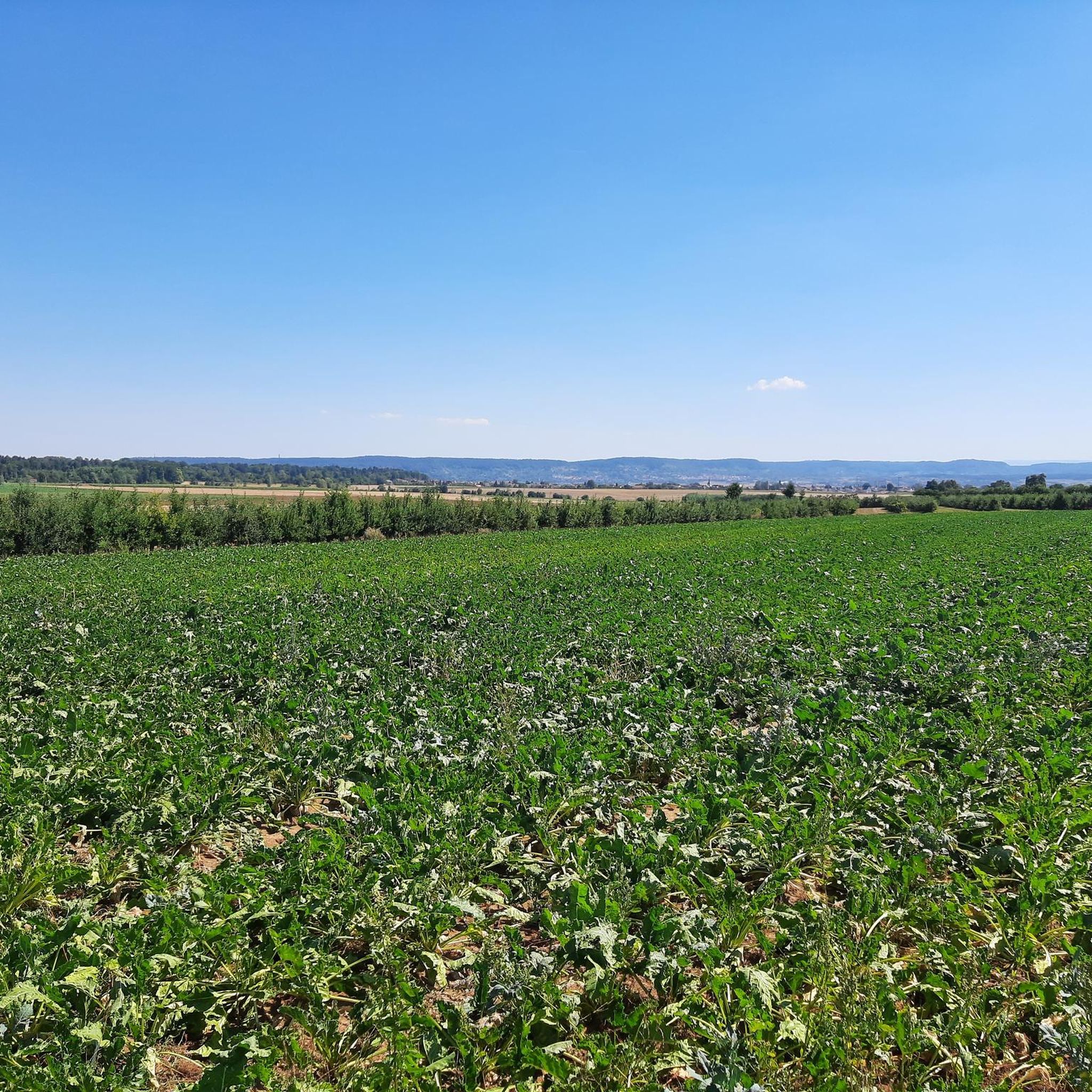
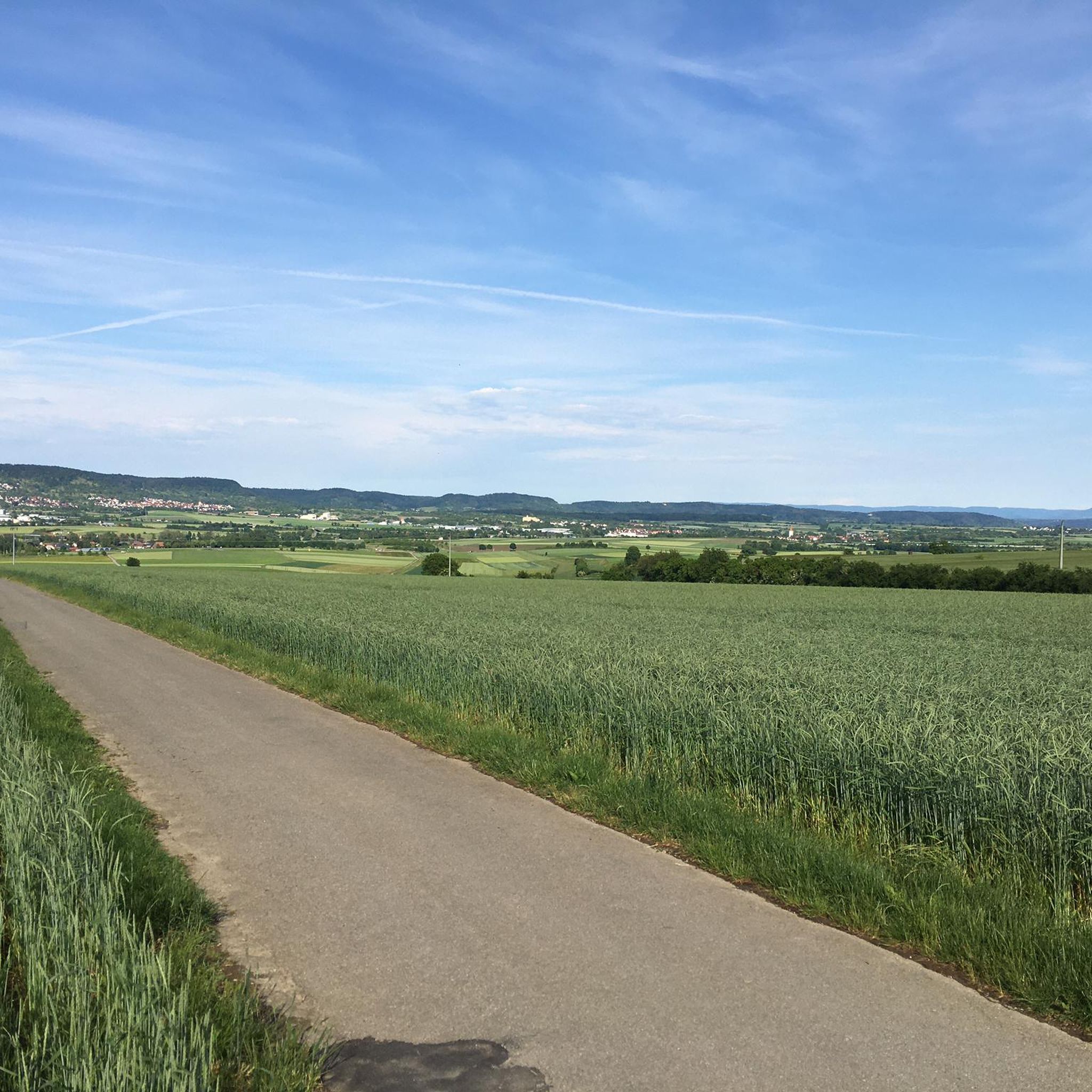
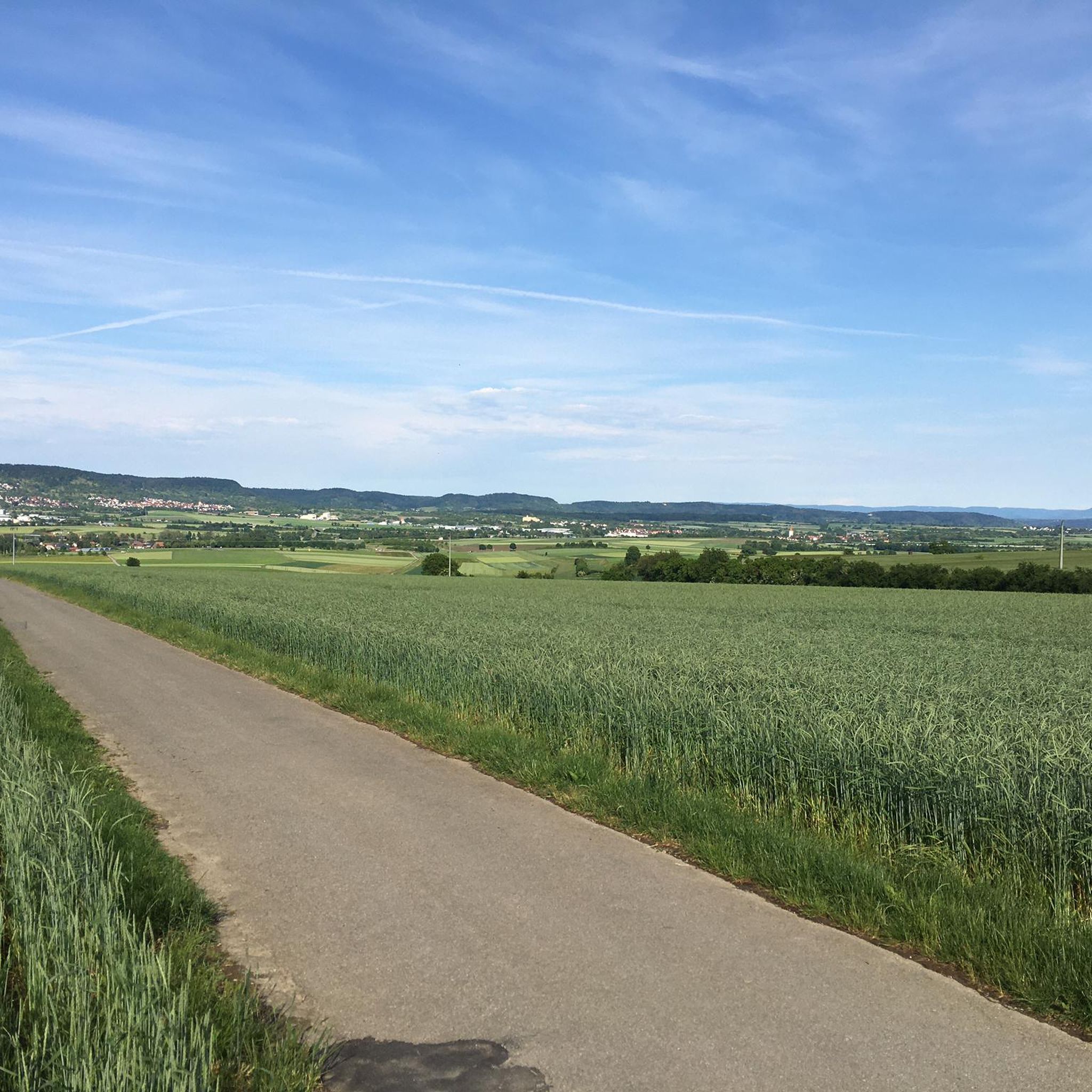
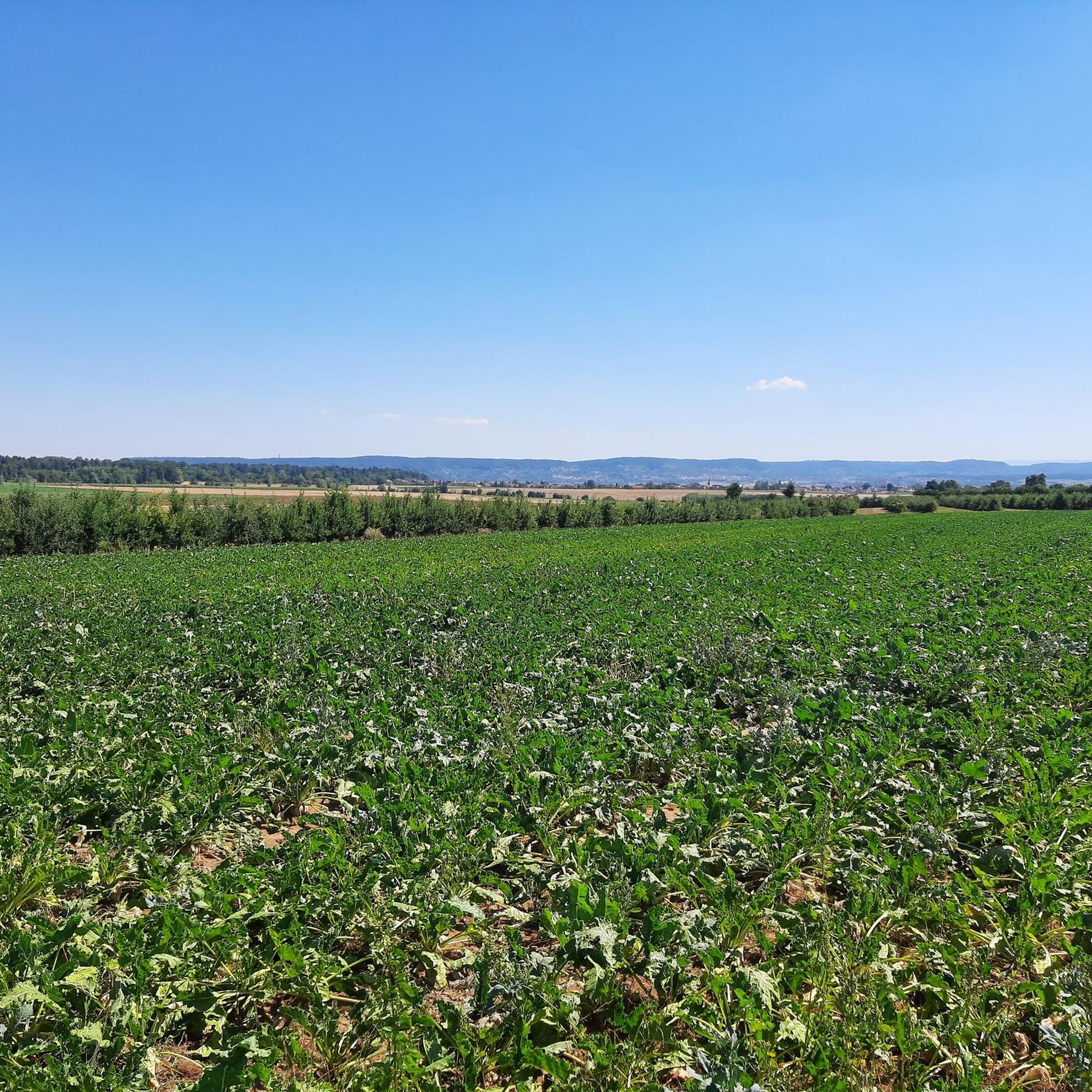
Tips from the Community

Officially closed to bikers. I pushed my bike. I think that is allowed
3
0

Longer wooden boardwalk over the moor near Birkensee. Even if the landscape gives the initial impression that you could easily hike here, looking through the planks reveals that you are in the water or on deep moorland.
5
0
One of the most beautiful descents is from the Grafenberg viewing plateau over the natural steps to the orchards and then to Kayh or Mönchberg
11
0

• The Birkensee used to serve as a watering hole for grazing animals. At the beginning of the 20th century, the moor was to be drained and drainage channels were built. The water level sank and the lake shrank. In the 1970s, people thought better of it: because they wanted to preserve the moor, the drainage ditches were filled in again. In the following years, a boardwalk was also built to control the flow of visitors and prevent the many hikers from trampling down large areas of the plants. The Birkensee is about 50 centimeters deep. To the east of the boardwalk, lush heather vegetation develops. Heather and blueberries grow here. To the west of the boardwalk, rushes tower up and peat moss arches up into cushions. The Birkensee would have long since become a birch forest if new trees were not regularly thinned out. • In moors, plant remains are not completely broken down, but are deposited over the years. The typical plant in the moor is peat moss - which can also be found at Birkensee (photo). Peat moss can store a lot of water. There are also plenty of rushes at Birkensee. Moors are divided into lowland moors, raised bogs and intermediate moors. Raised bogs only occur where there is a lot of precipitation, in this country for example in the Black Forest. (Hike "Grünhütte", Wildberg) This is because in raised bogs the subsoil bulges over the years like a watch glass. The plants feed exclusively on rainwater. Lowland moors, on the other hand, are fed by groundwater. At Birkensee we speak of a so-called intermediate moor, and there are also slight bulges here. However, the amount of precipitation in the Schönbuch is too low at around 750 litres of rain per year to feed a real raised bog.
6
0

beautiful romantic path through the gorge
13
1
idyllically situated, really has something magical about it
12
1
has its own story the town hall in Wendelsheim was built with stones from the quarry
13
1
These reed sandstones were installed at the Cologne Cathedral or at the entrance to the Wilhelma in Stuttgart.
13
0
Frequently Asked Questions
What unique natural features can I explore around Gäufelden?
Gäufelden offers a variety of unique natural features. You can visit the Fairy Lake, Wendelsheim, a romantic lake formed from a flooded quarry, known for its year-round green duckweed cover. Another fascinating site is the Path Through the Old Schilfsandstein Quarry, where you can see bizarre rock formations made of reed sandstone, historically used in significant architectural projects.
Are there any family-friendly natural monuments in the Gäufelden area?
Yes, several natural monuments are suitable for families. The Fairy Lake, Wendelsheim, is considered very picturesque and romantic, set within a small forest, and is family-friendly due to a nearby playground. Additionally, the Boardwalk Through the Birkensee Moor offers a short, idyllic walk through a unique moor area, perfect for a family outing.
What kind of geological history can be observed at these natural monuments?
The natural monuments around Gäufelden offer insights into deep geological history. For instance, the reed sandstone found at the Path Through the Old Schilfsandstein Quarry originated from a vast river system that flowed through Europe over 200 million years ago. The Fairy Lake, Wendelsheim, also formed in a quarry where fine-grained reed sandstone was mined, showcasing the region's ancient geological past.
What outdoor activities can I do near the natural monuments around Gäufelden?
The region around Gäufelden, including the Schönbuch Nature Park and the Swabian Alb, offers extensive opportunities for outdoor activities. You can find numerous routes for hiking, cycling, and mountain biking. These trails often lead through picturesque landscapes, past forests, meadows, and hills, allowing you to experience the natural beauty up close.
Are there any natural monuments with historical significance?
Yes, the Path Through the Old Schilfsandstein Quarry is a natural monument with historical significance. The reed sandstones quarried here were used in the construction of notable buildings like the Cologne Cathedral, the Wilhelma in Stuttgart, and the town hall in Wendelsheim. Additionally, the Dry Stone Walls and Vineyards on Kapellenberg showcase ancient building techniques used to create terraces for viticulture, with some walls being over 100 years old.
What is special about the Dry Stone Walls and Vineyards on Kapellenberg?
The Dry Stone Walls and Vineyards on Kapellenberg feature vineyards interspersed with old dry stone walls. These walls, built without mortar, are crucial for increasing usable area on steep slopes and regulating vineyard temperatures by storing and radiating heat. They also contribute to the unique microclimate that supports rare animal and plant species in this nature reserve.
Can I find viewpoints at the natural monuments around Gäufelden?
Yes, several natural monuments offer excellent viewpoints. The Fairy Lake, Wendelsheim, is noted as a viewpoint within its forest setting. While not solely a natural monument, the Schlossberg Tower, located on the former powder tower of Herrenberg Castle, provides an excellent overview of Herrenberg and the Gäu region, often included in hikes through the natural surroundings.
What is the Kochhartgraben and why is it noteworthy?
The Kochhartgraben is a 50-meter deep terrain incision near Gäufelden. While not always explicitly labeled a 'natural monument,' its distinct geological formation and natural beauty make it a significant site for nature lovers. It offers diverse impressions throughout the seasons, showcasing the region's varied landscapes.
What do visitors appreciate most about the natural monuments in Gäufelden?
Visitors frequently praise the picturesque and romantic atmosphere, especially at sites like the Fairy Lake, Wendelsheim, which is described as 'simply gorgeous.' The unique nature, such as the 'very original and very wild' Boardwalk Through the Birkensee Moor, is also highly appreciated. The komoot community has shared over 900 photos and given more than 1100 upvotes, highlighting the area's visual appeal and enjoyable experiences.
Are there any protected moorlands to visit?
Yes, you can visit the Boardwalk Through the Birkensee Moor. This natural monument offers a short, idyllic wooden walkway through a unique moor area, providing an opportunity to experience a distinct and protected natural habitat.
What is the best way to explore the natural beauty of the wider Gäufelden region?
The wider Gäufelden region is part of the Schönbuch Nature Park and borders the Swabian Alb, both offering breathtaking landscapes of meadows, forests, and hills. The best way to explore is by engaging in outdoor activities like hiking or cycling on the many marked routes. These activities allow you to immerse yourself in the 'gorgeous natural beauty' and discover specific ecological habitats.
Most popular routes around Gäufelden
Most popular attractions around Gäufelden

Get inspired with the komoot mobile app


Explore more
Extend your search for the best caves by checking out these guides of the top ones around Gäufelden:
