Top 20 Natural Monuments around Seewald
Best natural monuments around Seewald are found in this municipality nestled on the edge of the northern Black Forest. The region is characterized by dense forests, clear rivers, and idyllic valleys, with a significant portion of the district covered by forest. This landscape offers numerous opportunities for exploring its natural beauty and unique geological features. Seewald provides a destination for nature enthusiasts seeking natural landmarks and popular hiking trails.
Best natural monuments around Seewald
- The most popular natural monuments is…
Last updated: October 11, 2026
Wildsee raised bog
Highlight • Lake
Translated by Google •
Tip by

Hohloh Tower (Kaiser Wilhelm Tower)
Highlight • Viewpoint
Translated by Google •
Tip by

Sign up now to discover places like this
Get recommendations on the best single tracks, peaks, & plenty of other exciting outdoor places.
Boardwalk Through Wildseemoor
Highlight (Segment) • Trail
Translated by Google •
Tip by

Friedrich Tower at Badener Höhe
Highlight • Viewpoint
Translated by Google •
Tip by

Murgtal Rock Tunnel
Highlight • Structure
Translated by Google •
Tip by

Sign up for free to discover even more natural monuments around Seewald.
Already have an account?
Start today with a free account
Your next adventure awaits.
Popular around Seewald
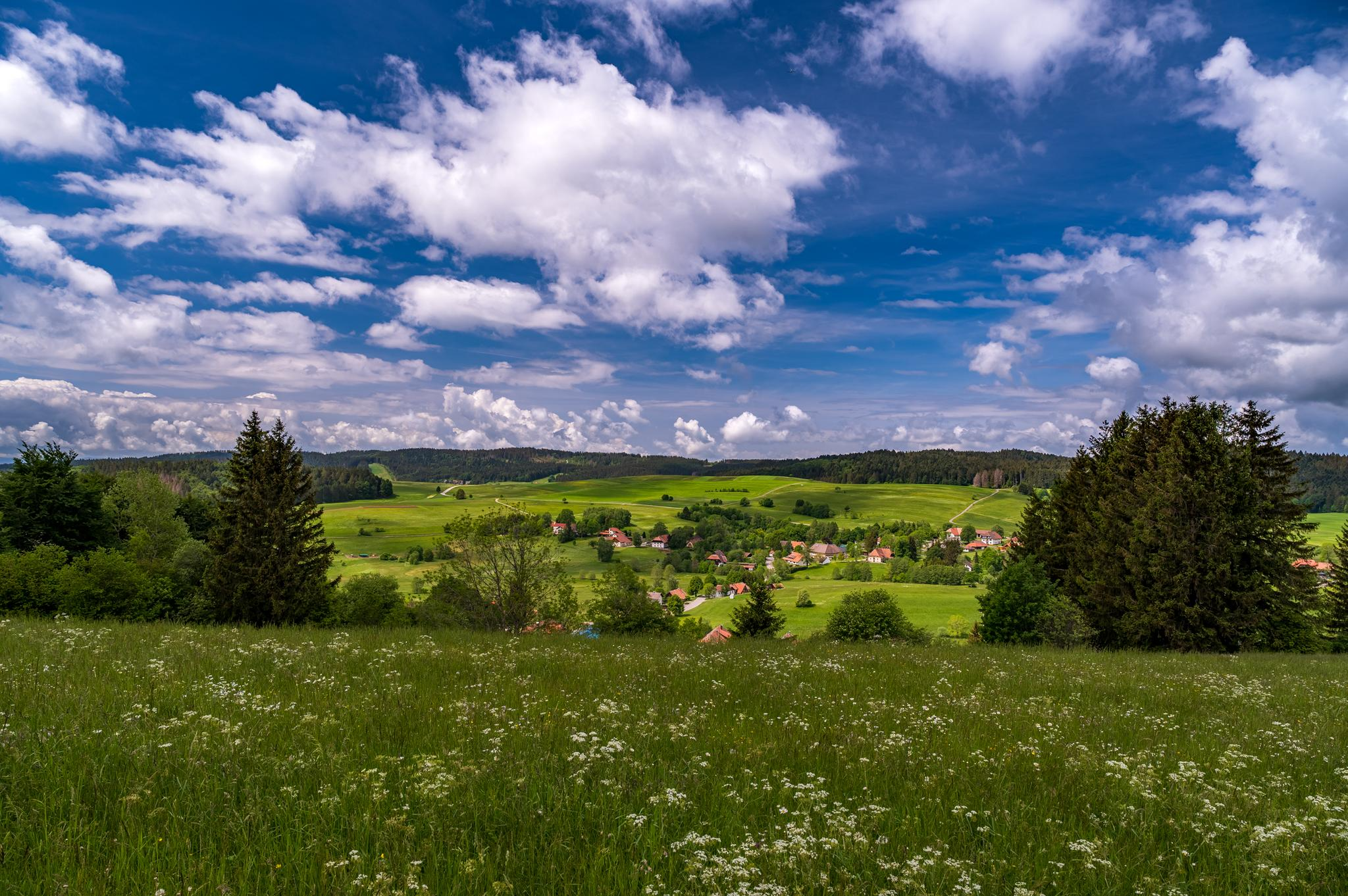
Village getaways in the Black Forest – small towns, great hiking
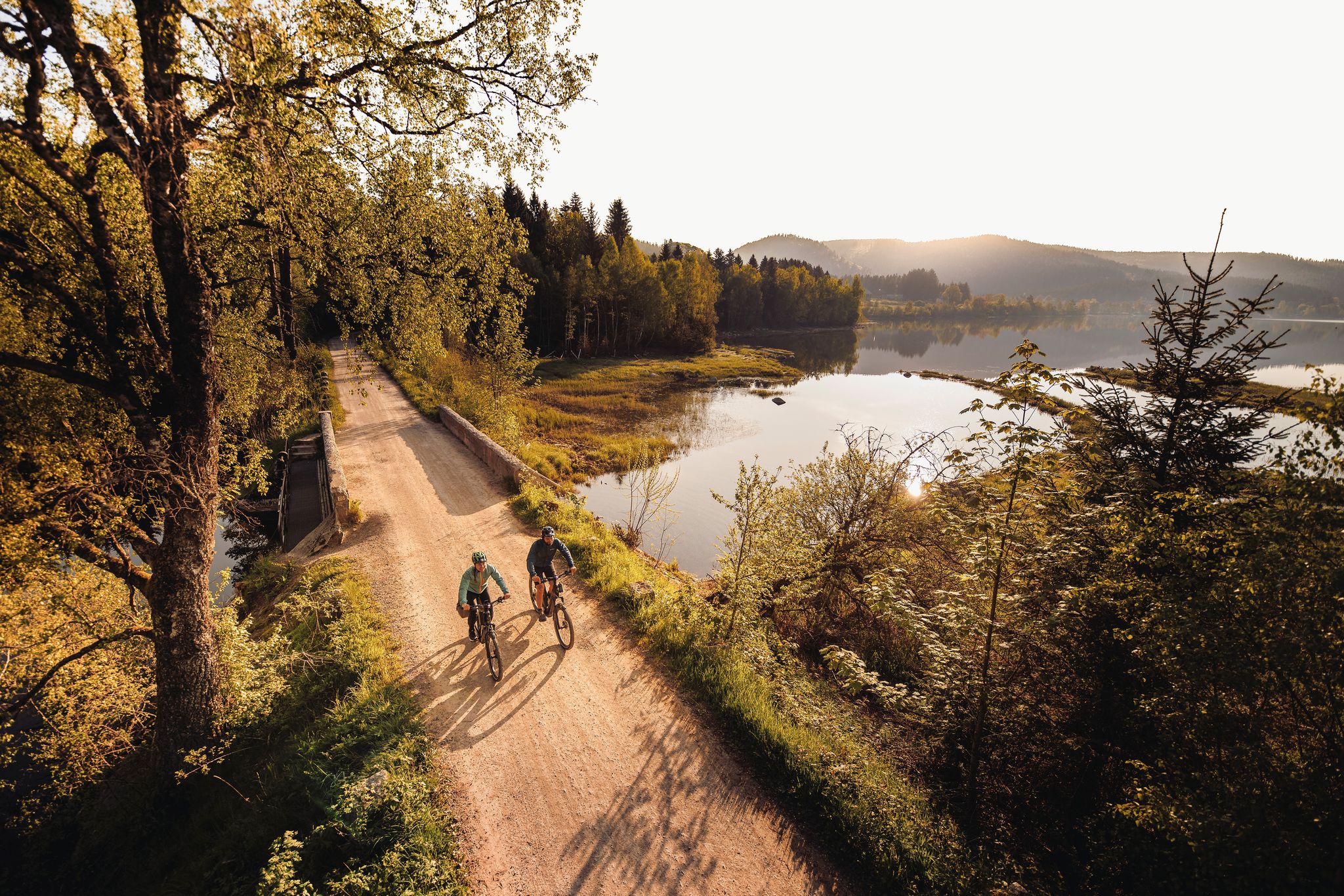
By the water – along the rivers and lakes of the Black Forest
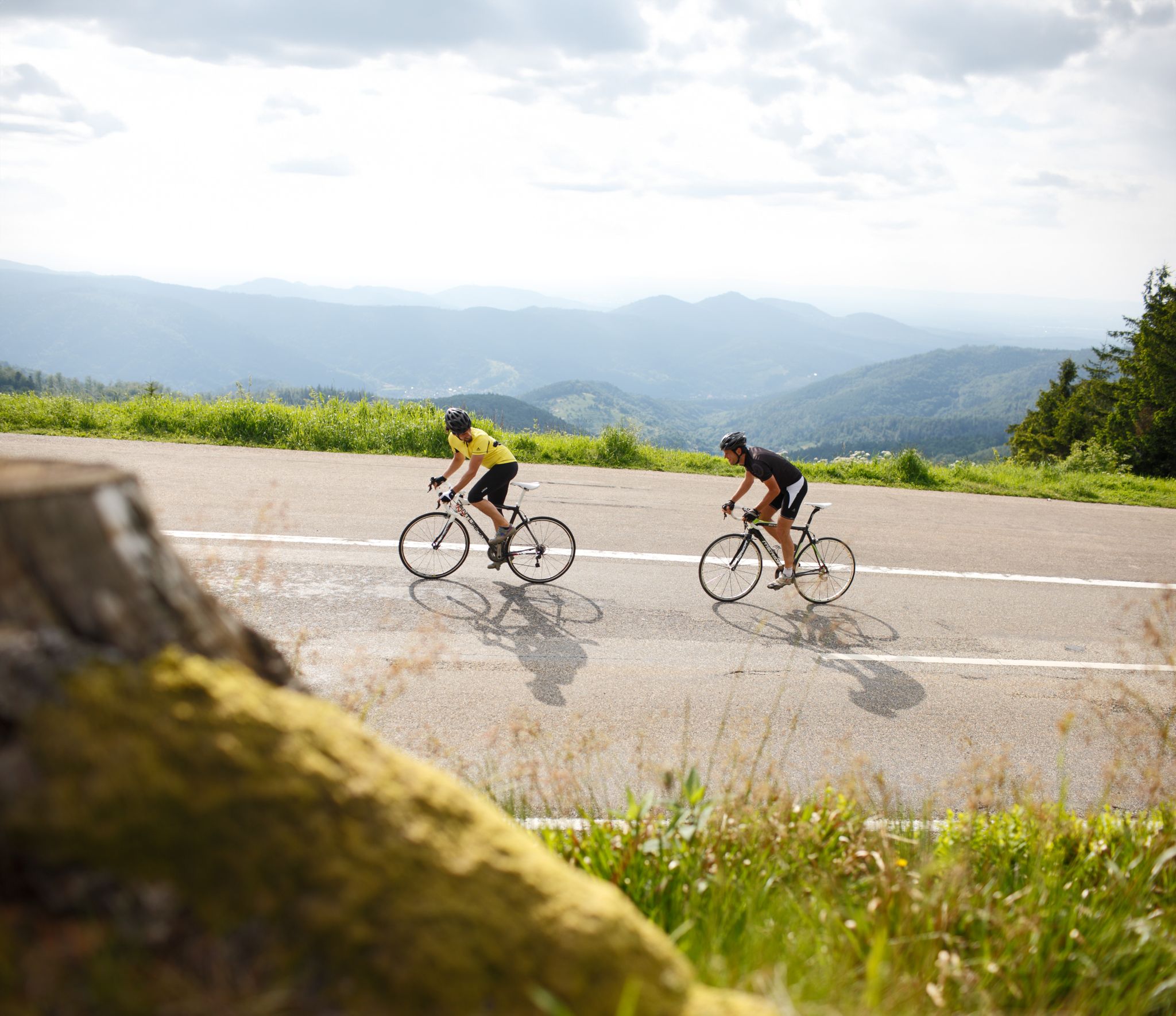
Experience the south of Germany on the Future Racing Bike Pros’ routes
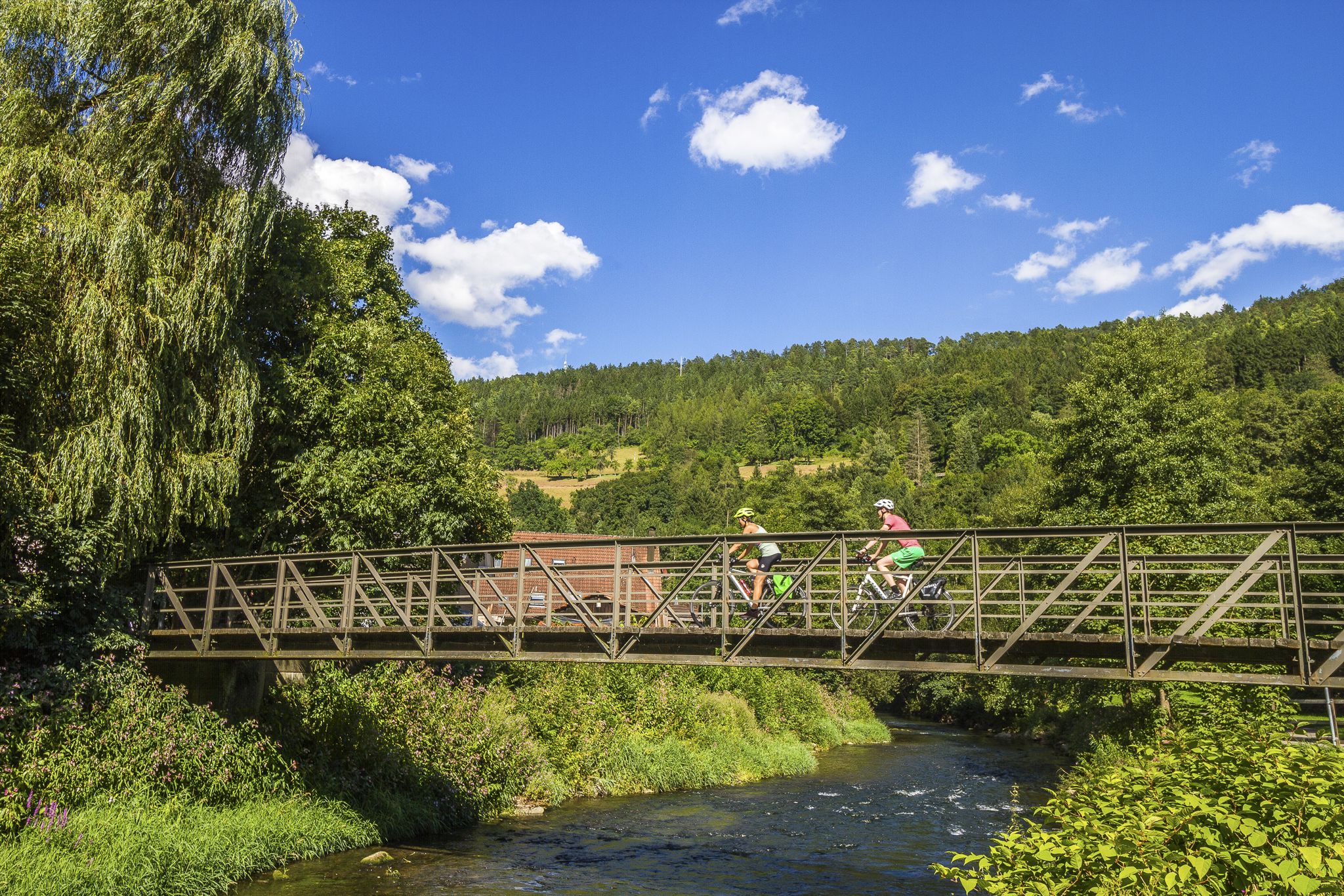
Biking the Black Forest: Our Favorite Long-Distance Rides
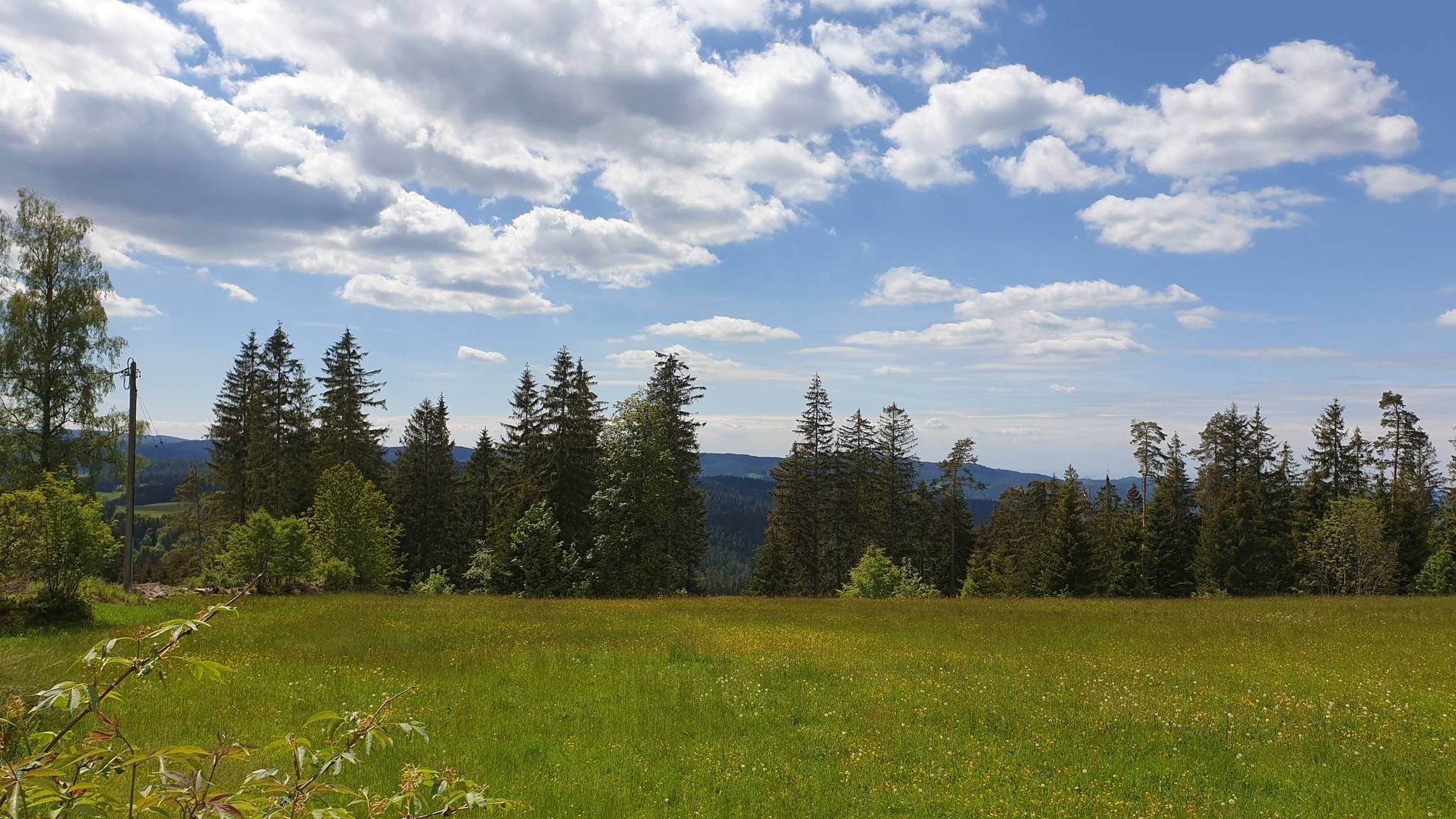
The Mittelweg of the Black Forest Association
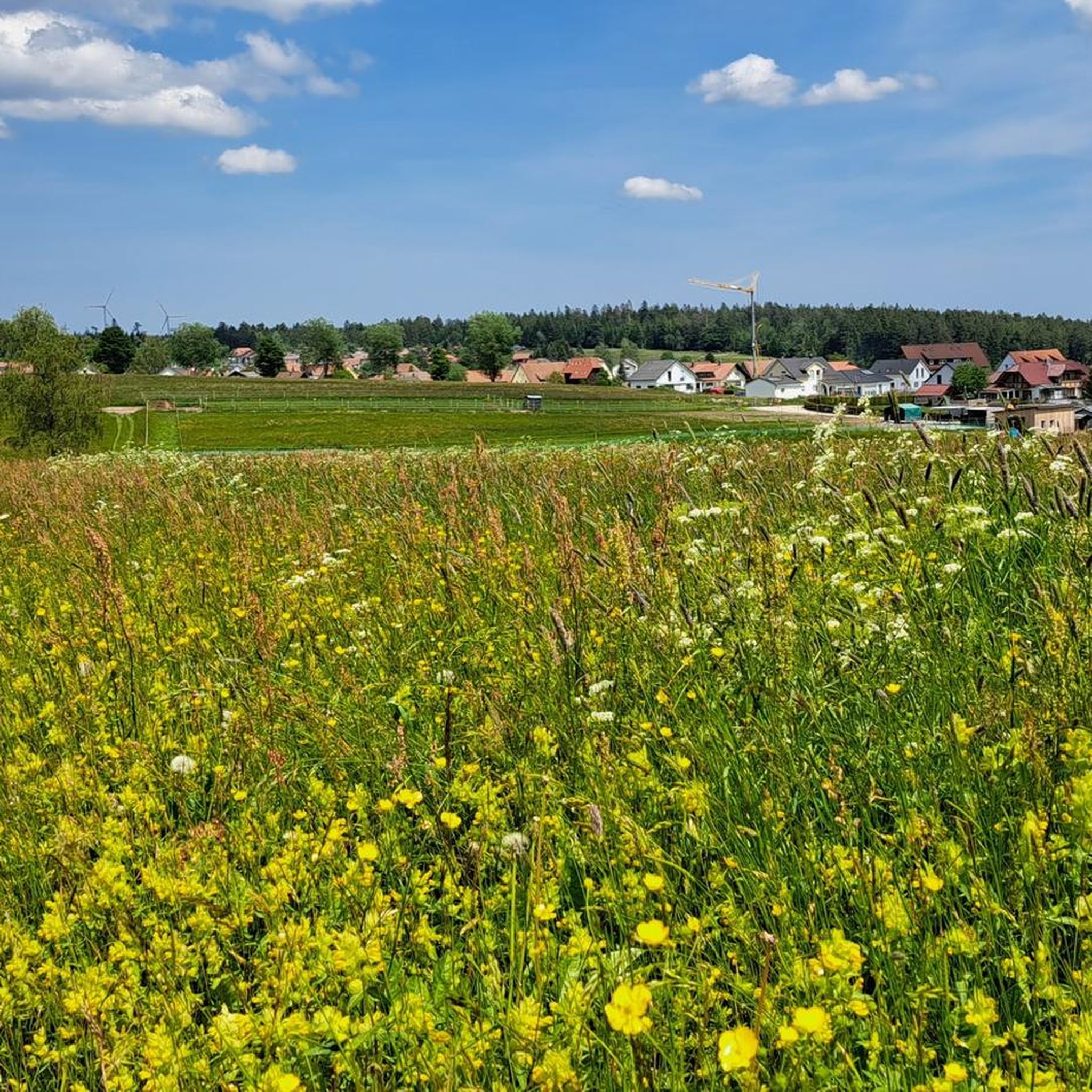
Hiking around Seewald
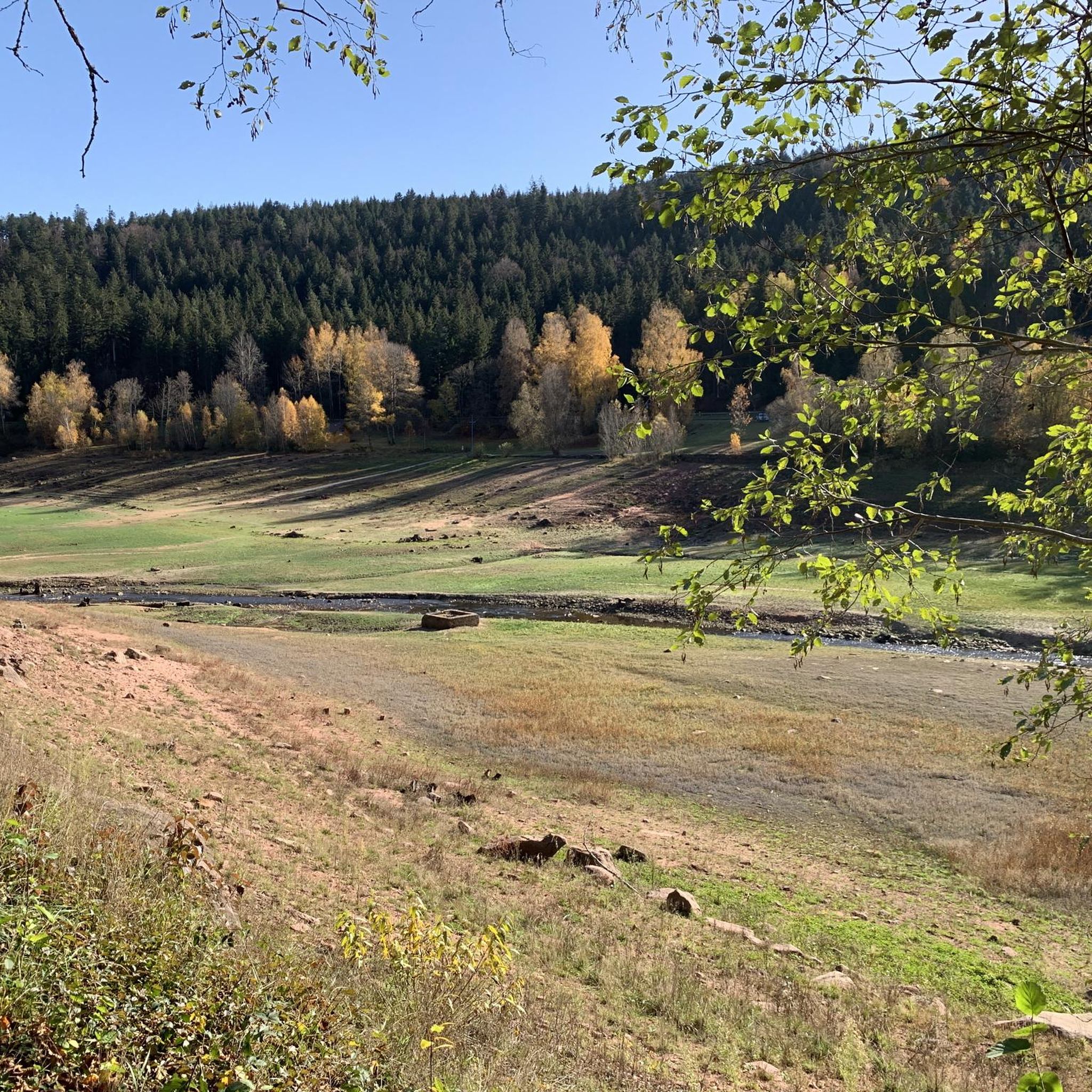
Road Cycling Routes around Seewald
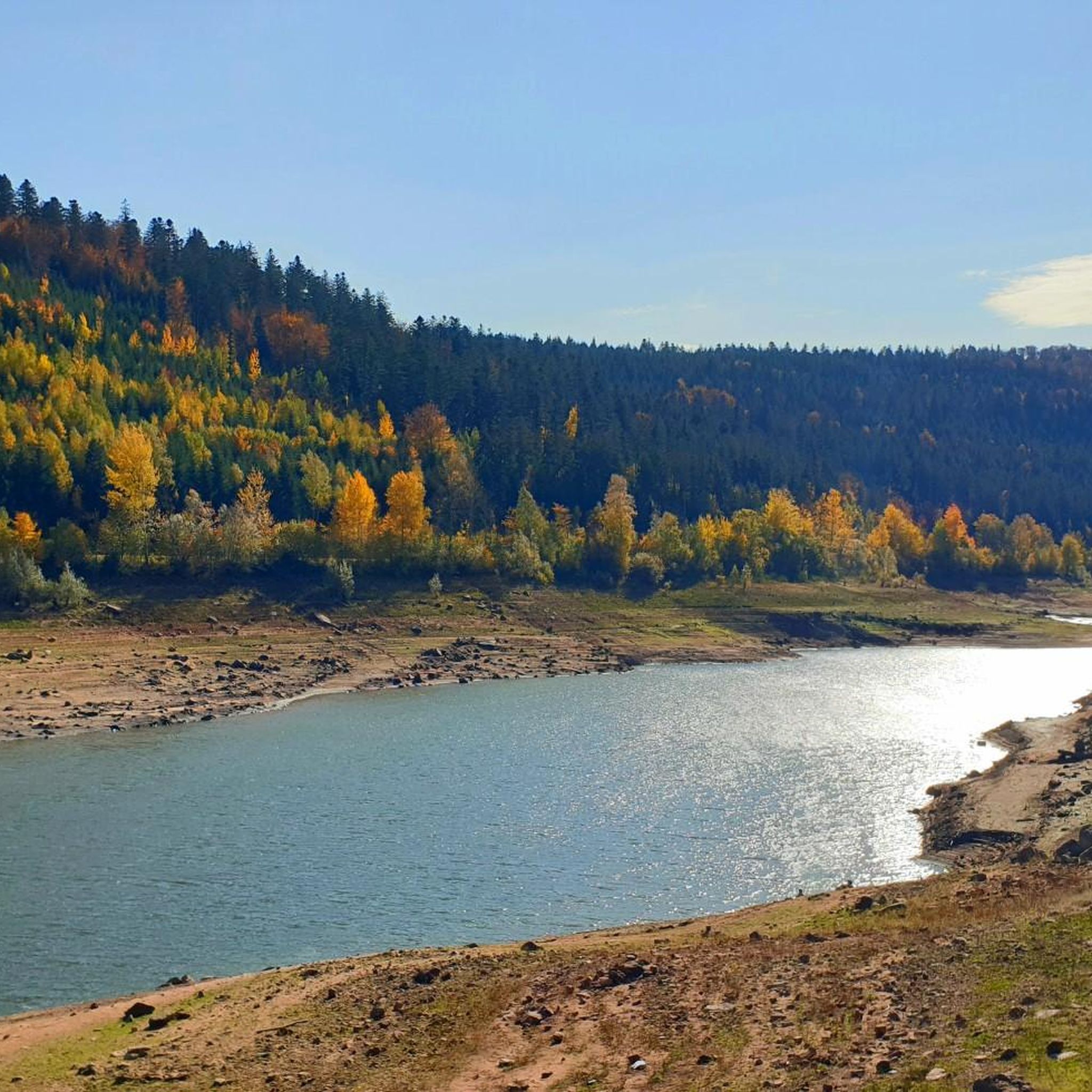
Cycling around Seewald
MTB Trails around Seewald
Running Trails around Seewald
Other adventures around Seewald


Tips from the Community

According to the signs, cyclists are asked to dismount. And for a good reason!
6
0
The plank path over the moor and the Wildsee are an absolute top highlight. I always fall in love with the panorama. Even better off-peak.
11
1
The rock is a top highlight on the Murg. I recommend the Murg cycle path from Forbach in snow. I've driven this part several times in snow/snow-slush, it's a lot of fun.
8
0
There are several spots along the bike path where you can easily get to the Murg river. This is one of them. The view over the Murg is gigantic.
8
0

Superb natural passage that looks like a tunnel😀👍
9
1

Idyllically located Wildsee in the high moor, which can be visited quietly and during the week without the hustle and bustle. It is essential to ensure that you stay on the laid out path that leads through the middle of the moor. A couple of benches provide an opportunity to enjoy the view of the lake. Along the wooden plank path you can find information about the moor and nature on some boards.
11
1

The unspoilt moor landscape around the Wildsee is the largest natural high moor area in Germany. The plateaus between the Sommerberg and Kaltenbronn have been designated as a nature reserve. In the middle of a huge forest area lies an unspoilt landscape with high and forest moors, cirques and block heaps. The high moors around the Kaltenbronn are something special, as all visitors know. But few also know that the plants and animals of the moors react sensitively to even the slightest change. Damage to this unique habitat is irreversible. As early as 1928, the Wildseemoor was declared a "protected forest". In the years 1939 and 1940 the nature reserves Wildseemoor and Hohlohsee were designated. Source: https://www.bad-wildbad.de/urlaubsziel-schwarzwald/sehenswertes/wildseemoor-urlaubsziel-nreservation-id_220/
9
1
Like most raised bogs, the bogs on the Kaltenbronn were formed at the end of the last ice age more than 10,000 years ago. The melting of massive ice sheets created depressions where water could not drain away. The high rainfall that prevails on the Kaltenbronn caused the landscape to become swampy. This allowed lush vegetation to develop on the nutrient-poor sandstone subsoil. Dying plants, whose plant remains did not completely decompose in the oversaturated soil, were overgrown by new plants. This process caused a thick layer of peat to develop over the course of thousands of years. The plants gradually lost contact with the groundwater-bearing soil layers due to the peat layer and could no longer be supplied with sufficient nutrient-rich water. The nutrient-poor rainwater led to a change in the existing vegetation, in which only undemanding plants such as cotton grass, cranberry, rosemary heath, round-leaved sundew and the few-flowered sedge could survive. In drier places, heather, cloudberry, crowberry and leaf mosses also occur. Source: https://www.schwarzwald-informationen.de/wildsee-hornsee-kaltenbronn.html
14
2
Frequently Asked Questions
What are some of the most popular natural monuments to visit in Seewald?
Seewald offers several highly-rated natural monuments. Among the most popular are the Wildsee raised bog, known for its beautiful views year-round and as the largest Hochmoorkolk in Germany. Another favorite is the Hohloh Tower (Kaiser Wilhelm Tower), which provides extensive panoramic views. Visitors also highly recommend the Boardwalk Through Wildseemoor, offering an immersive experience into the unique bog ecosystem.
Are there any natural monuments in Seewald that offer panoramic views?
Yes, Seewald is home to excellent viewpoints. The Hohloh Tower (Kaiser Wilhelm Tower) is a must-visit, providing extensive views from its summit. Another great option is the Friedrich Tower at Badener Höhe, where you can climb 168 steps for a magnificent view of the Rhine plain.
What kind of unique natural features can I explore in Seewald?
Seewald is characterized by its dense forests, clear rivers, and idyllic valleys. A particularly unique feature is the Wildsee raised bog, an impressive high moor that formed over 10,000 years ago at the end of the last ice age. The Boardwalk Through Wildseemoor allows you to experience this delicate ecosystem up close, observing specialized plants like cotton grass and sundew.
Are there family-friendly natural attractions in Seewald?
Absolutely! Many natural monuments in Seewald are suitable for families. The Wildsee raised bog and the Boardwalk Through Wildseemoor are great for all ages, offering an easy walk through a unique landscape. The Hohloh Tower is also considered family-friendly, providing an exciting climb to a rewarding view. Additionally, the Kälberbronn Discovery Route and Kingfisher Trail Seewald-Erzgrube offer interactive experiences for children.
What outdoor activities can I do near the natural monuments in Seewald?
The natural monuments in Seewald are surrounded by opportunities for various outdoor activities. You can find numerous hiking trails, including routes like the Enzquellenpfad, which leads to the lonely Kaltenbachsee. For those interested in water sports, the Nagold Reservoir is a popular spot for swimming, fishing, sailing, and windsurfing. There are also running trails and gravel biking routes throughout the region.
What is the best time of year to visit the natural monuments in Seewald?
Seewald's natural monuments offer beauty throughout the year. The Wildsee raised bog, for instance, provides beautiful views in every season. Spring and autumn are particularly pleasant for hiking, with vibrant foliage or blooming flora. Even in winter, the landscape can be stunning, though sure footing is advised on potentially slippery wooden paths, especially around the moorlands.
Are there specific hiking trails that lead through or near these natural monuments?
Yes, several trails allow you to explore Seewald's natural beauty. The Boardwalk Through Wildseemoor is a dedicated path through the moor and past the Wildsee. The Enzquellenpfad is a premium hiking trail that leads into the original Black Forest, connecting to natural features like the Kaltenbachsee and Poppelsee. You can find more hiking routes around Seewald, ranging from easy to moderate difficulty.
Is parking available at the natural monuments?
Yes, parking is generally available. For example, a large parking lot is located below the Hohloh Tower, making it a convenient starting point for explorations. For popular spots like the Wildsee raised bog, it's advisable to visit early on weekends or during the week due to its popularity, which can affect parking availability.
What do visitors enjoy most about the natural monuments in Seewald?
Visitors frequently praise the tranquility and untouched nature of the region. They particularly enjoy the unique ecosystems of the raised bogs, the panoramic views from the towers, and the well-maintained trails like the Boardwalk Through Wildseemoor. The opportunity to relax and immerse oneself in the Black Forest landscape is a common highlight, with many appreciating the beauty in all seasons.
Are the natural monuments in Seewald suitable for dog owners?
While specific regulations for dogs at every natural monument are not detailed, the general nature of the Black Forest region with its extensive hiking trails makes it a popular destination for dog owners. When visiting sensitive areas like the Wildsee raised bog, it's crucial to stay on designated paths to protect the delicate ecosystem, and dogs should likely be kept on a leash.
Are there any historical sites among the natural monuments?
Yes, some natural monuments also have historical significance. The Hohloh Tower, also known as the Kaiser Wilhelm Tower, is a historical watchtower. Similarly, the Friedrich Tower at Badener Höhe is a historical monument offering views. These structures combine natural beauty with a glimpse into the region's past.
Can I reach the natural monuments using public transport?
While Seewald is nestled in a natural setting, public transport options exist to reach certain areas. For instance, the Kaltenbronn region, home to the Wildsee raised bog, is accessible by bus. It's recommended to check local bus schedules for specific routes and stops to plan your visit to individual natural monuments.
Most popular routes around Seewald
Most popular attractions around Seewald

Get inspired with the komoot mobile app


Explore more
Extend your search for the best caves by checking out these guides of the top ones around Seewald:
