Top 20 Natural Monuments around Saaldorf-Surheim
Best natural monuments around Saaldorf-Surheim include diverse natural features and protected areas. The municipality, located in the Berchtesgadener Land district, offers a landscape characterized by wetlands, lakes, and rivers. Key natural areas like the Haarmoos fen and the Abtsdorfer See provide habitats for various species and recreational opportunities. The Saalach River also forms a significant natural boundary, offering scenic routes for outdoor activities.
Best natural monuments around Saaldorf-Surheim
- The most popular natural monuments is Mirabell Gardens, a natural_monument that…
Last updated: July 8, 2026
Mirabell Gardens
Highlight • Natural Monument
Translated by Google •
Tip by

Salzach Rapids
Highlight • River
Translated by Google •
Tip by

Sign up now to discover places like this
Get recommendations on the best single tracks, peaks, & plenty of other exciting outdoor places.
Sign up for free
St. Peter's Cemetery (Petersfriedhof)
Highlight • Historical Site
Translated by Google •
Tip by

Pegasus Fountain, Mirabell Gardens
Highlight • Monument
Translated by Google •
Tip by

Neubichler Alpine Hut
Highlight • Restaurant
Translated by Google •
Tip by

Sign up for free to discover even more natural monuments around Saaldorf-Surheim.
Sign up for free
Already have an account?
Start today with a free account
Your next adventure awaits.
Login or Signup
Popular around Saaldorf-Surheim
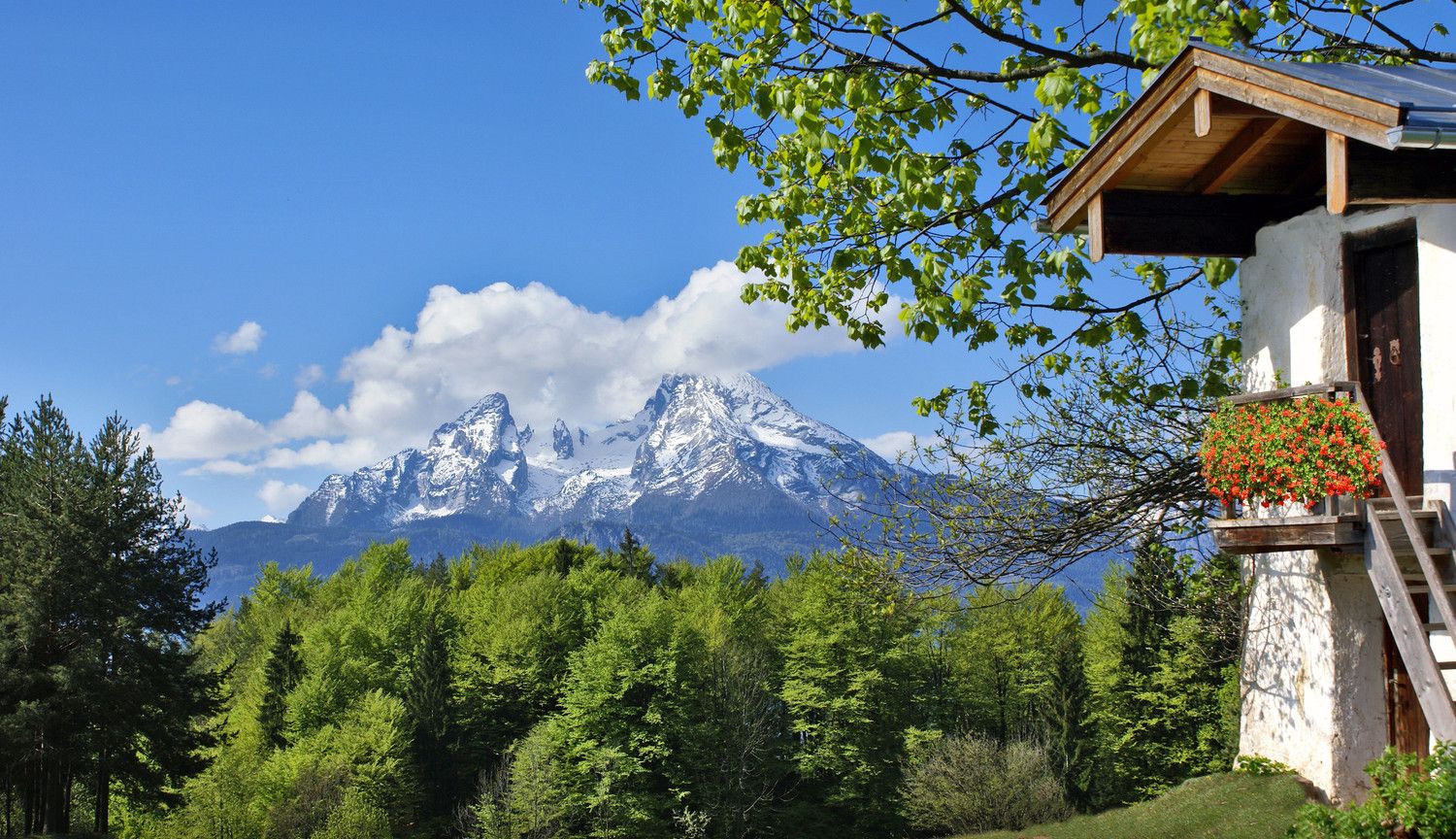
Going for the summer – hiking in the Berchtesgadener Land
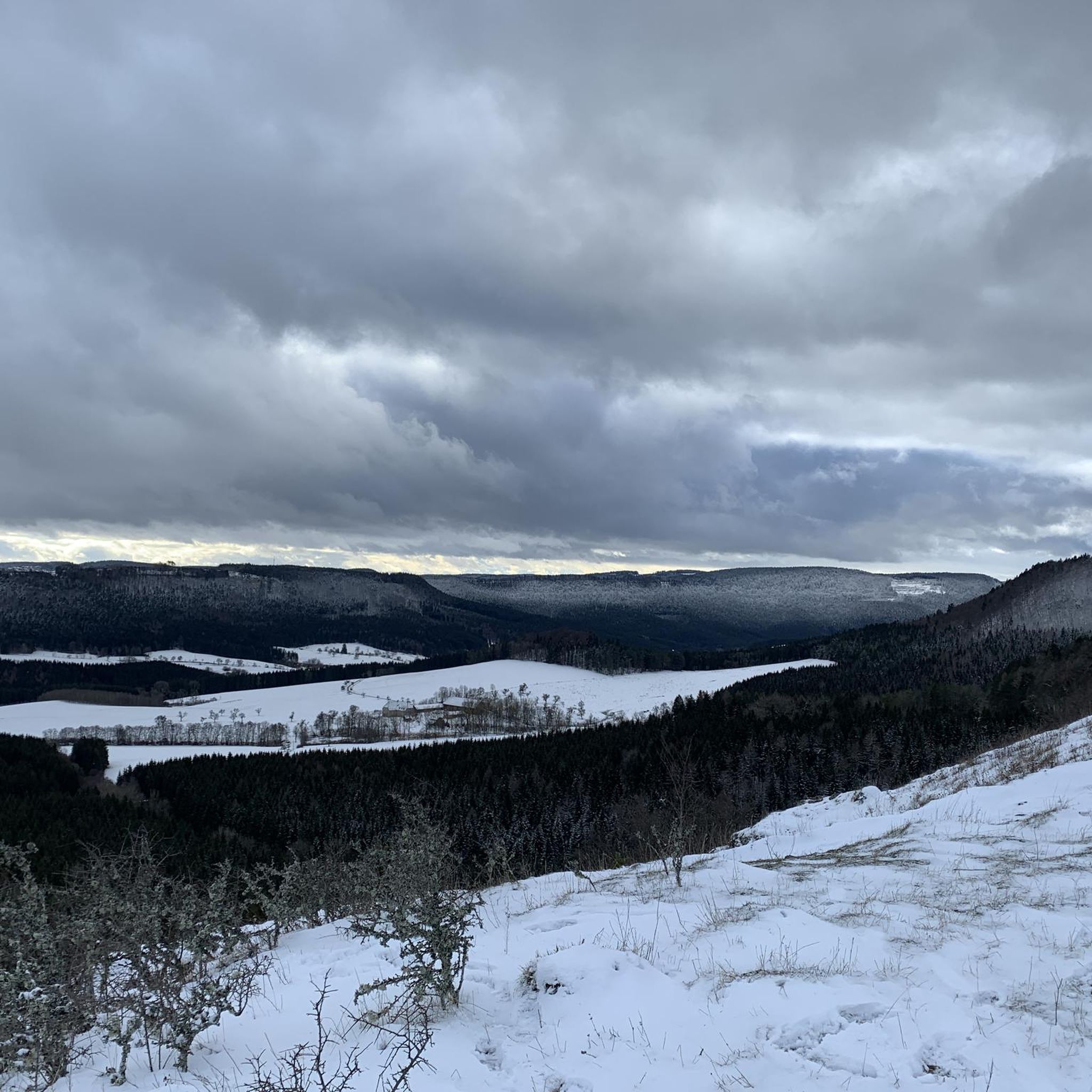
Gravel biking around Saaldorf-Surheim
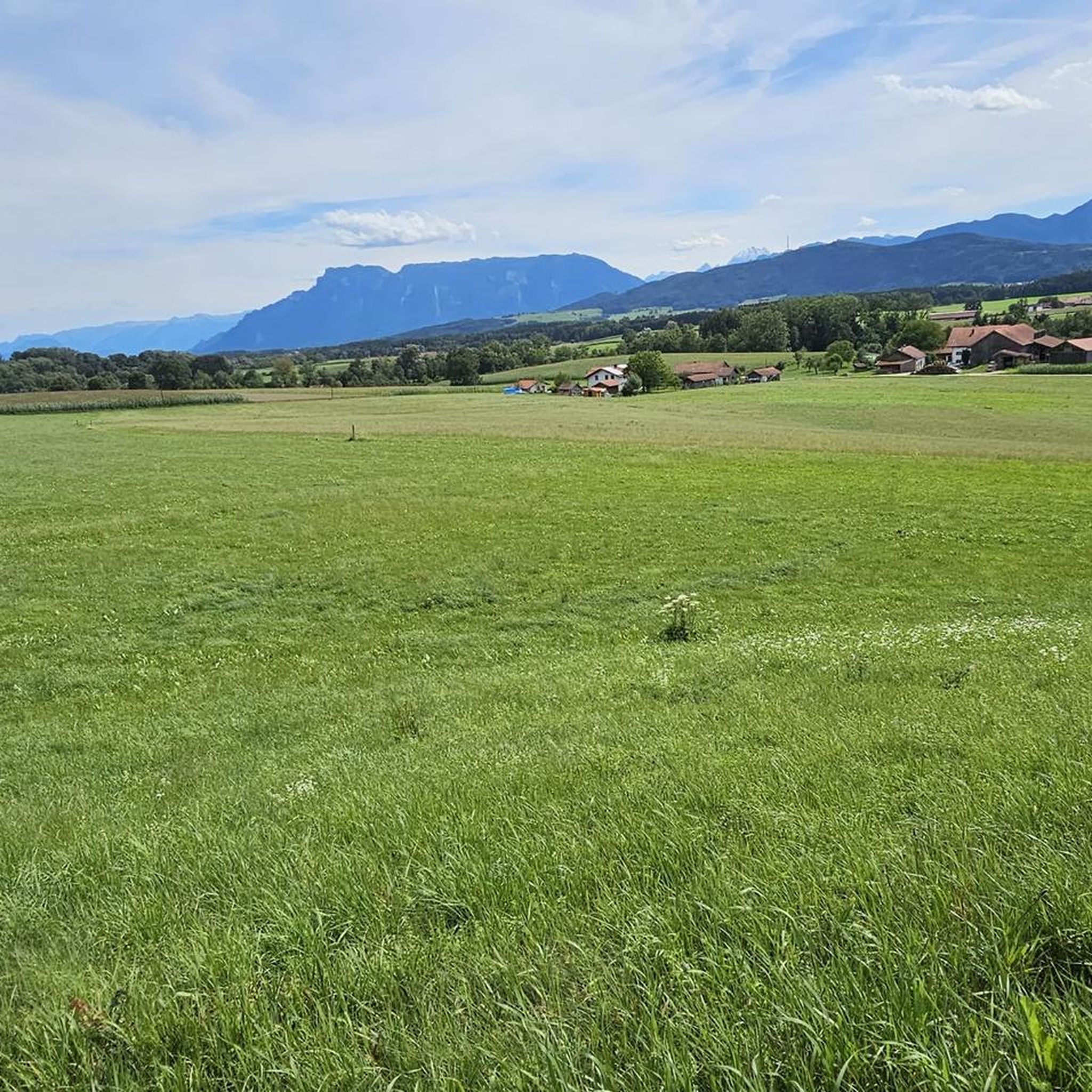
Road Cycling Routes around Saaldorf-Surheim
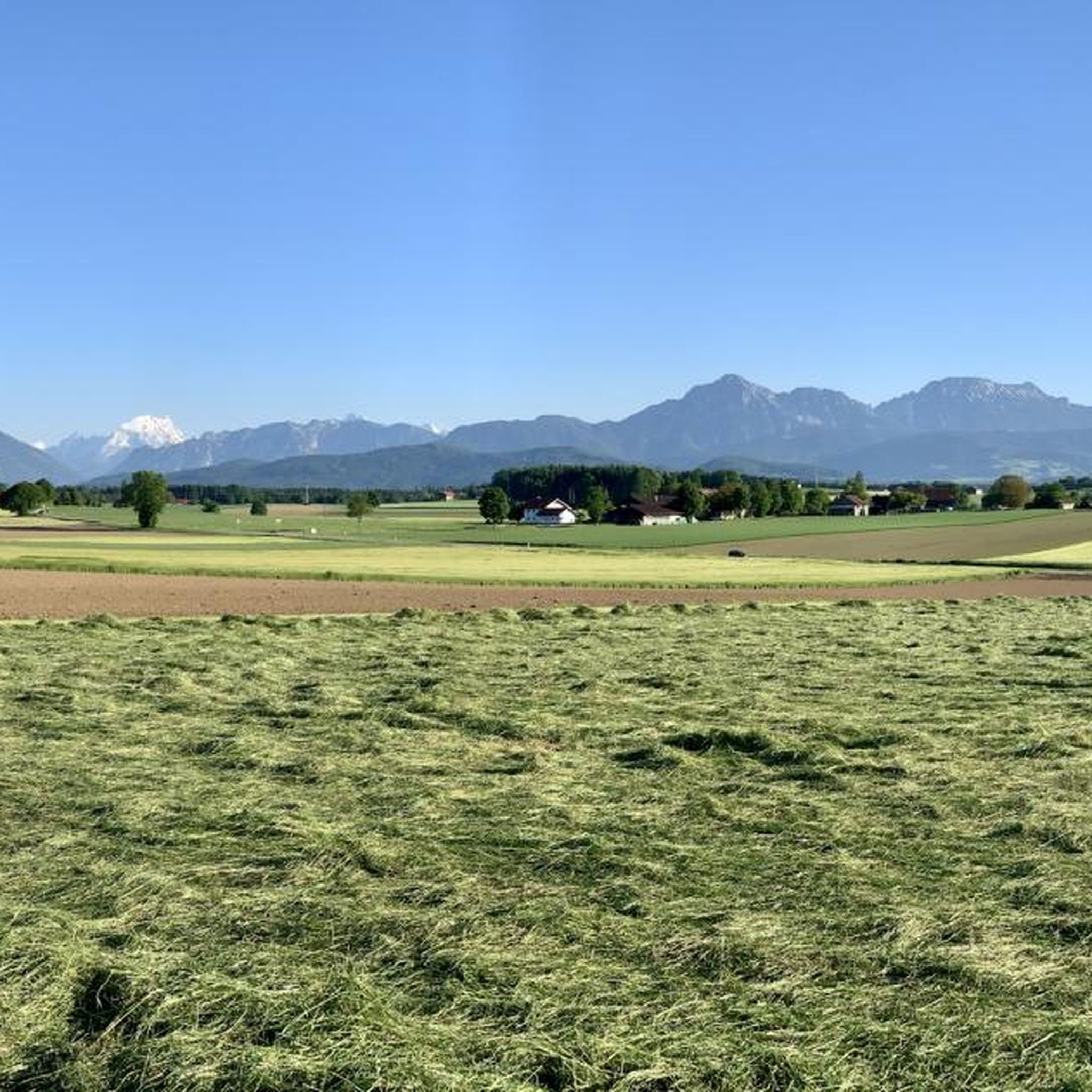
Cycling around Saaldorf-Surheim
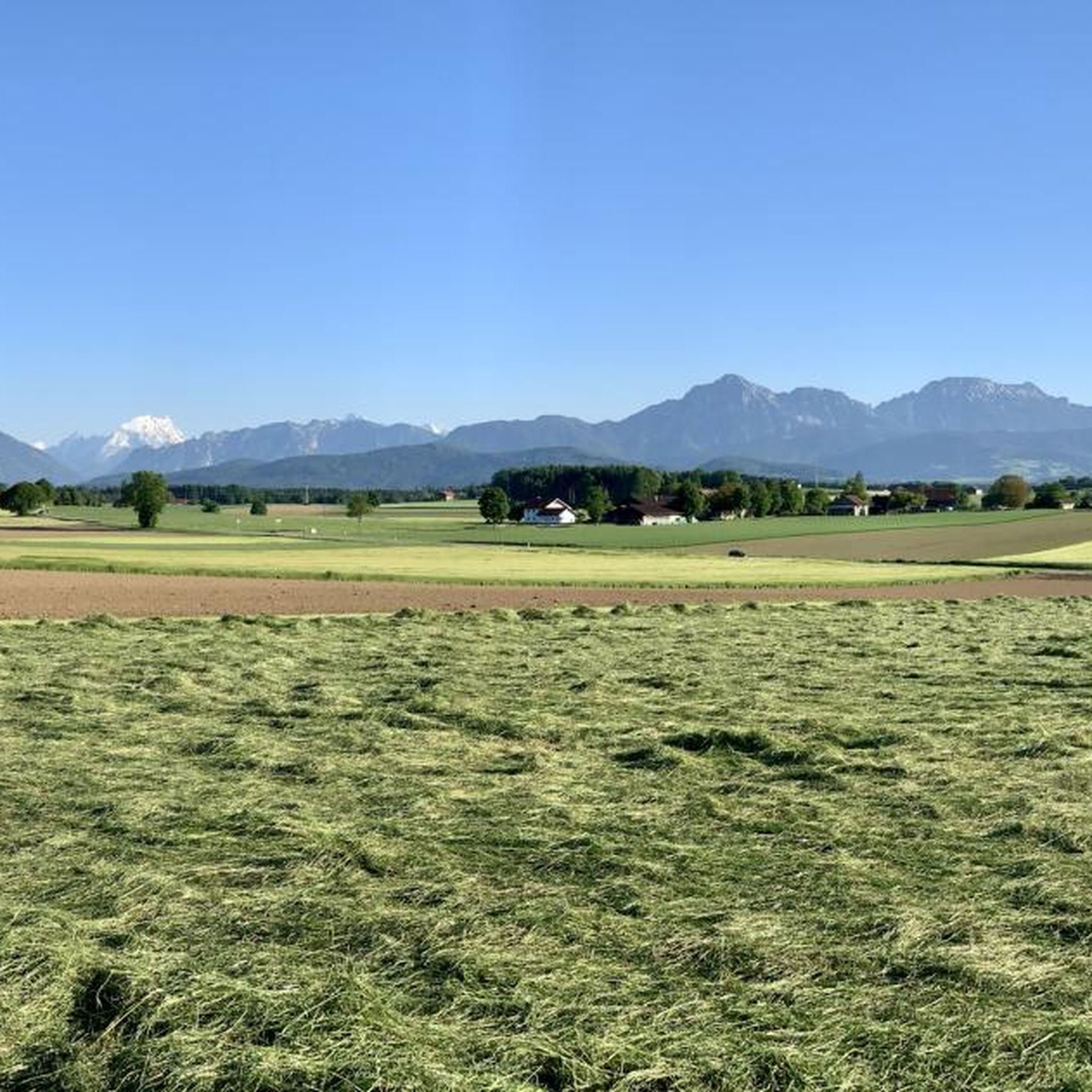
Running Trails around Saaldorf-Surheim
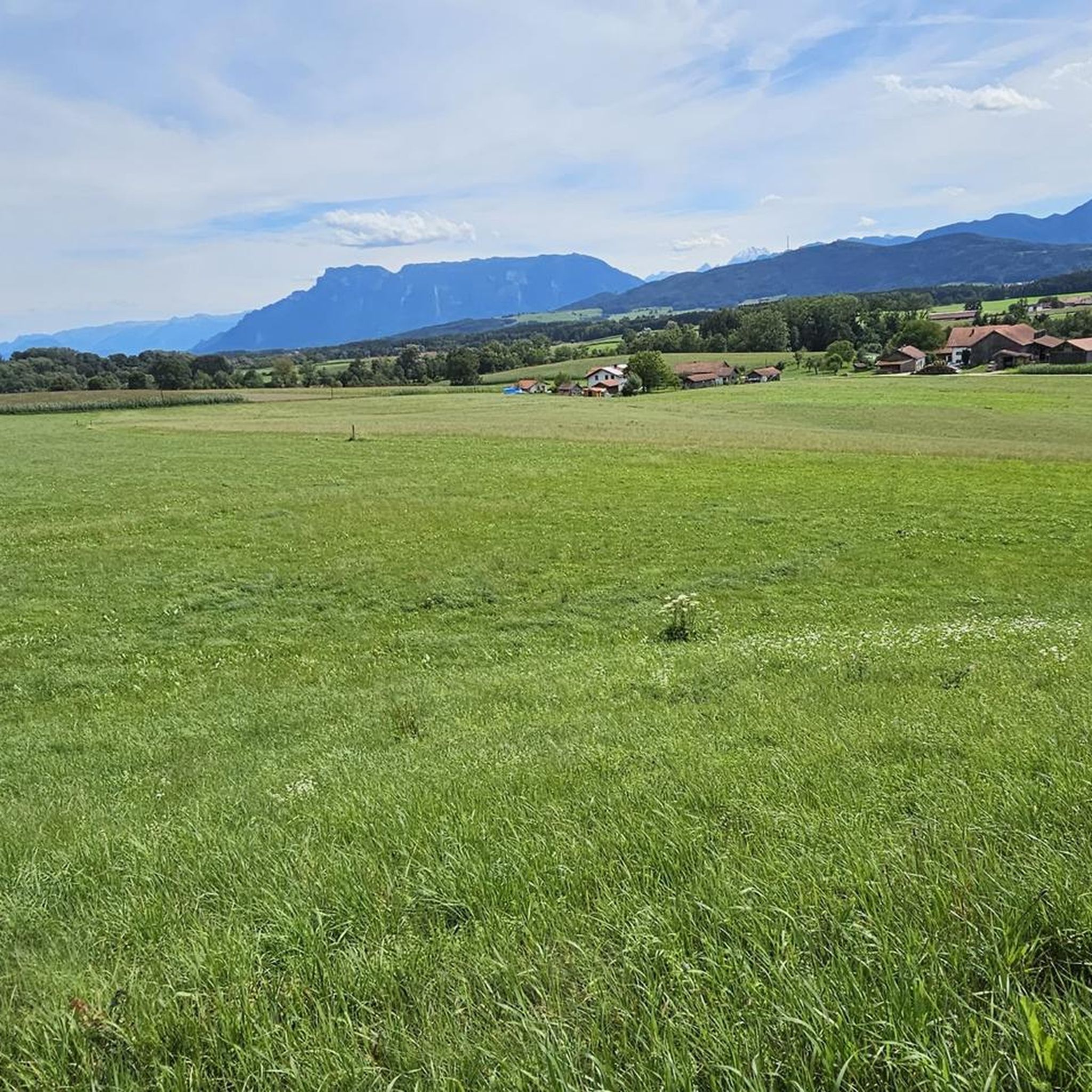
MTB Trails around Saaldorf-Surheim
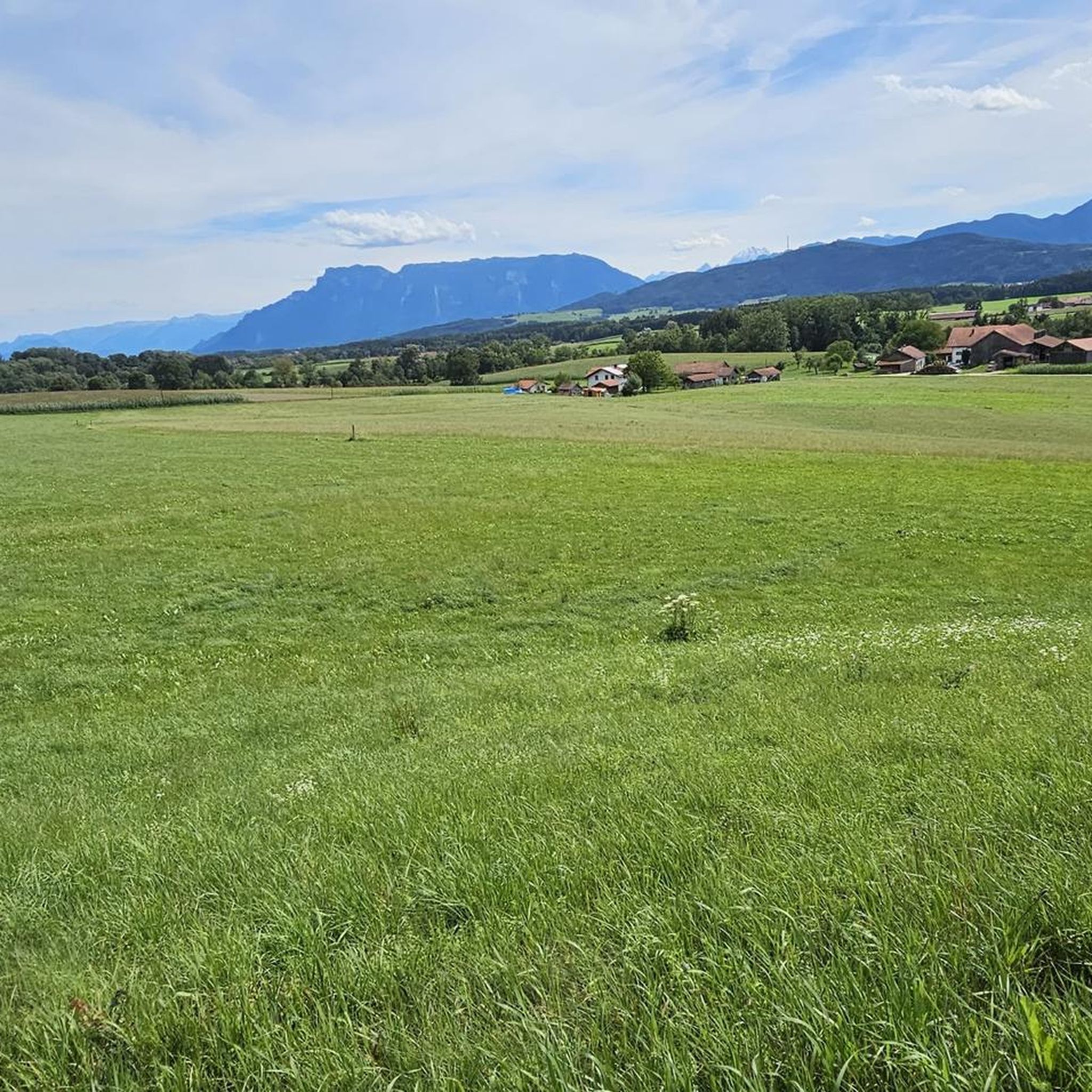
Hiking around Saaldorf-Surheim
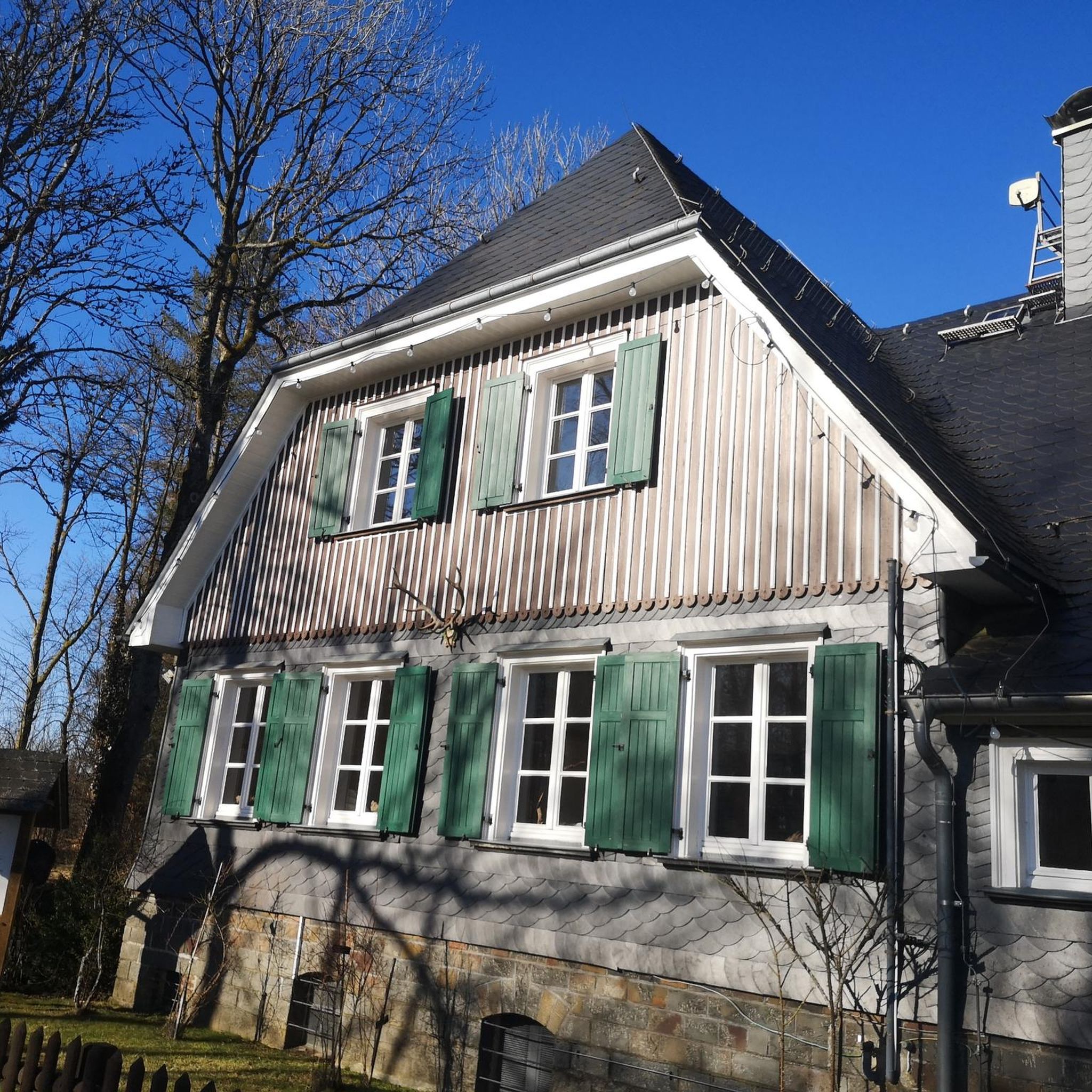
Mountain Hikes around Saaldorf-Surheim
Other adventures around Saaldorf-Surheim

Tips from the Community

Restaurant is open. Great view from the terrace
0
1

Orangery in the Mirabell Gardens, Mirabell Palace, Salzburg The Orangery in the Mirabell Gardens is more of an insider tip. It is located in the southern part of Mirabell Palace. The palm house was built around 1725 next to the large garden parterre. The name Orangery comes from the time when orange trees and exotic ornamental woods were still being cultivated. Precious, non-hardy plants were brought back to the Orangery to overwinter. Orange trees were seen as a metaphor for wealth in the Baroque period and for this reason were a must even then. The eastern part of the Orangery was used for other purposes after the Second World War and was not put back together again until 1980. The Baroque Museum is now located in the southern part of the Orangery. Today, in the northern part of the building, somewhat hidden, there is a small, beautiful tropical garden. A small pool with turtles and goldfish and for bird lovers there is a very large birdcage with numerous birds to marvel at. Opening hours of the Orangery in the Mirabell Gardens Open all year round, daily from 9 a.m. to 4 p.m. Text / Source: Salzburger Saalachtal. com https://www.salzburger-saalachtal.com/ausflugsziele/stadt-salzburg/mirabellgarten/orangerie-mirabellgarten
14
0
Pegasus fountain in the Mirabell Gardens, Salzburg from 1661 The copper Pegasus was originally made in 1661 for the horse trough on Kapitelplatz. Around 1700 it was moved to the horse trough on Mirabellplatz. After the city fire of 1818, the sculpture disappeared into storage for decades. In 1913 it was then re-erected in a fountain basin on Mirabellplatz. Text / Source: Salzburg ORF AT https://sbgv1.orf.at/stories/317149
13
0
Pegasus Fountain in the Mirabell Gardens, Salzburg, 1661 The copper Pegasus was originally crafted in 1661 for the horse trough on Kapitelplatz. Around 1700, it was moved to the horse trough on Mirabellplatz. After the city fire of 1818, the sculpture disappeared into storage for decades. In 1913, it was reinstalled in a fountain basin on Mirabellplatz. Text / Source: Salzburg ORF AT https://sbgv1.orf.at/stories/317149
13
0
Mirabell Gardens & Mirabell Park (Mirabell Palace), Salzburg The world-famous Mirabell Gardens were laid out along a north-south axis and are oriented towards Salzburg Cathedral and Hohensalzburg Fortress. The original gardens were designed by Johann Bernhard Fischer von Erlach in 1689, commissioned by Prince-Archbishop Johann Ernst Count von Thun. In 1730, the gardens were significantly altered, with Franz Anton Danreiter responsible for the new plans. Even at this time, the "Mirabell Gardens" were known as one of the most beautiful parks in Europe. In the 19th century, the Mirabell Gardens underwent another major transformation, this time resulting in the destruction of parts of the garden. This included the original Dwarf Garden in its 18th-century form, some arcades facing Mirabellplatz, and the so-called Sala Terena northwest of Mirabell Palace. The "Grand Parterre" is not only the largest enclosed section of the Mirabell Gardens but is also one of its oldest parts. If you enter the Mirabell Gardens from the Market Square, you will encounter two pairs of Borghese swordsmen on the Grand Parterre. The inner pair is by A. Götzinger, the outer pair by M. B. Mandl; both pairs were created in the 17th century. Text / Source: TSG Tourismus Salzburg GmbH, Auerspergstraße 6, Salzburg https://visit-salzburg.net/deutsch/sehenswuerdig/mirabellgarten.htm
13
0


A dream! Sunny winter garden, friendly and competent service, lovingly prepared dishes of high quality and a breathtaking view - what more could you want? I give it 3 🤩
1
0

Very beautiful landscape on the Salzach, municipality of Bergheim. Great for hiking and being active outdoors.
2
0
Frequently Asked Questions
What are the most significant natural areas to visit in Saaldorf-Surheim?
Saaldorf-Surheim is home to several notable natural areas. The Haarmoos is a vital fen and wetland, recognized as Southeast Bavaria's most important meadow breeding area. The Abtsdorfer See is a warm moorland bathing lake, popular for recreation. Additionally, the Saalach River forms a scenic natural boundary with picturesque landscapes. You can also visit the Ainringer Moor Observation Tower for views of a former peat mining area now rich in birdlife.
What makes the Haarmoos wetland special for nature lovers?
The Haarmoos is a significant fen and wetland, covering approximately 400 hectares. It's renowned as the most important meadow breeding area in Southeast Bavaria, providing a habitat for numerous rare and endangered plant and animal species. Visitors can observe diverse flora like orchid species and globe flowers, and a variety of birds including the corncrake and Eurasian curlew. It's also a sanctuary for rare butterflies.
Can I swim in the Abtsdorfer See, and what are its unique features?
Yes, the Abtsdorfer See is a popular moorland bathing lake, known as one of the warmest lakes in Upper Bavaria, with summer temperatures reaching up to 26° Celsius. Its characteristic dark, brownish color comes from the surrounding Haarmoos moorland. It's also considered the most fish-rich bathing lake in Bavaria, making it ideal for swimming, camping, and sunbathing.
Are there family-friendly natural monuments or activities in Saaldorf-Surheim?
Absolutely. The circular hiking trail around the Abtsdorfer See is relatively flat and partially asphalted, making it accessible for families with strollers. The lake itself is great for swimming and recreation. The Ainringer Moor Observation Tower also offers an engaging experience for families to observe birds in their natural habitat.
What kind of outdoor activities can I do near the natural monuments?
The region offers various outdoor activities. The banks of the Saalach River provide popular routes for hiking and cycling. Around the Abtsdorfer See, you can enjoy a scenic circular hike or explore themed cycling routes like the Badeseen-Radweg. For more structured routes, you can find options for cycling, gravel biking, and MTB trails around Saaldorf-Surheim.
Are there any accessible natural monuments for visitors with limited mobility or wheelchairs?
Yes, the circular hiking trail around the Abtsdorfer See is partially asphalted and relatively flat, making it accessible for wheelchairs and strollers. This allows visitors with limited mobility to enjoy the scenic views of the lake and the adjacent Haarmoos meadow breeding area.
What is the best time of year to visit the natural monuments in Saaldorf-Surheim?
The best time to visit largely depends on your interests. For swimming and water activities at the Abtsdorfer See, summer (June to August) is ideal due to warm temperatures. For birdwatching and enjoying the diverse flora of the Haarmoos, spring and early summer are excellent, though visitors should stay on designated paths between March 20th and June 15th to protect breeding birds.
Are dogs allowed on trails around the natural monuments?
While specific regulations for each trail may vary, generally, dogs are welcome on many hiking and cycling paths in the region, including those along the Saalach River and around the Abtsdorfer See. However, it's crucial to keep dogs on a leash, especially in sensitive ecological areas like the Haarmoos, to protect wildlife and breeding birds.
Where can I find impressive views of the surrounding natural landscape?
For panoramic views, the Ainringer Moor Observation Tower offers excellent perspectives of the moorland. Additionally, the Neubichler Alpine Hut provides impressive vistas of the Untersberg, Berchtesgadener Hochthron, and Watzmann mountains from its terrace.
What kind of plants and animals can I expect to see in the Haarmoos?
The Haarmoos is a biodiversity hotspot. You can observe rare plants such as orchid species (Knabenkraut), globe flowers (Trollblume), round-leaved sundew, and bogbean. It's also a crucial habitat for birds like the corncrake, red-backed shrike, black kite, and Eurasian curlew, as well as butterflies like the scarce large blue.
Are there any historical or cultural sites near the natural monuments?
While the focus of Saaldorf-Surheim's natural monuments is primarily on ecological and recreational features, the broader region has historical significance. For example, the Mirabell Gardens and St. Peter's Cemetery in nearby Salzburg offer rich historical and cultural experiences, though they are not within Saaldorf-Surheim itself.
What do visitors particularly enjoy about the natural monuments around Saaldorf-Surheim?
Visitors frequently appreciate the tranquility and natural beauty of the area. The scenic circular trail around the Abtsdorfer See is highly rated for its accessibility and views. The Ainringer Moor Observation Tower is valued for its educational aspect and opportunities for birdwatching. The overall diversity of landscapes, from wetlands to lakes and rivers, provides a rich experience for nature enthusiasts.
Most popular routes around Saaldorf-Surheim
Most popular attractions around Saaldorf-Surheim

Get inspired with the komoot mobile app


Explore more
Extend your search for the best caves by checking out these guides of the top ones around Saaldorf-Surheim:
