Top 20 Natural Monuments around Piding
Best natural monuments around Piding are situated in a region characterized by green meadows, dense forests, and majestic mountain peaks. The area is dominated by prominent natural features such as the Hochstaufen mountain and the Saalach River. This landscape provides an ideal starting point for various outdoor activities. The region offers a diverse range of natural attractions for exploration.
Best natural monuments around Piding
- The most popular natural monuments is Salzburger Hochthron, a summit that offers full panoramas of…
Last updated: June 24, 2026
Mirabell Gardens
Highlight • Natural Monument
Translated by Google •
Tip by

Salzburger Hochthron
Highlight • Summit
Tip by

Sign up now to discover places like this
Get recommendations on the best single tracks, peaks, & plenty of other exciting outdoor places.
Sign up for free
Falkensee
Highlight • Lake
Translated by Google •
Tip by

Steinerne Agnes Rock Formation
Highlight • Natural Monument
Translated by Google •
Tip by

North Shore of the Frillensee
Highlight • Lake
Translated by Google •
Tip by

Sign up for free to discover even more natural monuments around Piding.
Sign up for free
Already have an account?
Start today with a free account
Your next adventure awaits.
Login or Signup
Popular around Piding
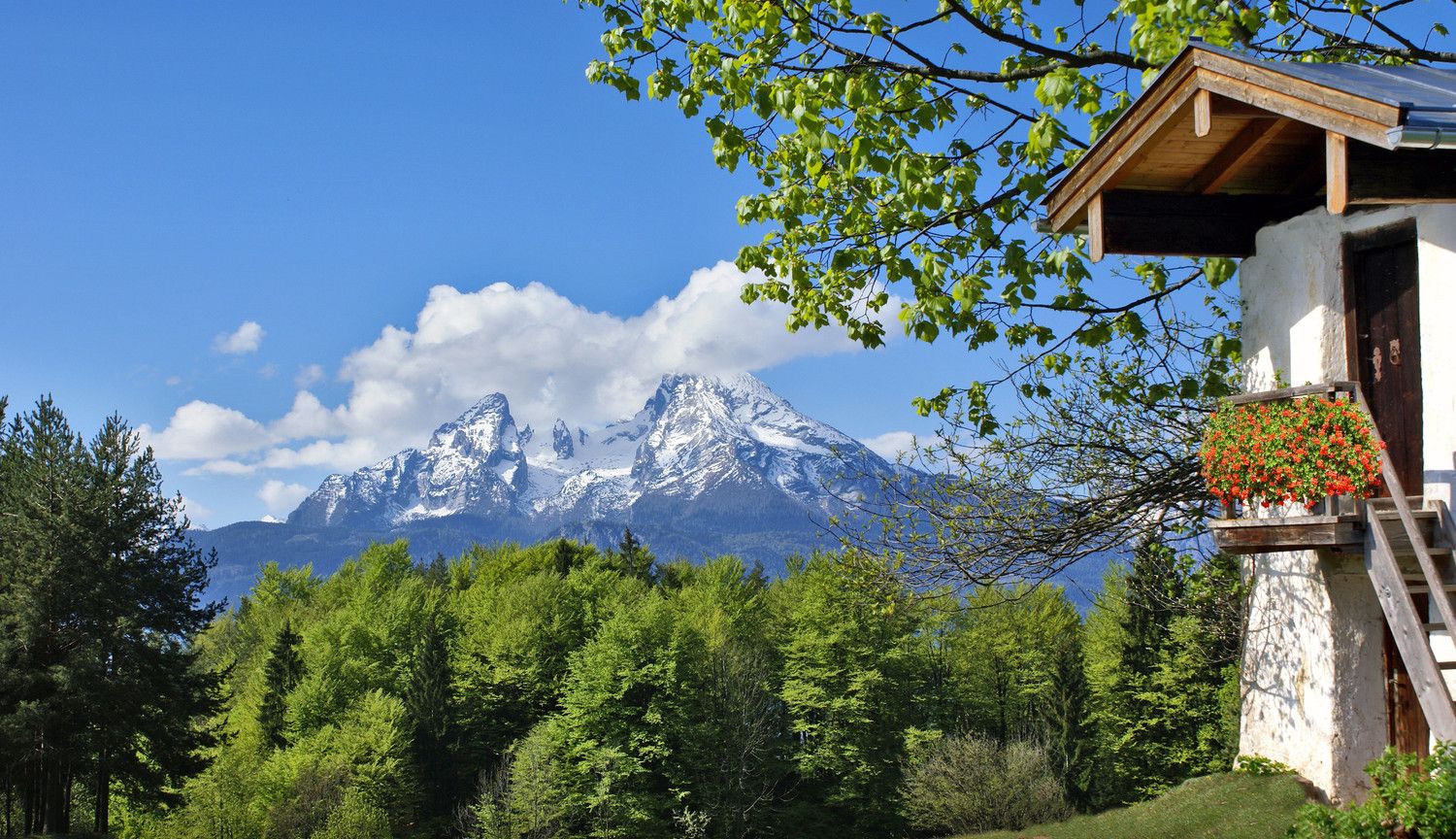
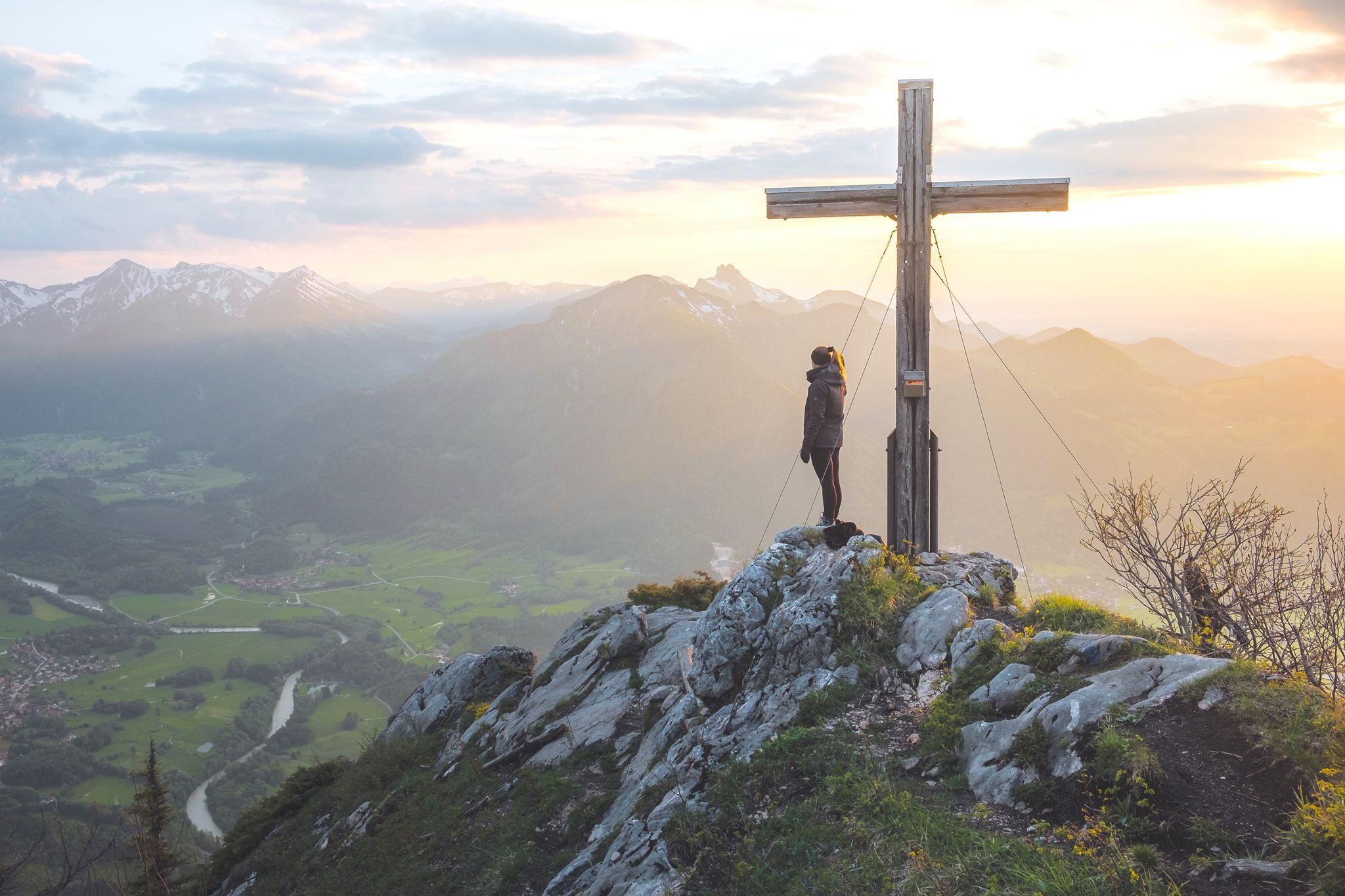
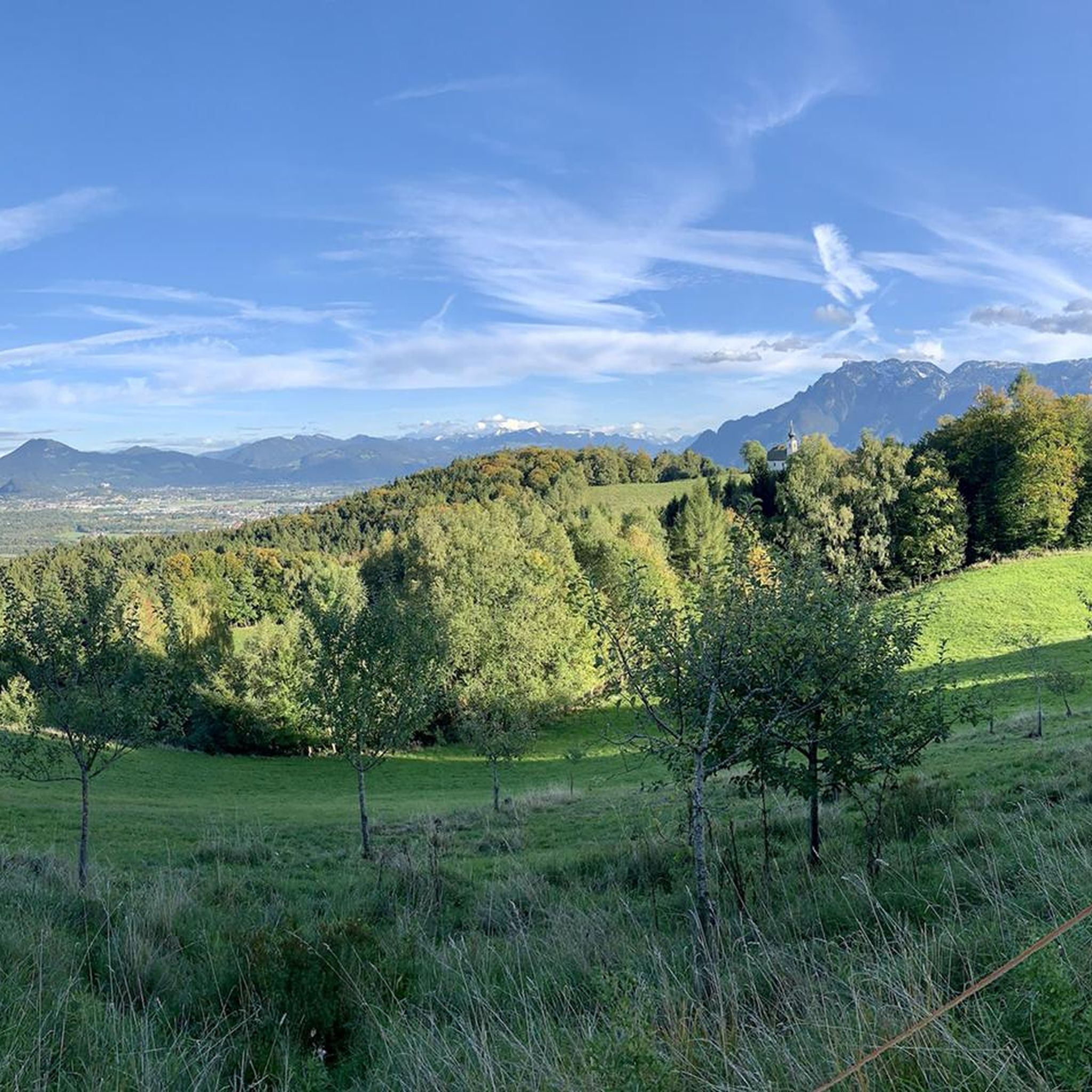



Tips from the Community

From here, you have a magnificent view of the Stone Agnes. According to an old legend, Agnes was a particularly pious and virtuous dairymaid who was miraculously protected from the devil's temptations by being turned to stone. The Stone Agnes is one of the three outstanding natural phenomena in the Berchtesgadener Land. It has been recognized by the Bavarian State Office for the Environment as one of "Bavaria's most beautiful geotopes."
1
0


Orangery in the Mirabell Gardens, Mirabell Palace, Salzburg The Orangery in the Mirabell Gardens is more of an insider tip. It is located in the southern part of Mirabell Palace. The palm house was built around 1725 next to the large garden parterre. The name Orangery comes from the time when orange trees and exotic ornamental woods were still being cultivated. Precious, non-hardy plants were brought back to the Orangery to overwinter. Orange trees were seen as a metaphor for wealth in the Baroque period and for this reason were a must even then. The eastern part of the Orangery was used for other purposes after the Second World War and was not put back together again until 1980. The Baroque Museum is now located in the southern part of the Orangery. Today, in the northern part of the building, somewhat hidden, there is a small, beautiful tropical garden. A small pool with turtles and goldfish and for bird lovers there is a very large birdcage with numerous birds to marvel at. Opening hours of the Orangery in the Mirabell Gardens Open all year round, daily from 9 a.m. to 4 p.m. Text / Source: Salzburger Saalachtal. com https://www.salzburger-saalachtal.com/ausflugsziele/stadt-salzburg/mirabellgarten/orangerie-mirabellgarten
14
0
Mirabell Gardens & Mirabell Park (Mirabell Palace), Salzburg The world-famous Mirabell Gardens were laid out along a north-south axis and are oriented towards Salzburg Cathedral and Hohensalzburg Fortress. The original gardens were designed by Johann Bernhard Fischer von Erlach in 1689, commissioned by Prince-Archbishop Johann Ernst Count von Thun. In 1730, the gardens were significantly altered, with Franz Anton Danreiter responsible for the new plans. Even at this time, the "Mirabell Gardens" were known as one of the most beautiful parks in Europe. In the 19th century, the Mirabell Gardens underwent another major transformation, this time resulting in the destruction of parts of the garden. This included the original Dwarf Garden in its 18th-century form, some arcades facing Mirabellplatz, and the so-called Sala Terena northwest of Mirabell Palace. The "Grand Parterre" is not only the largest enclosed section of the Mirabell Gardens but is also one of its oldest parts. If you enter the Mirabell Gardens from the Market Square, you will encounter two pairs of Borghese swordsmen on the Grand Parterre. The inner pair is by A. Götzinger, the outer pair by M. B. Mandl; both pairs were created in the 17th century. Text / Source: TSG Tourismus Salzburg GmbH, Auerspergstraße 6, Salzburg https://visit-salzburg.net/deutsch/sehenswuerdig/mirabellgarten.htm
13
0

This formation is a great natural spectacle. Sometimes you can also see climbers
1
0

Pretty rock formation that can be admired from a distance
2
1

According to legend, a God-fearing and chaste dairymaid was once turned to stone here to protect her from the devil. According to another legend, a prostitute was turned to stone because she had killed her own child. Up here, you have a magnificent view and the stone figure is sure to amaze you (even if it is not easy to reach via the steep path).
1
1

The Salzburg Hochthron is 1,852 m above sea level. NHN, after the Berchtesgadener Hochthron, the second highest peak of the Untersberg massif in the Berchtesgaden Alps. You can easily climb to the summit via the Thomas-Eder-Steig; if you prefer a more comfortable route, you can take the Untersbergbahn.
3
1
Frequently Asked Questions
What are some prominent natural features near Piding that offer great views?
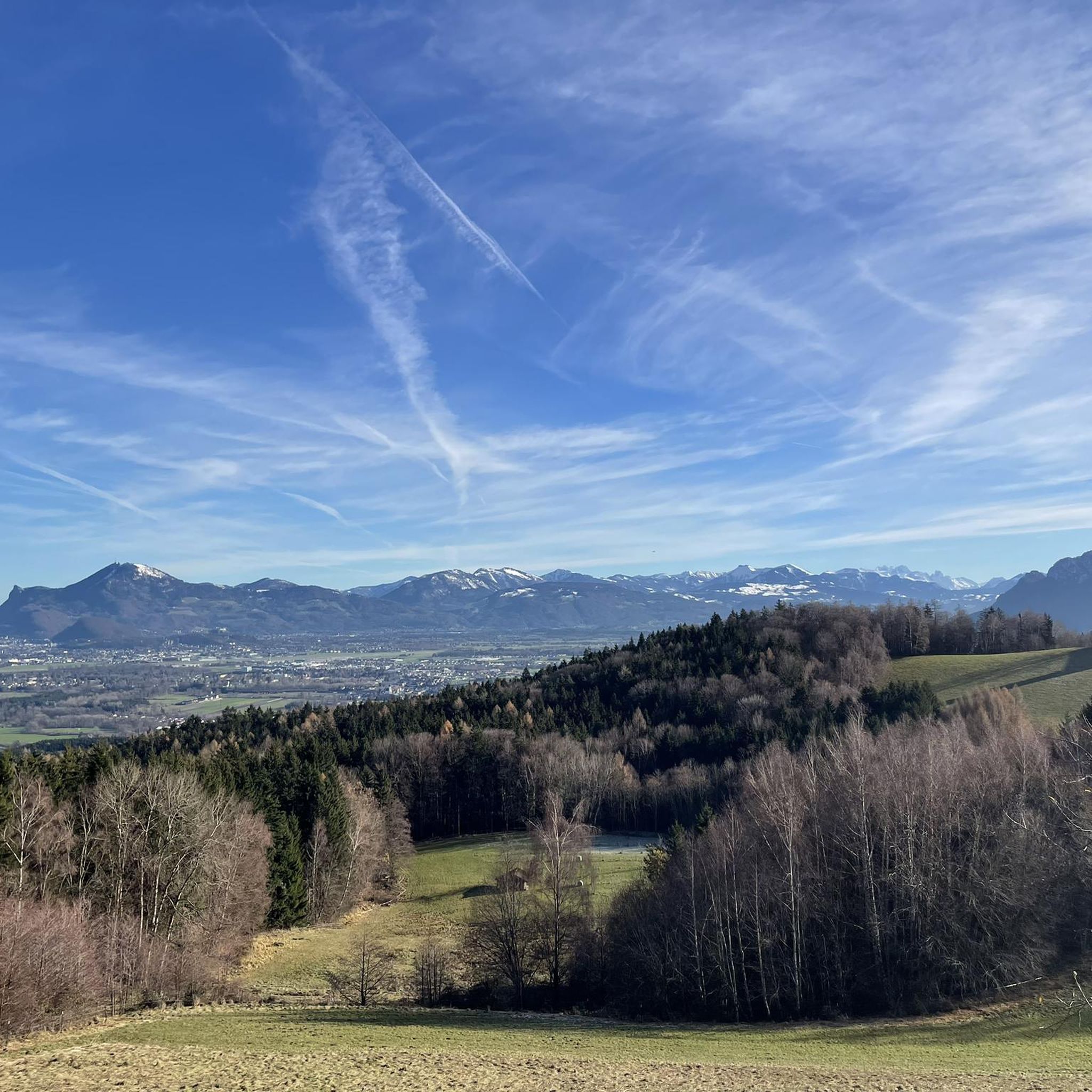
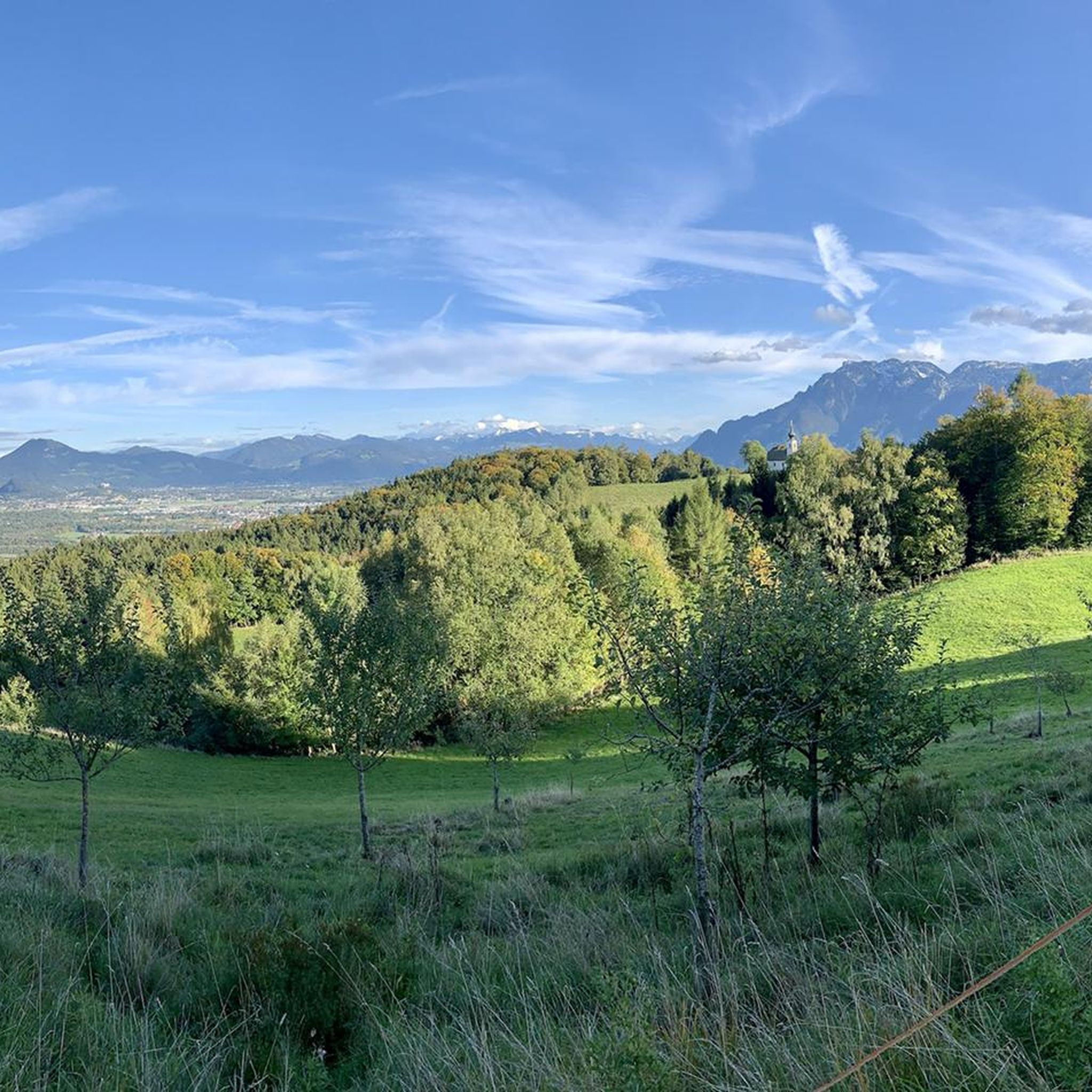
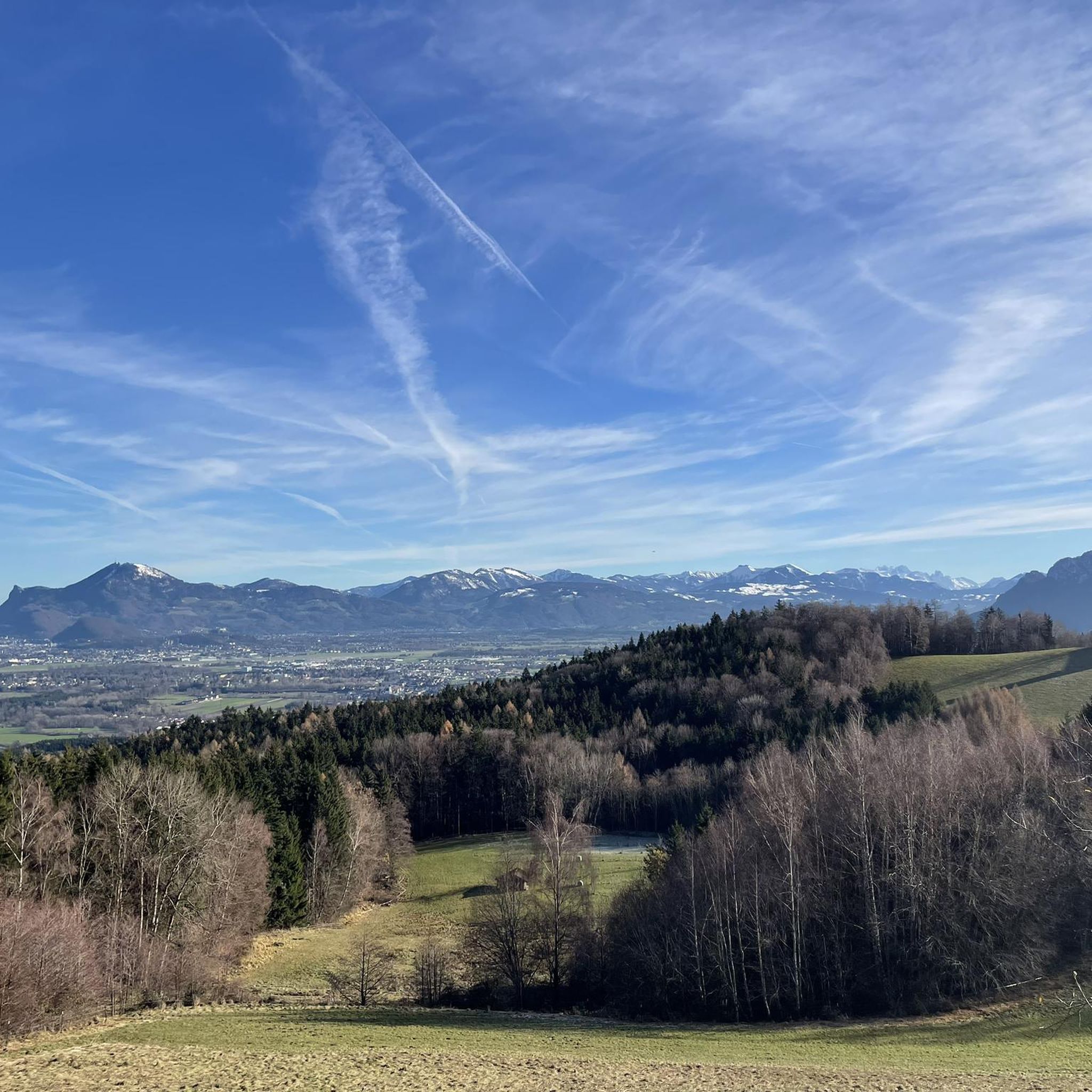
Beyond the specific highlights, the region around Piding is dominated by the majestic Hochstaufen Mountain, rising to 1,771 meters. It offers impressive panoramic views over the entire Berchtesgadener Land from its summit. Another notable feature is Högl Mountain, which provides extensive wooded ridges and beautiful panoramic views, including those of Salzburg, from spots like the Neubichler Alm.
Are there any unique rock formations to explore around Piding?
Yes, you can explore the Steinerne Agnes Rock Formation. This bizarre, 15-meter-high rock figure is located on the Dreisesselberg in the Latten Mountains. According to local legends, it's a petrified dairymaid. The ascent to it is challenging but rewards visitors with magnificent views.
What kind of lakes can I visit near Piding?
The area features beautiful lakes such as Falkensee, a serene mountain lake nestled between mountains and forest, known for its clear, calm waters perfect for reflections. Another must-see is the North Shore of the Frillensee, a glacial lake considered one of Germany's coldest, surrounded by diverse flora in a landscape protection area.
Are there family-friendly natural monuments or activities in the Piding area?
Yes, several natural spots are suitable for families. Falkensee is family-friendly, offering a beautiful setting for leisurely visits. The North Shore of the Frillensee is also family-friendly, with a circular hiking trail that's accessible on foot or by bike. Additionally, the Mirabell Gardens, while a man-made monument, is a wonderful family-friendly garden with impressive plant varieties and fountains.
What are the best options for hiking near Piding's natural monuments?
Piding offers diverse hiking opportunities. For challenging mountain hikes, consider routes like the 'Hochstaufen summit – Reichenhaller Hut loop from Piding' or 'Fuderheuberg Summit – View of Untersberg loop from Piding'. You can find more details and routes on the Mountain Hikes around Piding guide.
Can I find routes for mountain biking or gravel biking near these natural monuments?
Absolutely. The region provides excellent terrain for biking. For mountain biking, routes like 'View of Hochstaufen – North Shore of the Frillensee loop from Piding' are available. Gravel biking enthusiasts can explore routes such as 'Frillensee – Lake Frillensee loop from Piding'. Discover more options on the MTB Trails around Piding guide and the Gravel biking around Piding guide.
What do visitors enjoy most about the natural monuments around Piding?
Visitors frequently praise the breathtaking views and panoramic vistas, especially from summits like Salzburger Hochthron, which offers full panoramas of the Watzmann, Steinernes Meer, and Dachstein. The tranquility and scenic beauty of lakes like Falkensee and the diverse flora around the North Shore of the Frillensee are also highly appreciated.
Is the Saalach River a natural monument, and what can I do there?
The Saalach River, while not explicitly listed as an official natural monument in the same vein as some other features, is a significant natural boundary and a picturesque part of the region's landscape. Its clear waters invite visitors to linger by its banks, offering opportunities for picnics and leisurely strolls, contributing to the area's scenic charm.
Are there any natural monuments around Piding that are considered challenging to reach?
Yes, the Steinerne Agnes Rock Formation is known for its steep path, making it a challenging but rewarding ascent. Similarly, reaching the summit of Salzburger Hochthron involves an intermediate to challenging walk, though it's considered secure once at the top.
What geological features are notable in the Piding area?
The region is characterized by its alpine geology. The Steinerne Agnes Rock Formation, for instance, is composed of Ramsaudolomite. The presence of glacial lakes like the Frillensee also points to the area's glacial history, contributing to its unique landscape.
Are there any natural monuments near Piding that are wheelchair accessible?
While many natural monuments in mountainous terrain present accessibility challenges, Falkensee is listed as wheelchair accessible, offering a chance to enjoy its beautiful mountain lake setting.
What is the best time to visit the natural monuments around Piding?
The region's natural monuments are beautiful year-round, but the best time often depends on your preferred activity. Spring and autumn offer pleasant temperatures for hiking and biking, with vibrant foliage or blooming flowers. Summer is ideal for enjoying the lakes and higher mountain trails. Winter transforms the landscape into a snowy wonderland, suitable for winter hiking or snowshoeing, though some paths may be closed or require special equipment.
Most popular routes around Piding
Most popular attractions around Piding

Get inspired with the komoot mobile app


Explore more
Extend your search for the best caves by checking out these guides of the top ones around Piding:
