Top 19 Natural Monuments around Karolinenkoog
Best natural monuments around Karolinenkoog are found in a region of Schleswig-Holstein, Germany, known for its significant natural landscapes. The area is situated near the Eider Estuary, which includes the Katinger Watt Nature Reserve, and is connected to the UNESCO World Heritage Wadden Sea. These locations offer diverse natural features, from expansive wetlands to dynamic coastal ecosystems. The landscape provides habitats for numerous bird species and marine life, shaped by the Eider River and the North Sea.
Best natural monuments…
Last updated: June 24, 2026
Katinger Watt Nature Reserve
Highlight • Natural Monument
Translated by Google •
Tip by

Kiek-Ut view in the Katinger Watt
Highlight • Viewpoint
Translated by Google •
Tip by

Sign up now to discover places like this
Get recommendations on the best single tracks, peaks, & plenty of other exciting outdoor places.
Sign up for free
Kattinger Watt Observation Tower
Highlight • Viewpoint
Regrettable...
Translated by Google •
Tip by

Observation Tower Lundener Niederung
Highlight • Viewpoint
Translated by Google •
Tip by

Old Harbor Schülperneuensiel
Highlight • Historical Site
Translated by Google •
Tip by

Sign up for free to discover even more natural monuments around Karolinenkoog.
Sign up for free
Already have an account?
Start today with a free account
Your next adventure awaits.
Login or Signup
Tips from the Community

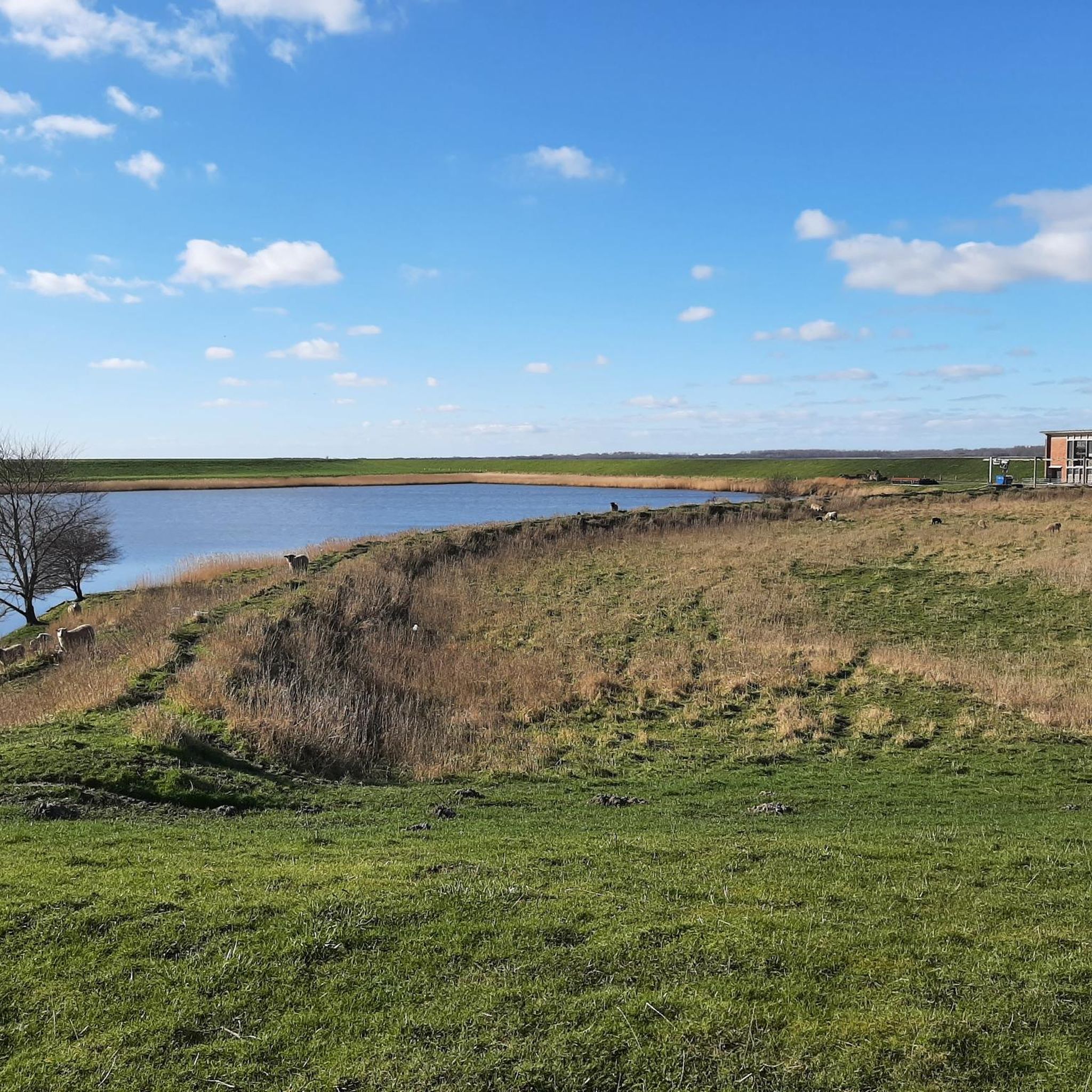
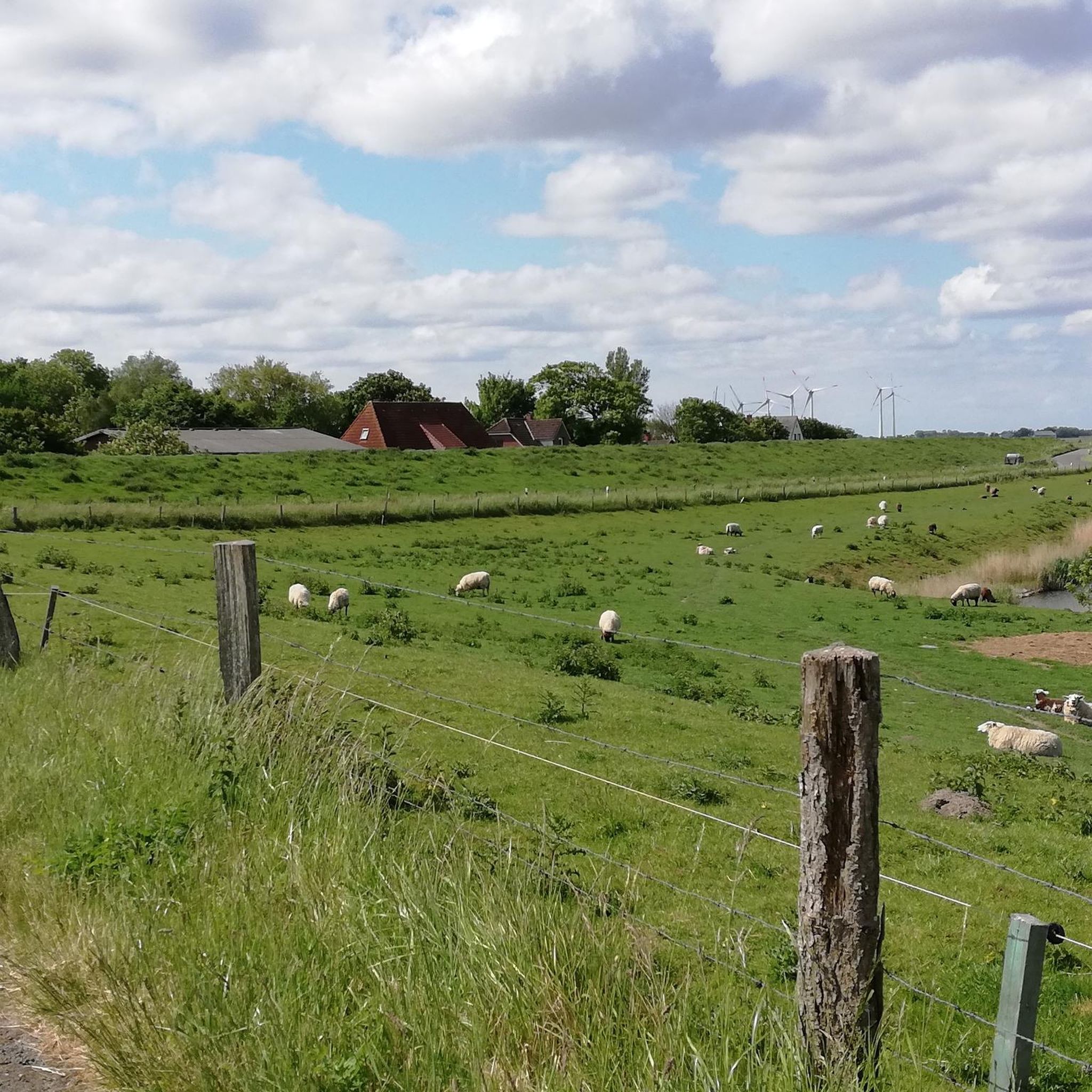
The port of Schülpersiel (often also called port Schülperneuensiel) is a small, idyllic sports boat harbor on the southern bank of the Eider in the Dithmarschen district, Schleswig-Holstein. It is located near Karolinenkoog and is mainly used by the sailing club Eiderdamm e.V. (SVED).
3
0

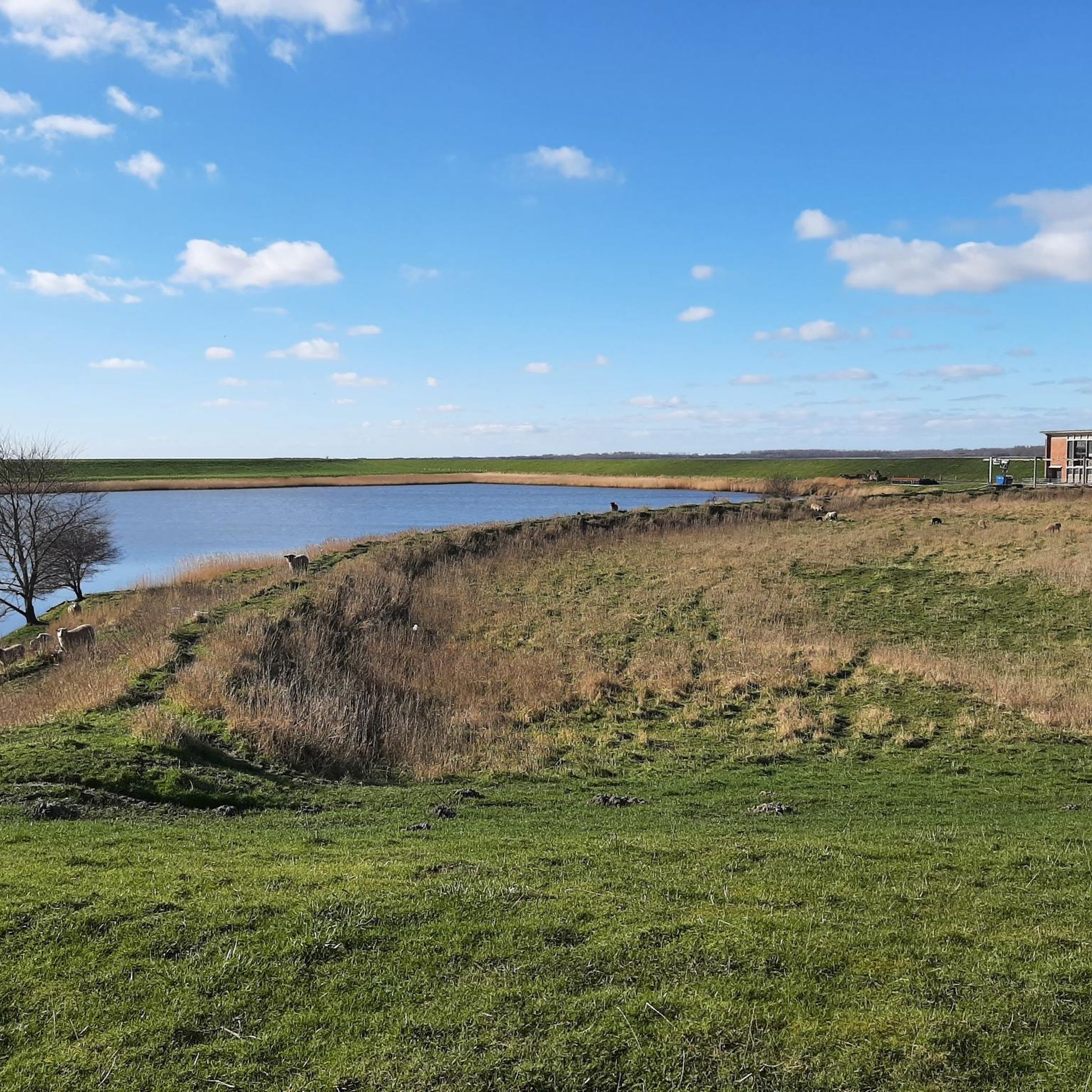
Here you have a good overview of the Lundener Moor
0
0

Very beautiful especially at sunset
0
1

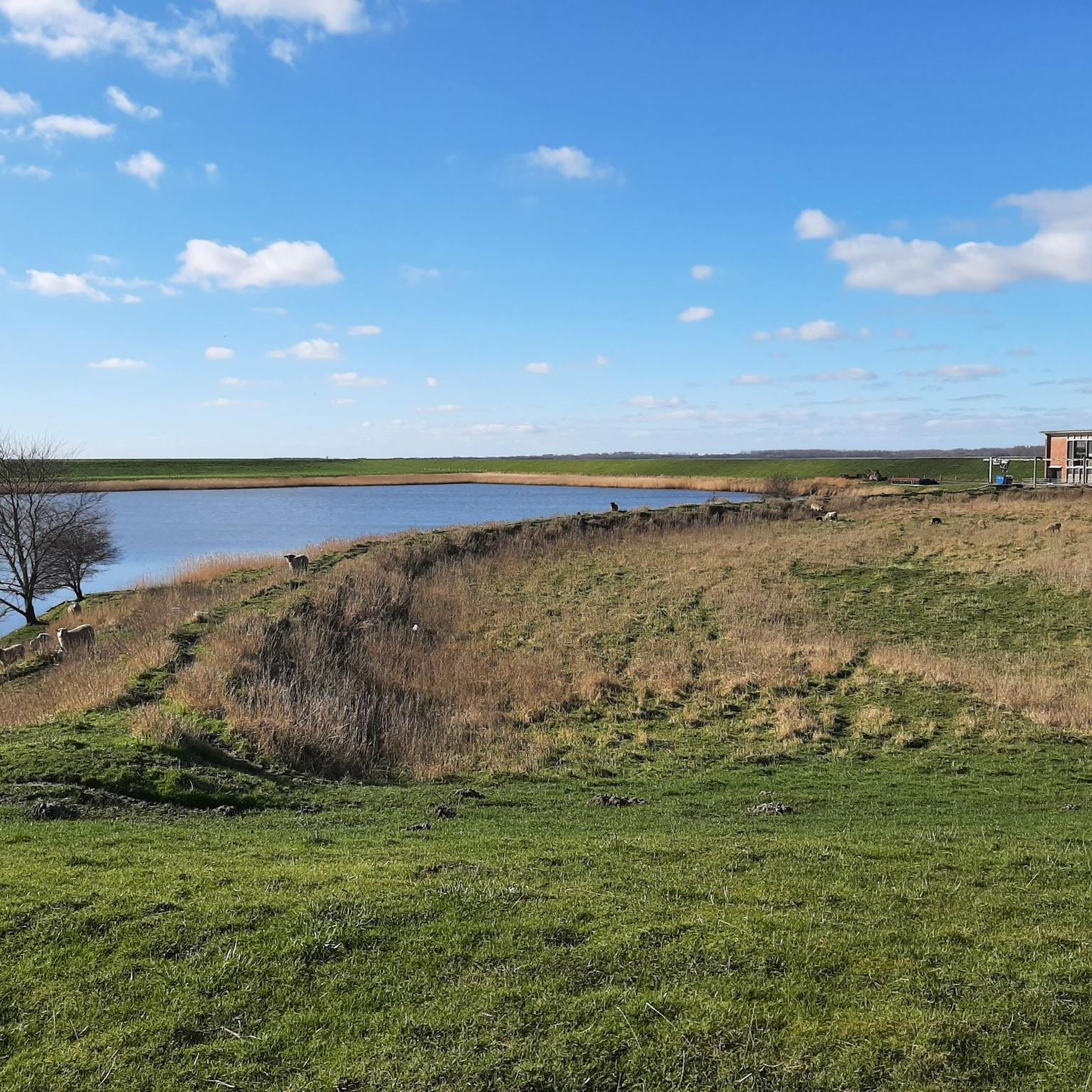
From the observation tower in Katinger Watt you have a wonderful view of nature and can observe swallows, seabirds and the migration of cattle.
0
0

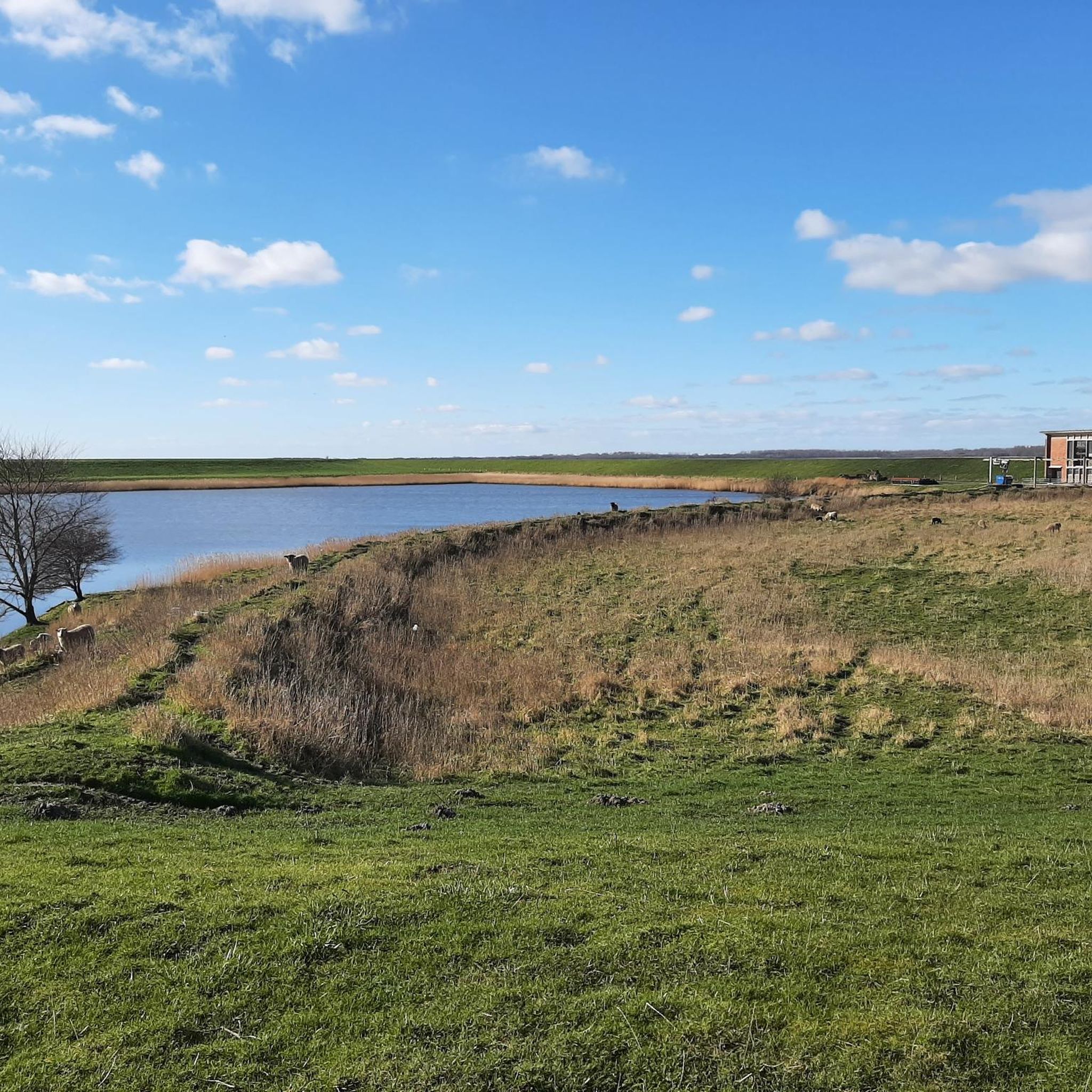
Good thing, good view, well done. Before everything is cordoned off, it would be better to use an observation tower to guide interested visitors through the area. So everyone benefits. Nature, man and animals.
3
0
Good thing and perfect for a good view of the beautiful natural landscape!
3
0

A beautiful spot, pure nature
3
0

From here we saw a deer with a fawn.
0
0
Frequently Asked Questions
What are the primary natural attractions near Karolinenkoog?
While Karolinenkoog itself doesn't have specific natural monuments, it's an excellent base for exploring significant natural landscapes nearby. Key attractions include the Katinger Watt Nature Reserve, the Eider Estuary, and the broader UNESCO World Heritage Wadden Sea. These areas offer diverse habitats, from expansive wetlands to dynamic coastal ecosystems.
What kind of natural features can I expect to see in the Katinger Watt Nature Reserve?
The Katinger Watt Nature Reserve features a diverse landscape including ponds, ditches, green and arable land, and a 350-hectare forest. It's a unique mix of freshwater and saltwater environments, providing a crucial habitat for numerous bird species and other wildlife.
Are there good spots for birdwatching near Karolinenkoog?
Yes, the region is a paradise for birdwatchers. The Katinger Watt Nature Reserve attracts numerous waders, ducks, geese, and meadow birds. Rare species like the avocet, common kingfisher, and white-tailed eagle can also be spotted. The Observation Tower Lundener Niederung is particularly known for observing sea eagles.
What are the best viewpoints to observe the natural surroundings?
You can get excellent panoramic views from several observation towers. The Kiek-Ut view in the Katinger Watt offers vistas over the nature adventure trail and the Eiderwiesen. Another great spot is the Observation Tower Lundener Niederung, which provides a view over the Lundener Niederung nature reserve, ideal for spotting sea eagles.
What outdoor activities can I do near these natural monuments?
The area around Karolinenkoog offers various outdoor activities. You can explore the natural monuments via marked hiking and cycling trails. The Eider Estuary is also suitable for canoeing. For more specific routes, you can find numerous hiking routes, road cycling routes, and running trails around Karolinenkoog.
Are there family-friendly options for visiting the natural monuments?
Yes, many areas are family-friendly. The Katinger Watt Nature Reserve has relatively easy walking paths suitable for families. Observation towers like Kiek-Ut view and Observation Tower Lundener Niederung provide engaging experiences for all ages. The NABU Nature Center at Katinger Watt also offers educational insights and guided tours.
What is the best time of year to visit the natural monuments around Karolinenkoog?
The best time to visit largely depends on your interests. Spring and autumn are ideal for birdwatching, as thousands of migratory birds use the region as a resting place. Summer offers pleasant weather for hiking and cycling. The Wadden Sea's unique mudflat walks are tide-dependent and can be experienced throughout the warmer months.
What is the significance of the Wadden Sea in this region?
The Wadden Sea, connected to the Eider Estuary, is a UNESCO World Heritage site and the largest unbroken system of intertidal sand and mud flats globally. It's a critical stopover for up to 12 million migratory birds annually and home to over 10,000 species of plants and animals, including marine mammals like seals. Its dynamic landscape is shaped by tides and winds, offering unique natural experiences.
Can I learn more about the Eider River and its importance?
The Eider River is the longest in Schleswig-Holstein and forms a significant estuary. Its wetlands and marshes are crucial for numerous bird species and diverse flora and fauna. You can find more information about the Eider River on Wikipedia.
Are there any historical sites among the natural monuments?
While primarily focused on nature, the Old Harbor Schülperneuensiel is a historical site located in the dike foreland on the south bank of the Eider. It once served as a busy port and is now part of the Eider estuary nature reserve, showcasing the interplay between human activity and natural landscapes.
What do visitors enjoy most about the natural monuments around Karolinenkoog?
Visitors particularly appreciate the rich birdlife and the opportunities for nature observation. The diverse landscapes, from the forests and wetlands of Katinger Watt to the expansive views from observation towers, are highly rated. Many find the area very informative and a beautiful place to connect with nature.
Is it possible to explore the Wadden Sea from Karolinenkoog?
Yes, Karolinenkoog's proximity to the Eider Estuary means you are close to the broader Wadden Sea. While not directly on the Wadden Sea, you can easily access areas for unique activities like guided mudflat walks (Wadlopen) at low tide, offering an intimate connection with this dynamic ecosystem. More information about the Wadden Sea's global significance can be found on UNESCO's website.
Most popular attractions around Karolinenkoog

Get inspired with the komoot mobile app


Explore more
Extend your search for the best caves by checking out these guides of the top ones around Karolinenkoog:
