Top 11 Caves around Maroggia
Best caves around Maroggia are found in a region characterized by its proximity to Lake Lugano and the surrounding mountainous terrain of Ticino. This area offers a blend of natural geological formations and historical sites. The landscape includes significant rock outcrops and features shaped by ancient geological processes. Maroggia serves as a starting point for exploring these natural and historical underground structures.
Best caves around Maroggia
- The most popular caves is Rocce Rosse Fortifications (Cadorna Line), a historical site…
Last updated: July 8, 2026
Cave Bear Cave (Grotta dell'Orso), Monte Generoso
Highlight • Cave
Translated by Google •
Tip by

Rocce Rosse Fortifications (Cadorna Line)
Highlight • Historical Site
Translated by Google •
Tip by

Sign up now to discover places like this
Get recommendations on the best single tracks, peaks, & plenty of other exciting outdoor places.
Sign up for free
I WorldWar-Cadorna's fortifications line
Highlight • Historical Site
Translated by Google •
Tip by
From Mines to Fossils
Highlight • Natural Monument
Translated by Google •
Tip by

Cava Ronchetti Quarry
Highlight • Structure
The stones were …
Tip by
Sign up for free to discover even more caves around Maroggia.
Sign up for free
Already have an account?
Start today with a free account
Your next adventure awaits.
Login or Signup

Tips from the Community

Here is a wooden statue of a bear
0
0

fortifications
0
0

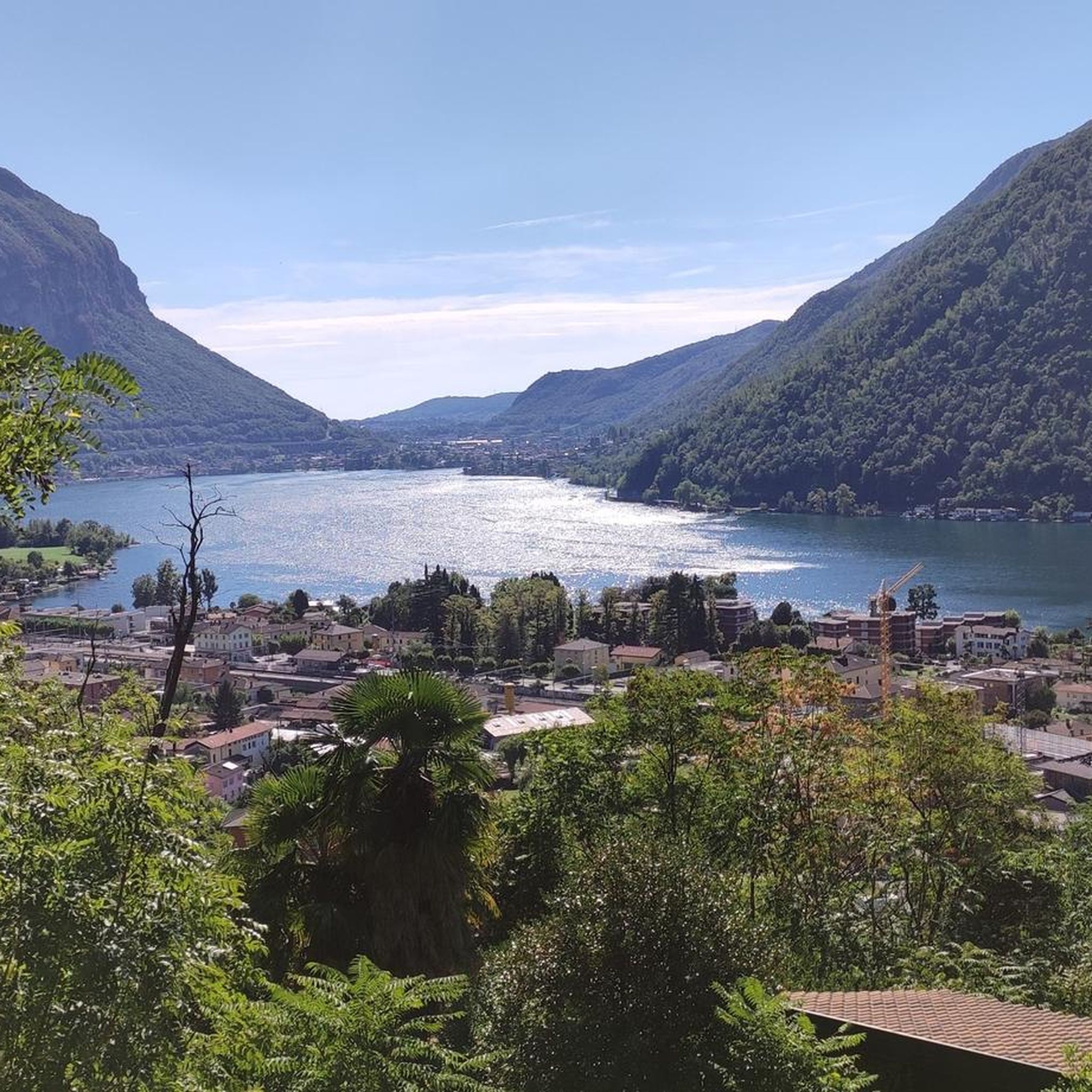
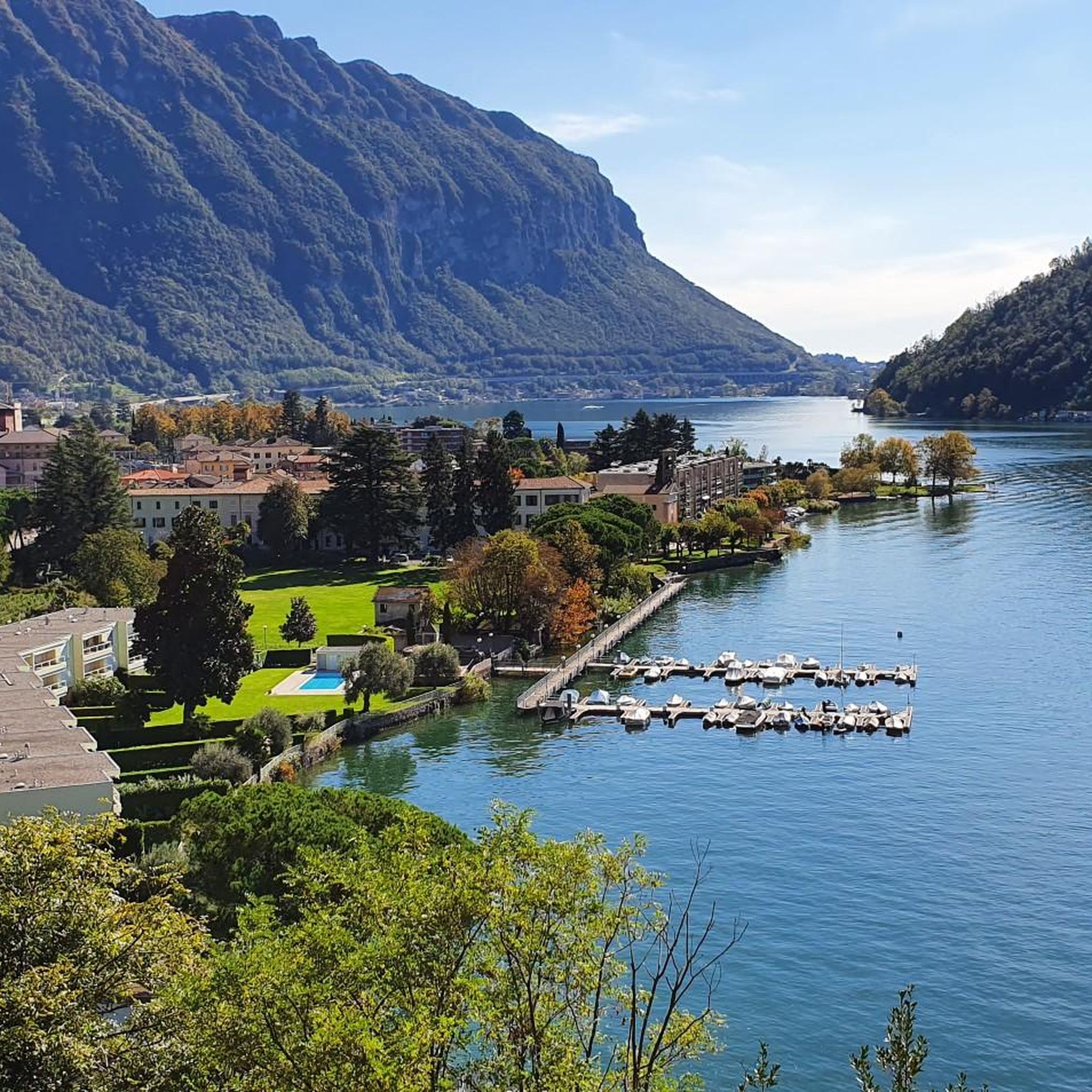
At the top of "Rocce Rosse" you'll have an amazing view: the southern part of Lago di Lugano is visible with Porto Ceresio. You can also have a picnic on the top of the rocks.
0
0

Also known as Caverna Generosa, it was discovered in 1988 by two speleologists of the Ticino Section who, traveling through the area in the summer, identified its opening. Given the small size of this opening, it had to be enlarged in any case to allow passage.
1
0
Just below the summit of Monte Orsa there is a gallery about a hundred meters long complete with 6 cannon emplacements. In January 2014 a cannon was positioned, overhauled and working in the movements, original from 1915.
2
0
The Rocce Rosse are colorful red porphyry outcrops of the Permian age (275 ± 8 Ma), called “Granofiro di Cuasso”, also known as “Red Porphyry of Cuasso”.
0
0
The fortifications of the Rocce Rosse are observation posts in caves, tunnels that pierce the mountain from side to side and artifacts that are part of the Cadorna Line
1
0

At this point is the famous fossil mine (World Heritage Site) of a world that has been past 240 million years. You can find out more about this on the sign next to the small mine entrance and the corresponding museum in Meride or Besano. The mine is famous for the variety of fossils that have been excavated.
2
0
Frequently Asked Questions
What historical sites or geological formations can I explore around Maroggia?
The region offers a blend of historical and geological sites. You can visit the Rocce Rosse Fortifications (Cadorna Line), which feature observation posts and tunnels within colorful red porphyry outcrops. Another significant site is From Mines to Fossils, a natural monument known for its fossil mine, revealing a world from 240 million years ago.
What is special about the Cave Bear Cave (Grotta dell'Orso) on Monte Generoso?
The Cave Bear Cave (Grotta dell'Orso), also known as Caverna Generosa, is located on the eastern side of Monte Generoso. Excavations here have unearthed remains of over 500 cave bears (Ursus spelaeus) that lived and became extinct between 30,000 and 50,000 years ago. Some findings attributed to Neanderthal Man have also been discovered. Visits are typically conducted with an expert guide.
Can I visit the Piodelle Mine?
The Piodelle Mine was a former bituminous shale mine. While the accesses to the mine itself have been closed, the surrounding area is still accessible and offers beautiful views of Lake Ceresio and the surrounding mountains.
Are there hiking trails near the caves around Maroggia?
Yes, there are numerous hiking opportunities. You can find detailed routes and information in the Hiking around Maroggia guide. Trails range from moderate to difficult, including routes like 'View from Monte Generoso – Monte Generoso loop' and 'Botto Waterfall – Chapel of St. Roch loop'.
What other outdoor activities can I do near these caves?
Beyond hiking, the area around Maroggia is excellent for cycling. You can explore Gravel biking around Maroggia or Road Cycling Routes around Maroggia. These guides offer various routes, including scenic loops around Lake Muzzano and challenging climbs.
Are the caves around Maroggia suitable for families?
Many of the sites, while not traditional 'caves' for easy exploration, offer educational and engaging experiences for families. For instance, the Cave Bear Cave (Grotta dell'Orso) with its paleontological significance can be fascinating, and From Mines to Fossils provides an interesting look into ancient history.
What should I wear when visiting the cave sites?
Given that many sites involve historical fortifications, mine areas, or natural formations, it's advisable to wear comfortable walking shoes or hiking boots. Layers of clothing are also recommended, as temperatures can vary, especially inside any accessible cave sections or at higher elevations.
Is there an accessible cave for wheelchairs near Maroggia?
Based on the nature of the historical fortifications, mine sites, and natural cave entrances, most locations around Maroggia are not fully wheelchair accessible. Many involve uneven terrain, steps, or narrow passages. It's best to check specific site details if accessibility is a primary concern.
What is the best time of year to visit the caves and historical sites?
The spring and autumn months generally offer pleasant weather for exploring the outdoor sites and trails. Summer can also be good, though it might be warmer. Winter access might be limited for some higher-elevation or less maintained paths, but historical sites like the Rocce Rosse Fortifications are often accessible year-round.
Is Grotto della Valle in Maroggia a natural cave I can explore?
No, Grotto della Valle in Maroggia is primarily a traditional Ticinese restaurant. While it is built into or near rock formations, giving it the 'grotto' name, it functions as an eatery and event venue, not a natural cave system for exploration. It's known for its cuisine and peaceful setting.
What can I expect at the entrance to Grotta dell'Orso?
The Grotta dell'Orso Entrance itself is closed and forbidden for independent entry. However, there are informative signs that detail the history of the Bear Cave and the significant remains discovered there, providing context to its importance.
Most popular routes around Maroggia
Most popular attractions around Maroggia

Get inspired with the komoot mobile app


Explore more
Extend your search for the best caves by checking out these guides of the top ones around Maroggia:
