Top 20 Natural Monuments around Jandelsbrunn
Natural monuments around Jandelsbrunn are characterized by the unique geological formations of the Bavarian Forest. The region features prominent granite rock formations and vast stone fields, recognized for their geo-scientific value. Key attractions include the Dreisessel Rock and the "Stone Sea," offering insights into ancient geological processes. These sites provide expansive views and are popular destinations for outdoor enthusiasts exploring the natural landscape.
Best natural monuments around Jandelsbrunn
- The most popular natural monuments is Dreisessel Rock, a natural monument…
Last updated: July 8, 2026
Dreisessel Rock
Highlight • Natural Monument
Impressive along the way is especially the "Stone Sea", a huge cluster of large …
Translated by Google •
Tip by

Tripoint Monument (Germany–Austria–Czech Republic)
Highlight • Monument
If …
Translated by Google •
Tip by

Sign up now to discover places like this
Get recommendations on the best single tracks, peaks, & plenty of other exciting outdoor places.
Sign up for free
Stone Sea at Plöckenstein
Highlight (Segment) • Natural Monument
Translated by Google •
Tip by

ridgeway
Highlight • Trail
Translated by Google •
Tip by

Hochstein Summit (Dreisesselberg)
Highlight • Summit
Translated by Google •
Tip by

Sign up for free to discover even more natural monuments around Jandelsbrunn.
Sign up for free
Already have an account?
Start today with a free account
Your next adventure awaits.
Login or Signup
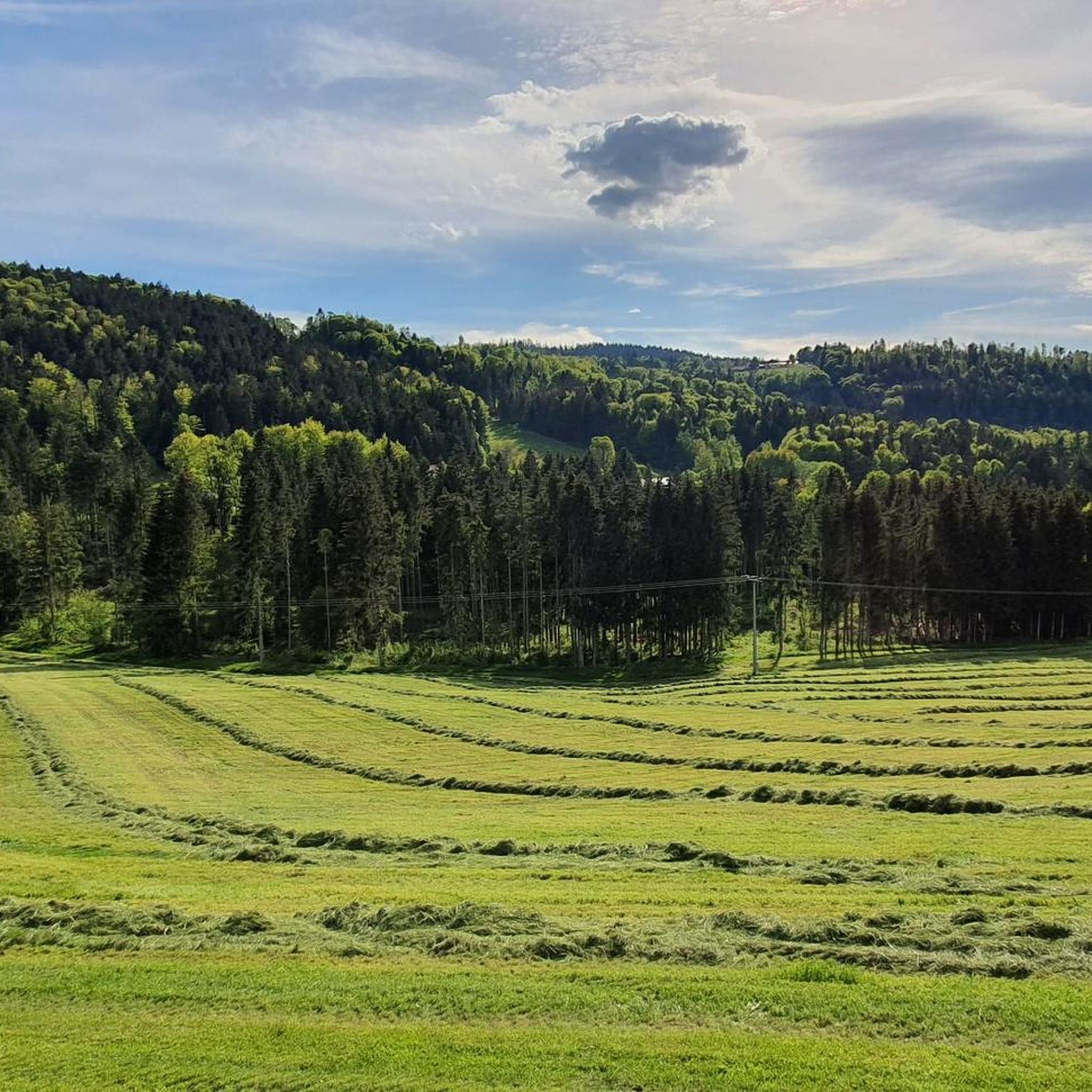
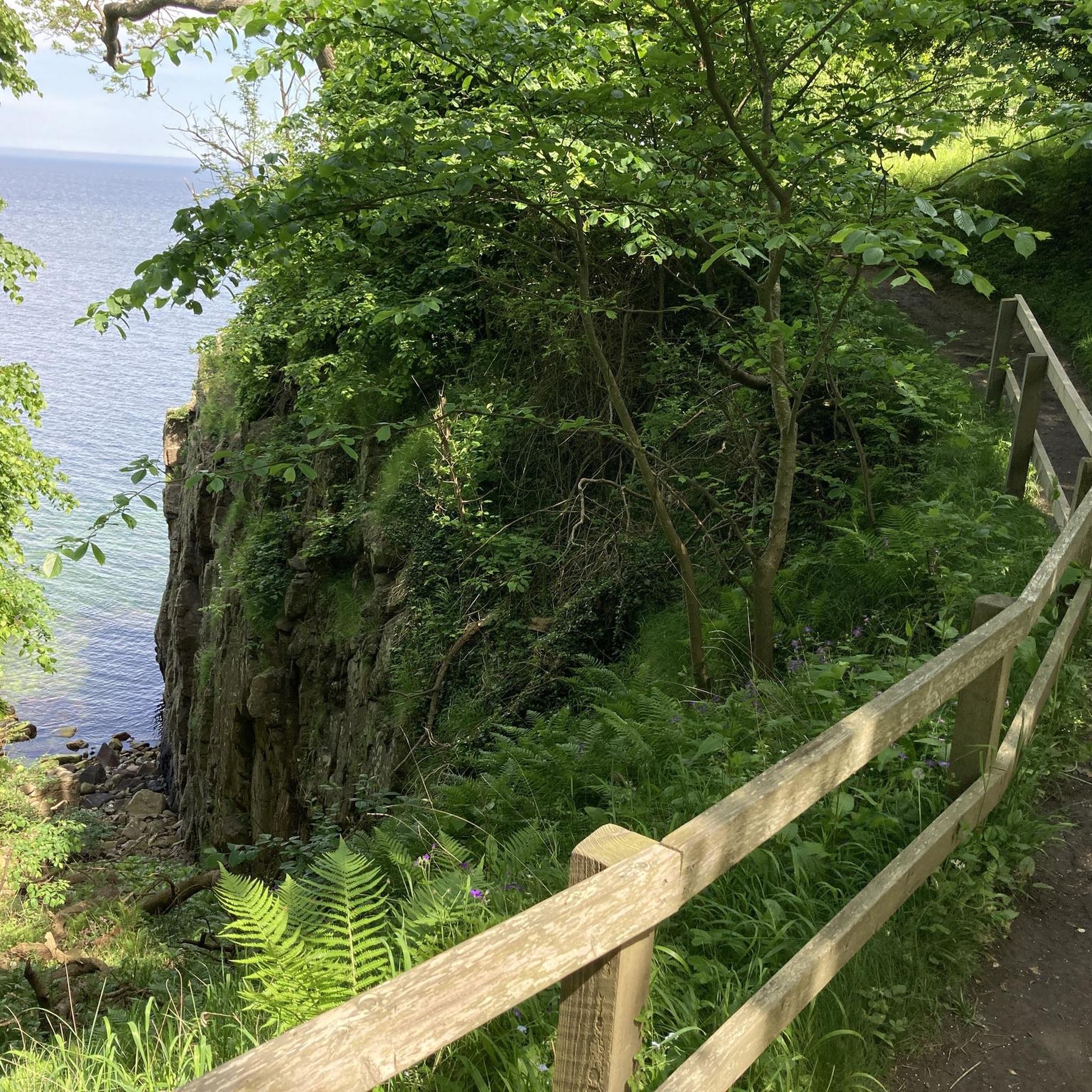
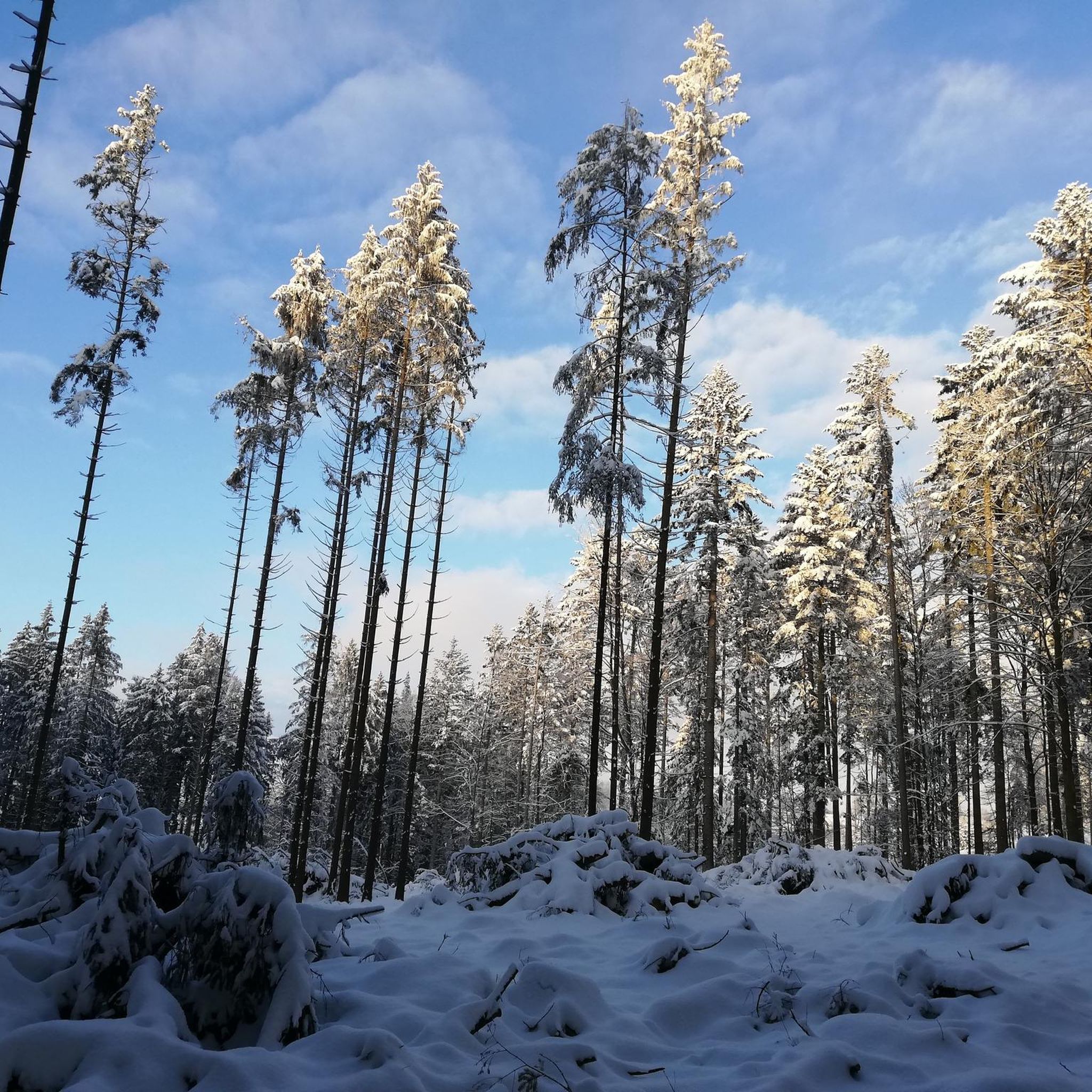
Tips from the Community

A path, which is partly heavily blocked and surrounded by thousands of dead trees, leads from the Dreisessel to the border triangle. The Hochkammweg is a really beautiful hiking trail. There are also wonderful views of the Bohemian Forest.
5
0
The Dreisessel in the Bavarian Forest border triangle is one of the most popular excursion and hiking destinations. Well-signposted paths lead to its peaks Dreisesselfels, Hochstein and Bayerischer Plöckenstein (Czech: Trojmezná hora), offering a wonderful view of the Bavarian Forest, the Bohemian Forest and the Mühlviertel.
5
0
A path, which is partly heavily blocked and surrounded by thousands of dead trees, leads from the Dreisessel to the border triangle. The ridge path is a really beautiful hiking trail. There are also beautiful views of the Bohemian Forest.
5
0

It is located in the Lower Bavarian district of Freyung-Grafenau around 370 m (as the crow flies) northwest of the German-Czech border. The mighty rock with a large summit cross can be climbed via a stone staircase. The panorama ranges from the Plöckenstein over parts of the Bohemian Forest, the Almberg, the Haidel and the Lusen to the Rachel. On a clear day, you can see as far as the Alps. Due to the public Dreisesselstraße, which leads to the Dreisesselhaus ("Berggasthof Dreisessel"), which is almost 450 m (as the crow flies) south of the Hochstein, the Dreisesselberg, especially the Hochstein, is often heavily frequented. But there are also marked hiking trails from all directions, for example from the Kreuzbachklause, from Haidmühle-Frauenberg or the Czech Nové Údolí to the Hochstein.
8
0

... worth a visit in every season ... Great hike
8
0
Always beautiful. A different, very special setting.
5
0

great view especially in the evening light
5
0

A wonderful view but also a lot going on
4
0
Frequently Asked Questions
What unique geological features can I explore around Jandelsbrunn?
The region is renowned for its impressive granite rock formations. A prime example is the Dreisessel Rock, featuring three distinct granite formations shaped by unique 'wollsack weathering'. Another significant site is the Stone Sea at Plöckenstein, a vast accumulation of large granite blocks and slabs formed during ancient ice age periods, creating a dramatic 'block heap' landscape.
Are there any historical or cultural points of interest among the natural monuments?
Yes, the Dreisessel Rock holds historical charm, with its name 'Dreisessel' (three chairs) rooted in a legend where kings from Bavaria, Bohemia, and Austria reputedly met to demarcate their kingdoms. Additionally, near the Stone Sea, you can visit the Tripoint Monument (Germany–Austria–Czech Republic), a unique landmark where three countries converge.
What are the best viewpoints to experience the natural beauty of the region?
The Dreisessel Rock offers incomparable panoramic views of the Bavarian Forest, Bohemian Forest, and Mühlviertel. On clear winter days, you might even spot the distant Grossglockner. The Stone Sea at Plöckenstein also provides scenic views of the surrounding Bavarian Forest and the Passauer Land.
Are there family-friendly natural monuments or trails suitable for children?
The Watercourse of the Saußbachklamm gorge over a sea of rocks is categorized as family-friendly, offering a quiet, not strenuous hike in mostly untouched nature. It's also a cooler spot on warm days, which can be pleasant for families.
What is the best time of year to visit the natural monuments around Jandelsbrunn?
Many visitors recommend visiting during the week to avoid weekend crowds. Early morning or late afternoon are suggested for beautiful light and fewer people, especially at popular spots like Dreisessel Rock. Winter offers wonderfully quiet conditions and very nice views in all directions, particularly at the Tripoint Monument.
What kind of hiking trails can I find near the natural monuments?
The region offers a variety of hiking experiences. Trails around the Dreisessel Rock and the Stone Sea at Plöckenstein are popular, with some sections being part of the Goldsteig route. The ridgeway, leading from Dreisessel to the border triangle, is a beautiful hiking trail with impressive dead trees and views of the Bohemian Forest.
What other outdoor activities can I do near the natural monuments in Jandelsbrunn?
Beyond hiking, Jandelsbrunn offers excellent opportunities for cycling. You can explore various routes for gravel biking, general cycling, and road cycling. These guides feature routes of varying difficulties, allowing you to discover the wider region by bike.
What should I wear when hiking to the natural monuments?
Good footwear is essential, especially when traversing areas like the Stone Sea at Plöckenstein, where paths can be uneven. Be particularly careful when it rains, as stones and paths can become very slippery. Layered clothing is advisable to adapt to changing weather conditions, especially at higher elevations.
Are the natural monuments accessible by public transport?
While specific public transport routes directly to all natural monuments can vary, the region is generally accessible. For detailed information on public transport options to trailheads and specific sites, it's recommended to check local transport schedules or tourist information services for the Jandelsbrunn area.
Are there any cafes or refreshment options near the natural monuments?
While the guide data doesn't specify cafes directly at every monument, popular hiking destinations like the Dreisessel Rock often have mountain inns or huts nearby where you can find refreshments. It's always a good idea to carry water and snacks, especially on longer hikes.
Can I bring my dog to the natural monuments and on the trails?
Many trails in the Bavarian Forest, including those around the natural monuments, are dog-friendly. However, it's always recommended to keep dogs on a leash, especially in nature protection areas, and to be mindful of other hikers and wildlife. The Watercourse of the Saußbachklamm gorge is noted as a pleasant, cooler spot for dogs on warm days.
Most popular routes around Jandelsbrunn
Most popular attractions around Jandelsbrunn

Get inspired with the komoot mobile app


Explore more
Extend your search for the best caves by checking out these guides of the top ones around Jandelsbrunn:
