Mallersdorf-Pfaffenberg
Mallersdorf-Pfaffenberg
Top 11 Natural Monuments around Mallersdorf-Pfaffenberg
Natural monuments around Mallersdorf-Pfaffenberg, located in Bavaria's Straubing-Bogen district, primarily consist of significant individual trees or tree groups. These features are designated for their rarity, unique characteristics, and ecological importance. The region offers opportunities to observe resilient specimens that play a vital role in the local environment. Visitors can explore these sites to experience the profound presence of ancient living organisms and their contribution to biodiversity.
Best natural monuments around Mallersdorf-Pfaffenberg
- The most popular natural monuments is St. Wolfgang's oak…
Last updated: May 11, 2026
St. Wolfgang's oak
Highlight • Natural Monument
Translated by Google •
Tip by

Thousand-Year-Old Oak
Highlight • Natural Monument
Translated by Google •
Tip by

Sign up now to discover places like this
Get recommendations on the best single tracks, peaks, & plenty of other exciting outdoor places.
Sign up for free
Celtic Square Enclosure of Sallach
Highlight • Historical Site
Translated by Google •
Tip by

Stork Observation Point Laabertal
Highlight • Viewpoint
Translated by Google •
Tip by

Ancient Beech Forest
Highlight (Segment) • Forest
Translated by Google •
Tip by

Sign up for free to discover even more natural monuments around Mallersdorf-Pfaffenberg.
Sign up for free
Already have an account?
Start today with a free account
Your next adventure awaits.
Login or Signup

Tips from the Community

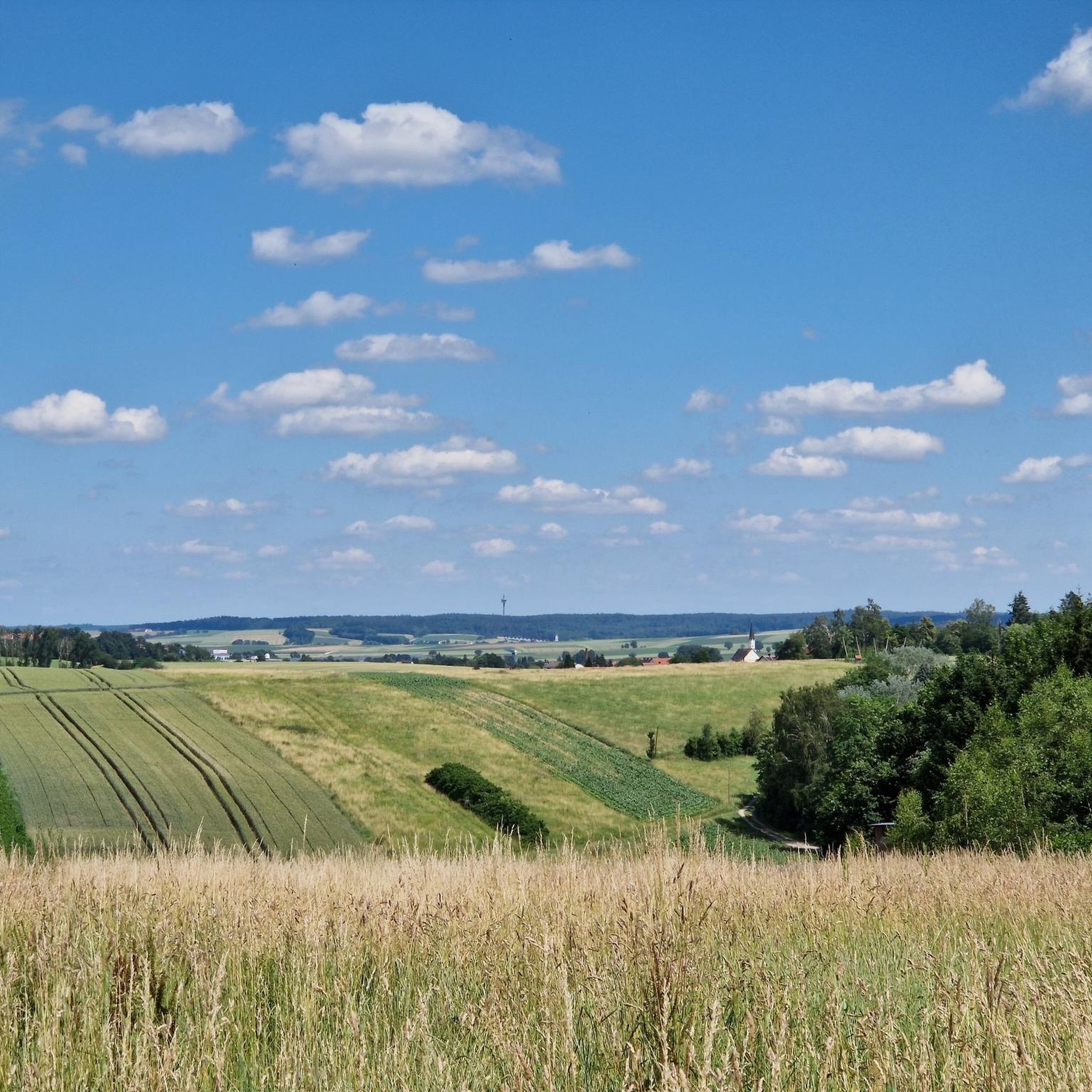
Small observation tower with information boards about storks and a rest area. Located right on the stork route, great for a break.
1
0

St. Wolfgang's Oak - Neueglofsheim The St. Wolfgang's Oak stands near Schloss Haus, near Neueglofsheim. The oak stands in a meadow next to a dirt road. It is one of the largest oaks in Bavaria. A horizontal branch has been supported by wooden posts towards the dirt road for over 100 years. In 1905, the trunk circumference was 8 m at a height of 1 m. According to legend, Saint Wolfgang preached eloquently from this branch. The monumental trunk is very irregular and has strong growths in the lower area. On one side, the trunk has an oval opening that comes from a branch breaking a long time ago. The oak burned in 1878 and 1909. In 1909, it burned on St. Wolfgang's Day. The crown is formed by a few, quite large branches. Holes can be seen everywhere in the branches, which come from smaller branches that have broken off. The vitality is still quite good considering the relatively old age of the oak. Height: 385 m above sea level Tree species: Pedunculate oak Age: around 500 years Chest height: 9.80 m Waist circumference: 9.03 m Height of the tree: 18 m Crown diameter: 15 m Year of measurements: 2021 Source: www.monumentale-eichen.de
6
0

ND-Nr. 46 (running number in the LKR Regensburg) Interesting web links: https://www.monumentale-eichen.de/bayern/schloss-haus/ https://de.m.wikipedia.org/wiki/Sankt-Wolfgangs-Eiche https://www.baumkunde.de/baumregister/1555-sankt_wolfgangs_eiche_bei_schloss_haus/ https://nationalerbe-baeume.de/project/wolfgangseiche-thalmassing-bei-regensburg-bayern/
8
0
Thousand-year-old oak near Arnkofen The thousand-year-old oak stands just under 1 km northeast of the Arnkofen farm on the edge of the forest. It is isolated in a flat valley, surrounded by forest on three sides. Arnkofen belongs to Laberweinting, which is 3.5 km southeast. The oak is a registered natural monument of the Straubing-Bogen district. It has been under this special protection since 1941. The oak has a slightly inclined trunk. The monumental trunk is completely closed and extends far up. Measured at a height of 1 m, the trunk circumference is 6.60 m. Numerous branches that branch off in the lower part of the trunk broke off after a few meters. The crown only widens far up. In the upper crown area, the high-reaching crown is densely branched. The oak's vitality is still good. Tree species: English oak Age: around 300 years Chest height: 6.25 m Waist circumference: 5.91 m Height of the tree: 29 m Crown diameter: approx. 20 m Year of measurements: 2018 Source: www.monumentale-eichen.de
2
0

Beautifully located on a hill with a wide view. Invites you to take a break.
4
0

The wonderful tree has certainly been marked as a highlight many times. Today and now it was a highlight for me. Recommended in every season. I'm looking forward to autumn.
5
0

A place for peace and quiet, actually....... but it's increasingly tending towards becoming a "tourist destination", unfortunately. Please be gentle with the tree and take your rubbish with you or at least dispose of it in the provided bins.
4
0

In this section, the mixed forest consists mainly of deciduous trees, especially beeches. There are some very old trees to visit.
1
0
Frequently Asked Questions
What are the most popular natural monuments around Mallersdorf-Pfaffenberg?
The region is known for its impressive ancient trees. Among the most popular are St. Wolfgang's oak, a monumental pedunculate oak over 1,000 years old, and the Thousand-Year-Old Oak, an English oak that has been a registered natural monument since 1941. Visitors also appreciate the Ancient Beech Forest, which features very old deciduous trees.
What unique natural features can I expect to see among Mallersdorf-Pfaffenberg's natural monuments?
The natural monuments primarily consist of significant individual trees or tree groups, such as ancient oaks, wild pear trees, and historic lime tree clusters. These features are designated for their rarity, unique characteristics, and ecological importance, offering a chance to observe resilient specimens that play a vital role in the local environment.
Are there family-friendly natural monuments around Mallersdorf-Pfaffenberg?
Yes, many of the natural monuments are suitable for families. For instance, St. Wolfgang's oak offers shady seating areas, and the Thousand-Year-Old Oak has a small bench nearby, providing peaceful spots for a break. The Ancient Beech Forest is also a pleasant area for families to explore.
What is the historical or cultural significance of the natural monuments in this region?
Many of these ancient trees hold significant cultural and historical importance. Oaks, like the two on Klosterberg, are revered for their longevity and strength, often living for hundreds of years and becoming central figures in local history. Linden trees, such as the Seven Linden southeast of Oberhaselbach, symbolize peace and community in European traditions. These living monuments connect visitors to the region's past and natural heritage.
What outdoor activities can I do near these natural monuments?
The area around Mallersdorf-Pfaffenberg offers various outdoor activities. You can find numerous running trails, including loops from Mallersdorf-Pfaffenberg itself. For cyclists, there are road cycling routes and gravel biking opportunities, allowing you to explore the scenic landscapes surrounding the monuments.
What is the best time to visit the natural monuments in Mallersdorf-Pfaffenberg?
The natural monuments, primarily ancient trees, can be visited year-round. Each season offers a different perspective, from the vibrant greenery of spring and summer to the colorful foliage of autumn and the serene, stark beauty of winter. Visiting these sites offers opportunities for peaceful contemplation and connecting with nature in any season.
Are there any historical sites near the natural monuments?
Yes, the region combines natural beauty with historical interest. For example, the Celtic Square Enclosure of Sallach is a significant historical site located within a forest, offering a glimpse into ancient times. The two oaks on Klosterberg are also near Mallersdorf Abbey, which has a history dating back to 1107.
Can I observe wildlife at the natural monuments?
Yes, ancient trees and forests are vital ecosystems. They provide habitats and sustenance for a wide array of plant and animal species, enriching biodiversity. You might observe various insects, birds, and small mammals. The Stork Observation Point Laabertal is specifically designed for wildlife viewing, offering information boards about storks and a rest area.
Are the natural monuments around Mallersdorf-Pfaffenberg dog-friendly?
Generally, outdoor natural areas like these tree monuments are dog-friendly, especially if your dog is well-behaved and kept on a leash. Always ensure you clean up after your pet to preserve the natural environment for all visitors.
Are there any less-known natural monuments worth discovering in the area?
Beyond the most prominent ones, the region features several other significant natural monuments. These include the Holzbirnbaum (Wild Pear Tree) north of Mallersdorf, appreciated for its ecological role, and the Eiche (Oak) at Hochbuchet, a testament to longevity and resilience. The Seven Linden southeast of Oberhaselbach also offers a unique historical and natural experience.
What do visitors enjoy most about the natural monuments in Mallersdorf-Pfaffenberg?
Visitors frequently express appreciation for the profound presence of these ancient living organisms. The komoot community has highlighted their appeal with over 300 photos and more than 380 upvotes, often commenting on the tranquility, the impressive size of the trees, and the connection to nature and history they provide.
Most popular routes around Mallersdorf-Pfaffenberg
Most popular attractions around Mallersdorf-Pfaffenberg

Get inspired with the komoot mobile app


Explore more
Extend your search for the best caves by checking out these guides of the top ones around Mallersdorf-Pfaffenberg:
