Top 20 Natural Monuments around Pösing
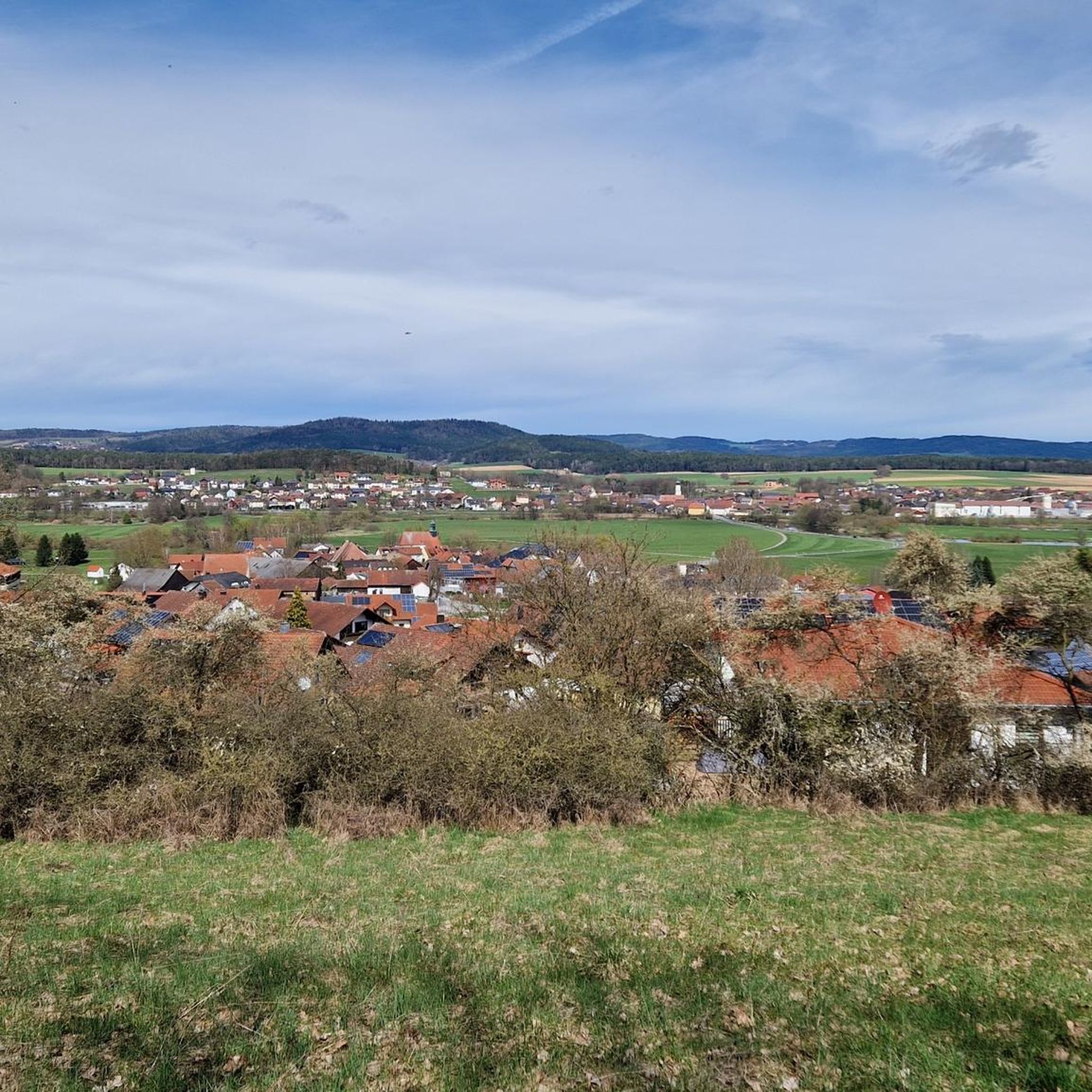
Natural monuments around Pösing offer a diverse range of natural attractions, from expansive floodplains to unique geological formations. The region is characterized by the Regen river valley, which shapes the landscape and supports rich biodiversity. Key natural features include the Regentalaue, a significant nature reserve, and various sites of geological and ecological interest. These areas provide opportunities for nature observation, hiking, and understanding local ecosystems.
Best natural monuments around Pösing
- The most popular natural monument is Streicherröhren Pilgrimage Chapel and…
Last updated: July 8, 2026
Lower Regen
Highlight • River
Translated by Google •
Tip by

Streicherröhren Pilgrimage Chapel and Healing Spring
Highlight • Religious Site
Translated by Google •
Tip by

Sign up now to discover places like this
Get recommendations on the best single tracks, peaks, & plenty of other exciting outdoor places.
Sign up for free
Lourdes Grotto
Highlight • Religious Site
It is not a Marian cult site, as is often assumed. It began as a love affair, the love of a Rodinger – he later even became mayor …
Translated by Google •
Tip by

Pfahlsee (Pfahl Lake)
Highlight • Lake
Translated by Google •
Tip by

Rötelseeweiher Nature Reserve
Highlight • Lake
Translated by Google •
Tip by

Sign up for free to discover even more natural monuments around Pösing.
Sign up for free
Already have an account?
Start today with a free account
Your next adventure awaits.
Login or Signup
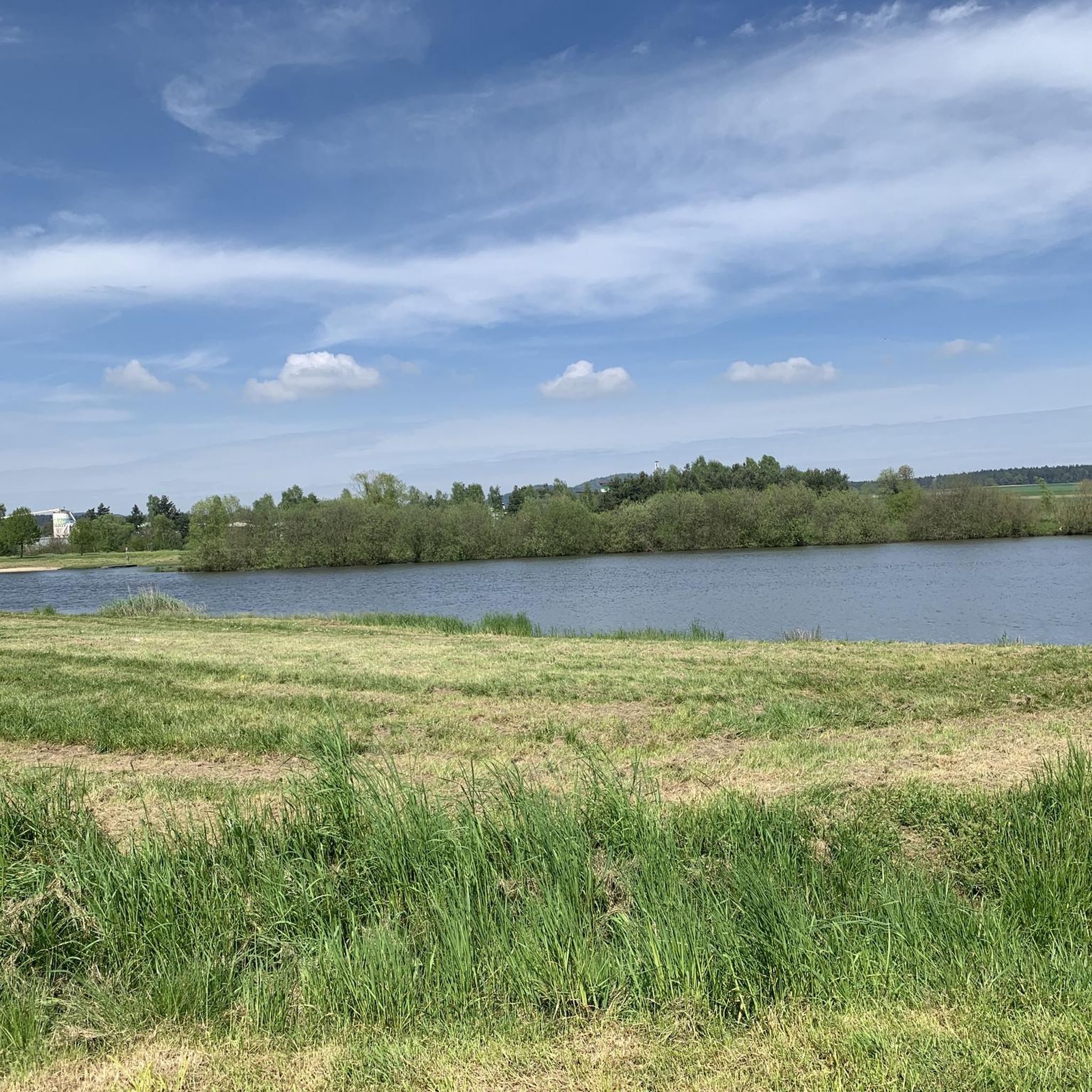
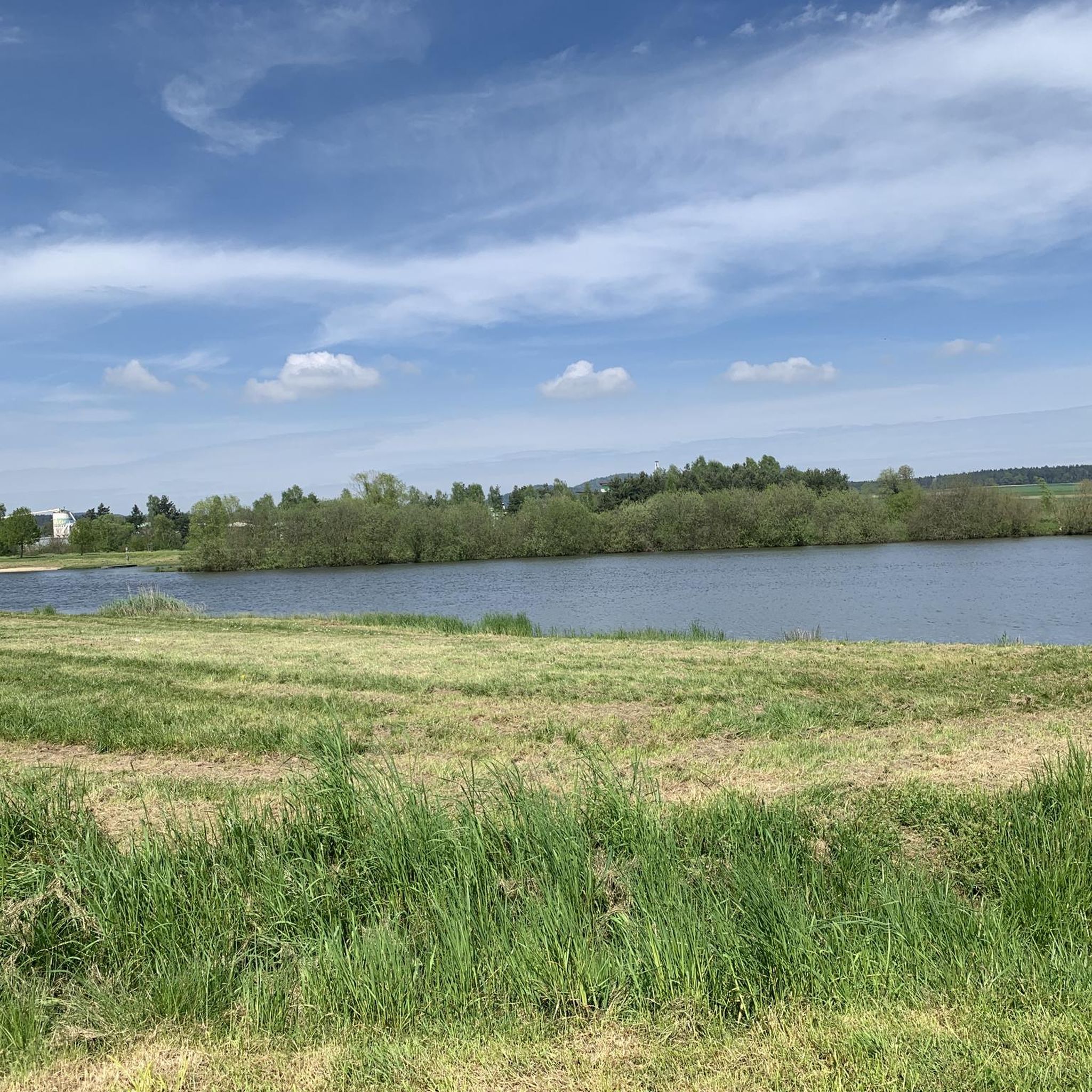
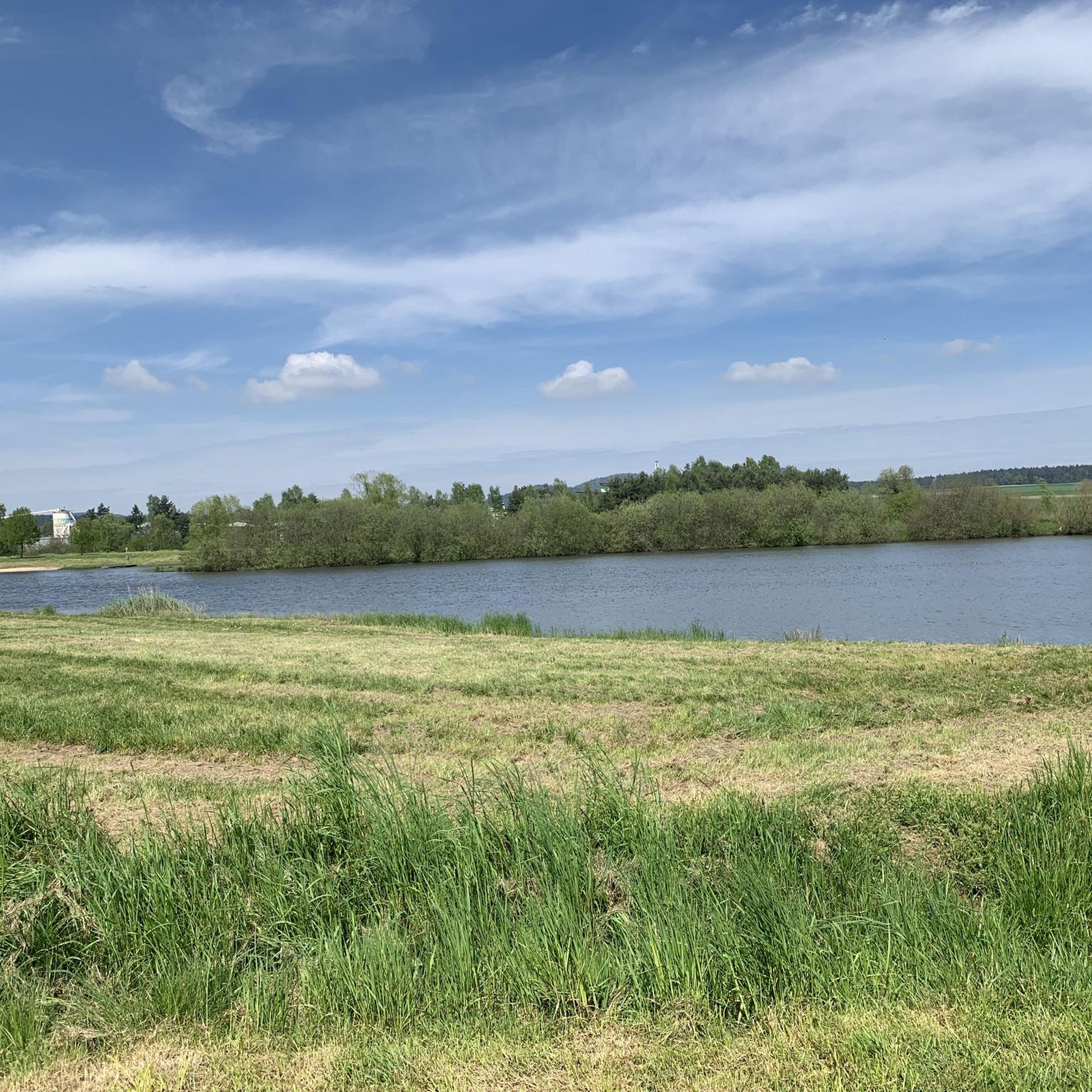
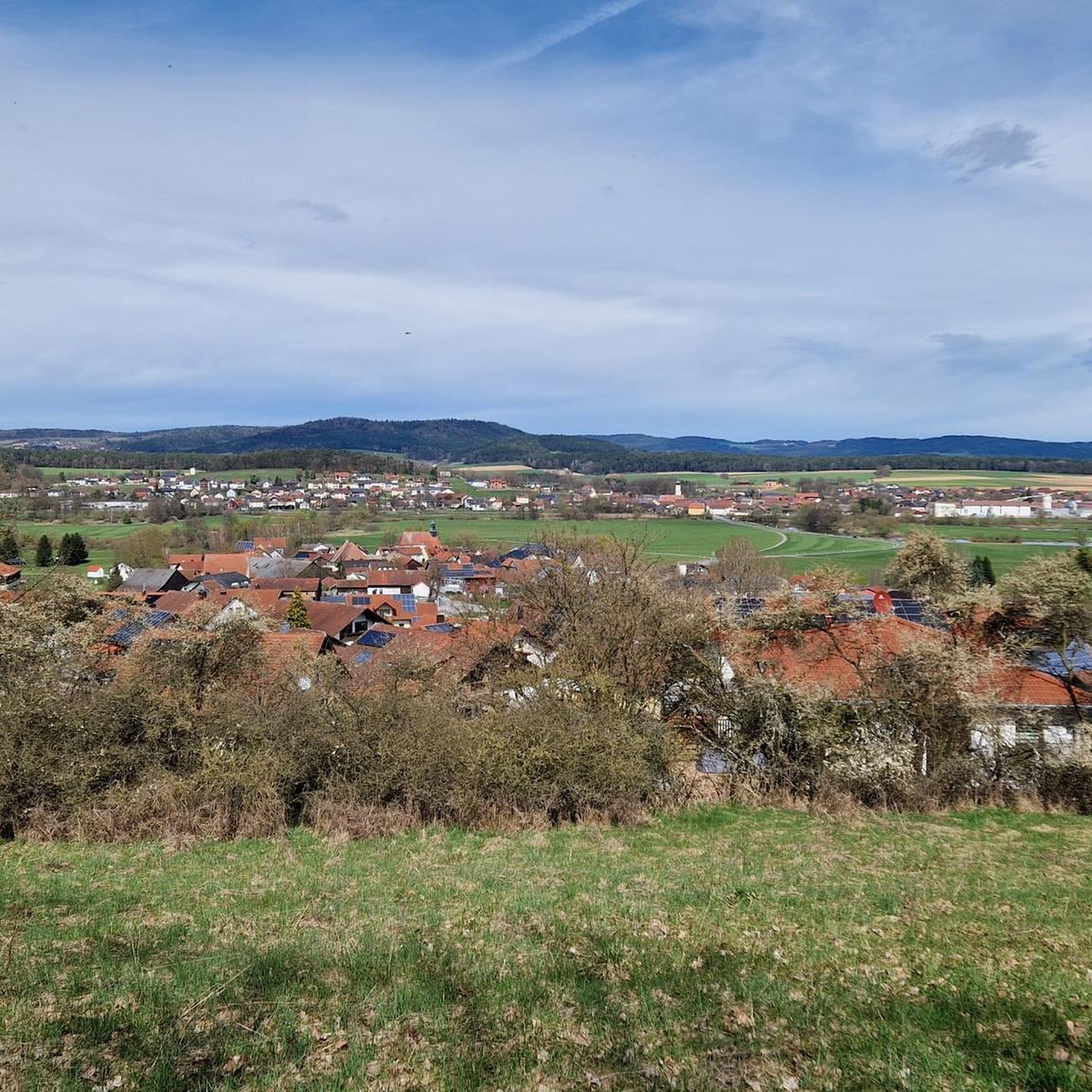

Tips from the Community

Pilgrimage Chapel Streicherröhren To trace the history of this pilgrimage chapel, we come across an old hand-drawn map from around 1570, which is located in the Bavarian State Archives in Munich. On this map, a small wayside shrine is marked on the road between Untertraubenbach and Roding—a shrine that may have been the origin of the Streicherröhren pilgrimage site. According to tradition, the origin of the pilgrimage itself is attributed to a miracle that is said to have occurred in 1661. While this cannot be historically verified, we do know that in 1715 there was a wooden chapel in Streicherröhren, which was already visited by many pilgrims, and that votive tablets had been placed there decades earlier. The small pilgrimage evidently enjoyed considerable popularity, which also explains why it subsequently attracted opponents, particularly in Roding, who, due to their own pilgrimage to Heilbrünnl, viewed the development of Streicherröhren with envy. The parish priest of Roding complained in Regensburg about the "unauthorized gatherings" and "superstition" and was thus able to obtain permission, with the consent of the local landowner, to discontinue the pilgrimage. On his own initiative, he sent men to Streicherröhren, had the chapel dismantled, and the offerings, the miraculous image, and the votive tablets brought back to Roding. With the permission of Elector Max Emmanuel of Bavaria, the chapel was rebuilt, and a new miraculous image was presented in 1718. When the pilgrimage declined towards the end of the 18th century, a miraculous healing, confirmed by both ecclesiastical and secular authorities, helped to revive it. The chapel was renovated, and the miraculous image, previously painted on glass, was replaced with one on wood. During the 19th century, the chapel acquired its present form: Framed within a simple fieldstone structure, the miraculous image, a simple depiction of the Virgin Mary with the Christ Child as Queen, was placed behind a simple iron grille. Donated votive tablets and images, as well as candles and inscriptions inside the chapel, show us that Streicherröhren is still visited by many people seeking help and solace. Source: Excerpts from www.bayerischer-wald.de
3
0
Blue Grotto It is not a Marian cult site, as is often assumed. It began as a love affair, the love of a Rodinger – he later even became mayor – for a beautiful young girl named Maria Zimmerer. Unfortunately, this girl died of appendicitis at a very young age and is buried in Munich, where she had been employed. In 1929, the enamored Rodinger erected this statue in memory of his beloved, carved from sandstone by the stonemason Hofinger from Oberkreith. There was no road to the grotto at that time. So the statue and all the materials had to be transported by boat across the Regen River from Wiesing. "Dieß'n Wack" was involved in its installation and also immortalized himself with a small painting to the left of the statue. The pastor of Roding at the time had concerns about the grotto, arguing that the statue might be considered a Marian cult site and thus harm the Heilbrünnl (Holy Spring). But this concern was unfounded. In 1977, the Roding-Mitterdorf Hiking Club built a footbridge around the grotto to Fischerwinkel, making it easily accessible on foot. Members of the Wiesing Volunteer Fire Department have thinned out the trees and bushes in front of the grotto to provide a better view from Wiesing. Source: Local information
1
0

Half of the trail is shaded and runs along dirt roads, making it unsuitable for strollers. The other half is paved and shade-free. It's particularly interesting due to the abundance of birds and frogs.
0
0

A beautiful nature reserve 🌿🌲🐦🐿️🐟
1
0

The nature reserve in the district town of Cham. Opportunities for discovery galore.
1
0
Great pilgrimage chapel near Roding.
0
0

Great trail and the scenery is amazing
1
0

I cycled the Regental cycle path from Cham to Furth im Wald and back. The entire route is asphalted, with a few slight inclines. Just before and after Arnschwang you have to cycle on the road for 100m, otherwise you are always on the cycle path. Very busy. But highly recommended
1
1
Frequently Asked Questions
What are the most significant natural attractions in the Pösing area?
The most prominent natural attraction is the Regentalaue (Regen Floodplain) between Pösing and Cham, recognized as the largest nature reserve in the Upper Palatinate. It's a unique nature and bird sanctuary. Other notable spots include the Pösinger Badeweiher, a popular natural bathing lake, and the Naturlehrpfad Roding-Pösing, an educational nature trail.
Are there any natural monuments with historical or religious significance near Pösing?
Yes, the Streicherröhren Pilgrimage Chapel and Healing Spring is a significant site. For centuries, visitors have sought relief from ailments at its healing spring, making it a place of deep tradition and faith. Another is the Lourdes Grotto, a statue of Mary in a rock grotto, which has its own local history and is easily accessible via a footbridge.
What kind of wildlife can I expect to see in the natural areas around Pösing?
The Regentalaue (Regen Floodplain) is particularly known as a unique bird sanctuary, offering excellent opportunities for birdwatching throughout the year. The expansive meadows and riverine landscape support diverse plant and animal life, making it a prime spot for nature observation.
Are there family-friendly natural monuments or activities in Pösing?
Absolutely. The Lower Regen river features a scenic, flat, and family-friendly bike path. The Pösinger Badeweiher is a natural bathing lake with a large sunbathing area, perfect for families. Additionally, the Naturlehrpfad Roding-Pösing offers an interactive and educational experience for all ages, with puzzles and information about local flora and fauna.
What geological features can be explored around Pösing?
The Pfahlsee (Pfahl Lake) is associated with the Bavarian Pfahl, a striking quartz formation that stretches for 150 km. This geological wonder, formed by hydrothermal gangrene, creates a distinctive landscape with great views. Another interesting site is Hippolit Rock, a forest area known for its unique rock formations and boulders.
What outdoor activities can I do near these natural monuments?
The region around Pösing offers a variety of outdoor activities. You can explore numerous road cycling routes, gravel biking trails, and mountain biking trails. For detailed routes and guides, check out the Road Cycling Routes around Pösing, Gravel biking around Pösing, and MTB Trails around Pösing guides.
Are there hiking opportunities near the natural monuments?
Yes, the area provides several hiking opportunities. The Hippolit Rock offers a path through boulders leading to the Kürnburg ruins with scenic views. The Naturlehrpfad Roding-Pösing is also a great option for an engaging walk. For more extensive hiking, you can find various trails within the broader guides for MTB Trails around Pösing, which often include hiking sections.
What is the best time of year to visit the natural monuments around Pösing?
The natural monuments around Pösing are enjoyable throughout the year. Spring and autumn offer pleasant temperatures for hiking and cycling, with vibrant foliage or blooming nature. Summer is ideal for visiting the Pösinger Badeweiher. Birdwatching in the Regentalaue is rewarding in all seasons, as different species can be observed.
Can I bring my dog to the natural monuments and trails?
Many natural areas and trails around Pösing are dog-friendly, especially those in the Regentalaue and the Naturlehrpfad Roding-Pösing. However, it's always recommended to keep dogs on a leash, especially in nature reserves, to protect wildlife and ensure a pleasant experience for all visitors.
What do visitors enjoy most about the natural monuments in Pösing?
Visitors frequently praise the serene beauty of the Lower Regen bike path, describing it as 'simply beautiful'. The healing spring at Streicherröhren Pilgrimage Chapel is cherished for its peaceful atmosphere and historical significance. The unique rock formations and forest paths at Hippolit Rock are also highly appreciated for their scenic appeal and sense of adventure.
Are there any easy or accessible natural trails for all abilities?
The bike path along the Lower Regen is notably flat and family-friendly, making it suitable for leisurely cycling and easy walks. The Naturlehrpfad Roding-Pösing is designed to be engaging for all ages, suggesting a generally accessible path. For specific accessibility details, it's always best to check local information.
Most popular attractions around Pösing

Get inspired with the komoot mobile app


Explore more
Extend your search for the best caves by checking out these guides of the top ones around Pösing:
