Top 20 Natural Monuments around Steinberg am See
Natural monuments around Steinberg am See showcase a landscape transformed from former industrial mining areas into a diverse natural setting. The region features significant geological sites, expansive lake districts, and protected forests. These areas offer insights into the geological history and ecological recovery of the Upper Palatinate. Visitors can explore a variety of natural features, from visible lignite seams to large recreational lakes.
Best natural monuments around Steinberg am See
- The most popular natural monuments is Wobbling Stone, a…
Last updated: July 8, 2026
Weichselbrunner Weiher Nature Reserve
Highlight • Lake
Translated by Google •
Tip by

Wobbling Stone
Highlight • Natural Monument
Translated by Google •
Tip by

Sign up now to discover places like this
Get recommendations on the best single tracks, peaks, & plenty of other exciting outdoor places.
Sign up for free
Premberg Landscape Cinema and Summit Cross
Highlight • Viewpoint
Translated by Google •
Tip by

Schwandorf Lake District
Highlight • Lake
Translated by Google •
Tip by
Wasserstein Rock Formation
Highlight • Natural Monument
The Water Stone, a natural monument south of the Thälerkopf (503 m) and northeast of Stefling and Hengersbach, can be reached via hiking trail 21.
Translated by Google •
Tip by

Sign up for free to discover even more natural monuments around Steinberg am See.
Sign up for free
Already have an account?
Start today with a free account
Your next adventure awaits.
Login or Signup

Tips from the Community

this is amazing, simply amazing 🔝🔝🔝🔝
2
0

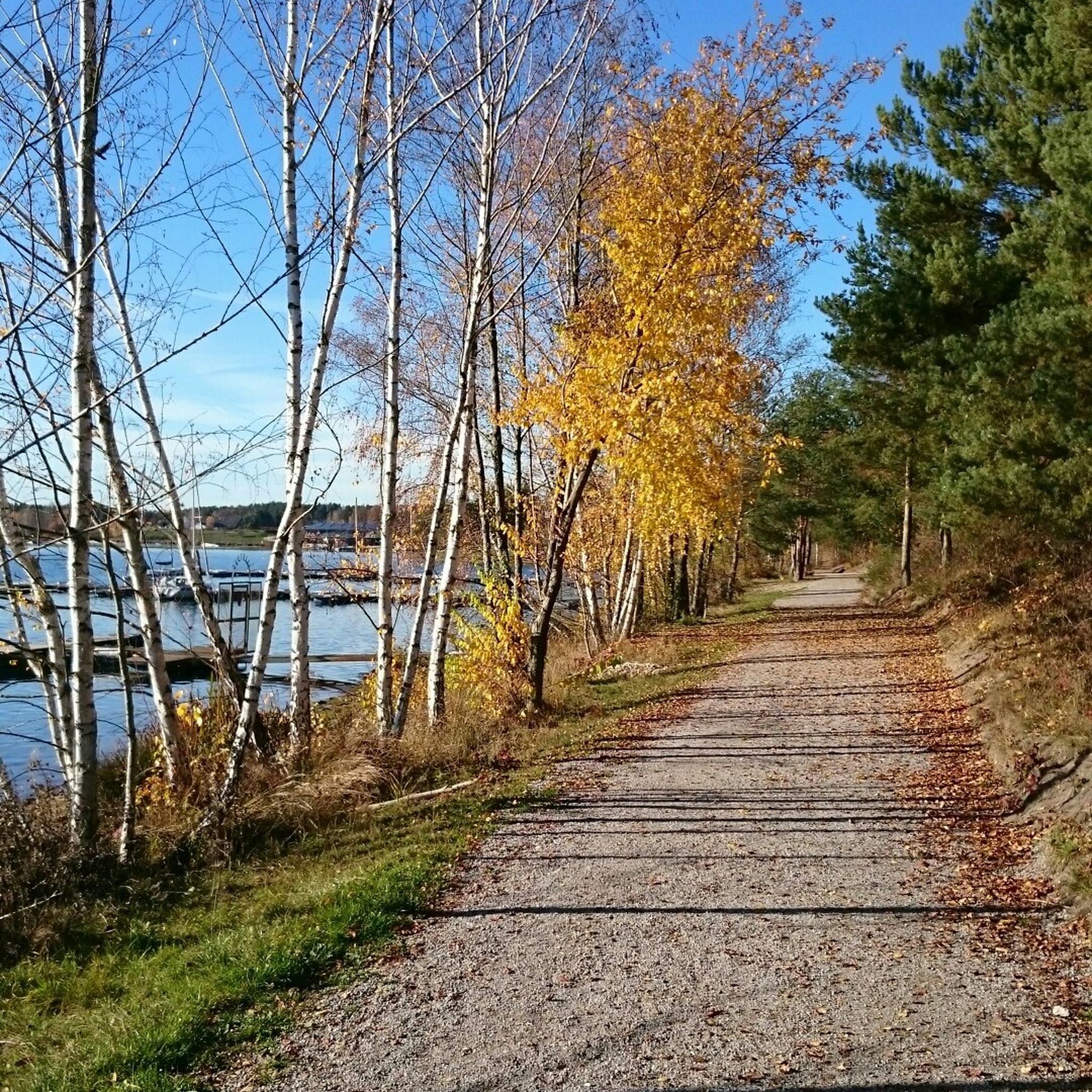
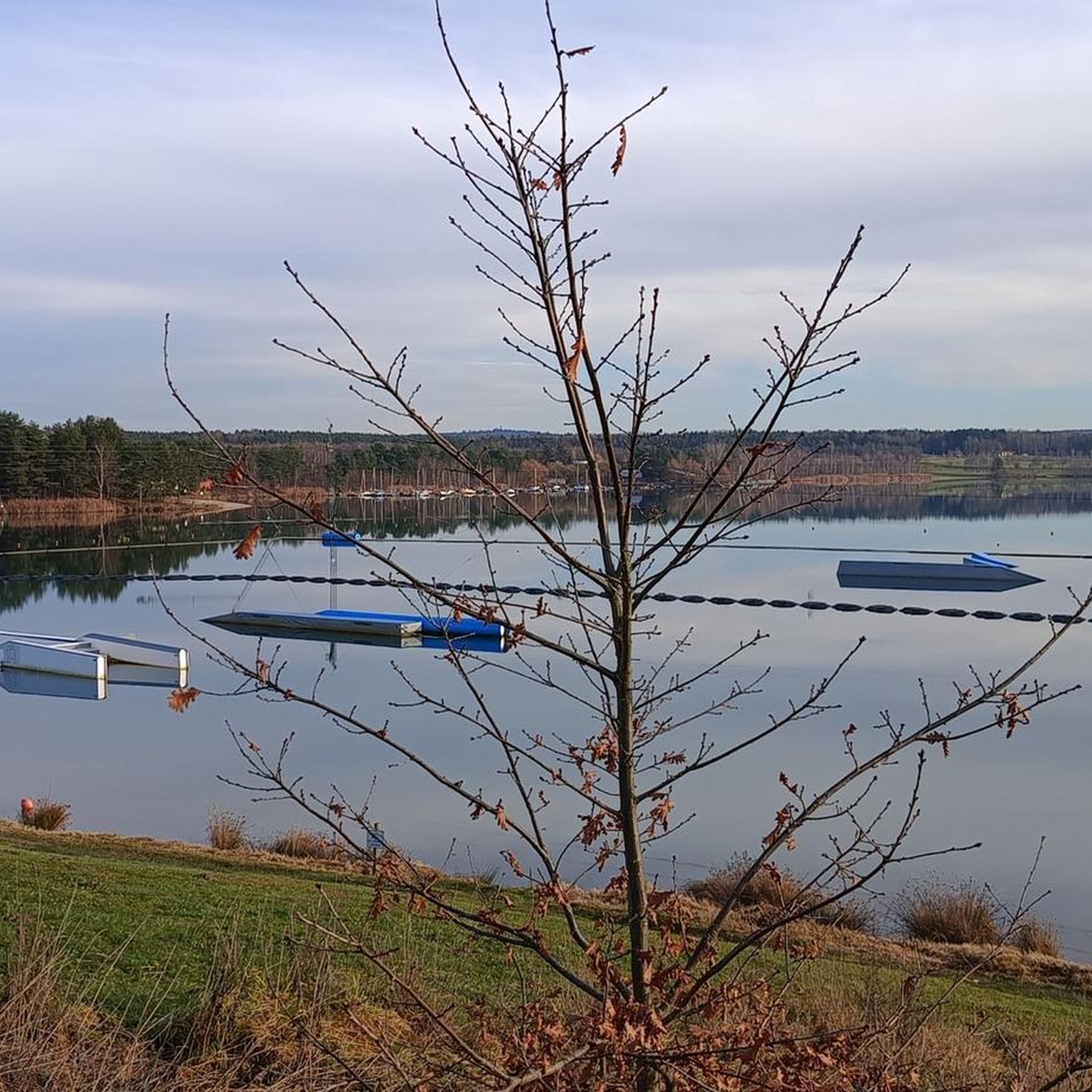
Lake Murn is a wonderful destination for cyclists and hikers. 🚴♂️🚶♀️ With a great view and a well-maintained cycling and hiking path around the lake, it offers ideal conditions for a relaxed tour. Whether you want to jog, go on a bike ride or just enjoy nature - Lake Murn is a good choice. The clear, blue lake and the quiet surroundings invite you to linger and offer a relaxing break from everyday life. Pack your backpack and explore this beautiful place - it's worth it!
2
0

The Wasserstein is definitely worth a visit
0
0

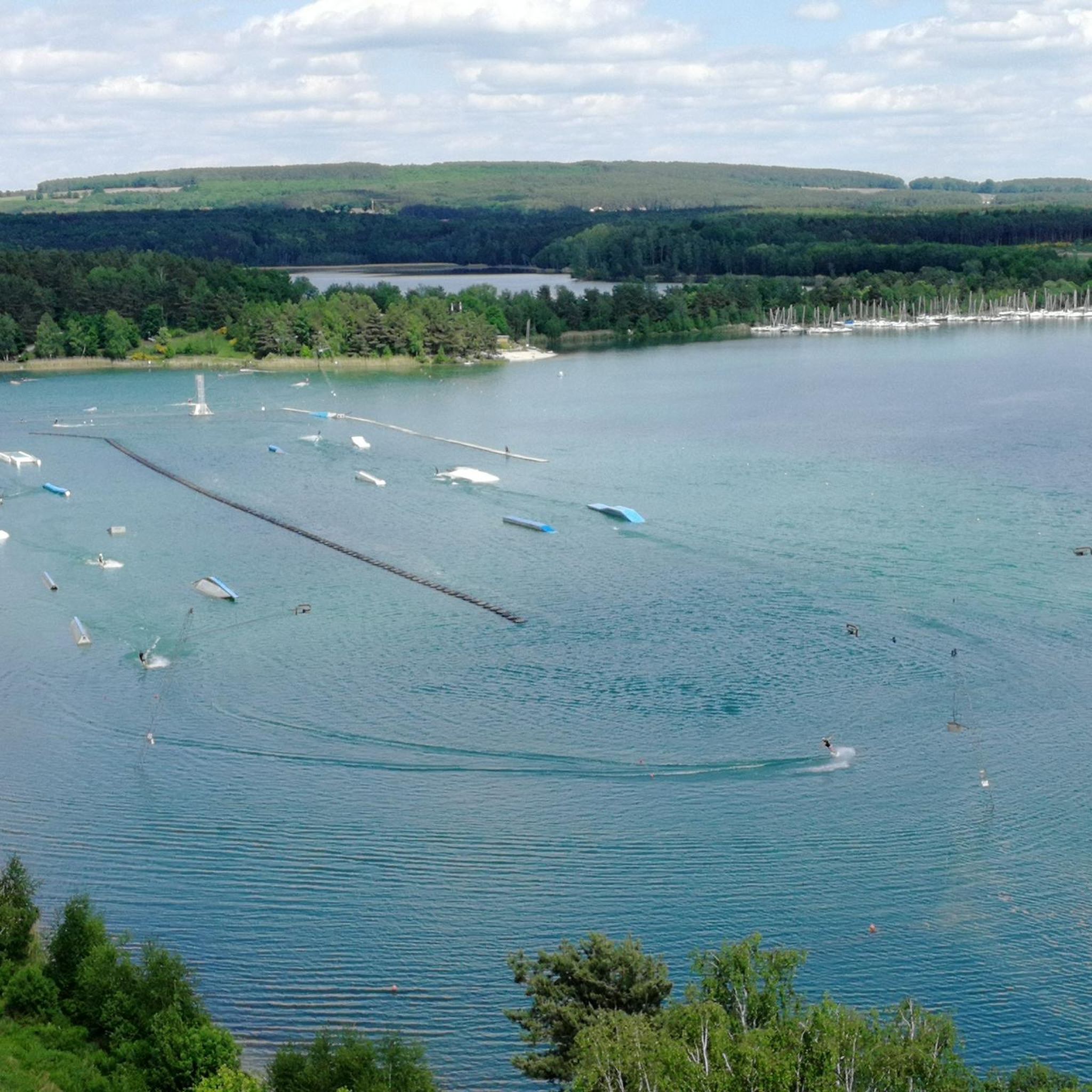
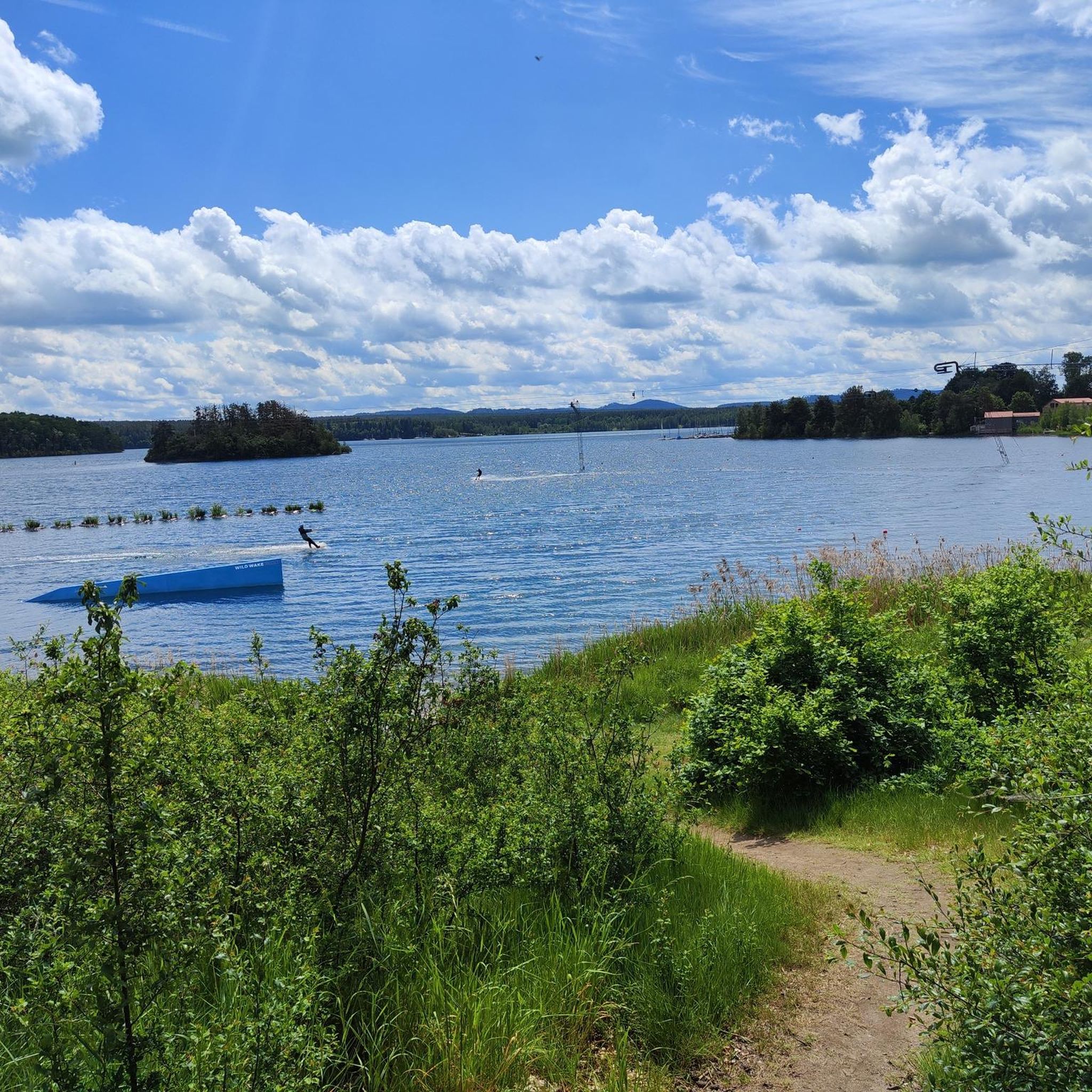
The four largest lakes, Steinberger See, Murner See, Brückelsee and Knappensee, form the heart of the Upper Palatinate Lake District; in total there are over 2,000 ponds and 300 lakes. Lake Steinberger offers countless opportunities for relaxation, sport and leisure, the most outstanding being the adventure wooden ball, the largest of its kind in the world. From its viewing platform at a height of around 40 meters you have a wonderful view of the lake and the surrounding area.
6
1

I really liked the very natural and idyllic little path around the Weichselbrunn pond.
1
0


With the Brückelsee, as well as the Murner and the Steinberger See, the Upper Palatinate has 3 beautiful large leisure lakes with numerous leisure activities. The lakes are former lignite mining areas that have been flooded.
3
0

Weichselbrunner Weiher and dry pine forest near Bodenwöhr The Weichselbrunner Weiher was probably created in the middle of the 13th century by expanding the Gleixner stream system. The area includes the Weichselbrunner Weiher, a section of the Gleixnerbach and the surrounding forests. These are mostly dry, lichen-rich sand pine forests that are very well adapted to the sandy and nutrient-poor soil. The very tread-sensitive lichens, mosses, dwarf shrubs such as the evergreen bearberry and various orchids find a suitable habitat here. The forest partly borders directly on silting up areas and reed beds of the pond. Due to the high structural diversity of the area, a large number of sometimes rare animal and plant species can be found there. Animal and plant species: The marsh terrapin, an endangered native orchid species in the Danube valley, is an inhabitant of the nature reserve. The evergreen bearberry also finds a suitable habitat in the sparse pine forests near Bodenwöhr. The high structural diversity also offers a suitable habitat for the grass snake Several hiking trails lead through the area and convey the special features of the pond and the adjacent forest. To protect the plants, which are sensitive to foot traffic, we recommend staying on the marked paths. Source: regierung.oberpfalz.bayern.de
3
0
Frequently Asked Questions
What kind of natural features can I expect to see around Steinberg am See?
The region around Steinberg am See offers a diverse range of natural features, largely shaped by its history as a former brown coal mining area. You'll find expansive lake districts, such as the Schwandorf Lake District, which includes the large Steinberger See and Murner See. There are also significant geological sites like the Geotop Wackersdorfer Braunkohle, showcasing visible lignite seams and Tertiary rocks, and unique rock formations such as the Wasserstein Rock Formation. Protected forests and nature reserves, like the Weichselbrunner Weiher Nature Reserve, are also prominent, providing habitats for diverse flora and fauna.
Are there family-friendly natural monuments in the area?
Yes, several natural monuments around Steinberg am See are suitable for families. The Weichselbrunner Weiher Nature Reserve features an approximately 3 km long circular path, perfect for a leisurely walk with children. The Wobbling Stone, despite no longer wobbling, offers large boulders for exploration and a nice view. The Schwandorf Lake District, with its lakes and the adventure wooden ball, provides numerous recreational opportunities for all ages.
What is the best time of year to visit the natural monuments around Steinberg am See?
The natural monuments around Steinberg am See are beautiful year-round, but the best time to visit largely depends on your preferred activities. Spring and autumn offer pleasant temperatures for hiking and cycling, with vibrant foliage in autumn and blooming nature in spring. Summer is ideal for water-based activities at the lakes like Steinberger See and Murner See. While winter hiking is possible, some paths might be less accessible, and the full natural beauty might be muted.
What kind of hiking trails can I find near these natural monuments?
You'll find a variety of hiking trails near the natural monuments. For instance, the Weichselbrunner Weiher Nature Reserve has a 3 km circular path. The Geotop Wackersdorfer Braunkohle is connected by a 3.5 km 'Museum Educational Path'. The lakes, such as Murner See and Steinberger See, also feature well-developed circular paths. You can explore more options for hiking in the region by visiting the Hiking around Steinberg am See guide, which includes routes like the 'Steinberger See Circular Trail'.
Are there opportunities for cycling near the natural monuments?
Yes, the recultivated landscape around Steinberg am See, particularly the lake district, is very suitable for cycling. Both Murner See and Steinberger See have well-developed circular paths that are popular with cyclists. For more cycling routes, you can check out the Cycling around Steinberg am See guide, which features routes like 'View of Lake Murner – View of Lake Murnersee loop'.
What is the historical significance of the natural monuments in this region?
The natural monuments around Steinberg am See hold significant historical and geological importance, primarily due to the region's past as a major brown coal (lignite) mining area until 1982. Sites like the Geotop Wackersdorfer Braunkohle preserve visible lignite seams, offering a direct link to the geological processes that formed the Tertiary rocks of the Naab Valley. The entire lake district, including Steinberger See and Murner See, is a testament to successful recultivation, transforming an industrial landscape into a vibrant natural and recreational zone. The Wasserstein Rock Formation also carries local legends, possibly linked to a Celtic cult site.
Can I spot wildlife at the natural monuments?
Yes, the protected areas and diverse ecosystems offer opportunities for wildlife spotting. The nature and landscape protection areas bordering Murner See provide habitats for various flora and fauna, and its observation tower is particularly suitable for birdwatching. The Weichselbrunner Weiher Nature Reserve protects over one hundred hectares of pine forests, home to many rare animal and plant species. The Premberg Landscape Cinema and Summit Cross is also noted for its species-rich flora and fauna.
Are there any viewpoints offering panoramic views of the area?
Absolutely. The Premberg Landscape Cinema and Summit Cross offers a magnificent panoramic view of Premberg and the Naabtal. At Murner See, a 16-meter-high observation tower on the northern shore provides expansive views over the lake. Additionally, the Schwandorf Lake District features the adventure wooden ball, which has a viewing platform at around 40 meters, offering a wonderful view of Steinberger See and the surrounding area.
What is the 'Waldumbau-Erlebnispfad Steinberg' and what can I learn there?
The Waldumbau-Erlebnispfad Steinberg (Forest Conversion Adventure Path Steinberg) is an educational trail located within over hundred-year-old mixed forests. It focuses on demonstrating how sustainable forest management and nature conservation can coexist. Along the path, various stations illustrate planned forest conversion, highlight climate-tolerant tree species, and explain the protection of native nature. It offers an interactive way to learn about ecological recovery and sustainable forestry practices.
Are there any unique geological formations to explore?
Yes, the region is known for its geological interest. The Geotop Wackersdorfer Braunkohle is a prime example, preserving visible lignite seams that are part of Bavaria's significant geological sites. Another unique formation is the Wasserstein Rock Formation, also known as the Devil's Stone, which exhibits typical rounded shapes from spheroidal weathering and features a distinctive water basin at its top.
What do visitors particularly enjoy about the natural monuments around Steinberg am See?
Visitors appreciate the successful transformation of the former mining landscape into a beautiful natural and recreational area. They enjoy the well-developed circular paths around the lakes and nature reserves, the opportunities for observing local wildlife, and the serene natural environments. The unique geological insights, such as the visible lignite seams, and the historical context of the region also add to the appeal. Many find the viewpoints, like the Premberg Landscape Cinema, particularly rewarding for their panoramic views.
Are there any circular walks available at these natural monuments?
Yes, several natural monuments offer circular walks. The Weichselbrunner Weiher Nature Reserve has an approximately 3 km long circular path. Both Murner See and Steinberger See, part of the Schwandorf Lake District, feature well-developed circular paths with information boards. These paths are great for exploring the natural beauty and learning about the region's history.
Most popular routes around Steinberg am See
Most popular attractions around Steinberg am See

Get inspired with the komoot mobile app


Explore more
Extend your search for the best caves by checking out these guides of the top ones around Steinberg am See:
