Top 8 Natural Monuments around Wallen
Natural monuments around Wallen showcase a landscape characterized by wetlands, moors, and geological formations shaped by the Ice Age. This region features diverse natural areas, including protected high moors, peat pits now forming water surfaces, and river valleys. Visitors can explore these sites to observe unique ecosystems, birdlife, and the geological history of the area.
Best natural monuments around Wallen
- The most popular natural monuments is Moor pools in the Ostroher-Süderholmer Moor, a natural area with moor pools. These…
Last updated: June 24, 2026
Observation Tower and Picnic Area Meggerkoog
Highlight • Viewpoint
Translated by Google •
Tip by

Moor pools in the Ostroher-Süderholmer Moor
Highlight • Natural
Translated by Google •
Tip by

Sign up now to discover places like this
Get recommendations on the best single tracks, peaks, & plenty of other exciting outdoor places.
Sign up for free
Dellstedter Birkwildmoor Nature Reserve
Highlight • Natural Monument
Translated by Google •
Tip by

Heidberg in the Welmbüttel District Forest
Highlight • Natural Monument
Translated by Google •
Tip by

Eidertal Escarpment: Pahlhude to Dörpling-Hohenlieth
Highlight • Natural Monument
Translated by Google •
Tip by
Sign up for free to discover even more natural monuments around Wallen.
Sign up for free
Already have an account?
Start today with a free account
Your next adventure awaits.
Login or Signup
Tips from the Community

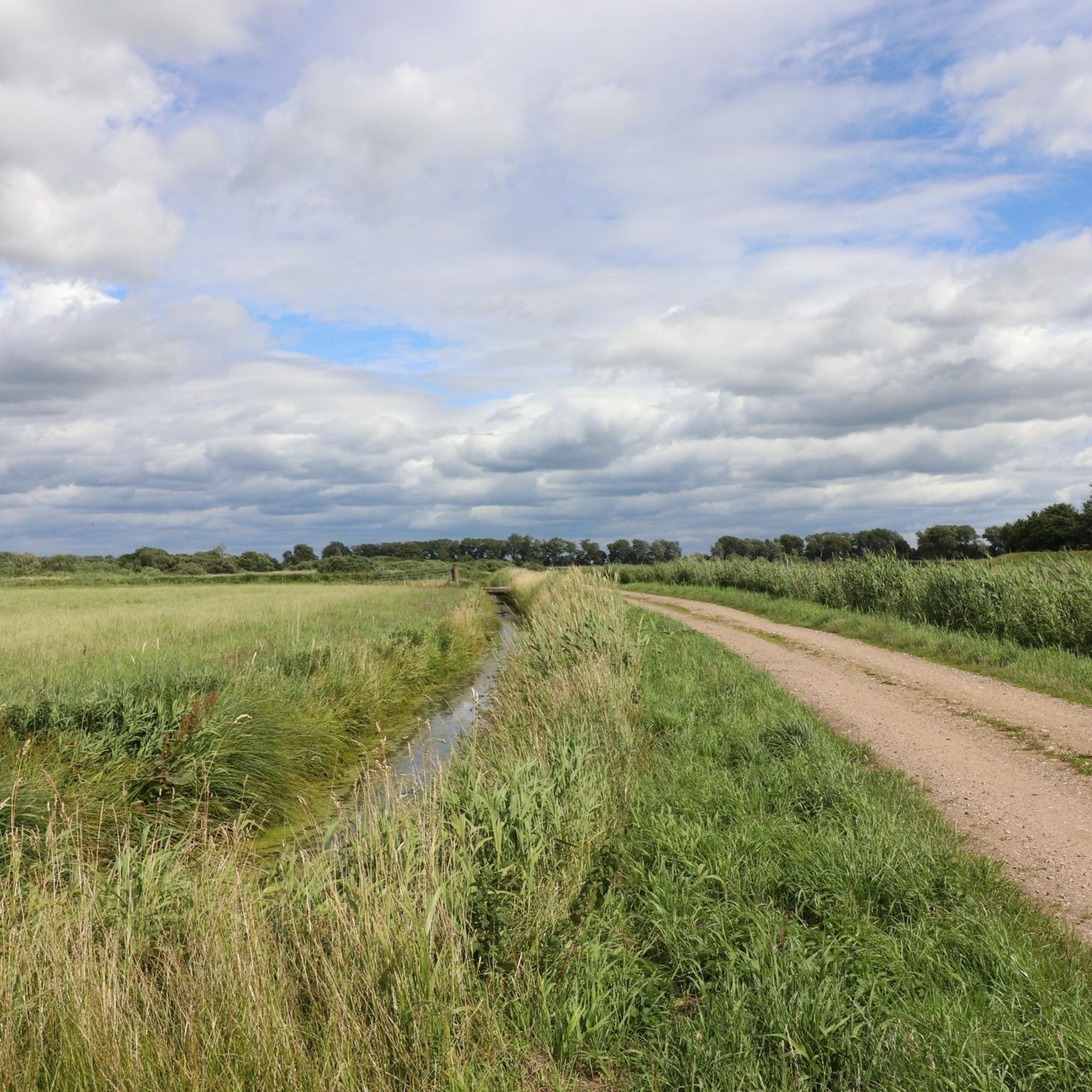
Be careful, the paths are soft and wet even during prolonged dry periods!
0
0

Nice click
0
0

Take a break, relax and enjoy the beautiful view ... with mustard :-)
0
0


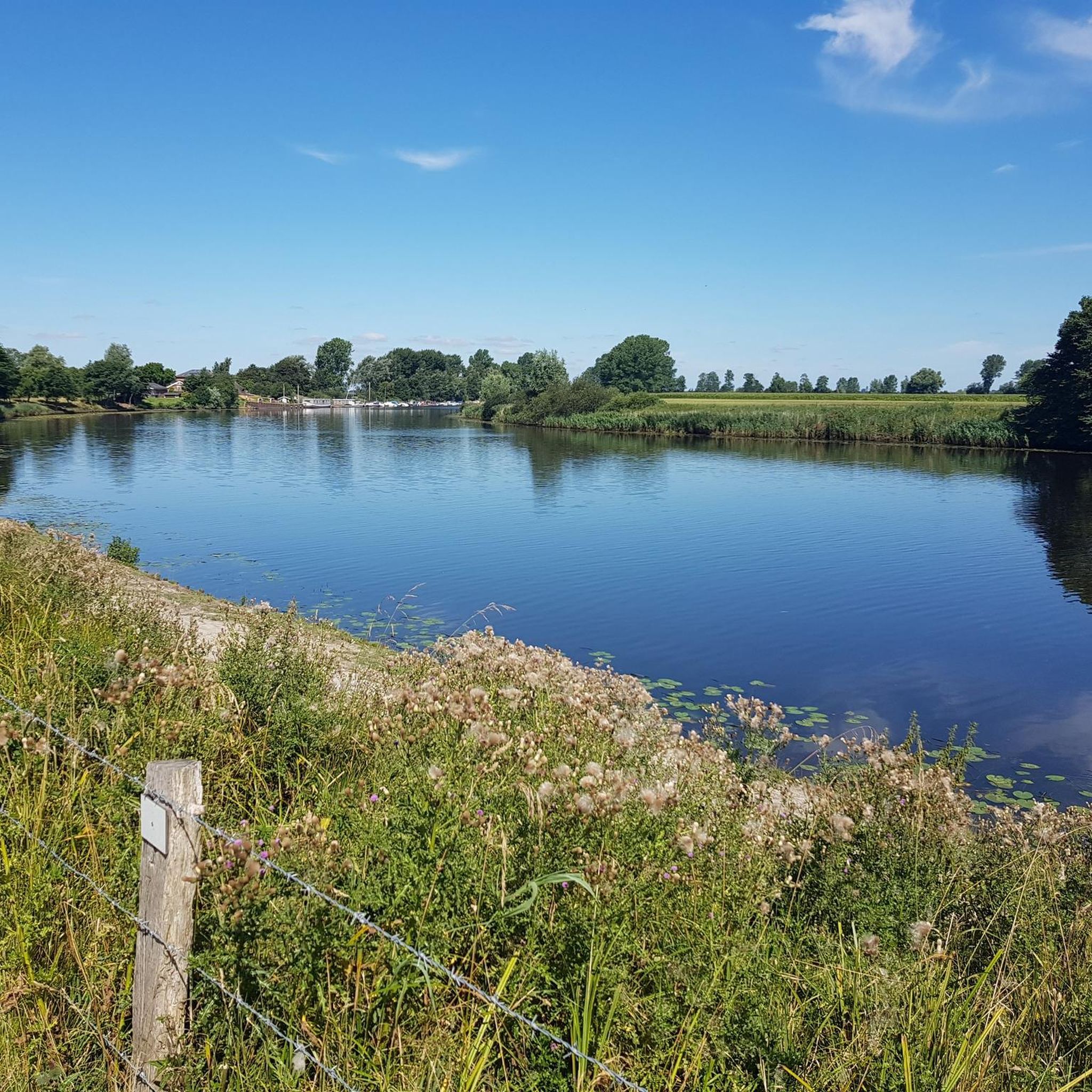
A small place to rest with a beautiful view over the hollows.
0
0

The Scottish Highlanders are a peaceful breed of cattle. Everything is very slow and they don't fixate on them with their eyes. Then they get very curious. I also really liked the view of the birch forest. It may be that I'm spoiled at the moment. So I have to "earn" a hike's stars. The water areas are visited by anglers, and they drive right up to them in their cars. There are also too many tractors driving too fast on the supply routes.
5
0
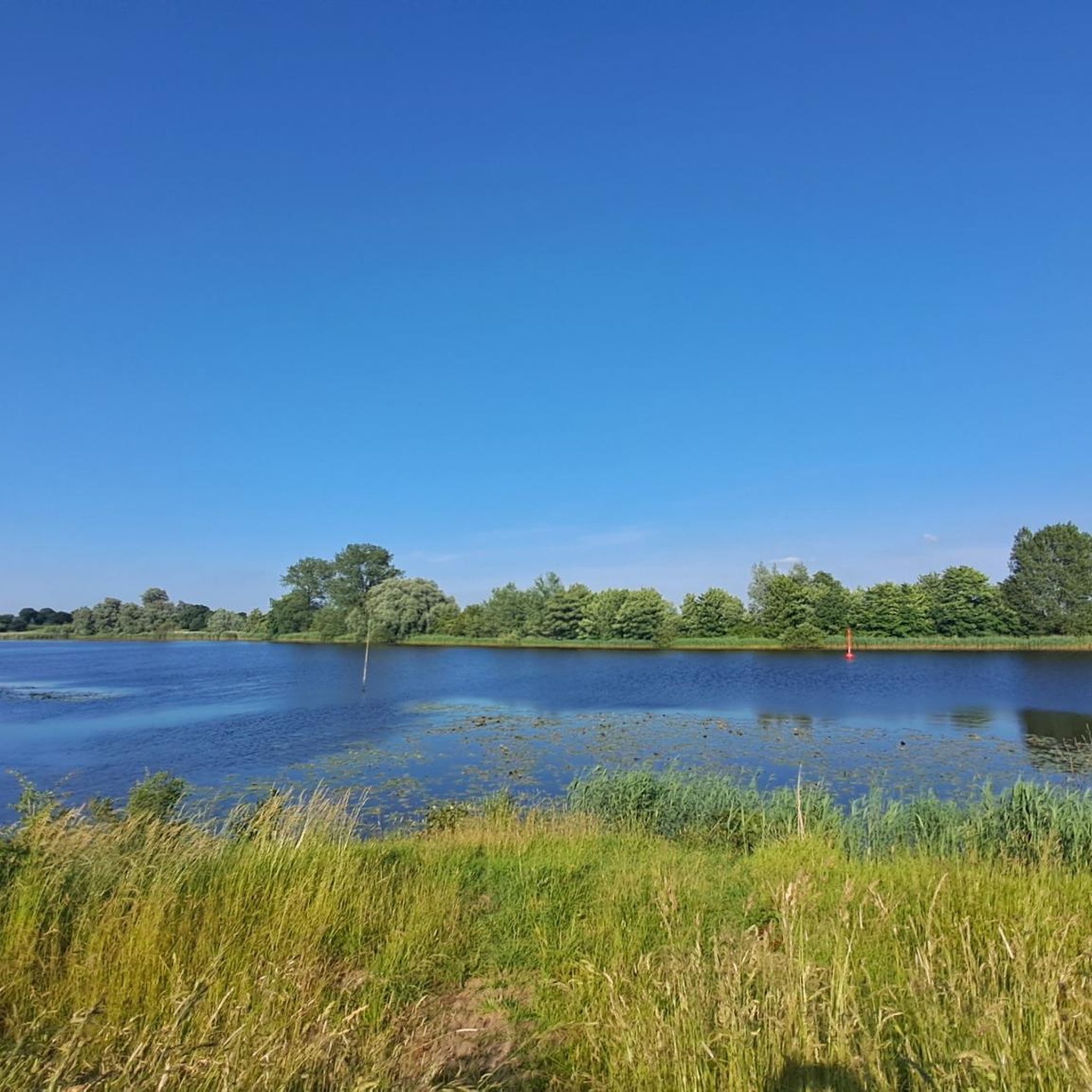
Today, the landscape is characterized by a mosaic of water areas used for sport fishing, between agricultural grassland areas. The area, which is crossed by a network of paths, also includes reed beds and fen-like wet meadows.
5
0
Since 1972, the moor in the valley of the upper Broklandsau northeast of Heide has been designated a protected area covering an area of 283 hectares.
5
0
Frequently Asked Questions
What types of natural features can I expect to see around Wallen?
The Wallen region is characterized by diverse natural areas, including extensive wetlands, protected high moors, and unique geological formations shaped by the Ice Age. You can explore landscapes featuring peat pits that have transformed into water surfaces, river valleys, and wet meadows. Notable examples include the Moor pools in the Ostroher-Süderholmer Moor and the Dellstedter Birkwildmoor Nature Reserve.
Are there family-friendly natural monuments in the Wallen region?
Yes, several natural monuments around Wallen are suitable for families. The Observation Tower and Picnic Area Meggerkoog offers a pleasant spot for bird watching and enjoying the views. The Moor pools in the Ostroher-Süderholmer Moor and the Dellstedter Birkwildmoor Nature Reserve also have family-friendly aspects, with paths suitable for exploration.
Where can I go for bird watching in Wallen?
The Observation Tower and Picnic Area Meggerkoog is an excellent spot for bird watching. It provides views over the wet meadows of the Sorgkoog, making it ideal for observing the region's birdlife. Visitors' tips suggest bringing binoculars for a closer look.
What is the significance of the Dellstedter Birkwildmoor Nature Reserve?
The Dellstedter Birkwildmoor Nature Reserve is a protected high moor and one of the most important raised moors in the Eider-Treene-Sorge region. Spanning approximately 620 hectares, it is known for its specialized flora and fauna, including narrow-leaved cotton grass, bell heather, bog lily, moor frogs, adders, snipe, and curlew, all adapted to the nutrient-poor soil and temperature fluctuations.
Can I learn about the Ice Age geological history in Wallen?
Yes, the Eidertal Escarpment: Pahlhude to Dörpling-Hohenlieth is a prime example of a landscape formed by meltwater during the last Ice Age. It offers magnificent views over fields and the steep edge of the Dithmarschen Altmoräne, which was created by glacial meltwater streams. Information boards in the area explain how this striking slope was formed and its geological history.
What outdoor activities can I do near the natural monuments around Wallen?
The Wallen region offers various outdoor activities. You can find numerous routes for running, mountain biking, and road cycling. For instance, there are running trails like the 'Stork Care Station Erfde loop', MTB trails such as 'Meggerdorf swimming spot – Stork Nests in Bergenhusen loop', and road cycling routes like 'Broklandsau Pumping Station – Nordfeld Lock on the Eider loop'.
Are there any unique geological formations to explore?
Beyond the Ice Age formations, the Heidberg in the Welmbüttel District Forest offers a unique perspective. While not as high as other peaks, it's a popular destination for hikers within the wooded geest area, showcasing the region's varied terrain. The Geest around Welmbüttel also acts as a watershed, with several springs feeding local streams.
What do visitors enjoy most about the natural monuments in Wallen?
Visitors frequently appreciate the tranquility, vastness, and opportunities for nature observation. Tips highlight the 'wide sky' and 'infinite views' at places like the Meggerkoog Observation Tower, and the unique ecosystems of the protected moors. The chance to see specialized flora and fauna, as well as the historical context of peat mining at the Moor pools, are also highly valued.
Can I find trails for cycling near the natural monuments?
Yes, the area around Wallen is well-suited for cycling. You can find various road cycling routes and MTB trails that pass by or are close to natural monuments. For example, the 'Katharinenkirche Nordhastedt – Dellstedter Birkwildmoor loop' is a moderate road cycling route that takes you near the Dellstedter Birkwildmoor Nature Reserve.
What is the history behind the moor pools in Ostroher-Süderholmer Moor?
The Moor pools in the Ostroher-Süderholmer Moor were created after the Second World War due to extensive peat mining, where peat was extracted to a depth of six meters. These former peat pits now form the water surfaces you see today. Since 1972, this area, covering over 280 hectares, has been designated a protected area, allowing its unique landscape to recover and thrive.
Are there any areas with renatured heather in the Wallen region?
Yes, the Heidberg in the Welmbüttel District Forest features renatured heather, adding to its natural beauty. This area, part of the wooded geest, is a popular destination for hikers, offering a diverse landscape that includes forests and the restored heather.
Most popular attractions around Wallen

Get inspired with the komoot mobile app


Explore more
Extend your search for the best caves by checking out these guides of the top ones around Wallen:
