Top 20 Natural Monuments around Hirschwald
Natural monuments around Hirschwald encompass a diverse landscape spanning approximately 280 km², offering insights into geology, ecology, and history. The region features deep forests, open countryside, steep rock formations, and gentle meadows, providing habitats for numerous species. Notable natural features include fascinating cave systems and the ecologically significant Vils and Lauterach valleys. These areas are crucial for biodiversity and offer varied terrain for exploration.
Best natural monuments around Hirschwald
- The most popular natural monuments is Lauterach River, a river…
Last updated: June 24, 2026
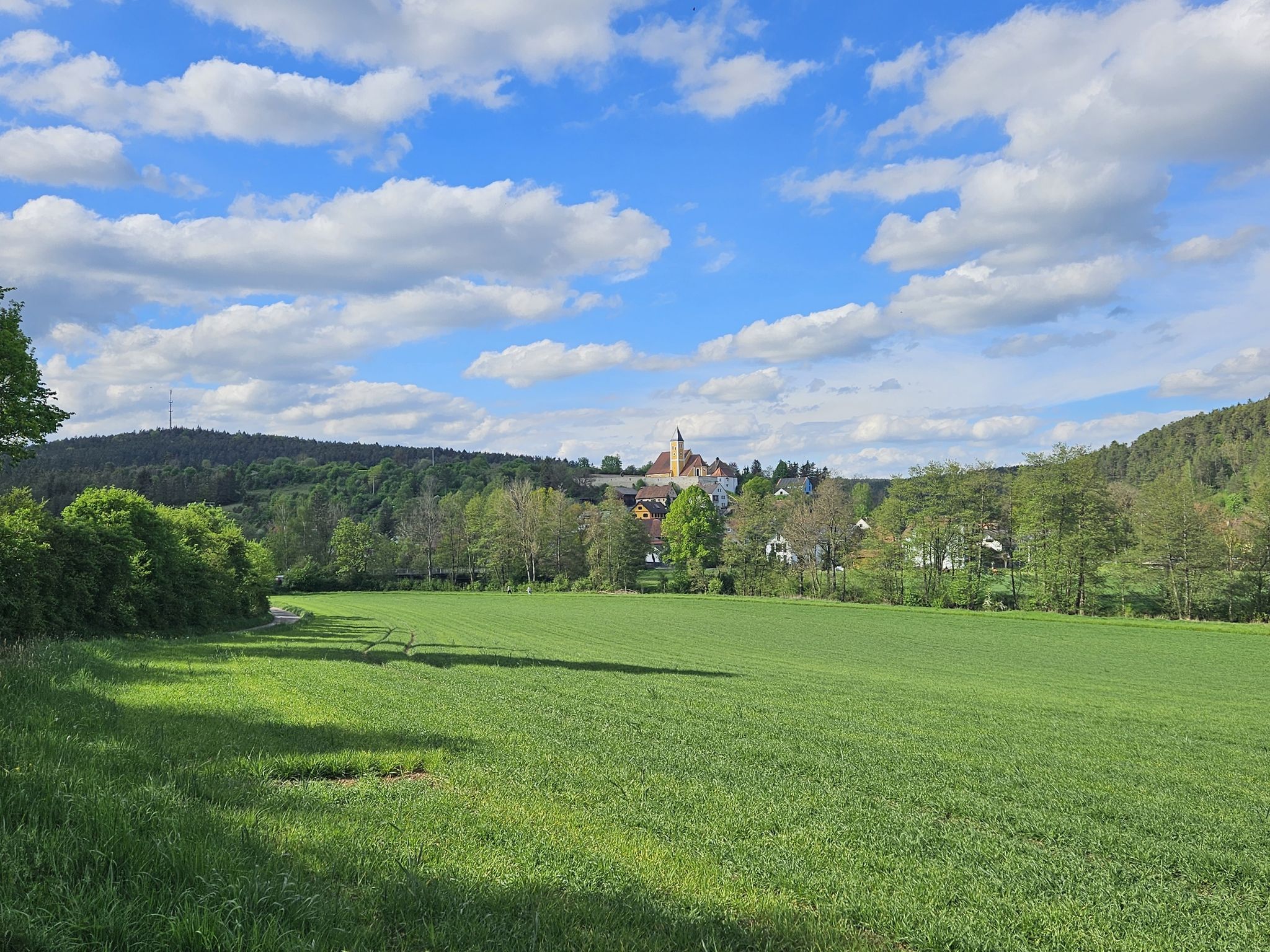
Lauterach River
Highlight (Segment) • River
Translated by Google •
Tip by

Water wheel at the Landesgartenschau grounds
Highlight • Monument
Translated by Google •
Tip by

Sign up now to discover places like this
Get recommendations on the best single tracks, peaks, & plenty of other exciting outdoor places.
Sign up for free
Amberg-Rammertshof Glider Airfield
Highlight • Structure
Translated by Google •
Tip by

Lauterach Valley – Hirschwald Nature Park
Highlight • River
Translated by Google •
Tip by

Rammertsbrunn Spring
Highlight • Natural Monument
Translated by Google •
Tip by

Sign up for free to discover even more natural monuments around Hirschwald.
Sign up for free
Already have an account?
Start today with a free account
Your next adventure awaits.
Login or Signup

Other adventures around Hirschwald

Tips from the Community

very nice Lauterach cycle path on the old railway line without a big incline a nature experience
0
0


Very beautiful and typical landscape around Amberg
0
0

Very nice here
3
0

Here the path is blocked off with a game fence. Just a few meters further up, don't go straight on, but turn right and then left at the next opportunity - this will take you back down along the Lauterachtal valley.
0
1

The water wheel on the State Garden Show site is a fascinating piece of technical history that is perfectly integrated into the natural environment. The wheel was originally used to pump water for agricultural purposes. Today it is a popular photo subject and an impressive example of sustainable energy generation in times gone by.
4
0

The Lauterach is a beautiful river from its two sources in Lauterhofen to its confluence with the Vils near Schmidmühlen.
2
0
Frequently Asked Questions
What unique geological features can I explore in Hirschwald Nature Park?
The Hirschwald Nature Park is rich in geological formations, particularly its fascinating cave systems. You can explore the karst topography through sites like the Kupferberg Caves, which include the main Kupferberg Cave and two smaller ones. Another notable site is the Goashöhle (Goat Cave) on the Hummelberg, a natural rock cave with historical significance. These caves offer a tangible connection to the geological processes that shaped the landscape.
Are there any historical or archaeological sites among the natural monuments in Hirschwald?
Yes, the region offers natural monuments with significant historical and archaeological value. The Stone Age Rock Shelter at Steinbergwand is an important archaeological site where Stone Age tools were discovered, indicating early human presence. The Goashöhle (Goat Cave) also has a history of being used as a shelter for goats, blending natural formation with traditional human and animal interaction.
What makes the Vils and Lauterach Valleys significant natural monuments?
The Vils and Lauterach Valleys are expansive and ecologically vital parts of the Hirschwald Nature Park. The Lauterach Valley, especially its south-facing hillsides, boasts a nearly Mediterranean climate, supporting unique vegetation like wild orchids and gentians. Both valleys are teeming with diverse wildlife, including kingfishers, white-throated dippers, trout, and rare butterflies. The Vils River is a European protected area (FFH Gebiet), crucial for species like beavers and bullheads, making these valleys exceptional ecological hotspots.
Can I find family-friendly natural monuments in the Hirschwald region?
Absolutely. Many natural monuments in Hirschwald are suitable for families. The Lauterach River offers a beautiful bike path through nature. The Water wheel at the Landesgartenschau grounds provides a pleasant spot for a break close to the city. The Rammertsbrunn Spring, with its good water quality and natural stone stairs, is also a great family stop. Additionally, The Bat House in Hohenburg offers an educational experience about the endangered Greater Horseshoe Bat.
What kind of wildlife can be observed in Hirschwald's natural monuments?
The Hirschwald Nature Park is a haven for wildlife. The cave systems, including the Kupferberg Caves, are home to 19 different bat species, notably the endangered Greater Horseshoe Bat. The Vils and Lauterach Valleys are particularly rich in biodiversity, where you might spot kingfishers, white-throated dippers, trout, crayfish, and various rare butterflies and lacewings like owlflies and antlions. Beavers and green clubtails also thrive in the Vils River.
What outdoor activities are available near the natural monuments in Hirschwald?
The Hirschwald region offers a variety of outdoor activities. You can find numerous routes for mountain biking, gravel biking, and road cycling. For example, there are moderate to difficult MTB trails like the 'Path Along the Vils River' loop. Gravel biking enthusiasts can explore routes such as the 'Lauterach Valley Cycle Path' loop from Ursensollen (Gravel biking around Hirschwald). Road cyclists can enjoy scenic rides like the 'Kastl Town Hall – Kastl Monastery Castle' loop (Road Cycling Routes around Hirschwald). These activities allow you to experience the diverse landscapes of the natural monuments up close.
What is the best time to visit the Hirschwald Nature Park for nature observation?
The Vils and Lauterach Valleys, with their nearly Mediterranean climate, are particularly beautiful in spring and early summer when wild orchids, pasque flowers, and gentians are in bloom. This period also offers excellent opportunities for observing rare butterflies and other wildlife. For general hiking and cycling, the warmer months from spring to autumn are ideal, offering pleasant weather to explore the diverse landscapes.
Are there viewpoints offering panoramic views of the Hirschwald natural monuments?
Yes, several natural monuments offer scenic viewpoints. The Stone Age Rock Shelter at Steinbergwand provides a slightly elevated vantage point with panoramic views of the surrounding landscape. The Vils and Lauterach Valleys themselves are characterized by picturesque landscapes and steep rock formations, offering numerous spots for scenic vistas. The Water wheel at the Landesgartenschau grounds also offers a pleasant view of the redesigned Vils riverbanks.
What do visitors enjoy most about the natural monuments in Hirschwald?
Visitors frequently appreciate the diverse natural beauty and tranquility of the Hirschwald region. The Lauterach River is praised for its beautiful bike path and natural setting. The Rammertsbrunn Spring is valued for its very good water quality and as a refreshing stop. The overall experience of exploring deep forests, open countryside, and unique geological formations, often described as having an 'almost Tuscan look,' is highly enjoyed by the komoot community.
Is the Hirschwald Nature Park suitable for dog owners?
While specific regulations for each natural monument vary, the Hirschwald Nature Park generally welcomes dogs. It's advisable to keep dogs on a leash, especially in protected areas like the Vils and Lauterach Valleys, to protect the diverse wildlife and sensitive ecosystems. Always ensure to clean up after your pet to maintain the natural beauty of the park for all visitors.
How can I access the Rammertsbrunn Spring?
The Rammertsbrunn Spring is easily accessible and located not far from the Steinbergwand, a few hundred meters south on the Five Rivers Cycle Path. Access to the spring itself is via natural stone stairs. A bicycle parking lot has been created nearby for visitors, and an information board provides details about the spring's habitat and history.
What is the significance of The Bat House in Hohenburg?
The Bat House in Hohenburg is a crucial site for nature conservation, as it hosts the last nursery of the Greater Horseshoe Bat in all of Germany. Discovered in 1992 in the Lauterach Valley, it is strictly protected to ensure the survival of this highly endangered species. An information center at the bat house aims to raise public awareness about these threatened bats.
Most popular routes around Hirschwald
Most popular attractions around Hirschwald

Get inspired with the komoot mobile app


Explore more
Extend your search for the best caves by checking out these guides of the top ones around Hirschwald:
