Top 20 Natural Monuments around Neroth
Best natural monuments around Neroth are located in the Volcanic Eifel region of Germany. This area is defined by its volcanic past, showcasing extinct volcanoes and distinct geological formations. The landscape provides diverse terrain, including forests, hills, and evidence of ancient volcanic activity.
Best natural monuments around Neroth
- The most popular natural monuments is Buchenloch Cave, a cave that is approximately 30 meters long and 4 meters wide. It has been under nature protection since 1938 and is freely…
Last updated: May 11, 2026
Dronke Tower on the Mäuseberg
Highlight • Viewpoint
Translated by Google •
Tip by

View of the Gemünden maar
Highlight • Lake
Showing Translation
Tip by

Sign up now to discover places like this
Get recommendations on the best single tracks, peaks, & plenty of other exciting outdoor places.
Sign up for free
Schalkenmehrener Maar
Highlight • Lake
Translated by Google •
Tip by

Buchenloch Cave
Highlight • Cave
Translated by Google •
Tip by

View of the Weinfelder Maar (Totenmaar)
Highlight • Lake
Translated by Google •
Tip by

Sign up for free to discover even more natural monuments around Neroth.
Sign up for free
Already have an account?
Start today with a free account
Your next adventure awaits.
Login or Signup
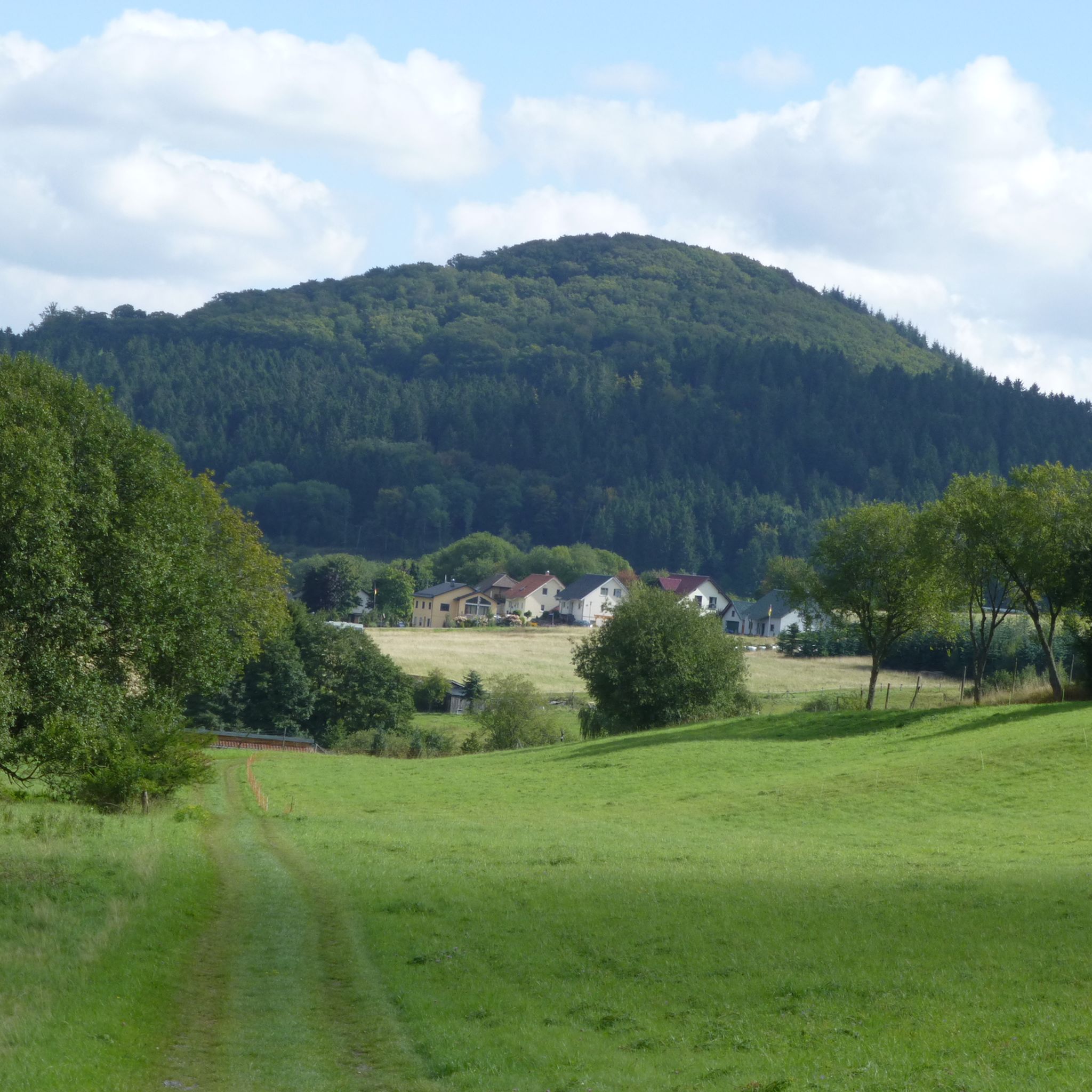
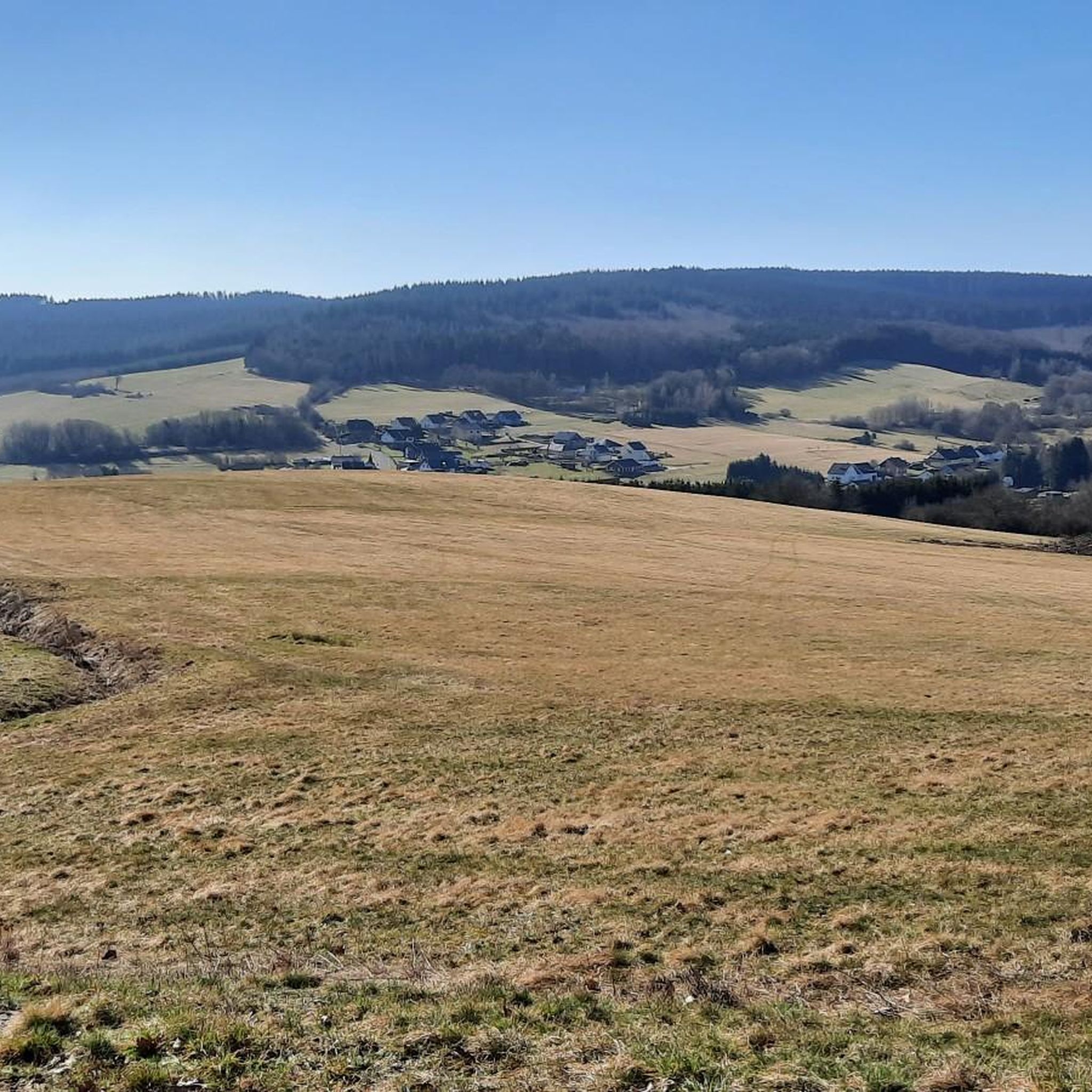
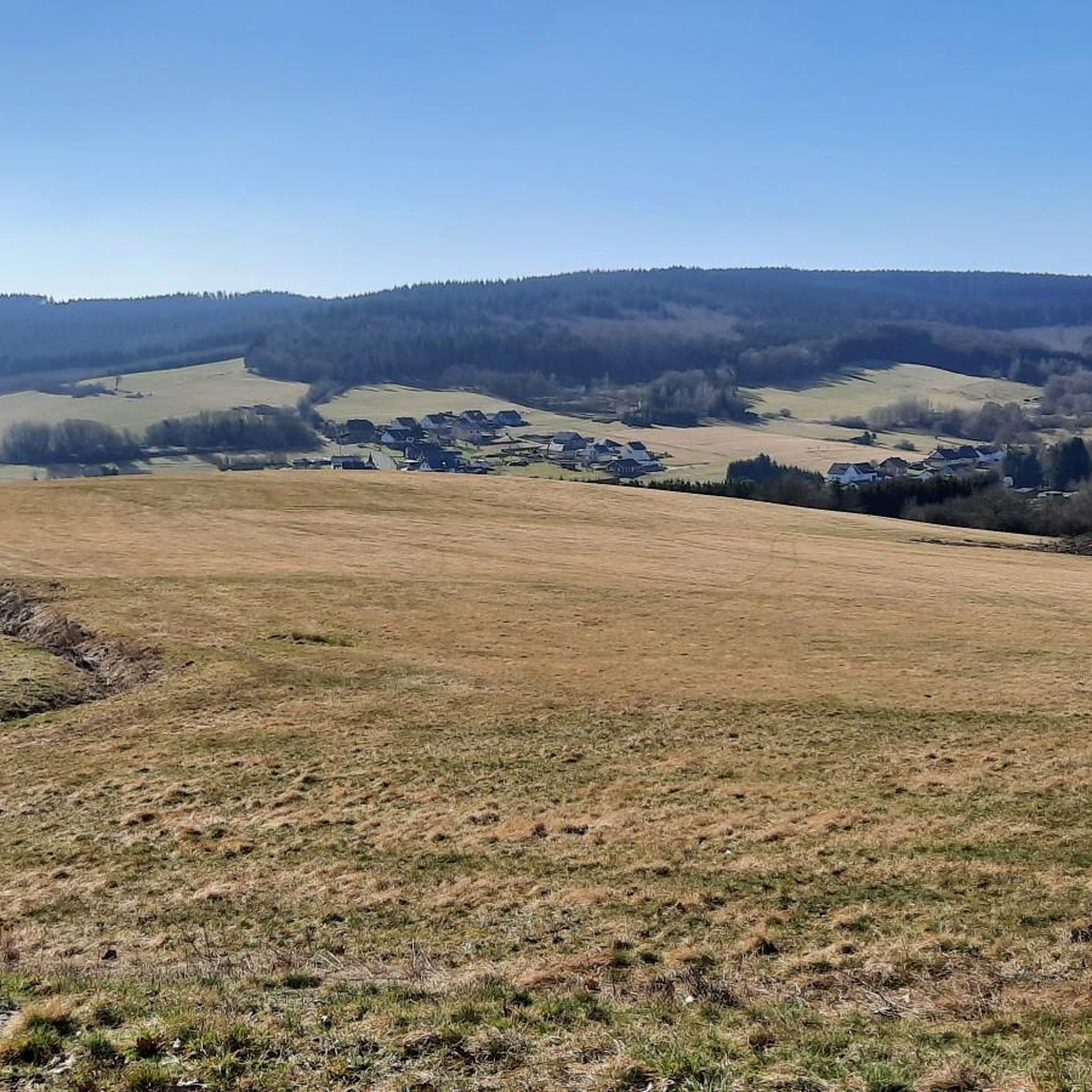
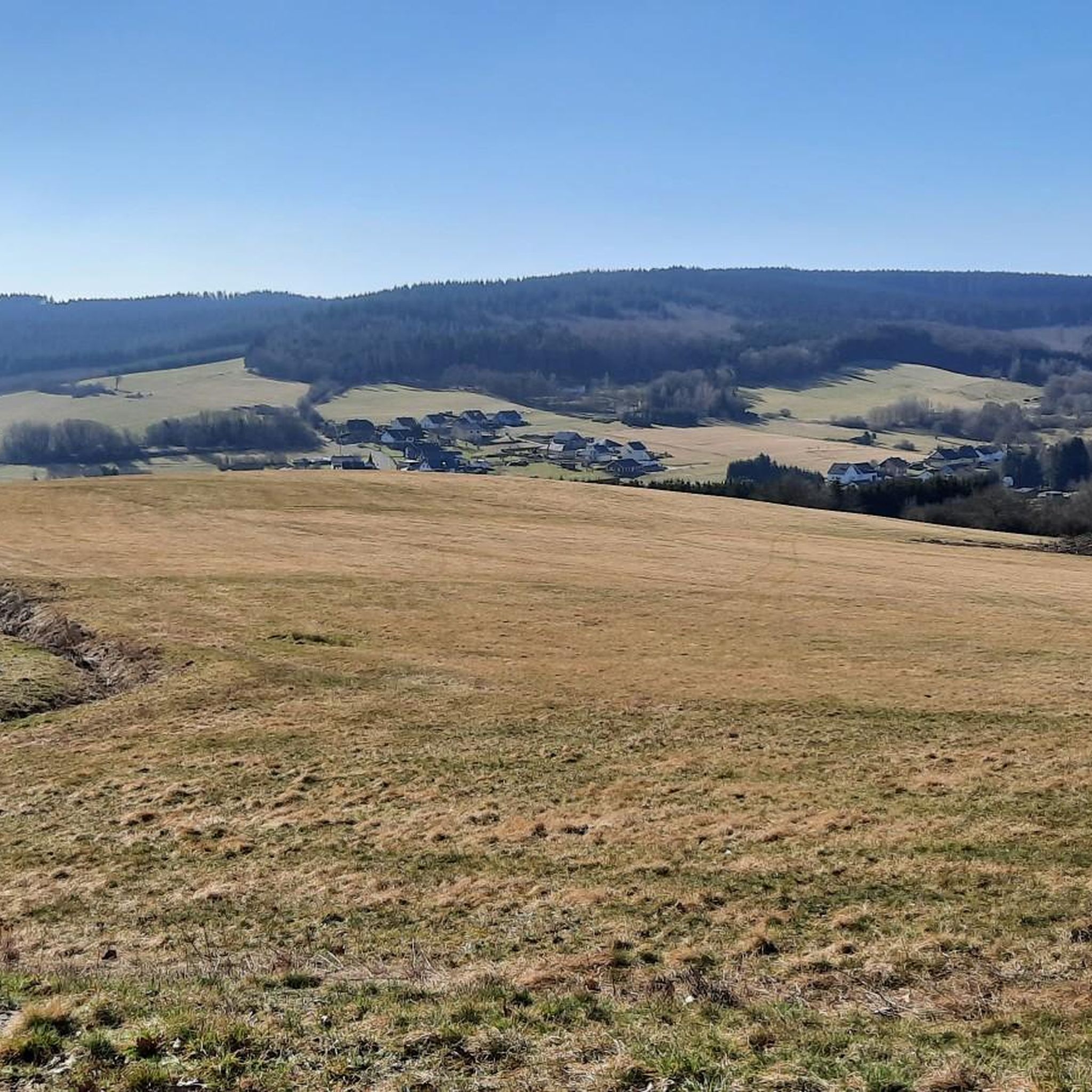
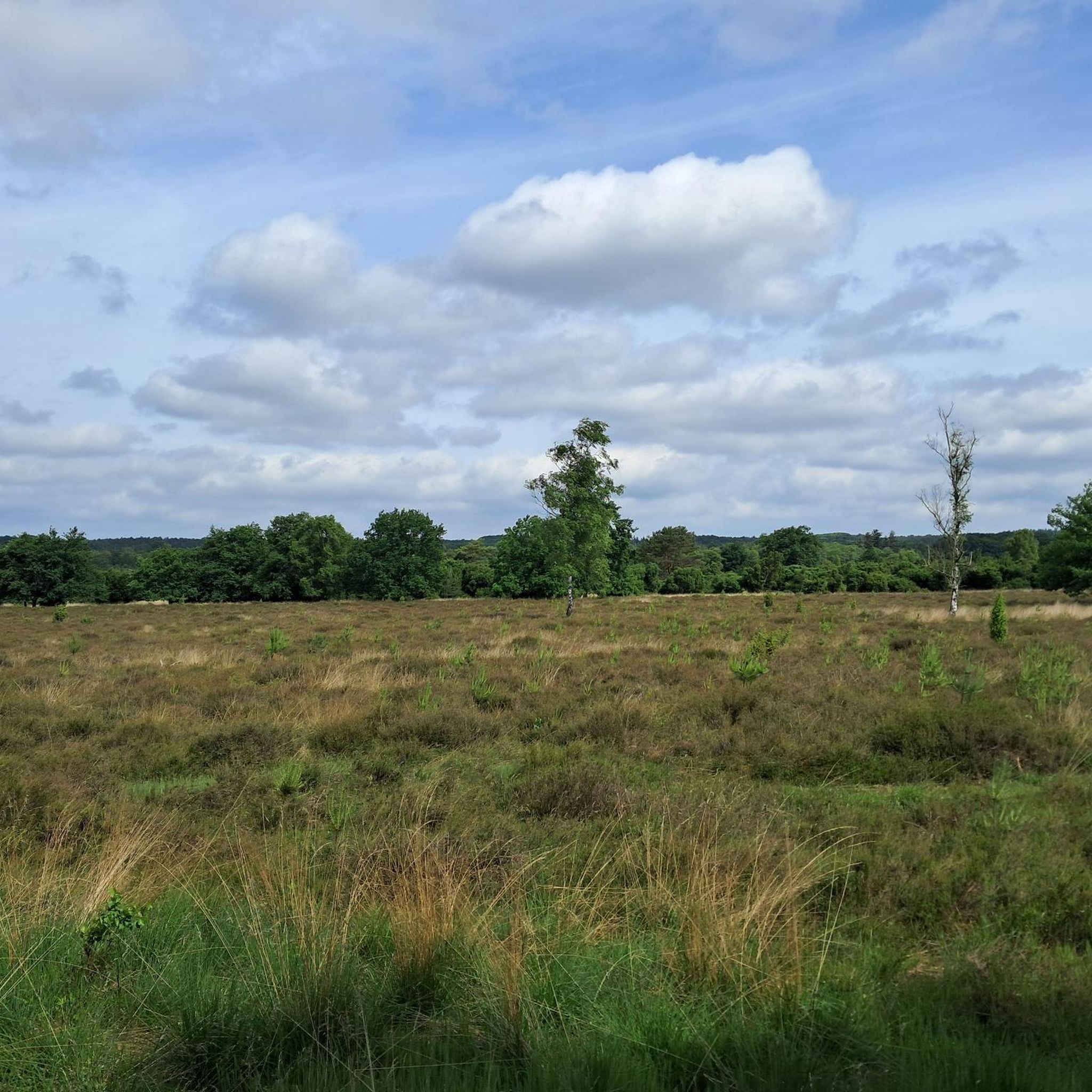
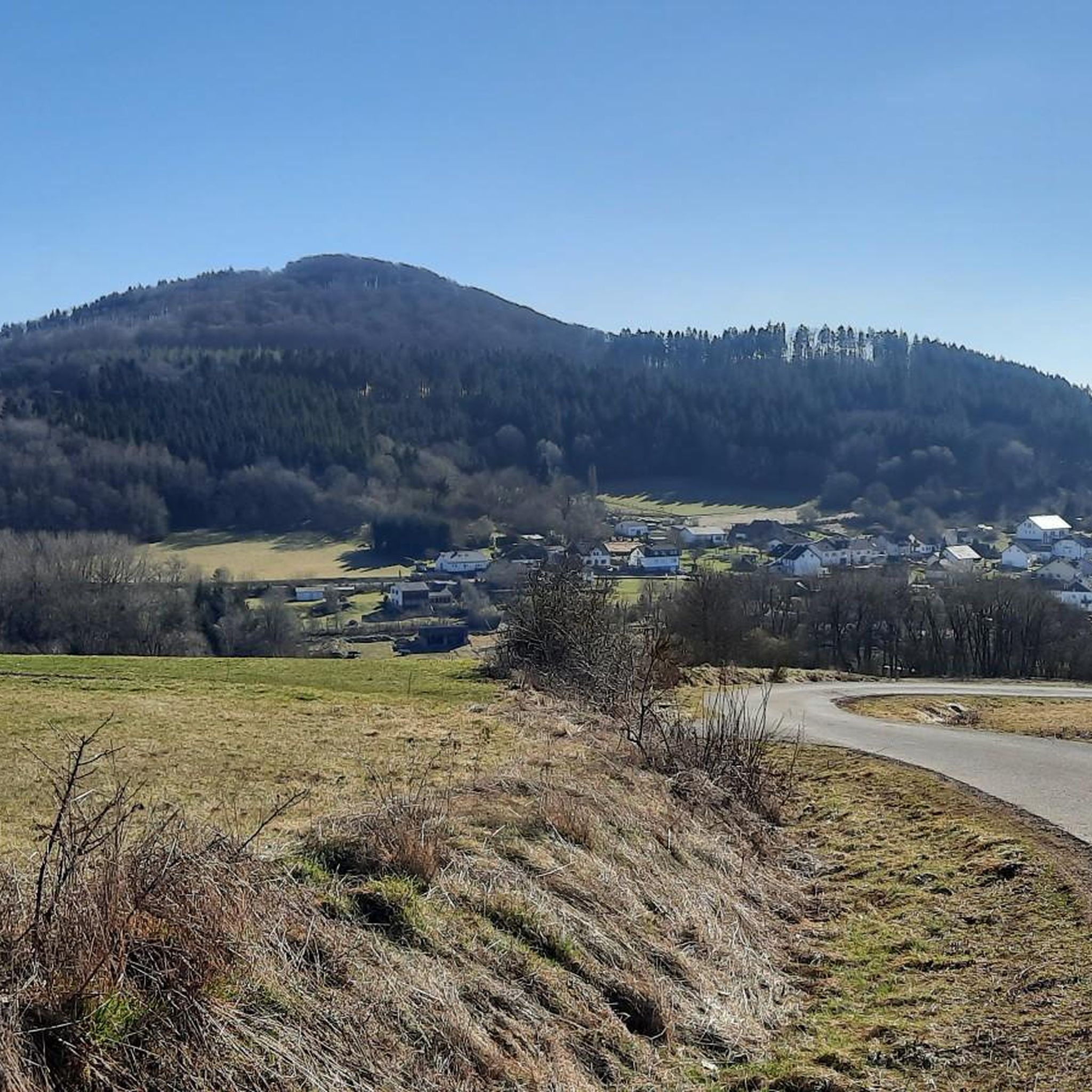
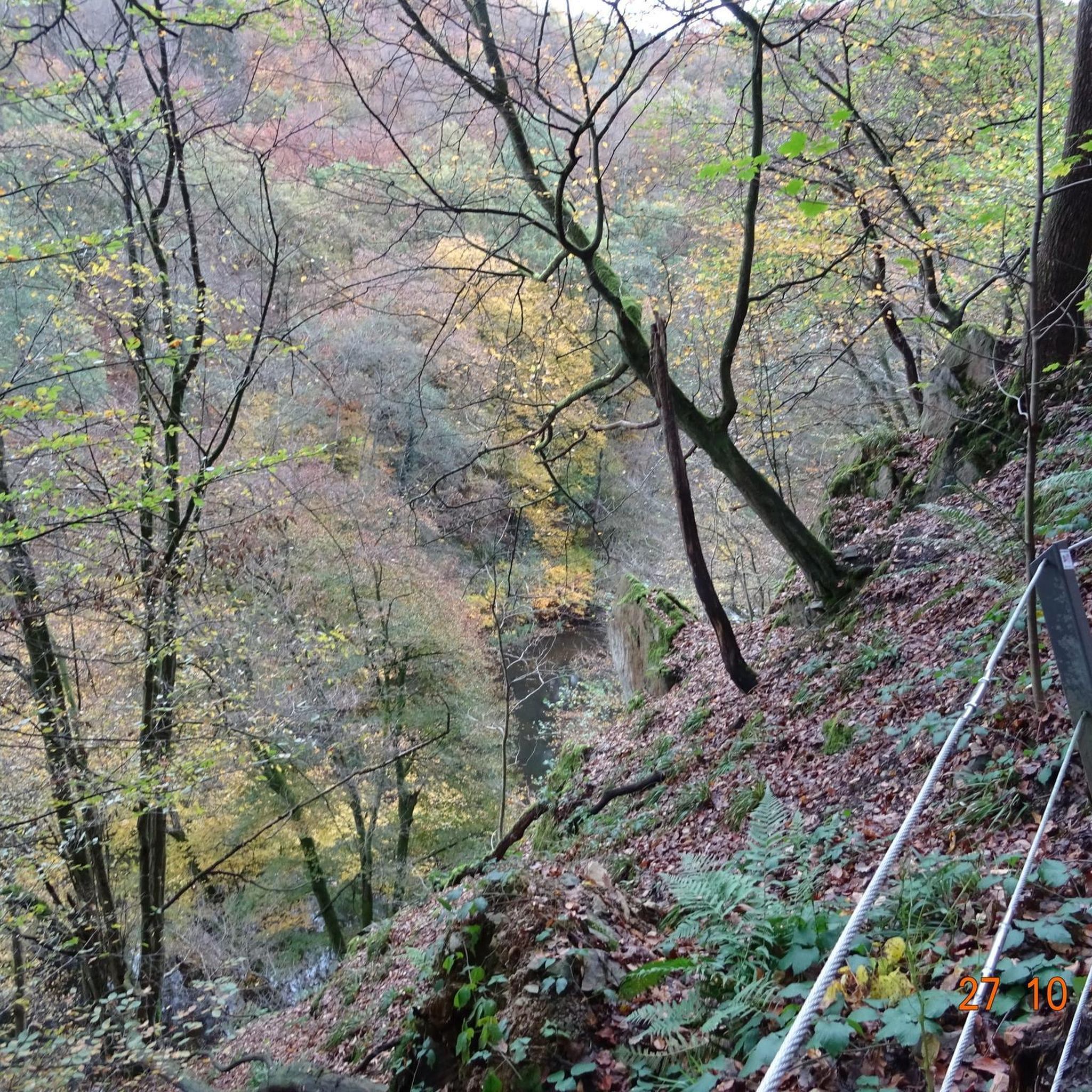
Tips from the Community

The Daun Maars - 10,000-Year-Old Volcanic Lakes The Daun Maars were formed around 10,000 years ago from volcanic steam explosions. Hot lava rises from the Earth's interior and meets water, which suddenly evaporates. This blasts away entire mountain peaks. What remains is a deep crater that fills with water over the years and a wall of boulders surrounding the lake. The Daun Maars include the Gemünden Maar, the Weinfelder Maar, and the Schalkenmehrener Doppelmaar. One crater of the Schalkenmehren Maar has silted up over the millennia. The area is a nature reserve and a refuge for waterfowl and rare dragonfly species. Text / Source: deutschland-outdoor.der https://deutschland-outdoor.de/eifel/dauner-maare
13
0
Weinfelder Maar The Weinfelder Maar, formed by volcanic activity around 20,000 to 30,000 years ago, is the highest of the three Daun Maars at 487 meters above sea level. The lake is 51 meters deep and has a diameter of 396 to 429 meters. An almost melancholic atmosphere surrounds the maar. Many legends surround the tranquil Eifel eye. A castle is said to have once stood on the site of the crater, where a count lived with his wife and only child. After returning home from a hunt, the castle had sunk as punishment for the woman's nastiness, and he found only a lake where a cradle miraculously floated his child safely to the shore. If you look at the dark surface of the water long enough, it is said that you can make out the outline of the castle. The German landscape painter Fritz von Wille was so fascinated by the Weinfelder Maar that he repeatedly immortalized it in his paintings. Among his favorite motifs was the small chapel on the north bank, dedicated to Saint Martin. It was once the parish church of the village of Weinfeld, which was ravaged by the plague in the 16th century. Anyone who rings the bells inside by pulling the ropes can make a wish. To this day, the associated cemetery is maintained and used by the local community of Schalkenmehren. This is also where its second name, Totenmaar, comes from. Donkeys and goats have been introduced to the Weinfelder Maar to regulate vegetation. The maar's unique flora and fauna are protected. Swimming and other water sports are prohibited in the Weinfelder Maar, but a nearly two-kilometer-long path makes it a wonderful place to explore on foot. Parking: Guests can park along the L64 either in the parking lot at the Weinfelder Maar or on the Maarsattel between the Weinfelder Maar and the Schalkenmehrener Maar. Text / Source: GesundLand Vulkaneifel GmbH, Leopoldstr. 9 A, 54550 Daun https://www.eifel.info/a-weinfelder-maar
13
0

Nice view with markers for orientation. The tower, which was built in 1902, is only 11m high, but stands on top of the 560m high Mauseberg and is thus 166m above the Gemünder Maar, guaranteeing a magnificent view of the surrounding area.
14
0
Beautiful view with an information board for orientation. The tower, built in 1902, is only eleven meters high, but stands at the top of the 560-meter-high Mäuseberg and is thus 166 meters above the Gemünder Maar. This guarantees a magnificent view over the surrounding area.
19
1
A section of the Eifelsteig long-distance hiking trail runs right through the Dauner Maare. Very nice path past the witnesses of the volcanic past of the Eifel. https://www.eifelsteig.de/
12
0
The hiking car park and the hiking map with an overview of the various routes are located at the Waldcafe. This is a great place to start your tour and enjoy a coffee at the end.
11
0
Very beautiful Maar, more than 100m deep embedded in the "crater", the smallest of the three Dauner Maare offers a beautiful outdoor pool and the opportunity to explore the volcanic lake by boat. The forest café and the starting point for numerous hikes and tours are also located at the car park.
15
1

There is a car park on the road above the Maare. After crossing the road, a path leads down to the Maar, from where you can hike in various directions.
7
0
Frequently Asked Questions
What are some of the most popular natural monuments to visit around Neroth?
Among the most popular natural monuments, you'll find the Buchenloch Cave, a 30-meter-long cave freely accessible to visitors. Another highly regarded spot is the Dronke Tower on the Mäuseberg, offering panoramic views of the volcanic Eifel landscape. Visitors also frequently explore the Schalkenmehrener Maar, the largest of the three Dauner Maars, known for its unique double maar formation.
Are there family-friendly natural monuments in the Neroth area?
Yes, several natural monuments around Neroth are suitable for families. The View of the Gemünden maar is family-friendly, offering opportunities for swimming and boat rentals. The Schalkenmehrener Maar and the Weinfelder Maar also feature easy circular paths that are great for families to explore the volcanic lakes.
What kind of geological features can I expect to see around Neroth?
Neroth is situated in the Volcanic Eifel region, so you'll encounter numerous geological features related to its volcanic past. These include extinct volcanoes like the Nerother Kopf, volcanic lakes known as maars (such as the Schalkenmehrener Maar, Gemünden maar, and Weinfelder Maar), and caves like the Buchenloch Cave. The landscape itself is characterized by dense forests, rolling hills, and evidence of ancient volcanic activity.
Are there any historical sites combined with natural monuments in the region?
Yes, the region offers a blend of natural beauty and history. The Nerother Kopf, an extinct volcano, is also home to the ruins of Freudenkoppe Castle, a 14th-century structure. This provides a historical dimension to the natural landscape, allowing visitors to combine hiking with exploring ancient ruins. The Buchenloch Cave is also considered a historical site, with tools and animal bones from the Ice Age found during excavations.
What outdoor activities can I do near the natural monuments in Neroth?
The area around Neroth is excellent for various outdoor activities, primarily hiking. You can find numerous routes, including moderate trails like the 'Millstone Cave – Freudenkoppe Castle Ruins loop' or the 'View of Nerother Kopf – Freudenkoppe Castle Ruins loop'. For more challenging options, consider the 'Dietzenley Observation Tower loop'. There are also mountain biking and road cycling routes available. You can explore more hiking options on the Hiking around Neroth guide.
Are there specific hiking trails that lead to or around these natural monuments?
Yes, there are several well-marked hiking trails. For instance, you can find routes that incorporate the Mühlsteinhöhle and Freudenkoppe Castle Ruins. The Dauner Maare, including the Schalkenmehrener Maar and Weinfelder Maar, have beautiful circular paths. A section of the Eifelsteig long-distance hiking trail also runs through the Dauner Maare, offering scenic paths past volcanic features. Find more details on hiking routes around Neroth.
What is the best time of year to visit the natural monuments around Neroth?
The Volcanic Eifel region is beautiful year-round. However, for hiking and outdoor activities, spring through autumn generally offers the most pleasant weather. If you plan to visit the Buchenloch Cave, note that it should not be entered between October 1st and March 31st to avoid disturbing hibernating bats.
What do visitors enjoy most about the natural monuments in Neroth?
Visitors frequently praise the impressive panoramic views, especially from spots like the Dronke Tower on the Mäuseberg. The unique volcanic landscape, including the maars and the geological insights they offer, is also a major draw. The accessibility of trails for various fitness levels and the opportunity to combine nature with historical exploration (like Freudenkoppe Castle ruins) are also highly appreciated.
Is it possible to access these natural monuments using public transport?
While specific public transport details for each monument are not provided, the region generally has public transport options connecting towns. For hiking trails, it's advisable to check local bus schedules to see if they serve trailheads or villages near the natural monuments. Many routes are accessible from Neroth itself or nearby towns.
Are there any hidden natural monuments or less-known spots worth exploring?
While the main highlights are well-known, the broader Volcanic Eifel Nature Park offers many smaller, less-trafficked natural features. Exploring the extensive network of hiking trails, such as those listed in the Hiking around Neroth guide, can lead you to serene forest paths, smaller viewpoints, and quiet corners of the volcanic landscape that are less frequented.
What should I wear when hiking to the natural monuments?
Given the diverse terrain of the Volcanic Eifel, including forests and hills, it's recommended to wear sturdy hiking shoes. Layered clothing is also advisable to adapt to changing weather conditions. If you plan to explore caves like the Buchenloch Cave, bringing a flashlight is essential as there is no artificial light inside.
Are there options for dog-friendly trails around the natural monuments?
Many hiking trails in the Volcanic Eifel region are dog-friendly, allowing you to explore the natural monuments with your canine companion. It's always a good idea to keep dogs on a leash, especially in nature reserves or areas with wildlife, and to be mindful of other hikers. Specific information on dog-friendly trails can often be found within individual route descriptions on komoot.
Most popular routes around Neroth
Most popular attractions around Neroth

Get inspired with the komoot mobile app


Explore more
Extend your search for the best caves by checking out these guides of the top ones around Neroth:
