Top 20 Natural Monuments around Drees
Natural monuments around Drees are primarily characterized by the region's volcanic history. Situated within the Volcanic Eifel, Drees is known for its unique mineral water and carbonic acid springs, locally referred to as "Dreese." These springs offer a direct connection to the geological activity of the area, with waters rich in minerals. The landscape also features diverse natural scenery, including heathlands and elevated viewpoints.
Best natural monuments around Drees
- The most popular natural monuments is Kaiser Wilhelm Tower on the…
Last updated: May 11, 2026
Kaiser Wilhelm Tower on the Hohe Acht
Highlight • Monument
Translated by Google •
Tip by

Boos Eifel Observation Tower
Highlight • Viewpoint
Translated by Google •
Tip by

Sign up now to discover places like this
Get recommendations on the best single tracks, peaks, & plenty of other exciting outdoor places.
Sign up for free
Boos Lava Bomb
Highlight • Natural Monument
Translated by Google •
Tip by

Wacholderweg Path in the Heidbüchel Nature Reserve
Highlight (Segment) • Trail
Translated by Google •
Tip by

Dr. Heinrich Menke Park Nature Reserve
Highlight • Natural Monument
Translated by Google •
Tip by
Sign up for free to discover even more natural monuments around Drees.
Sign up for free
Already have an account?
Start today with a free account
Your next adventure awaits.
Login or Signup
Tips from the Community

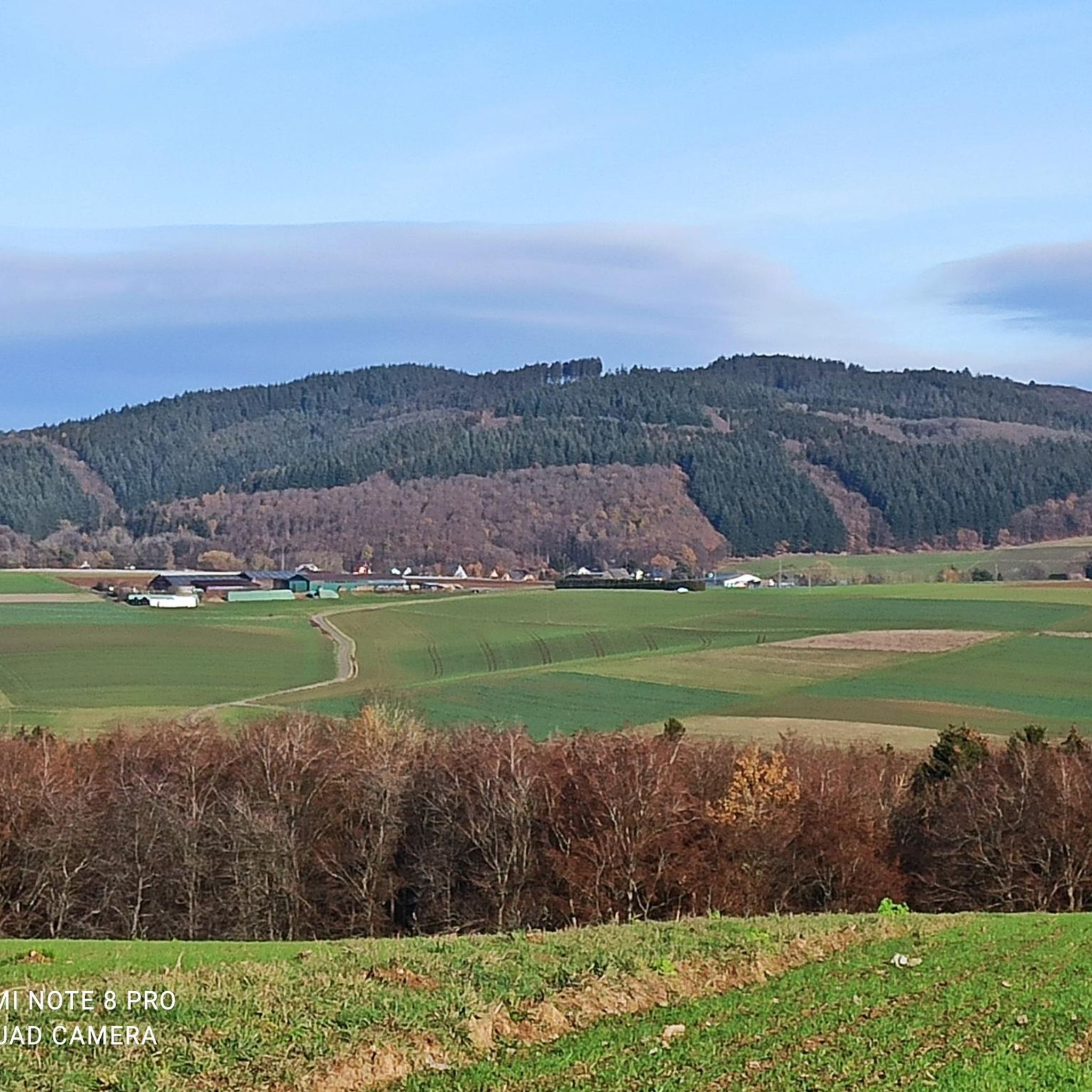
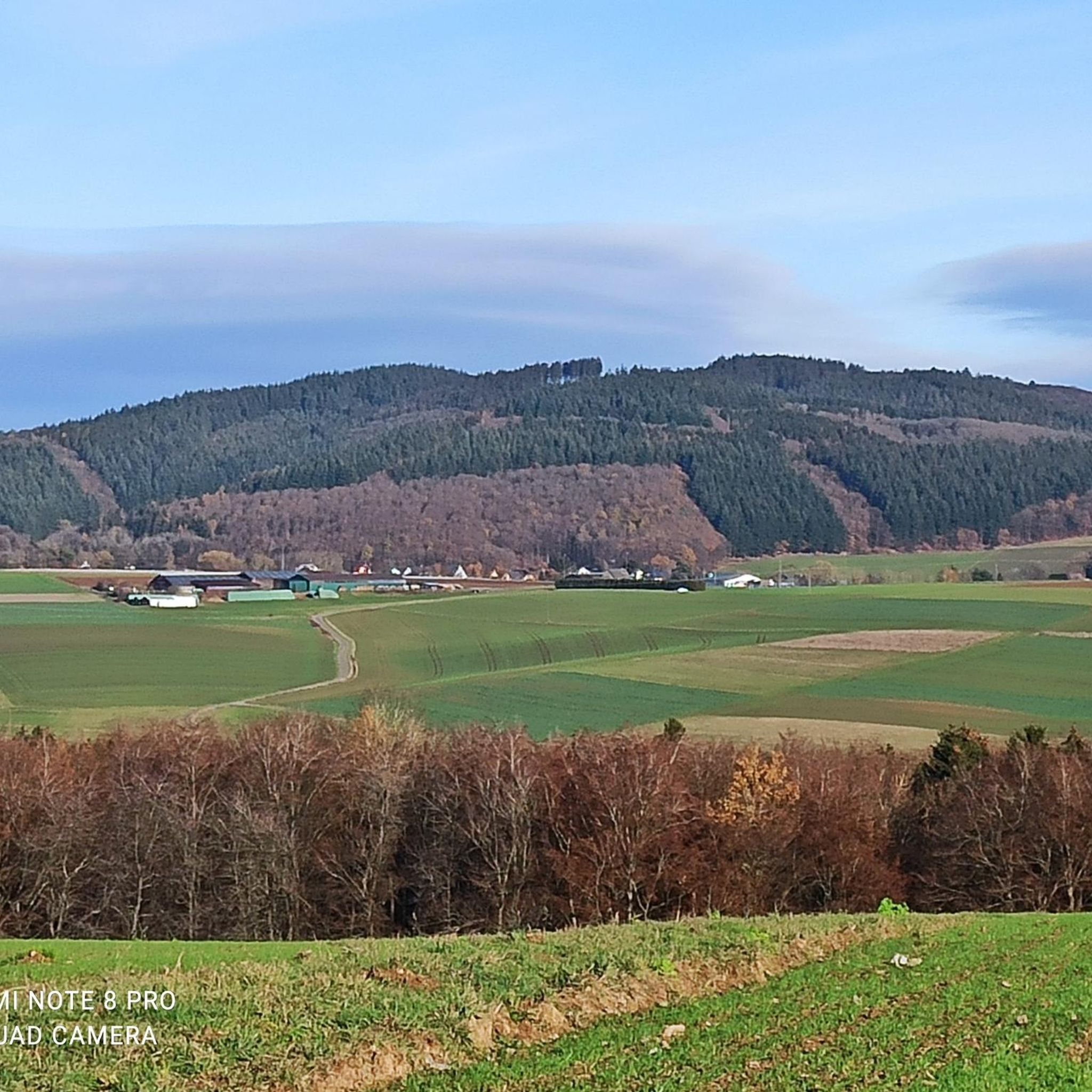
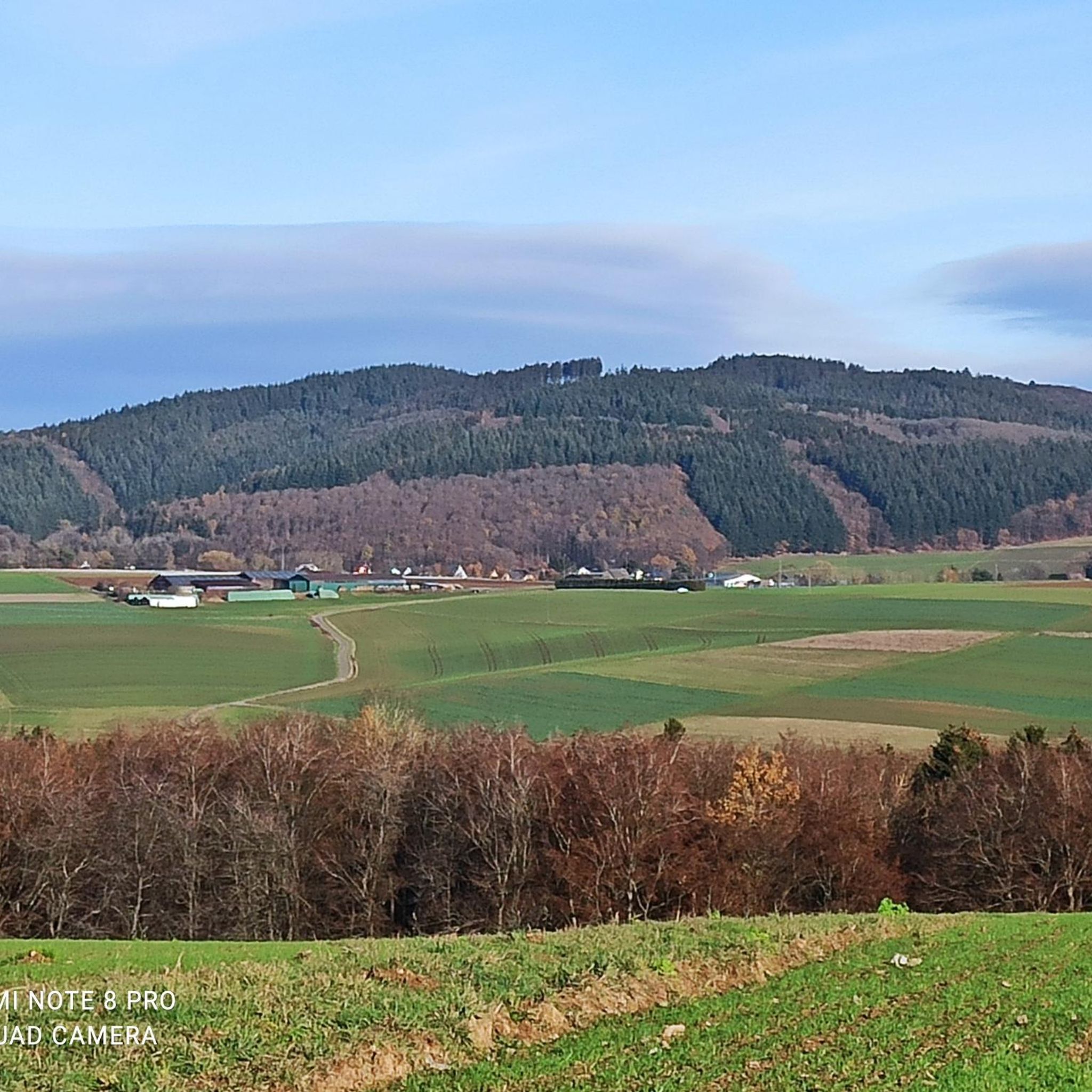
The Dr. Heinrich Menke Park is a nature reserve in the Mayen-Koblenz district in Rhineland-Palatinate. It is located in the “Rhein-Ahr-Eifel” landscape conservation area in the municipality of Arft.
3
0

The egg-shaped ejected particles are 6 cm or larger and deform the layers of earth when impacted. They are clearly visible here on the rock walls.
2
0
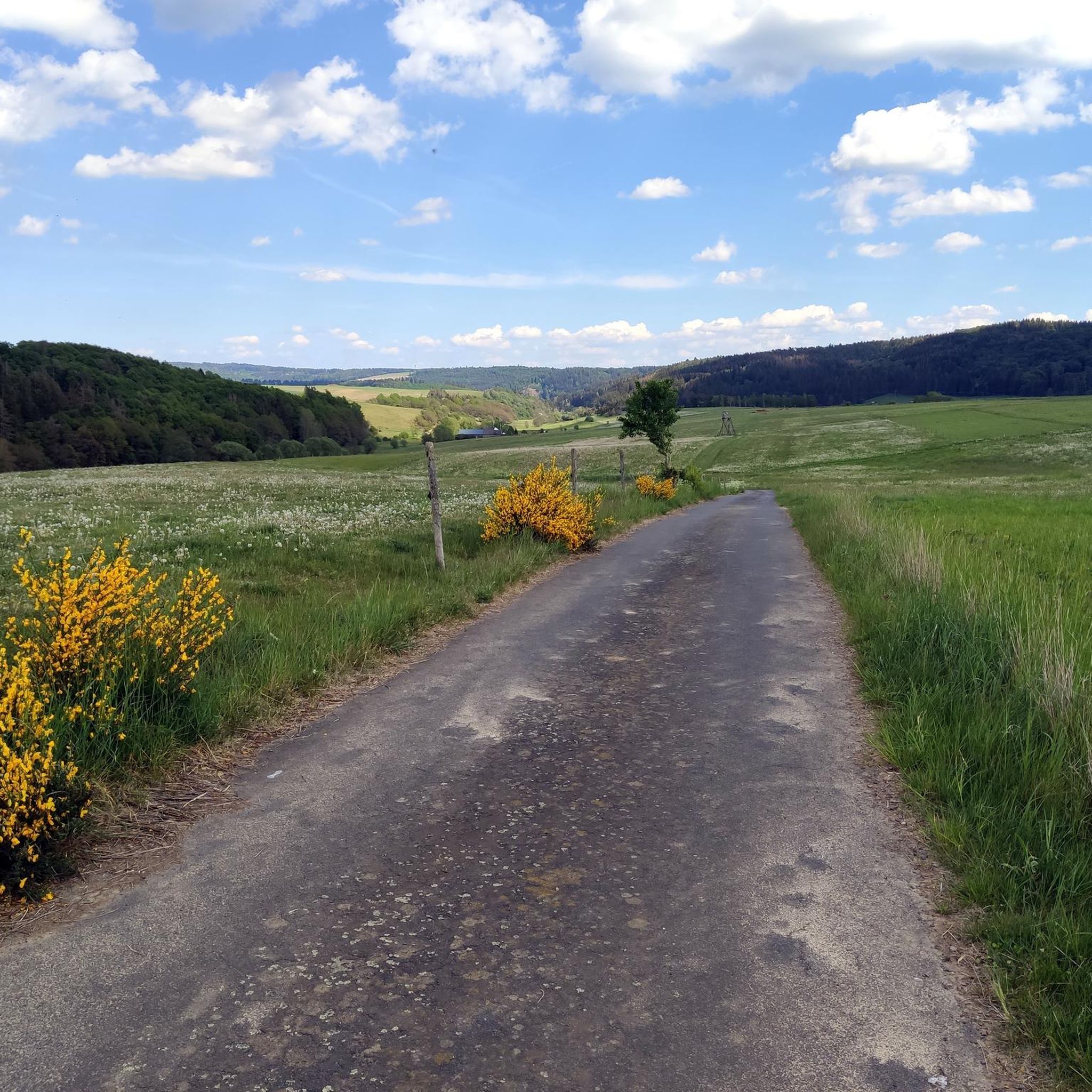
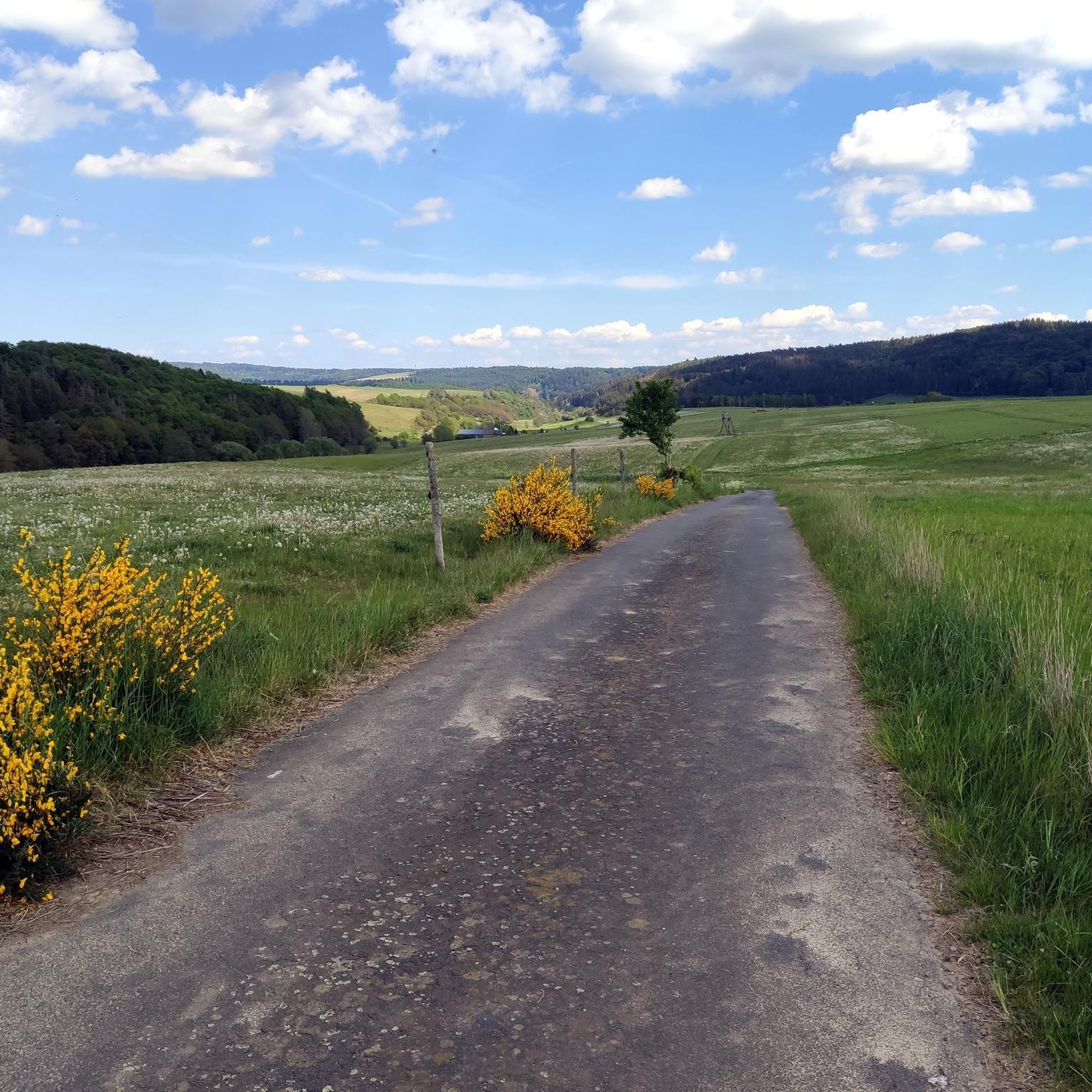
The Wacholderweg goes through the Heidbüchel nature reserve and leads over the Wabelsberg and Büschberg to the Raßberg car park. On the Wabelsberg and Büschberg, the heather between the juniper bushes is bright purple and very lush. Heather and juniper are also interspersed in other vegetation along the trail. The path leads out of the forest to the refuge.
2
0

A beautiful tower with a great view. When it's not foggy😉
13
0
Demanding ascent. Unfortunately in complete fog and without a view 🤷♂️
15
0
A beautiful and well maintained tower
12
0

Best view between Cologne and Koblenz
13
0

The dream path Langfelder Wacholderweg is an enchanting walk with always fantastic views over the Eifel landscape
2
0
Frequently Asked Questions
What are the unique geological features found among the natural monuments around Drees?
The natural monuments around Drees are primarily characterized by the region's volcanic history. You'll find unique mineral water and carbonic acid springs, locally known as "Dreese," which are a direct result of past volcanic activity. These springs offer water rich in minerals, each with its own distinct flavor. Additionally, the area features impressive lava formations and insights into the earth's geological history, such as the Boos Lava Bomb.
Are there family-friendly natural monuments to visit near Drees?
Yes, several natural monuments are suitable for families. The Boos Lava Bomb is a great example, offering explanatory panels that detail geological history in an engaging way, and the surrounding area is good for children to explore. The trails leading to the various "Dreese" (mineral springs) also offer accessible walks for families.
What kind of views can I expect from the natural monuments in the Drees area?
The region offers spectacular panoramic views. From the Kaiser Wilhelm Tower on the Hohe Acht, you can enjoy extensive vistas over the entire Eifel landscape. Similarly, the Boos Eifel Observation Tower provides great views of the Eifel, including the Nürburg and the Hohe Acht. The Dr. Heinrich Menke Park Nature Reserve also offers beautiful views of the Eastern Eifel.
What types of hiking trails are available near the natural monuments around Drees?
The Drees area, being part of the Volcanic Eifel, offers a variety of hiking trails. You can find quaint, sometimes steep, root paths through juniper bushes, such as those in the Wacholderweg Path in the Heidbüchel Nature Reserve. There are also specific hiking trails designed to lead to the 16 unique "Dreese" (mineral springs) in the GesundLand Vulkaneifel. For more options, explore the many routes available in the Hiking around Drees guide.
Are there opportunities for cycling near the natural monuments in Drees?
Yes, the region around Drees provides excellent opportunities for road cycling. You can find routes that take you through scenic landscapes and past various points of interest. For detailed routes and difficulty levels, refer to the Road Cycling Routes around Drees guide.
What is the significance of the "Dreese" mineral springs in the Drees region?
The "Dreese" are mineral water and carbonic acid springs of volcanic origin, which are a defining natural monument of the Drees region. They are a direct link to the Volcanic Eifel's geological past, with gases sometimes still welling up from the earth. The waters are rich in minerals, and visitors can taste the distinct flavors from different springs, experiencing the subtle variations in their mineral content. The Romans even recognized their value, building pipelines to transport the water.
What kind of flora and fauna can be observed in the nature reserves near Drees?
In nature reserves like the Dr. Heinrich Menke Park Nature Reserve, you can observe a rich diversity of flora and fauna. This reserve is characterized by its montane juniper heather landscape, featuring extensive juniper stands and isolated calluna heath. Special fauna includes local insects, field thrush, woodlark, goshawk, buzzard, as well as roe deer, fox, and hare. Numerous insect species, such as warty bites, spotted grasshoppers, and bluish hawk-clover, have also been observed.
What do visitors particularly enjoy about the natural monuments around Drees?
Visitors frequently highlight the stunning views, especially from elevated points like the Kaiser Wilhelm Tower on the Hohe Acht and the Boos Eifel Observation Tower. The geological insights provided by sites like the Boos Lava Bomb are also highly appreciated. Many enjoy the tranquil beauty of the heath landscapes and the unique experience of tasting the mineral-rich waters from the "Dreese" springs.
Are there running trails available near the natural monuments in Drees?
Yes, the area around Drees offers several running trails suitable for various fitness levels. You can find easy, moderate, and even some more challenging routes that allow you to explore the natural beauty of the region while jogging. For a comprehensive list of options, check out the Running Trails around Drees guide.
What is the highest point in the Eifel region near Drees, and what can I find there?
The highest elevation in the Eifel is the Hohe Acht. On its summit, you'll find the Kaiser Wilhelm Tower. This man-made monument offers extensive views over the Eifel landscape and is a popular landmark in the Hocheifel region. It's a great spot for orientation and enjoying the vast scenery.
Can I learn about the earth's history at the natural monuments near Drees?
Absolutely. The Boos Lava Bomb is an excellent place to learn about the earth's geological past. It features explanatory panels that provide insight into the shifting of soil layers and the volcanic activity that shaped the region. The entire Volcanic Eifel area, with its "Dreese" springs and lava formations, serves as a living museum of geological processes.
Most popular attractions around Drees

Get inspired with the komoot mobile app


Explore more
Extend your search for the best caves by checking out these guides of the top ones around Drees:
