Top 20 Natural Monuments around Gunderath
Best natural monuments around Gunderath are found within the volcanic Eifel region of Germany, characterized by its unique geological formations. The area features maars, which are volcanic lakes, and captivating waterfalls, showcasing the powerful natural forces that shaped the landscape. These natural features offer diverse opportunities for exploration, from tranquil hikes around ancient craters to observing impressive geological wonders. The region's natural heritage provides a rich environment for outdoor activities and appreciating Earth's history.
Best natural monuments around Gunderath
- The…
Last updated: May 11, 2026
The Rausch Waterfall
Highlight • Waterfall
Showing Translation
Tip by

Boos Eifel Observation Tower
Highlight • Viewpoint
Translated by Google •
Tip by

Sign up now to discover places like this
Get recommendations on the best single tracks, peaks, & plenty of other exciting outdoor places.
Sign up for free
Boos Lava Bomb
Highlight • Natural Monument
Translated by Google •
Tip by

Ulmener Maar
Highlight • Lake
Translated by Google •
Tip by

Upper Castle of Ulmen
Highlight • Castle
Translated by Google •
Tip by

Sign up for free to discover even more natural monuments around Gunderath.
Sign up for free
Already have an account?
Start today with a free account
Your next adventure awaits.
Login or Signup
Tips from the Community

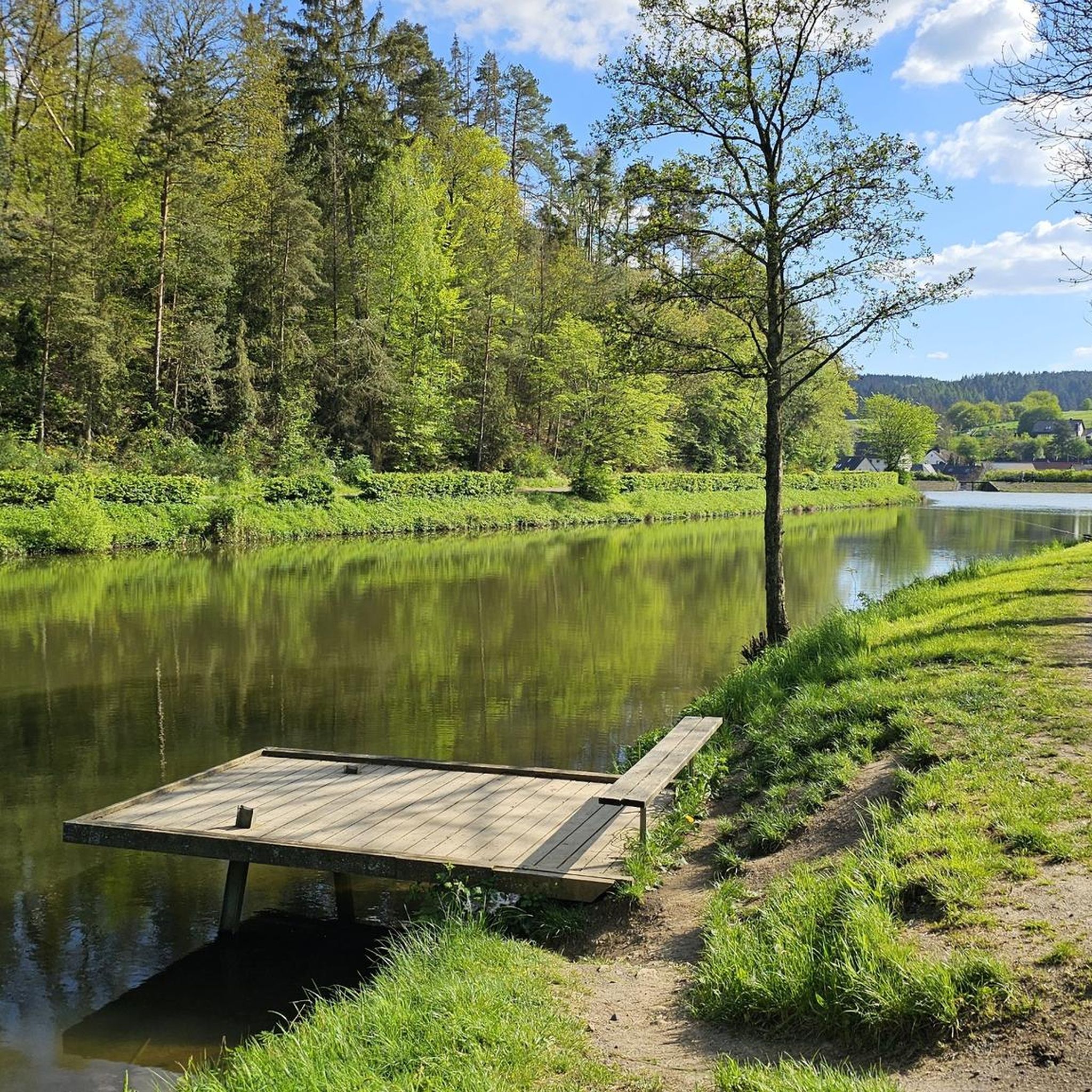
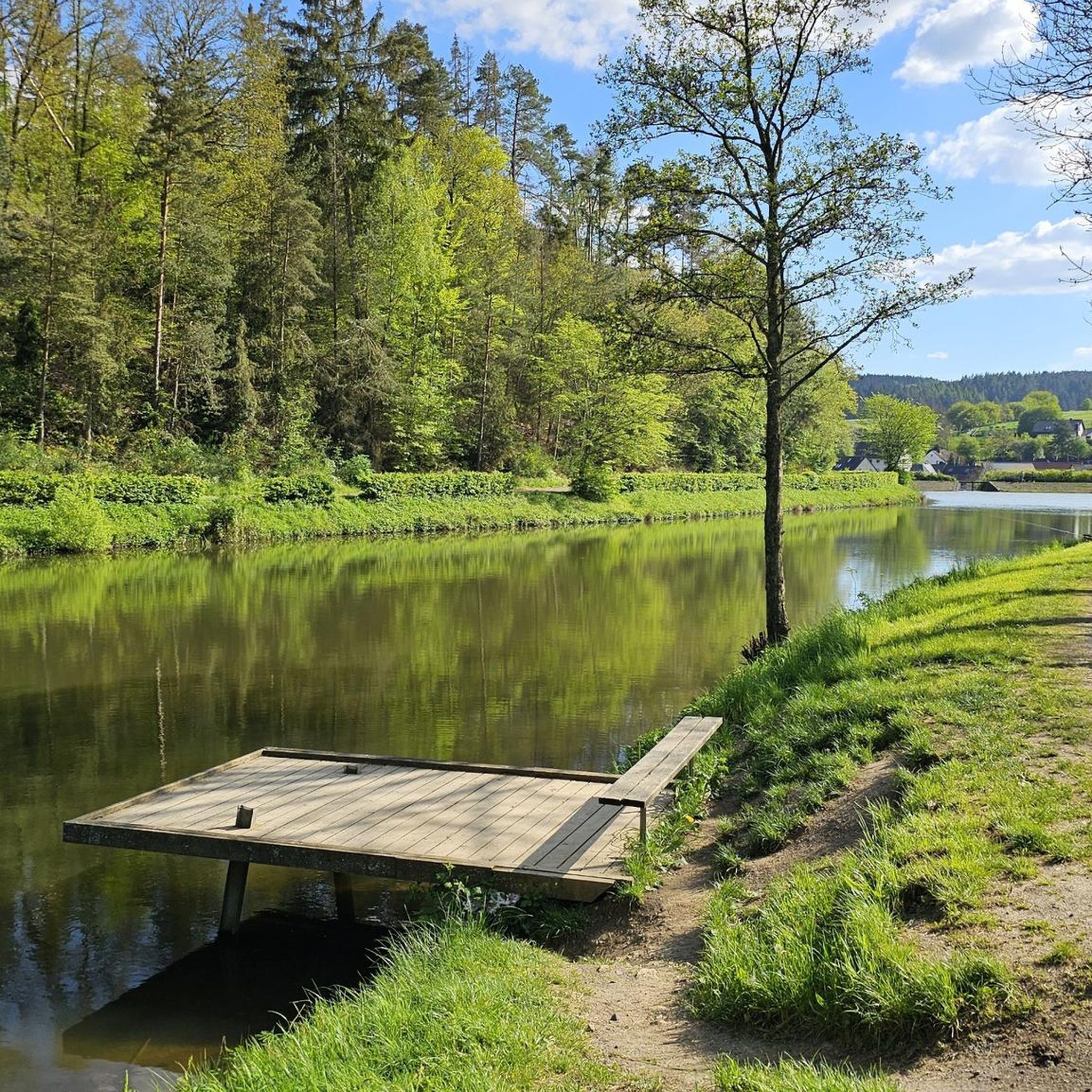
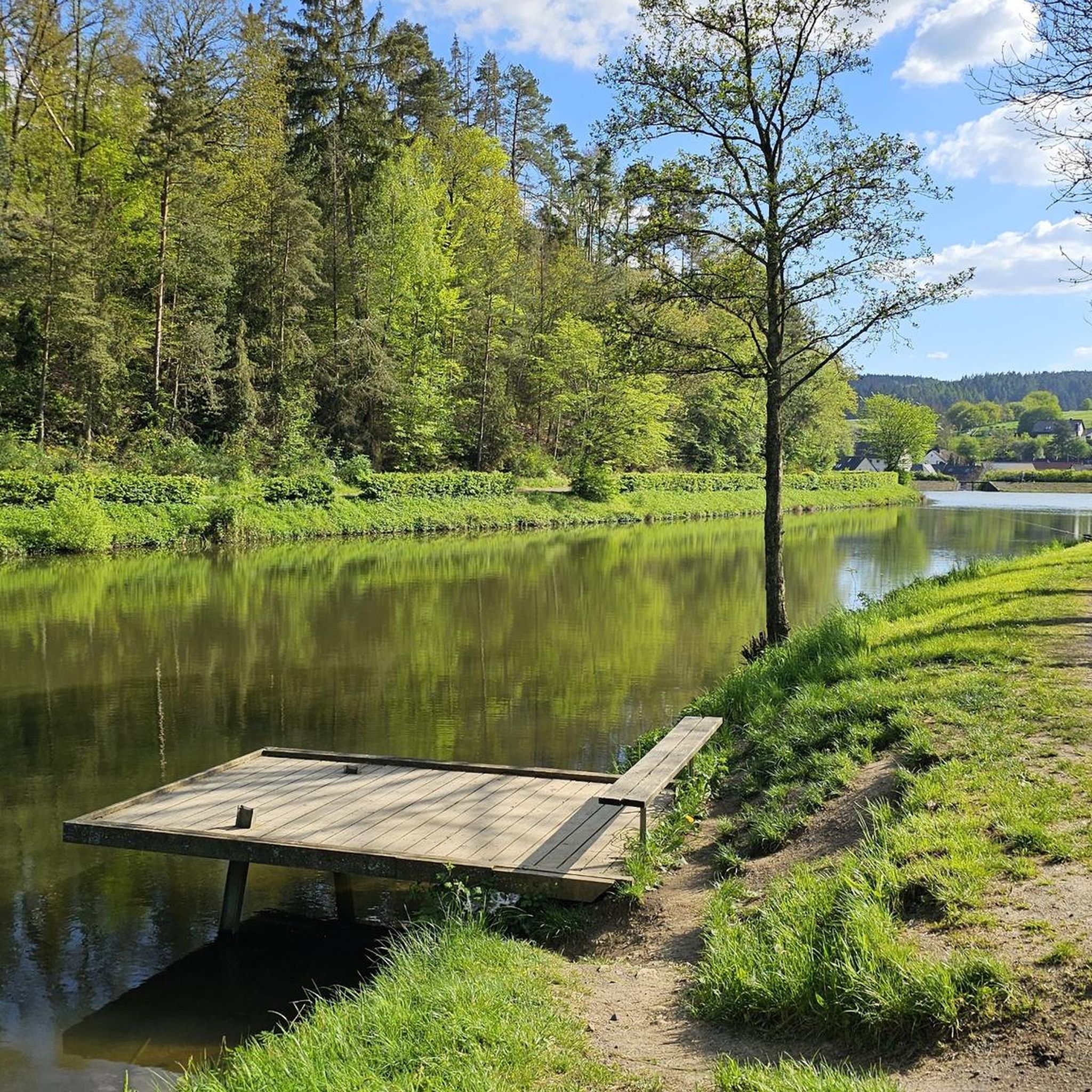
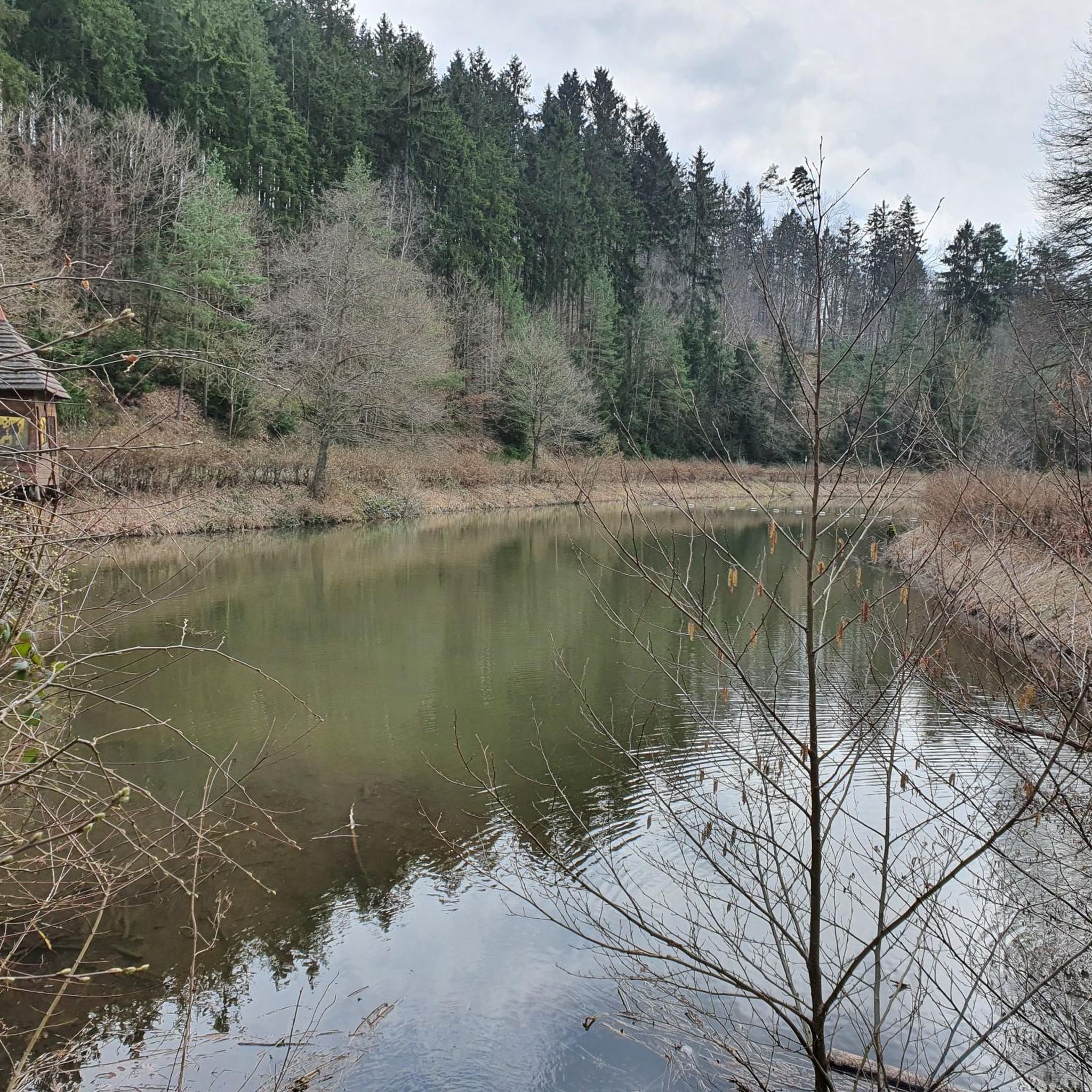
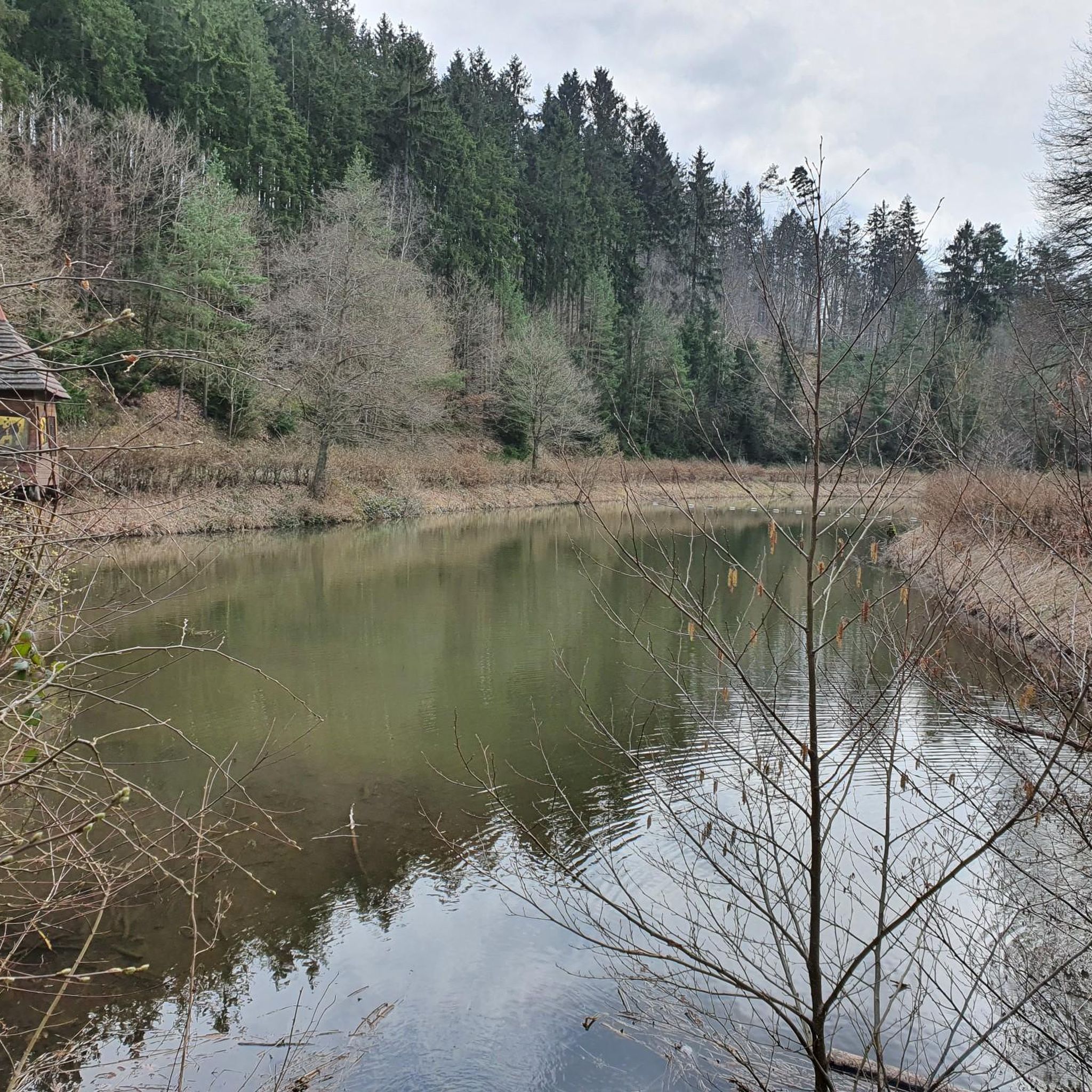
The Ulmen Maar lies 420 meters above sea level today, covers an area of 5.5 hectares, and is 36 meters deep. The bubbles at the maar's edge demonstrate that volcanism is still active. They bear witness to a turbulent past—but rest assured, there's no eruption in sight! A wall of various rocks and ash, up to 20 meters thick, surrounds the cone. For those interested, these testimonies to this explosive past are beautifully displayed in St. Matthias Church. This unique wall, with its different colored layers and rounded inclusions, is worth seeing for more than just geologists. The slopes of the maar basin are covered with a beautiful forest, which can be explored on a circular walk. A detour to the medieval castle ruins, from which the Crusaders once launched their campaigns, is recommended. The view from the crater rim over the maar and the Eifel beyond will take your breath away. Whether after a sweaty hike or a long drive, the blue of the Ulmer Eifel lake is all too tempting in summer. However, bathing in the maar is prohibited because it is designated as a nature and water protection area.
6
0
The lower castle has completely disappeared. You can still see the beginning of the ring that connected the lower castle and the Ulmen city wall, a two-story outer wall of the palace, as well as a cistern and some foundation walls of other buildings. The old part of Ulmen Castle was built around 1074 AD and likely rests on the remains of a Roman settlement. In the Middle Ages, Ulmen Castle was further expanded and divided into the upper castle, whose remains of the walls still exist, and the lower castle, which extended to the banks of the maar river. Two knightly families lived in the castle, which is believed to have never been attacked or destroyed until 1673 due to its size. Only the Sun King's troops succeeded. It was rebuilt, but fell again in 1689 during the War of the Succession. However, Ulmen Castle was also rebuilt this time, with only the city wall being abandoned. With the invasion of Napoleon's soldiers, Ulmen also became French and later Prussian. The empty castle, whose last descendant died in 1801, was auctioned to a merchant from Cochem, who sold it as a quarry. When a devastating fire burned Ulmen to the ground in the 19th century, the residents of Ulmen rebuilt their houses with stones from the castle. That's why you can still see a coat of arms on some of the stables today. It wasn't until the early twentieth century that Ulmen Castle was declared a listed building and became the property of the municipality of Ulmen. The castle is always freely accessible.
7
0

The Ulmener Maar is small but beautiful. Located in the middle of the Eifel and in the middle of the city, it is a wonderful destination. You can easily combine a walk around the maar with a walk around the neighboring Jungferweiher. Both have recently been connected by the Ulmener Maar tunnel, which runs under the A 48 motorway.
5
0

The egg-shaped ejected particles are 6 cm or larger and deform the layers of earth when impacted. They are clearly visible here on the rock walls.
2
0

A visit is worthwhile both in summer and in winter. However, the Ulmener Maar is a nature reserve, which is why bathing is strictly forbidden here!
1
0

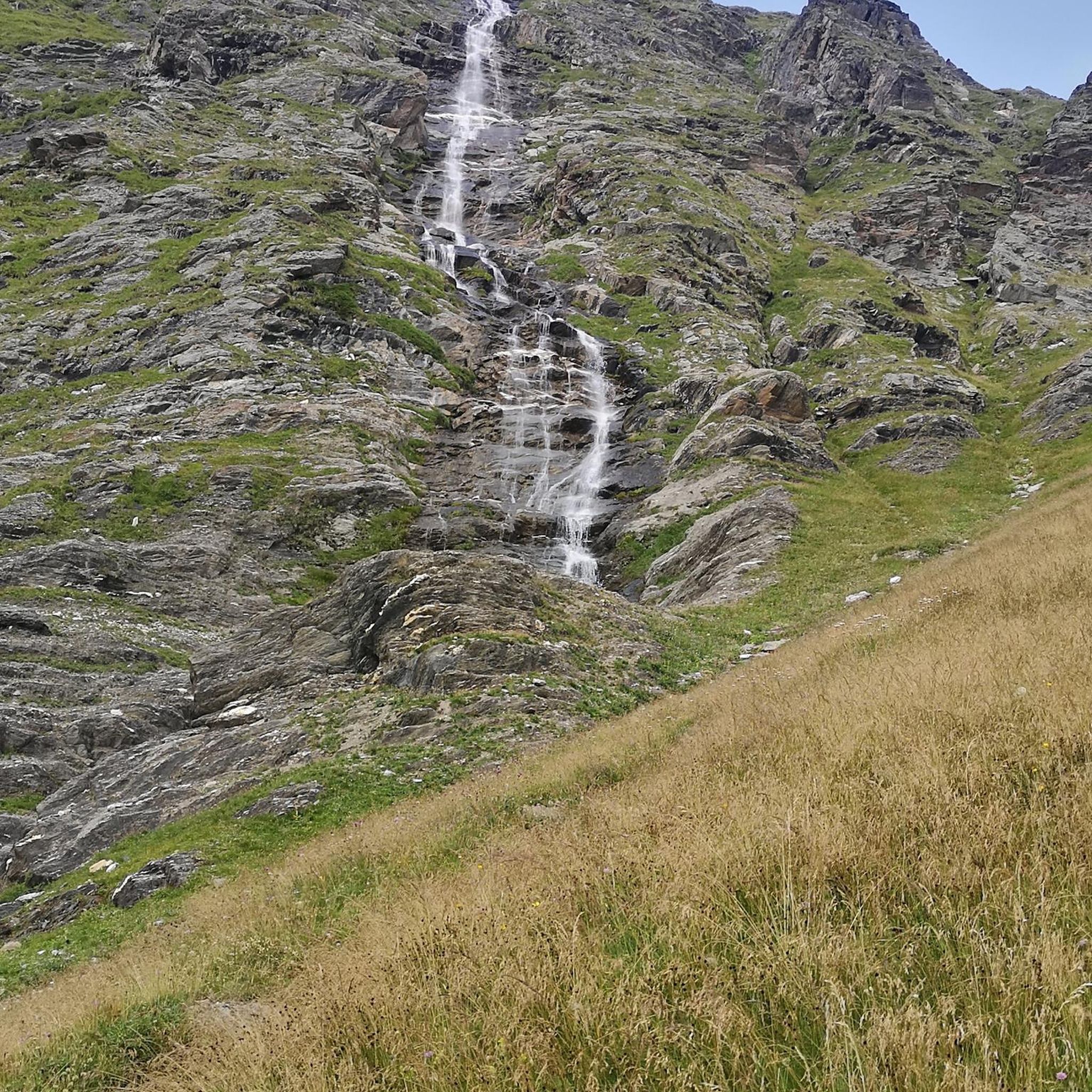
Here the Endertbach falls 7 meters to the valley. The waterfall, the so-called "Rausch", is next to the old mills the most beautiful highlight of our hike through the Enderttal. Really worth seeing.
6
0
The upper castle was built on a slope above the Ulmen maar, while the lower castle (also called lower castle) was adjacent but below it. The exact time of construction is not known, but it is assumed that the upper castle was built around the year 1000. It was first mentioned in a document in 1074. The ruins of the upper castle are owned by the municipality of Ulmen and in 1913 were listed as a historical monument. It is freely accessible and there are regular events on its premises, including an annual medieval market on the last weekend in June. Source: Wikipedia
6
0

Beautiful waterfall in the valley. Nice place to take a break.
7
0
Frequently Asked Questions
What unique geological features can I explore around Gunderath?
The region around Gunderath, part of the volcanic Eifel, is rich in unique geological formations. You can explore maars, which are volcanic lakes, and impressive lava bombs. For instance, the Boos Lava Bomb offers a direct insight into the powerful volcanic forces that shaped the Eifel, with explanatory panels detailing its formation.
Are there any natural monuments suitable for families with children?
Yes, several natural monuments are family-friendly. The Boos Lava Bomb is an interesting educational stop for all ages. Additionally, the Gemündener Maar, while not listed in the highlights, is a popular recreational spot where swimming and boat rentals are available, making it ideal for families seeking active leisure in a natural setting.
What kind of outdoor activities can I do near the natural monuments?
The area around Gunderath offers a variety of outdoor activities. You can find numerous running trails, such as the 'Lake Heilbach – Heilbachsee loop from Gunderath', or explore road cycling routes like the 'Geisberg – Bergkrone Mine Tunnel loop'. For mountain biking enthusiasts, there are trails like the 'Heilbachsee – Monreal Historic Old Town loop'. You can find more details on these activities in the Running Trails around Gunderath, Road Cycling Routes around Gunderath, and MTB Trails around Gunderath guides.
Where can I find a picturesque waterfall in the region?
The Rausch Waterfall in the Enderttal is a small but picturesque waterfall, featuring a single drop of approximately 6 to 7 meters. It's a scenic stop for hikers, especially after rainfall when the water flow is stronger, and is part of the popular 'Wild Endert Valley Trail'.
Are there any historical sites combined with natural monuments?
Yes, the Ulmener Maar is a meromictic lake with significant historical context. On its southern edge, you can find the ruins of a knight's castle from the 11th century, offering a beautiful view of Ulmen. This combination of a volcanic maar and historical ruins makes for a fascinating visit.
What do visitors particularly enjoy about the natural monuments in this area?
Visitors appreciate the unique geological insights and the serene beauty of the region. For example, the explanatory panels at the Boos Lava Bomb are highly valued for providing a good understanding of the area's volcanic history. Many also enjoy the tranquil atmosphere and opportunities for relaxation, such as at the Rausch Waterfall.
Can I swim in any of the maars around Gunderath?
While the Weinfelder Maar is under nature protection and swimming is prohibited, the Gemündener Maar, one of the three Daun Maars, does permit swimming. It features an outdoor pool, a large sunbathing area, and boat rentals, making it a popular spot for water activities.
Are there good viewpoints to observe the Eifel landscape?
Absolutely. The Boos Eifel Observation Tower offers fantastic panoramic views of the Eifel, including sights like the Nürburg and the Hohe Acht. Additionally, the Dronke tower, located near the Weinfelder Maar and Gemündener Maar, provides excellent views over the vast Eifel landscape and these volcanic lakes.
What is the significance of the Weinfelder Maar?
The Weinfelder Maar, also known as Totenmaar, is the deepest and highest of the three Daun Maars. It holds significant geological and cultural importance, formed by volcanic activity thousands of years ago. A small chapel dedicated to St. Martin on its north bank, once a parish church, adds to its historical charm. Its unique flora and fauna are protected, making it a tranquil setting for hiking and appreciating pristine nature.
What is the best time of year to visit the natural monuments around Gunderath?
The natural monuments around Gunderath can be enjoyed throughout the year. Spring and autumn offer pleasant temperatures for hiking and exploring the volcanic landscapes, with vibrant foliage or blooming nature. Summer is ideal for recreational activities at maars where swimming is permitted, like the Gemündener Maar. Even in winter, the Eifel offers unique, tranquil experiences, though some trails might require appropriate gear.
Are there any less crowded natural monuments in the Gunderath area?
While popular spots like the Gemündener Maar can attract crowds, areas like the Weinfelder Maar offer a more tranquil experience due to its nature protection status which prohibits water sports. Exploring the smaller trails around the Ulmener Maar or the less frequented paths in the 'Strohn Switzerland' area around the Strohn Lava Bomb can also provide a more secluded natural encounter.
Can I bring my dog to the natural attractions?
Many natural attractions in the Eifel region are dog-friendly, especially hiking trails and outdoor areas. It's generally advisable to keep dogs on a leash to protect wildlife and ensure the safety of other visitors. Specific rules may apply to nature protection areas like the Weinfelder Maar, so always check local signage. The trails around the maars and the Rausch Waterfall are generally suitable for walks with dogs.
Most popular routes around Gunderath
Most popular attractions around Gunderath

Get inspired with the komoot mobile app


Explore more
Extend your search for the best caves by checking out these guides of the top ones around Gunderath:
