Top 20 Natural Monuments around Matzerath
Best natural monuments around Matzerath are found in the Eifel region, a landscape known for its diverse natural features. Matzerath, a municipality in Rhineland-Palatinate, Germany, serves as a gateway to these attractions. The area offers a variety of natural landmarks, from ancient forests to unique geological formations. Visitors can explore the natural beauty and varied terrain of the Eifel.
Best natural monuments around Matzerath
- The most popular natural monuments is Mariensäule Waxweiler, a man-made monument and natural monument that…
Last updated: June 24, 2026
Alfbach Valley
Highlight • River
Translated by Google •
Tip by

Mariensäule Waxweiler
Highlight • Monument
Translated by Google •
Tip by

Sign up now to discover places like this
Get recommendations on the best single tracks, peaks, & plenty of other exciting outdoor places.
Sign up for free
Prüm Explosion Crater and Memorial Cross on Kalvarienberg
Highlight • Monument
Translated by Google •
Tip by

Wild Garlic Fields in Naturpark Hohes Venn-Eifel
Highlight • Forest
We were just amazed at the wild garlic blossom, now it really knocks us off the pedestal: …
Translated by Google •
Tip by

Hohl-Ley Cave
Highlight • Cave
Translated by Google •
Tip by

Sign up for free to discover even more natural monuments around Matzerath.
Sign up for free
Already have an account?
Start today with a free account
Your next adventure awaits.
Login or Signup
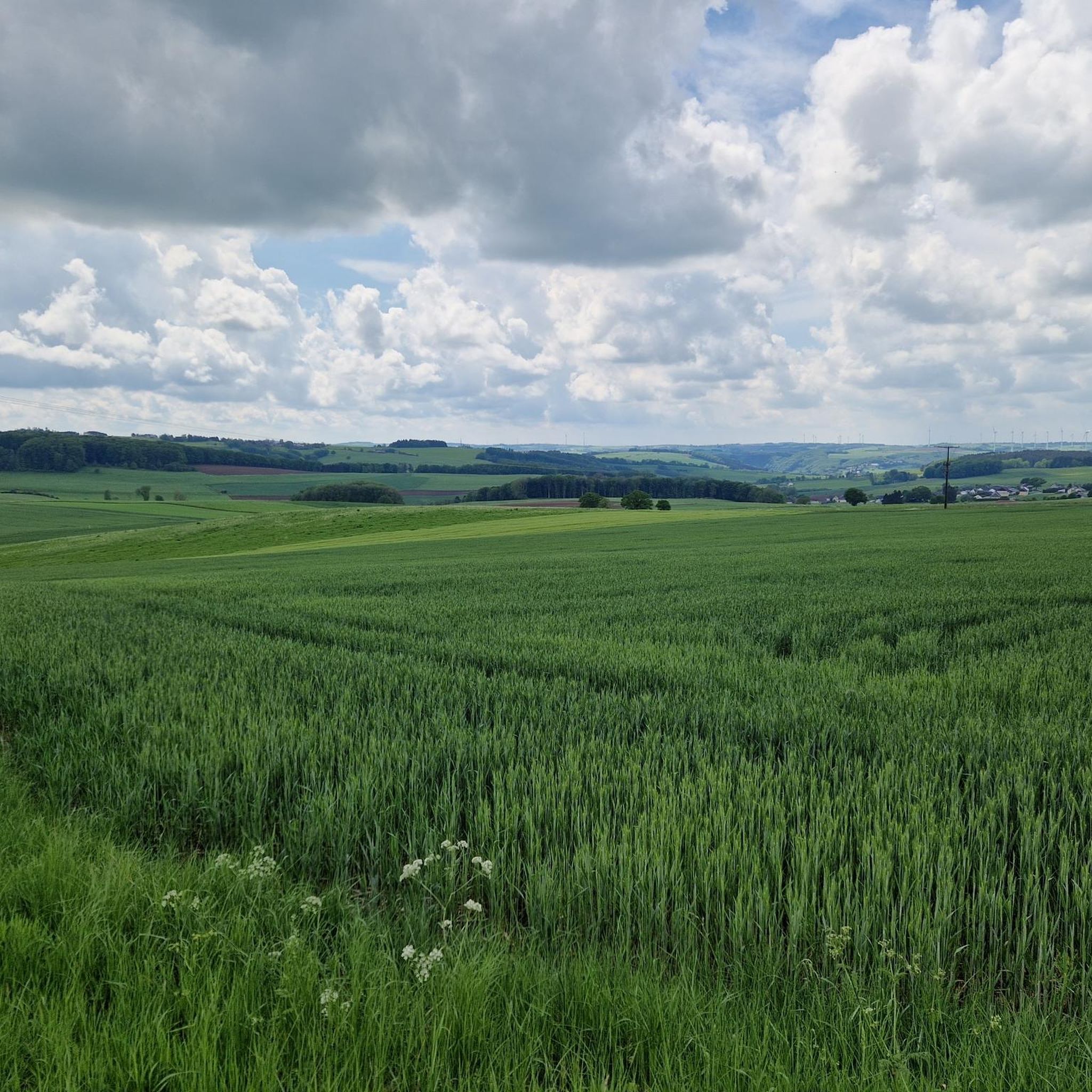

Tips from the Community

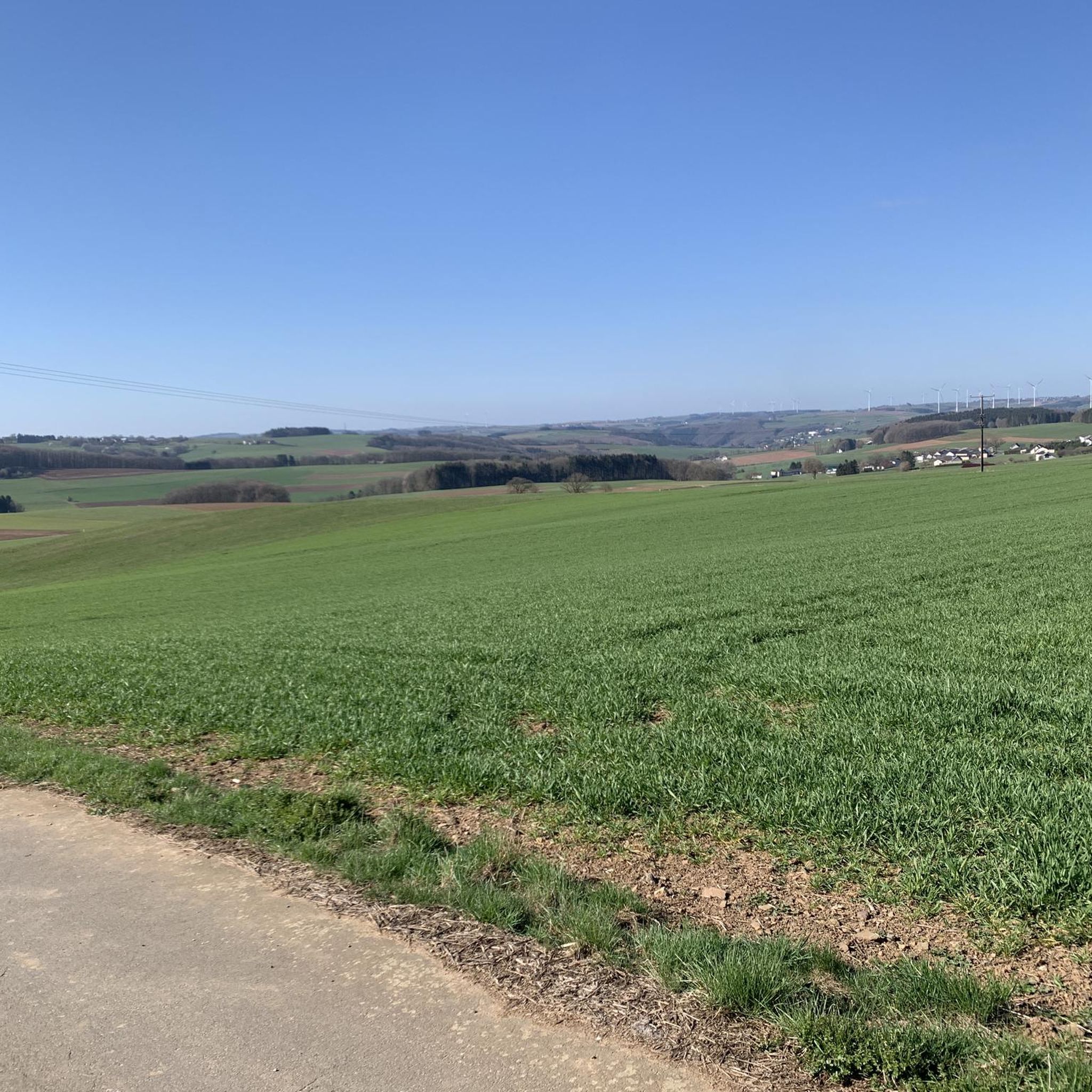
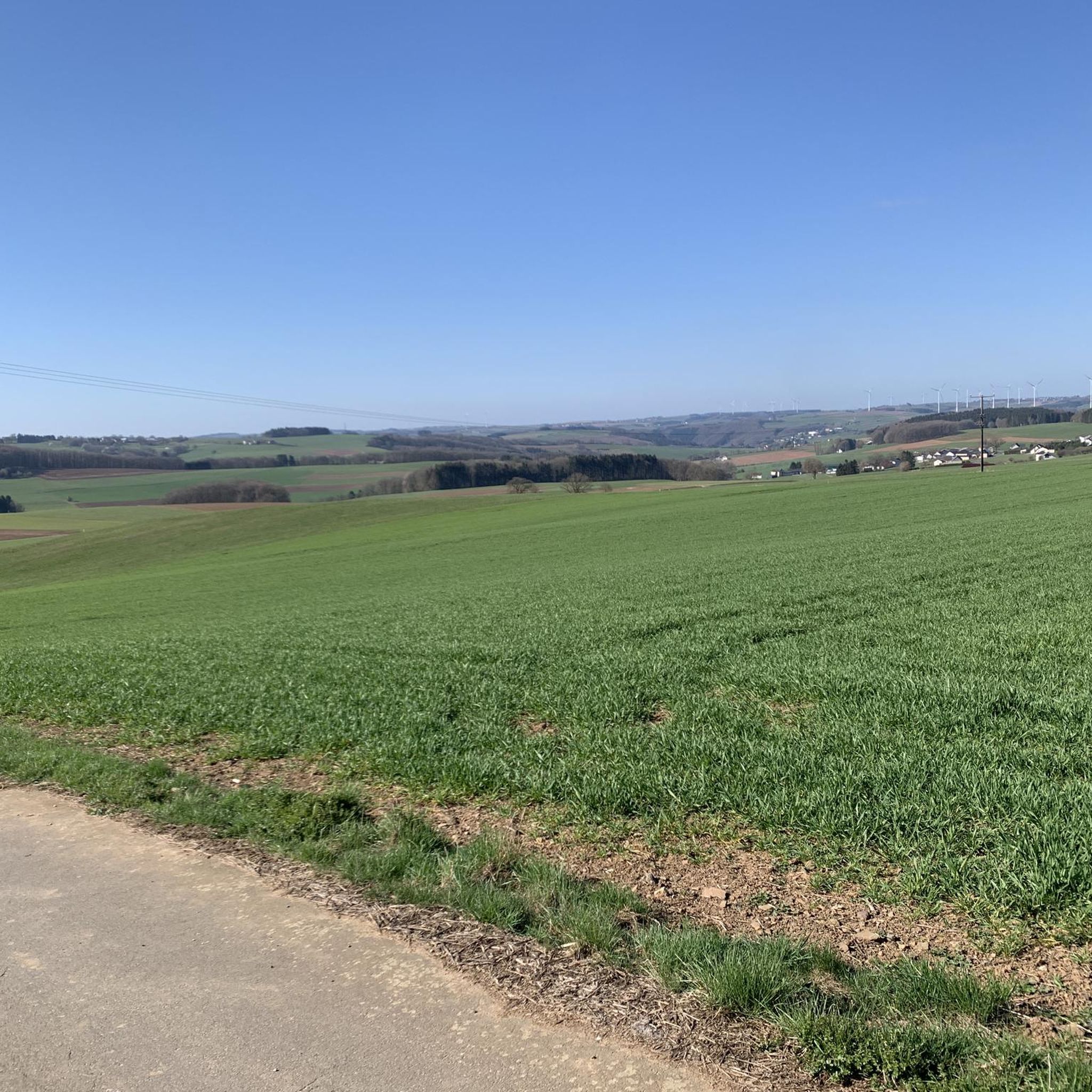
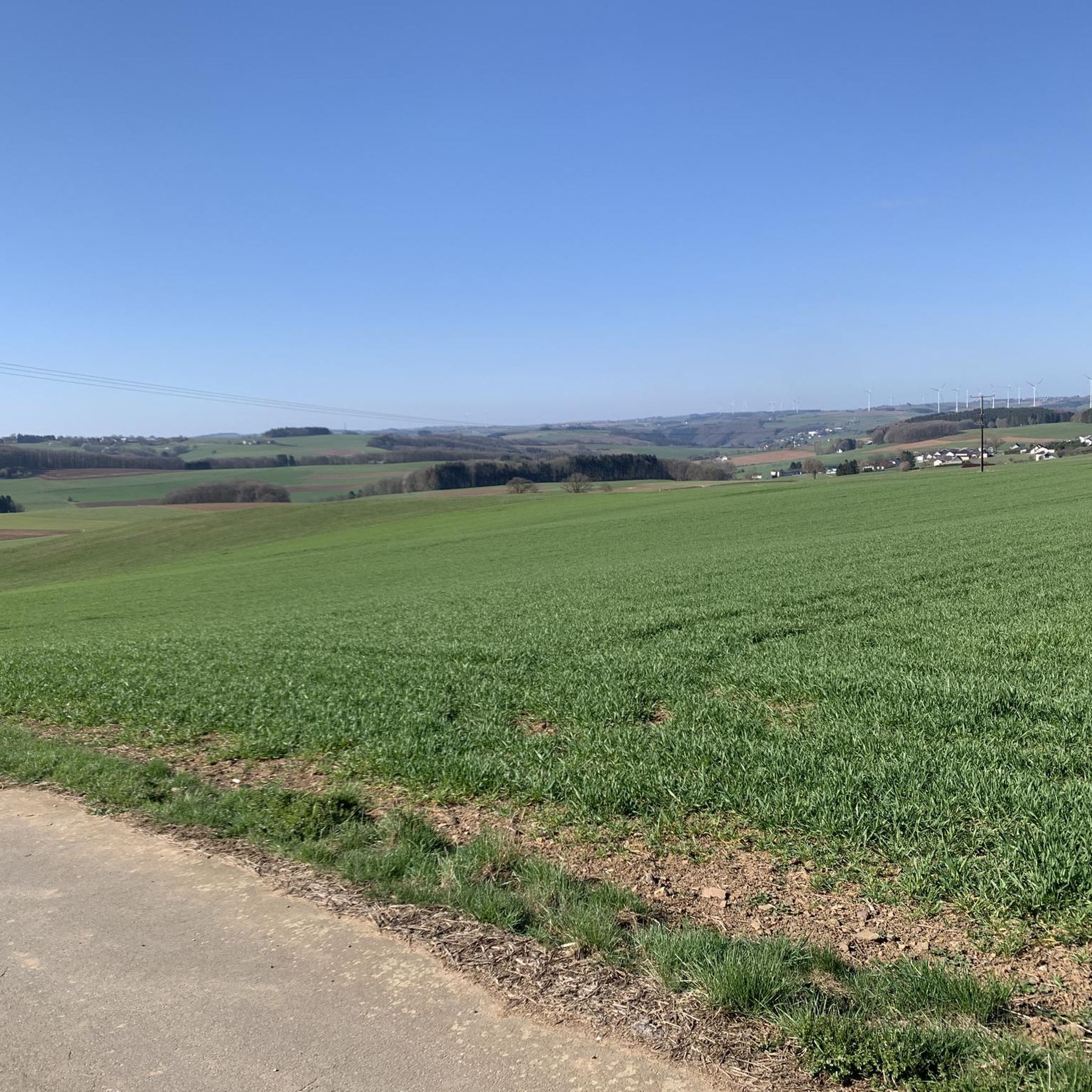
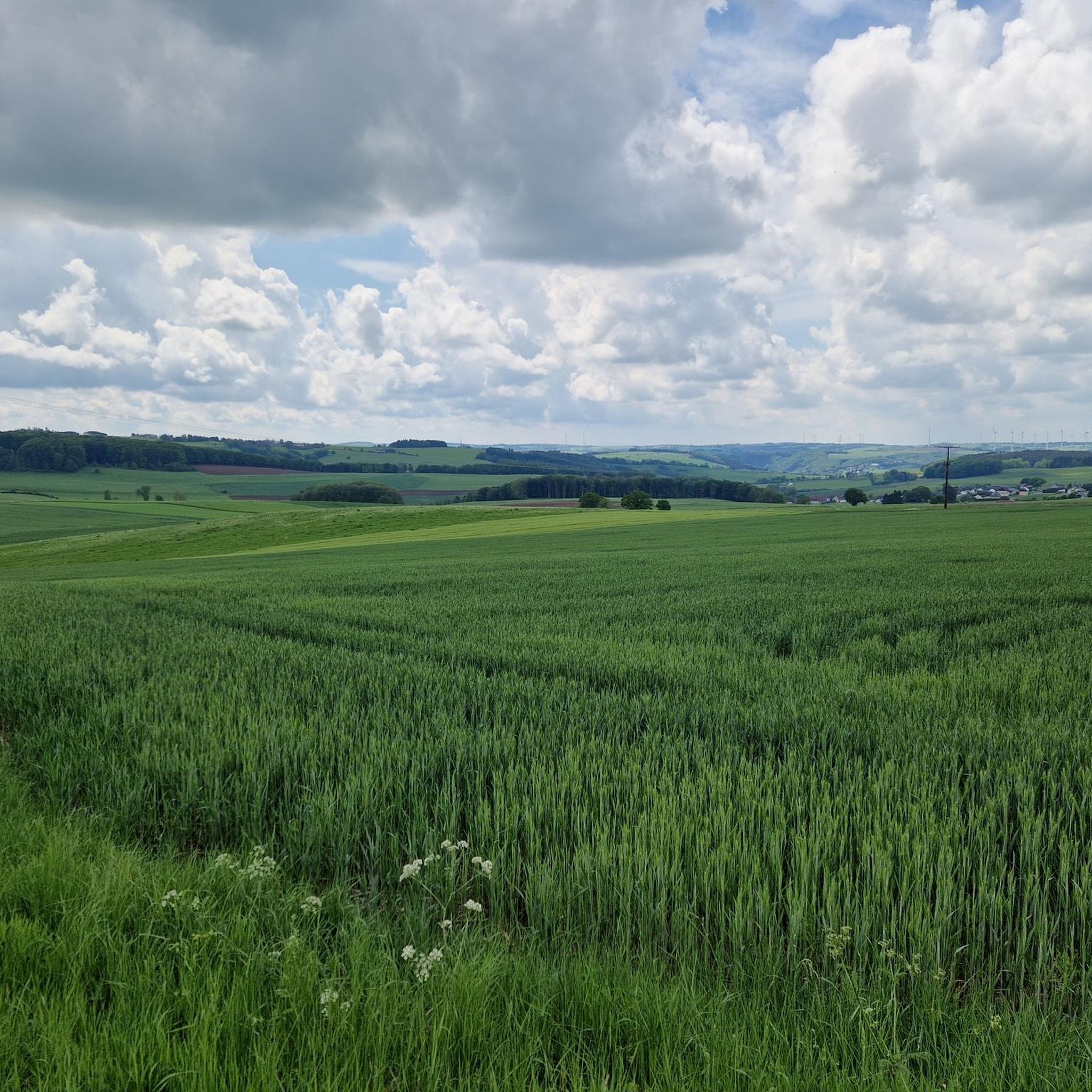
Wild garlic as far as the eye can see. But be careful: in nature reserves, special regulations apply to wild garlic, which you should inquire about. You can usually take a handful of leaves for your own use. That way, you can look forward to your next walk or next spring, right?
0
0

I would recommend just reading the information board and not climbing up to the rock with the small caves. You can catch a glimpse of the barred cave entrances, but that's all.
3
0

The scent of wild garlic accompanies you permanently
0
0

The Hohl-Ley Caves, the gateway to the underworld, as the informative sign on site calls these bat caves and informs about the biodiversity that is found there. The climb is steep, and the cave entrances have a grille to protect the animals. Still, it's worth taking a look inside.
2
0

In season it smells wonderfully of wild garlic
0
0

The beaver valley mentioned here is actually the Alfbachtal, but that doesn't change the fact that beavers live here and that you cycle through beautiful nature.
14
1

The memorial with its many thank you plaques is always a popular place of worship. Every year on a May Sunday there is a procession from the parish church to the Marian column. In 1998 the parish community celebrated the 50th anniversary of the Marian Column with several hundred believers. In recent years, the taller trees have increasingly blocked the view of the Marian Column. In 2004, the Board of Trustees of today's Gerhard Faber Foundation took on the task of redesigning the entire complex. In cooperation with the local population, the square around the Marian Column was completely renovated. Source: https://www.naturpark-suedeifel.de/a-mariensaeule
5
0

From here the wild garlic starts...in April and May you can find wild garlic as far as the eye can see
0
0
Frequently Asked Questions
What unique geological formations can I explore near Matzerath?
The Eifel region, near Matzerath, is rich in unique geological formations. You can visit the Teufelsschlucht (Devil's Gorge), a narrow gorge with meter-high rock faces formed from a 200-million-year-old seabed. Another impressive site is the Pulvermaar, the deepest maar (volcanic crater lake) in the Eifel, surrounded by a beech forest. The Gerolsteiner Dolomiten also feature distinctive rock formations like “Munterley,” which offers climbing opportunities and views over Gerolstein.
Are there any historical natural monuments in the area?
Yes, several sites combine natural beauty with historical significance. The Mariensäule Waxweiler is a man-made monument dedicated to the Virgin Mary, offering impressive views and commemorating the town's preservation during WWII. The Prüm Explosion Crater and Memorial Cross on Kalvarienberg marks the site of a significant historical event from 1949. The Teufelsschlucht itself is a geological marvel, representing a 200-million-year-old seabed.
What kind of wildlife can I expect to see around Matzerath's natural monuments?
The region is home to diverse wildlife. The Alfbach Valley is known for its beaver habitats. The Hohl-Ley Cave provides shelter for bats and other wildlife, though it's not accessible to visitors. The broader Eifel National Park is a habitat for endangered animal and plant species, offering a chance to spot rare animals like the wildcat.
Are there family-friendly natural monuments around Matzerath?
Many natural monuments in the area are suitable for families. The Mariensäule Waxweiler and Alfbach Valley are both listed as family-friendly. The Wild Garlic Fields in Naturpark Hohes Venn-Eifel offer a beautiful, sensory experience, especially in spring. The Pulvermaar is also popular for swimming and boating during summer, making it a great family destination.
Can I bring my dog to these natural monuments?
Yes, many natural areas in the Eifel region are dog-friendly. The Alfbach Valley is specifically noted as dog-friendly, offering a pleasant environment for walks with your pet. When visiting other natural monuments, it's generally advisable to keep dogs on a leash and respect local regulations, especially in protected areas like the Eifel National Park.
What outdoor activities are available near Matzerath's natural monuments?
The region offers a variety of outdoor activities. You can enjoy hiking on trails like those found in the Hiking around Matzerath guide, with options ranging from easy to moderate. Cycling is also popular, with routes like those in the Cycling around Matzerath guide, including a worthwhile cycle path in the Alfbach Valley. Swimming and boating are possible at the Pulvermaar during warmer months, and climbing is an option at the Gerolsteiner Dolomiten.
Where can I go hiking near Matzerath to experience natural beauty?
For hiking, the Eifel National Park offers extensive forests and open landscapes with a 'newly emerging wilderness.' The High Fens (Hohes Venn) provides a unique experience with hiking trails over wooden walkways through moorland. You can also find various hiking routes in the Hiking around Matzerath guide, such as the 'Hahnenkopf loop from Matzerath' for an easy option or 'Handich – View of the Eifel Hills loop from Oberlauch' for a moderate challenge.
Are there any natural monuments with impressive viewpoints?
Yes, several locations offer great views. The Mariensäule Waxweiler provides impressive views over Waxweiler. The Prüm Explosion Crater and Memorial Cross on Kalvarienberg also serves as a viewpoint. Additionally, the “Munterley” rock formation within the Gerolsteiner Dolomiten offers fantastic views over Gerolstein.
What is the best time of year to visit the natural monuments around Matzerath?
The best time to visit depends on your interests. For the Wild Garlic Fields, May is ideal when the forest floor blooms white. Summer is perfect for swimming and boating at the Pulvermaar. The High Fens can be particularly atmospheric with mist drifting over the moorland, offering a unique experience in various seasons. The Eifel National Park and other geological sites are generally enjoyable for exploration throughout the spring, summer, and autumn months.
What are the characteristics of the Eifel National Park, which is close to Matzerath?
The Eifel National Park is a significant natural area known for its extensive forests and open landscapes, promoting a 'newly emerging wilderness.' It's a vital habitat for endangered animal and plant species. Within the park, you can discover ancient hornbeam forests, unique sandstone rock formations, and vibrant daffodil meadows, offering diverse natural beauty and opportunities for exploration. You can find more information at nationalpark-eifel.de.
Is there a place for swimming or water activities among the natural monuments?
Yes, the Pulvermaar near Gillenfeld is an excellent spot for water activities. As the deepest maar in the Eifel, it is encircled by a beautiful beech forest and is a popular location for swimming and boating amidst nature during the summer months.
Are there any natural monuments that are less accessible or require caution?
The Hohl-Ley Cave, while a natural monument, is not accessible to visitors, especially from October 1st to March 31st due to bat protection. The Teufelsschlucht involves walking through narrow passages, which can be cool and dark, requiring appropriate footwear. Some routes to natural monuments, like certain paths to the Hohl-Ley Cave, are rated as challenging.
Most popular routes around Matzerath
Most popular attractions around Matzerath

Get inspired with the komoot mobile app


Explore more
Extend your search for the best caves by checking out these guides of the top ones around Matzerath:
