Top 20 Natural Monuments around Brimingen
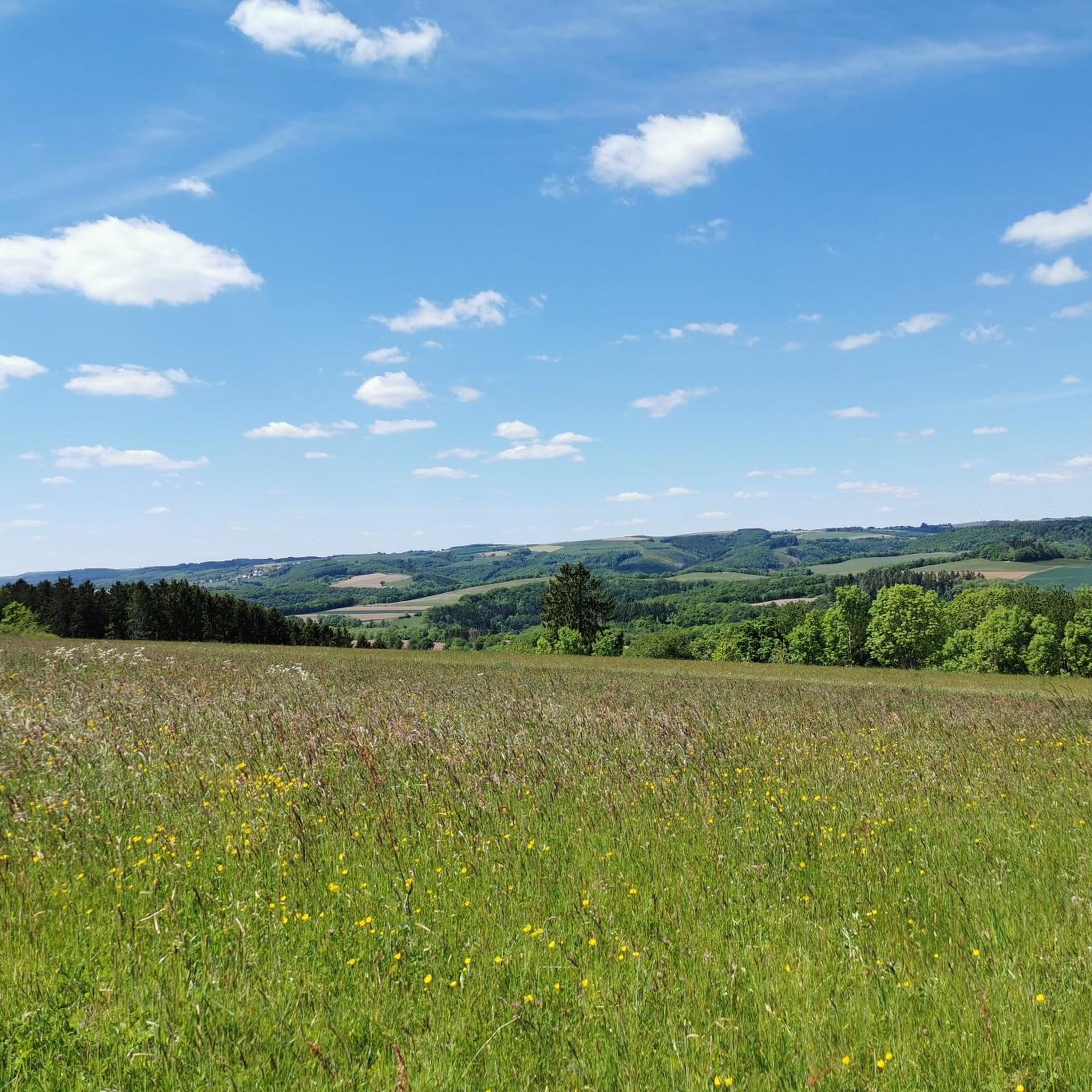
Natural monuments around Brimingen are found in the western Eifel region, characterized by green hills, dense forests, and rivers. The area lies on a ridge between the Enz and Prüm rivers, offering diverse natural landscapes. It is part of the Southern Eifel Nature Park, providing opportunities for outdoor activities. The region features scenic views, river valleys, and geological formations.
Best natural monuments around Brimingen
- The most popular natural monuments is Biersdorf Reservoir, a lake that offers scenic views and…
Last updated: July 8, 2026
Roter Puhl Sandstone Cliffs on the Enz
Highlight • Natural Monument
Translated by Google •
Tip by

Roter Puhl
Highlight • Natural Monument
Translated by Google •
Tip by

Sign up now to discover places like this
Get recommendations on the best single tracks, peaks, & plenty of other exciting outdoor places.
Sign up for free
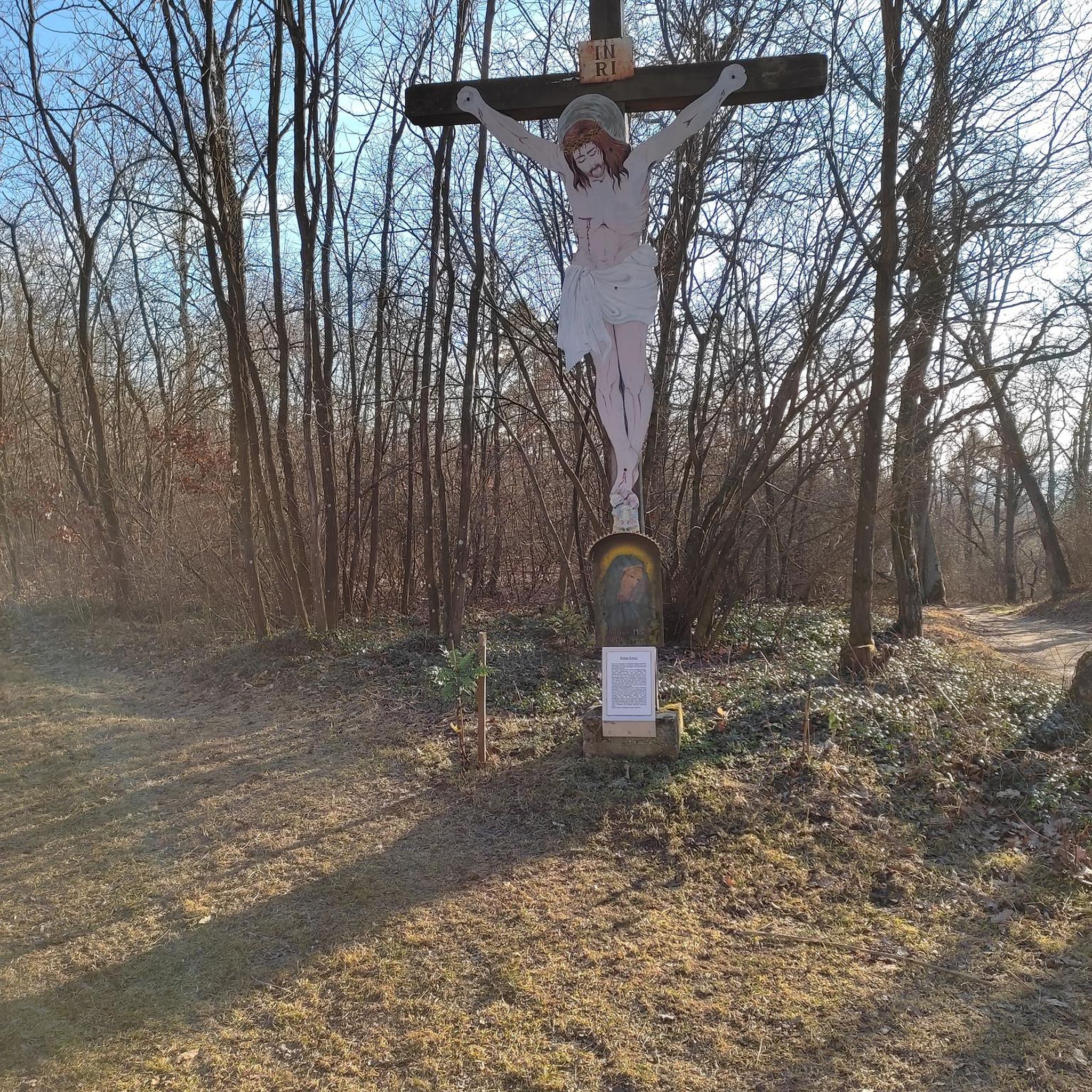
Marien Chapel and Madonna in the 700-year-old oak near Neuerburg
Highlight • Religious Site
Translated by Google •
Tip by

Stone Cist Graves Holsturm
Highlight • Historical Site
Translated by Google •
Tip by

Prümtalweg Trail, Naturpark Südeifel
Highlight • Trail
"The path lives from the silence and seclusion in the Prümtal and the numerous waters that flow into it. The Prüm has dug itself deep into the rock here, …
Translated by Google •
Tip by

Sign up for free to discover even more natural monuments around Brimingen.
Sign up for free
Already have an account?
Start today with a free account
Your next adventure awaits.
Login or Signup
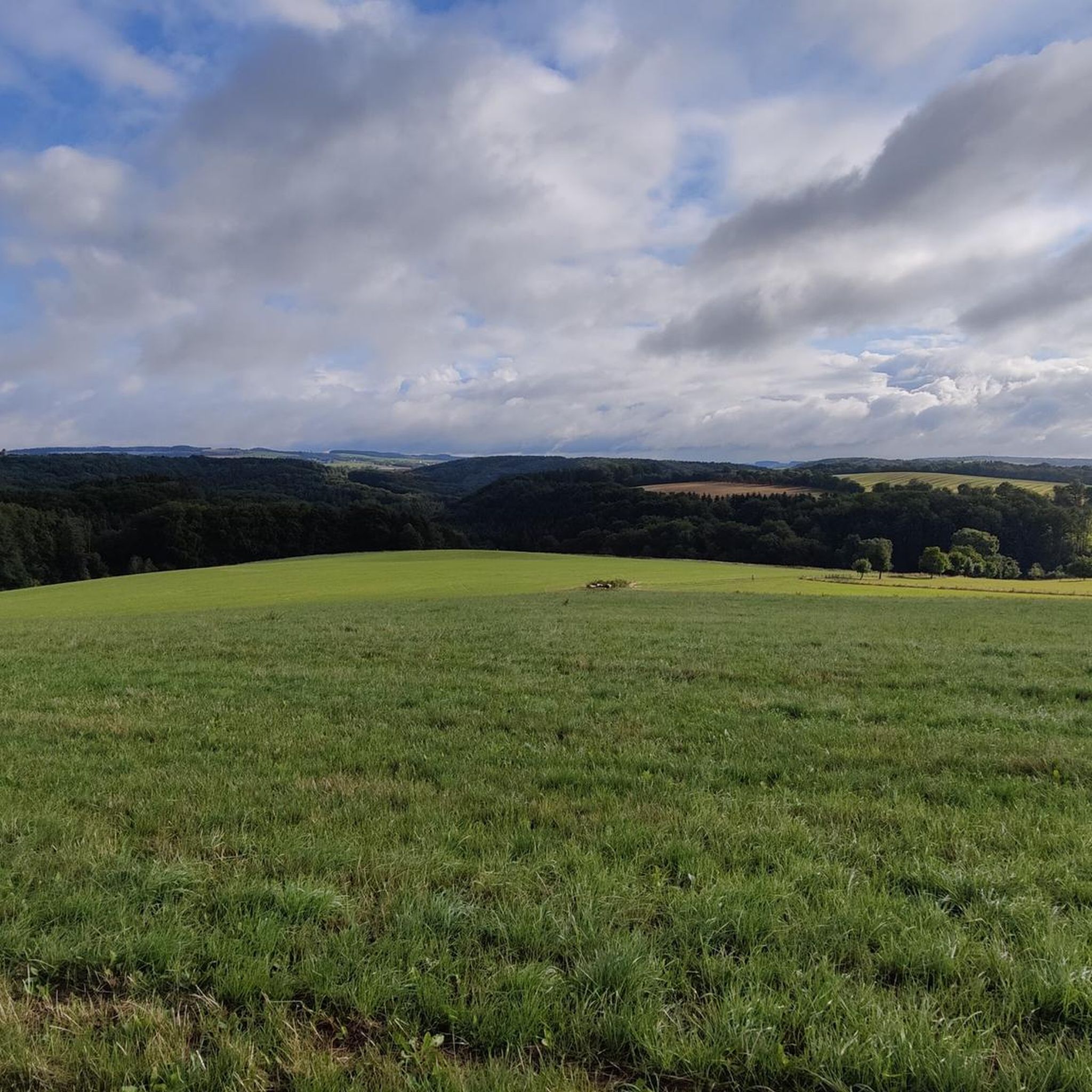
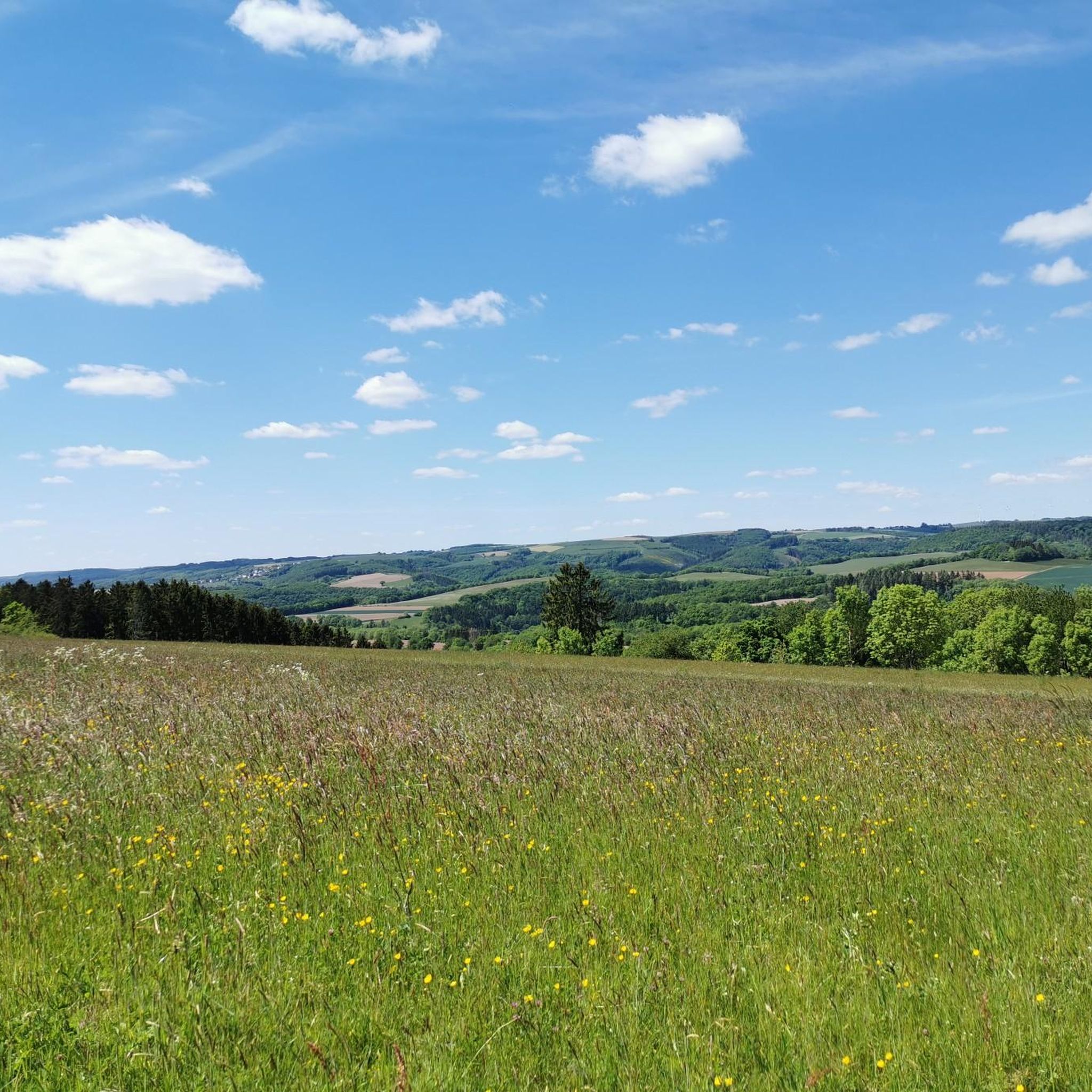
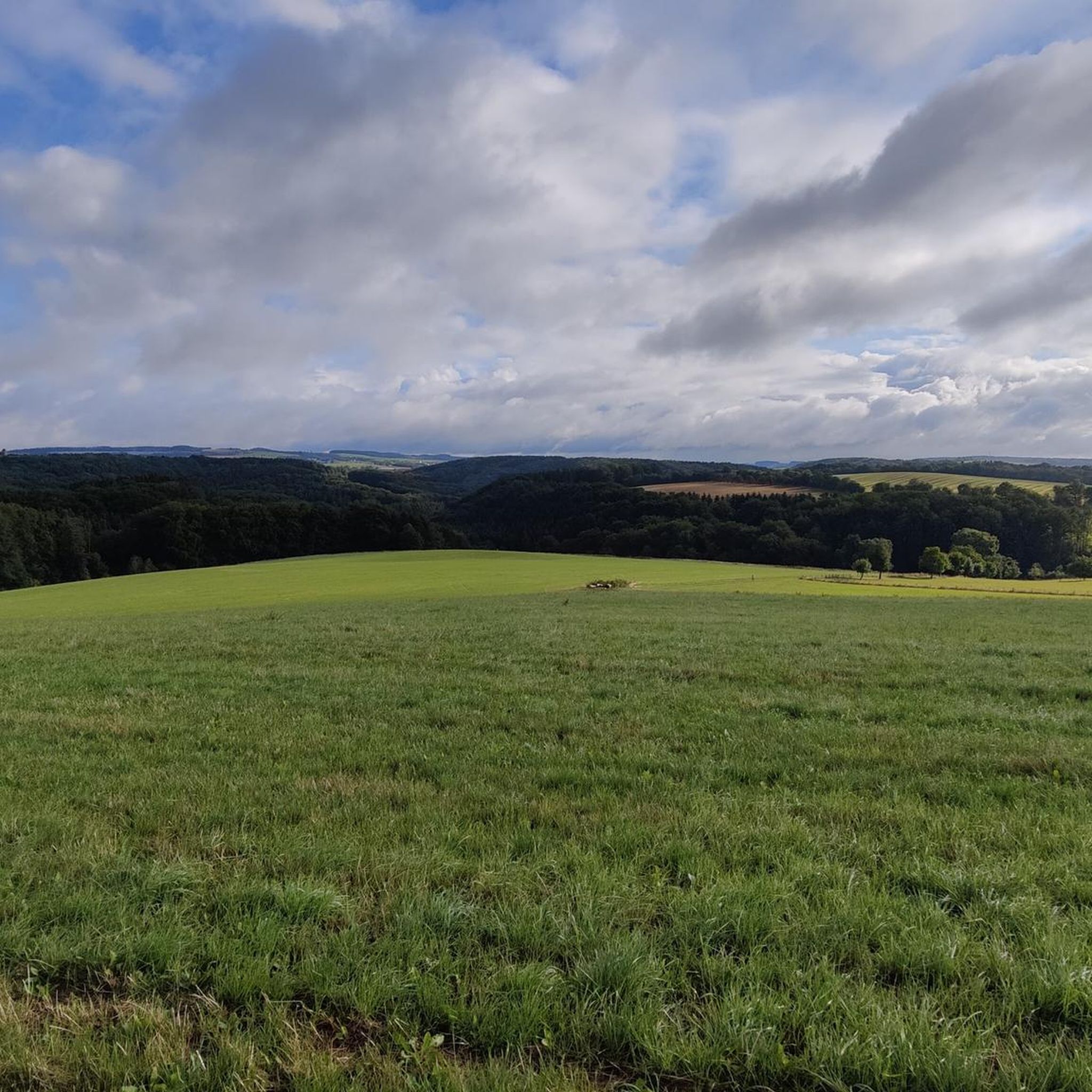
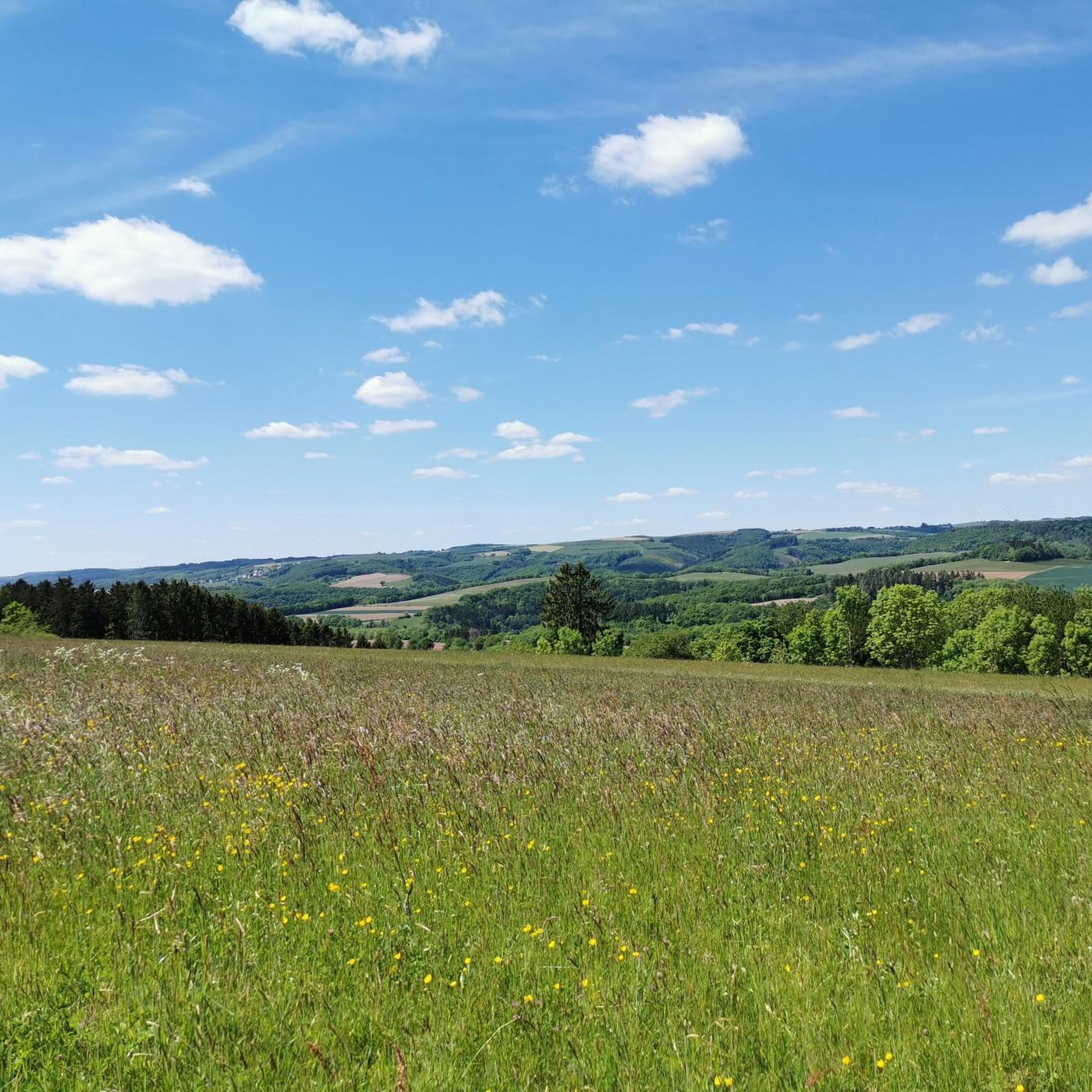
Tips from the Community

The Roman burial ground of Holsthum (Römisches Gräberfeld von Holsthum) in the German Eifel, located near the Schankweiler Klause, houses special sarcophagi from Roman times. The graves are situated on a slope in the forest above the village of Holsthum. They date from the early 2nd century AD. These are Gallo-Roman graves, whose burial chambers are constructed from vertical sandstone slabs. They look like small houses, hence the designation 'sarcophagi' or 'flat graves'. Urns with the ashes of the deceased and grave goods were placed in these sarcophagi. One of the seven graves is a striking, larger stone sarcophagus. Some graves were covered with roof- or house-shaped stones, including an obelisk-shaped stone and a stone in the shape of a truncated pyramid. The burial ground is considered the cemetery of a nearby Roman farm (villa rustica).
0
0

At the "Roter Puhl" the Enz has cut into the slope covered with beech trees at a considerable height. Here the rock of the middle Bunter sandstone from the Triassic period stands in bright orange-red colors. These deposits in river and delta areas are around 220 million years old. Source: https://www.naturpark-suedeifel.de/a-roter-puhl
1
0

At the "Roter Puhl" the Enz has cut the beech slope at a stately height. Here, in bright orange-red colors, the middle red sandstone rock of the Triassic geologic age can be seen. These deposits in river and delta areas are about 220 million years old. The oblique stratification of the sandstone visible in the bedrock in alternating layers with horizontal strata and gravel bands testifies to the different flow conditions of the primordial waters. The arch's shape is the result of thousands of years of exposure to water from the meandering Enz River. The surface of the rock face is still subject to constant weathering, in places the rock is slightly more porous. An interesting insight into the floor structure can be obtained in the upper part. The overlying Earths here only reach a thickness of less than a meter. Natural crevices provide nesting and breeding grounds for the kingfisher, which is native to the area.
7
0

Unfortunately, the website that is indicated on the metal plate with explanations is no longer accessible. A pity.
2
1
Above the castle complex is the pilgrimage site of the Neuburg citizens: The 46 cm tall Madonna, a replica of the Altötting Madonna from the 17th century donated by Kuno von Falkenstein, stands in a 700-year-old oak tree. Age and candle smoke have colored the statue of the Madonna dark brown, almost black. Station paintings of the Seven Sorrows of Mary, created by sculptor J. Hess in the 19th century, lead to this lonely pilgrimage site. https://neuerburg-eifel.de/index.php/stadt-neuerburg/wandern
1
0
The burning candles in the little chapel light up the tree opposite. At least that's how it looks when you approach in the dark from the other side of the creek valley.
1
0
Opposite the chapel there is an old tree with a holy picture built into a column.
1
0
Here you can pause and light a candle. Many small signs thank Maria for help!
1
0
Frequently Asked Questions
What kind of natural features can I expect to see around Brimingen?
The area around Brimingen, situated in the western Eifel region, is characterized by a diverse natural landscape. You'll find green hills, dense forests, wide fields, and picturesque river valleys, particularly along the Enz and Prüm rivers. The region is also part of the Southern Eifel Nature Park, offering scenic views and geological formations like sandstone cliffs.
Are there any notable geological features to explore near Brimingen?
Yes, the region boasts impressive geological formations. A prime example is Roter Puhl Sandstone Cliffs on the Enz, where the Enz river has carved into beech slopes, revealing middle red sandstone rock from the Triassic geologic age. The visible oblique stratification and gravel bands offer an interesting insight into ancient river conditions. Another related spot is Roter Puhl, which features an impressive red sandstone rock face along the Enz river and is part of a local gorge hike.
Which natural monuments are suitable for families with children?
For families, Biersdorf Reservoir is a great option, offering scenic paths around its perimeter and numerous benches for resting. While swimming and pedal boats are currently restricted, it's still a pleasant spot for a stroll. Another family-friendly highlight is Roter Puhl, which is part of an easy gorge hike. Additionally, the Marien Chapel and Madonna in the 700-year-old oak near Neuerburg combines a historical site with a natural monument, offering a unique experience for all ages.
What outdoor activities can I do near these natural monuments?
The region around Brimingen is excellent for various outdoor activities. You can enjoy extensive hiking, road cycling, mountain biking, and gravel biking. For cycling enthusiasts, there are numerous routes like the 'Neuerburg Castle – Pronsfeld Railway Museum loop' for road cycling or the 'Hamm Castle – Hamm Castle loop' for mountain biking. You can find more details on these activities in the Road Cycling Routes around Brimingen, MTB Trails around Brimingen, and Gravel biking around Brimingen guides.
Are there specific hiking trails that feature natural monuments?
Yes, the area is known for its hiking opportunities. The Prümtalweg Trail, Naturpark Südeifel is a prime example, offering a varied river landscape with terraces, breakthroughs, and floodplain meadows as the Prüm river has carved deep into the rock. The region also features circular hiking trails that provide wonderful panoramic views and pass through woodlands, meadows, and fields, often accompanied by the sound of bubbling streams.
What is the best time of year to visit the natural monuments around Brimingen?
The natural beauty of Brimingen can be enjoyed throughout the year. Spring brings lush green hills and blooming meadows, while summer offers pleasant conditions for hiking and cycling. Autumn transforms the dense forests into a spectacle of colors. Even in winter, the quiet, secluded Prüm valley and the snow-dusted landscapes offer a unique charm for those who appreciate serene outdoor experiences.
What do visitors enjoy most about the natural monuments in this area?
Visitors particularly appreciate the scenic views and the tranquility of the region. Many enjoy the paths around Biersdorf Reservoir for a relaxing stroll. The impressive red sandstone rock faces at Roter Puhl and Roter Puhl Sandstone Cliffs on the Enz are also highly rated for their unique geological beauty. The overall diverse scenery, including forests, meadows, and the gentle sounds of streams, contributes to a highly valued outdoor experience.
Are there any historical or cultural sites combined with natural monuments?
Yes, the Marien Chapel and Madonna in the 700-year-old oak near Neuerburg is a unique highlight that blends history and nature. This site features a chapel with origins from 1437 and a huge hollowed-out oak tree right next to it, offering a place for reflection and a glimpse into local heritage.
Can I find places to rest or have a snack near the natural monuments?
Near Biersdorf Reservoir, there are numerous benches inviting you to linger and enjoy the landscape. While the Dorint Sporthotel is closed, a kiosk with snacks and a pizzeria are still open in the vicinity. Some natural spots, like the Roter Puhl Sandstone Cliffs on the Enz, even have BBQ areas where you can sit and relax.
What should I wear for a hike to the natural monuments around Brimingen?
Given the varied terrain of hills, forests, and river paths, it's advisable to wear sturdy, comfortable hiking shoes. Layered clothing is recommended to adapt to changing weather conditions, as the Eifel region can be unpredictable. Depending on the season, consider bringing rain gear, sun protection, and sufficient water.
Are there any specific natural monuments known for wildlife viewing?
The natural crevices within the Roter Puhl Sandstone Cliffs on the Enz provide nesting and breeding grounds for local wildlife, including the kingfisher. The dense forests and river valleys throughout the Southern Eifel Nature Park also offer opportunities to observe various bird species and other forest animals in their natural habitat.
What makes the Prümtalweg Trail a special natural monument?
The Prümtalweg Trail, Naturpark Südeifel is special because it showcases how the Prüm river has deeply carved into the rock over millions of years, creating a varied landscape of loops, openings, valley widenings, and river terraces. It offers a unique blend of silence and seclusion, with numerous waters flowing into the Prüm, and features like the Ritscheberg with remains of a prehistoric ring wall, and the historic Napoleon oak tree.
Most popular routes around Brimingen
Most popular attractions around Brimingen

Get inspired with the komoot mobile app


Explore more
Extend your search for the best caves by checking out these guides of the top ones around Brimingen:
