Top 20 Natural Monuments around Luhden
Natural monuments around Luhden are found within the picturesque Weserbergland Nature Park, an area defined by rolling hills, green meadows, and extensive forests. This region offers diverse natural features, including unique geological formations and significant waterways. Visitors can explore a variety of natural landscapes that contribute to the area's ecological and geological interest.
Best natural monuments around Luhden
- The most popular natural monuments is Dinosaur Tracks in the Obernkirchen Sandstone Quarries, a natural_monument that features 140 million year old,…
Last updated: June 24, 2026
Dinosaur Tracks in the Obernkirchen Sandstone Quarries
Highlight • Natural Monument
obernkirchen-info.de/bergstadt/dinosaurierwegen.htm
Translated by Google •
Tip by

Hohenrode Floodplain Nature Reserve
Highlight • Natural Monument
Translated by Google •
Tip by

Sign up now to discover places like this
Get recommendations on the best single tracks, peaks, & plenty of other exciting outdoor places.
Sign up for free
Iborn Spring
Highlight • Natural Monument
Translated by Google •
Tip by

Springsteine Rock Formations
Highlight • Natural Monument
Translated by Google •
Tip by

Schneegrund Nature Reserve
Highlight • Natural Monument
Translated by Google •
Tip by

Sign up for free to discover even more natural monuments around Luhden.
Sign up for free
Already have an account?
Start today with a free account
Your next adventure awaits.
Login or Signup
Tips from the Community

The Schneegrund near Hessisch Oldendorf is a tranquil, impressive nature reserve that opens like a hidden valley nestled among ancient deciduous forests. A narrow path accompanies the clear stream as it winds its way through damp ravines and along mossy rocks. Especially in spring, a delicate display of blossoms unfolds, including snowdrops and wood anemones, covering the forest floor like a pale blanket. The approximately 7.7-kilometer-long Schneegrund route leads past steep slopes, shady sections of forest, and even a small waterfall near Langenfeld, showcasing the many facets of this landscape. Hikers here experience a harmonious interplay of water, forest, and rock that is both calming and invigorating.
0
0
The Springsteine in the Weserbergland region are a striking rock formation of ancient sandstone and limestone, rising jagged and bizarre from the wooded ridge near Deckbergen. Between narrow crevices, small caves, and steep rock outcrops, an impressive piece of geological history is revealed, providing a habitat for bats, among other creatures. The name "Springsteine" derives from their once prominent location, visible from afar, when they stood like prominent landmarks above the valley. Today, narrow paths wind through them, making the Springsteine a particularly attractive destination for hikers who appreciate geological features, tranquility, and unusual natural formations.
0
0

The Hohenrode Floodplain Nature Reserve is an ecological highlight in the Weser Valley near Rinteln and an excellent destination for nature-loving cyclists. This fascinating landscape stretches across an area of approximately 127 hectares in a bend of the Weser River – a successful example of renaturation and sustainable nature conservation in a former gravel mining area. Since the 1990s, the floodplain landscape has been managed by the NABU Rinteln group. What was once an industrial mining site has been transformed into a mosaic of shallow water zones, gravel pits, islands, oxbow lakes, and riparian forests. This diversity has created an important refuge for numerous endangered animal and plant species. The area is particularly known for its rich birdlife: Common terns, white-tailed eagles, ospreys, black storks, and waders find breeding or resting sites here. An ornithological highlight is the successful reintroduction of the common tern, which is breeding here for the first time in over 100 years. Visitors can use an observation tower and the Dieter Eggersmann observation hut, from which animals can be observed in their natural habitat. Information panels explain the special features of the habitat, its history, and the contribution of the Nature and Biodiversity Conservation Union (NABU) to the maintenance and development of the protected area. The play of light over the still waters is particularly impressive in the early morning hours or at sunset. The floodplain landscape is located directly on the Weser Cycle Route and is therefore perfect as a stopover or destination for a nature-oriented bike ride. Access is via a gravel parking lot near Hohenrode. NABU offers regular guided tours of the area – on the first Sunday of even-numbered months at 11 a.m. Those who want to experience the slow change of nature and understand the dynamics of a river landscape will find in the Hohenrode floodplain landscape an inspiring example of how nature can be left to its own devices and still be full of life – ideal for a peaceful break on the bike.
0
0

Beautiful ravine at the beginning of the hike!
0
0

The Springsteine owe their name to the fact that in the past - when the mountains were not yet so densely forested - they could be seen "jumping out" from the valley of the cliffs on the slope.
1
0

Interesting rock formations from which the Springsteine, also located on the hike, were created
0
0

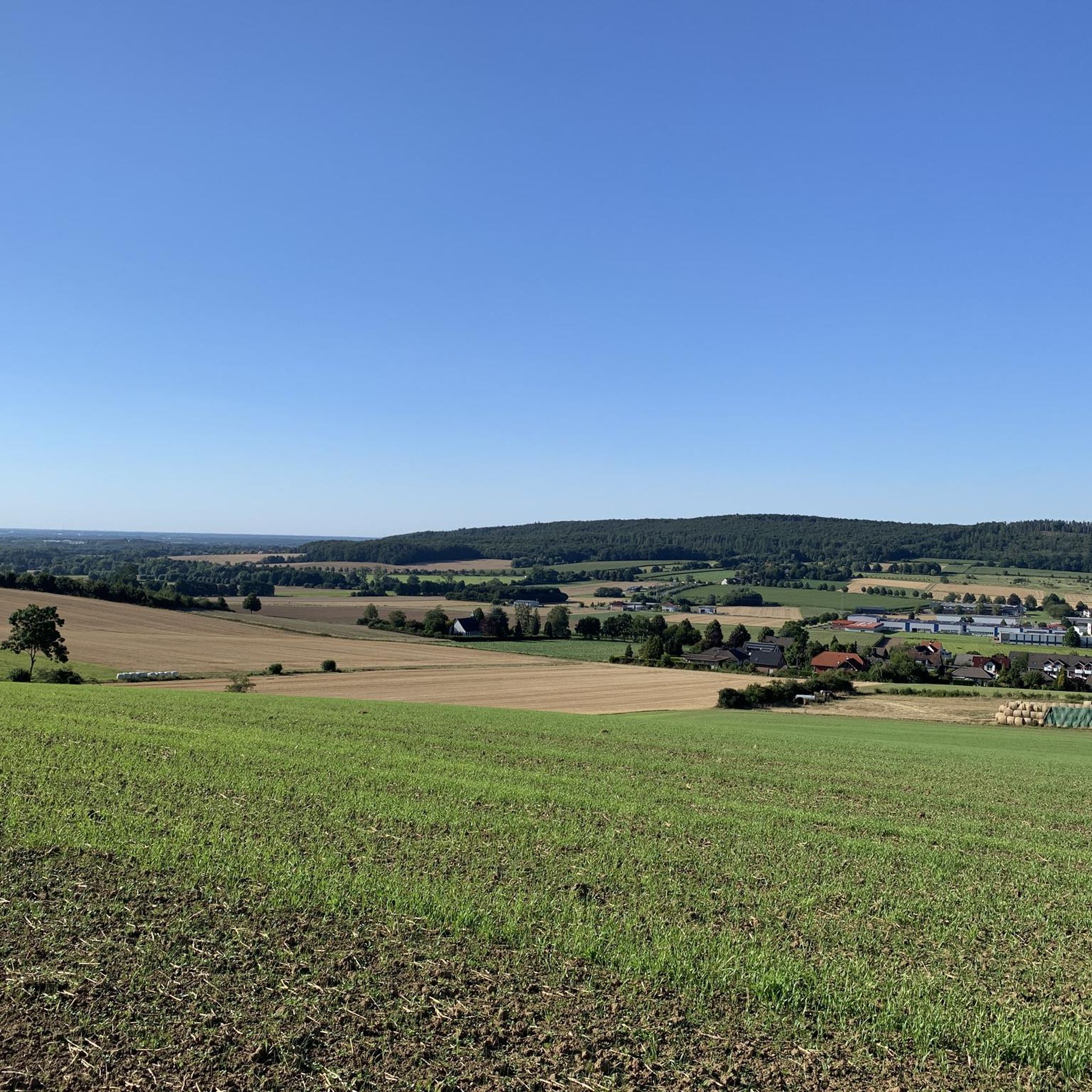
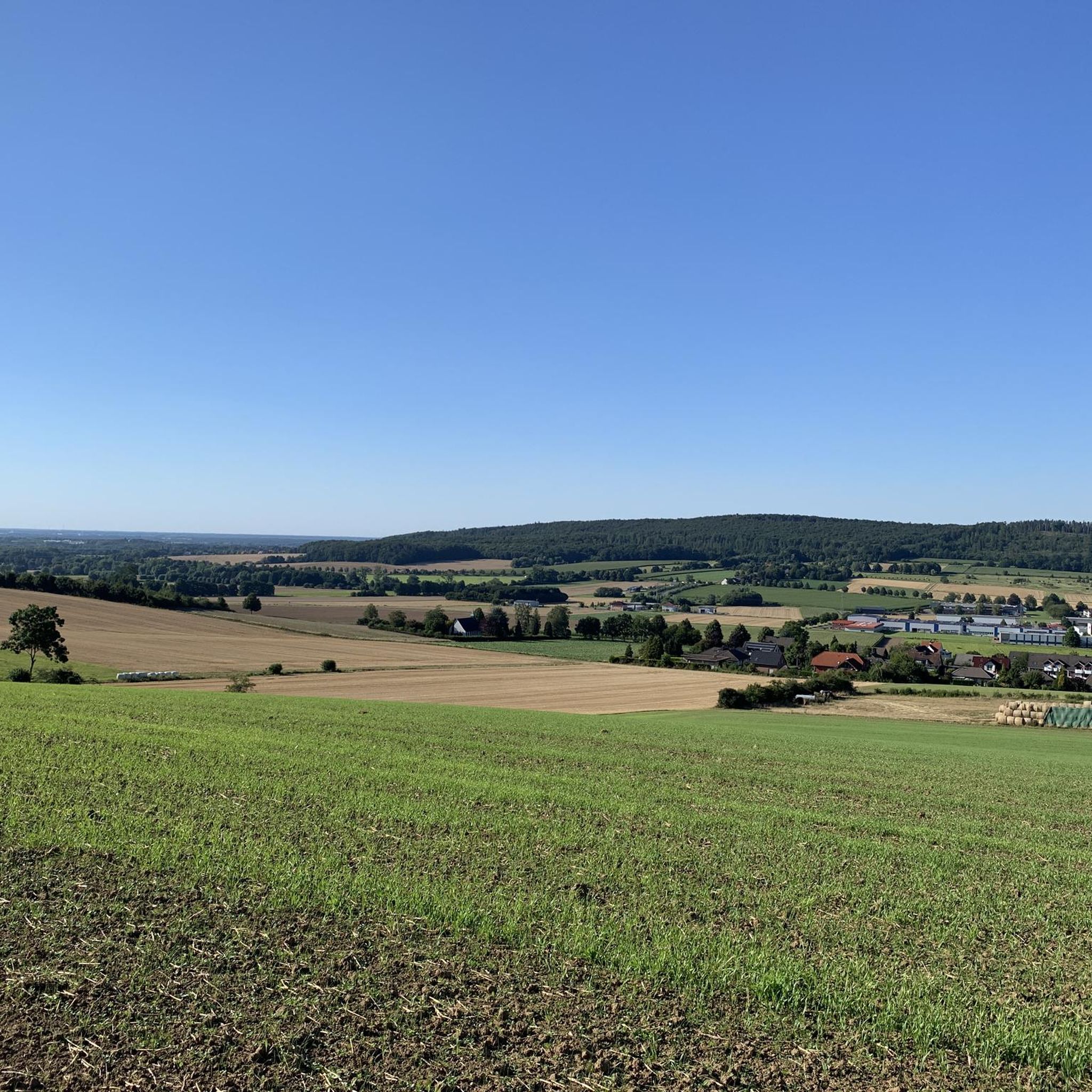
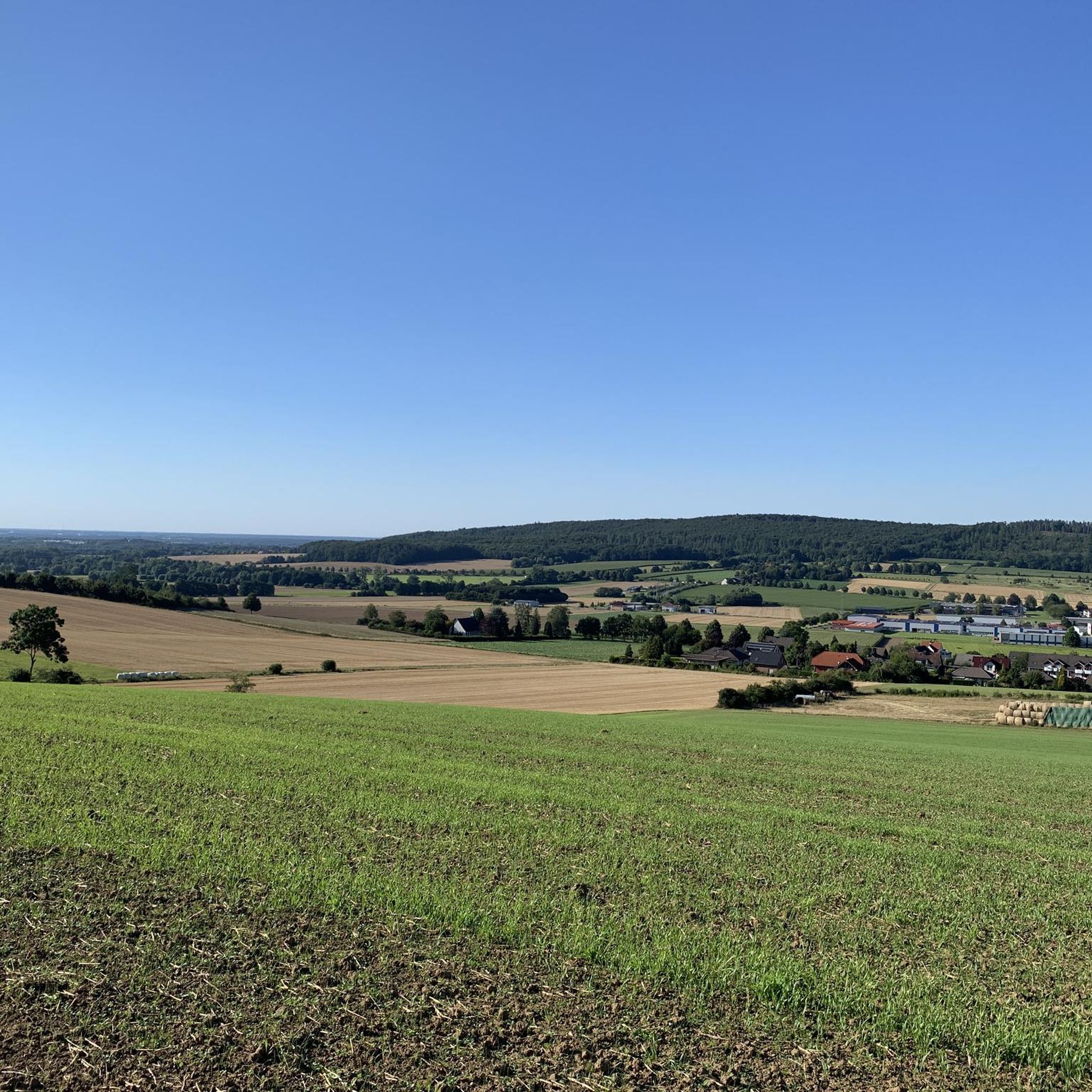
Beautiful view over the NSG Auenlandschaft Hohenrode.
2
0

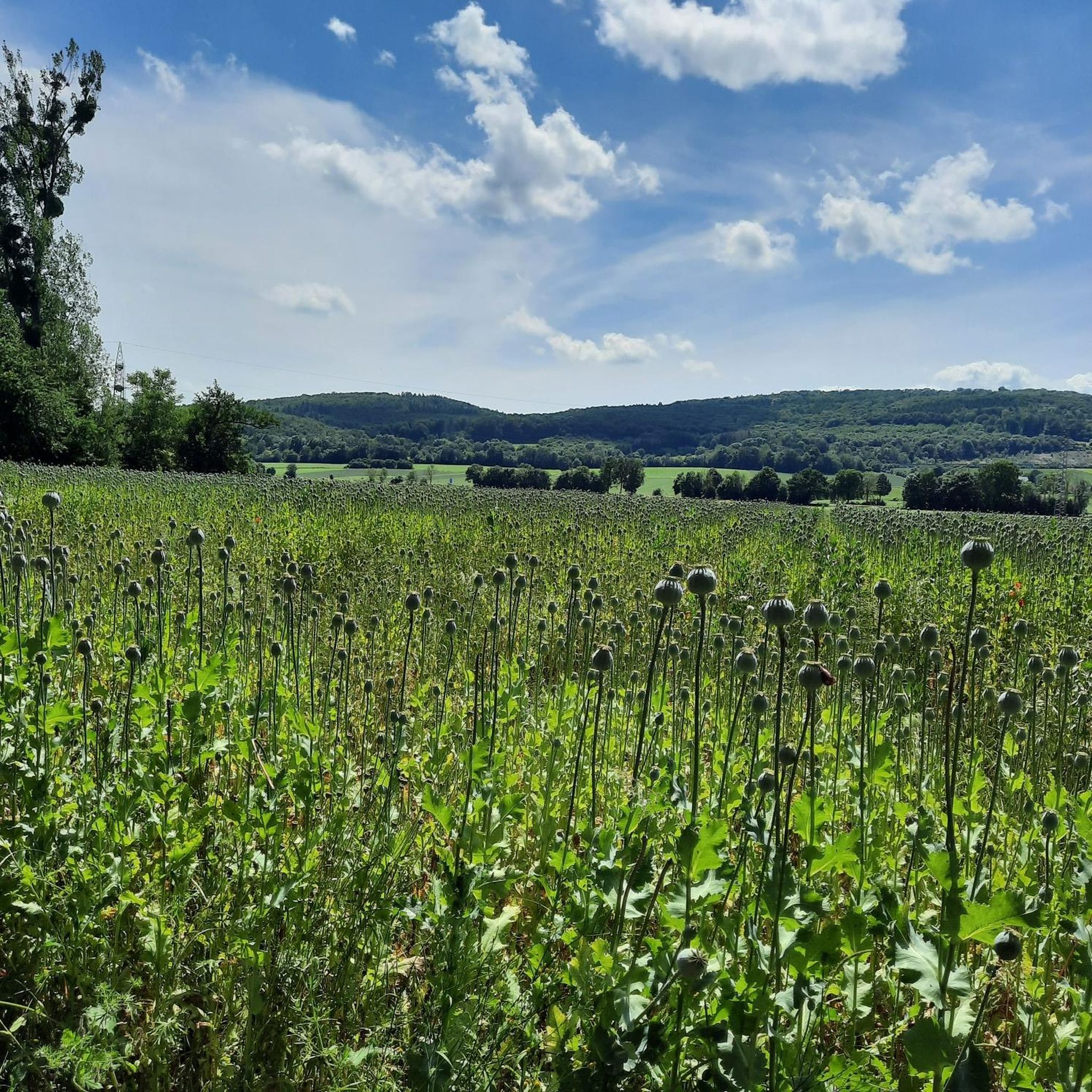
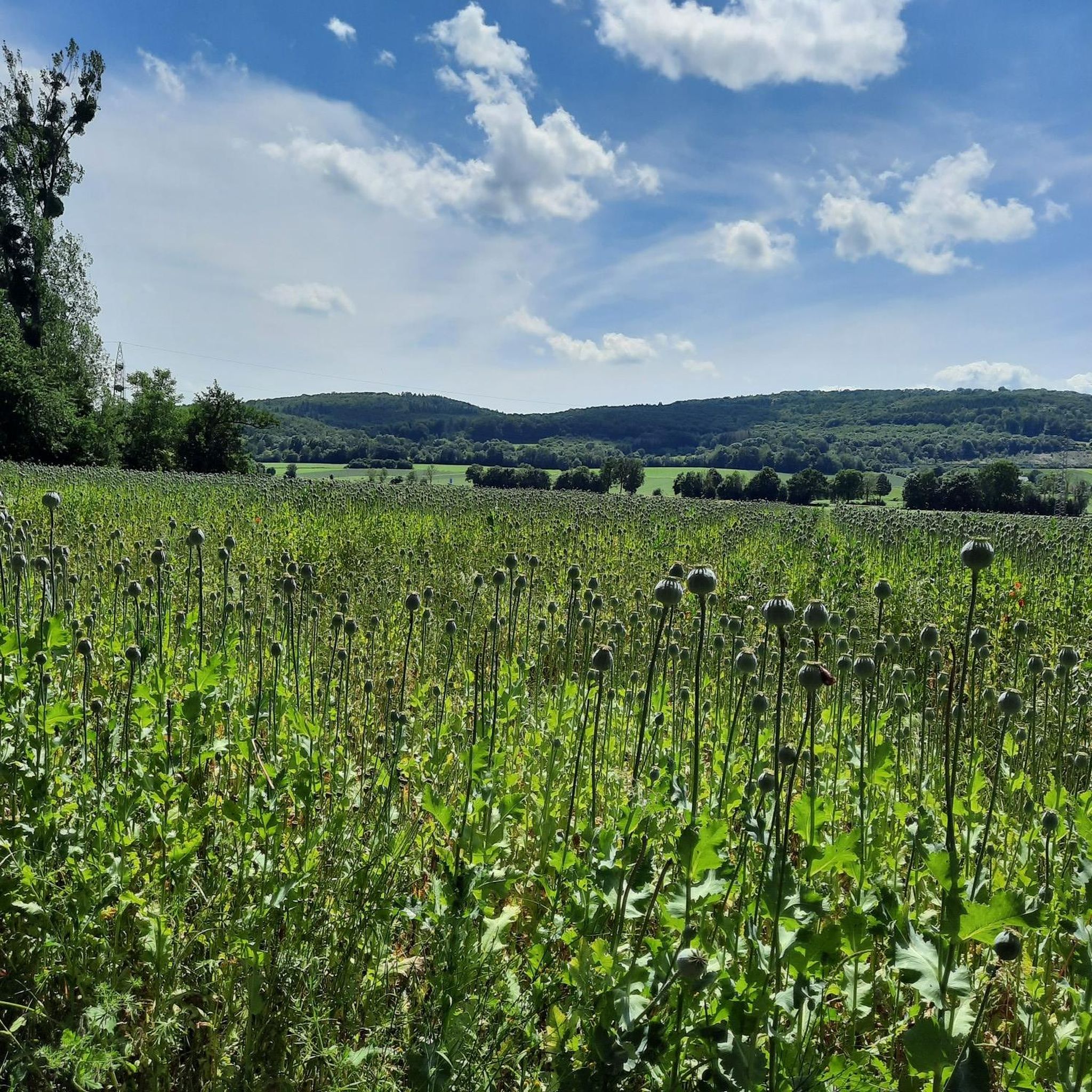
Beautiful meadow valley that can compete with any Black Forest valley
0
0
Frequently Asked Questions
What are some of the most popular natural monuments to visit around Luhden?
Visitors frequently enjoy the Dinosaur Tracks in the Obernkirchen Sandstone Quarries, where you can see 140-million-year-old fossilized dinosaur traces. Another popular spot is the Hohenrode Floodplain Nature Reserve, known for its birdwatching opportunities and serene lake environment. The Iborn Spring, where water emerges directly from the ground in a forest setting, is also highly appreciated by the komoot community.
Are there family-friendly natural monuments in the Luhden area?
Yes, several natural monuments are suitable for families. The Dinosaur Tracks in the Obernkirchen Sandstone Quarries are particularly engaging for children, offering a historical and educational experience with informative display boards. The Hohenrode Floodplain Nature Reserve is also family-friendly, providing a peaceful setting for nature observation and birdwatching.
What kind of unique natural features can I expect to see in the Weserbergland Nature Park near Luhden?
The Weserbergland Nature Park, which surrounds Luhden, offers a variety of unique natural features. You can explore impressive geological formations like the Ith and Hohenstein Rocks, known for their towering cliffs and spectacular views. The region is also home to a unique concentration of Süntel beech trees, a distinct and often bizarrely twisted mutation of the common copper beech, found nowhere else in such density.
What outdoor activities can I do near the natural monuments around Luhden?
The area around Luhden is ideal for various outdoor activities. You can enjoy hiking through rolling hills and forests, cycling along the Weser River, or even canoeing on its tributaries. For specific routes, you can explore Hiking around Luhden, Running Trails around Luhden, or Gravel biking around Luhden for detailed route suggestions.
Are there any natural monuments with historical significance?
Yes, the Dinosaur Tracks in the Obernkirchen Sandstone Quarries hold significant historical value. These 140-million-year-old fossilized traces offer a direct glimpse into the Lower Cretaceous period, making them a fascinating historical site from a paleontological perspective.
Can I find any rock formations or geological sites in the area?
Absolutely. The Springsteine Rock Formation is a notable geological site where you can observe small fossils. The Ith and Hohenstein Rocks within the broader Weserbergland Nature Park are also significant geological features, offering impressive cliffs and viewpoints.
What is the best time of year to visit the natural monuments around Luhden?
The Weserbergland Nature Park, including the natural monuments around Luhden, is beautiful throughout the year. Spring brings lush greenery and blooming flora, while summer is ideal for water activities and longer hikes. Autumn offers stunning fall foliage, and even winter can be picturesque for quiet walks, especially in the forested areas.
Are there opportunities for wildlife spotting near Luhden's natural monuments?
Yes, particularly at the Hohenrode Floodplain Nature Reserve. This area is known as a great spot for nature observation, with many birds to watch. Bringing binoculars is recommended to fully appreciate the local wildlife.
Are there any natural monuments that are wheelchair accessible?
The Dinosaur Tracks in the Obernkirchen Sandstone Quarries are noted as being wheelchair accessible, making them a suitable option for visitors with mobility needs. The traces are freely accessible and supplemented by informative display boards.
What do visitors enjoy most about the natural monuments in this region?
Visitors frequently highlight the tranquility and natural beauty of the area. They appreciate the opportunity to immerse themselves in diverse landscapes, from ancient geological sites like the dinosaur tracks to serene floodplains and unique rock formations. The well-maintained paths and informative displays at key sites also enhance the experience.
Where can I find information about hiking trails near these natural monuments?
For detailed hiking routes, you can refer to the Hiking around Luhden guide. It features various trails, including easy options like the 'Ida Tower in the Harrl – Bad Eilsen Forest loop' and moderate routes such as the 'Bückeburg Old Town and Castle – Bückeburg Castle loop'.
Most popular attractions around Luhden

Get inspired with the komoot mobile app


Explore more
Extend your search for the best caves by checking out these guides of the top ones around Luhden:
