Top 20 Natural Monuments around Steimbke
Natural monuments around Steimbke are located within the district of Nienburg, offering diverse natural beauty and ecological importance. The region features several designated natural monuments and significant nature reserves. These areas provide insights into the local geology, unique ecosystems, and historical narratives of the landscape. Visitors can explore various natural features, including ancient trees, large boulders, and protected marshlands.
Best natural monuments around Steimbke
- The most popular natural monuments is Drakenburg Marsh Nature Reserve, a nature reserve and natural…
Last updated: May 11, 2026
Drakenburg Marsh Nature Reserve
Highlight • Natural Monument
Translated by Google •
Tip by

Giebichenstein Boulder
Highlight • Natural Monument
Translated by Google •
Tip by

Sign up now to discover places like this
Get recommendations on the best single tracks, peaks, & plenty of other exciting outdoor places.
Sign up for free
Wolf Stone Memorial (Wolfstein)
Highlight • Monument
Translated by Google •
Tip by

Nienburg's Glacial Erratics
Highlight • Natural Monument
Translated by Google •
Tip by

Die Rolle
Highlight • Lake
Info from the web:
Location and brief description:
The approx. 28 hectare natural bathing lake "Die Rolle" is located in a fauna-flora habitat (FFH) area 289 …
Translated by Google •
Tip by

Sign up for free to discover even more natural monuments around Steimbke.
Sign up for free
Already have an account?
Start today with a free account
Your next adventure awaits.
Login or Signup
Popular around Steimbke

Tips from the Community

Great bike tour
4
1

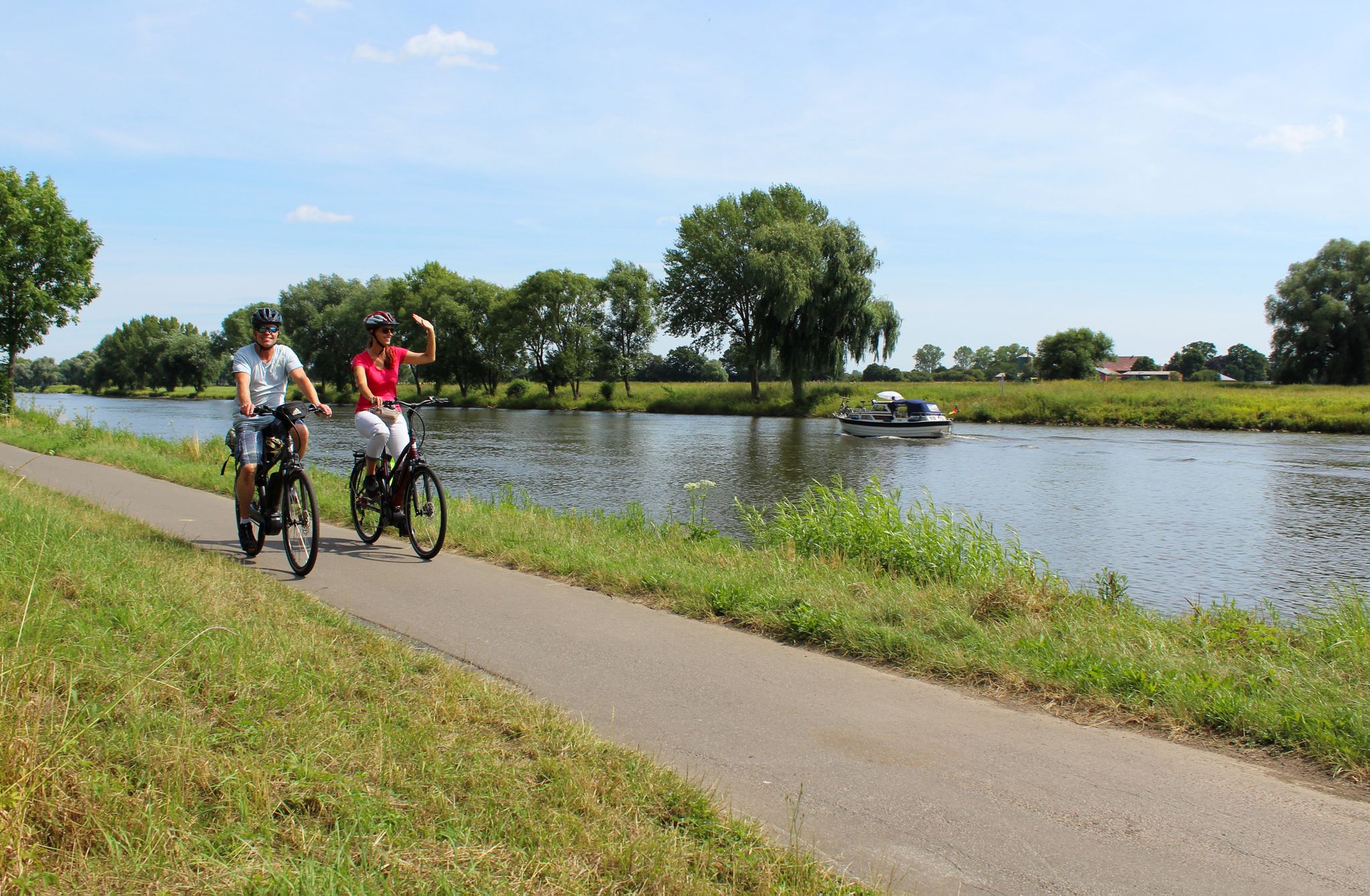
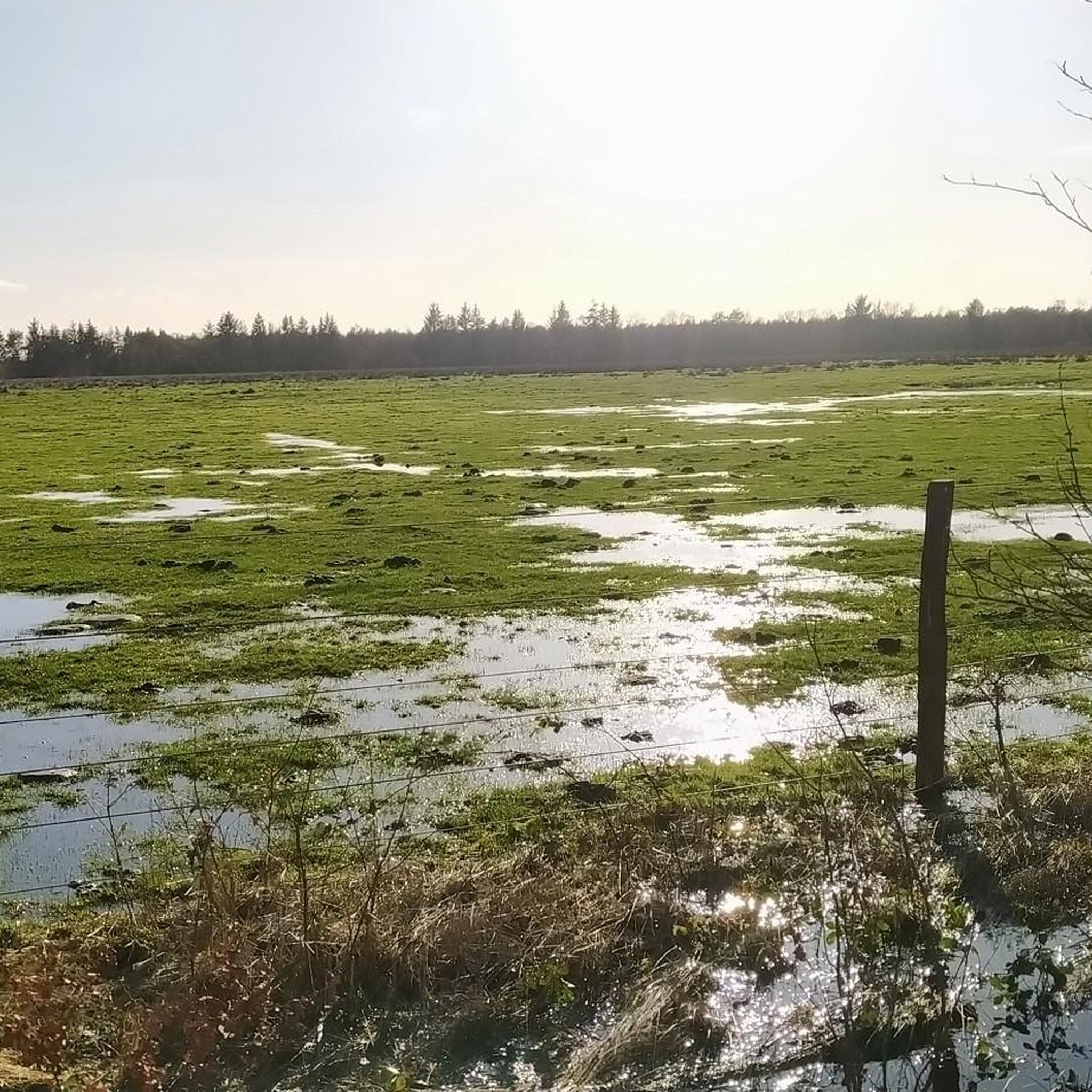
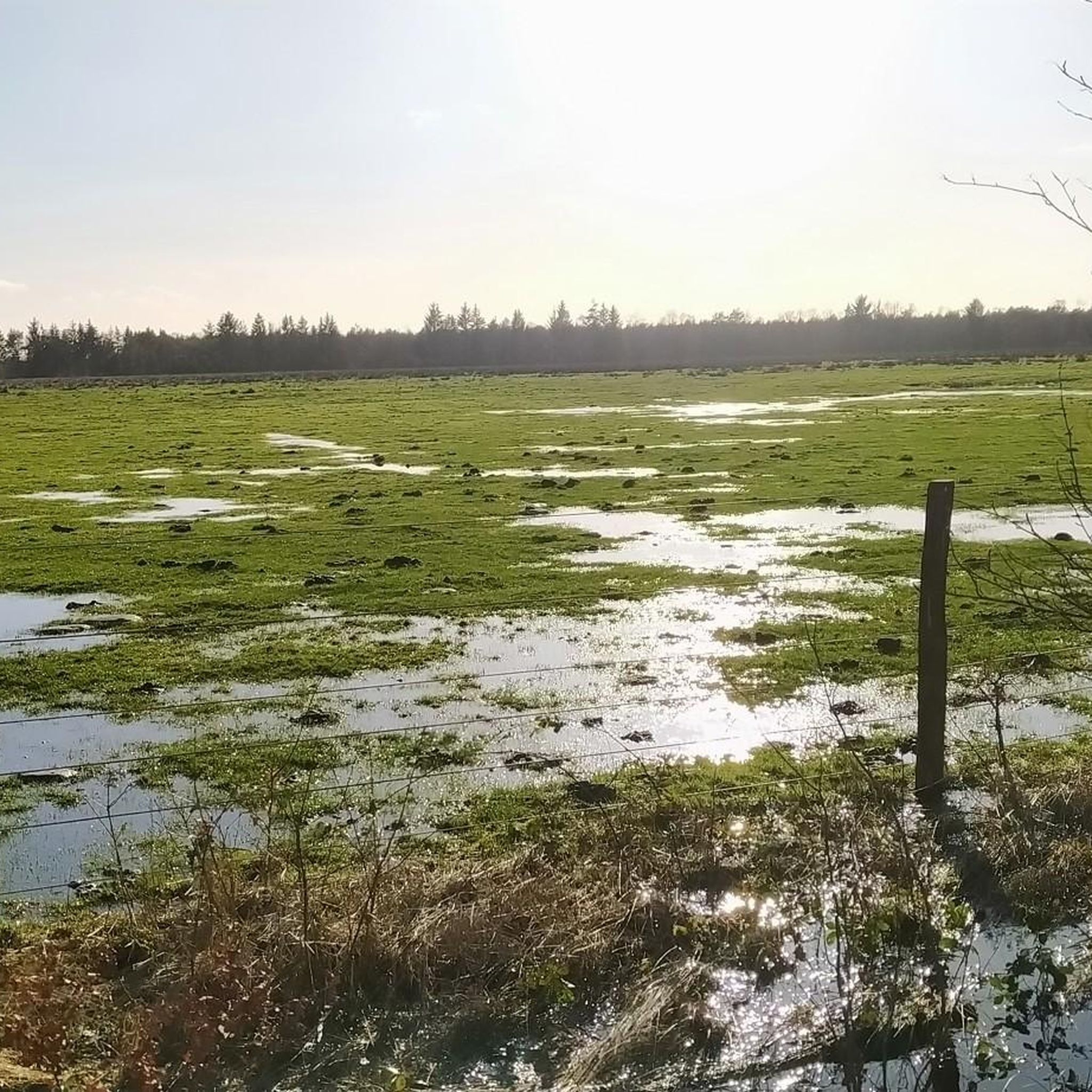
Beautiful cycle path through the nature reserve on the Weser. The marsh landscape is characterized by regular flooding and is a habitat for many different animal species.
7
0

Nice place for a stopover 👍
2
0

Very nicely located. On weekends in summer, model boats are often out on the nearby Stöckser Lake.
1
0

The "Drakenburger Marsch" still shows clear traces of the river bend marsh, a form of land use that was once typical for the entire Wesermarsch. In addition to its cultural and historical significance, this type of landscape, which has become rare, offers a habitat and retreat for vulnerable and endangered animal and plant species and communities due to its structural diversity. The species-rich, well-preserved hedges and their herbaceous fringe are of very high ecological importance as a habitat for numerous, sometimes rare, vertebrates, birds and small mammals. The grassland, which is partly characterized by flood troughs and is regularly flooded, represents an important refuge for organisms bound to temporary bodies of water and offers resting and feeding opportunities, especially for Nordic birds migrating after floods. The remaining wet grassland is also important as a food habitat for the white stork. https://www.lk-nienburg.de/portal/seiten/naturschutzgebiet-drakenburger-marsch-901001074-21500.html
10
0

Very nicely situated in the forest. It's worth a visit 👍🔝
2
0

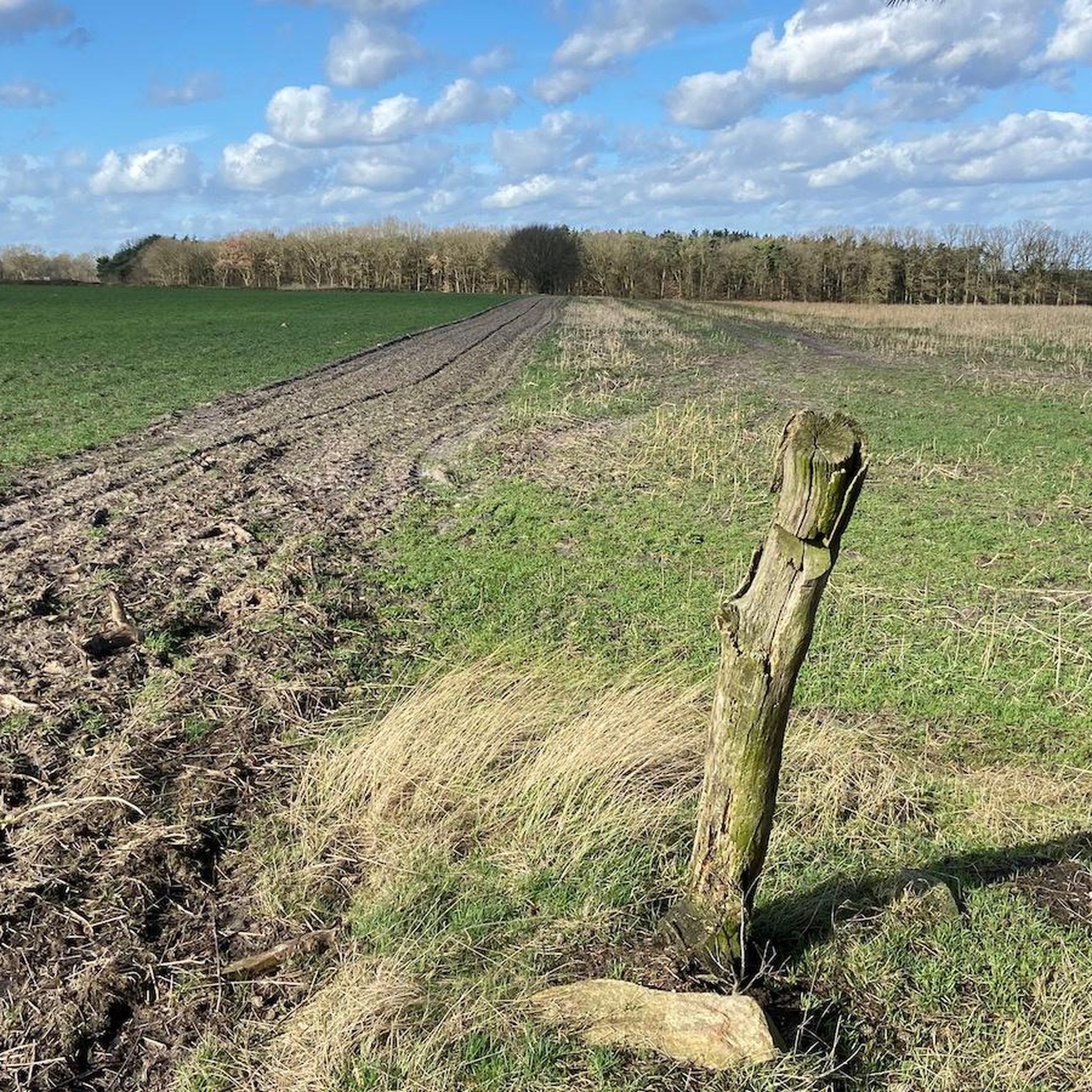
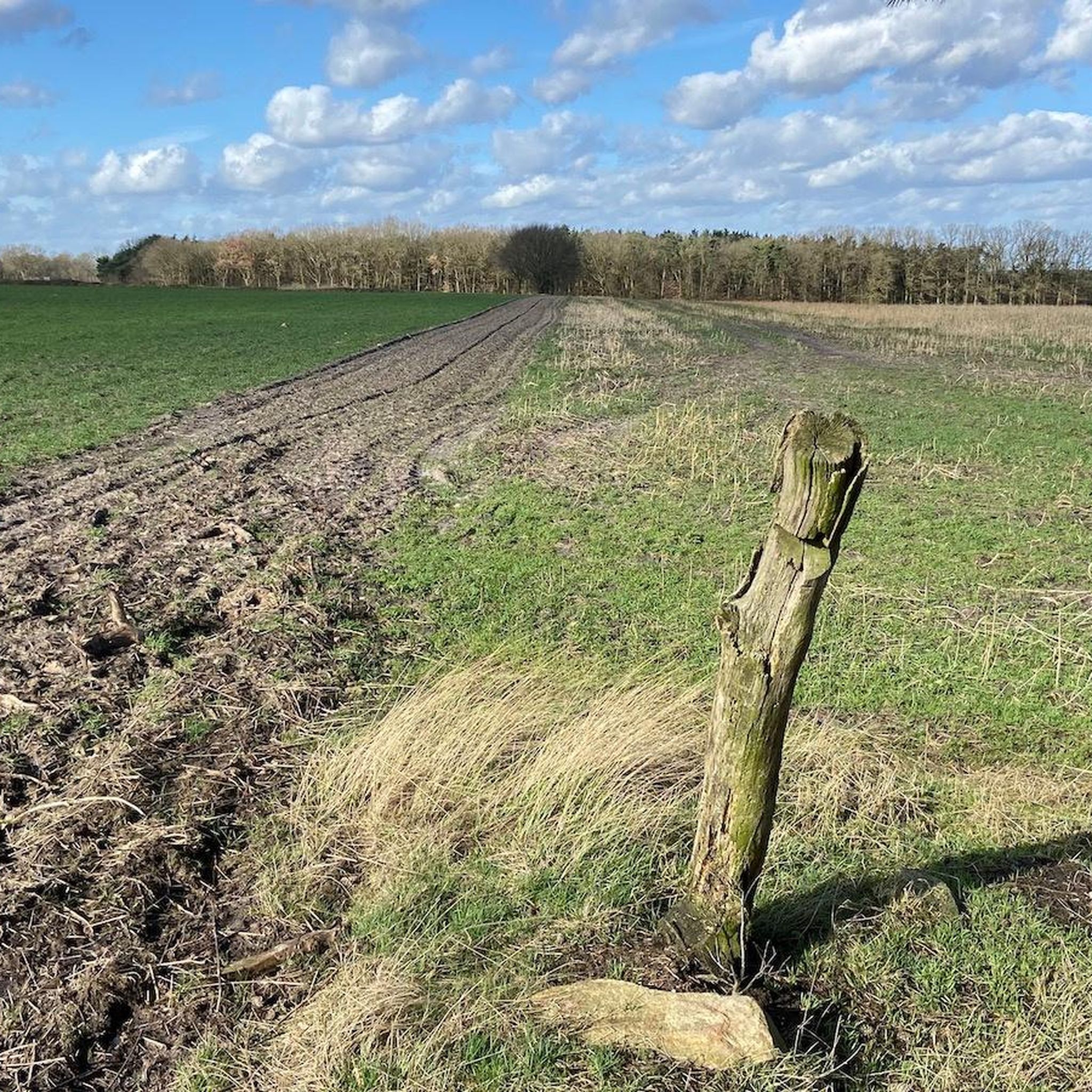
After the Wolfsstein, the path was completely rumpled up in places by the wild boars
0
0
Frequently Asked Questions
What are some of the most notable natural monuments to visit around Steimbke?
The region offers a variety of significant natural monuments. You can explore the unique Giebichenstein Boulder, one of the largest boulders in northern Germany, or the Drakenburg Marsh Nature Reserve, known for its marsh landscape and diverse wildlife. Another interesting site is the Wolf Stone Memorial (Wolfstein), which commemorates a historical event involving a wolf.
Are there any nature reserves near Steimbke that are worth visiting?
Yes, the Drakenburg Marsh Nature Reserve is a prominent area characterized by regular flooding, providing a habitat for many different animal species. Additionally, the Steimbker Kuhlen Nature Reserve, located north of Steimbke, protects a significant high moor environment along with heathland and grassland, offering opportunities for nature observation. You can learn more about Steimbker Kuhlen on Wikipedia.
What kind of natural features can I expect to see among Steimbke's natural monuments?
You'll encounter diverse natural features, including impressive geological formations like the 330-ton Giebichenstein Boulder and the Nienburg's Glacial Erratics, which are large stones transported by glaciers. There are also unique ecosystems such as the marshlands of the Drakenburg Marsh Nature Reserve and the high moor of Steimbker Kuhlen. The region also features ancient trees, like the notable Eiche in Linsburg, known for its peculiar growth.
Are there family-friendly natural monuments around Steimbke?
Many of the natural monuments are suitable for families. The Drakenburg Marsh Nature Reserve, Giebichenstein Boulder, Wolf Stone Memorial (Wolfstein), and Nienburg's Glacial Erratics are all categorized as family-friendly, offering accessible natural experiences and points of interest for all ages.
What outdoor activities can I do near these natural monuments?
The area around Steimbke is excellent for various outdoor activities. You can find numerous hiking trails, such as those in the Hiking around Steimbke guide, including routes like the 'Blinder See loop'. For cyclists, there are MTB trails and gravel biking routes, with options like the 'Stöckser Lake – Giebichenstein Boulder loop' in the MTB Trails around Steimbke guide, and routes in the Gravel biking around Steimbke guide.
Are there any historical sites among the natural monuments?
Yes, the Wolf Stone Memorial (Wolfstein) is a significant historical site that commemorates a wolf killed in the Lichtenmoor area in 1948, with a memorial stone and plaque providing details on site. The Eiche in Linsburg also holds local historical significance, even being depicted in the municipality's coat of arms.
What do visitors particularly enjoy about the natural monuments in the Steimbke region?
Visitors appreciate the unique natural beauty and the stories behind these sites. The Giebichenstein Boulder is often highlighted for its impressive size and the local legends surrounding it. The Drakenburg Marsh Nature Reserve is valued for its tranquil cycle paths and the opportunity to observe diverse wildlife in a rare marsh landscape. The historical context of the Wolf Stone Memorial also draws interest.
Can I find viewpoints among the natural monuments?
Yes, the Giebichenstein Boulder is also considered a viewpoint, offering a nice resting place. Additionally, the natural bathing lake Die Rolle provides great views of the water and surrounding nature.
Are there any natural monuments related to water bodies?
Yes, the natural bathing lake Die Rolle is a natural monument and a beautiful spot. It's an approximately 28-hectare natural lake located in a fauna-flora habitat area west of Nienburg/Weser.
What is the significance of the boulders found in the Steimbke area?
The boulders, such as the Giebichenstein Boulder and Nienburg's Glacial Erratics, are significant geological features. They are remnants from the Saale Ice Age, transported from southern Sweden, and offer insights into the region's glacial past. The Giebichenstein, in particular, is one of the largest in northern Germany and holds local legendary and historical importance.
Are there opportunities for nature observation, especially regarding birds?
Absolutely. The Drakenburg Marsh Nature Reserve is particularly important for birdwatching. Its marsh landscape, characterized by regular flooding, provides crucial resting and feeding opportunities for Nordic birds migrating after floods, and the remaining wet grassland is a vital food habitat for the white stork.
Most popular routes around Steimbke
Most popular attractions around Steimbke

Get inspired with the komoot mobile app


Explore more
Extend your search for the best caves by checking out these guides of the top ones around Steimbke:
